
Quick verdict (30 seconds)
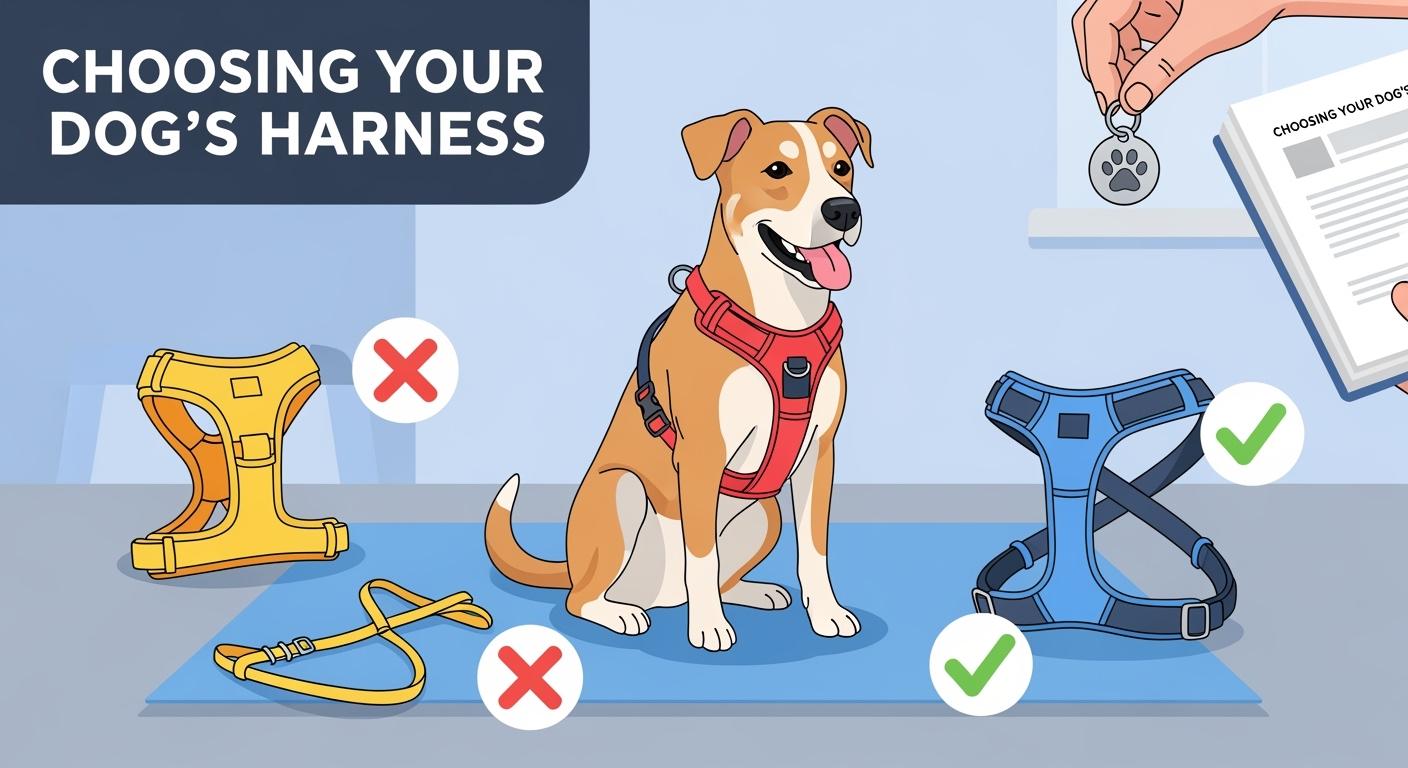
Choosing the best dog harness is mainly about four things: fit, safety, comfort, and control. Start by matching the harness to your dog’s body shape, age, and walking style (pulling, calm strolling, or needing support). If you are comparing options for outings and trips, browse the travel harness collection. If your dog has pain, breathing issues, or is recovering from surgery, ask your veterinarian before changing walking gear.
- Choose a Y-shaped/V-shaped front to preserve shoulder movement.
- Use a front clip for pullers; use a back clip for steady walkers.
- Aim for a snug fit: you can slide two fingers under each strap.
- Re-check fit after grooming, weight changes, or growth.
Choosing the best dog harness means keeping your dog safe. It should also be comfortable and easy to control. The phrase ‘best dog harness‘ shows these important things. You should think about your dog’s size and age. You should also think about how active your dog is. Some dogs need extra help for pulling or moving. Veterinarians often say vest harnesses are safer. They also have a good design for your dog’s body. Pick a harness that fits your dog well. Make sure it has padding where needed. The harness should use strong and airy materials. This guide gives general tips only. If your dog has pain or trouble moving, ask your veterinarian. If your dog is healing from surgery, talk to your veterinarian first.
Tip: Write down 3-5 facts about your dog’s size, age, habits, and any special needs before you shop.
Key Takeaways
- Pick a harness that fits well but is not tight. Your dog should move easily and not get hurt by the harness.
- Think about what your dog needs, like how active they are or if they have health problems. This helps you pick the best harness type.
- Find safety features such as strong straps and designs that stop escapes. These keep your dog safe and stop them from getting loose.
- Check the harness fit often, especially after your dog gets groomed or if their weight changes. Change the fit if needed so your dog stays comfy and safe.
- Ask your vet for advice if your dog has health issues or if you do not know which harness is best for them.
Quick Guide: Choosing a Dog Harness
Identify your dog’s main needs
You should start by thinking about what your dog needs most from a harness. Every dog is different. Some dogs pull hard on walks. Some need extra support for stairs or getting into a car. Others just need a harness for daily walks. To find the best dog harness, focus on three main factors:
- Fit: The harness should fit snugly but not squeeze. It should not block your dog’s shoulders or rub the skin.
- Design: Pick a harness style that matches your dog’s behavior. Active dogs may need more control. Calm dogs may do well with a simple harness.
- Material: Choose a harness made from strong, comfortable materials. This helps your dog feel good and keeps the harness working well.
Tip: Write down your dog’s age, size, and habits before you shop. This helps you match the harness to your dog’s needs.
Dogs change as they grow or get older. Puppies need harnesses that do not press on their necks. Older dogs may need more support. Always check the fit if your dog gains or loses weight.
When a harness isn’t enough
Sometimes, a harness alone does not solve every problem. If your dog has trouble walking or stands up slowly, you may need a harness with a handle for extra support. For dogs recovering from surgery or with pain, ask your veterinarian before using a new harness. If your dog slips out of harnesses, look for anti-escape features. You should always check the harness after grooming or growth.
Guidance: If you are unsure, ask your vet or a trainer for advice on harness choice.
Collar vs harness: which to use
Many pet owners wonder if they should use a collar or a harness. For most dogs, harnesses are safer and more comfortable. Harnesses spread pressure across the chest and body. Collars can press on the neck and cause pain or injury, especially if your dog pulls.
Guidance: For dogs that pull, a well-fitted harness can reduce pressure on the neck compared with a collar. If your dog has medical concerns, confirm the best setup with your veterinarian.
Veterinary groups recommend harnesses for dogs that pull or have breathing problems. Collars can make anxiety or reactivity worse. Harnesses help you keep control and protect your dog’s health.
Best Dog Harness Features Checklist
Use this checklist to compare harnesses by safety, comfort, and control. For a detailed walk-through on measuring and adjusting fit, see our dog harness sizing and adjustability guide.
Safety features keep your dog secure and prevent escapes. Comfort features protect your dog from rubbing and pressure. Control features help you guide your dog and manage behavior.
Safety: secure fit and stable straps
You want your harness to stay in place and keep your dog safe. Look for these features:
- Secure fit that matches your dog’s size and shape. The harness should not twist or ride up.
- Stable straps that do not press on the throat or neck.
- Reliable buckles and strong attachment points for the leash.
- Anti-escape design for dogs that back out of harnesses.
- A handle for close control in busy places or emergencies.
- Hardware that does not bend or break under stress.
Guidance: Always check the harness for loose threads, frayed webbing, or broken parts before each walk.
Comfort: pressure distribution and padding
Your dog needs comfort for every walk. The right harness features will spread pressure and prevent pain.
- Wide straps that distribute pressure across the chest and shoulders, not the neck.
- Padding in areas that touch the skin, such as under the chest and around the legs.
- Breathable materials to keep your dog cool, especially for long walks or warm weather.
- No sharp edges or rough seams that could rub or irritate your dog’s skin.
- A design that allows free movement for all sizes and breeds.
Here is a quick look at common harness materials and their benefits:
| Material Type | Characteristics |
|---|---|
| Nylon | High tensile strength, low cost, often treated with UV inhibitors and water-resistant coatings. |
| Polyester | Similar to nylon, with variations in quality; high-grade versions resist tearing. |
| 3D Air Mesh | Breathable, non-irritating, allows airflow while maintaining structural integrity. |
- No-pull harnesses spread pressure across the chest and shoulders. This protects the neck and lowers injury risk.
- A shoulder harness supports weight across the shoulders and upper back. This reduces strain and improves balance.
- Short-nosed dogs breathe easier with no-pull harnesses.
Guidance: If your dog shows signs of rubbing, redness, or discomfort, adjust the harness or try a different style.
Control: attachment options and handle
You need control to guide your dog and keep everyone safe. The best harness features give you options for every situation.
- Front leash attachment helps redirect pulling and gives you better control.
- Back leash attachment works well for steady walkers and casual strolls.
- Multiple leash attachment points let you switch between control and comfort.
- A sturdy handle lets you quickly grab your dog in crowds or at crossings.
- A close control plan helps you manage your dog in busy or risky areas.
- No-pull harnesses with a front leash attachment gently redirect your dog when the leash tightens.
- Some harnesses offer several leash attachment options for different walking styles.
Guidance: Practice using all the harness features at home before you go outside. This helps you and your dog feel confident.
Adjustability: prevent twisting and ride-up
A good harness should adjust to fit your dog’s size and shape. This keeps the harness stable and comfortable.
- Adjustable straps let you change the fit as your dog grows or changes weight.
- The harness should not twist, sag, or ride up during movement.
- Check the fit after grooming or if your dog gains or loses weight.
- Look for harness features that allow easy adjustments without tools.
Properly Fit a Harness: Sizing and Testing
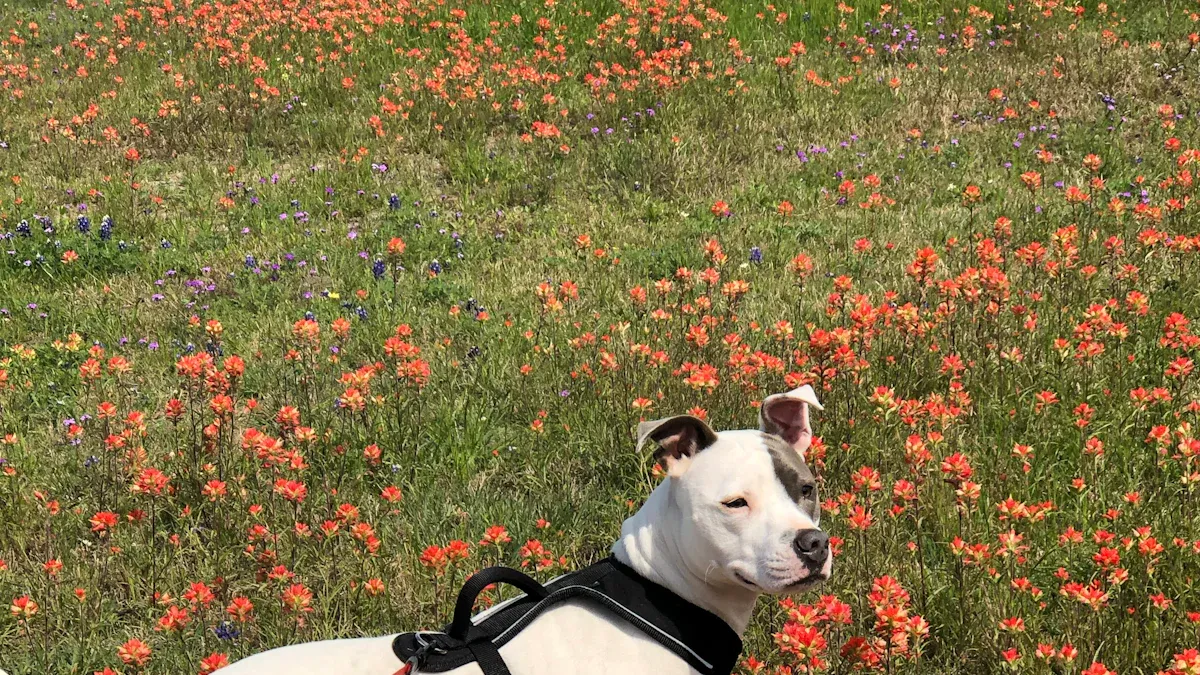
Getting the right fit for your dog harness keeps your dog safe and comfortable. You want your dog to move freely and stay secure during every walk. Follow these steps to properly fit a harness and test it before heading outside.
Movement test: walk, turn, sit, shake
You need to see how your dog moves in the harness. Start by putting the harness on your dog and letting them walk around the room. Watch your dog as they turn, sit, and shake. The harness should stay in place and not twist or ride up. Your dog should walk with a normal stride and show no signs of stiffness. If your dog pulls back or hesitates, check the harness for tight spots or straps that block movement.
Tip: Practice walking your dog indoors before going outside. This helps you spot problems early.
Anti-escape and snugness checks
A harness that fits well will not slip off or feel too tight. You want to check for both security and comfort. Make sure the harness sits flat against your dog’s body. The straps should not dig into the skin or press on the throat. Try gently pulling on the harness to see if your dog can back out. If the harness slides off, adjust the straps for a snugger fit. You should feel the harness secure but not see any pinching or bulging.
To get the best fit, take these measurements before buying a harness:
- Wrap a tape around your dog’s neck at its widest point.
- Measure your dog’s chest just behind the front legs.
- Measure your dog’s head above the eyes and ears.
- Measure the length from the base of the neck to the base of the tail.
- Measure the height from the ground to the top of your dog’s back.
These measurements help you choose the right size and style for your dog.
Guidance: If your dog tries to escape or seems uncomfortable, stop and check the harness fit before continuing.
Rubbing and pressure points
You want your dog to feel good in the harness. Check for signs of rubbing or pressure after your dog wears the harness for a few minutes. Look for red marks, hair loss, or irritated skin where the straps touch. Watch for your dog scratching, biting, or trying to remove the harness. If you see any of these signs, adjust the harness or try a different style. Your dog should move easily and show no reluctance to walk.
Common signs of discomfort or restricted movement include:
- Shortened stride or limping
- Reluctance to move forward or pulling back
- Rubbing or hair loss under the straps
- Red marks or irritation on the skin
- Trying to escape or remove the harness
- Stiffness after walks
Tip: Always check your dog’s skin and coat after walks for early signs of rubbing or pressure.
Re-check after growth or grooming
Dogs change over time. Puppies grow quickly, and adult dogs can gain or lose weight. Grooming can also change the thickness of your dog’s coat. You should regularly check the fit of the harness after grooming or growth. Adjust the straps as needed to keep the harness secure and comfortable. Use a quick checklist before each walk to confirm the harness size and fit. This keeps your dog safe and prevents escapes.
- Check the harness fit after every grooming session.
- Adjust the harness if your dog gains or loses weight.
- Review the fit if your dog’s activity level changes.
Guidance: Write down 3-5 facts about your dog’s size, age, and habits before you buy or adjust a harness. This helps you find the best dog harness for your needs.
Audience prompt: Are you a pet owner or a business? Prepare a short list of your dog’s details and needs before choosing a harness.
Step-by-step: How to put on and test a harness
- Place the harness on your dog, making sure the straps lie flat and do not twist.
- Fasten all buckles and check that the harness sits behind the front legs and away from the throat.
- Adjust the straps for a snug fit. You should be able to slide two fingers under each strap.
- Let your dog walk, turn, sit, and shake. Watch for twisting, riding up, or slipping.
- Check for signs of discomfort, such as rubbing, red marks, or reluctance to move.
- Re-adjust as needed. Repeat the movement test until your dog moves freely and the harness stays in place.
Guidance: If you notice twisting, riding up, or slipping, adjust the straps or try a different harness style.
By following these steps, you can properly fit a harness and keep your dog safe, comfortable, and under control during every walk.
Common Mistakes and Safety Tips
Mistakes with a harness can put your dog at risk. You want to keep your dog safe and comfortable. Here are the most common mistakes people make when using a dog harness:
| Common Mistakes in Harness Fitting | Description |
|---|---|
| Position of the belly strap | Should be one hand’s width from the front leg and not touch the elbow. |
| Fit of the chest strap | Must allow shoulder blades to move freely. |
| Chest strap and chest bridge meeting | Should be at the upper end of the sternum, not too high on the neck. |
- Measuring over bulky clothing or winter coats. Always measure against your dog’s fur.
- Using a stiff ruler. Use a flexible tape to fit your dog’s body.
- Measuring a wriggling or excited dog. Wait until your dog stands calmly.
- Assuming weight equals size. Check your dog’s chest depth and shape.
- Ignoring growth in puppies. Re-measure your dog every few weeks.
Loss of control: wrong attachment, slack straps
You can lose control if you use the wrong leash attachment or leave straps too loose. Always check that you use the correct leash point for your dog’s needs. Front attachments help with pulling. Back attachments work for steady walkers. Straps must stay snug but not tight. Loose straps can let your dog slip out or twist the harness.
Tip: Before every walk, check all buckles and leash clips for safety.
Discomfort: overtightening, poor strap placement
Overtightening straps can cause pain or restrict movement. Poor strap placement can lead to rubbing or pressure on your dog’s skin. Make sure straps do not press on the throat or armpits. Adjust the harness so your dog can move freely. Watch for signs like limping, red marks, or your dog trying to remove the harness.
Safety do nots: cars, stairs, crowds
Never use a walking harness as a car restraint. Use a harness made for vehicles if you travel with your dog. On stairs, support your dog if they have trouble moving. In crowds, keep your dog close and use the handle if your harness has one. Avoid letting your dog pull near traffic or busy places.
Guidance: If your dog shows fear or pain, stop and check the harness fit.
Wear signals: when to replace a harness
Check your harness often for loose threads, frayed webbing, bent rings, sticky clips, or cracked buckles. Replace it if you see damage, if the fit changes, or if hardware no longer closes securely. How long a harness lasts depends on your dog’s size, activity level, and how often it gets wet or dirty.
Guidance: If you see damage or sudden changes in fit, replace the harness for your dog’s safety.
Lift Assist Harness: When and Why to Use
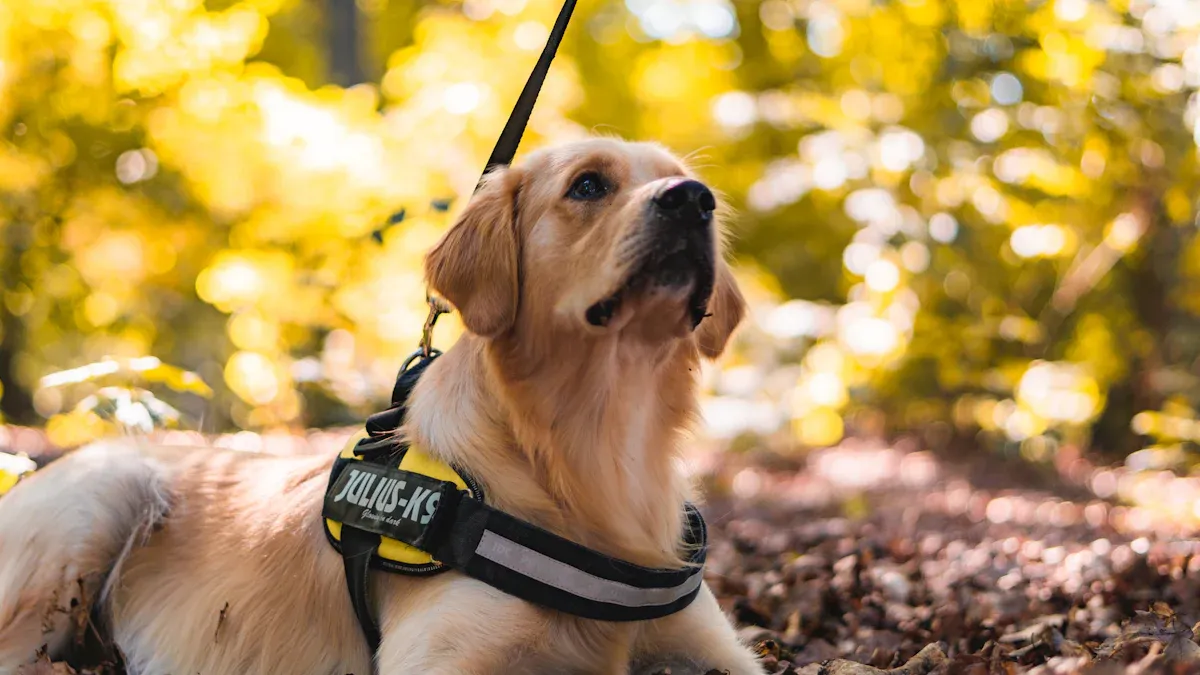
A lift assist harness can make a big difference for dogs who need extra help moving. You may see older dogs struggle with stairs or getting into vehicles. Some dogs need support after surgery or when they have joint problems. You use a harness to help your dog move safely and comfortably.
Senior dogs and recovery
Many senior dogs lose strength in their legs. Arthritis and stiffness can make walking hard. A lift assist harness helps your dog stand up, walk, and climb steps. You support your dog’s hips and back legs without causing pain. Dogs recovering from surgery also benefit from a harness. You help your dog move without putting stress on healing areas. Dogs with disabilities, like hip dysplasia or spinal issues, need extra support. A harness gives them stability and helps prevent falls.
- Support for mobility in older dogs
- Assistance for dogs after surgery
- Help for dogs with disabilities
Guidance: Always watch your dog for signs of pain or discomfort when using a lift assist harness.
Stairs and vehicles
Stairs and vehicles can be tough for many dogs. Use a lift assist harness to support balance and reduce the risk of slips. If you want practice drills and handling ideas, see our step-by-step mobility tips. Always move slowly and keep the straps away from armpits and joints.
Handler comfort and support
You also need comfort when helping your dog. Some harnesses have extra padding and special designs. These features spread pressure across your hands and arms. You feel less strain when lifting or guiding your dog. The harness protects you from irritation caused by straps. You can help your dog for longer periods without discomfort.
Guidance: Practice using the harness at home before you help your dog on stairs or in vehicles.
When to consult a vet
You must check your dog’s condition before using a lift assist harness. If your dog cannot bear weight, stands with difficulty, or does not try to walk, you should talk to your veterinarian. Your vet can tell you if a harness is safe for your dog. You need a diagnosis and advice before you use a harness for dogs with unknown injuries or pain.
- Observe if your dog can stand and walk
- Ask your veterinarian for a diagnosis
- Follow your vet’s advice for safe use
You want your dog to be happy and safe. Look for these harness features:
- Y-shaped or V-shaped front lets your dog move easily.
- Adjustable fit helps stop sore spots.
- Right size keeps your dog safe and comfy.
Try not to make these mistakes:
- Harness rubs or hurts your dog’s skin.
- Harness falls off or stops your dog from moving.
- Harness is tough to put on or hard to clean.
Pick a harness that fits your dog’s habits and needs:
| Harness Type | Advantages | Disadvantages |
|---|---|---|
| Back-clip | Easy for calm walkers | Less steering for strong pullers |
| Front-clip | Adds steering for pullers | Needs correct fit to avoid rubbing |
| No-pull | Helps reduce pulling with training | Fit and acclimation matter |
| Vest-style | Comfortable padding and coverage | Can be warm/heavy if bulky |
Use your checklist and test the fit before you buy. Safety, comfort, and control make walks fun for you and your dog.
FAQ
Guidance: If you have questions about harness fit, safety, or your dog’s special needs, ask your veterinarian or a certified trainer.
How do I know if my dog’s harness fits correctly?
You should check that the harness sits flat and does not twist. Your dog should walk, turn, and sit easily. You should see no red marks or rubbing after walks.
Can my dog wear a harness all day?
You should remove the harness when your dog rests or stays indoors. Long wear can cause rubbing or discomfort. Use the harness only for walks or activities.
What should I do if my dog tries to escape the harness?
You should check the fit and adjust the straps. Look for anti-escape features. If your dog still escapes, try a different harness style or ask a trainer for help.
How often should I replace my dog’s harness?
You should check for frayed webbing, loose threads, or broken buckles. Replace the harness if you see damage or if it no longer fits well.
Is a harness better than a collar for walking?
A harness spreads pressure across your dog’s chest and body. This helps prevent neck injuries. Most experts recommend harnesses for walking, especially for dogs that pull.






