
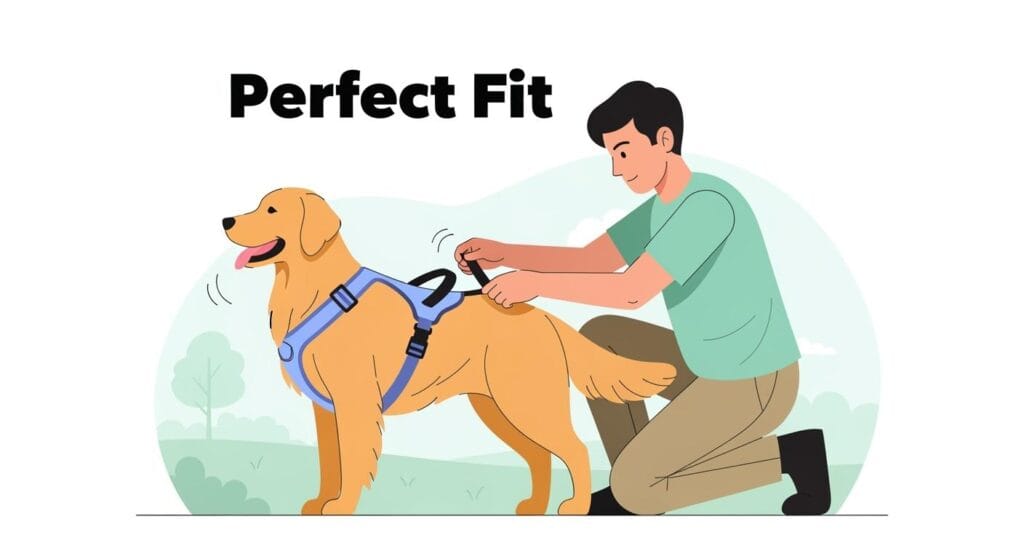
Canine pulling harness fit and setup guide for comfort and effective control

Canine pulling harness fit and setup guide for comfort and effective control

You want your k9 to feel comfortable and secure in a canine pulling harness. Pick the right harness size for your dog’s body type and activity. Check the fit before walking or running. Poor fit can cause rubbing, tangles, or loss of control. Look for signs of discomfort and adjust the harness as needed. Simple steps help you avoid sizing confusion and keep your dogs safe.

Key Takeaways

  • Pick a harness that matches your dog’s body and how active they are. The right fit stops pain and helps you control your dog better.

  • Find harnesses made with tough materials and straps you can change. This makes the harness last longer and fit your dog well.

  • Check if your dog feels good in the harness often. If you see rubbing or your dog tries to get away, fix the harness.

  • Clean and look at the harness a lot. Taking care of it keeps your dog safe and lets the harness work well.

  • Pick the best harness for what you want to do. Some harnesses are better for walking, training, or pulling sports.

Key takeaways for harness selection and fit

Choosing the best harness for dogs that pull

Pick harnesses with strong buckles and tough materials. The best harness for pulling gives comfort and keeps your dog steady. No-pull harnesses with front clips help control strong dogs. Rolled leather harnesses spread pressure so you have steady control. Always think about your dog’s size and how they walk. Choose a harness style that fits your dog’s needs, like step-in or vest. Large dogs need harnesses with more places to attach a leash.

Ensuring right size and fit for comfort

Getting the right fit is very important. Top harness brands say fit depends on your dog’s shape and what they wear. Try the harness to make sure it is snug but not too tight. A good harness lets your dog move easily and does not slip off. The best harness for pulling spreads weight across your dog’s body and helps prevent injuries.

Safety and training tips for control

Safety starts with leash training. Dogs that pull can run into traffic or hurt someone. Use an H-style or Y-style harness that does not rub. Train your dog to walk beside you with a front clip harness. Front clip harnesses help you keep control and make walks better. Put the harness on right so your dog’s shoulders can move.

Reducing risk of rubbing and returns

To stop rubbing, pick harnesses made from soft and airy materials. Look for harnesses you can adjust and ones with padding. Rubbing can happen from bad materials, wrong size, or wetness. Check for spots where the harness presses and make sure it moves with your dog.

Maintaining harness and gear

Clean your harness often to make it last longer. Wash it after muddy walks or every two weeks. Use mild soap or a gentle wash if allowed. Check for loose threads or broken buckles. Clean stains and let it dry all the way. These steps keep your harness safe and working well for every dog owner.

Tip: Always look at your harness before each training to keep your dog safe.

What is a canine pulling harness and when to use it

Pulling sports vs everyday walks

A canine pulling harness is a strap system that goes around your dog’s body. It spreads pressure over the chest and shoulders. This stops choking and keeps your dog comfortable when pulling. You see these harnesses in sports like canicross, skijoring, and bikejoring. These sports need harnesses that let dogs move and pull safely. You also use harnesses for walking, training, hiking, and travel. Harnesses for walks help you control your dog and keep them safe. Harnesses for pulling sports help dogs move with strength.

  • Main uses for a canine pulling harness:

    • Better control when walking

    • Stops choking

    • Keeps dogs safe and comfortable

    • Training

    • Travel safety

    • Working-dog jobs

Pick a pulling harness for running, skijoring, or bikejoring when your dog needs to pull hard. For daily walks, choose a harness that helps you guide your dog and keep them safe.

Load path and attachment points

Pulling harnesses change how your dog moves. When your dog pulls, the harness spreads weight over the chest and shoulders. This lets your dog move forward in a natural way. Regular walking harnesses focus on control and keeping your dog close. Their attachment points stop pulling. Pulling harnesses have attachment points that let your dog pull straight ahead. You see this in sports like canicross and skijoring, where the tugline connects at the back of the harness. The load path helps your dog’s shoulders move, which is important for pulling.

Comfort signals and reassessment

Watch your dog for signs of comfort when using a harness. Signs of comfort are relaxed body, steady movement, and no rubbing. If your dog seems uncomfortable, like stopping or licking, check the harness fit. You may need to adjust straps or try another style. Always check the harness after each use. You keep your dog safe by looking for rubbing or pressure spots. If your dog is young or new to pulling, keep sessions short and ask a vet if your dog is ready.

Tip: You help your dog enjoy pulling sports and walks by picking the right harness and checking the fit often.

Types of canine pulling harnesses and no-pull options

Types of canine pulling harnesses and no-pull options

You need to know the main dog harness types before choosing the best option for your k9. Each harness style works for different activities and training needs. The right canine pulling harness gives your dog comfort and control during walking, running, or pulling sports.

X-back harness overview

The X-back harness is one of the best choices for pulling sports. You see this harness in activities like sledding, bikejoring, and canicross. The X-back design uses straps that cross over your dog’s back, forming an “X” shape. This style gives a custom fit for each dog. Padding, such as Polartec Fleece, adds comfort during long runs. You can use this harness for many sports because it fits well and keeps debris away with optional nylon covers. The X-back harness supports your dog’s movement and spreads pressure evenly.

Feature/Benefit

Description

Custom Fit

Tailored to your dog’s measurements for a perfect fit.

Comfort

Full padding keeps your dog comfortable during pulling.

Versatility

Works for sledding, carting, scootering, and bikejoring.

Optional Features

Nylon pack cloth keeps fleece clean and free from debris.

H-back harness features

You may want an H-back harness for even pressure distribution. The H-back design spreads force across your dog’s chest and back. Adjustable straps let you change the fit for your dog’s body. This harness style helps you control your dog and lowers the risk of escape. You get a flexible fit that moves with your dog, making it suitable for dogs of all sizes. The H-back harness is a good choice for comfort and safety.

  • Even pressure across chest and back

  • Adjustable straps for flexible fit

  • Better control during walks

  • Suitable for all dog sizes

Y-front and front clip dog harness

The Y-front and front clip dog harness styles help you train dogs that pull. The Y-front harness uses a Y-shape to spread pressure across the chest and shoulders. This design prevents choking and strain. The front clip dog harness attaches at the sternum, which helps you guide your dog and reduce pulling. You get better control in busy areas. The front-clip harness works as a training aid, giving gentle feedback for loose-leash walking. Different types of front clip harnesses help redirect your dog’s attention and make walks safer.

Advantage

Description

Reduced Pulling

Redirects your dog’s momentum back toward you.

Better Control

Gives you leverage in crowded or distracting places.

Training Aid

Teaches loose-leash walking with gentle feedback.

  • Y-shape harnesses distribute pressure evenly

  • Front clip harness styles discourage pulling

  • Different types of front clip harnesses improve control

Adjustable and weight-pull styles

You can choose an adjustable harness for pulling dogs if you want a flexible fit. This style lets you change the size for different breeds. The adjustable harness for pulling dogs spreads pressure across the body and allows easy breathing. Weight-pull harnesses support dogs during heavy pulling sports. These harnesses help prevent injuries and give comfort for active breeds. You get a harness that fits well and keeps your dog safe during training or competition. The dual-clip harness offers both front and back attachment points for more control.

Tip: Pick the best harness for your dog’s activity and body type. Check fit and adjust straps before each session.

Fit checks for right size and comfort

Fit checks for right size and comfort

A canine pulling harness works best when you check the fit before every session. You want your k9 to feel secure and move freely. You can avoid discomfort, rubbing, and returns by following a simple fit routine. Use these steps and tips to help your handler skills and keep your dogs safe.

Measuring for right size and fit

You need to measure your dog carefully to find the right size and fit. Start with a flexible tape measure or string. Follow these steps for the best results:

  1. Measure the neck just below where the collar sits, above the shoulders.

  2. Wrap the tape around the widest part of the chest, starting from the bottom of the rib cage.

  3. Account for thick fur by pressing gently but not too tight.

  4. Consider your dog’s weight, as it affects harness size.

  5. Adjust the tape measure’s placement based on your dog’s shape.

Tip: Use adjustable straps to get a tailored fit. Always check both neck and girth measurements.

Fit Checklist for a comfortable dog harness:

  • Neck and chest measurements match the harness size chart.

  • Straps sit flat against the body, not twisted.

  • You can slide two fingers under any strap.

  • The harness allows free movement of shoulders and legs.

  • No gaps or loose areas that could cause tangles.

Avoid using a walking-only harness for pulling sports. These harnesses do not spread force correctly and may cause discomfort. Pick a harness designed for pulling, such as a front clip dog harness or no-pull style, for better control and safety.

Movement test and rubbing signs

After you put the harness on, watch your dog move. The movement test helps you spot problems early. Look for these signs:

  • The harness shifts or rotates during walking or running.

  • The neck strap sits too high or too low, pressing on the throat or blocking leg movement.

  • The chest strap sits too close to the armpits, causing rubbing or irritation.

  • The strap between the front legs is too wide, leading to chafing or changing your dog’s gait.

  • Your dog avoids or resists the harness, showing discomfort or pain.

Note: If you see any of these signs, stop and check the fit. Adjust the straps or try a different harness style.

Check for hot spots after each session. Look for redness, hair loss, or swelling where the harness touches the skin. These signs mean the fit is wrong or the harness is not the best choice for your dog’s activity.

Fast fixes for common fit mistakes

You can fix most harness fit mistakes quickly. Use these tips to keep your dog comfortable and reduce returns:

  • For loose straps, tighten gradually. Make sure you can still slide two fingers under the strap.

  • For tight straps, loosen just enough to restore comfort, usually one or two clicks.

  • Check visual symmetry. The harness should look even and not twisted.

  • Do not rely only on neck measurements. Always measure both neck and girth for support.

  • Use adjustable features to get a snug fit without being too tight.

  • Make sure the harness fits well, allowing comfort and movement.

Handler tip: Run a walk test. Watch if the harness shifts or rotates. Adjust as needed for the right size and fit.

Avoid skipping shock absorption in your setup. Use a tugline with a shock absorber for pulling sports. Pick the correct line length for your activity. For canicross, use a tugline between 4.9-8.2 ft (1.5-2.5 m). For bikejoring, use 6.6-9.8 ft (2-3 m). These lengths help prevent tangles and keep your dog safe.

Set realistic training expectations. Start with short sessions and inspect the harness after each use. Look for signs of wear or discomfort. This routine helps you catch problems early and keeps your dog happy.

Tips: Always check fit before and after training. Use a post-session inspection to spot issues. This reduces returns and keeps your canine pulling harness working at its best.

Troubleshooting harness issues

Common causes and solutions

You may notice problems with your canine pulling harness during walking or training. Fit issues often lead to discomfort, poor control, or rubbing. You can fix most problems by following these steps:

  1. Adjust both sides of the straps evenly. This prevents tilting and keeps the harness balanced.

  2. To lengthen the chest strap, hold the slider and gently pull the chest part.

  3. Place the harness on your k9 and make small adjustments for a better fit.

  4. Use the two-finger rule. You should fit two fingers under any strap for a snug but not tight fit.

  5. Watch your dog’s behavior. Signs of discomfort include stopping, licking, or trying to remove the harness.

• If the harness still feels tight after adjustments, try a larger size. • Regularly check the harness fit. Dogs can change size over time.

If you cannot achieve a proper fit or your dog shows ongoing discomfort, consult a veterinarian or a professional dog trainer. This is not medical advice. Always seek expert help for pain, limping, or skin irritation.

Safety tip: Warm up your dog before each session. Check the surface for hazards. Increase activity gradually to prevent injuries.

Preventing tangles and poor control

Tangles and poor control can disrupt your training and put your dog at risk. You can prevent these issues by choosing the right harness and setup for your activity.

Scenario A: Beginner canicross runner with a surging dog You start running with your dog, but sudden surges cause the tugline to snap and tangle. Use a front clip dog harness or a no-pull style to redirect your dog’s energy. Select a tugline between 4.9-8.2 ft (1.5-2.5 m) to keep a safe distance. Teach your dog steady cues and start with short, controlled runs.

Scenario B: Bikejoring workout with side-to-side drifting During bikejoring, your dog drifts side to side, risking tangles near the bike. Use a front clip dog harness for better control. Choose a tugline between 6.6-9.8 ft (2-3 m) to maintain safe spacing. Attach a neckline if you run two dogs to keep them aligned. Practice line management and keep sessions short until your handler skills improve.

Handler tip: Always check your harness and tugline before each workout. Use shock absorbers and quick release options for added safety.

Stay alert during training. Adjust your harness and tugline as needed. These steps help you prevent tangles and keep your dog safe.

Step-by-step setup and training plan

Step 1: Pick the best harness for dogs that pull

You want to start with the best harness for dogs that pull. The right choice helps your k9 feel secure and lets you control movement during walking or pulling sports. Begin by checking the harness for durable materials and strong stitching. Look for an ergonomic design that fits snugly but does not press on the trachea. Adjustable straps let you fine-tune the fit for your dog’s body shape. You also need safety elements like reflective strips for visibility at night. The best harness for dogs that pull spreads weight evenly, so your dog stays comfortable and safe.

Here is a table to help you compare the most important criteria when selecting the best harness for dogs that pull:

Criteria

Description

Durable Materials

Ensures comfort and longevity, with quality stitching and fabric.

Ergonomic Design

Allows for natural movement and control, fitting snugly without pressure on the trachea.

Adjustable Straps

Provides a precise fit for different breeds, enhancing control and safety.

Ease of Use

Simple to put on and adjust, minimizing stress for both the owner and the pet.

Safety Elements

Reflective features for visibility during night walks, ensuring safety in low-light conditions.

Weight Distribution

Ensures the harness meets the pet’s needs for secure and comfortable walks.

You should always measure your dog’s neck and chest before buying a harness. Use a flexible tape and follow the sizing chart. For pulling sports, confirm the harness allows free movement and does not rub. If you use a front clip dog harness, check that the leash attachment sits at the chest. This helps you guide your dog and manage pulling. The best harness for dogs that pull will make your training sessions safer and more enjoyable.

Tip: Try the harness indoors first. Watch your dog walk and run. Adjust the straps until you see a comfortable fit.

Step 2: Teach no-pull cues and control

You need to teach your dog how to walk without pulling. Start with a front clip dog harness for better control. Use leash management to keep the leash slack. This prevents your dog from thinking tension means pulling. Practice the “gather” and “dip” techniques to signal your dog to pay attention. Reinforce good behavior with treats when your dog walks beside you. This encourages loose-leash walking.

You can use a longer leash to let your dog explore. This reduces pulling because your dog gets access to new smells and sights. Training with a no-pull harness helps you redirect your dog’s energy and keeps walks calm.

  • Leash management keeps the leash slack and teaches your dog not to pull.

  • Reinforcement strategies reward your dog for walking beside you.

  • Longer leashes allow exploration and reduce pulling behavior.

Handler tip: Practice short sessions in quiet areas. Use treats and praise to build positive habits. Switch to busier places as your dog improves.

Step 3: Build distance and intensity safely

You want to increase your dog’s pulling skills without causing injury. Start by understanding the “WES” scale: Weight bearing, Eccentric phase, Skill. Use this scale to choose safe exercises for beginners. Add variety to your dog’s movements to lower injury risk. Scale workouts based on your dog’s skill and strength. For new dogs, pick activities with low “WES” scores, such as sled drags or rope pulls. These help your dog build strength and confidence.

  • Use the “WES” scale to assess exercise safety.

  • Add variety in movements to reduce injury risk.

  • Scale workouts based on skill and strength.

  • Choose low “WES” score activities for beginners.

You should always check your dog’s readiness before increasing distance or intensity. For canicross, use a tugline between 4.9-8.2 ft (1.5-2.5 m). For bikejoring, use a tugline between 6.6-9.8 ft (2-3 m). These lengths help prevent tangles and keep your dog safe. If your dog is young or new to pulling, keep sessions short and watch for signs of fatigue. Consult a veterinary professional to confirm your dog’s skeletal maturity before starting strenuous activities.

Note: Increase distance and intensity slowly. Watch your dog for signs of discomfort. Adjust your plan as needed to keep training safe and fun.

Harness specs and key parameters

You should know the main specs before picking a harness for your k9. The right specs help keep your dog safe and comfy while walking or training. Harnesses for pulling sports need special features. Always check the key parameters for your activity.

Here is a table with the most important specs. These values come from rules and guidelines. Always check the latest rules for your event.

Parameter

Value

Canicross tugline length, expanded

4.9-8.2 ft (1.5-2.5 m)

Bikejoring tugline length, expanded

6.6-9.8 ft (2-3 m)

Hip belt width reference

2 3/4 in (7 cm) minimum over the spine

Shock absorber in tugline

recommended feature in many joring rule sets

Quick release option

open hook or quick release connection can reduce risk in emergencies

Two-dog setup note

neckline is commonly used to keep dogs aligned

Readiness for structured running

skeletal maturity often 7-20 months; verify with a veterinary professional

The tugline length changes depending on the sport. For canicross, you use a shorter line. For bikejoring, you need a longer line to keep space from the bike. The hip belt should be wide to protect your back. Many events say to use a shock absorber in the tugline. This helps lower sudden force on you and your dog.

Studies show the most pressure from a harness is at the sternum. You should check this spot for rubbing or discomfort. The back of the harness has less force than most people think. Different harness styles change how pressure spreads on your dog’s body.

  • Always check the sternum for marks.

  • Use adjustable straps for a better fit.

  • Pick a harness that matches your dog’s sport and shape.

You keep your dog safe by following these specs and checking the fit often. Good specs help stop rubbing, tangles, and poor control every time you use the harness.

Decision table for activity, fit, and safety

Choosing harness type and line length

You should pick a harness and line length that match your activity and your dog’s size. The best harness for walking or training depends on how much control you want. It also depends on how your dog moves. Use the table below to help you choose what works best for you.

Harness Type

Best For

Pros

Considerations

Suggested Line Length (US + metric)

Back-Clip Harness

Easygoing dogs and casual walks

Simple design, less tangling

Not great for dogs that pull

4.9-8.2 ft (1.5-2.5 m) for walking

Front-Clip (No-Pull) Harness

Dogs in training or those who pull

Helps manage pulling

May require practice to avoid tangling

4.9-8.2 ft (1.5-2.5 m) for training

Dual-Clip Harness

Active lifestyles and versatility

Front or back clip depending on activity

Bulkier than single-clip harnesses

4.9-8.2 ft (1.5-2.5 m) for walking/running

Backpack or Day Pack Harness

Hikers and campers

Storage for food, water, and gear

Avoid for dogs with back problems

Not for pulling sports

Safety Harness (Car Harness)

Traveling safely with your dog

Helps keep dogs secure during drives

Not suitable for everyday walks

Not for walking or pulling

For pulling sports like canicross, use a tugline between 4.9 and 8.2 feet (1.5 to 2.5 meters). For bikejoring, use a longer line between 6.6 and 9.8 feet (2 to 3 meters). These line lengths help keep your dog safe and stop tangles. Always check your dog’s size and what you plan to do before picking a harness and line length.

Tip: Try different harness styles inside before going outside. Watch how your dog moves and change the fit to make it comfortable.

Safety features for control and comfort

You want your harness to keep your dog safe and comfy. Look for these safety features when you pick a harness:

  • Secure buckles stop the harness from coming off by accident.

  • Reflective parts help you see your dog when it is dark.

  • Strong materials last longer and handle pulling.

  • Ergonomic design supports your dog’s body and lowers rubbing.

  • Adjustable straps help the harness fit many body shapes.

  • Breathable fabric keeps your dog cool while walking or training.

  • Strong attachment points keep your dog secure.

  • Quick-release buckles let you take off the harness fast if needed.

These features help you control your dog and keep them comfortable. Always check the harness before you use it. Make sure all buckles and straps work right. If you see any damage, get a new harness to keep your dog safe.

Note: Safety rules can be different. Always check the latest event rules for your activity.

Pre-run checklist for harness setup

Gear and fit check

You want your k9 to feel safe and ready before every run. Start by checking your harness for signs of wear. Make sure all buckles and straps work. Look for a snug fit that allows your dog to move freely. The best harness will not pinch or rub. You should use a hands-free running belt and leash for balance. A stretch or bungee leash helps absorb shocks during pulling. Always use a harness with a back clip to reduce neck pressure and prevent tangling.

Pack these items for your pre-run checklist:

  • Hands-free running belt and leash

  • Harness with a back clip

  • Cooling vest for warm days

  • Running booties for rough surfaces

  • Safety light for low-light conditions

  • Collapsible water or food bowl

  • Hydration pack for longer outings

  • Durable water bowl

  • Treats for motivation

  • Poop bags for clean-up

  • Towel to keep your car clean

Check the fit of your harness before walking or running. Slide two fingers under each strap. Make sure the harness sits flat and does not twist. Adjust straps if needed. You keep your dogs comfortable and safe by following this routine.

Tip: Always inspect your gear before each session. Replace worn items to prevent accidents.

Warm-up and post-run care

You help your dog avoid injuries by starting with a gentle warm-up. Walk for a few minutes to loosen muscles. Let your dog stretch and sniff. This prepares them for training and pulling activities. After your run, give your dog water from a collapsible bowl. Remove the harness and check for signs of rubbing or discomfort. Use a towel to clean your dog and keep your car tidy.

Give your dog time to cool down. Offer treats and praise for good behavior. Inspect the harness for dirt or damage. Wash the harness as needed and let it dry before the next use. These steps help you keep your gear in the best condition and support your dog’s health.

Note: Regular warm-ups and post-run care help prevent injuries and make training more enjoyable.

You want the best fit for your k9 when using a canine pulling harness. The best harness keeps dogs comfortable and gives you control. Always check the harness before each use. Use the checklist and tables to help you make safe choices.

  • Measure your dog for the right size.

  • Adjust straps for comfort.

  • Watch for signs of rubbing.

If you see ongoing discomfort, talk to a veterinary professional. Safety comes first for every dog.

FAQ

How do you know if your k9’s harness fits correctly?

You should check that the harness sits flat against your k9’s body. Slide two fingers under each strap. Watch for rubbing or shifting during movement. Your k9 should walk and run without discomfort or resistance.

What is the best harness type for pulling sports?

You should choose a harness designed for pulling sports. Look for styles that spread force across the chest and shoulders. Adjustable straps help you get a secure fit. Always check the activity requirements before you select a harness.

Can young dogs use a pulling harness for training?

You should wait until your dogs reach skeletal maturity, usually between 7 and 20 months. Ask a veterinary professional before starting structured pulling activities. Begin with short sessions and watch for signs of fatigue or discomfort.

How often should you inspect and clean your harness?

You should inspect your harness before each use. Look for wear, loose threads, or broken buckles. Clean the harness every two weeks or after muddy outings. Use mild soap and let it dry completely before the next session.

What should you do if your harness causes rubbing?

You should stop using the harness if you see redness or hair loss. Adjust the straps or try a different style. Choose harnesses with soft padding and breathable materials. Always check fit before each walk or run.

Get A Free Quote Now !

Table of Contents

Blog

Canine Pulling Harness How to Spot Wear Before a Hard Pull Turns Risky

Spot wear on your canine pulling harness by checking stitching and hardware before each hard pull to ensure durability and keep your dog safe.

Puppy Collars Custom: How to Check Tightness and Prevent Slipping Safely

Puppy collars custom should fit snugly with two fingers under the collar. Use the slip test to prevent loss and keep your puppy safe and comfortable.

Dog Running Leash: How to Select Hands-free or Standard Based on Real Pulling Patterns

Choose the right dog running leash by matching hands-free or standard setups to your dog's pulling and walking style for safety and control.

Dog Carry Bike Risk Checklist: Body Language Warnings and When to Stop Immediately

Spot stress or danger in your dog during dog carry bike rides. Learn body language warnings and when to stop for your dog's safety on hikes or rainy walks.

Which Waterproof Dog Bed Stays Dry on Wet Ground?

A waterproof dog bed with sealed seams, strong base, and high hydrostatic head value keeps your dog dry on wet ground during outdoor use.

Dog Leashes: How to Spot Wear Before a Leash Fails on a Walk

Check dog leashes for fraying, weak stitching, and hardware issues before walks. Spot stress points early to prevent leash failure and keep your dog safe.
Scroll to Top

If You Have Any Questions, Please Do Not Hesitate To Contatct With Us.

Get A Free Quote Now !

Welsh corgi wearing a dog harness on a walk outdoors





