
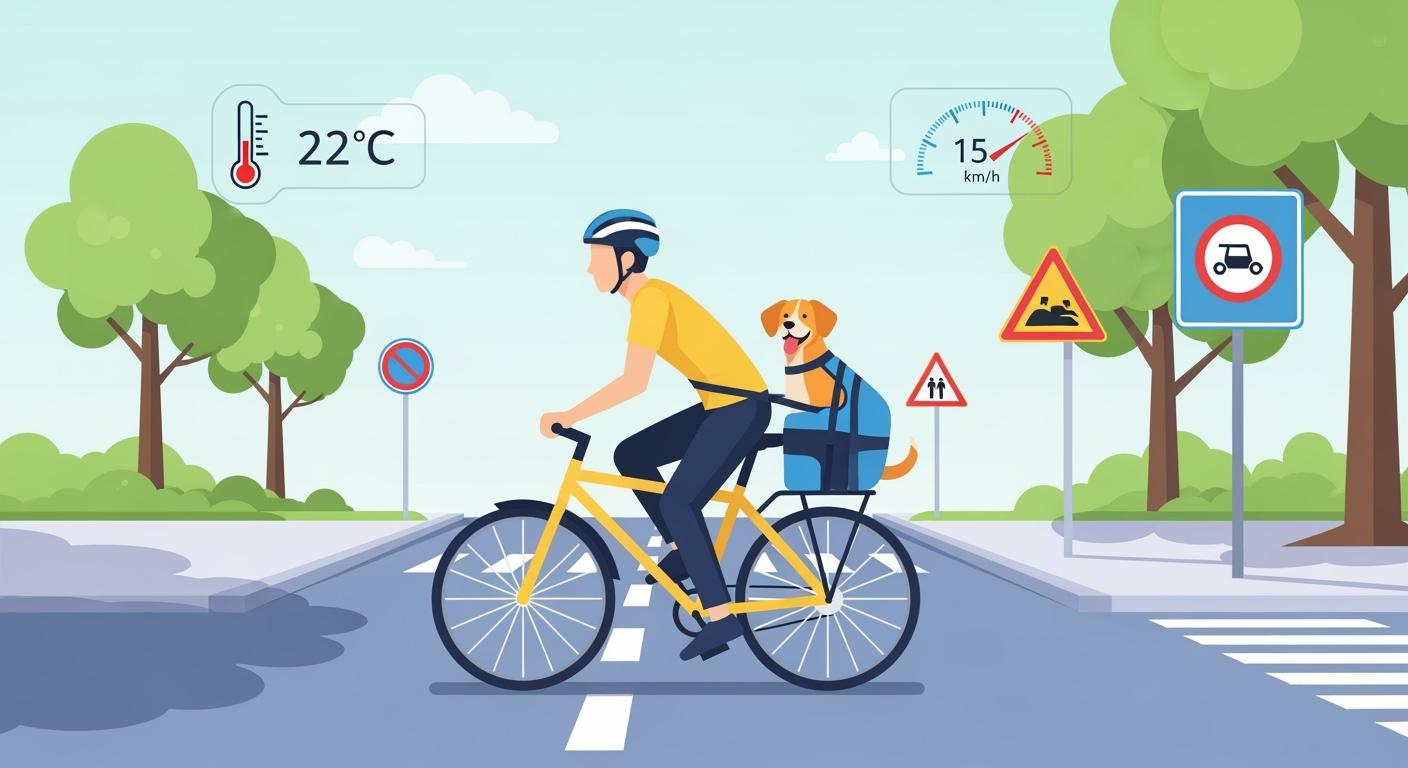
The route helps keep you safe while using a dog carry bike. No gear can fix a dangerous path. You want your dog to enjoy every bike ride. Safety comes from the route you choose. It is not just about the equipment. Traffic, surface, speed, and temperature affect your dog’s safety. You need to watch your dog’s comfort and signals. Tips for safe cycling with a dog carry bike help keep your dog calm. They also help protect your dog. If you see heat stress, limping, skin irritation, panic, vomiting, or breathing problems, stop right away. Talk to a veterinarian if these happen.
Key Takeaways
Choose calm and quiet routes to reduce stress for your dog. Avoid busy streets and sharp turns.
Monitor air and ground temperatures before riding. If it’s too hot, select a cooler path.
Use smooth surfaces like grass or dirt trails for comfort. Avoid rough terrain that can harm your dog’s paws.
Watch your dog for signs of stress during rides. Stop immediately if you notice heat stress or discomfort.
Plan your route carefully, including safe stop points for breaks and hydration. Always prioritize your dog’s safety.
Dog Carry Bike Basics and Route Importance
Carry Styles and Stability
You want to introduce your dog to bike rides in a way that feels safe and fun. A dog carry bike lets you bring your dog along, using a basket, trailer, or special carrier. Some riders use a dog bike tow lead or try bikejoring, where the dog runs ahead while attached to the bike. You must choose a style that matches your dog’s size and energy. A well-fitting harness helps keep your dog secure. You should check the harness before every ride. Damaged gear can put your dog at risk, so retire anything that shows wear. You must supervise your dog at all times. Gear cannot replace your attention.
Stability matters for every ride. If your dog shifts or the carrier wobbles, slow down and check the setup. You want your dog to feel calm and balanced. A stable dog carry bike helps your dog bond through exercise and enjoy the outing. You can familiarise your dog with the bike by starting with short, slow rides. This builds trust and helps your dog relax.
Four Key Route Factors
You must focus on four main factors when planning your route: traffic, surface, speed, and temperature. Each one affects your dog’s safety. Busy streets increase risk, while dog-friendly paths and local routes help keep your dog calm. Smooth surfaces reduce vibration and stress. Wet or loose ground can make the bike unstable. You should avoid these areas or slow down. Speed matters too. Steady and controllable beats fast. If you need to brake suddenly, your dog may get scared. Temperature affects your dog’s comfort. Hot pavement can burn paws. If air temperature reaches 85 F (29 C) or higher, check the ground with the back of your hand for 10 seconds. If you cannot hold it, choose a cooler path.
You must watch your dog for signs of stress. If you see heat stress, limping, skin irritation, panic, vomiting, or breathing problems, stop right away and consult a veterinarian. Your dog’s signals matter more than the route or gear.
Calm Route Rule
You want to choose calm routes for every ride. Research shows that local streets and designated bike paths lower injury risks for cyclists compared to busier streets. Busy roads pose higher risks. A calmer route can reduce risk, but it cannot remove it. You must stay alert and supervise your dog. Even on quiet paths, surprises can happen. You should plan your route to avoid heavy traffic, sharp turns, and rough surfaces. Dog-specific models and a dog cargo bike can help, but they do not replace careful planning.
Bikejoring works best on dog-friendly paths with steady surfaces. You must use a harness that fits well and check it often. You can bond with your dog by choosing safe routes and keeping the pace steady. You help your dog feel secure and enjoy the ride. Always familiarise your dog with new paths before going fast or far.
Tip: Calm routes and smooth surfaces help your dog relax. You build trust and bond through exercise when you choose safe paths.
Traffic Safety for Cycling with Your Dog
Risks to Avoid
You want to keep your dog safe every time you ride your bike. Heavy traffic can scare your dog and increase the chance of sudden stops. Busy intersections and fast-moving cars make cycling with your dog risky. You should avoid high-speed downhill biking with your dog because it is hard to control the bike and keep your dog calm. Winter roads with salt or ice can hurt your dog’s paws. Hot pavement can burn your dog’s feet, especially when air temperature reaches 85 F (29 C) or higher. If you see your dog panting hard, limping, or showing stress, stop and check for problems.
Safer Route Features
You can lower risk by choosing routes with predictable traffic flow. Fewer intersections mean fewer surprises for your dog. Smooth terrain helps your dog relax and keeps the bike steady. Cycle lanes and dog-friendly paths make cycling with your dog safer. You should plan safe stop points so you can check your dog and reset stress early. More shade helps protect your dog from heat. Always check weather conditions before you ride. If the air feels humid, plan shorter rides and more breaks.
Tip: Calm routes reduce risk but cannot remove it. You must supervise your dog and watch for signs of stress.
Quick Traffic Checklist
Choose routes with light traffic and easy pull-over spots
Avoid busy intersections and sharp turns
Use cycle lanes or dog-friendly paths
Plan safe stop points along your route
Check weather and ground heat before you start
Watch your dog for stress signals
Traffic Table
factor | why it matters | red flag | safer alternative | quick test |
|---|---|---|---|---|
traffic flow | reduces sudden fear and braking | heavy traffic, loud noise | predictable, calm streets | can you pull over easily? |
intersections | lowers startle and wobble events | many, complex crossings | fewer, simple crossings | count crossings per mile/km |
stop points | lets you reset stress early | no safe places to stop | planned safe stops | can you stop safely? |
surface | reduces vibration and stress | rough, wet, or loose ground | smooth, dry terrain | check with your hand |
timing | reduces heat and traffic stress | peak hours, hot weather | cooler, calmer periods | check air and ground temp |
You want to keep cycling with your dog fun and safe. Always watch your dog and adjust your route if you see signs of stress. Gear helps, but your attention and route choice matter most.
Surface Choices and Comfort
Smooth vs Rough Terrain
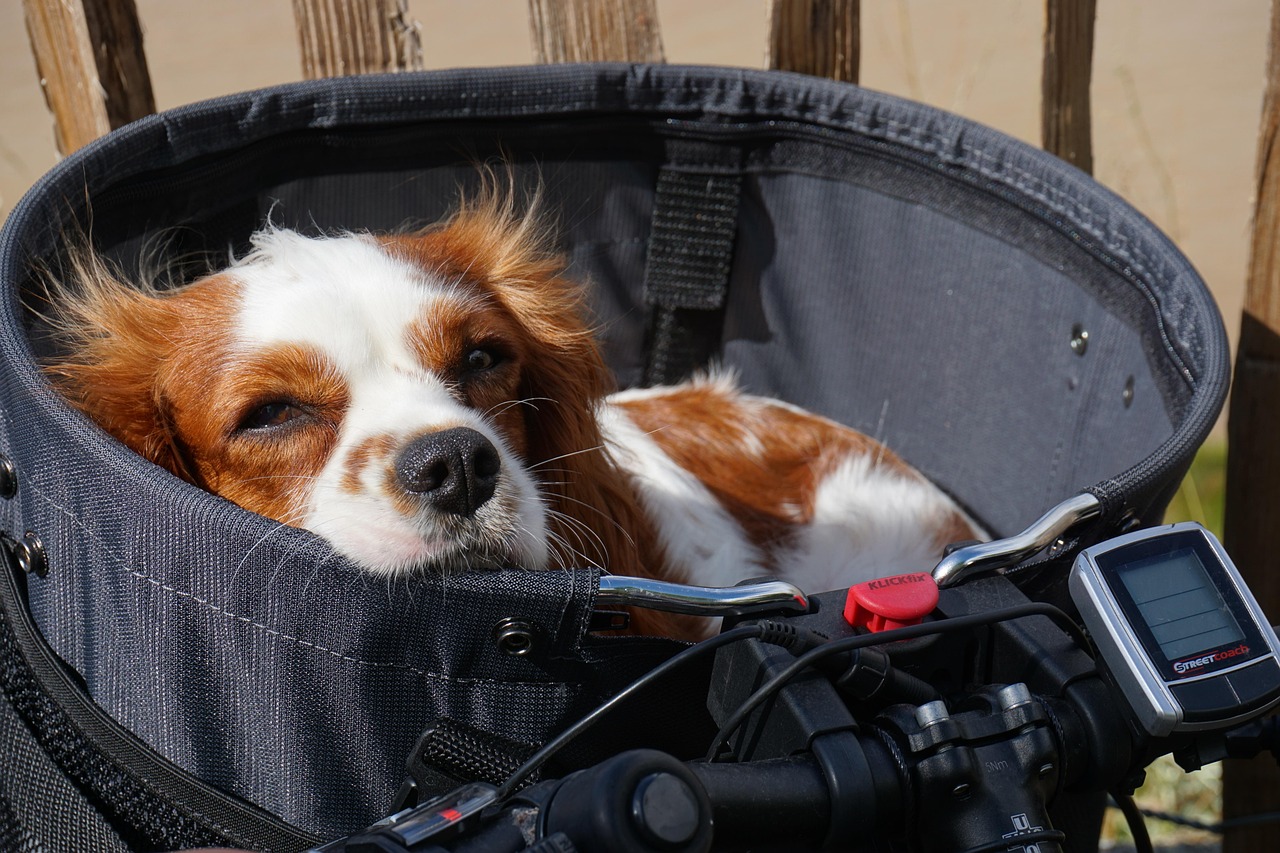
You want your dog to feel safe and relaxed during every bike ride. Soft paths like grassy or dirt trails are ideal for dogs. These surfaces cushion each bump and help protect your dog’s joints. Pavement is common, but you should let your dog build up tolerance slowly. Chipped asphalt can harm paw pads, so you need to avoid it. If you use a bike trailer, a suspension system absorbs bumps and makes the ride smoother, especially for older dogs. Larger wheels with good grip add stability on rough terrain. A firm, non-slip floor helps your dog feel secure.
Choose grassy or dirt trails for comfort.
Let your dog adjust to pavement over time.
Avoid chipped asphalt and rough terrain.
Use sturdy gear for gravel trails or hilly terrain.
Wet and Loose Ground
Wet or loose ground changes how your bike handles. You may lose traction and control. Your dog can feel sudden movements and get scared. If you ride on wet grass or loose gravel, you risk sliding or tipping. You need to slow down or reroute when you see these conditions.
Wet grass or loose terrain can cause your bike to slide. If you lose control, your dog may get hurt. Always check the ground before you ride.
If the air temperature reaches 85 F (29 C) or higher, pavement can get dangerously hot. Hold the back of your hand on the surface for 10 seconds. If you cannot, choose a cooler trail or reroute.
Edge Hazards
Edge hazards can appear on any trail. Potholes may cause accidents and injuries. Unleashed dogs can run into your path and create sudden risks. Fallen trees block trails and force you to stop or change direction. You must watch for these hazards and plan your route to avoid them.
Edge Hazard | Impact on Dog Safety |
|---|---|
Potholes | Can cause accidents for cyclists, potentially leading to injuries that may affect dogs nearby. |
Unleashed Dogs | Directly poses a threat to both cyclists and dogs, increasing the risk of confrontations or accidents. |
Fallen Trees | Can obstruct paths, creating hazards for both cyclists and dogs, leading to potential injuries. |
Surface Table
surface type | stability risk | comfort risk | what to do | when to reroute |
|---|---|---|---|---|
grass/dirt trail | low | low | choose for most rides | if muddy or flooded |
pavement | medium | medium | let dog build tolerance | if surface is hot or rough |
chipped asphalt | high | high | avoid | always |
gravel terrain | medium-high | medium | use sturdy gear, go slow | if loose or deep |
wet/loose ground | high | high | slow down, check traction | if sliding or unstable |
A calmer route can reduce risk but cannot remove it. You must supervise your dog and retire damaged gear. If you see heat stress, limping, skin irritation, panic, vomiting, or breathing issues, stop and consult a veterinarian.
Speed and Control for Safely Alongside Your Dog
Speed and Braking
You need to adjust your riding style when you carry a dog on your bike. The extra weight changes how your bike stops. Physics shows that more mass means a longer braking distance. When you ride with your dog, you may need almost twice the space to stop compared to riding alone. You should always plan ahead and brake earlier than usual. This helps you avoid sudden stops that can scare your dog or cause accidents. You want to keep your dog safe and calm every time you ride.
Steady Pace Framework
Dogs do not handle long, fast rides well. Their bodies are not built for high-speed or long-distance running. You should never push your dog to go faster or farther than they can handle. Here are some guidelines for keeping a steady pace:
Start with short rides and slowly increase time.
Watch your dog for signs of tiredness or stress.
Use a bike trailer for longer rides to give your dog a break.
Keep the ride smooth and avoid sudden changes in speed.
A steady pace helps your dog enjoy the ride and keeps you both safe.
When to Slow Down
You must watch your dog closely during every ride. Safety experts recommend several cues for slowing down:
Check your dog’s health and energy often.
Begin with rides of 5-10 minutes and add time slowly.
Avoid biking in hot weather or on rough trails.
Take frequent breaks to let your dog rest.
Make sure your dog looks happy and relaxed.
If your dog shows signs of heat stress, limping, skin irritation, panic, vomiting, or breathing problems, you need to stop and consult a veterinarian. A calmer route can reduce risk but cannot remove it. Supervision matters more than gear.
Speed Table
situation | speed approach | rider action | dog signals | stop criteria |
|---|---|---|---|---|
smooth path | steady and slow | watch dog posture | relaxed, normal pant | if stress signs appear |
busy street | very slow, ready | brake early | alert, head turns | if dog shows fear |
rough terrain | slow, careful | avoid sudden moves | stiff posture | if dog limps or pants hard |
hot weather | slow, frequent stops | check ground heat | heavy panting | if dog overheats |
long ride | steady, short breaks | use trailer if needed | tired, less energy | if dog stops enjoying ride |
Tip: You keep your dog safe by riding at a steady pace and watching for signals. Always choose safety over speed.
Temperature and Weather Planning
Air and Surface Heat
You need to watch both air and ground temperatures before every dog carry bike ride. When air temperature reaches 85 F (29 C) or higher, pavement can get dangerously hot. You can test the ground by holding the back of your hand on the surface for 10 seconds. If you cannot keep your hand there, the surface is too hot for your dog. High temperatures increase the risk of overheating. Dogs can show signs of heat stress when air temperature goes above 86 F (30 C), and asphalt may reach 135 F (57 C). If you see your dog panting hard, limping, or acting tired, stop and move to a cooler place.
Temperature (C) | Risk Level | Notes |
|---|---|---|
≥38 | High | Increased risk of heat illness in dogs |
≥41.5 | Critical | Indicates potential heat stress |
>30 | Moderate | Signs of thermal stress observed in dogs |
Humidity and Cooling
Humidity makes it harder for your dog to cool down during a bike ride. Dogs cool themselves by panting, which depends on moisture evaporation. High humidity slows this process and raises the risk of overheating. If the air feels humid, you should plan shorter rides, add more shade, and take frequent breaks. You must watch your dog for signs of stress, such as heavy panting or stiff posture.
High humidity affects your dog’s ability to cool down.
Dogs rely on panting for cooling, but humidity blocks evaporation.
If humidity is high, your dog may overheat quickly.
Shade and Hydration
You must provide shade and water for your dog during every bike ride. Regular breaks in shaded areas help prevent overheating. You should bring enough water for your dog, using at least 1 oz (28 g) per pound (0.45 kg) of dog weight, plus extra for cooling. Schedule rest stops every 20-30 minutes in the shade. If your dog shows signs of overheating, move them out of the sun and offer water right away.
Tip: Always bring fresh, cool water and plan your route to include shaded rest stops. Monitor your dog’s signals and adjust your ride if needed.
Temperature Table
condition | risk | route tweak | timing tweak | stop criteria |
|---|---|---|---|---|
hot air | high | choose shaded paths | ride early or late | if dog pants or limps |
hot pavement | high | reroute to grass | avoid peak heat | if ground fails hand test |
high humidity | high | shorten ride | add more breaks | if dog pants heavily |
mild weather | low | normal route | flexible timing | if dog shows stress |
overheating signs | critical | stop and cool dog | rest in shade | if dog shows heat stress |
A calmer route can reduce risk but cannot remove it. You must supervise your dog and retire damaged gear. If you see heat stress, limping, skin irritation, panic, vomiting, or breathing issues, stop and consult a veterinarian. Gear cannot replace your attention.
Route Planning Workflow for Cycling with Your Dog
Pre-Ride Scan
You need to check your route before every bike ride with your dog. Look for smooth surfaces and safe entry points. Make sure the harness fits well and does not rub. Test the tether length—12-18 in (30-45 cm) works for most dogs. Check for shade, water stops, and easy pull-over spots. If you see busy roads or rough terrain, plan to start on quiet roads. Watch your dog for signs of stress or excitement. If your dog seems tense, slow down and let them get used to the bike.
Trial Loop Method
Try a short trial loop before a full ride. Choose a calm route with few intersections. Ride for 3-5 minutes and watch your dog’s posture and breathing. If your dog stays relaxed, you can slowly increase the distance. If your dog shows stress, drop back one stage and repeat the loop. Change only one thing at a time, like surface or timing, to see what helps. For smaller dogs, use a basket or backpack and let them get comfortable before you ride.
Tip: A trial loop helps you spot problems early. You can adjust the route or gear before going farther.
Scenario A: Quiet Route, Rough Surface, Dog Tense
You pick a quiet route but notice the surface is rough. Your dog looks tense and shifts in the carrier. You diagnose vibration and stability issues. Slow down, check the harness, and try a smoother path. Run a short trial loop on grass or dirt. If your dog relaxes, you can increase the ride length.
Scenario B: Smooth Route, Hot and Humid
You choose a smooth route, but the weather is hot and humid. Your dog pants heavily and seeks shade. You diagnose heat load and shade gaps. Plan to ride early or late, add more stops, and bring extra water. Use the ground heat test before starting. If your dog shows heat stress, stop and move to a cooler spot.
Post-Ride Notes
After each ride, write down what worked and what did not. Note your dog’s signals, surface comfort, and any stress signs. Log the route, timing, and weather. If you see limping, skin irritation, panic, vomiting, or breathing issues, stop and consult a veterinarian. Retire damaged gear and adjust your plan for next time.
Route Planning Table
Parameter | Target Option or Rule | Why It Matters |
|---|---|---|
Traffic exposure | predictable flow, easy pull-over | Reduces sudden fear and braking |
Intersections | fewer, simpler crossings | Lowers startle and wobble events |
Surface texture | smoother is calmer | Reduces vibration and stress |
Wet/loose ground | avoid or slow and reroute | Changes traction and stability |
Speed demand | steady control | Reduces abrupt maneuvers |
Shade availability | more shade in warm conditions | Reduces heat load |
Stop points | planned safe stops | Lets you reset stress early |
Timing | cooler, calmer periods | Reduces heat and traffic stress |
Dog signals | watch posture, breathing, tension | Prevents escalation |
Abort rule | stop if stress or safety signals | Avoids pushing through risk |
Route Scoring Table
factor | low risk signs | medium risk signs | high risk signs | what to change first |
|---|---|---|---|---|
traffic | calm, few cars | some cars, moderate noise | busy, loud, unpredictable | reroute to quieter streets |
surface | smooth, dry | some bumps, damp spots | rough, wet, chipped | find smoother path |
timing | cool, shaded | warm, some sun | hot, no shade | ride earlier or later |
dog signals | relaxed, normal pant | alert, head turns | tense, heavy panting | stop, check, adjust route |
Step Sequence for Route Planning
Define ride goal
Decide if you want exercise, training, or a fun outing.
Look for your dog’s comfort level.
Change the goal if your dog shows stress.Screen the route
Walk or ride the route first.
Watch for traffic, surface, and shade.
Reroute if you find hazards.Choose safest time window
Pick cooler hours with less traffic.
Check air and ground temperature.
Change timing if it feels hot or busy.Plan bailout points
Mark safe places to stop or turn back.
Look for shade and water access.
Add more stops if your dog tires quickly.Run short trial loop
Ride a short section and watch your dog.
Look for relaxed posture and normal breathing.
Drop back a stage if stress appears.Increase difficulty slowly
Add distance or new surfaces one at a time.
Watch for changes in your dog’s signals.
Reduce difficulty if problems show up.Log signals
Write down what your dog did and felt.
Look for patterns in stress or comfort.
Adjust your plan based on notes.Adjust
Change one variable at a time.
Test fixes with another short loop.
Keep changes small and check results.
A calmer route can reduce risk but cannot remove it. You must supervise your dog and retire damaged gear. If you see heat stress, limping, skin irritation, panic, vomiting, or breathing issues, stop and consult a veterinarian. Gear cannot replace your attention.
Retail Notes and OEM/ODM Explainer
Listing Tradeoffs
When you shop for a dog carry bike, you have choices. You want your dog to be safe and comfortable. Some carriers are light, but others use strong materials. Stronger carriers last longer but can be heavier. Some products have quick-release systems for easy storage. These systems add more moving parts. Bigger wheels help on bumpy trails, but they make the bike heavier. You need to think about safety, comfort, and how easy it is to use. Always check if the carrier attaches tightly and has good airflow. If you see broken gear, stop using it right away. Watching your dog is more important than any feature.
Tip: Calm routes lower risk but do not remove it. Always watch your dog for stress. Stop if you see heat stress, limping, skin irritation, panic, vomiting, or breathing problems.
Spec Checklist
You should look at the specs before you buy a dog carry bike. The right specs help keep your dog safe and make riding easier. Use this table to compare what matters:
Specification | Impact on Safety and Usability |
|---|---|
Weight Capacity | Makes sure the carrier does not break or tip over. |
Attachment Mechanism | Easy and secure attachments keep your dog safe. |
Frame Material | Aluminum is lighter, steel is stronger and lasts longer. |
Wheel Size & Tires | Bigger wheels roll better on rough ground. Air tires make bumps softer. |
Ventilation & Visibility | Good airflow and UV protection keep your dog cool and safe from the sun. |
Braking Integration | Good brakes help you stop safely. Some models have dampeners to stop swaying. |
Quick-Release Systems | Makes it easy to get your dog out fast and store the carrier. |
Check these features before every ride. If you see damage, replace the gear. No product is better than your attention.
OEM and ODM Defined
You may see OEM and ODM when you shop for dog carry bikes. OEM means the brand gives the design, and the factory builds it. ODM means the factory designs and makes the product. ODM lets you change more things like materials, branding, and features. Use this table to see the differences:
Feature | OEM (Original Equipment Manufacturer) | ODM (Original Design Manufacturer) |
|---|---|---|
Customization Options | Only what the brand says | Many changes to design and features |
Product Development | Brand gives the plan | Factory designs and builds it |
Branding | Brand’s name and logo on the product | Factory name or client’s brand |
Knowing these terms helps you pick the right product. Always choose what fits your dog and your bike. Remember, gear helps but does not replace your care and attention.
Pick quiet paths and flat ground when you ride with your dog.
Look out for cars and keep your speed slow and steady.
Always check the air and ground to see if it is too hot.
Follow the route planning steps and watch your dog for stress.
A calm path lowers danger but does not make it go away. You protect your dog by throwing out broken gear and stopping if you see heat stress, limping, skin problems, panic, vomiting, or trouble breathing. Make every bike ride fun and safe for your dog.
FAQ
How do I know if my dog is comfortable during a bike ride?
You should watch your dog’s posture and breathing. Relaxed posture and normal panting show comfort. If your dog looks tense, pants heavily, or turns their head often, slow down and check for stress.
What is the best surface for cycling with my dog?
Choose smooth grass or dirt trails for most rides. These surfaces cushion bumps and protect your dog’s joints. Avoid chipped asphalt and rough terrain. If the ground feels hot, use the hand test before riding.
How much water should I bring for my dog?
Pack at least 1 oz (28 g) per pound (0.45 kg) of your dog’s weight. Bring extra for cooling. Offer water every 20-30 minutes, especially in warm weather. Watch for signs of dehydration.
Can I ride with my dog in hot weather?
You should avoid biking when air temperature reaches 85 F (29 C) or higher. Test the ground with your hand for 10 seconds. If it feels too hot, choose a cooler route or wait for better conditions.
What should I do if my dog shows signs of stress or illness?
Stop the ride right away. Move your dog to a cool, safe place. Watch for heat stress, limping, skin irritation, panic, vomiting, or breathing problems. Consult a veterinarian if any signs appear.






