
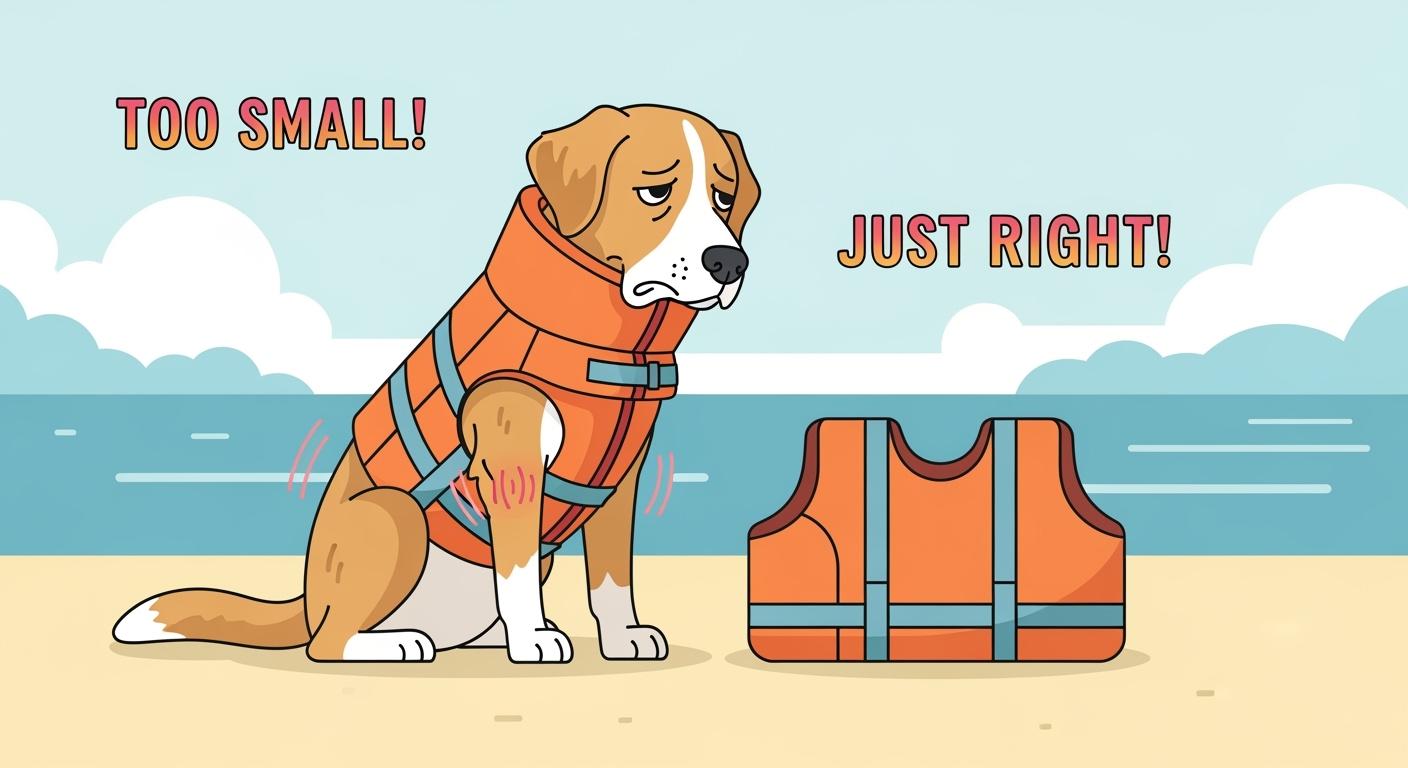
Most chafing and ride-up problems with dog life jackets happen because of sizing mistakes and bad strap placement. You can help your dog feel safe and comfy by checking the fit before every trip.
A good fit lowers risk but does not promise safety in all water. Always watch your dog and pick safe water places. If you see pain, limping, skin problems, panic, or hard breathing, stop and call a vet.
Key Takeaways
Always check the fit of your dog’s life jacket before each outing. A snug fit prevents chafing and ensures comfort.
Keep straps and buckles out of the armpit zone to avoid irritation. Adjust them to sit flat and clear of sensitive areas.
Inspect your dog for signs of discomfort after swimming. Look for redness or irritation, especially under the armpits and around the neck.
Use tables and checklists to guide you in measuring and adjusting the life jacket. This helps ensure a proper fit.
Supervise your dog at all times while in the water. A life jacket aids buoyancy but does not replace your watchful eye.
What Dog Life Jackets Do and Their Limits
Buoyancy Aid vs Supervision
You want your dog to stay safe and comfortable in the water. Dog life jackets help by giving buoyancy, which means your dog can float more easily and keep their head above water. Foam panels in the jacket lift the head and help your dog swim without struggling to keep the muzzle dry. Bright colors and reflective strips make your dog easier to spot. Some jackets have a strong handle so you can lift your dog out of the water if needed. Multiple adjustment points let you secure the jacket for a better fit.
Always watch your dog near water. Never leave your dog alone, even with a life jacket. You should look for signs of tiredness or stress and be ready to help right away.
A dog life jacket helps your dog stay afloat, but it does not replace your supervision. You must choose safe water spots and keep an eye on your dog at all times.
Why Proper Fit Matters in Water
A good fit is key for safety and comfort. If the jacket fits well, your dog can move their shoulders and legs without trouble. The jacket should not press on the neck or block movement. A proper fit keeps the jacket from sliding or twisting, which helps your dog swim naturally. Even strong swimmers need a well-fitted jacket, especially in rough water.
Let your dog wear the jacket on land before you go near water. This helps your dog get used to the feel and makes sure the jacket does not cause problems.
Chafing and Ride Up Problems
If the jacket does not fit right, it can rub against your dog’s skin and cause chafing. Straps or buckles in the wrong place can press into the armpit area and make your dog sore. Too much slack lets the jacket float forward and ride up, which can block movement or breathing. You can avoid these problems by checking the size and making sure the jacket stays centered and snug, not tight.
A good fit lowers risk but cannot guarantee safety in all water. If you see pain, limping, skin irritation, panic, or trouble breathing, stop and talk to your vet.
Common Dog Life Jacket Fit Mistakes Causing Chafing
Chafing can make your dog uncomfortable and less willing to swim. You can prevent most problems by checking the fit and making small changes before each trip. Many dogs get red spots or sore skin after swimming. You may notice these spots under the armpits, around the neck, or near buckles. These issues often come from sizing mistakes, poor strap placement, rough edges, or trapped grit.
Chest and Neck Sizing Errors
You need to measure your dog’s chest at the widest point behind the front legs. If you pick a dog life jacket that is too tight, it can pinch and rub the skin. If the jacket is too loose, it can shift and cause friction. The neck opening should stay stable and not slide forward. If the handle sits too far forward, the jacket may ride up and press against the neck when you lift your dog. This can lead to chafing and discomfort.
Incorrect sizing causes the jacket to move and irritate the skin.
Pinching or sliding can make your dog sore and less willing to swim.
A handle placed too far forward can push the jacket up around the neck, causing chafing during lifting or movement.
Tip: Always check the fit before each outing. The jacket should feel snug, not tight, and allow natural breathing and shoulder movement.
Straps or Buckles in Armpit Zone
Straps or buckles that sit in the armpit zone can cause red spots, swelling, or fur loss. You should keep all straps and buckles out of this area to protect your dog’s skin. If you see redness or your dog scratches at the jacket, inspect the fit and adjust the straps. The chest strap should sit below the throat, and side straps must clear the armpits. Padding and smooth edges help increase comfort and reduce chafing.
Straps pressing into armpits cause discomfort and redness.
Buckles in the armpit zone can rub and lead to skin irritation.
Regular inspection helps you catch problems early.
Safety Note: If you see pain, limping, skin irritation, panic, or breathing trouble, stop and consult a veterinarian.
Rough Edges, Wet Friction, and Grit
Rough seams or coarse fabrics act like sandpaper against your dog’s skin. Wetness from water, sweat, or rain softens the skin and makes it easier for friction to cause irritation. Dirt or sand trapped under the jacket increases the risk of chafing. You should rinse and dry the jacket after each use to remove grit and reduce friction.
Rough materials and seams can damage sensitive skin.
Moisture build-up makes skin prone to irritation.
Dirt or sand under the jacket increases friction and chafing.
Cleaning Tip: Rinse and dry the jacket fully after each trip to improve comfort and durability.
Chafing Mistake Table
Here is a quick reference table for common chafing mistakes, what happens, where you see the problem, and how to fix it. All measurements use dual units for clarity.
Mistake | What Happens | Where It Shows Up | Quick Fix |
|---|---|---|---|
Chest strap too tight or loose | Pinching, rubbing, shifting | Behind front legs, chest | Adjust strap by 1-2 in (3-5 cm), retest fit |
Neck opening slides forward | Chafing, pressure on neck | Neck, throat | Center jacket, adjust neck opening, retest |
Straps/buckles in armpit zone | Red spots, swelling, fur loss | Armpits, under front legs | Move straps/buckles out of armpit zone |
Rough edges or seams | Skin irritation, soreness | Any contact point | Add padding, trim rough edges, check lining |
Wet friction and trapped grit | Increased chafing, skin irritation | Under jacket, belly, sides | Rinse and dry jacket, clean skin, retest fit |
Scenario B: Dog gets red spots after swimming
If your dog gets red spots after swimming, check for armpit contact, buckle pressure, wet friction, and sand. Move straps and buckles out of the armpit zone. Add padding where needed. Rinse the jacket and your dog’s skin to remove grit. Adjust strap length by 1-2 in (3-5 cm) and retest the fit on land and in water.
Good fit reduces risk but cannot guarantee outcomes in all water conditions. Always supervise your dog and choose safe water spots.
Dog Life Jacket Fit Mistakes That Cause Ride Up
When you fit a dog life jacket, you want it to stay in place during swimming and lifting. If the jacket rides up, it can block breathing, twist the body, or make your dog panic. Most ride-up problems come from excess slack, poor strap path, or lifting with a loose handle. You can prevent these issues by checking the fit before and after your dog enters the water.
Excess Slack and Floating Forward
Excess slack in the straps lets the jacket float forward when your dog swims. This can cause the jacket to cover the mouth or nose, making it hard for your dog to breathe. You may see the jacket bunching up around the neck or chest. A loose jacket can slip off in the water, reducing protection and buoyancy.
A loose personal flotation device can slip off when your dog falls into the water.
If the jacket rides up, it may block the mouth or nose and cause panic.
The bottom strap should be secure to keep the jacket from riding up.
Proper fitting helps your dog move freely and keeps the jacket stable.
You should always remove extra slack before water tests. Adjust each strap by 1-2 in (3-5 cm) and check that the jacket feels snug, not tight. The jacket should allow natural breathing and shoulder movement.
Strap Path Issues
Strap path means where the straps run across your dog’s body. If straps cross the armpit zone or twist, the jacket may rotate or ride up. Straps that sit too high or too low can pull the jacket out of position. You want straps to run flat and clear of the armpits. The jacket should stay centered along the spine and resist rotation.
Check the strap path by lifting the handle gently. The jacket should stay centered and not rotate. If you see the jacket shift or bunch, adjust the straps and retest. Always keep buckles and straps out of the armpit zone for comfort and durability.
Handle Use and Lifting
Handles on dog life jackets help you lift your dog out of the water. You need to make sure the jacket fits well before using the handle. If the jacket is too loose, lifting can pull the jacket up around the neck or chest. This can make your dog uncomfortable and affect protection.
Let your dog get used to the jacket at home. Start with short sessions and increase the time slowly. This helps your dog adjust to the bulk and weight. A well-fitting jacket with a strong handle gives you better control and keeps your dog safe during lifting. Handles placed on the back and chest make it easier to help your dog board a boat or exit the water. In emergencies, a handle lets you lift your dog quickly, especially in strong currents or busy water.
Ride Up Table
Here is a table showing common causes of ride up, water symptoms, fit checks, and quick fixes. All measurements use dual units for clarity.
Cause | Water Symptom | Fit Check | Fix |
|---|---|---|---|
Excess slack in straps | Jacket floats forward, blocks mouth or nose | Check strap length, jacket shifts | Tighten straps by 1-2 in (3-5 cm), retest |
Strap path crosses armpit | Jacket rotates, bunches, rubs | Lift handle, watch for rotation | Move straps out of armpit zone, adjust path |
Loose neck opening | Jacket rides up around neck | Inspect neck fit, handle lift | Center jacket, adjust neck opening, retest |
Handle lifting with loose fit | Jacket pulls up, dog struggles | Lift gently, watch for shifting | Tighten straps, check handle placement |
Tip: Always test the jacket on land and in water. Watch for ride-up signs right after entry. If you see the jacket shift or block breathing, stop and adjust the fit.
Scenario A: Jacket looks fine on land but rides up in water
You fit the jacket on land and it looks good. When your dog enters the water, the jacket floats forward and rides up. First, check for slack in the straps. Adjust each strap by 1-2 in (3-5 cm) and retest. Next, inspect the strap path. Make sure straps do not cross the armpit zone and the jacket stays centered. Check the neck opening for stability. After each fix, test the jacket on land and in water. Repeat until the jacket stays in place and your dog moves comfortably.
A good fit reduces risk but cannot guarantee safety in all water conditions. Always supervise your dog and choose safe water spots. If you see pain, limping, skin irritation, panic, or breathing trouble, stop and consult a veterinarian. Dog life jackets help with buoyancy and protection, but they do not replace supervision or safe water choices. Comfort and durability depend on a well-fitted jacket.
Dog Life Jacket Sizing and Fit Steps
You want your dog to stay safe, comfortable, and protected in the water. A proper fit helps your dog get the most out of dog life jackets by improving flotation, buoyancy, and durability. Follow these steps to find the proper size and adjust for the best fit.
Measuring Chest, Neck, and Back
Measure the back length from the base of the neck to the base of the tail.
Wrap a tape around the thickest part of the neck. Make sure you can fit two fingers between the tape and the neck.
Measure the chest at the widest point behind the front legs. Keep the tape snug, not tight.
If your dog has thick fur, measure close to the skin and add a little for extra bulk.
Never guess the size. Always measure for accuracy.
Common mistakes include assuming the size, measuring too loosely or tightly, and ignoring how the jacket distributes weight. These errors can affect comfort and protection.
Land Fit Test: Snug, No Pinch, No Armpit Contact
Put the jacket on your dog. Buckle all straps and check that they sit flat. The jacket should feel snug enough to prevent shifting but loose enough for natural breathing and shoulder movement. Straps and buckles must stay out of the armpit zone to reduce rubbing. Run your fingers under each strap to check for pinching or pressure. Look for redness, swelling, or fur loss after a short walk. If you see any of these, adjust the straps by 1-2 in (3-5 cm) and retest.
Tip: Good fit reduces risk but cannot guarantee outcomes in all water conditions. Always supervise your dog.
Lift and Shake Test for Stability
Lift your dog gently using the handle. The jacket should stay centered along the spine and not rotate or slide. Give a gentle shake. If the jacket shifts or rides up, adjust the straps by 1-2 in (3-5 cm) and retest. This test checks for stability, flotation, and buoyancy before you enter the water.
Parameter and Value Table
Parameter | Target option or rule | Why it matters |
|---|---|---|
Chest girth measure | widest ribcage point behind front legs | Drives size choice |
Neck opening fit | stable opening that does not slide forward | Helps prevent ride up |
Back coverage check | panels cover core without blocking leg motion | Comfort and movement |
Armpit clearance | straps and buckles stay out of armpit zone | Reduces chafing |
Slack control | remove extra slack before water test | Prevents jacket floating forward |
Handle lift check | lift gently, jacket stays centered and does not rotate | Finds oversize and strap issues |
Water entry test | watch for immediate ride up signs | Confirms stability early |
Post swim rub check | inspect contact points and skin redness | Catches chafing early |
Cleaning routine | rinse and dry fully after use | Reduces grit, odor, and friction |
You should always check each step before every outing. If you see pain, limping, skin irritation, panic, or breathing trouble, stop and consult a veterinarian. Dog life jackets support flotation and buoyancy, but they do not replace supervision or safe water choices.
Water Fit Tests for Dog Life Jackets
You want to make sure your dog feels safe and comfortable during swimming. Water fit tests help you check if the life jacket works well in real conditions. These tests show if the jacket stays in place, prevents chafing, and supports natural movement.
Entry Check for Immediate Ride Up
Start by watching your dog as they enter the water. Look for signs that the jacket rides up right away. If the jacket floats forward or bunches around the neck, you need to adjust the straps. Remove extra slack by tightening each strap by 1-2 in (3-5 cm). The jacket should stay centered along the spine and not shift.
Tip: Always check for ride-up signs after entry. If you see the jacket block breathing or twist, stop and fix the fit.
Swim Posture and Centering
Watch your dog while swimming. The jacket should let your dog move their legs and shoulders freely. The jacket must stay centered and not rotate. If you see the jacket slide to one side or twist, check the strap path and adjust. Straps and buckles should stay out of the armpit zone to reduce rubbing.
Exit Check for Rub Points
After swimming, inspect your dog’s skin. Look for red spots, swelling, or fur loss, especially under the armpits and around the neck. These signs mean the jacket may have caused chafing. Adjust the straps by 1-2 in (3-5 cm) and retest. Rinse and dry the jacket to remove grit and reduce friction.
Water Test Table
Test | Pass Sign | Fail Sign | What to Change |
|---|---|---|---|
Entry ride up check | Jacket stays centered, no ride up | Jacket floats forward, bunches at neck | Tighten straps by 1-2 in (3-5 cm) |
Swim posture check | Dog moves freely, jacket stays centered | Jacket rotates, restricts movement | Adjust strap path, clear armpit zone |
Exit rub check | Skin clear, no redness or swelling | Red spots, swelling, fur loss | Adjust straps, add padding, clean jacket |
Safety Note: Good fit lowers risk but cannot guarantee safety in all water conditions. Always supervise your dog. If you see pain, limping, skin irritation, panic, or breathing trouble, stop and consult a veterinarian.
Buying Guide: Features for Proper Fit and Comfort
When you pick a dog life jacket, look for features that stop chafing and ride up. You want your dog to feel safe and move easily in water. The right features help you fit the jacket better and make your dog more comfortable.
Strap Layout and Belly Straps
Pick jackets with straps you can adjust. Straps should lay flat and not touch the armpit area. Belly straps need to sit under the ribcage and not squeeze or rub. You can use the adjustment points to get a better fit. Always check that straps do not cross the armpits. This helps stop rubbing and keeps the jacket in place.
You should be able to adjust straps by 1-2 in (3-5 cm) for a snug fit.
Belly straps must stay tight enough but not stop breathing or movement.
Tip: Check where straps and buckles sit before every trip. If they are in the wrong spot, your dog can get chafed.
Padding and Lining Choices
Soft padding and smooth lining help protect your dog’s skin. Pick materials that dry fast and do not hold grit. Padding on the chest and belly helps stop soreness. Smooth seams and covered edges lower the chance of skin problems. If your dog has short fur or sensitive skin, extra padding helps a lot.
Pick jackets with soft, quick-dry lining.
Stay away from rough seams or open stitching.
Hardware and Adjustment Range
Strong buckles and handles help you lift your dog safely. Hardware should not poke or press into the skin. Look for jackets with lots of ways to adjust the fit. Some jackets have six adjustment points and necks that can change size. These features help you fit the jacket to your dog and keep it centered.
Life Jacket Model | Key Features | Adjustment Range |
|---|---|---|
Confluence™ | Harness-style build, six points of adjustment, low-profile grab handle, reinforced tow loop | Customizable fit for various dog sizes |
Float Coat™ | Telescoping neck closure, strong handle for lift-and-assist, easy-to-clip buckles | Adjusts for a range of dog sizes |
Note: A good fit lowers risk but does not promise safety in all water. Always watch your dog.
Feature Comparison Table
Feature | Why It Matters | Who Needs It Most | What to Avoid |
|---|---|---|---|
Flat strap layout | Stops chafing, keeps jacket in place | All dogs | Straps crossing armpit zone |
Belly strap position | Stops ride up, helps movement | Active swimmers | Straps too tight or loose |
Soft padding/lining | Protects skin, feels better | Dogs with sensitive skin | Rough seams, coarse fabrics |
Wide adjustment range | Fits many sizes, easy to adjust | Growing or mixed-breed dogs | Few adjustment points |
Strong handle/hardware | Safe lifting, keeps jacket centered | Dogs needing help | Weak buckles, sharp edges |
Always check these features before you buy. The right jacket helps your dog swim easily and feel good. If you see pain, limping, skin problems, panic, or trouble breathing, stop and call your vet.
Troubleshooting and Maintenance for Dog Life Jackets
Fixing Chafing After One Trip
You may notice red marks or your dog scratching after a swim. Chafing often happens when straps rub under the arms or across the chest. If you see these signs, check the fit right away. Loosen the straps by 1-2 in (3-5 cm) to reduce pressure. You can add soft padding or switch to a smoother lining for extra comfort. Always keep straps and buckles out of the armpit zone. Inspect the jacket for rough seams or trapped grit. Rinse and dry the jacket after each use to remove sand and dirt.
Tip: Good fit lowers risk but cannot guarantee safety in all water. Always supervise your dog and choose safe water spots.
Ride Up in Waves or Current
Ride up can happen when your dog swims in waves or strong currents. If the jacket floats forward or bunches around the neck, check for slack in the straps. Tighten each strap by 1-2 in (3-5 cm) and retest the fit. Make sure the neck opening stays stable and does not slide forward. The jacket should stay centered along the spine and resist rotation. If you see the jacket block breathing or twist, stop and adjust the fit before your next outing.
Cleaning Routine for Fit and Comfort
You should rinse the jacket with clean water after every trip. Dry it fully before storing. This helps remove grit, sand, and salt that can cause friction and skin irritation. Check all straps, buckles, and padding for wear. Replace any rough or damaged parts. A clean jacket feels better and lasts longer.
Troubleshooting Table
Here is a table to help you solve common problems. Use the small adjustment rule: change strap length by 1-2 in (3-5 cm), then retest on land and in water.
Problem | Likely Cause | Quick Fix | Next Step |
|---|---|---|---|
Red marks or scratching | Straps too tight or rough | Loosen straps by 1-2 in (3-5 cm), add padding | Inspect for rough seams, clean jacket |
Jacket rides up | Excess slack, loose neck opening | Tighten straps by 1-2 in (3-5 cm), adjust neck | Retest fit in water, check centering |
Jacket rotates | Strap path crosses armpit zone | Move straps out of armpit zone, adjust path | Lift handle, watch for rotation |
Skin irritation | Wet friction, trapped grit | Rinse and dry jacket, clean skin | Replace damaged padding, retest fit |
Note: If you see pain, limping, skin irritation, panic, or breathing trouble, stop and consult a veterinarian. A life jacket helps with buoyancy but does not replace supervision or safe water choices.
Retail and Wholesale Notes for Dog Life Jackets
Listing Copy for Fit Checks
You want your product listings to help buyers choose the right size and fit. Clear listing copy lowers the chance of returns and unhappy customers. Use simple instructions for measuring chest, neck, and back. Always show dual units, like 18-22 in (46-56 cm) for chest girth. Remind buyers to check the widest ribcage point behind the front legs. Tell buyers to look for a snug, not tight, fit that allows natural breathing and shoulder movement. Point out that straps and buckles must stay out of the armpit zone. Add a tip to adjust straps by 1-2 in (3-5 cm) and retest for best results.
Good fit reduces risk but cannot guarantee safety in all water conditions. Supervision and safe water choices remain essential.
Spec Checklist for Sizing and Features
You can use a checklist to make sure each jacket meets comfort and safety needs. This helps buyers compare options and pick the best fit for their dog.
Spec Item | What to Include |
|---|---|
Chest girth range | Dual units, widest point behind front legs |
Neck opening size | Dual units, stable fit, does not slide forward |
Back length | Dual units, base of neck to base of tail |
Adjustment points | Number and location of straps |
Padding and lining | Soft, quick-dry, covers contact zones |
Handle type | Placement, strength, lift test info |
Cleaning instructions | Rinse and dry after use |
You should list these specs for every product. This helps buyers make informed choices and reduces sizing mistakes.
OEM and ODM Defined
You may see the terms OEM and ODM in product listings or catalogs. OEM stands for Original Equipment Manufacturer. This means you buy products made to your brand’s specifications. ODM stands for Original Design Manufacturer. This means you buy products designed and produced by the supplier, often with ready-made features. Both options let you offer dog life jackets with custom sizing, features, or branding.
Note: Always remind buyers that a life jacket supports buoyancy but does not replace supervision. If you see pain, limping, skin irritation, panic, or breathing trouble, stop and consult a veterinarian.
You help your dog stay comfortable and protected when you check the fit of the life jacket before every trip. Use the fit and water tests to spot problems early. Always look for a snug, not tight, fit and keep straps out of the armpit zone. Tables and checklists make it easier to find the right size and adjust for safety. Remember, a well-fitted jacket lowers risk but does not guarantee safety in all water. Supervise your dog and watch for signs of discomfort.
Check fit before each outing
Use tables and checklists for quick reference
Supervise your dog at all times
FAQ
When should your dog wear a life jacket?
You should put a life jacket on your dog before any swim, boat ride, or water adventure. This is especially important for first-time swimmers and dogs with low stamina. Always focus on ensuring your dog’s water safety by checking for proper fit before entering the water.
How do you check for proper fit on canine life jackets?
You need to use a prepurchase fitting and an adjustable fit system. Make sure the jacket feels snug, not tight, and straps stay out of the armpit zone. Always retest after adjustments. Good fit reduces risk but cannot guarantee safety in all water conditions.
What are dog life jacket shopping tips for durability for water adventures?
Choose jackets with strong handles, soft padding, and wide adjustment ranges. Look for durable materials that dry quickly. Always check for dual unit sizing, like 18-22 in (46-56 cm) chest girth. This helps your dog stay comfortable and protected during water safety activities.
Can a dog drown while wearing a life jacket?
A life jacket helps your dog float, but drowning can still happen if the fit is wrong or if you do not supervise. Always watch your dog closely. If you see pain, panic, or trouble breathing, stop and consult a veterinarian right away.
How often should you make adjustments to your dog’s life jacket?
You should check the fit before every outing. Make adjustments by 1-2 in (3-5 cm) if needed. Always retest on land and in water. This keeps the jacket centered and helps prevent ride up or chafing during water adventures.






