
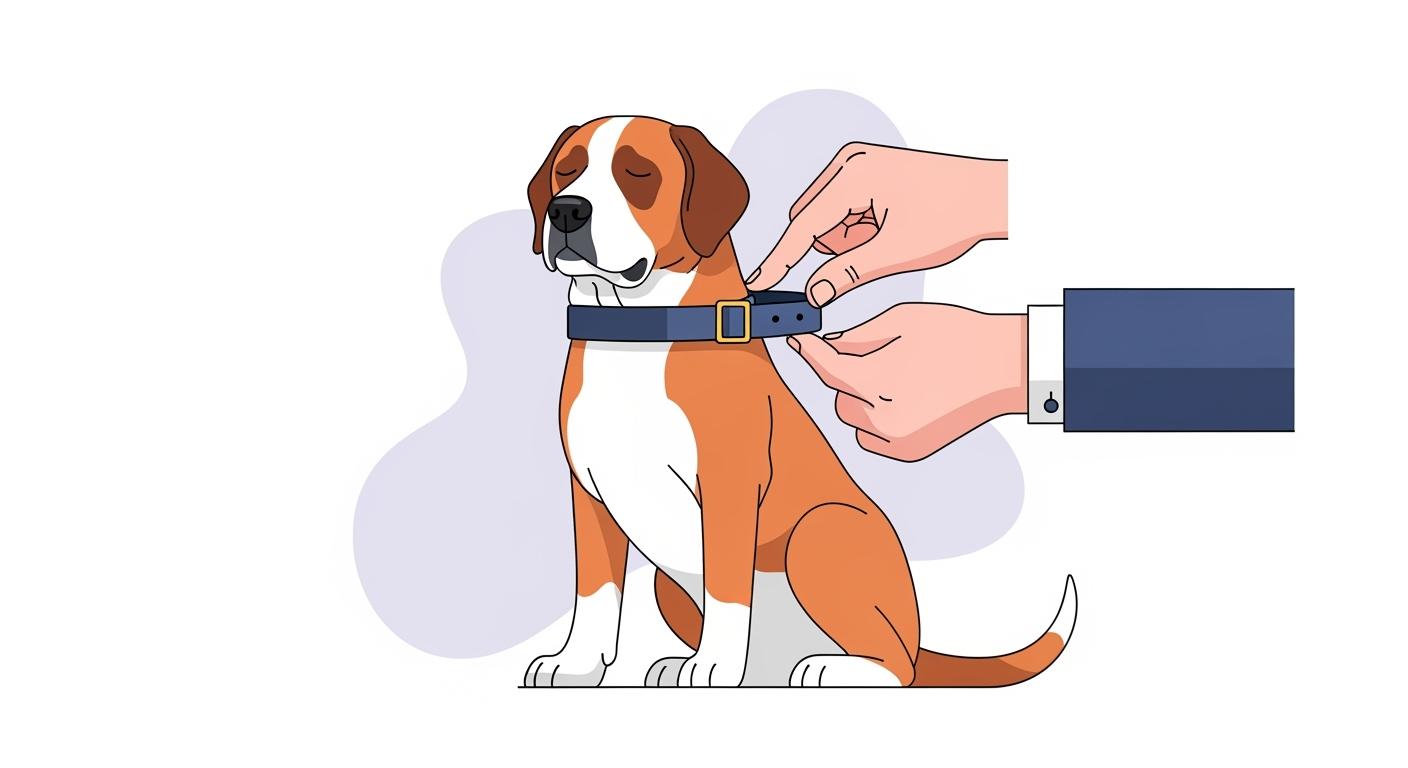
Imagine your big dog pulling back on a walk and the big dog collar slips right off. You worry about safety and wonder if the big dog collar is too loose or too tight. You want a big dog collar that keeps your dog secure but does not cause discomfort. You can get the right fit by focusing on measurement, adjustment, and regular checks. A good fit means the big dog collar stays in place and your dog feels comfortable. Always check for signs of pain or irritation. Stop using the big dog collar and talk to a veterinarian if your dog shows discomfort.
Key Takeaways
Measure your dog’s neck at the bottom for the right collar size.
Use the two-finger rule to make sure the collar fits before every walk.
Change the collar so it does not slip or turn when you walk your dog.
Check the collar fit often to find problems early and keep your dog safe.
If your dog seems hurt or bothered, stop using the collar and ask a veterinarian for help.
Safe Tightness for Big Dog Collars
Comfort and Control Balance
You want your dog to feel secure and comfortable every time you use big dog collars. The right collar fit helps you balance comfort and control. Start with the two-finger rule. Place two fingers flat under the collar at the base of your dog’s neck. The collar should feel snug but not tight. If you cannot fit two fingers, the collar is too tight. If you can fit more than two fingers, the collar is too loose. This simple check helps you avoid choking, escapes, and discomfort.
Here is how the two-finger rule compares to other fit-check methods:
Method | Safety Outcomes | Risks of Poor Fit |
|---|---|---|
Two-Finger Rule | Prevents choking and escapes; ensures comfort and security during walks. | Restricted breathing, chafing, escapes, injuries. |
Other Methods | May not provide the same level of comfort or security; effectiveness varies. | Risks depend on specific method used. |
You should also check for signs of discomfort. Watch for restricted breathing, coughing, or gagging. Look for chafing, skin irritation, or hair loss around the neck. If you see any of these signs, stop using the collar and talk to your veterinarian. The right collar fit improves comfort and safety, but it does not guarantee behavior changes.
Pulling and Collar Fit Changes
Pulling can change how the collar fits during walks. When your dog pulls, the collar may shift or loosen. Always perform a slip check. Gently pull backward on the collar and turn your dog’s head. The collar should not slide over the head. If it does, adjust the fit or try a different size. Next, do a rotation check. The collar should not spin easily so the D-ring stays on top. If the D-ring moves under the throat, the collar is too loose.
Regular collar fit checks matter for safety and comfort. After a short walk, re-check the collar. Adjust if you notice any looseness, rotation, or signs of rubbing. This routine helps you catch problems early and keeps your dog safe.
Tip: Choose a collar width of 1-2 in (2.5-5.1 cm) for big dogs. Wider collars spread pressure and improve comfort.
When Collars Are Not Safe for Control
Some situations make collars unsafe for controlling big dogs. If your dog pulls hard, reacts strongly, or has neck or skin issues, a collar may not provide enough safety or comfort. In these cases, use a harness and seek training support.
Common risks and recommendations include:
Risk Factors | Recommendations |
|---|---|
Skin damage due to improper fit | Ensure proper fit to avoid excessive pressure; check daily for skin issues. |
Leaving collar on too long | Avoid wearing the collar for more than 12 hours a day. |
Pressure from leash attachment | Never connect a leash to the electronic collar to prevent excessive pressure. |
If your dog shows pain, refuses to walk, or scratches persistently, stop using the collar and consult your veterinarian. Remember, correct sizing and fitting improve comfort and stability but do not guarantee behavior outcomes. Always put your dog’s safety and comfort first.
Signs of discomfort from collar tightness include:
Restricted breathing or pressure on the windpipe
Chafing, skin irritation, or hair loss around the neck
Coughing, gagging, or showing signs of distress if the collar is too tight
Perform collar fit checks often. Adjust as needed to keep your dog safe and comfortable.
Measuring and Sizing Big Dog Collars
Getting the right collar fit for your big dog starts with accurate measuring and smart sizing choices. A well-fitted collar improves comfort and safety, while reducing the risk of slipping or escape. You can use a sizing chart and follow a few simple steps to make sure your dog’s collar fits just right.
Where to Measure the Neck
You need to measure your dog’s neck at the base, where the collar will sit. This spot is usually the thickest part of the neck, not high behind the ears. Use a soft measuring tape for the most accurate result. Make sure your dog stands naturally. Wrap the tape around the base of the neck, keeping it snug but not tight. You should be able to slide two fingers under the tape for comfort. This method helps you find the correct size and improves collar fit.
Tip: If your dog’s neck size falls between two sizes, choose the larger size for better comfort and safety.
Here is a quick guide to measuring your dog’s neck:
Use a soft measuring tape.
Wrap the tape around the base of the neck where the collar sits.
Keep the tape snug, but not tight.
Make sure your dog stands naturally.
Slide two fingers under the tape to check for comfort.
What to Measure | How to Measure | Why it Matters |
|---|---|---|
Neck circumference | Wrap soft tape around base of neck, snug but not tight, dog standing naturally | Ensures correct collar size and fit |
Adjustment Range and Collar Fit
After you measure your dog’s neck, look for a collar with an adjustment range that puts your dog’s measurement near the middle. This helps you avoid problems if the collar loosens or if your dog’s weight changes. If the collar fits only at the smallest or largest setting, it may not stay secure. A mid-range fit gives you more control and keeps the collar comfortable.
Always check the collar fit with the two-finger rule. Place two fingers flat under the collar at the base of the neck. The collar should feel snug, but not tight. If you can fit more than two fingers, the collar is too loose. If you cannot fit two fingers, the collar is too tight. This check helps you balance comfort and safety.
You should also perform a slip check. Gently pull backward on the collar and turn your dog’s head. The collar should not slide over the head. If it does, adjust the fit or try a different size. Next, do a rotation check. The collar should not spin easily so the D-ring stays on top. If the D-ring moves under the throat, the collar is too loose.
Note: Always re-check the collar fit after a short walk. Adjust if you notice any looseness, rotation, or rubbing.
Between Sizes Solutions
Sometimes your dog’s neck measurement falls between standard collar sizes. If this happens, choose the larger size for comfort and safety, especially if your dog is still growing. Make sure you can slide at least two fingers under the collar. If the collar is too loose, try a different style or look for a collar with a wider adjustment range. For strong pullers or dogs that back out of collars, consider a martingale or limited-slip collar for extra security.
Measure your dog’s neck at the base.
Choose the larger size if your dog is between sizes.
Make sure the collar allows the two-finger fit.
For escape-prone dogs, use a collar type that reduces slip risk.
Sizing Table for Big Dog Collars
A sizing chart helps you match your dog’s neck measurement to the right collar size. Always use dual units for accuracy. The table below shows what to measure, how to check fit, and why each step matters.
Parameter | Target Range or Option | Why it Matters |
|---|---|---|
Neck measurement | base of neck | Correct sizing point |
Adjustment range | mid-range fit preferred | Avoid end-stop fit failures |
Fit rule | two-finger starting check | Comfort baseline |
Slip check | should not slide over head | Reduces escape risk |
Rotation check | ring stays top-side | Prevents throat pressure |
Collar width | 1-2 in (2.5-5.1 cm) | Comfort and pressure distribution |
Hardware focus | stable ring, reliable buckle | Common failure points |
Re-check routine | short walk then adjust | Catches loosened fit |
Replacement triggers | fray, loose stitches, bent hardware | Prevents breakage |
You can also use a sizing chart from the collar manufacturer. Always check that your dog’s measurement falls near the middle of the adjustment range. This helps you get the best collar fit and comfort.
Sizing and fitting your dog’s collar correctly improves comfort and safety, but does not guarantee behavior changes. If your dog shows pain, skin irritation, refuses to walk, or scratches persistently, stop using the collar and consult your veterinarian. For strong pullers or reactive dogs, use a harness and seek training support instead of relying only on collars.
Collar Types and Slip Prevention
Flat Collars and Slip Risks
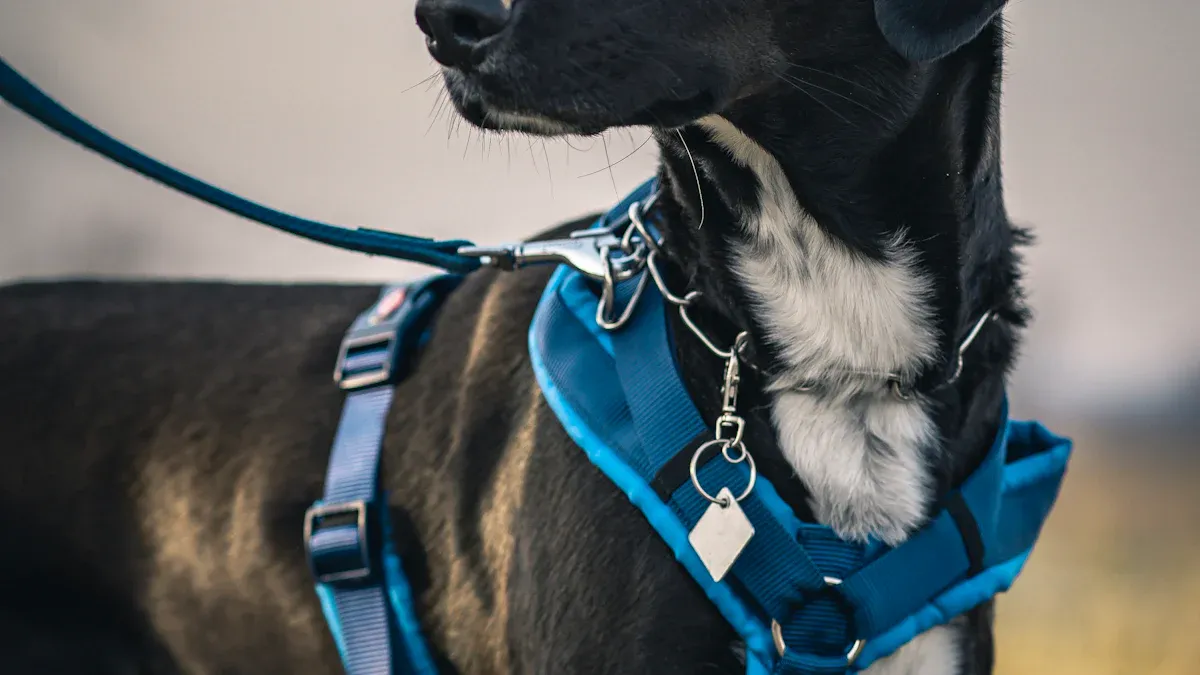
Flat collars are the most popular big dog collars. People use them every day for ID tags. Flat collars are easy to adjust and put on. If the collar is too loose or the wrong size, it can slip off. You should check the fit often. Put two fingers under the collar at the neck base. Pull back gently and turn your dog’s head. The collar should not slide off. If it does, fix the fit or pick another collar type. Flat collars work best for dogs that do not pull hard or try to escape.
Martingale and Limited-Slip Collars
Martingale and limited-slip collars help stop slipping for big dogs. These collars get tighter when your dog pulls but do not choke. You get more control and less chance of escape. Martingale collars are safer than choke chains. They are good for training and walks. Check the fit so the collar does not get too tight. You should still fit two fingers under the collar when it is snug. Limited-slip collars also help with slipping, especially for dogs with narrow heads or thick necks. Always check comfort and safety after walks.
Collar Type | Function | Pros | Cons |
|---|---|---|---|
Martingale Collar | Tightens a little when pulled to stop slipping but does not choke. | Safer than choke chains; good for training and walking. | A bit bulky; not much room for big logos. |
Buckle and Closure Safety
Buckle and closure design matters for collar safety and slip risk. You need a strong buckle that will not open when pulled. Metal buckles and strong stitching make collars last longer. Check the buckle every time you use the collar. Make sure it locks tight and the collar fits well. If you see fraying, loose stitches, or bent parts, get a new collar. A good buckle lowers slip risk and keeps your dog safe.
Collar Type Comparison Table
Use this table to compare collar types for slip risk, fit, and safety:
Collar Type | Best Use Case | Slip Risk Watch-Outs | Fit Focus |
|---|---|---|---|
Flat Collar | Everyday wear, ID tags | Too loose, wrong size | Two-finger check, slip check |
Martingale Collar | Training, escape-prone dogs | Over-tightening, bulkiness | Snug fit, slip prevention |
Limited-Slip Collar | Dogs with narrow heads | Wrong adjustment | Comfort, slip check |
Buckle Collar | Strong dogs, durability | Weak buckle, loose fit | Secure closure, regular checks |
Tip: Pick the collar type that fits your dog’s size, pulling style, and escape risk. Do slip checks and fit checks every time you use the collar.
Getting the right size and fit helps your dog feel good and stay safe. You cannot always stop escapes or change behavior. If your dog feels pain, gets skin problems, will not walk, or scratches a lot, stop using the collar and ask your veterinarian. For strong pullers or dogs that react a lot, use a harness and get training help instead of only using collars for control.
Width, Material, and Hardware for Collar Safety
Collar Width and Pressure
Pick a collar with the right width for your big dog. Most big dog collars are 1-2 inches wide. Wider collars spread out the pressure on the neck. This makes the collar more comfortable and helps stop injuries. Collars with smooth edges feel better on your dog’s neck. Rough edges can rub and break your dog’s hair. Check the collar fit often to keep your dog safe. If the collar turns or moves, the D-ring might end up under the throat. This can press on your dog’s neck and feel bad. You can stop this by choosing the right width and checking the hardware spot.
Tip: Always check the collar after walks. This helps you find loose collars and stop hair breakage.
Material Choices for Big Dogs
There are different materials for big dog collars. Webbing is bendy and simple to wash. Leather feels soft but needs care to stay nice. Coated collars do not soak up water or smells. Each material changes how the collar feels and works. Webbing can smell if it stays wet. Leather can get hard if it gets wet a lot. Coated collars are stiff but easy to clean. Pick the material that fits your dog’s skin and what they do. Always check the collar’s fit and comfort after walks.
Hardware and Stitching Safety
The hardware and stitching are important for collar safety. You need a strong ring and a buckle that works well. Extra stitching at the ring makes the collar safer. Weak hardware can bend or snap. Loose stitches can make the collar break. Look at the collar for fraying, bent rings, or loose threads. Get a new collar if you see these problems. Good hardware and stitching keep the collar safe and fitting right.
Note: Dogs that pull hard or react a lot should use a harness. Collars alone may not keep them safe.
Material and Structure Table
Feature | Why It Matters | What to Look For | What to Avoid |
|---|---|---|---|
Width (1-2 in/2.5-5.1 cm) | Spreads pressure, reduces injury | Fits neck size, smooth edges | Too narrow, rough edges |
Material | Affects comfort and durability | Matches activity, easy to clean | Stiff, poorly finished |
Hardware | Prevents breakage, improves safety | Stable ring, reliable buckle | Bent, weak, loose parts |
Stitching | Holds collar together | Reinforced, tight stitches | Loose, fraying threads |
Edge finishing | Reduces rubbing and hair breakage | Smooth, padded if needed | Sharp, bulky edges |
Getting the right size and fit helps your dog feel good and stay safe. It does not always change your dog’s behavior. If your dog feels pain, gets skin problems, will not walk, or scratches a lot, stop using the collar and talk to your veterinarian.
Step-by-Step Collar Fit Routine
Putting On and Centering the Collar
You want to start every collar fit routine with careful measurement. Use a soft measuring tape and measure where the collar will sit on your dog’s neck. Check the collar sizing chart for the right size. If your dog’s neck measurement falls between sizes, pick the larger collar with an adjustable feature. Make sure the collar allows for a buffer of 2-4 in (5-10 cm) for adjustability. When you put the collar on, center it at the base of the neck. Use the two-finger rule to test the fit. Slide two fingers between the collar and your dog’s neck. The collar should feel snug, not tight or loose. If you cannot fit two fingers, loosen the collar. If you can fit more than two fingers, tighten it or try a different size.
Slip and Rotation Checks
After you put on the collar, perform a fit check for safety. Gently pull backward and turn your dog’s head. The collar should not slide over the head. Use the two-finger rule again to confirm comfort. Next, check rotation. The collar should not spin easily. The D-ring must stay on top during walks. If the collar rotates or slips, adjust the fit or try another collar. Repeat the fit check every time you use the collar.
Post-Walk Fit Re-Check
After a short walk, do another fit check. Look for signs of rubbing, hair breakage, or loosened adjusters. Use the two-finger rule to check comfort. Make sure the collar stays centered and does not rotate. If you see skin irritation or your dog refuses to walk, stop using the collar and consult a veterinarian. Safety and comfort matter most. Strong pullers or reactive dogs should use harnesses and training support, not rely only on collars.
Fitting Steps Table
Step | Pass Sign | What to Adjust |
|---|---|---|
1. Measurement | Tape sits at base, two-finger rule passes | Re-measure, check sizing chart |
2. Selection | Collar size allows 2-4 in (5-10 cm) buffer | Choose larger size, adjust feature |
3. Trial Fit | Two-finger rule passes, collar centered | Tighten or loosen, try new collar |
4. Walk/Re-Check | Collar stays in place, no rotation | Adjust fit, check for irritation |
5. Maintenance | No fray, loose stitches, bent hardware | Replace collar, consult veterinarian |
Tip: Always use the two-finger rule for every fit check. Safety and comfort improve with regular checks, but correct sizing and fitting do not guarantee behavior changes. If your dog shows pain, skin irritation, or refuses to walk, stop using the collar and get advice from a veterinarian.
Troubleshooting Collar Fit and Slip Issues
Collar Slipping Over the Head
Sometimes your big dog’s collar slips off during walks. This can happen if the collar does not fit right. If it is too loose, your dog might escape. If it is too tight, your dog might feel sore. Always use the two-finger rule to check the fit. The collar should be snug but still comfortable. If the collar turns, the reflective strip might point down. This makes walks less safe. Try a wider collar or move the buckle to help the fit.
Mistake | What It Leads To | What To Do Next |
|---|---|---|
Poor fit (too tight/loose) | Soreness, escape risk, injury | Use two-finger rule, adjust for snug but comfy fit |
Collar rotation | Reflective strip points down, less safe | Try wider collar, move buckle, check fit |
Collar Rotating or Shifting
If the collar spins or moves, it can be unsafe. You can stop this by picking a collar with a neck harness swivel. Smooth rotation helps keep the collar in place. Strong nylon or leather collars last longer. Make sure the collar has good, adjustable parts. Look for a 360-degree swivel made from strong metal. Check the weight rating, padding, and locking buckles for safety.
Pick a collar with a neck harness swivel for easy turning.
Use strong nylon or leather for a tough collar.
Make sure the collar can be adjusted and fits well.
Look for a 360-degree swivel to stop twisting.
Check padding and buckles for comfort and safety.
Rubbing and Hair Breakage
Rough edges or a bad fit can rub your dog’s neck. This can break hair or hurt the skin. Check the collar edges to make sure they are smooth. If you see fraying, loose stitches, or bent metal, get a new collar. Match the collar width to your dog’s neck size. After walks, look for rubbing or hair loss. If your dog seems hurt, has skin problems, will not walk, or scratches a lot, stop using the collar and ask your veterinarian.
Tip: Getting the right size and fit helps comfort and stability. It does not always change how your dog acts. Strong pullers or dogs that react a lot should use harnesses and training help, not just collars.
Common Mistakes Table
Mistake | What It Leads To | What To Do Next |
|---|---|---|
Collar sizing mistakes | Escape risk, soreness | Measure neck again, use two-finger rule |
Loose stitches | Collar breaks, safety risk | Get a new collar, check stitches often |
Frayed edges | Rubbing, hair breakage | Get a new collar, pick smooth edges |
Bent hardware | Collar fails, injury risk | Replace metal, check before walks |
Poor fit | Turning, slipping, soreness | Adjust fit, try a wider collar |
Note: Always keep safety and comfort first. If you see pain or skin problems, stop using the collar and talk to your veterinarian.
Retail, Wholesale, and OEM/ODM Notes
Clear Measurement and Fit Instructions
You need easy instructions when buying big dog collars. Good guides help you pick the right size. Measure at the base of your dog’s neck. Use the two-finger rule to check the fit. Clear steps lower returns and keep your dog safe and comfy. Follow the sizing chart and check the collar after each walk. If your dog feels pain or gets skin problems, stop using the collar and talk to a veterinarian.
Spec Checklist for Collar Safety
Look for important safety features when picking a collar. A checklist helps you compare choices and find the best fit. Here is a table with key safety details:
Specification | Description |
|---|---|
Material Quality | Pick strong fabrics and safe parts. |
Adjustability | Make sure straps and buckles adjust for a snug fit. |
Safety Certifications | Check if the collar meets pet safety rules. |
Size Compatibility | Measure your dog’s neck and use the chart for the right fit. |
Weather Resistance | Choose water-resistant or warm collars for outdoor use. |
Customer Support for Collar Fit
You should get good help when buying a collar. Support teams answer questions about fit and comfort. They help you pick the right collar and fix sizing problems. If you see fraying, loose stitches, or bent parts, ask for help or buy a new collar. Good support makes shopping better and keeps your dog safe.
OEM and ODM Explained
You may see OEM and ODM when shopping for big dog collars. OEM means Original Equipment Manufacturer. ODM stands for Original Design Manufacturer. OEM collars use set designs and specs. ODM collars offer custom styles and features. Clear specs and guides from OEM or ODM help you get the right fit and comfort. Good instructions lower returns and make collars safer.
Tip: Getting the right size and fit helps comfort and stability. It does not always change how your dog acts. Use harnesses and training help for strong pullers or dogs that react a lot.
You should measure your dog’s neck at the base for big dog collars.
Always check the collar fit with the two-finger rule before each walk.
Adjust the collar so it does not slip or rotate.
Regular fit checks help you spot problems early and improve safety.
The right collar fit can prevent escapes and support comfort.
If your dog shows pain or skin irritation, stop using the collar and ask a veterinarian.
Strong pullers or reactive dogs need harnesses and training support, not just collars.
Correct sizing and fitting improve comfort and stability. They do not guarantee behavior changes.
FAQ
How do I know if my big dog’s collar fits correctly?
You should use the two-finger rule at the base of the neck. The collar must feel snug but not tight. Always check for signs of discomfort. If your dog shows pain or irritation, stop using the collar and ask your veterinarian.
What should I do if my dog keeps slipping out of the collar?
Try a martingale or limited-slip collar for better security.
Check the fit with the slip check.
Make sure the collar does not slide over your dog’s head.
For strong pullers, use a harness and get training support.
How often should I check the collar fit?
Activity | When to Check |
|---|---|
Before walks | Every time |
After walks | Always |
Weekly | Full inspection |
You should check the collar before and after every walk. Inspect for fraying, loose stitches, or bent hardware weekly.
Can a collar fix my dog’s pulling or behavior issues?
You cannot rely on a collar alone to change behavior. Correct sizing and fitting improve comfort and stability. For strong pullers or reactive dogs, use harnesses and seek training support. Always put your dog’s safety first.






