
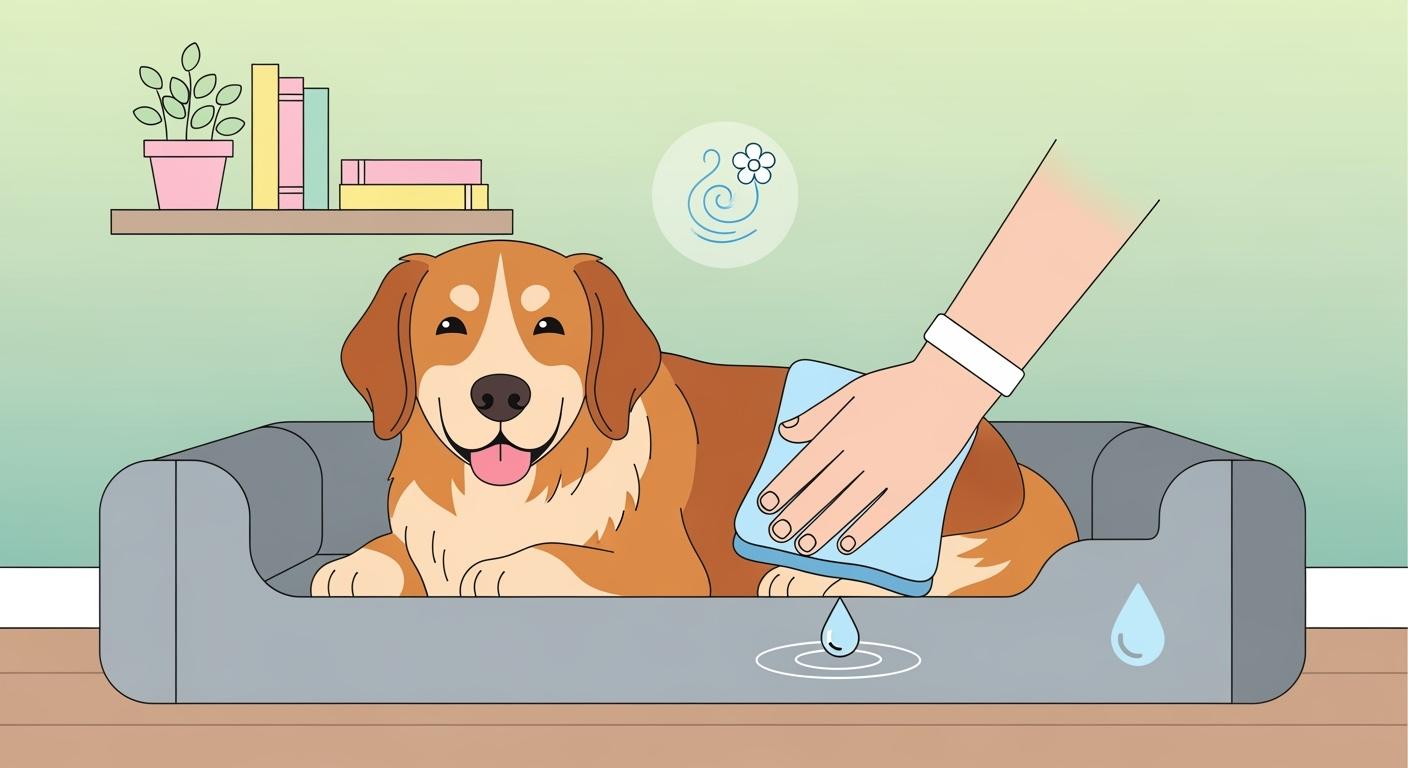
Many people with pets get upset when a waterproof dog bed still smells bad or has stains after a few uses. You can clean up faster and control smells better with fabrics like polyester, nylon, TPU-laminated, or microfiber. Each fabric helps you match cleaning to your dog’s habits. Picking the right fabric makes cleaning simple and keeps your house smelling nice.
Waterproof does not mean it stops smells. How you clean and dry the bed changes the results. Stop using the bed if your dog gets skin problems, loses hair, gets sores, or keeps scratching. Talk to a veterinarian about skin problems or health worries from smells.
Key Takeaways
Pick waterproof dog bed fabrics like polyester, nylon, or microfiber. These are easy to clean and help stop bad smells.
Find beds with covers and liners you can take off. This makes washing simple and keeps things clean.
Clean your dog’s bed often. Take off solids, blot up liquids, and let it air dry. This helps stop smells and stains.
Watch seams and zippers because they can hold dirt and smells. Clean these spots a lot.
Choose a bed that fits your dog’s habits and your cleaning style. This helps keep your home smelling fresh.
Waterproof Dog Bed Basics
Covers vs Inner Liners
You want a dog bed that keeps messes out. Most waterproof dog beds use two main layers. The outer cover faces dirt, drool, and spills. The inner liner sits under the cover and protects the cushion or foam inside. The cover often feels smooth or soft. You can wipe it clean or remove it for washing. The inner liner blocks liquids like urine or mud from soaking into the bed core. If you have a dog that drools a lot or has accidents, you need both layers for the best protection.
A table can help you see what makes a waterproof dog bed work:
Feature | Description |
|---|---|
Rugged outer shell | Resists liquids, stains, and odors |
Waterproof inner liner | Protects against urine, spills, and mud |
Easy to clean | Can be wiped clean or hosed down |
Prevents mold and bacterial growth | Ensures hygiene and durability |
Durable construction | Extends product lifespan |
Water Shedding and Stain Risks
Waterproof means the bed blocks or sheds liquid in key layers. Seams, zippers, and worn spots can still let leaks through over time. You should check for puddles or stains after cleaning. If you see water soaking in, the bed may need a deeper clean or a new liner. Fast cleanup helps stop stains from setting. Wipe up spills right away. Dry the bed fully before your dog uses it again.
Seams and Zippers Matter
Seams and zippers can let liquids and smells sneak into the bed. You should look for beds with tight stitching and covered zippers. These details help keep messes out of the foam or stuffing. Pay attention to corners and edges. Oils and dirt collect there. Clean these spots often to keep odors away. Good construction makes cleaning easier and helps the bed last longer.
Where Odors and Stains Start
Dog beds collect messes in places you might not notice at first. You want to know where these problems begin so you can pick the right fabric and construction for easy cleaning.
Oils, Drool, and Dander
Your dog leaves behind body oils, drool, and dander every day. These are the most common sources of odors and stains in dog beds. Oils come from your dog’s skin and coat. Drool can soak into the cover, especially near the head area. Dander, which is tiny flakes of skin, settles into the fabric. These messes often build up in seams, zipper tracks, and corners. You may notice a greasy or sticky feel in these hot spot zones. If the surface feels tacky after wiping, residue is still present and odor can return.
Accidents and Residue
Accidents like urine or vomit can soak through the cover if the seams or zippers are not well protected. Mud and food also leave behind residue that can trap smells. When you do not clean up quickly, these messes can seep deeper into the bed. This makes cleaning harder and increases the risk of bacteria growth. You should always remove solids, blot liquids, and wipe from the edge toward the center to stop stains from spreading.
Mold and Slow Drying
If a bed stays damp for too long, mold can grow inside or under the cover. Mold likes dark, wet places such as corners and under the liner. Slow drying also lets smells linger. You should always air dry the bed fully before letting your dog use it again. Do not store damp covers or liners in closed spaces.
Odor and Stain Source Table
Source | What it looks like | Why it sticks | Best first response |
|---|---|---|---|
Body oils | Greasy patches, dark spots | Soaks into fabric, collects in seams | Wipe with mild soap and water |
Drool | Wet marks, sticky residue | Dries tacky, traps dirt and hair | Blot, then wipe clean |
Dander | Fine dust, white flakes | Settles in weave and corners | Shake out, vacuum, wipe |
Accidents | Wet stains, strong smell | Soaks through seams, feeds bacteria | Remove solids, blot, wipe |
Mud/Food | Brown spots, crumbs | Dries hard, sticks to texture | Brush off, wipe, rinse |
Mold | Musty smell, dark spots | Grows in damp, hidden areas | Air dry, deep clean |
Tip: Focus on fabrics with smooth surfaces and tight seams to make cleanup easier and reduce odor risk.
Waterproof Dog Bed Fabrics Compared
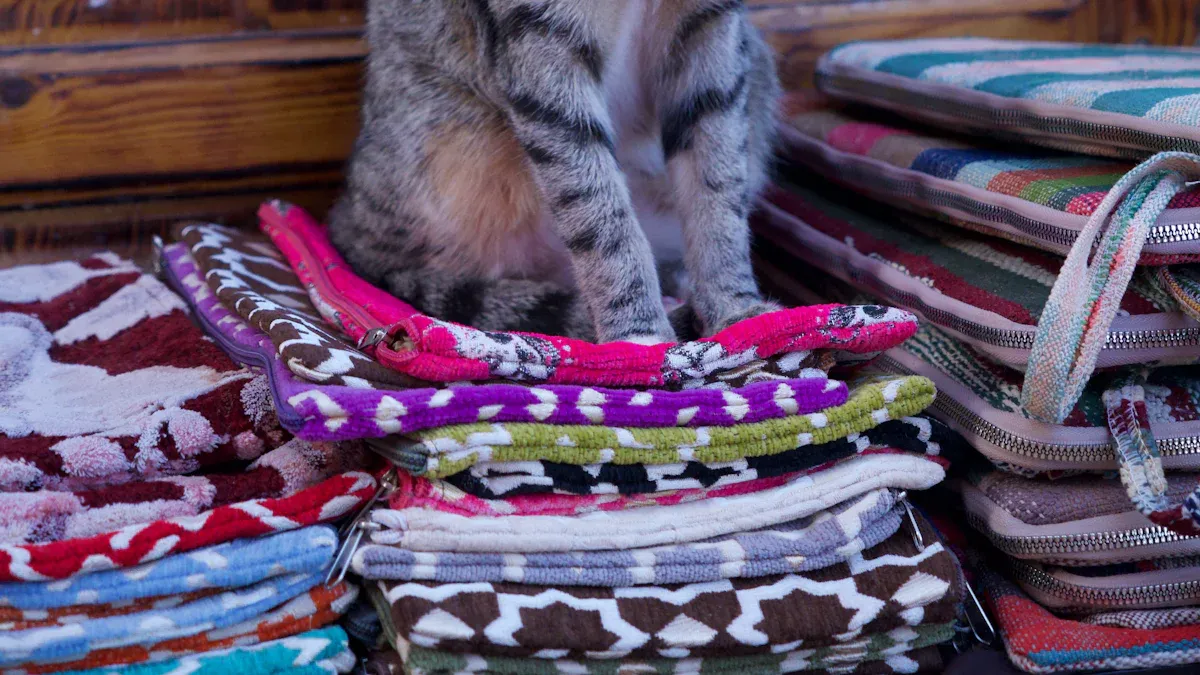
Choosing the right fabric for your waterproof dog bed can make cleaning easier and help control odors. Each fabric type has strengths and things you need to watch for. You want to match the fabric to your cleaning habits and your pet’s messes.
Coated Fabrics: Wipe Clean
Coated fabrics have a smooth surface that blocks most liquids. You can wipe them clean with a damp cloth or a mild cleaner. These covers work well if your dog drools or tracks in mud. You will notice that hair and dirt do not stick as much. If you need to wash the cover, check the care label first. Too much heat or rough scrubbing can cause cracks in the coating. For best results, use a pet-friendly detergent and let the cover air dry.
Tip: If you want a bed that cleans up fast, look for a coated fabric with a removable cover. This makes it simple to wash and dry.
Laminated Layers: Spill Blocking
Laminated fabrics use a thin waterproof layer under the outer fabric. This layer blocks spills and accidents from reaching the bed’s core. You may not see the laminate, but you will notice that liquids bead up on the surface. These beds work well for puppies, seniors, or pets with accidents. You can wipe the surface clean, but you should also check the seams and zipper areas. Over time, repeated washing can cause the laminate to peel or bubble. Always air dry the cover after you wash it to keep the laminate in good shape.
Textured Weaves: Comfort vs Cleanup
Textured weaves feel soft and cozy. Many dogs love these beds for comfort. The weave lets air flow, which helps with breathability. You may find that these covers trap more hair, dander, and oils. Stains can hide in the texture, and odors may return if you do not wash the cover often. You should vacuum and shake out the bed before you wash it. Pay close attention to seams and corners, as these spots collect the most mess.
Microfiber and Other Options
Microfiber covers offer a balance of softness and easy cleaning. The fibers are tightly woven, so they block some liquids and resist stains. You can wipe or wash microfiber covers, but you should still check for residue in seams and zipper tracks. Other options include blends of polyester and nylon, which combine durability and water resistance. Always choose a cover that you can remove and wash fully.
Worked Scenario A: The Bed Is Waterproof but Still Smells After Accidents
You buy a waterproof dog bed for your pet, but it starts to smell after a few accidents. You clean the surface, but the odor comes back. This often means residue is trapped in seams, zipper tracks, or under the cover. Oils and liquids can hide in these hot spot zones. To fix this, remove the cover and liner. Wash both parts with a pet-friendly detergent. Follow this cleanup order: remove solids, blot liquids, wipe from edge toward center, rinse wipe, then air dry fully. Choose beds with a smooth coated cover and a waterproof inner liner. These features reduce odor risk by blocking leaks and making it easier to wash away residue.
Worked Scenario B: The Cover Wipes Clean but Stains Keep Showing Up
You pick a bed with a wipe-clean cover, but stains keep coming back. This happens when the fabric has a textured weave or loose seams. Dirt and oils get trapped in the texture and corners. Even after you wipe the surface, stains can stay in the fabric. To reduce visible staining, look for a bed with a smooth coated or laminated cover. Wash the cover often and pay extra attention to seams and edges. Vacuum or brush off loose dirt before you wash. Fast cleanup and regular washing help keep the bed looking fresh.
Fabric Comparison Table
Fabric Family | Wipe-Clean Speed Cue | Stain Risk Cue | Odor Risk Cue | Drying Speed Cue | Best For | Watch-Outs |
|---|---|---|---|---|---|---|
Coated | Very fast | Low if surface intact | Low if seams tight | Fast | Heavy drool, muddy paws | Scratches, cracks in high-use zones |
Laminated | Fast | Low to moderate | Low if liner intact | Moderate | Accidents, puppies, seniors | Delamination from heat or rough washing |
Textured Weave | Moderate | Moderate to high | Moderate to high | Slow | Comfort, breathability | Traps hair, oils, slow to dry |
Microfiber | Fast | Low to moderate | Low to moderate | Fast | Everyday use, easy maintenance | Needs seam and zipper checks |
Polyester/Nylon | Fast | Low to moderate | Low to moderate | Fast | Durability, water resistance | May need liner for full waterproof effect |
Note: Always check for a removable cover and inner liner. These features make it easier to wash and dry your waterproof dog bed and help control odors and stains.
Odor Control in Dog Beds
You want your pet’s bed to smell fresh and stay clean. Odor control in dog beds means you can clean up messes quickly and dry the bed fast. It does not mean the bed will never have odors. You can lower the risk by picking the right fabric and construction.
Non-Porous vs Porous Surfaces
Non-porous surfaces, like coated or laminated fabrics, block liquids and make it easy to wipe away messes. These surfaces do not let oils or bacteria soak in. You can wash them with a damp cloth or a pet-friendly detergent. Porous surfaces, such as textured weaves, feel soft but can trap dirt, oils, and smells. You need to wash these covers more often and dry them fully to stop odors from coming back.
Removable Covers and Liners
You should look for beds with removable covers and inner liners. These features let you wash each part by itself. If your pet has an accident, you can take off the cover and liner, wash them, and let them air dry. This helps stop bacteria from growing inside the bed. Always check seams and zipper tracks for hidden messes. Wash these areas well to keep the bed fresh.
Hardware and Edges
Seams, zippers, and corners collect oils and dirt. These spots can bring back odors if you do not clean them. Use a brush or cloth to reach into edges and hardware. After you wash the bed, let it air dry all the way. Do not put the bed back together until every part feels dry.
Tip: Odor control means you can clean and dry the bed faster. It does not mean the bed will never smell.
Odor Control Parameter Table
Parameter | Target range or option | Why it matters |
|---|---|---|
Primary mess source | drool and oils, mud, accidents | Predicts odor and stain stressors |
Fabric family | coated, laminated, textured weave | Changes wipe-clean and residue traps |
Construction | removable cover, inner liner, seam finishing | Determines leak and odor pathways |
Odor control cue | easier cleaning, faster drying | Reduces odor risk without promises |
Stain control cue | wipe-clean surface, fast response | Reduces visible stains over time |
Hot spot zones | seams, zippers, corners | Explains where smell returns |
Deep clean trigger | odor after wipe, residue in seams | Keeps care realistic |
Drying rule | full air dry | Prevents stale smells |
Sizing cue | add 4-8 in (10-20 cm) | Helps comfort and repositioning |
You can control odors by choosing a bed with smooth, non-porous fabrics, removable covers, and strong seams. Wash all parts with a pet-friendly detergent and dry them fully. This routine helps keep your pet’s bed clean and your home smelling fresh.
Stain Control and How to Clean a Dog Bed
Quick Clean for Mud and Food
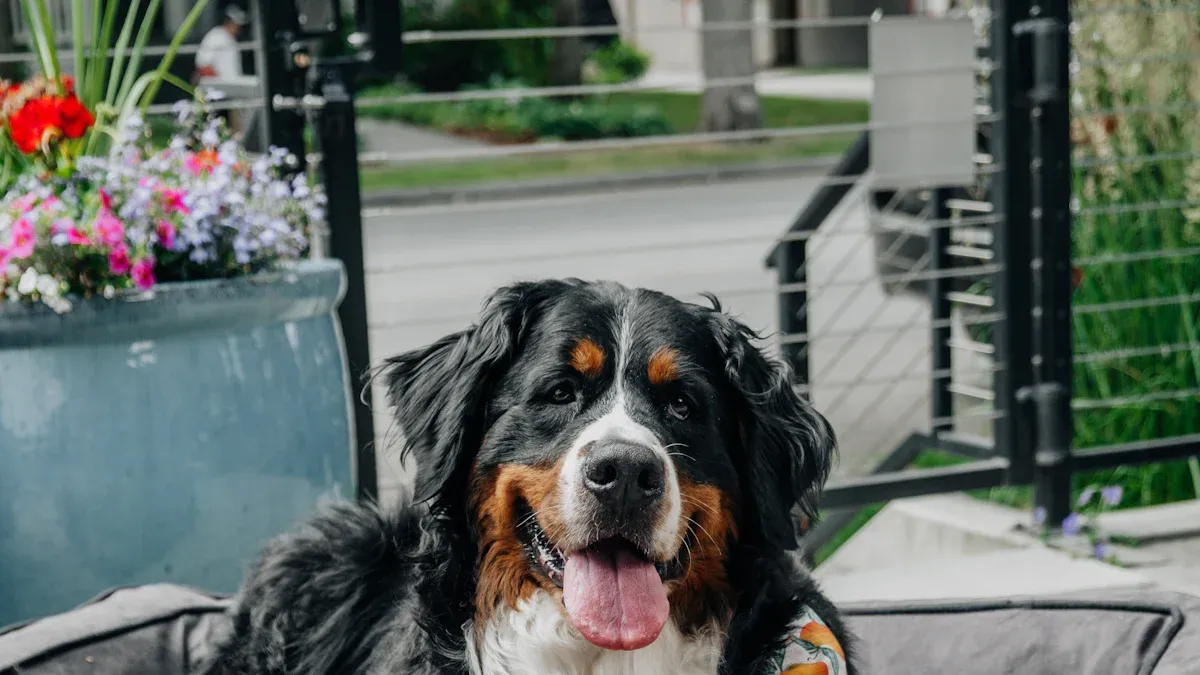
You want to keep your pet’s bed fresh and free of stains. Start by removing solids and shaking out crumbs to remove pet hair. Use a damp cloth to wipe from the edge toward the center. This helps stop dirt from spreading. If you see sticky spots, rinse wipe with water. Always let the bed air dry fully before your pet uses it again. Quick cleaning works best for small messes and keeps bacteria from building up.
Accident Cleanup for Odors
Accidents can leave behind strong smells and stains. First, remove solids and blot up as much liquid as possible. Take off the cover and liner if you can. Wash both parts with a pet-friendly detergent. For tough spots, pre-treat stains with an enzyme cleaner or a mix of water and vinegar. This helps break down odor and keeps the bed fresh. You should remove pet hair before you wash the cover. If you still notice smells after cleaning, this means you need a deep clean.
Drying and Storage Tips
Drying matters as much as washing. Always air dry every part of the bed. Do not put covers or liners away while damp. This stops mold and keeps odors away. Store clean, dry parts in a place with good airflow. If you wonder how often to wash a dog bed, wash the cover every 1-2 weeks and refresh the insert every 2-4 weeks. Deep clean the whole bed every 1-3 months.
Tip: Fast cleanup and full drying help prevent stains and odors from coming back.
Cleanup Routine Table
Mess Type | Quick Clean | Deep Clean Trigger | Drying Rule |
|---|---|---|---|
Mud/Food | Remove solids, wipe, rinse wipe | Stains remain, sticky residue | Air dry fully |
Accidents | Blot, remove cover, wash | Odor after wipe, residue in seams | Air dry fully |
Oils/Dander | Shake out, vacuum, wipe | Greasy feel, smell returns | Air dry fully |
Mold | Air out, wipe, sun exposure | Musty smell, dark spots | Air dry fully |
Common Mistakes Table
Mistake | What It Leads To | What To Do Next |
|---|---|---|
Not drying fully | Mold, lingering smells | Air dry before use/storage |
Skipping pre-treat step | Set-in stains, odors | Pre-treat stains before wash |
Forgetting to remove pet hair | Clogged washer, poor cleaning | Remove pet hair first |
How to Choose a Waterproof Dog Bed
Choosing the right waterproof dog bed helps you clean up faster and keeps your home smelling fresh. You want to match the bed to your pet’s habits and your cleaning routine. Follow these steps to make the best choice:
Identify your top mess source
Think about what causes the most mess. Is it drool, mud, or accidents?Choose a fabric family
Use the fabric comparison table to pick between coated, laminated, textured weave, or microfiber.Choose construction
Look for removable covers, inner liners, and strong seams.Run quick fit and use checks
Measure your dog from nose to base of tail while lying down. Add 4-8 in (10-20 cm) for comfort. Make sure the bed is wide enough for your pet to stretch out. Pick a shape that matches how your pet sleeps. For example, rectangular beds work for sprawlers, while round beds suit curlers.Follow the care routine and drying rules
Wash covers and liners often. Always air dry before use or storage.
For Heavy Drool or Outdoor Dogs
If your pet drools a lot or spends time outside, you need a bed that blocks moisture and dirt. Choose a coated fabric for fast wipe-downs. Look for a waterproof inner liner to protect the core. Removable covers help you wash away mud and oils. Avoid textured weaves, as they trap dirt and take longer to dry.
For Puppies, Seniors, or Accidents
Puppies and senior dogs may have more accidents. Laminated fabrics with a spill-blocking layer work well here. Pick a bed with a removable, machine-washable cover and a waterproof liner. Tight seams and zipper covers help stop leaks. Avoid beds without liners or with loose seams, as these let liquids reach the core.
For Busy Homes and Fast Cleaning
If you want quick cleanup, focus on microfiber or coated covers. These wipe clean and dry fast. Removable covers and non-slip bases make daily care easier. Avoid beds with many seams or deep textures, as these slow down cleaning.
Decision Table
Situation | Best Fabric Cues | Best Construction Cues | What to Avoid |
|---|---|---|---|
Heavy drool/outdoor use | Coated, smooth surface | Removable cover, inner liner | Textured weave, loose seams |
Puppies/seniors/accidents | Laminated, spill-block | Waterproof liner, tight seams | No liner, exposed zippers |
Busy homes/fast cleaning | Microfiber, coated | Removable cover, non-slip base | Deep textures, many seams |
Sensitive skin/allergies | Soft microfiber | Machine-washable, minimal seams | Harsh coatings, rough fabric |
Tip: Always measure your dog while lying down and add extra length for comfort. Choose a bed shape and firmness that matches your pet’s sleep style.
Retail and OEM/ODM Notes
Describing Waterproof and Odor Control
When you shop for a dog bed, you often see words like “waterproof” and “odor control.” These terms mean the bed blocks or sheds liquid in key layers and lets you clean up messes faster. You should know that seams, zippers, and corners can still let leaks or smells through over time. Odor control means you can clean and dry the bed more easily, but it does not promise a smell-proof result. Always check product details to see how the bed handles spills and how easy it is to wash and dry.
Spec Checklist for Buyers
Before you buy a dog bed, use this checklist to compare features. This helps you pick a bed that fits your cleaning needs and your pet’s habits.
Cover fabric: Choose coated, laminated, or microfiber for easy cleaning.
Liner: Look for a waterproof inner liner to protect the core.
Seam finishing: Tight, well-finished seams block leaks and trap less residue.
Zipper garage: Covered zippers help keep liquids and dirt out.
Non-slip base: Keeps the bed in place and reduces sliding.
Tip: A good checklist helps you avoid beds that are hard to clean or that trap odors.
Reducing Returns with Care Tips
You can reduce the chance of returns by following care tips. Always remove solids and blot liquids right away. Wash covers and liners as soon as you notice a mess. Air dry every part fully before using or storing the bed. If you follow these steps, you help the bed last longer and keep your pet comfortable.
OEM and ODM Explained
You may see the terms OEM and ODM when you shop for pet beds. OEM stands for original equipment manufacturer. This means a company makes products for other brands to sell. ODM stands for original design manufacturer. This means a company designs and makes products that others can sell under their own brand. If you want custom features or special fabrics, you can look for OEM or ODM suppliers. These options help you get a bed that matches your needs.
You can make your house cleaner by picking the right waterproof dog bed fabric. Coated, laminated, and microfiber covers let you clean stains quickly. These covers also help your pet feel cozy. Pick a bed that fits how your pet acts and how you like to clean. Always read the product details and care instructions before buying.
The inner waterproof cover stops leaks from getting into the foam. You do not need to wash the bed all the time. Just wipe it with a damp cloth and only use the washing machine if you really need to. The cover fights bad smells and bacteria, so it stays fresh and in good shape.
If your pet’s skin has problems or smells do not go away, ask a veterinarian for help.
FAQ
What is the easiest dog bed fabric to clean?
You will find coated fabrics the easiest to clean. You can wipe them with a damp cloth. Liquids and dirt do not soak in. This makes cleanup fast and simple.
How do you stop a waterproof dog bed from smelling?
Wash covers and liners often. Air dry every part fully. Focus on seams and corners. Use enzyme cleaners for tough odors. Fast cleanup helps reduce smells.
Can you put a waterproof dog bed in the washing machine?
You can wash most removable covers in the machine. Always check the care label first. Wash liners and foam by hand if needed. Air dry everything before use.
Why does my dog bed still smell after cleaning?
Odors can hide in seams, zippers, or under the cover. You may need a deep clean. Remove all covers and liners. Wash with pet-safe detergent. Dry fully.
How often should you clean a waterproof dog bed?
Quick clean: After any mess or spill
Full wash: Every 1-2 weeks
Deep clean: If odors or stains return
Regular cleaning keeps the bed fresh and reduces odor risk.






