Dog Carrier Sling Explained How to Choose Fit and Support for Safer Carrying

Dog Carrier Sling Explained How to Choose Fit and Support for Safer Carrying

Choosing the wrong dog carrier sling can hurt you or your pet. It can make your pet uncomfortable or let them escape. Some owners have trouble with slings that do not fit well. Others find their pets get too hot or do not feel safe. You can stop these problems by picking the right carrier. Focus on getting the right size, strong material, and good support. Pick a dog carrier that fits your dog’s size and needs. Think about if you want hands-free travel or need it for daily trips. You might compare dog carrier bags to a dog carrier backpack. Safety and comfort depend on how the carrier fits and holds your dog. Not every carrier works for every dog. Ask a veterinarian or trainer for help if your pet has trouble moving, breathing, or gets scared.

  • Common complaints include:

    • A design that does not fit or support well

    • Material that gets too hot or does not close safely

    • Stress or pain for both the dog and the owner

You can find the right features by following a few easy steps.

Key Takeaways

  • Choose the right size dog carrier sling to keep your pet safe and comfortable. Measure your dog’s chest, length, and weight before buying.

  • Look for slings made of breathable materials to prevent your dog from overheating during short trips. Soft fabrics help keep your pet cool.

  • Always check the weight limit on the carrier label. If your dog is close to the limit, consider a structured carrier for better support.

  • Ensure the sling supports your dog’s body evenly. Check that your dog’s head stays above the edge and their airway is clear.

  • Use the safety tether with a harness to keep your dog secure in the sling. Avoid using it with a collar to prevent accidents.

Dog carrier sling use cases and limits

Best times to use a dog carrier sling

You want your pet to feel safe and comfortable. A dog carrier sling is good for short trips or quick walks. It works well if your dog is calm and small. Puppies, older dogs, and small breeds can use slings. Slings help pets who need extra support. Many people use slings after their dog has surgery. They also use them for injuries or arthritis. Slings can help dogs get in and out of cars. They are useful for climbing stairs safely. The table below lists when a dog carrier sling is a good choice.

Scenario

Description

Post-Surgery Recovery

Lets dogs move safely after surgery and protects the sore spot.

Injury Rehabilitation

Helps with therapy and building strength again.

Arthritis Management

Supports dogs with joint pain and makes walking easier.

Neurological Conditions

Gives balance to dogs who have trouble moving.

Senior Dog Support

Helps older dogs who have weak muscles or joints.

Getting In and Out of Cars

Makes it easier to lift dogs into or out of cars.

Climbing Stairs

Stops falls and helps dogs go up and down stairs.

When a dog carrier sling is not ideal

Do not use a dog carrier sling for big or very active dogs. Slings are best for dogs under 20 pounds. If your dog is heavy, try a backpack or a hard carrier. Wearing a sling too long can make you and your dog sore. Dogs who have trouble breathing or get scared may not like slings. Always check that the sling fits right. Watch for signs your dog is not happy, like trying to escape. If you see these signs, stop and check the sling.

Safety Disclaimer: Sling carriers do not work for every dog. Your dog’s comfort depends on fit and posture. Ask a vet or trainer if your dog has trouble moving, breathing, or gets scared.

  • Dog carrier slings are good for small breeds, puppies, and older dogs.

  • Do not use slings for big, wild, or wiggly dogs.

  • Pick a hard carrier for long trips or heavy dogs.

Why “one size fits all” is risky

Some dog carrier bags say they fit every dog. This is not true for most pets. Every dog is a different size and shape. If you do not measure your dog, the sling might not fit. Adjustable straps and strong closures help, but you must check your dog’s size. Always match your dog’s weight and body to the label. Picking the right size keeps your pet safe and happy.

Dog carrier sling size and measurement

Dog carrier sling size and measurement

Choosing the right size for your dog carrier sling keeps your pet safe and comfortable. You need to measure your dog and check the weight label before you buy. This section will help you understand how to measure, match the weight label, and use size charts for the best fit.

How to measure chest, length, and weight

Start by measuring your dog in three key areas. Use a soft tape measure for the best results. Write down each number so you can compare it to the size chart.

Step-by-step guide:

  1. Measure chest girth. Wrap the tape around the widest part of your dog’s chest, just behind the front legs.

  2. Measure body length. Place the tape at the front of the chest and measure to the base of the tail.

  3. Weigh your dog. Use a recent weight from a scale.

You can also check other helpful measurements:

  • Measure from the floor to the top of the head or shoulder.

  • Measure from the tip of the nose to the base of the tail.

  • Add a little extra space for comfort.

Measurement

Description

Chest Girth

Around the widest chest, behind legs

Body Length

Chest point to base of tail

Height

Floor to top of head or shoulder

Weight

Recent, accurate scale reading

Tip: Always measure your dog while standing for the most accurate results.

Weight label rules for safety

Always match your dog’s weight to the maximum weight printed on the carrier label. Never guess or round up. Most dog carrier bags use clear weight ranges. For example, a small sling may be labeled for 10-30 lb (4.5-13.6 kg), while a large sling may be labeled for 25-40+ lb (11.3-18.1+ kg). Some slings for very small pets may only go up to 8.8 lb (4.0 kg).

If your dog is close to the weight limit, switch to a structured carrier or a dog carrier backpack. This helps prevent strain and keeps your dog safer during travel. Always check the label before each use, especially if your pet’s weight changes.

Safety Disclaimer: Sling carriers are not ideal for every dog. Comfort depends on fit and posture. If your dog has trouble moving, breathing, or gets scared, talk to a veterinarian or trainer before using a sling.

Using size charts and adjustment ranges

Size charts help you match your dog’s measurements to the right carrier. Look for charts that show length, height, and weight. Some brands offer different adjustment ranges. For example, one brand may offer a superlight sling for pets up to 20 lbs (9 kg), while another may have a medium or large size for bigger breeds.

Size

Length (inches)

Height (inches)

Weight Limit

Small

Up to 16.5

Up to 10

Up to 20 lb (9 kg)

Large

Up to 18.5

Up to 12

Up to 40+ lb (18 kg)

Check the adjustment range for straps and openings. Make sure the sling can be tightened or loosened to fit your dog’s body. The right adjustment keeps your pet secure and centered.

Quick selection steps:

  • Measure your dog and write down the numbers.

  • Confirm your dog’s weight matches the carrier’s label.

  • Choose the size that fits your dog’s length, height, and weight.

  • Check the adjustment range for a snug but comfortable fit.

  • Test the sling for stability before using it for travel.

Note: The best dog carrier sling features clear size charts, strong support, and easy adjustments. Always check for these before you buy.

Support and posture for safety

Support and posture for safety

The best dog carrier supports your pet’s body evenly and keeps the airway clear. You want your dog to feel secure and comfortable during travel. Good posture in a dog carrier sling helps prevent injury and stress. You can check for proper support by following a few simple steps.

Airway and head position checks

Always check your dog’s head and airway position first. Your dog should keep its head above the edge of the carrier. The airway must stay open and clear. If your dog’s nose or mouth presses against fabric, adjust the sling. Make sure your pet can breathe easily in a normal posture. You should see relaxed breathing and a calm face. If your dog pants, struggles, or hides its face, stop and check the fit.

Step-by-step guidance:

  1. Place your dog in the carrier with the head facing up.

  2. Adjust the sling so the head stays above the edge.

  3. Check that the airway is not blocked by fabric or straps.

  4. Watch your dog’s breathing for a few minutes.

  5. If you see signs of distress, remove your dog and try again.

Tip: Always do a short walk test at home before using the carrier for longer trips.

Support zones: chest, belly, hips, spine

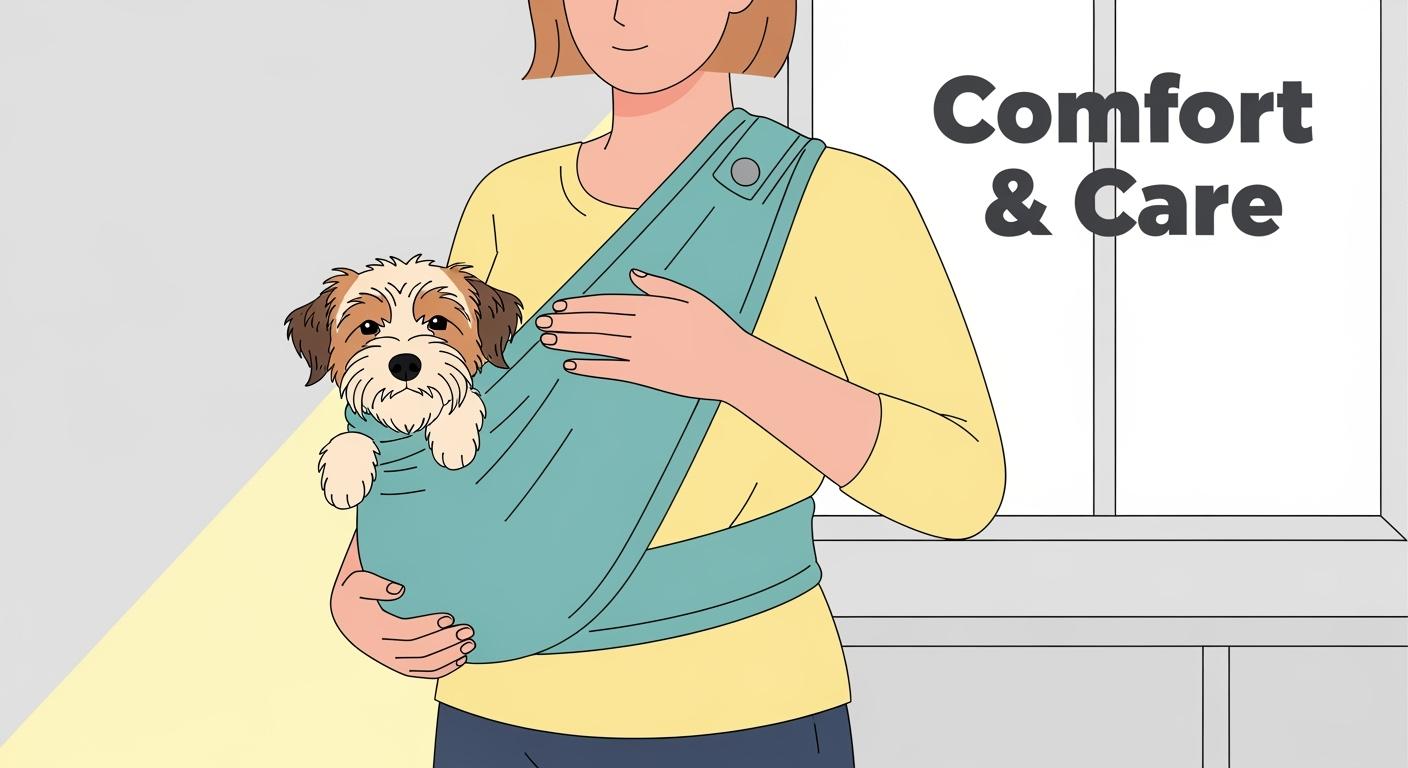
You want the carrier to support your dog’s body in the right places. The main support zones include the chest, belly, hips, and spine. A good dog carrier sling spreads your pet’s weight across these areas. This helps prevent pressure points and keeps your dog centered.

  • Rear-end slings support the hindquarters. These help with walking and climbing stairs, especially after surgery or for arthritis.

  • Front-end slings support the chest and front legs. These work well for front leg injuries or after chest surgery.

  • Full-body slings support the entire body. These are best for severe mobility issues or recovery from major surgery.

  • Towel slings can give temporary support for small dogs.

Check that the carrier holds your dog close to your body. The dog should not lean or twist. The spine should stay straight, and the hips should not sag. Adjust the straps to keep your pet snug but not tight.

Pressure points and early warning signs

You need to check for pressure hotspots every time you use the carrier. Common pressure points include the neck, armpits, belly, spine, and tail base. These areas can get sore if the carrier does not fit well.

Watch for early warning signs:

  • Shifting or sliding inside the carrier

  • Panic or repeated escape attempts

  • Visible rub marks or redness on the skin

  • Persistent panting or whining during short use

If you notice any of these signs, stop using the carrier and check the fit. Try adjusting the straps or switching to a different size or style.

Safety Disclaimer: Sling carriers are not ideal for every dog. Comfort depends on fit and posture. If your dog has trouble moving, breathing, or shows panic, consult a veterinarian or trainer.

Common cause, effect, and solution table

You can use this table to solve common problems with dog carrier bags and slings:

Common Cause

What It Leads To

What To Do Next

Carrier too small or tight

Rub marks, panic, escape tries

Choose correct size, adjust straps

Airway blocked by fabric

Panting, stress, breathing issues

Reposition head, check airway

Poor support at hips/spine

Sagging, discomfort, shifting

Adjust support zones, try full-body sling

Dog near weight limit

Strain, instability, fatigue

Switch to structured carrier or dog carrier backpack

Uneven weight distribution

Handler fatigue, dog leans

Use wider straps, adjust position

Quick setup steps for safe carrying:

  1. Measure your dog and select the right size.

  2. Place your dog in the carrier and check head position.

  3. Adjust straps for even support at chest, belly, hips, and spine.

  4. Do a short walk test at home. Watch for shifting or distress.

  5. Stop use if your dog shows any warning signs.

Note: The best features in a dog carrier help you keep your pet safe and comfortable. Always check support zones and posture before every trip.

Material choices for comfort and cleaning

Breathable vs structured fabrics

You want your dog to feel cool and comfy when you travel. Soft, breathable fabrics let air move around your dog. This helps stop your pet from getting too hot. These materials are good for short trips. Look for a dog carrier sling with mesh or light cotton. Structured fabrics give the carrier shape and support. They help the carrier stay firm and protect your dog’s body. Some dog carrier bags use both soft and strong parts. This mix gives your pet comfort and keeps the carrier sturdy.

  • Soft, breathable fabrics help your dog stay cool.

  • Structured panels give more support on long walks.

  • Adjustable straps help you fit the carrier to your body.

Lining, seams, and edge finishing

How the carrier is made matters for comfort and strength. Check the lining to see if it feels smooth. Soft linings stop rubbing and skin problems. Look at the seams and edges of the carrier. Neat stitching means there are fewer sore spots. Strong seams make the carrier last longer. Rounded or padded edges keep your dog safe from chafing. These things help your dog feel better and safer.

Tip: Always check the seams and edges before you use the carrier. This helps you find damage early.

Water resistance and cleaning tips

You want a carrier that is simple to clean. Water-resistant or waterproof materials stop spills and rain from soaking in. These features keep your dog dry and the carrier fresh. To clean, use a soft brush or cloth for stains. Pick non-toxic disinfectants to kill germs. You can use vinegar, baking soda, or enzyme cleaners for smells. Always dry the carrier all the way after washing. This stops mold and keeps the material strong. Check for dirt and damage often to help your dog carrier last longer.

Cleaning Step

What To Do

Scrubbing

Use a soft brush or cloth

Disinfection

Pick non-toxic disinfectants

Deodorization

Try vinegar or baking soda

Drying

Air dry completely

Maintenance

Inspect for wear and dirt

Safety Disclaimer: Sling carriers do not work for every dog. Comfort depends on fit and posture. If your pet has trouble moving, breathing, or gets scared, ask a veterinarian or trainer.

A good dog carrier backpack or sling with the right material and features will make travel safer and more comfortable for you and your pet.

Feature checklist for secure and comfortable carrying

Strap width, padding, and load distribution

Pick a dog carrier sling that feels good on your shoulder. Wide straps with padding help spread the weight. This makes your neck and shoulders feel less sore. Diagonal straps use your chest and back muscles. You will feel less tired. Your dog stays close to you. Dr. Lena Torres says a good sling can lower spinal pressure by 30 percent. Handheld totes do not help as much. If the strap is thin or has no padding, it can hurt your skin. This makes travel less fun.

Secure closures, tethers, and stitching

Find a dog carrier with strong closures and tough stitching. These keep your pet safe inside the sling. A good closure and a safety tether stop escapes. Strong stitching at stress spots makes the carrier last longer. Always check that seams and edges are smooth. This stops your dog’s skin from getting rubbed.

Storage features and stability

Some slings have pockets for treats, waste bags, or your phone. These pockets make walks and errands easier. A stable carrier keeps your dog from sliding or twisting. Adjustable straps help you fit the sling snugly. This keeps your pet calm and centered.

Tip: Pick a carrier made with breathable material. This helps your dog stay cool and comfy on short trips.

Parameter and value table

Here is a table to help you compare features and pick the best one:

Parameter

Target range or option

Why it matters

Weight label

match dog weight to label max

Safety and return prevention

Market label examples

8.8 lb (4.0 kg) up to 40+ lb (11.3+ kg)

Sets realistic expectations

Near-limit rule

switch to structured carrier if close to max

Better support and lower strain

Chest measurement

widest chest, behind front legs

Sizing accuracy

Body length

chest point to base of tail

Helps compare to size charts

Airway check

head and airway clear

Safety-first posture

Support zones

chest, belly, hips, spine line

Comfort and stability

Strap design

wider or padded straps

Handler comfort

Seams and edges

smooth finishing

Less rubbing

Tether concept

internal tether optional

Extra security without overclaiming

Cleaning

follow care label, air dry

Keeps materials functional longer

Safety Disclaimer: Sling carriers are not right for every dog. Comfort depends on fit and posture. If your dog has trouble moving, breathing, or seems scared, ask a vet or trainer.

Check your carrier for loose stitching or damage before each use. Clean the carrier as the care label says. This keeps your pet safe and your carrier working well.

Decision guide: choosing the best dog carrier

Small calm dogs and short trips

If you have a small, calm pet and need to run errands, a dog carrier sling can be the ideal carrier. You can keep your dog close and secure. Look for a sling with a wide, padded strap and a soft, breathable lining. Make sure the sling has a safety tether to prevent jumping out. Choose a model that matches your dog’s weight and allows your pet to sit or lie down comfortably. For short travel, you want easy access and good ventilation.

Scenario A:
You have a 12 lb (5.4 kg) calm dog. You want to take your pet to the store. You choose a sling with mesh panels and a secure closure. Your dog stays relaxed and safe.

Near weight limit or long carry needs

If your dog is close to the weight limit or you plan to carry your pet for a long time, you need extra support. A structured carrier or a dog carrier backpack may be the best dog carrier for you. These options have padded straps and better weight distribution. They help you stay hands-free and reduce fatigue. Always check the weight label and switch to a structured carrier if your dog is near the maximum.

Scenario B:
Your dog weighs 28 lb (12.7 kg). You need to walk for an hour. You choose a structured carrier with a waist belt and reinforced stitching. Your pet gets more support, and you feel less strain.

Senior or sensitive dogs

Senior or sensitive dogs need gentle support. Look for a carrier with soft lining, smooth seams, and easy access points. Make sure your dog can breathe easily and move without pain. Removable, washable liners help keep the carrier clean.

Decision table: dog, context, best features, what to avoid

Dog Type

Context

Best Sling Features

What to Avoid

Small, calm

Short errands

Breathable mesh, safety tether

Thin straps, poor support

Near weight limit

Long walks

Structured, padded straps, waist belt

Overloading, weak stitching

Senior/sensitive

Vet visits, travel

Soft lining, easy access, smooth seams

Rough edges, tight fit

Sling vs backpack vs structured carrier comparison

Option

Pros

Cons

Best For

Sling

Lightweight, easy to use, close contact

Less support for heavy dogs

Small, calm dogs, errands

Backpack

Hands-free, good weight balance

May feel bulky, less airflow

Long walks, active owners

Structured Carrier

Strong support, padded straps

Heavier, less flexible

Large dogs, long travel

Safety Disclaimer: Sling carriers are not ideal for every dog. Comfort depends on fit and posture. Consult a veterinarian or trainer if your dog has mobility, breathing, or panic issues.

You can choose the ideal carrier by matching your dog’s needs to the features above. Always measure your pet, check the weight label, and test for comfort before travel.

Retail tips for dog carrier sling buyers

Planning by weight label and fit

When you plan your dog carrier sling selection, start by looking at the weight label on each carrier. Always match your dog’s current weight to the label maximum. This step helps you avoid returns and keeps your pet safe. Think about your dog’s body shape, too. Some dogs have wide chests or long bodies. Choose a carrier that fits both the weight and the shape. If your dog is close to the weight limit, pick a structured carrier for better support during travel.

  • Measure your dog’s chest and body length.

  • Use a recent weight from a scale.

  • Compare your dog’s size to the carrier’s chart.

  • Check for adjustable straps to get a snug fit.

Listing copy to reduce returns

Clear product listings help you and other buyers make better choices. When you read or write a listing, look for step-by-step measurement instructions. Good listings explain how to check your dog’s comfort in the carrier. They also highlight safety features, like secure closures and tethers. You should see reminders to use the tether with a harness, not a collar. Listings that mention breathable materials and easy cleaning can help you pick the best dog carrier for your pet.

Tip: Always check your dog’s comfort and posture before every trip. If your dog shows signs of stress, stop and adjust the sling.

Strategy

Description

Channel Placement

Place dog carrier slings in pet sections to attract health-focused buyers.

Clear Signage

Use signs to show weight limits and securing methods.

Customer Education

Train staff to answer questions about health, comfort, and proper use.

Safety Reminders

Remind buyers to clip the tether to the harness, not the collar.

Comfort Checks

Encourage checking the dog’s comfort often.

Material Quality

Recommend breathable materials for better ventilation.

Supplier spec standardization

Ask your supplier for clear product specs. You want to see the weight label, seam construction details, strap padding, and tether design. Standard specs help you compare carriers and choose the right one for your dog. Look for smooth seams and strong stitching. Wide, padded straps make carrying easier. An internal tether adds extra security for your pet.

Safety Disclaimer: Sling carriers are not ideal for every dog. Comfort depends on fit and posture. If your dog has mobility, breathing, or panic issues, consult a veterinarian or trainer.

You can pick the right dog carrier sling by using easy steps. First, measure your dog and check the weight label. Then, look at the support zones and choose soft, breathable fabric. Use the checklist and tables to compare things like adjustable straps, strong fastenings, and storage pockets. A good dog carrier lets your dog rest in a normal way while you travel. This makes you and your pet feel better. Remember, sling carriers do not work for every dog. Comfort depends on how the sling fits and holds your dog. Ask a veterinarian or trainer for help if your dog has trouble moving, breathing, or gets scared.

FAQ

How do you know if a dog carrier sling fits your dog?

You should measure your dog’s chest, body length, and weight. Match these numbers to the carrier’s size chart and weight label. The sling should support your dog’s body and keep the airway clear.

Can you use a dog carrier sling for long walks?

You can use a sling for short trips. For long walks or heavy dogs, you should pick a structured carrier or backpack. These options give better support and reduce strain on your body.

What is the best way to clean a dog carrier sling?

Check the care label first. Most slings need gentle cleaning with a soft brush or cloth. Air dry the carrier fully before using it again. This helps keep the material strong and safe.

Should you use the safety tether in the sling?

Yes, you should use the safety tether with a harness. This helps keep your dog secure inside the sling. Do not attach the tether to a collar.

Is a dog carrier sling safe for every dog?

Sling carriers are not ideal for every dog. Comfort depends on fit and posture. If your dog has mobility, breathing, or panic issues, ask a veterinarian or trainer before use.

Get A Free Quote Now !

Table of Contents

Blog

Canine Pulling Harness How to Spot Wear Before a Hard Pull Turns Risky

Spot wear on your canine pulling harness by checking stitching and hardware before each hard pull to ensure durability and keep your dog safe.

Puppy Collars Custom: How to Check Tightness and Prevent Slipping Safely

Puppy collars custom should fit snugly with two fingers under the collar. Use the slip test to prevent loss and keep your puppy safe and comfortable.

Dog Running Leash: How to Select Hands-free or Standard Based on Real Pulling Patterns

Choose the right dog running leash by matching hands-free or standard setups to your dog's pulling and walking style for safety and control.

Dog Carry Bike Risk Checklist: Body Language Warnings and When to Stop Immediately

Spot stress or danger in your dog during dog carry bike rides. Learn body language warnings and when to stop for your dog's safety on hikes or rainy walks.

Which Waterproof Dog Bed Stays Dry on Wet Ground?

A waterproof dog bed with sealed seams, strong base, and high hydrostatic head value keeps your dog dry on wet ground during outdoor use.

Dog Leashes: How to Spot Wear Before a Leash Fails on a Walk

Check dog leashes for fraying, weak stitching, and hardware issues before walks. Spot stress points early to prevent leash failure and keep your dog safe.
Scroll to Top

If You Have Any Questions, Please Do Not Hesitate To Contatct With Us.

Get A Free Quote Now !

Welsh corgi wearing a dog harness on a walk outdoors