
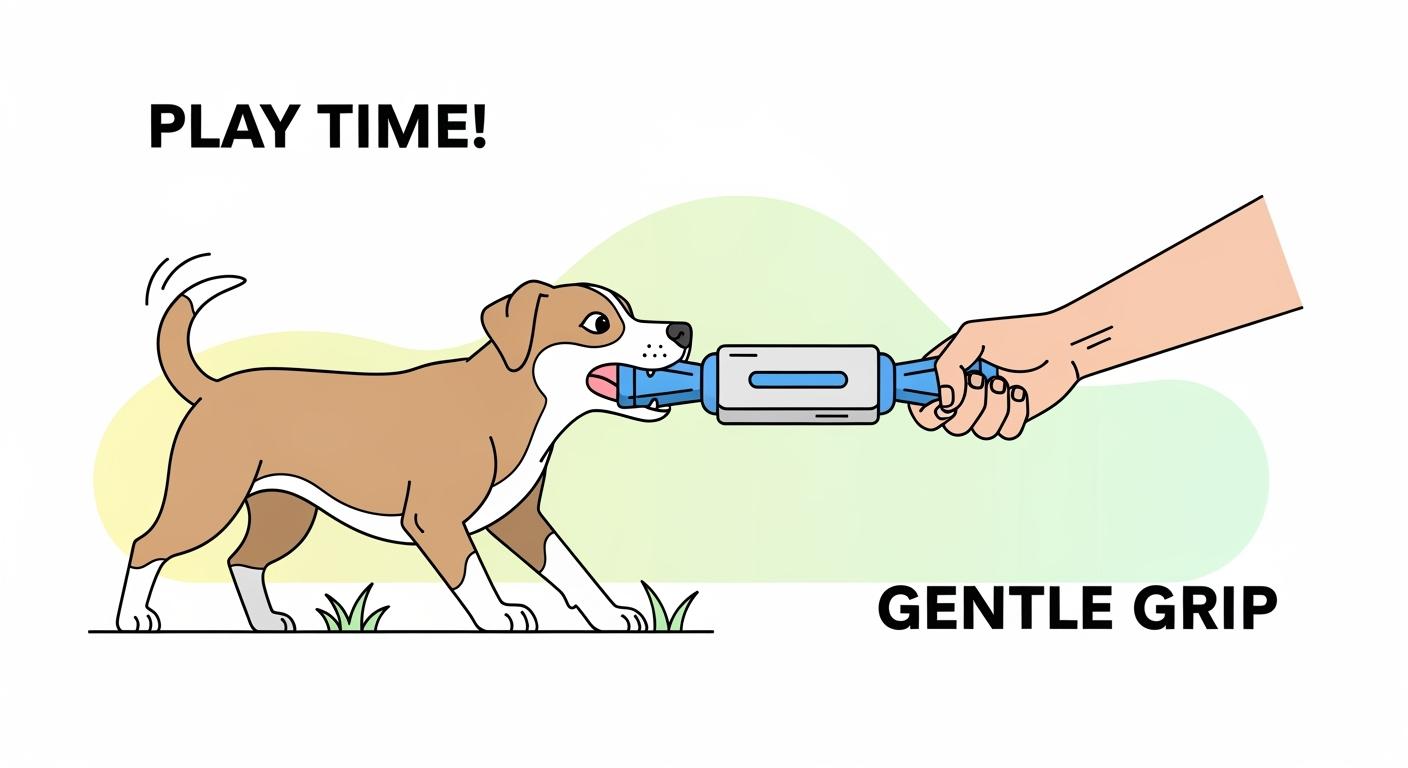
Tug of war brings excitement to dogs, but you may notice problems like overstimulation, accidental bites, or shredded toys during tug play. Many owners feel unsure about which toy works best or keeps everyone safe. Injuries can happen if a dog bites a hard handle or if play gets too rough. Smaller dogs risk harm when using heavy-duty toys meant for larger breeds.
You want a tug of war dog toy that supports safe play, fits your dog’s size, and matches their energy.
Use smart tips to pick a toy that protects teeth and hands while making tug play fun.
Key Takeaways
Choose a tug toy that matches your dog’s size and energy level to ensure safe play.
Teach your dog commands like ‘drop’ and ‘wait’ to promote impulse control during tug games.
Always supervise tug play and inspect toys for damage to prevent injuries.
Use safe movements, like tugging side to side, to protect your dog’s neck and your hands.
Follow the teeth-on-skin rule: if your dog’s teeth touch your skin, end the game immediately.
Why tug of war is great for dogs
Bonding and training benefits
You want to spend good time with your dog. Tug of war is a fun way to play and train together. Playing tug helps you and your dog trust each other. You both get excited and work as a team. Studies show that tug games are good for dogs.
Benefit | Description |
|---|---|
Strengthens Bond with Owner | Tug of war helps you and your dog trust each other. |
Builds Confidence | Winning sometimes makes your dog feel braver. |
Relieves Stress and Anxiety | Playing hard helps your dog use up energy and feel calm. |
Promotes Impulse Control | Commands like “Drop it” and “Wait” teach your dog to listen. |
Fulfills Natural Instincts | Pulling and shaking are things dogs do naturally, so tug is fun for them. |
Tug play and impulse control
Tug games do more than just make your dog tired. They help your dog learn to wait and listen. When you say “drop” or “wait,” your dog learns to stop and pay attention. Puppies learn these rules best when they are young. When you play tug the right way, you can reward your dog for being calm. Tug can be a special treat for good behavior. Over time, your dog will get better at staying calm and listening to you. This makes tug a great way to train your dog.
When tug of war is not right for your dog
Tug of war is not safe for every dog. Some dogs have health or behavior problems that make tug games dangerous. Do not play tug if your dog gets angry or hurts easily. Dogs who have trouble controlling themselves may act out during tug. Tug can make bad behavior worse in some dogs. If you see these problems, try other games or talk to a trainer before using tug as a reward.
Tip: Always watch how your dog acts when you play together. Stop the game if your dog looks upset or stressed.
Tug of war safety basics
Playing tug of war with your dog can be safe and fun if you follow the right steps. You need to pay attention to safety rules every time you use a tug of war dog toy. Good safety habits protect your dog, your hands, and your home.
Safe play movements and what to avoid
You should always use safe movements during tug play. Move the toy side to side, keeping it low to the ground. Avoid pulling up and down, which can strain your dog’s neck. Match your tugging strength to your dog’s size and body. Smooth motions help prevent injuries.
Veterinarians recommend these safety guidelines for tug games:
Tug side to side, not up and down.
Use a toy long enough to keep your hands away from your dog’s mouth.
Choose a comfortable tug of war dog toy for both you and your dog.
You should start and end all tug games.
Children should not play tug of war with dogs.
Teach your dog to drop the toy on command.
Stop the game if your dog’s teeth touch your skin.
If your dog shows aggression, drop the toy and walk away.
You need to check the toy before each session. The toy should not be small enough to fit entirely in your dog’s mouth or be swallowed. Stop using toys that shed threads, fray, or lose pieces. Rope toys can be shredded, so supervise play and remove them when damaged. Store toys out of reach when not supervised, especially in homes with more than one dog.
Note: Tug may not be safe for dogs with neck or spine pain, resource guarding, or those who swallow toy pieces. If you feel unsure, ask a veterinarian or qualified trainer before engaging in tug play.
Teeth-on-skin rule and reset routine
You must teach your dog the teeth-on-skin rule. If your dog’s teeth touch your skin during tug play, end the game right away. This rule helps your dog learn to be careful with their mouth, even when excited.
The ‘teeth-on-skin’ rule states that if a dog puts its teeth on human skin during the game, the game ends immediately. This rule helps dogs learn to be careful with their mouths, even in high-arousal situations.
You can use a reset routine to help your dog calm down. If your dog gets too excited or breaks the rule, pause the game. Ask your dog to sit or wait. Start again only when your dog is calm. This teaches impulse control and keeps play safe.
The rule ensures that dogs learn to be cautious during tug play.
It has been implemented since day one, resulting in dogs being careful even in intense moments.
Red flags to pause tug play
You need to watch for signs that mean you should stop tugging. These red flags help you keep safety first:
Your dog gets too excited and tries to bite your hand.
Your dog shows aggression or guards the toy.
The toy starts to fray, shed threads, or lose pieces.
Your dog looks stressed, tired, or upset.
You feel your dog’s teeth on your skin.
If you see any of these, pause the game and let your dog relax. You can use tug play as a reward, but only when your dog follows the rules.
Common cause -> What it leads to -> What to do
Common Cause | What it Leads To | What to Do |
|---|---|---|
Toy too small | Choking or swallowing | Use a larger tug of war dog toy |
Frayed or damaged toy | Ingestion or mouth injury | Replace the toy |
Rope toy shredding | Swallowed threads | Supervise play, remove when worn |
Up-and-down tugging | Neck or spine strain | Tug side to side only |
Teeth on skin | Accidental bite | End game, reset routine |
Aggressive behavior | Injury or conflict | Stop play, consult a trainer |
Unsupervised play | Chewing or fights | Store toys out of reach |
You can keep tug play safe by following these steps every time. Safety helps you enjoy games and keeps your dog happy and healthy.
Types of tug of war dog toys
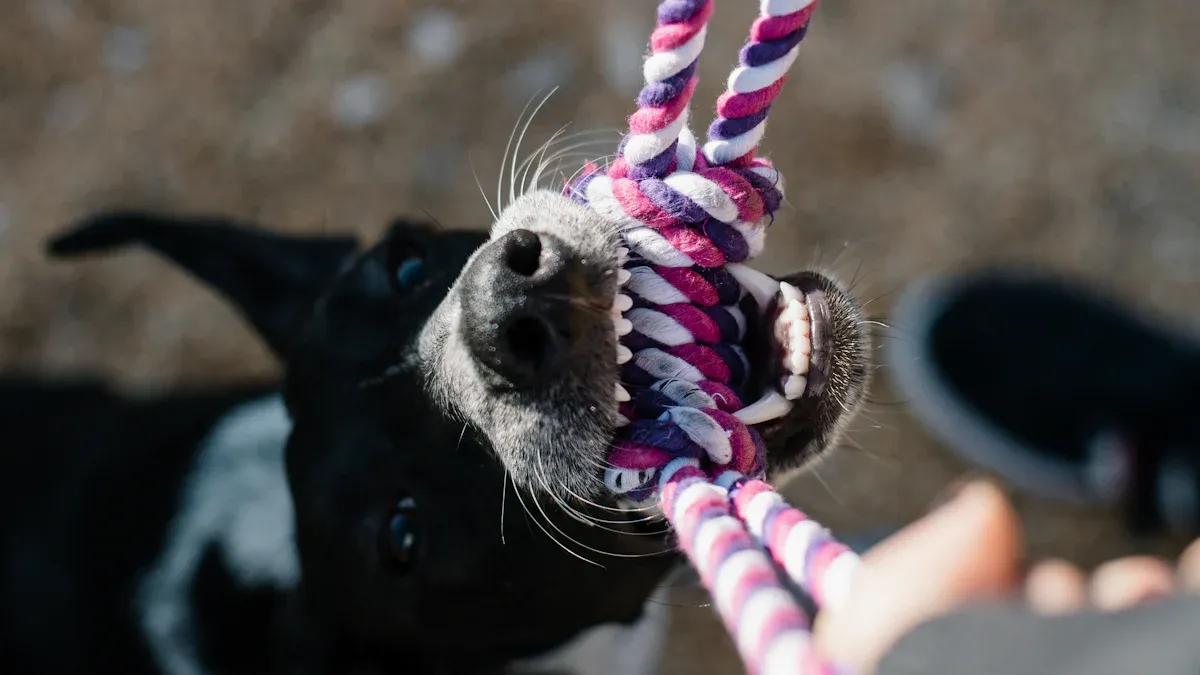
Choosing the right tug of war dog toy helps you create safe and fun play sessions. You will find several types of dog tug toys on the market, each with unique features and safety profiles. Understanding these options makes it easier to match the toy to your dog’s needs and play style.
Rope dog tug toys and supervision
Rope tug toys are popular for tug play. You can grip them easily, and dogs love the texture. Rope toys work well for games with strong chewers, but you must supervise every session.
Watch your dog closely while tugging.
Store rope toys securely after play.
Inspect the toy for fraying or damage before each use.
Prevent your dog from swallowing rope fibers.
Choose non-toxic rope materials.
Rope tug toys can fray over time. If you see loose threads or missing pieces, replace the toy. Supervision keeps your dog safe and prevents ingestion risks.
Rubber loop and handle tug toys
Rubber loop and handle tug toys offer high durability. These toys resist tearing and often clean up easily in the dishwasher. You get better grip and joint protection with handle-based designs.
Rubber tug toys work well for strong dogs and those who need the most durable tug toy. Some rubber toys may feel too hard for puppies or small dogs. Handle-based toys give you leverage, but if the handle breaks, it can become a choking hazard.
Type of Tug Toy | Pros | Cons |
|---|---|---|
Rubber Tug Toys | Highly durable; resistant to tearing; dishwasher-safe | May be too hard for small or young dogs; lower flexibility than fabric options |
Handle-Based Tug Toys | Better leverage and joint protection for owners | Heavier; potential choking hazard if handle breaks |
Rope Tug Toys | Easy grip; fun texture for dogs | Can fray over time; pose ingestion risks |
Plush Toys | Soft; gentle for puppies | Not suitable for heavy chewers |
Bungee and elastic dog tug toys
Bungee and elastic dog tug toys add excitement to tug play. These toys stretch and absorb shock, making tugging easier for you and your dog.
Bungee toys reduce strain on your body.
Dogs enjoy the engaging resistance.
Handles feel comfortable in your hand.
These toys work well for soft-mouthed dogs and puppies.
Many users rate bungee tug toys highly for comfort and safety. You can use them for longer games without tiring quickly.
Comparison table: type, strengths, drawbacks, best use
Option | Pros | Cons | Best For |
|---|---|---|---|
Rope Tug Toys | Easy grip; fun for dogs; affordable | Frays over time; ingestion risk | Supervised play; strong chewers |
Rubber Loop Tug Toys | Most durable tug toy; easy to clean; safe grip | May be too hard for small dogs | Heavy chewers; outdoor games |
Handle Tug Toys | Good leverage; protects joints | Heavier; handle may break | Owners needing extra control |
Bungee Tug Toys | Shock absorption; comfortable; engaging | Less durable for extreme chewers | Puppies; soft-mouthed dogs |
You can choose the best tug toys by considering your dog’s size, play style, and safety needs. Always inspect each toy for durability before play. Replace damaged toys to keep games safe and fun.
Feature checklist for the best tug toy
Choosing the best tug toy for your dog means looking at grip, material safety, cleanability, and outdoor durability. You want a tug of war dog toy that keeps play safe and enjoyable. Use this buying guide to check every feature before you buy.
Grip, handles, and hand safety
You need a secure grip to keep your hands safe during tug play. Handles and loops help you control the toy and prevent slips.
Look for tug toys with double handles or large loops.
Make sure the toy is long enough to keep your hands away from your dog’s mouth.
Choose grip points that feel comfortable and do not pinch your fingers.
A strong grip helps you guide tug play and avoid accidental bites.
Tip: If you play with strong dogs, pick a toy with reinforced handles for extra control.
Material safety and wear signs
Material safety is key for every dog tug toy. You want durable construction that stands up to pulling and chewing.
Dense rubber toys that bend by hand are safer than thin rope or string.
Tug toys made from ultra-durable food-grade silicone or tough plush offer better safety.
Avoid toys with small parts or loose stuffing.
Check for wear signs like fraying, loose threads, or missing chunks.
Remove any toy that shows damage to prevent choking or ingestion.
You can spot wear signs easily:
Fraying rope or string
Loose threads
Missing pieces or chunks
If you see any of these, replace the toy right away. Safety comes first in every tug session.
Cleanability and outdoor use
Cleanability affects both safety and the life of your tug toys. You want a toy that stays clean after outdoor play.
Dishwasher-friendly toys make cleaning easy.
Machine washable options help you remove dirt and germs.
Air dry toys to keep their shape and strength.
Toys made from food-grade silicone or hypoallergenic materials are safe for dogs and easy to clean.
Remove loose threads quickly to prevent your dog from swallowing them.
Note: Toys designed for outdoor use should resist water and dirt. Always check the label for cleaning instructions.
Parameter and Value table for toy selection
Use this table to compare features and pick the best tug toy for your dog. The table shows typical spec ranges and explains why each parameter matters for safety and play.
Parameter | Target range or option | Why it matters |
|---|---|---|
Toy length | 12-20 in (30-51 cm) or 20-30 in (51-76 cm) | Hand safety distance and control |
Toy type | rope, rubber loop, bungee | Different risk and cleaning tradeoffs |
Grip points | single handle, double handle, loop | Control and reduced hand slips |
Material | cotton rope, rubber, fabric | Durability and cleanability signals |
Wear warning | fraying, loose threads, missing chunks | Foreign body and choking risk control |
Play motion | side-to-side, low to the ground | Lower strain and safer mechanics |
Supervision | supervised only for shredders | Reduces ingestion and accident risk |
Storage | put away after play | Prevents unsupervised chewing and conflicts |
You can use this buying guide to match the toy to your dog’s size, play style, and safety needs. Always inspect tug toys before each session. Replace worn toys to keep tug play safe and fun.
Safety tip: The most durable tug toy will last longer and protect your dog during intense play. Choose durable construction and easy-to-clean materials for the best results.
How to choose the right tug toy for your dog
Puppies and young dogs learning rules
Puppies need special care when you introduce tug play. You want a tug of war dog toy that fits their small mouths and soft teeth. Choose a soft, flexible toy and always supervise play. Use a long-handled toy to keep your hands safe from nipping. Start tug games when your puppy feels calm. Teach the “drop” cue early. If your puppy gets too excited or bites your hand, pause the game. Let your puppy win sometimes to build confidence. Always check the toy for damage before each session.
Scenario A: Your puppy loves to nip. You use a long-handled toy and keep the game low to the ground. You say “drop” and reward your puppy for letting go. This routine helps your puppy learn safe tug rules.
Strong pullers and high-energy dogs
Strong adult dogs need tough dog tug toys. Pick toys made from durable rubber or reinforced fabric. Look for handles that give you a firm grip. These toys can handle hard shaking and pulling. Use side-to-side play to protect your dog’s neck and your own hands. Durable toys keep your dog busy and help prevent unwanted behaviors.
Scenario B: Your adult dog shakes the toy with force. You choose a reinforced rubber tug with double handles. You play side-to-side, keeping control and reducing risk. This approach keeps tug safe and fun.
Multi-dog homes and risk control
If you have more than one dog, you need extra safety steps. Give each dog their own toy to prevent fights. Try parallel play, where each dog tugs with you, not with each other. Use flirt poles for added control. Always supervise tug sessions and store toys out of reach when not in use.
Decision table: dog traits, must-have features, what to avoid
Dog or Context | Best Toy Features | What to Avoid |
|---|---|---|
Puppy or young dog | Soft, long-handled, flexible | Hard, small, or frayed toys |
Strong puller/adult | Reinforced rubber, double handles | Thin rope, weak stitching |
Multi-dog home | Multiple toys, easy to clean | Shared toys, unsupervised play |
When you use this buying guide, consider your dog’s size, age, and play style. Always check for safety and durability. The best tug toy matches your dog’s needs and keeps tug of war safe and rewarding.
Teaching safe tug of war play
Teach “take it”, “drop”, and “all done”
You want your dog to understand clear commands during tug play. Start by teaching “take it” when you offer the toy. Use a cheerful voice and let your dog grab the toy only after you say the cue. Practice “drop” by holding the toy still until your dog lets go. Praise and reward your dog each time they release the toy. You can use a new, exciting toy to encourage your dog to drop the current one. When your dog follows the “drop” cue, restart the game to reinforce good behavior. Finish with “all done” to signal the end of play. This helps your dog learn when tug of war starts and stops.
Use interactive toys like puzzle feeders to keep your dog engaged.
Reward your dog with more play when they follow commands.
Act excited around a new toy to motivate your dog to trade.
Praise your dog for dropping the toy and repeat the game.
Structured rounds and calm cues
You create safer tug play by using structured rounds and calm cues. Start and end each game with clear signals. Ask your dog to “drop” the toy mid-game, then restart to teach impulse control. Your dog should only take and release the toy when you give the cue. This builds trust and helps your dog listen during high-energy play.
Rule/Practice | Description | Benefit |
|---|---|---|
You Start, You End | Use cues to begin and finish the game | Clear communication and respect |
Practice the “Drop” | Ask for “drop” and restart play | Teaches self-control and safety |
Respect “Take it” vs. “Drop” | Dog acts only on your cues | Builds trust and listening skills |
Ending the session smoothly
You reinforce positive behavior by ending tug play calmly. Use praise and treats when your dog follows commands like “take it” and “drop”. Always supervise your dog during the game to monitor excitement and safety. If your dog’s teeth touch your skin or clothes, end the session right away. This routine helps your dog understand boundaries and keeps play safe.
Copyable checklist for setup and play
Play tug on a surface your dog can grip. Avoid slippery floors to prevent injuries. Let your dog do most of the work to protect their neck and spine.
Step-by-step safe tug play guide:
Choose the right toy type and size for your dog and play context.
Set game rules: start cue, drop cue, end cue, teeth-on-skin reset.
Play with controlled movement and repeat skill cues often.
Inspect the toy after play and store it out of reach when not supervised.
Quick checklist for safe tug of war sessions:
Teach commands like “take it” and “drop it” to set boundaries.
Use only the tug toy and avoid aggressive play.
Supervise every session and stop if excitement escalates.
Take short breaks to prevent overstimulation.
Check toys for wear and tear before and after play.
Rotate toys to keep the game fresh and prevent possessiveness.
Use tug play as a reward for good behavior.
Tug of war gives dogs healthy exercise and strengthens your bond. You keep safety first by following these steps and routines.
Retail tips for dog tug toys
Planning assortment by material and use
You should offer many types of tug toys for different dogs. When you pick which toys to sell, think about what they are made of and how dogs will use them. Some dogs like to chew hard, but others play gently. The table below shows what each material is like and why it is good.
Material | Characteristics | Benefits |
|---|---|---|
Ballistic Nylon | Tear-resistant, durable | Ideal for aggressive chewers |
Hemp | Eco-friendly | Non-toxic and sustainable |
Rubber | Flexible, durable | Provides enjoyable play for dogs |
Pick materials that fit how strong and active your customers’ dogs are. Ballistic nylon is best for dogs that chew a lot. Hemp is a good choice for people who care about the environment. Rubber is flexible and works for most dogs during tug games.
Packaging copy and safety notes
Clear words on the package help people pick the right tug toy and use it safely. You should add important safety tips and instructions to every package.
Choose the Right Toy: Pick strong tug toys made for dogs, and make sure the size and strength match the dog.
Teach Commands: Show your dog how to follow commands like ‘take it’ and ‘drop it’ so play stays safe.
Set Ground Rules: Make rules for play, like not using hands or clothes, to stop injuries.
Supervise Play: Watch your dog during tug games to keep things safe and stop rough behavior.
Inspect Toys Regularly: Look at toys often for damage so your dog does not choke.
Rotate Toys: Switch out toys to keep play fun and stop your dog from getting too attached to one toy.
Make it Rewarding: Use tug-of-war as a treat for good behavior, and give praise and snacks.
Supervise Multiple Dogs: Watch closely when more than one dog plays, and give each dog their own toy.
These notes help buyers stay safe and use the toys the right way.
Reducing returns: sizing, supervision, wear inspection
You can get fewer returns if you help buyers pick the right size and type of tug toy. Give clear size charts and explain which toys are best for puppies, grown dogs, or strong pullers. Remind buyers to always watch their dogs when playing and check toys for damage. Tell them to put toys away when not in use. These tips help customers keep their dogs safe and happy with their new tug toy.
You want your tug of war dog toy to support safe play and bonding. Always check the toy for wear before each tug session. Use the tables and checklists to match the right toy to your dog’s needs. Safe tug play helps dogs learn rules and builds trust. You create better tug experiences by following safety tips and teaching commands.
Quick checklist for choosing the best tug toy:
Pick the right size and type for your dog
Inspect for damage before play
Supervise every tug session
Store toys out of reach after play
FAQ
What size tug toy should I pick for my dog?
Choose a tug toy that is longer than your dog’s mouth. The toy should not fit completely inside the mouth. A longer toy keeps your hands safe and helps prevent choking.
How often should I replace a tug toy?
Inspect the toy before each play session. Replace it if you see fraying, loose threads, or missing pieces. Frequent checks help keep play safe and prevent accidents.
Can puppies play tug of war safely?
Yes, puppies can play tug of war with supervision. Use a soft, flexible toy. Teach basic commands like “drop” and “take it.” Always stop if your puppy gets too excited or bites your hand.
What is the best way to clean tug toys?
Check the label for cleaning instructions. Many rubber toys are dishwasher-safe. Rope toys can go in the washing machine. Air dry all toys before the next play session.
Should I let two dogs play tug together?
Supervise closely if two dogs play tug together. Give each dog their own toy to prevent fights. Store toys out of reach after play to avoid unsupervised chewing or conflict.






