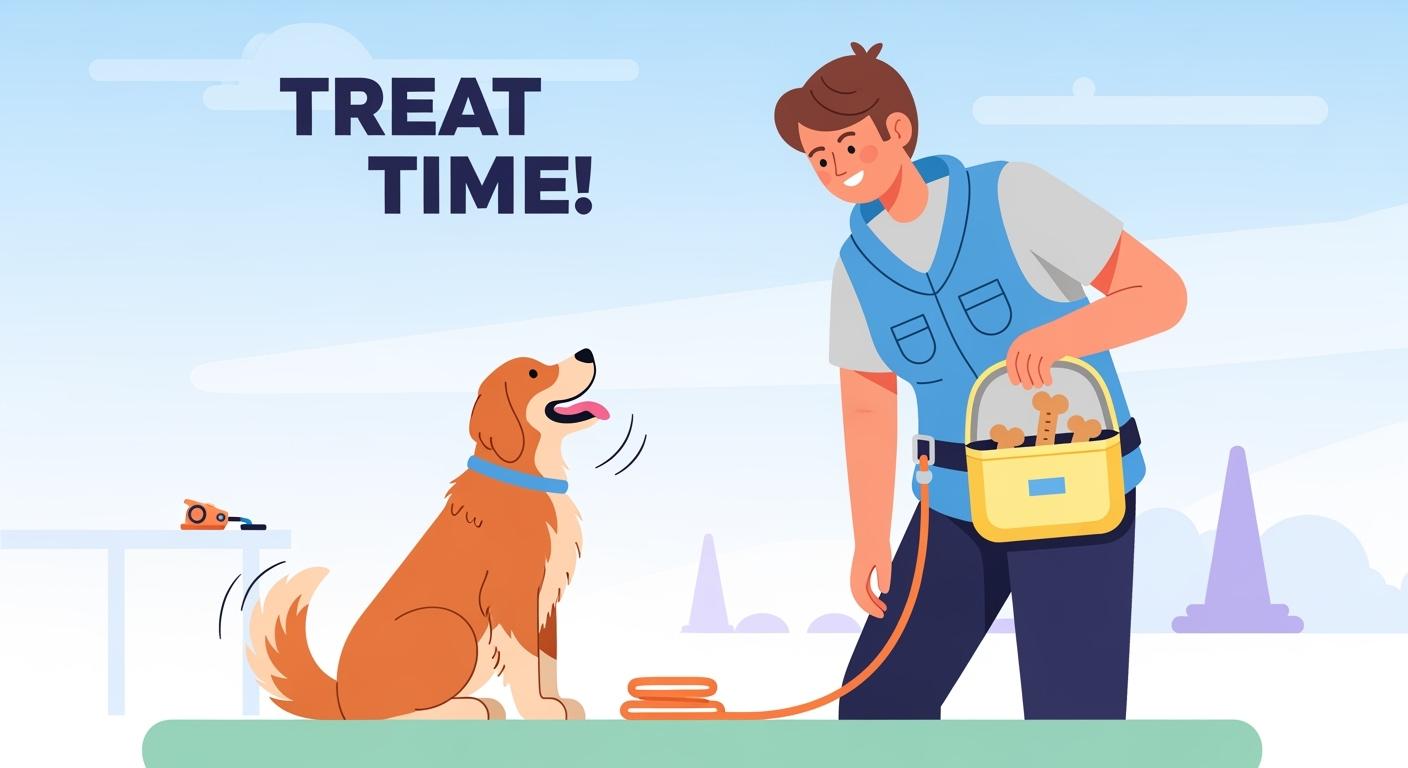
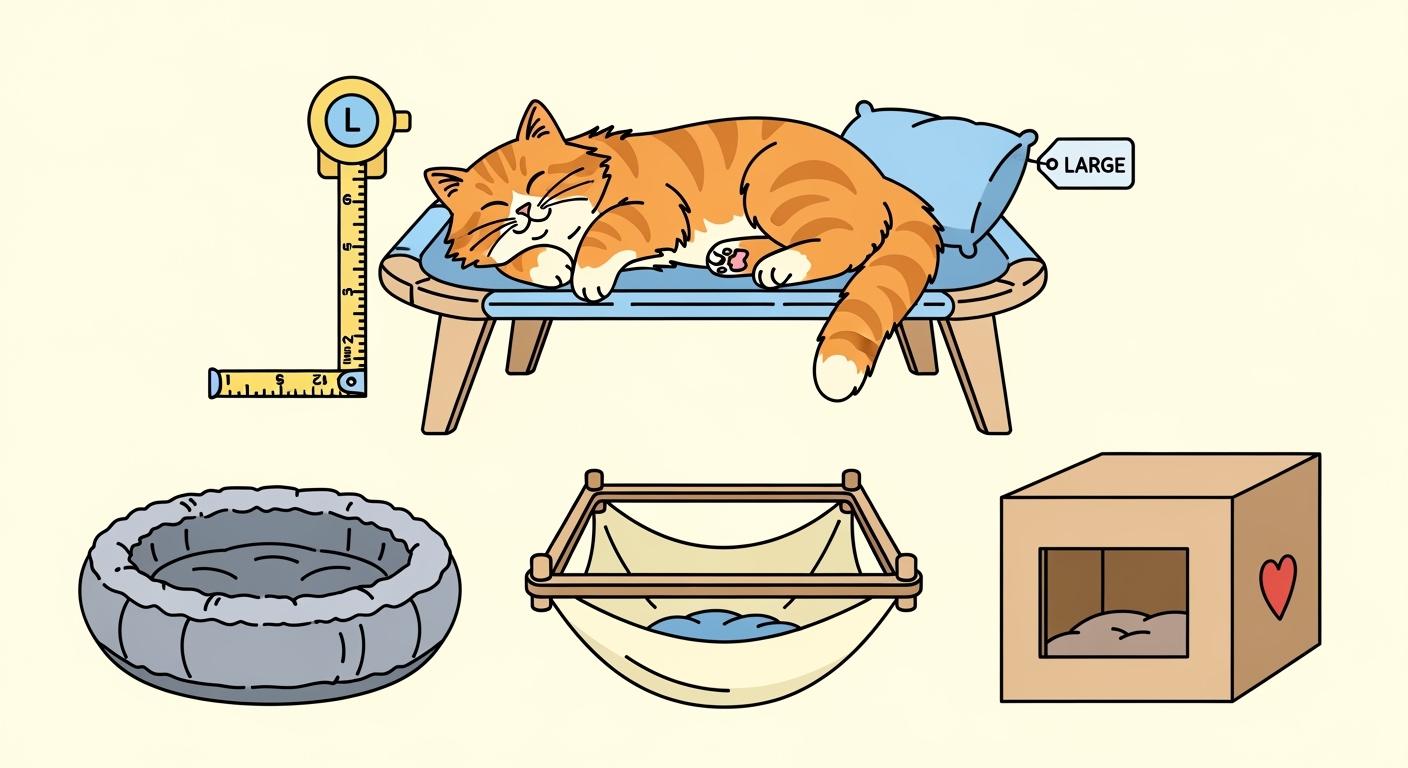
You can use a planogram-first way to put a multifunctional dog onesie where people choose fast. Focus on clear shelf-edge microcopy that tells the main benefit. Show the right fit and set safe limits. Start by mapping each channel with a simple one-screen summary. Put the product in the best spot. Match it with helpful items. Use a one-line sign that answers the top question for each shopper goal.
Key Takeaways
Start with a planogram-first way to put dog onesies where shoppers can see them easily.
Put the dog onesie next to things like grooming tools and cleaning supplies so people can find matching items.
Always measure your dog’s chest and back before you buy to make sure it fits right.
Add clear signs that show the main benefits and features of the dog onesie so shoppers can decide fast.
Watch your dog when it wears the onesie to make sure it is safe and comfortable.
Dog Onesie Product Positioning
Coverage and Mess Control
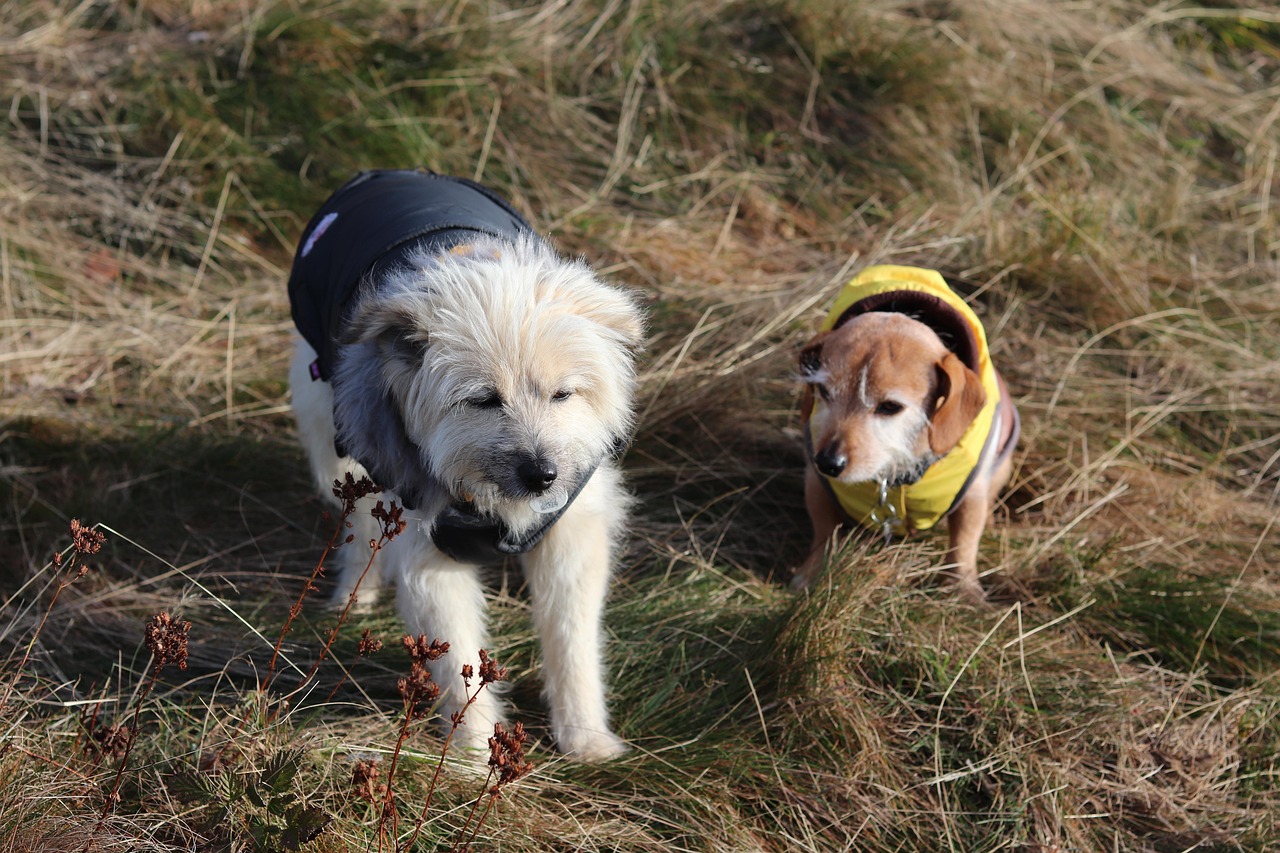
You want a dog onesie that helps in many situations. It covers your dog’s body to keep fur and dirt inside. This makes cleaning up easier after walks, play, or grooming. You can use it at home, in the car, or when you travel. The fabric is washable. You can clean it quickly with water and mild soap. The design helps you protect furniture, car seats, and bedding from mess. You see the coverage area when you look at the product. It shows what parts of your dog stay covered and what stays open for comfort.
Tip: Place the dog onesie near cleaning supplies or grooming tools. This helps you remember its main use for mess control.
Fit and Supervision Boundary
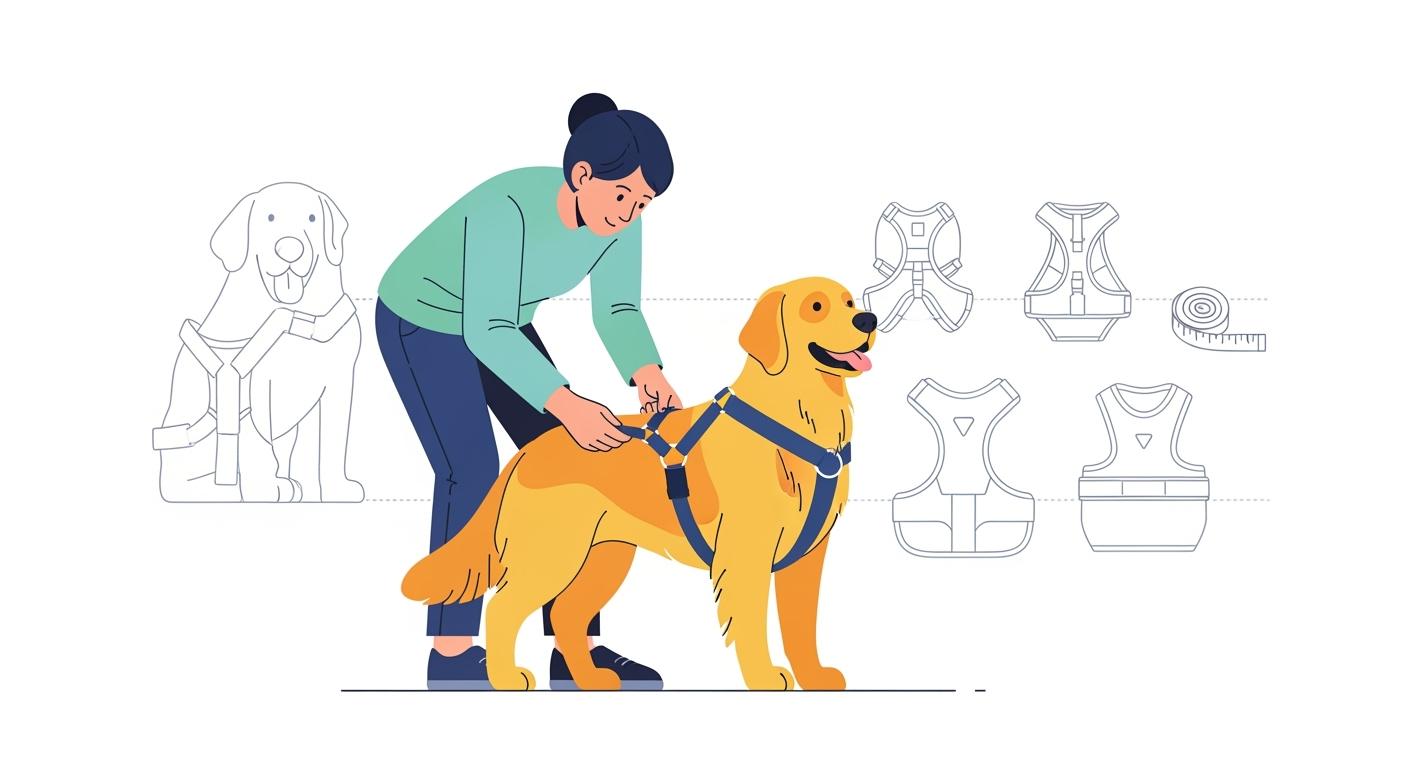
You need to check the fit before you buy. Measure your dog’s chest and back length. If your dog has a thick coat or is between sizes, choose the larger size. The onesie should fit snug but not tight. You must supervise your dog while they wear it. The onesie does not stop all movement or prevent escape. It helps limit mess, but you should not leave your dog alone for long periods. Always check for comfort and safety.
Measure chest girth and back length first.
Size up if your dog is between sizes or has a thick coat.
Supervise your dog while they wear the onesie.
Here is a simple explanation of OEM and ODM. OEM means “Original Equipment Manufacturer.” This company makes products for other companies to sell under their own names. ODM means “Original Design Manufacturer.” This company designs and makes products, then sells them to other companies who may use their own brand.
Placement Router by Channel
Grooming: Placement and Adjacency
Put the dog onesie where pet owners decide fast. The best spot is near the service counter. It should be close to checkout or where you pick up your dog. This helps you remember to protect a fresh groom. It keeps fur and dirt inside on the way home. Place the dog onesie next to grooming sprays, brushes, and wipes. Group these items together for easy shopping. This is called cross-merchandising. Shoppers see how cleaning tools and mess control clothing work together.
One-line microcopy:
“Keep your dog clean after grooming—easy-fit cover, washable, check size for comfort.”
Pet Retail: Placement and Adjacency
In pet stores, you want to solve mess and comfort problems quickly. Put the dog onesie in the utility apparel section. Do not place it with fashion outfits. This area should be near grooming tools, stain removers, or pet beds. Group products by use, not just by animal type. Good shelf layout and clear signs help shoppers find the right size. This stops confusion and makes shopping easier. You can also use cross-merchandising. Place the dog onesie near cleaning sprays or absorbent mats.
One-line microcopy:
“Mess control for home or travel—covers fur, easy to wash, measure for best fit.”
Travel: Placement and Adjacency
For travel, you want less mess in cars, carriers, and hotel rooms. Put the dog onesie in the travel kit zone. Place it near car accessories like seat covers and travel bowls. This helps you remember to add it to your travel gear. Do not put it with crash-tested harnesses or safety gear. If the dog onesie has a seat-belt clip, say it helps limit roaming and reduce distraction. It is not for crash protection. Always show a boundary line to set safe rules.
One-line microcopy:
“Travel mess helper—covers fur, easy clean, not for crash safety, check fit before use.”
Here is a table to review key placement factors:
Factor | How It Helps Placement |
|---|---|
Right Store Layout Design | Puts the dog onesie where shoppers look for solutions |
Understanding Pet Lifecycle | Helps match size and style for different ages |
Categorizing Animal Types | Keeps shelves clear and easy to shop |
Cross-Merchandising Tactics | Pairs the dog onesie with cleaning or travel items |
This planogram-first way helps you place the dog onesie where it solves real problems. You guide shoppers to the right spot. This reduces confusion and helps people choose fast.
Grooming Channel Placement
Service Counter Zones
You should place the dog onesie near the grooming service counter. This spot helps you remember to add it when you pick up your dog. You often make quick decisions here. You see other grooming add-ons in this area. The service counter zone gives you a clear view of what helps keep your dog clean after a groom.
Adjacency Essentials
You want to group the dog onesie with items that help control mess. Place it next to grooming sprays, brushes, and wipes. This setup makes it easy for you to find everything you need in one place. You do not need to search different aisles. You see how these products work together to protect your car and home from fur and dirt.
Tip: Look for a display that shows how the onesie opens and closes. This helps you check if it is easy to use.
Fast Fit Questions
You need to check two things before you buy. First, measure your dog’s chest and back length. Second, ask if your dog has a thick coat or falls between sizes. If yes, choose the larger size. You want a snug but comfortable fit. Staff can help you answer these questions fast.
Fit Check | What to Do |
|---|---|
Chest Girth | Measure around the chest |
Back Length | Measure from neck to tail |
Thick Coat? | Size up if unsure |
Grooming Microcopy Set
You see short signs near the shelf. These signs tell you the main use, a key feature, and a reminder about fit. Here are examples:
“Protect fresh groom—covers fur, washable, check size for comfort.”
“Easy mess control—quick to put on, machine washable, supervise while in use.”
These lines help you choose the right product and use it safely.
Pet Retail Channel Placement
Utility Apparel Zones
You find the best results when you place the dog onesie in the utility apparel zone. This area focuses on products that solve mess and comfort problems. You see items like washable mats, grooming wipes, and stain removers. You do not see fashion outfits here. You look for practical solutions that help you keep your home clean and your pet comfortable.
Cross-Sell Adjacency
You improve shopper experience by grouping the dog onesie with related items. Place it next to cleaning sprays, absorbent mats, and grooming brushes. This setup helps you see how products work together. You can pick up everything you need in one spot. You save time and make better choices for your pet.
Tip: Look for displays that show how the onesie covers your dog. You can check the closure and see which areas stay open for comfort.
Sizing Signage Rules
You need clear signs to choose the right size. Good signage uses pictures of different dog breeds wearing each size. You see how the onesie fits on small, medium, and large dogs. Some stores offer a sizing calculator or quiz. You answer simple questions about your dog’s measurements. The tool suggests the best size for your pet. Signs also include expert tips. You read reminders to measure chest girth and back length. You see warnings about choosing a larger size for thick coats or dogs between sizes.
Show images of breeds with each size.
Use a sizing calculator or quiz.
Add expert tips and warnings for sizing.
Pet Retail Microcopy Set
You see short, helpful signs near the shelf. These signs tell you the main benefit, a key feature, and a boundary. Here are examples:
“Mess control for home—covers fur, easy to wash, measure for best fit.”
“Quick comfort—washable, easy closure, supervise while in use.”
These lines help you pick the right product and use it safely.
Travel Channel Placement

Travel Kit Zones
You find the best results when you place travel gear together. Put the dog onesie in the travel kit zone. This area includes items like travel bowls, portable mats, and wipes. You see these products grouped for easy packing. You can grab what you need for a trip with your dog. The travel kit zone helps you remember mess control for cars, carriers, and hotel rooms.
Tip: Look for a display that shows how the onesie covers fur and keeps seats clean.
Car Accessory Adjacency
You improve shopper experience by placing the dog onesie near car accessories. You see seat covers, booster seats, and travel organizers close by. This setup helps you plan for a cleaner ride. You can pick up everything you need for travel in one spot. You see how mess control clothing works with car protection products.
Car Accessory | How It Helps You |
|---|---|
Seat Cover | Shields seats from fur |
Travel Organizer | Stores wipes and gear |
Booster Seat | Lifts small dogs safely |
Seat-Belt Clip Messaging
Some dog onesies include a seat-belt clip or bungee. You use this feature to help limit roaming and reduce driver distraction. You must not rely on it for crash protection. Always read the label for correct use. You should supervise your dog during travel. The seat-belt clip helps keep your dog in place, but it does not guarantee safety in an accident.
Note: Use restraint features only as directed. These features do not replace crash-tested gear.
Travel Microcopy Set
You see short signs near the shelf. These signs tell you the main benefit, a key feature, and a boundary. Here are examples:
“Travel mess helper—covers fur, easy clean, not for crash safety, check fit before use.”
“Limit roaming in the car—easy to attach, washable, supervise during travel.”
These lines help you choose the right product and use it safely.
Dog Onesie Signage Microcopy Library
Shelf-Edge Microcopy Rules
You need shelf-edge microcopy that helps shoppers make quick, safe choices. Use short lines that explain the main benefit, a key feature, and a clear boundary. Each sign should match the channel. For grooming, focus on mess control after a fresh groom. In pet retail, highlight daily cleaning and comfort. For travel, show how the product helps with mess but remind users about safe limits.
Tip: Always use one boundary line for travel features. This keeps your message clear and claim-safe.
Shelf-Edge Microcopy Checklist:
Keep each line under 12 words.
Use everyday words.
Show one benefit and one feature.
Add a boundary line for travel use.
Peg Header Bullets
Peg headers help you share quick facts at a glance. You can use bullets to show what the dog onesie does and how to use it. Each bullet should be short and easy to read. Match the bullets to the channel where you place the product.
Example Peg Header Bullets:
Channel | Peg Header Bullets |
|---|---|
Grooming | • Covers fur after groom |
Pet Retail | • Mess control for home |
Travel | • Helps limit mess in car |
Boundary Line Templates
Boundary lines set safe limits for shoppers. You need one boundary line for each sign, especially in travel zones. This helps you avoid misunderstandings and keeps your message claim-safe.
Boundary Line Templates:
“Supervise while in use.”
“Not for crash safety.”
“Check fit before travel.”
“No medical or behavior guarantee.”
Note: Always pair travel features with a boundary line. This protects shoppers and keeps your signage clear.
Sizing and Returns Prevention
Physical Fixture Demos
You see the best results when you use physical demos on the shelf. Displays show how the dog onesie opens and closes. You can touch the fabric and check the coverage area. You learn which parts of your dog stay covered and which stay open for comfort. You find clear tags that show chest girth and back length in both inches and centimeters. You see a simple chart that helps you pick the right size. If your dog falls between sizes or has a thick coat, you choose the larger size for comfort.
Measurement | Inches (in) | Centimeters (cm) |
|---|---|---|
Chest Girth | 14-28 | 36-71 |
Back Length | 10-24 | 25-61 |
Tip: Always measure your dog’s chest and back before you buy. This helps you avoid the wrong fit.
Signage for Sizing and Care
You find clear signs near the shelf that explain sizing and care. These signs use everyday words and simple instructions. You see how to measure your dog and how to wash the onesie. Educational signage helps you understand why proper sizing and care matter. You read reminders that sizing prevents discomfort and returns. You see care instructions that keep the fabric clean and fresh.
Label sizing and care instructions clearly.
Use signs to explain how to measure chest girth and back length.
Show guidance for dogs between sizes: size up for thick coats or if unsure.
Explain washing: use water and mild soap, air dry for best results.
Note: Proper sizing and care help your dog feel comfortable and keep your home clean.
Common Mismatch Fixes
You may face some common issues when choosing a dog onesie. You can fix most problems with simple checks and adjustments.
Fit Issues: If your dog refuses to wear the onesie, check the fit. Make sure it is not too tight or too loose.
Chewing: If your dog chews on the onesie, look for signs of discomfort. Try a larger size or a softer fabric.
Movement Restriction: If your dog does not move freely, check the fit again. Adjust the size or choose a style with more stretch.
Each microcopy line on the shelf helps you avoid these misunderstandings:
“Measure chest and back for best fit” prevents wrong-size purchases.
“Size up for thick coats or between sizes” stops discomfort.
“Supervise while in use” reminds you to check for comfort and safety.
Tip: If you see any signs of discomfort, adjust the fit or ask staff for help. This keeps your dog happy and reduces returns.
Manager Reference Table
Channel, Placement, Adjacency, Microcopy, Boundary, Staff Qs, Return Cause
You can use this table to guide your team. It shows where to place the dog onesie, what items to group it with, and what microcopy to use. You also see the boundary line for each channel, common staff questions, and top reasons for returns. This helps you set up your store and train your staff.
Channel | Placement Zone | Adjacency Items | Shelf Microcopy Example | Boundary Line | Staff Questions to Ask | Common Return Cause |
|---|---|---|---|---|---|---|
Grooming | Service counter area | Brushes, wipes, sprays | Protect fresh groom—covers fur, washable, check fit | Supervise while in use | Did you measure chest and back? | Wrong size, discomfort |
Pet Retail | Utility apparel zone | Mats, cleaning sprays | Mess control for home—covers fur, easy to wash | Measure for best fit | Is your dog between sizes? | Fit mismatch, hard to put on |
Travel | Travel kit section | Car seat covers, bowls | Travel mess helper—covers fur, easy clean | Not for crash safety | Will you use in car or carrier? | Not suitable for travel use |
Tip: You should always check the fit before you sell or recommend a dog onesie. Ask about the dog’s measurements and coat type. Remind shoppers to supervise their pets while using the product.
You can use this table during staff meetings. Review each channel and make sure your team knows the right placement and messaging. You help shoppers find the right product and reduce returns. You also keep your store safe and easy to shop.
You see that each channel has a different shopper goal. Grooming focuses on keeping a fresh groom clean. Pet retail solves daily mess problems. Travel helps control fur in cars and hotels. You match the onesie with items that support these goals. You use short, clear microcopy and always add a boundary line. Staff should ask simple fit questions and watch for common return reasons. This table helps you run your store with confidence.
Staff Cheat Sheet
Ask, Show, Warn, Confirm Size
You help shoppers choose the right dog onesie when you follow a simple process. Use this cheat sheet to guide every conversation and check each step.
1. Ask
Ask about the dog’s breed and age.
Ask for the dog’s measurements: neck, chest, and back length.
Ask if the dog has a thick coat or falls between sizes.
2. Show
Show shoppers how to measure their dog. Use a tape measure and point to the neck, chest, and back.
Show the sizing chart below. Let shoppers match their dog’s numbers to the right size.
Size | Neck Circumference | Chest Girth | Back Length |
|---|---|---|---|
S | 10-12 inches | 14-16 inches | 12-14 inches |
M | 12-14 inches | 16-18 inches | 14-16 inches |
L | 14-16 inches | 18-20 inches | 16-18 inches |
XL | 16-18 inches | 20-22 inches | 18-20 inches |
3. Warn
Always remind shoppers: The onesie should fit snug but not tight. Supervise your dog while wearing it. The onesie does not prevent escape or guarantee safety.
4. Confirm Size
Confirm the measurements match the chart.
Confirm the shopper knows to size up for thick coats or if between sizes.
Confirm the shopper understands how to put the onesie on and take it off.
Measurement Steps
Measure the neck at the collar spot. Leave two fingers of space.
Measure the chest behind the front legs. Make sure the tape is snug.
Measure the back from neck to tail. Keep the dog standing.
Tip: If you see any confusion, repeat the steps and check the fit again. This helps prevent returns and keeps pets comfortable.
You can set up each channel with clear planogram steps. Place the dog onesie in the right spot and match it with helpful items. Use short shelf-edge microcopy and boundary lines for safe messaging. Check the signage library and staff cheat sheet often to keep your store consistent.
Good placement and clear signs help you reduce wrong-size purchases and returns.
FAQ
How do you measure your dog for a onesie?
Use a soft tape measure. Measure the chest behind the front legs. Measure the back from the neck to the tail. If your dog has a thick coat or falls between sizes, choose the larger size.
Can your dog wear the onesie all day?
You should supervise your dog while they wear the onesie. Check for comfort and fit often. Remove the onesie if your dog seems uncomfortable or tries to chew it.
Is the dog onesie easy to clean?
You can wash the onesie with water and mild soap. Air dry for best results. The fabric is designed for quick cleaning. Always check the care label before washing.
Does the onesie stop shedding in the car?
The onesie helps contain fur and dirt. It does not stop shedding completely. You still need to clean your car and supervise your dog during travel.
What should you do if the onesie does not fit?
Check your measurements again. Try a larger size if the onesie feels tight. Ask staff for help if you are unsure. Always look for signs of comfort and easy movement.