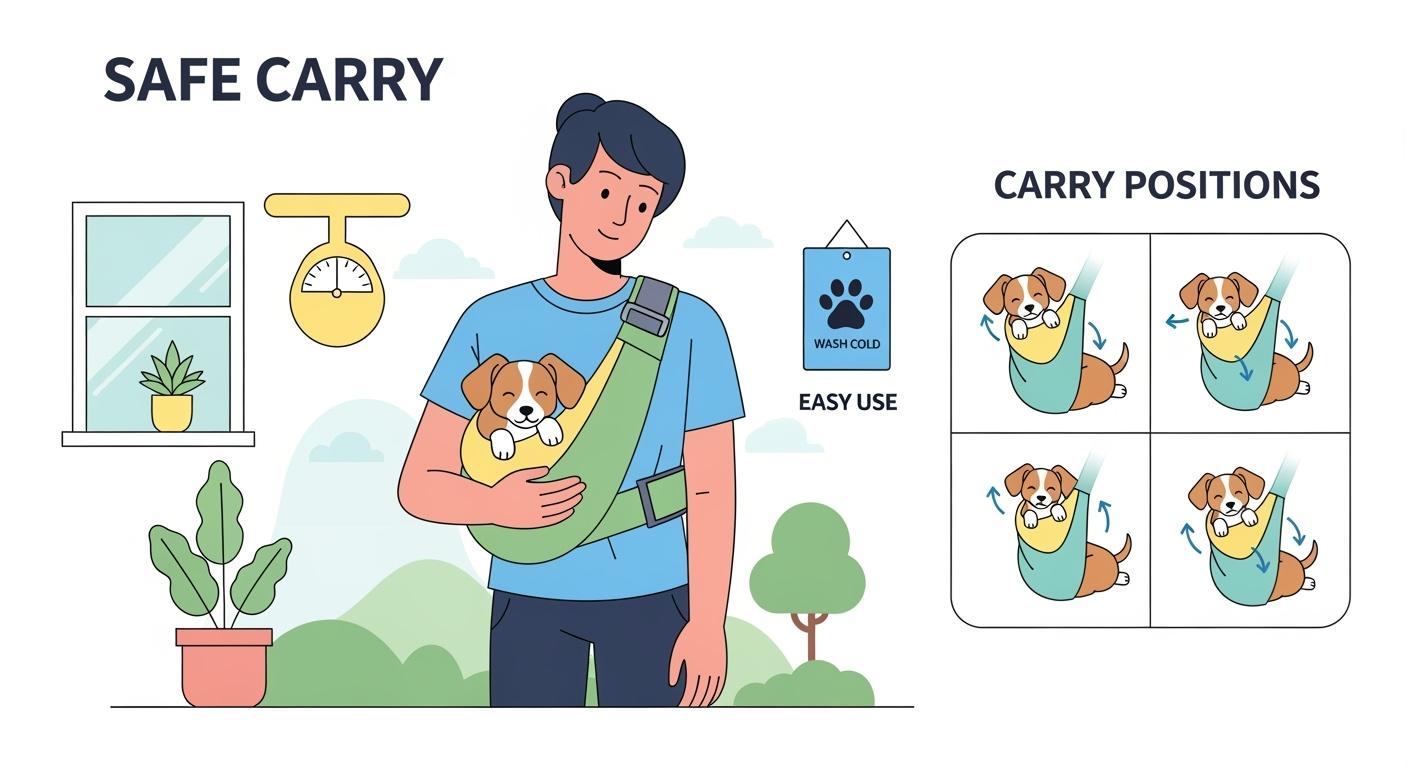
A dog sling carrier looks simple, but B2B buyers should not judge it by fabric style alone. The real buying risk comes from weight range, carry position, strap stability, body support, and how well the carrier stays clean after daily use.
A dog sling carrier is usually chosen for short errands, close carrying, and hands-free movement with small dogs. For retailers, distributors, and private-label programs, the key question is not only whether the carrier looks comfortable, but whether customers can use it safely without sagging, shoulder strain, rubbing, odor buildup, or escape risk.
This guide explains how to evaluate dog sling carrier weight limits, practical comfort range, carry positions, fit checks, cleaning requirements, and stop-use signs before choosing styles for bulk sourcing or product development.
Safety note: A sling is not the right tool for every dog. Stop using it if the dog shows pain, heavy distress, trouble breathing, repeated escape attempts, skin injury, or unstable posture. Dogs with breathing issues, spine problems, injury recovery needs, or poor body control may need a structured carrier instead of a soft sling.
Weight limits: what buyers should check beyond the label
The maximum weight printed on a product label is only one part of the decision. For B2B buyers, the safer question is whether the sling can keep the dog stable and upright within normal customer use, not just whether the fabric and seams can technically hold the load.
Label limit vs practical comfort range
Most sling carriers have a stated maximum weight limit. That number may describe the upper load the carrier is designed to hold, but it does not always describe the best daily-use range. If a dog is near the upper limit, the carrier may sag, pull hard on the shoulder, make the dog slump, or cause the opening to sit too low.
For product selection, treat the comfort range as more important than the highest possible number. A sling that feels unstable at the top end may still create complaints even when the stated limit is technically correct.
- Check body support: The sling should support the dog under the body without pressing into the neck, throat, or belly.
- Check shoulder load: The strap should not dig into the user’s shoulder quickly during normal walking.
- Check posture: The dog should remain upright with a neutral back, not curled into a deep C-shape.
- Check sagging: The carrier should not drop so low that the dog slides toward the opening.
- Check use duration: A sling that works for a quick errand may not be suitable for long carrying.
Why this matters for bulk sourcing
Weight-limit claims can look attractive in product listings, but overstating usable range can create fit failure in real use. A safer B2B approach is to match product size, strap width, fabric structure, and opening depth to a clear intended dog size range. This makes product positioning easier and reduces the chance that customers buy a sling for dogs that should be carried in a structured carrier.
Carry positions: front, side, and crossbody checks

Carry position changes how the load moves, how much the carrier swings, and how easily the user can monitor the dog. Buyers should compare carry positions by stability and control, not only by lifestyle images.
| Carry position | Best use case | Main buyer risk | Setup check |
|---|---|---|---|
| Front carry | Small dogs, short trips, posture monitoring | Can feel bulky and may increase heat in warm weather | Opening stays high enough for the dog’s head and neck to remain free |
| Side or hip carry | Errands where the user wants more arm freedom | Can swing or bounce if the strap is loose | Dog stays close to the hip and centered inside the sling |
| Crossbody carry | Heavier dogs within the comfort range and longer short-distance carries | Poor strap adjustment can twist the load and strain the shoulder | Strap lies flat across the torso and the sling does not rotate |
Stability signs that buyers should test
- The dog stays centered and does not slide toward the opening.
- The sling does not roll, bounce, or twist during walking.
- The strap stays flat and does not narrow into a pressure line.
- The dog’s chin does not press into the fabric edge.
- The user can still monitor breathing and posture.
If a sample looks good in photos but swings, rolls, or pulls unevenly in a walking test, it is a product-use risk. For B2B buyers, that risk should be solved before confirming materials, colors, logo placement, or packaging.
Fit and safety checks before choosing a sling style
A sling carrier should feel soft, but it still needs clear safety logic. The product should keep the dog supported, limit escape risk, and avoid pressure at the neck, throat, belly, and leg openings.
Use a harness tether, not a collar tether
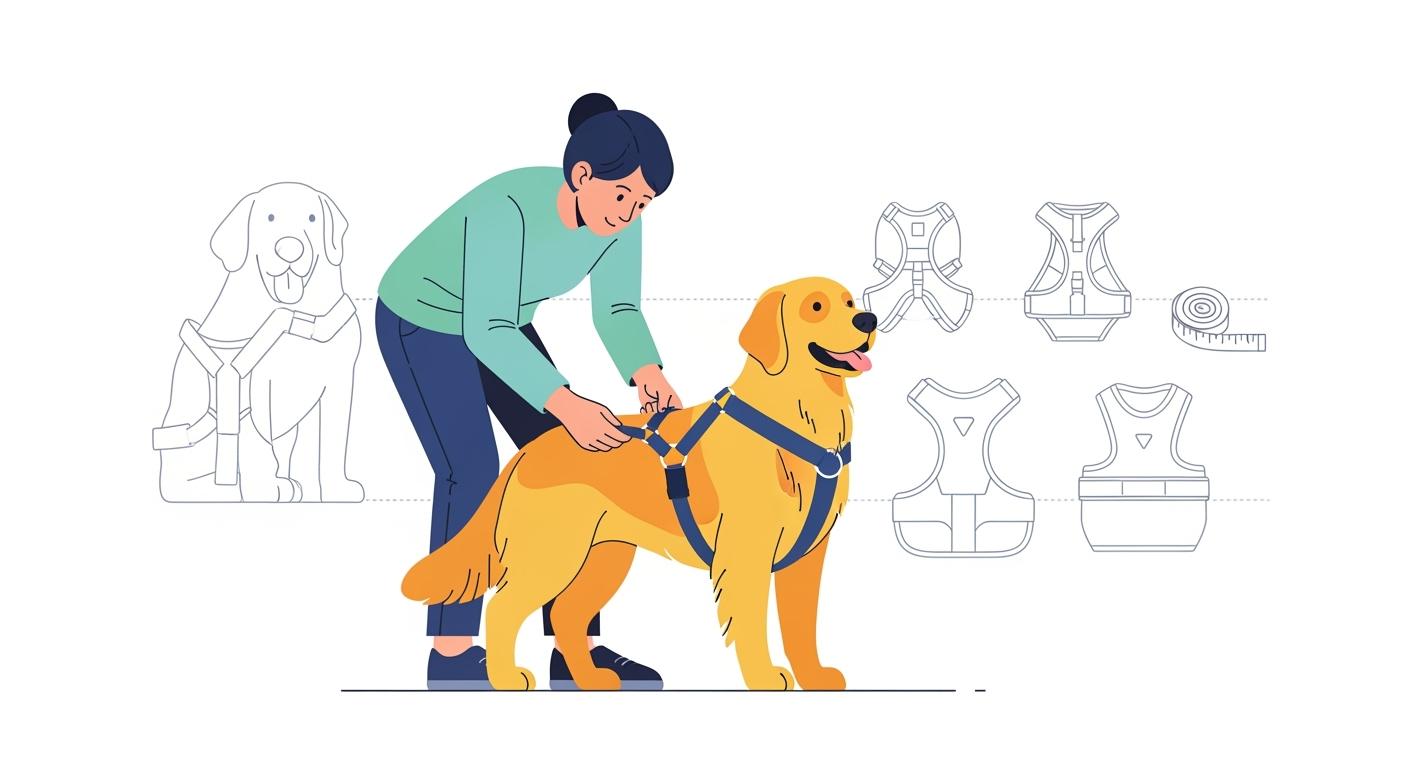
If the sling includes an internal tether, it should attach to a harness, not a collar. A collar attachment can create neck pressure if the dog shifts, jumps, or tries to climb out. For product development, the tether length, clip type, and attachment position should be tested so the dog is secured without being pulled into an awkward posture.
Use a short posture test
- Place the dog into the sling slowly and let the fabric settle under the body.
- Confirm that the head and neck remain free.
- Check that the back is not deeply curved or twisted.
- Walk 10 to 20 steps and watch whether the sling stays centered.
- Check for rubbing at edges, seams, and strap contact zones.
When a sling is the wrong carrier type
A sling may be the wrong tool when the dog is too heavy for stable carry, when the trip is long, when the dog needs stronger posture support, or when the user needs better load distribution. In these cases, a structured carrier can provide a firmer base, better weight spread, and more predictable support. Use this structured carrier fit guide when a sling does not provide enough support.
Travel note: Sling carriers are not always accepted for in-cabin airline travel. For flight-related use, confirm carrier rules and use an airport checklist before positioning a sling as a travel-ready product.
Care and cleaning: fabric risks buyers should not ignore
Cleaning is not just an aftercare topic. For dog sling carriers, fabric care affects odor, skin comfort, repeat use, and customer satisfaction. A soft carrier that traps moisture, grit, or hair can start to rub even when the size is correct.
Daily-use care checks
- Shake out crumbs, hair, and grit after outdoor use.
- Wipe contact zones where the dog body and user shoulder touch the fabric.
- Let the carrier dry fully before storage.
- Check edge binding and seams for hardened dirt that could rub skin.
Washing without damaging the carrier
Care instructions should be clear enough for end users to follow without damaging padding, seams, shape, or hardware. Buyers should confirm whether liners are removable, whether the fabric can tolerate machine washing, and whether air drying is recommended to protect the carrier structure.
- Use gentle detergent when washing soft contact fabrics.
- Avoid bleach unless the material specification clearly allows it.
- Air dry when possible so padding and seams keep their shape.
- Confirm that printed labels, trims, and logo areas remain stable after washing.
Weekly inspection checklist
- Check stitching near strap attachment points.
- Check buckles, snaps, and closures for smooth action.
- Check the inner surface for rough edges or hardened grit.
- Check strap padding for flattening, twisting, or seam stress.
- Check whether the opening still holds shape after repeated use.
How B2B buyers should compare sling carrier samples
Before choosing a dog sling carrier for wholesale, private-label, or OEM/ODM development, compare samples through actual handling instead of judging by photos alone.
| Buyer check | What to confirm | Why it matters |
|---|---|---|
| Weight range | Stated limit, practical comfort range, and dog size match | Prevents unstable carry and wrong customer expectations |
| Strap design | Width, padding, adjustability, and crossbody stability | Reduces shoulder pressure and twisting |
| Body support | Fabric depth, bottom support, and posture control | Helps the dog stay centered and upright |
| Opening safety | Head clearance, tether position, and escape control | Improves daily-use safety and buyer confidence |
| Fabric care | Wash method, drying time, odor control, and seam durability | Protects repeat-use comfort and product reputation |
For StridePaw’s B2B buyers, the strongest sling carrier option is usually not the one with the biggest claimed weight number. It is the one with a clear size range, stable carry feel, practical cleaning instructions, secure hardware, and a product story that customers can understand quickly.
FAQ
How do I know if a dog is too heavy for a sling carrier?
The dog is probably above the practical comfort range if the sling sags, the strap digs into the user’s shoulder quickly, the dog cannot stay upright, or the carrier twists during walking. A structured carrier is safer when a sling cannot keep the dog stable.
Which carry position is safest for a dog sling carrier?
The safest position is the one that keeps the dog centered, keeps the strap flat, and lets the user monitor breathing and posture. Front carry is easier to monitor, while crossbody carry can feel more stable for heavier dogs within the comfort range.
What warning signs should be included in product instructions?
Instructions should tell users to stop if the dog shows heavy panting, repeated escape attempts, trouble breathing, slumping, constant squirming, skin rubbing, pain response, or visible distress. These warnings help set safer use boundaries.
What should B2B buyers ask before bulk sourcing dog sling carriers?
Buyers should ask about weight range, fabric and lining options, strap width, tether position, cleaning instructions, sample testing, logo placement, packaging support, MOQ, production lead time, and whether the supplier can adjust construction for private-label requirements.