

You know that dog vest sizes are not always the same. This often causes many returns and complaints in B2B orders. Recent reports say 38% of buyers worry most about sizing problems. Also, 22% say vest quality changes too much in big orders. You can fix these problems by using a size-grading pack. This pack has set tolerances and checked fit notes. When you give clear product details, simple measuring guides, and pictures, you help stop mistakes. This also makes buyers trust you more. This way, you get fewer returns and send out good dog vest orders every time.
Key Takeaways
Use a size-grading pack to keep dog vest sizes the same. This lowers returns and makes buyers trust you more.
Put a clear size chart in your pack. This helps buyers pick the right vest and stops confusion.
Give detailed pattern files and fit notes. These papers help with making the vests and keep quality high.
Always check measurements with a soft tape. Good data stops size mistakes and makes the fit better.
Use a quality control checklist for every order. This finds problems early and keeps standards high.
Share fit notes and tolerances clearly with suppliers. Clear talk stops mistakes and confusion.
Try vests on real dogs before making many. This makes sure the fit is right for all breeds.
Check and update your grading matrix often. Always improving helps keep quality and handle new problems.
Dog Vest Pattern Pack Essentials for B2B
Consistent Size Sets and Returns
You need a reliable way to manage dog vest sizing in bulk orders. When you use a consistent size set, you help buyers know what to expect. This reduces confusion and makes it easier for teams to pick the right vest for each dog. If you skip this step, you may see more returns and complaints. A clear size set also helps you track which vests fit which dogs. You can use a basic dog size chart to show the main sizes. This chart helps you match each vest to the right dog. When you use a real size chart, you give buyers a tool to check fit before they order. This step lowers the chance of returns and keeps your support team from getting overwhelmed.
Tip: Always include size chart templates in your pack. These templates make it easy for buyers to compare and choose the right vest.
Key Outputs: Patterns, Grading, Fit Notes
A strong pattern pack gives you control over every vest you make. You need to include these key outputs:
Pattern files for each vest size and design
Grading rules that show how each size changes
Measurement diagrams for all main points
A tolerance matrix to set allowed differences
Fit notes that explain how the vest should wear on the dog
Patterns are the base for every vest. You use them to cut and sew each piece. Grading lets you scale the pattern up or down for different dogs. A custom grading system helps you cover all common sizes and special needs. Fit notes tell you how the vest should feel and move on the dog. These notes help you spot problems early. When you add a tolerance matrix, you set clear limits for each measurement. This step keeps your vests within controlled variation.
Supplier Comparability
You want to compare suppliers with clear data. When you use a standard pattern pack, you make this easy. Each supplier gets the same grading, pattern, and fit notes. You can check if their vests match your specs. If you see a difference, you know where to look. This helps you keep quality steady across all orders. You can also use the same pack for custom dog wear or special projects. When you use the same size and design rules, you get better results from every supplier.
Note: Always ask for measurement evidence from each supplier. This step helps you spot errors before the vests reach your buyers.
By following these steps, you build a strong base for your dog vest orders. You get fewer returns, better fit, and more trust from your buyers. You also make it easier to manage custom orders and new dog wear patterns.
Pack Deliverables Checklist
You need a full checklist to meet B2B rules. This list helps you check each step, from start to finish. If you use the checklist, you make fewer mistakes and keep orders moving.
Pattern files for every size and style. Give both digital and paper copies. This helps your team and suppliers use the same files.
Grading rules show how patterns change with each size. Clear grading keeps all patterns the same across sizes.
Measurement diagrams for all main points. Diagrams show where and how to measure each vest part.
A tolerance matrix sets allowed changes for each measurement. This matrix helps control quality and keeps things steady.
Fit notes explain how the vest should fit and move on the dog. Fit notes help you find problems before making many vests.
Verified business license and contact info for all suppliers. This step builds trust and keeps your supply chain safe.
Product samples are received and tested for fit and build. Testing samples checks if the pattern and grading work well.
Clear minimum order quantity (MOQ) and price levels. You need these to plan orders and set your budget.
Clear production and shipping timelines. Knowing these times helps you plan delivery and avoid late orders.
Safe payment options with buyer protection. This keeps your business safe when you pay.
Return policy for broken or wrong shipments. A clear policy helps you fix problems fast.
Follow safety and textile rules in your country. You must check that each dog vest meets the law.
Option for private labeling or custom branding. This lets you give special products to your clients.
Tip: Use this checklist as a guide for every new pattern pack. You can change items to fit your project.
A good checklist keeps your team on task and your packs complete. You can use it to teach new staff, compare suppliers, and check finished vests. When you check each item, you help make sure your patterns, grading, and fit notes give good results for every B2B order.
Dog Vest Measurement Points and Fit Mapping
POM Map and Tape Tension
You need to start with a clear map of all the points of measurement (POM) for each dog vest. These key measurements help you check the fit and keep your production consistent. You should always use a flexible tape to measure each point. Keep the tape flat and snug, but do not pull it too tight. This method gives you accurate measurements and helps you avoid mistakes.
Here is a table showing the most important measurement points for mapping a dog vest across different breeds:
Measurement Point | Description |
|---|---|
Neck circumference | Measure around the base of your dog’s neck where a collar would naturally sit. |
Chest girth | Wrap the tape measure around the widest part of your dog’s ribcage, just behind the front legs. |
Back length | Measure from the base of the neck straight back to the base of the tail. |
You should always include these points in your basic dog size chart. These measurements help you create a vest that fits well and supports the dog’s movement.
Coat Thickness and Body Condition
You must consider coat thickness and body condition when you measure a dog for a vest. These factors can change how the vest fits and wears. Here are some things to keep in mind:
Variations in body condition score and coat type can change how accurate your measurements are.
Long hair gives more insulation, which can affect the fit and accuracy of the vest.
The fat layer under the skin, which relates to body condition, can change how the vest fits and performs.
You should always check the dog’s coat and body before you measure. This step helps you get correct measurements and avoid errors in bulk production.
Data Hygiene in Measurement
You need to keep your measurement data clean and organized. Always record each measurement right after you take it. Use the same method and tools for every dog. This practice helps you get repeatable results and supports quality control.
You should check your measurements for errors before you use them in your grading pack. If you see a number that does not match the others, measure again. You can also take photos of each measurement point. These photos help you show proof and train your team. Clean data helps you build a strong grading system and reduces mistakes in your dog vest orders.
Tip: Always double-check your measurements and keep clear notes. This habit helps you deliver reliable fit and quality in every order.
Measurement SOP Template
You need a simple way to measure every dog vest. This SOP helps your team get the right data. It keeps your grading pack trustworthy. Use this SOP for all checks and production.
Dog Vest Measurement SOP
Prepare the Tools
Use a flexible tape measure that does not stretch.
Make sure the measuring area is clean.
Get a measurement form or digital sheet ready.
Identify the Points of Measurement (POM)
Look at the POM map for the dog vest.
Mark each spot on the vest with chalk or tape.
Measure Each Point
Lay the vest flat and smooth out any wrinkles.
Put the tape measure flat on the vest.
Measure each POM in the order on your form.
Keep the tape snug but do not pull the fabric.
Record the Data
Write down each number right away.
Check the numbers to make sure they are right.
Write notes about anything strange or any problems.
Repeat for Consistency
Measure each spot two times.
If the numbers are different, measure a third time.
Use the number that comes up most often.
Tip: Always use the same SOP for every dog vest. This helps keep measurements steady and meet the set tolerances.
Measurement Evidence Checklist
You need proof that your measurements are right and can be repeated. This checklist helps you collect and keep evidence for every dog vest order. Use it for samples, production, and quality checks.
Take photos of each spot with the tape in place
Fill out measurement forms with clear writing or digital notes
Add the date and time for each measuring session
Write the name or ID of the person who measured
Note any problems or special things (like thick seams)
Make sure each measurement was done more than once
Save all evidence in a shared folder or system
Note: Keeping good measurement evidence helps you fix problems, teach new staff, and keep high standards for every dog vest order.
When you follow this SOP and checklist, your team gives reliable fit notes and helps keep quality high in every B2B dog vest project.
Grading Dog Wear Patterns for All Breeds
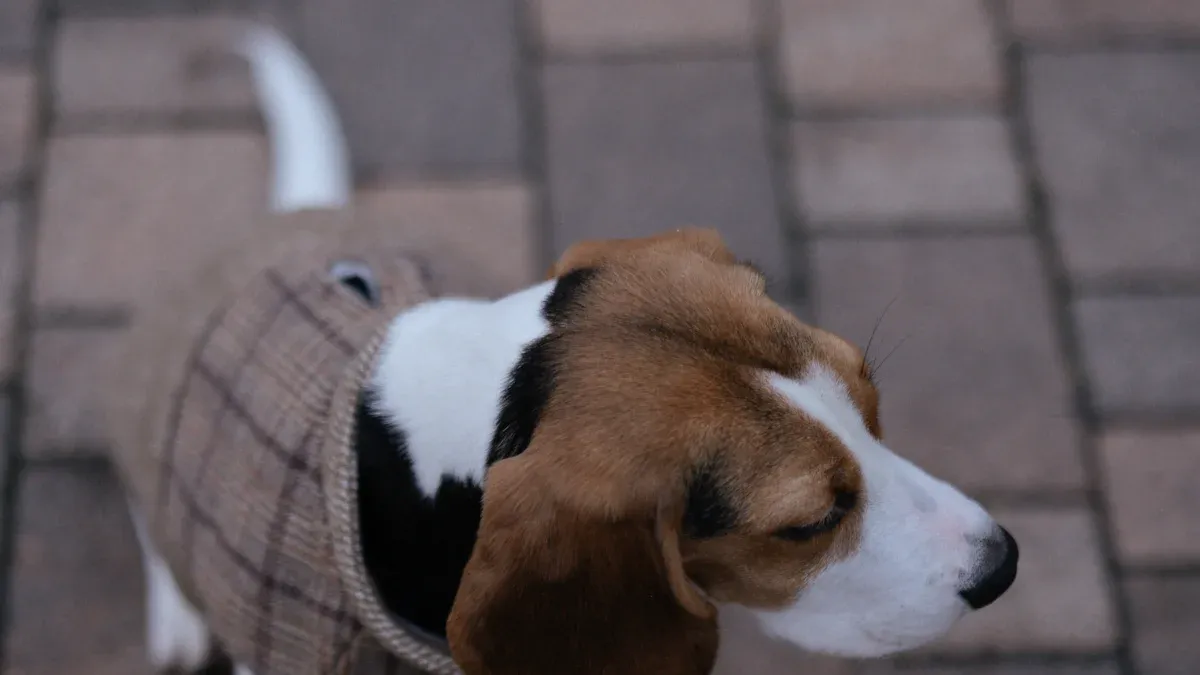
Base Size and Grade Increments
You begin by picking a base pattern for a medium dog. This pattern is your starting point for making other sizes. You use a ruler to mark each size change. Most teams use half-inch steps, but you can change this for small or big dogs. You use French Curves to make smooth lines at the neck and legs. You check both sides to make sure they match. You make every part bigger or smaller in the same way. You keep the original look and style. You make special changes for different breeds when needed. You focus on important spots like the neck and chest. You add lines to make the vest longer or shorter if needed. This way, you get all the sizes you need without losing the vest’s style or use.
Step/Rule | Description |
|---|---|
Start with a Base Pattern | Use a versatile medium-sized pattern as a foundation for scaling. |
Mark Incremental Adjustments | Use rulers to mark size increments, which can vary (e.g., ½ inch or smaller). |
Adjust Curves | Employ French Curves for smooth transitions in areas like necklines and leg openings. |
Check Symmetry | Ensure that adjustments on one side match the other for balance. |
Proportional Scaling | Scale all parts of the pattern proportionally, considering overall shape and specific measurements. |
Maintaining Design Integrity | Preserve original design features across sizes to ensure style and functionality. |
Adjusting for Breed-Specific Needs | Make specific tweaks for different breeds to accommodate unique body shapes and measurements. |
Key Grading Points | Focus on critical areas like neckline and chest for proper fit, similar to human patterns. |
Provide Lengthen/Shorten Lines | Include lines for custom adjustments to fit various dog sizes and shapes without distorting design. |
Component Grading: Neck, Chest, Back
You grade each vest part by itself. You pay close attention to the neck, chest, and back. These spots help the vest fit well and feel good. You pick materials that let air flow and keep dogs cool. Cotton and bamboo are good choices, and blends help stop overheating. You use clear size charts to help with grading and avoid fit problems. You design the vest so dogs can move easily. You add straps and leash holes to make it useful. You measure each part carefully to match the dog’s shape. You check your numbers to make sure they are right. You follow these steps to lower returns and make buyers happy.
Pick materials that let air move and feel soft.
Use easy-to-read size charts for each vest part.
Design vests so dogs can move and adjust them.
Measure the neck, chest, and back for every size.
Double-check your measurements for each pattern.
Preventing Overlap and Gaps
You want every size to fit a dog without missing any. You look at your grading chart to find missing sizes or places where two sizes fit the same dog. You change your steps to fill gaps and stop overlap. You test your patterns on real dogs with different shapes. You use a workbook and chart templates to keep track. You make your own size charts and change patterns so the fit stays correct. You make small changes to keep the fit right. You check every measurement and pattern before making lots of vests. This helps you make dog wear that fits all breeds and meets B2B rules.
Tip: Always try your graded patterns on sample dogs before making many vests. This helps you find problems early and keep your grading steady.
Grading Matrix Template
You need a grading matrix to keep your dog vest sizes clear and easy to follow. This matrix shows how each size changes for every main measurement. When you use a grading matrix, you help your team and suppliers see the exact steps for each size. This tool keeps your dog wear patterns consistent and helps you avoid mistakes in bulk orders.
Here is a simple grading matrix template you can use:
Size | Neck (cm) | Chest (cm) | Back Length (cm) | Grade Increment (cm) |
|---|---|---|---|---|
XS | 28 | 38 | 28 | – |
S | 32 | 44 | 32 | +4 |
M | 36 | 50 | 36 | +4 |
L | 40 | 56 | 40 | +4 |
XL | 44 | 62 | 44 | +4 |
Tip: Always adjust the grade increment if you see a gap or overlap in fit. You can add more sizes or change the step size to cover more dogs.
You should fill out this matrix for every new style or pattern. Make sure you check each measurement against your fit notes and tolerance matrix. This step helps you keep your sizing clear for all teams and suppliers.
Pre-Sampling Checklist
Before you make your first dog vest samples, you need to check your grading work. This checklist helps you catch problems early and avoid wasted time or materials. Use this list for every new pattern or size set.
Review your grading matrix for missing or overlapping sizes.
Confirm all measurements match your fit notes and tolerance matrix.
Check that your dog wear patterns include all needed adjustments for breed or body shape.
Make sure your pattern files are clear and labeled for each size.
Prepare a sample order sheet with size, quantity, and special notes.
Share the grading matrix and fit notes with your supplier or sample maker.
Set up a way to collect feedback on sample fit and measurements.
Plan a fitting session with sample dogs of different sizes and shapes.
Record all feedback and update your grading matrix if needed.
Note: A strong pre-sampling process helps you find and fix issues before you start full production. This step saves you time and keeps your orders on track.
When you use a grading matrix and follow a pre-sampling checklist, you build a strong base for your dog vest sizing. You help your team, suppliers, and buyers trust your process and get better results in every order.
Production Tolerances for Proper Vest Fit
Critical vs Non-Critical Points
You need to separate critical points from non-critical points when you set tolerances for dog vest production. Critical points affect the proper vest fit and comfort. These include the neck opening, chest girth, and back length. If you miss the mark on these, the vest may not fit the dog or may cause discomfort. Non-critical points include decorative seams or label placement. These do not change the grading or the main pattern, but they still need to follow your standards.
Point Type | Examples | Impact on Fit |
|---|---|---|
Critical | Neck, chest, back length | High |
Non-Critical | Decorative seams, labels | Low |
You should always measure and check critical points first. This step helps you catch errors early and keep your grading consistent.
Tip: Mark critical points on your pattern files and measurement forms. This helps your team focus on what matters most for each vest.
Stitch Allowances and Controls
You must set clear stitch allowances for every dog vest size. Stitch allowances help you control the final measurements and grading. If you use the right allowance, you keep the pattern true and avoid tight or loose fits. For small breeds, add 2-3cm to the chest and 2cm to the neck. For medium breeds, increase the chest by 4-5cm and the neck by 2-3cm. For large breeds, allow 7-8cm for the chest and 3-4cm for the neck. These steps help you adjust the pattern for each size and keep the proper vest fit.
To measure the chest, wrap a cord around the dog and mark where it meets. Use this measurement to pick the right vest from your size chart. Always compare your measurements to the grading matrix before you cut or sew. This habit helps you avoid mistakes and keeps your production steady.
Note: Stitch controls help you manage bulk orders. You should check stitch width and seam type for every vest. This step keeps your grading and pattern consistent.
QC Points for Factories
You need to set clear QC points for your factories. These points help you check each vest and keep your grading system strong. QC teams should measure the neck, chest, and back length for every vest. They should also check stitch allowances and seam quality. You can use a checklist to track each step.
Factory QC Checklist
Measure all critical points using the approved pattern.
Check stitch allowances for each vest size.
Inspect seams for even width and no loose threads.
Confirm grading matches the matrix for every batch.
Record all measurements and note any issues.
You should train your QC teams to spot problems early. This step helps you fix errors before the vests reach your buyers. When you use a strong QC process, you keep your grading and pattern files accurate and your orders on track.
Tip: Share your QC checklist with all suppliers. This helps everyone follow the same steps and keeps your dog vest quality high.
Tolerance Spec Table Template
You need a clear tolerance spec table for dog vest production. This table shows the allowed difference for each main measurement. Using a table helps your team and suppliers check if each dog vest meets your rules. It also helps stop mistakes and keeps quality the same for every order.
Here is a sample template you can use for your dog vest projects:
Measurement Point | Target Value (cm) | Tolerance (+/- cm) | Critical/Non-Critical | Inspection Method | Notes |
|---|---|---|---|---|---|
Neck Opening | 36 | 0.5 | Critical | Tape Measure | Must allow easy fit |
Chest Girth | 50 | 1.0 | Critical | Tape Measure | Check at widest part |
Back Length | 36 | 0.7 | Critical | Flat Measurement | Lay vest flat |
Side Seam | 20 | 0.5 | Non-Critical | Ruler | Decorative only |
Label Placement | 5 | 1.0 | Non-Critical | Visual Check | Branding position |
Tip: Always change your tolerance table for each new dog vest style or size. Share this table with your suppliers and QC teams before you start making vests.
You should keep this table in your pattern pack and RFQ papers. This step helps everyone use the same rules and keeps your orders steady.
RFQ Lock-In Checklist
You must set your tolerances and fit notes before you send an RFQ to suppliers. This checklist helps you make sure all details are clear and agreed on. When you use this checklist, you lower the chance of mistakes and extra work in your dog vest orders.
RFQ Lock-In Checklist:
Check and finish the tolerance spec table for each dog vest size.
Add the newest pattern files and grading matrix to your RFQ.
Include fit notes that explain how the vest should fit and move.
Mark all critical and non-critical points in your papers.
Make sure all measurement diagrams are clear and have labels.
Write down the inspection methods for each measurement point.
Set rules for fixing vests if tolerances are not met.
Ask for sample approval before making all the vests.
List all needed papers, like measurement proof.
Make sure the supplier agrees to tolerances and fit notes in writing.
Note: Using this checklist helps you stop problems and keeps your dog vest orders on track. You build trust with suppliers and make sure every order meets your tolerances.
When you follow these steps, you make a strong base for good dog vest sizing and quality in every B2B order.
Fit Notes for Dog Vest Orders
Fit Structure: Ease, Coverage, Movement
You need to focus on three main areas when you write fit notes for a vest: ease, coverage, and movement. Ease means the vest should not feel tight. You want to allow room for breathing and movement. You should check that the vest does not pinch or squeeze the dog. Coverage means the vest should protect the right parts of the body. It should cover the chest, back, and sides without blocking the legs or tail. Movement means the dog should walk, run, and sit without trouble. You want to use patterns that let the vest move with the dog. Lightweight and stretchy materials help with comfort and flexibility. You should always double-check neck, chest, and back length measurements. This helps you get the right fit and avoid returns.
Tip: Always include tips for comfort and mobility in your fit notes. This helps your team and buyers understand how the vest should wear.
Edge Cases: Body Shape Tags
Some dogs have unique body shapes. You need to address these edge cases in your fit notes. Start by measuring the chest. You should measure both the chest circumference and width. This helps you know if the dog has a barrel, deep, or round chest. Barrel-chested dogs need more width in the vest pattern. Deep-chested dogs need extra length to stop pinching. Round-chested dogs often use standard patterns. You should tag each pattern with the body shape it fits best. This makes it easy for your team to pick the right vest for each dog. You can add notes for breeds that need special adjustments. This approach helps you deliver a vest that fits well and supports comfort for every dog.
Between Sizes Guidance
You will find some dogs fall between standard vest sizes. You need to give clear guidance for these cases. Use girth measurements instead of weight to choose the right size. Girth gives a more accurate fit. If a dog has a wide chest, you should size up. If the dog has a slender build, you should size down. Always check the measurements before you decide. This method helps you avoid mistakes and keeps your fit notes reliable.
Use girth measurements for size selection.
Size up for wider chests.
Size down for slender builds.
Double-check all measurements before finalizing the order.
Note: Giving clear steps for dogs between sizes helps your team and buyers find the right fit and reduces returns.
Fit Notes Card Template
You need a fit notes card for every dog vest order. This card helps your team know how the vest should fit. Suppliers and QC staff use it to check each vest. The template below helps you keep things the same for every style or size. Fill out each part for every new dog vest.
Tip: Save a digital copy of each fit notes card. This makes sharing easy with your team and suppliers.
Dog Vest Fit Notes Card
Section | Details to Complete |
|---|---|
Style Name/Code | [Write the dog vest style or code] |
Size Range | [List all sizes, like XS–XL] |
Key Measurements | [Neck, chest, back length – use grading matrix numbers] |
Fit Structure | [Describe ease, coverage, and movement] |
Body Shape Tags | [List body shapes: barrel, deep, round, etc.] |
Between Sizes Guidance | [Say if sizing up or down is best for some dogs] |
Material Notes | [Describe fabric stretch, weight, or special features] |
Critical Points | [Show neck, chest, and back as most important] |
Adjustment Rules | [List allowed changes for special cases] |
Visual Reference | [Add or link to fit photos or diagrams] |
Date/Version | [Write the date and version number] |
Copy this table for every new dog vest project. This card keeps your fit notes neat and easy to check.
Fit Notes Completeness Checklist
You need to make sure your fit notes have all the details before sending them. Use this checklist so you do not miss anything important.
Fit structure explains ease, coverage, and movement for each size.
Key measurements match the grading matrix and tolerance table.
Body shape tags are there for special breeds and edge cases.
Between sizes guidance is clear and simple.
Material notes tell about stretch, weight, and special features.
Critical points are marked and explained.
Adjustment rules for special cases are listed.
Visual references (photos or diagrams) are included.
Date and version number are written for tracking.
Fit notes card is saved in your shared folder.
Note: A complete fit notes card helps you avoid mistakes. It supports your QA process and keeps dog vest sizing steady in every B2B order.
Managing Discrepancies and QC in Dog Vest Production
Sources of Fit Discrepancies
Fit discrepancies can happen for many reasons. Most problems start with measuring mistakes. You need to know the main causes to stop errors:
Measuring the wrong spot on the pattern or dog
Using tape that is too tight or too loose
Mixing up neck size with chest size when grading
Measuring when the dog is excited or moving
Train your team to use the same steps every time. This keeps your grading and pattern files correct. If you find problems early, you can fix them before making lots of vests.
QC Protocols for Bulk Orders
Strong quality control keeps your dog vest production steady. These rules help you check patterns, grading, and finished vests. The table below shows the best ways to do QC for bulk orders:
Best Practice | Description |
|---|---|
Request Physical Samples Before Committing | Ask for samples before big orders. Check stitching, water absorption, and fit. |
Clarify Customization and MOQ Terms Early | Confirm fees and minimum order amounts before you start. |
Leverage Multi-Supplier Sourcing Strategy | Work with more than one supplier. This lowers risk and keeps inventory steady. |
On-time Delivery Rate | Try to get at least 97% of orders delivered on time. |
Response Time | Pick suppliers who answer in two hours or less. |
Reorder Rate | A reorder rate over 25% means buyers are happy. |
Customer Review Scores | High ratings (4.8 or more out of 5) show good quality. |
Use these QC steps for every dog vest order. They help keep your grading and pattern files the same. You also build trust with suppliers and buyers.
Communicating Fit Notes and Tolerances
Share fit notes and tolerances with your team and suppliers. Clear messages help everyone follow grading and pattern rules. Put fit notes in every order file. Add diagrams to show where to measure each vest. Mark all important points on the pattern. Explain the allowed tolerances for each measurement. This tells suppliers what you want.
Send your grading matrix and fit notes and ask for feedback. Use photos and forms to show how the vest should fit. If you see a problem, talk to your supplier quickly. Fast action helps you fix issues before buyers get the vests. Good communication keeps production smooth and helps every vest fit well.
Discrepancy Management Checklist
When you make dog vests, you need a clear way to handle problems. Problems can happen at any step, like grading or checking the final product. A strong checklist helps you find issues early and fix them with your team and suppliers. Use this checklist to keep your quality high and your B2B orders running well.
Dog Vest Discrepancy Management Checklist
Identify the Discrepancy
Check if the problem is about measurement, grading, material, or how it was made.
Write down the size, style, and batch number of the vest.
Take clear pictures of the problem spot.
Record the Details
Fill out a report form with all the important facts.
Write the date, time, and who found the problem.
Attach measurement data and fit notes for proof.
Classify the Discrepancy
Decide if the problem is big (affects fit, safety, or use) or small (just looks bad).
Use your tolerance matrix to see if the measurement is outside the allowed range.
Notify Stakeholders
Tell your supplier, QA team, and production manager about the problem.
Share the report, photos, and other papers.
Use simple words and show how the problem affects the order.
Investigate the Root Cause
Look at your measurement SOPs and grading files.
Check if the mistake came from pattern changes, material problems, or steps in making the vest.
Ask the supplier for their QC records.
Agree on Corrective Actions
Decide if you need to fix, replace, or keep the vests with the problem.
Set a time to finish the fix and plan more checks.
Update your grading matrix or fit notes if you need to.
Document the Resolution
Write down what happened and any changes you made.
Save all reports, photos, and emails in your shared folder.
Use this information to make future dog vest orders better.
Tip: Always talk about problems in team meetings. This helps you stop the same mistakes and get better each time.
Step | Responsible Party | Evidence Needed | Notes |
|---|---|---|---|
Identify | QC/Production | Photos, batch info | Mark as critical/non-critical |
Record | QC/QA | Report form, data | Use standard template |
Notify | QA/Manager | Email, report | Include all stakeholders |
Investigate | QA/Supplier | SOPs, QC logs | Check root cause |
Correct | Supplier/QA | Action plan, timeline | Confirm with all parties |
Document | QA/Admin | Final report, updates | Archive for future review |
A clear checklist keeps your dog vest production open and honest. You build trust with your B2B clients by showing you control quality and fit. Always keep your records neat and tell your team what is happening.
Best Practices for Reliable Dog Vest Fit in Bulk Orders
Standardizing Documentation
You need to keep your documentation clear and uniform for every dog vest project. Standardizing your paperwork helps your team, suppliers, and partners follow the same steps. When you use the same forms and templates for each vest, you reduce mistakes and save time. You should keep all grading charts, measurement diagrams, and fit notes in a shared folder. This makes it easy for everyone to find the latest version. Use a version control system to track changes. Label each pattern file and grading matrix with the date and version number. This helps you avoid confusion during production.
Tip: Always update your documentation after you make changes to the vest or grading. Share the updates with your team right away.
Fit Verification and Testing
You must check the fit of every new vest before you start bulk production. Fit verification means you test the vest on real dogs that match your target size range. Use your grading matrix to pick sample dogs with different body shapes. Put the vest on each dog and check if it covers the right areas and allows movement. Take notes and photos during each fitting. Compare the results to your fit notes and grading rules. If you see a problem, adjust the pattern or grading before you move forward.
A simple fit testing checklist can help:
Select sample dogs for each size.
Put the vest on and check neck, chest, and back fit.
Watch the dog walk, sit, and turn.
Record any tight spots or loose areas.
Take photos for your records.
Update your fit notes if you make changes.
Testing helps you catch issues early. You can fix problems before they affect a full order.
Continuous Improvement
You should always look for ways to improve your dog vest production process. Continuous improvement means you review your grading, fit notes, and patterns after each order. Ask your team and suppliers for feedback. Track returns and complaints to spot trends. If you see the same problem more than once, update your grading matrix or fit notes. Hold regular meetings to discuss what worked and what needs to change. Use a table to track improvements:
Area to Review | Issue Found | Action Taken | Date Updated |
|---|---|---|---|
Grading Matrix | Overlap in sizes | Adjusted increments | 2024-03-10 |
Fit Notes | Tight chest fit | Added ease guidance | 2024-04-02 |
Pattern File | Label missing | Updated file names | 2024-05-15 |
Note: Small changes add up over time. When you keep improving, you build trust with your buyers and keep your dog vest quality high.
Quality Assurance Checklist
You need a strong quality assurance process to keep production steady. A clear checklist helps your team follow the same steps each time. This method supports set tolerances and checked fit notes. Use this checklist for every bulk order to control changes and lower mistakes.
Dog Vest Quality Assurance Checklist
Review Documentation
Make sure all pattern files, grading matrices, and fit notes are current.
Check that the newest measurement diagrams and tolerance tables are in the shared folder.
Pre-Production Sample Approval
Look at pre-production samples for fit, coverage, and movement.
Match sample measurements to the grading matrix and tolerance table.
Get feedback from fitting sessions and update fit notes if needed.
Supplier Alignment
Share all updated documents with suppliers before starting production.
Make sure suppliers know which points are critical and which are not.
Ask for written agreement on tolerances and fit notes.
In-Process Quality Checks
Watch production batches for measurement accuracy.
Use the measurement SOP to check neck, chest, and back length.
Write down any differences and talk to the supplier right away.
Final Inspection
Measure finished vests using the grading matrix and tolerance table.
Check for even stitching, good seams, and correct label placement.
Review fit notes to make sure each vest meets movement and coverage needs.
Evidence and Reporting
Take photos of measurement points and finished vests.
Fill out inspection forms and save them in your QA system.
Write down any problems and what you did to fix them.
Continuous Improvement
Meet with your team often to talk about feedback and returns.
Update grading, fit notes, or SOPs when you learn something new.
Tip: Use this checklist to train new staff and as a guide for every bulk order. Using it every time helps you keep high standards and a reliable fit.
CTA: Stridepaw B2B Support
Do you want to make your QA process easier and get better bulk order results? Stridepaw gives expert help for pattern grading, fit checking, and setting up quality systems. You can use templates, checklists, and get advice made for your needs. Contact Stridepaw’s B2B team to build a strong dog vest program with set tolerances and checked fit notes. Take the next step for steady quality and better supplier teamwork.
When you use a strong dog vest size-grading pack, your bulk orders get better. Clear tolerances and checked fit notes help your team stop mistakes and keep things the same. Using the same paperwork makes it easy to teach new staff and see how suppliers compare. Use templates and checklists to keep quality high. After that, look over your grading packs, update your fit notes, and ask for help if you need it to make your dog vest program stronger.
FAQ
What is a dog vest size-grading pack?
A dog vest size-grading pack gives you pattern files and rules. It also has diagrams and fit notes for each vest. You use the pack to keep sizing the same for every order. This helps you stop mistakes and lowers returns in big orders.
Why do you need defined tolerances for dog vest production?
Defined tolerances set clear limits for each measurement. You use these limits to check if each vest meets your quality rules. This step helps you avoid sizing mistakes and keeps bulk orders steady.
How do you verify fit notes for a new dog vest style?
You test sample vests on dogs with different shapes. You check if the vest has enough room, covers the right spots, and lets the dog move. You change your fit notes if you find problems. This helps you give good fit notes for every order.
What should you include in a measurement SOP for dog vests?
You should list the tools and spots to measure. Write down each step for checking the vest. Add photos and notes to make things clear. This SOP helps your team do the same steps and keeps data correct.
How do you handle discrepancies in dog vest sizing?
You write down the problem and collect proof. You tell your supplier about the issue. You check your grading and measuring steps. You agree on how to fix it and record what you did. This keeps your quality system strong.
Can you adjust the grading matrix for special dog breeds?
Yes. You can change the steps in your grading matrix. This helps you fit dogs with special shapes and meet client needs. Always test new sizes before making lots of vests.
What is the role of a tolerance matrix in B2B dog vest orders?
A tolerance matrix shows the allowed changes for each vest part. You use it to check quality when making and inspecting vests. This tool helps you control differences and meet B2B rules.
How do you ensure suppliers follow your dog vest fit notes?
You share fit notes, diagrams, and grading files with suppliers. You ask them to agree in writing before making vests. You check samples and finished vests to see if they match your fit notes. This helps keep quality the same every time.






