
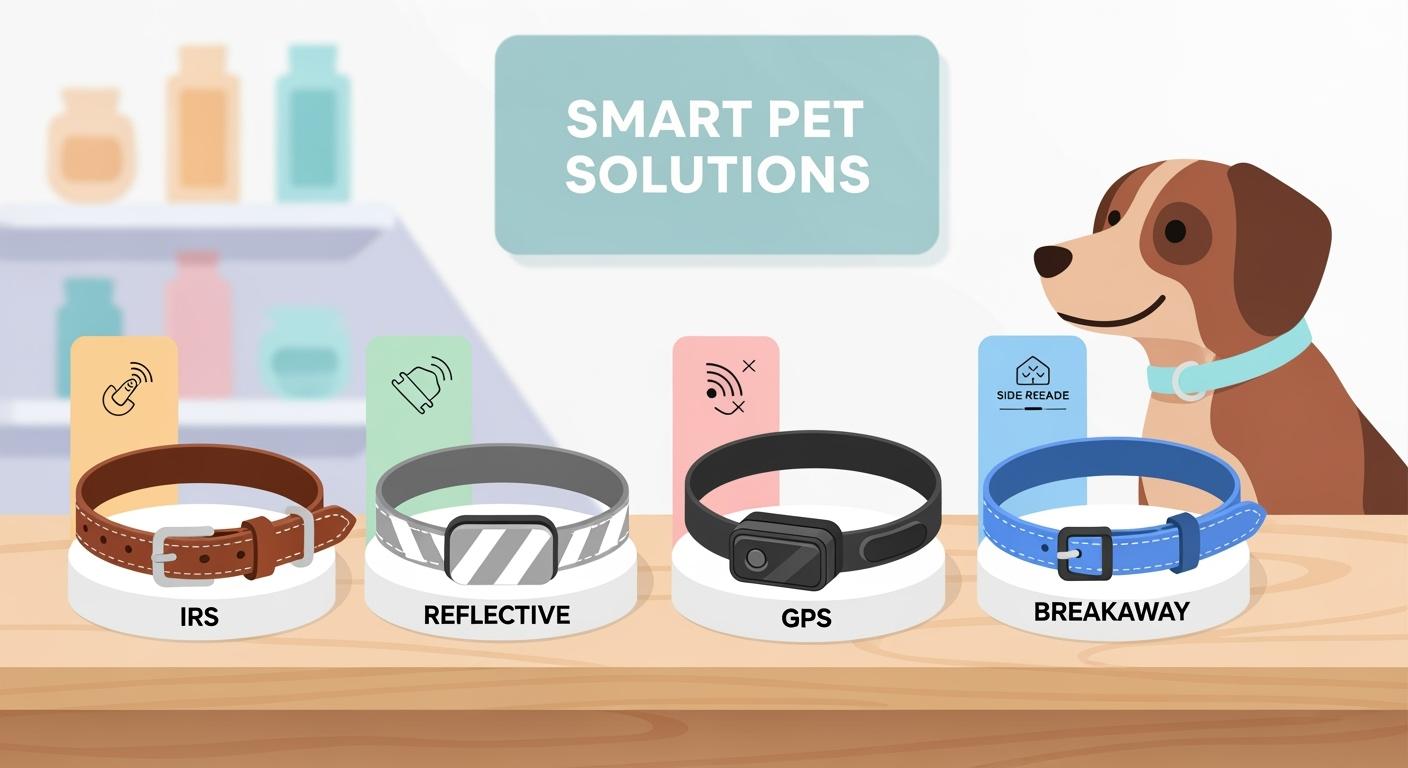
You need many types of collars for dogs. This helps meet safety rules and what customers want. Stores now see fast growth in collar styles and materials. There are also more ways to make collars special. Customers want choices that fit their pets’ needs and personalities. The table below shows how popular ways to customize have changed:
Customization Type | Description | Popularity |
|---|---|---|
Engraving | Strong and personal | Top choice |
Embroidery | Special and colorful look | Becoming popular |
Printing | Lets you add cool designs | More people like it |
Color & Pattern | Unique styles | Getting more popular |
You can help sales and make customers happy. Teach buyers about collars. Show how products are different. Change your plan for each store type.
Key Takeaways
There are many types of collars. Reflective and GPS collars help keep dogs safe. These collars also give customers what they want.
It is important for a collar to fit right. Use the two-finger rule to check if it is comfortable. This also helps stop dogs from escaping.
Collars with names or designs are special. They help lost dogs get home. They also show the owner’s style.
Teach customers about collar features and safety. This can help sell more collars. It also makes customers happy.
Good ways to sell collars include bundling them with other products. This can help stores sell more. It also makes shopping better for customers.
Why Collars for Dogs Matter in Retail
Dog collars help keep pets safe and easy to find. People use collars to hold ID tags. These tags help lost dogs get home. Humane groups say collars should not punish dogs. Collars are for safety and identification. Harnesses or head-collars are better for dogs that pull. They also help dogs with neck problems.
As an ERP and retail-system provider, we work with pet brands and retailers who sell collars, harnesses, and other safety gear. The safety points in this article follow general guidance from veterinary associations and animal-welfare organisations, which recommend using flat collars mainly for identification and visibility and using harnesses or head-collars for dogs that pull or have neck or breathing problems. Where we mention legal or safety rules, they are high-level examples only; brands should always confirm details with their own veterinarians, test labs, or legal and compliance advisers.
Collars vs Harnesses
You might not know when to use a collar or harness. Collars are good for holding ID tags and legal info. They are simple to put on and take off. Harnesses help control dogs that pull or have health issues. Experts say harnesses are best for walking. This is true for dogs with neck or breathing problems. Collars are still needed for ID and daily use.
Note: Punishment collars are not used much now. Stores sell safe and kind collars instead.
Key Retail Channels
You can buy collars for dogs in many places. Online stores are popular because shopping at home is easy. In stores, you see many styles and features. Shoppers want collars that are comfy, strong, and safe. Many also like eco-friendly and modern designs.
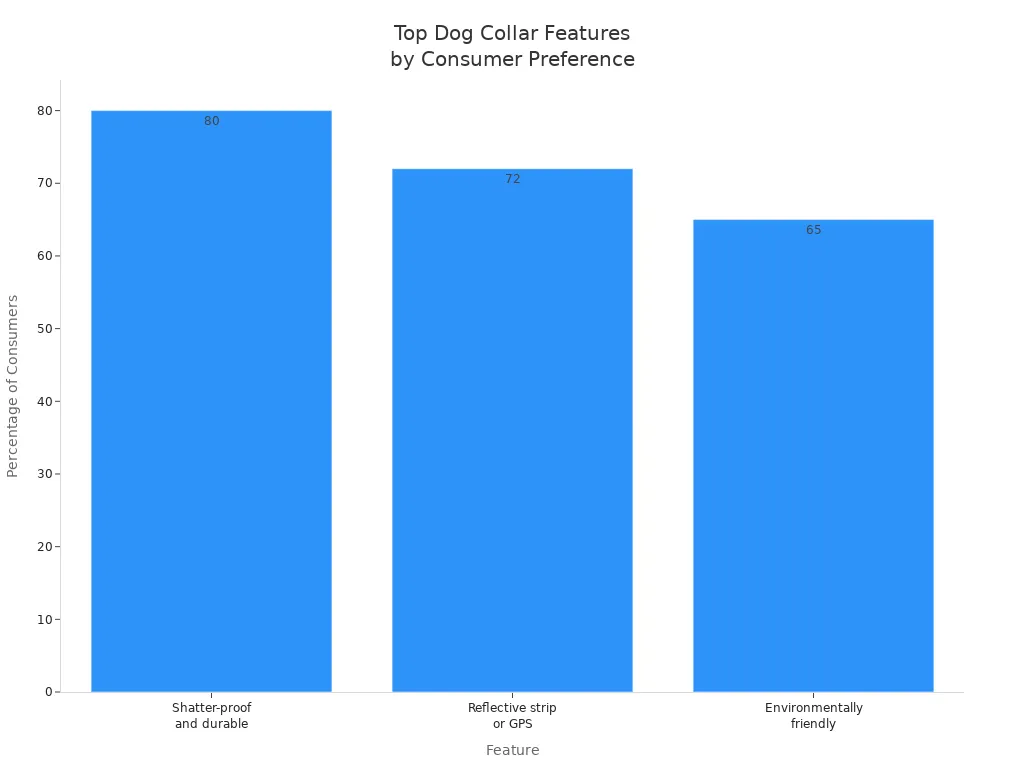
Here is what most people say they want in a collar, based on retailer feedback and general market reports:
| Feature | What customers often say |
|---|---|
| Shatter-proof and durable | Seen as the basic requirement for everyday wear. |
| Reflective strip or GPS | Frequently requested for evening walks and off-lead time. |
| Environmentally friendly | Interest is growing, especially in markets that focus on sustainability. |
The market for dog collars is getting bigger. More pet owners want collars that look nice and show care. You can help by selling many types in each store.
Core Collars for Dogs
Fit and Sizing
It is important that collars fit dogs well. If a collar is too tight, it can hurt the dog’s neck. If it is too loose, the dog might slip out. You should use the two-finger rule. This means you can fit two fingers between the collar and the dog’s neck. This keeps the dog safe and comfortable.
Size | Neck Measurement (inches) |
|---|---|
Extra Small | 8-12 |
Small | 10-14 |
Medium | 14-20 |
Large | 18-24 |
Extra Large | 22-30 |
A collar that fits right helps stop escapes. It also makes daily life better for the dog. Check the collar often, especially for puppies or dogs that change weight. Do not leave a dog tied up by its collar for a long time. This can hurt or stress the dog.
Tip: Use clear charts and videos to show sizing. Show pictures of the two-finger rule and where the collar should sit.
Materials and Buckles
There are many materials and buckles for collars. Each one has different good points for comfort, strength, and safety.
Material/Buckle Type | Description |
|---|---|
Nylon | Lightweight, durable, and comfortable; suitable for heavy-duty use. |
Steel | Heavy-duty metal, often weather-resistant; ideal for outdoor use. |
Biothane | Durable and easy to clean; often used in tactical collars. |
Metal Buckles | Commonly made of stainless steel or brass; known for durability. |
Plastic Buckles | Lightweight and affordable; made from high-quality materials like acetal or nylon. |
Nylon collars are soft and last a long time. Leather collars look nice and can last for years if cared for. Biothane collars are good for dogs that get wet or dirty. Pick buckles that fit how the collar will be used. Metal buckles are strong and last in tough places. Plastic buckles are light and easy for daily use.
QC Checkpoint: Look at the stitching, buckle strength, and finish before selling. Make sure there are no sharp edges or loose threads.
Adjustable Collars for Dogs
Adjustable collars can change size as dogs grow or gain weight. This keeps the collar safe and comfy all the time. A collar that fits well helps dogs feel good and stops skin problems. Adjustable collars also spread pressure so dogs do not get hurt.
| Collar Type | How pressure behaves | Fit and safety note |
|---|---|---|
| Double weave (padded) | Padded designs feel soft but can still put pressure on a small area if they are narrow or too tight. | Use enough width and adjust the collar so it sits flat. Do not rely on any collar as the only control for strong pullers. |
Do not use collars that press too hard on one spot. Adjustable collars help you find the best fit and keep dogs safe.
Note: Show how to adjust collars in your store or online. Use simple pictures to teach how to do it right.
Personalized Collars for Dogs
Personalized collars let owners add names, numbers, or cool designs. You can pick embroidery, engraving, or printing. These collars help lost dogs get home and look fun. Many people want collars that match their dog’s style.
Customization Type | Description |
|---|---|
Engraving | Strong and personal |
Embroidery | Special and colorful look |
Printing | Lets you add cool designs |
Tip: Show samples or pictures of personalized collars in your store. Show how bright colors and clear writing help people see the info.
Legal Tags and ID
Dogs need collars with legal tags and ID in many places. These tags help bring lost dogs home and show shots are up to date. In the US, many cities want a rabies tag. In the UK, dogs must wear a tag with the owner’s name and address. Some places, like Hawaii, make microchips a must for pets.
Region | Requirement |
|---|---|
UK | Legal requirement for dogs to wear a tag with owner’s name and address |
US | Many municipalities require tags with proof of rabies vaccination |
Hawaii | Mandatory microchipping for pets |
Method | Description |
|---|---|
Microchip | Implantable ID chip for permanent identification |
ID Tag | Collar tag with owner’s information, may fall off or be unreadable |
Remind people to check local rules and keep tags current. Microchips help but do not replace tags you can see.
QC Checkpoint: Make sure tag rings are strong and easy to use. Show how to put tags on in your guides.
Reflective Collars
Night Safety
Reflective collars help keep dogs safe at night. They make dogs easier to see when it is dark. Car headlights or streetlights shine on the collar. The collar glows and helps drivers spot dogs. This lowers the chance of accidents. Experts say visibility is very important for evening walks. Collars are good for holding tags and ID. If a dog pulls or has neck problems, use a harness or head-collar instead.
Tip: Show how reflective collars work in your store or online. Use products without brand names or with stridepaw branding. Do not show collars that are too tight or used for punishment.
High-Visibility Features
Reflective collars use special materials that bounce light back. You can find these in the stitching, strips, or all over the collar. Some collars have bright colors like neon yellow or orange. These colors help people see dogs during the day. The table below shows common high-visibility features:
Feature | Benefit | Example Use Case |
|---|---|---|
Reflective Strip | Helps people see dogs at night | Evening walks |
Neon Color | Makes dogs easy to spot in day | Parks, busy streets |
Glow-in-the-dark Thread | Adds safety in low light | Camping, hiking |
You can help customers pick the best collar by explaining these features. Show how each one works to keep dogs safe.
Merchandising Tips
You can sell more reflective collars by showing them clearly. Put them near the front of the store or in the safety section online. Use videos or photos to show how they glow in different lights. Make sure collars fit right in all pictures. Do not use other brands in your displays.
Sort reflective collars by size and color to help shoppers.
Put up signs or guides that teach about night safety.
Sell sets with matching leashes or ID tags.
Note: Change your selection often to match new safety rules and what customers want.
GPS Collars
Key Features
More pet owners now pick GPS collars for dogs. These collars help keep dogs safe. GPS collars use technology to track a dog’s location. You can see where your dog is in real time. Most GPS collars work with a mobile app. You can check your dog’s spot from anywhere. Many collars have geofencing alerts. These alerts tell you if your dog leaves a safe area. Some collars also track how active your dog is. Most people care most about location and safety.
Here are the most important features from surveys:
Feature | Importance Level |
|---|---|
Real-time tracking | High |
Safety | Non-negotiable |
App integration | Enhances value |
Geofencing alerts | Preventive measure |
Activity trends | Secondary |
Pick GPS collars with good tracking and long battery life. Make sure the collar has strong places for tags. Waterproof collars are best for outdoor use.
Consumer Education
Help customers learn how GPS collars work. Show what GPS collars can and cannot do. Some people think GPS collars replace ID tags. Experts say you should use both. GPS collars help you find lost dogs. Tags give quick contact info. Show how to set up the app and test the collar outside. Remind buyers to check the fit and battery often.
Tip: Use clear pictures to show GPS collars outside. Do not show collars that are too tight or used for punishment.
Tell people GPS collars are not for punishment. They help keep pets safe and managed kindly. Harnesses or head-collars are better for dogs with neck problems or those that pull.
Retail Best Practices
You can sell more GPS collars by grouping them with other products. Put GPS collars with reflective leashes or ID tags. Place GPS collars in a tech or safety section in your store or online. Use easy guides and videos to show how GPS features work. Train your staff so they can answer questions about setup and care.
Change your selection to match new tech and what customers want. Always show how collars help with safety and identification.
Breakaway Collars
Safety Benefits
Breakaway collars help keep dogs safe from choking. These collars open if they get caught on things. This stops accidents if a dog gets stuck on furniture or fences. Industry reports and retailer feedback show that spending on safety-focused collars, including breakaway designs, has grown in recent years as more owners learn that regular collars can be risky in some situations. You keep dogs safe by picking collars that open fast in emergencies.
Breakaway collars help stop neck injuries.
These collars lower choking risks when dogs are alone.
Using safe collars shows you care about dogs.
Use Cases
Breakaway collars work well in many places. Dogs home alone are safer if their collar opens when stuck. In homes with many dogs, these collars stop jaws from getting caught during play. Small dogs or those with thin necks need light collars that open easily. Some owners use breakaway collars just for ID tags inside the house. Dog daycare centers like breakaway collars for group play.
Different dogs need collars that fit them well. Bulldogs need wide collars for their big necks. Chihuahuas and other small dogs need light collars so their necks do not hurt. Pick the right collar for each dog and what they do.
Positioning and Training
Breakaway collars are a safe choice for dogs. Teach people these collars are for tags, not for walking on a leash. Harnesses or head-collars are better for dogs that pull or have neck pain. Show how breakaway collars open in stores or online. Use props to show the right fit and how the collar opens. Do not show collars that are too tight or used to punish.
Tip: Use easy guides and videos to show how breakaway collars work. Remind people to check the fit and get new collars if old ones wear out.
Help people see that breakaway collars are kind and safe. Teaching and training help people use collars the right way.
Merchandising Strategies
Bundling and Cross-Selling
You can sell more by putting collars with other pet items. If you offer sets like a collar, leash, and poop bag holder, people may buy everything together. This helps customers see the benefit of getting a full kit. It also makes each sale bigger. You can suggest better versions or extra things like grooming tools and toys after someone buys a collar.
Strategy Type | Description | Impact on AOV |
|---|---|---|
Bundles | Sell sets like leash, collar, and poop bag holder at a discount | Makes people buy more things together |
Upsells | Offer fancier items like a luxury pet bed | Gets customers to spend more money |
Cross-sells | Suggest other products like grooming tools or toys after the main sale | Adds more items to the order |
Tip: Put small treats and accessories near the checkout to get people to buy them last minute. Use stands with popular items to catch shoppers’ eyes.
In-Store and Online Display
You can make products look special by using cool displays. Cabinets with shower rods or hanging racks save space and help people shop easily. Boxes that are good for the planet and strong cards are great for fancy or heavy items. Keep displays neat and full so shoppers find what they want fast.
Display Method | Relative Cost | Key Tip |
|---|---|---|
Refurbished cabinet with shower rods | Low | Fun displays can help you sell more. |
Slatwall and hang rails | Medium | Always keep displays full; empty ones are not good. |
Hanging displays for small items | N/A | Hanging things up saves space and makes shopping easier. |
Eco-friendly boxes for premium items | N/A | Nice packaging makes gifts look better. |
Reinforced cards for heavier items | N/A | Strong packaging is needed for heavier products. |
Make the store easy to walk through.
Put items where people can see them easily.
Change displays for holidays to get people to come back.
Note: Staff who know about the products can help shoppers pick the best collar. This makes people trust your store and want to come back.
Reducing Returns
You can stop returns by making sure collars fit well and are good quality. Most returns happen when collars do not fit, break, or are not what people expected. Give clear size charts, good pictures, and lots of details. Tools that show what products look like help people choose before buying. Checking products before shipping stops broken items from reaching customers.
Give lots of details and clear pictures for each product.
Use tools that let people see the product before buying.
Check each item before sending it out.
Show size charts and ask for customer reviews.
Tip: Keep size guides easy to find in the store and online. Update product info often so it matches what you have.
Retailers we work with report fewer size-related returns when staff take a moment to measure dogs in store, check the two-finger fit together with customers, and add a small reminder card to the collar or order that explains how and when to re-check the fit at home. Simple steps like these turn sizing rules into real daily practice.
Channel-Specific Tactics
Brick-and-Mortar
Shopping for collars in stores can be easy. Put popular collars where people can see them first. Use signs to show the difference between core, reflective, GPS, and breakaway collars. Staff who know about sizing and safety can help shoppers choose. Try displays that let people touch collars and test buckles. Use sample collars to show how to add ID tags or adjust the fit. Change displays for holidays or seasons to keep things new and fun.
Tip: Put quick guides near the collars. These guides show sizing rules and help people pick the best collar for their dog.
E-Commerce
Online stores should make collar shopping simple and fun. Make your website easy to use so people find collars fast. Use good pictures that show collars from all sides. Write descriptions that answer pet owners’ questions. Give shoppers suggestions based on what they look at. Sort collars by type, size, and safety features to help people search.
Show clear size charts and videos for fitting.
Use filters for color, material, and special features.
Add customer reviews to help people trust your store.
Note: Make sure your online listings show safe collars and do not show punishment collars.
Inventory and Engagement
Managing inventory helps you keep the right collars in stock. Check your inventory often so you do not run out or have too many. Set levels so you know when to order more. Group collars by category to see which ones need attention. Work with suppliers for better prices and steady supply. Focus on collars that sell fast so you do not miss sales. Train staff to manage inventory well.
Inventory Tip | Benefit |
|---|---|
Regular reviews | Stops stock problems |
Par levels | Helps you reorder on time |
Categorization | Makes management easier |
Supplier relationships | Keeps supply steady |
Staff training | Helps staff work better |
Tip: Ask customers what they think about new collar styles. Use surveys or loyalty programs to learn what shoppers want next.
You can make your collar choices better by thinking about safety. Show how each collar is different. Teach customers about collars. There are four main types of collars. These are core, reflective, GPS, and breakaway. Each type helps keep pets safe. They also help stores do well. Try these steps to help your team do a great job:
Actionable Step | Description |
|---|---|
Define a Unique Value Proposition | Show why your collars for dogs are special and can be trusted. |
Focus on Differentiation | Point out the features that matter most to your customers. |
Reflect on Customer Needs | Listen to what buyers want, like safety, strong collars, and new tech. |
Staff learn best with easy guides and real-life examples. Teach your team about collar types, safety, and how to fit them.
Keep your product details and quality checks current. Look at your collar types often to keep up with new trends and rules. Use the tips in this article when you review your categories. You can also get stridepaw’s QC and tech pack templates from their blog or resources.
About This Guide and Sources
This guide is written for pet brands, product developers, and retailers who plan collar assortments across core, reflective, GPS, and breakaway categories. It is based on our experience supporting these businesses with ERP and retail systems, combined with public information from veterinary texts on collar use and neck health, animal-welfare organisations’ advice on humane equipment, and market reports on trends in collars and pet-safety products.
It is not a clinical or legal standard. For individual dogs, owners should follow the advice of their own veterinarian or qualified trainer. For regulations and product-safety rules in each country or region, brands should work with accredited test labs and legal or compliance experts before making claims or certifying products.
FAQ
What is the main purpose of a dog collar?
You use a collar to hold ID tags and show ownership. Collars help others return lost dogs. Experts recommend collars for identification, not for walking dogs that pull or have neck issues. For individual health questions or special cases, owners should follow the advice of their own veterinarian or qualified trainer.
How do I choose the right size collar for a dog?
Measure your dog’s neck. Add two fingers between the collar and neck for comfort. Use size charts for guidance. Check the fit often, especially for growing puppies or dogs with weight changes.
Are breakaway collars safe for all dogs?
Breakaway collars help prevent choking accidents. You should use them for dogs at home or in group play. Do not use breakaway collars for leash walking. Choose a harness or head-collar for walks.
What features matter most for retail collar assortments?
Retailers should offer collars with strong materials, adjustable sizing, and clear ID tag options. Reflective and GPS features increase safety. Personalization and eco-friendly materials attract more buyers.






