
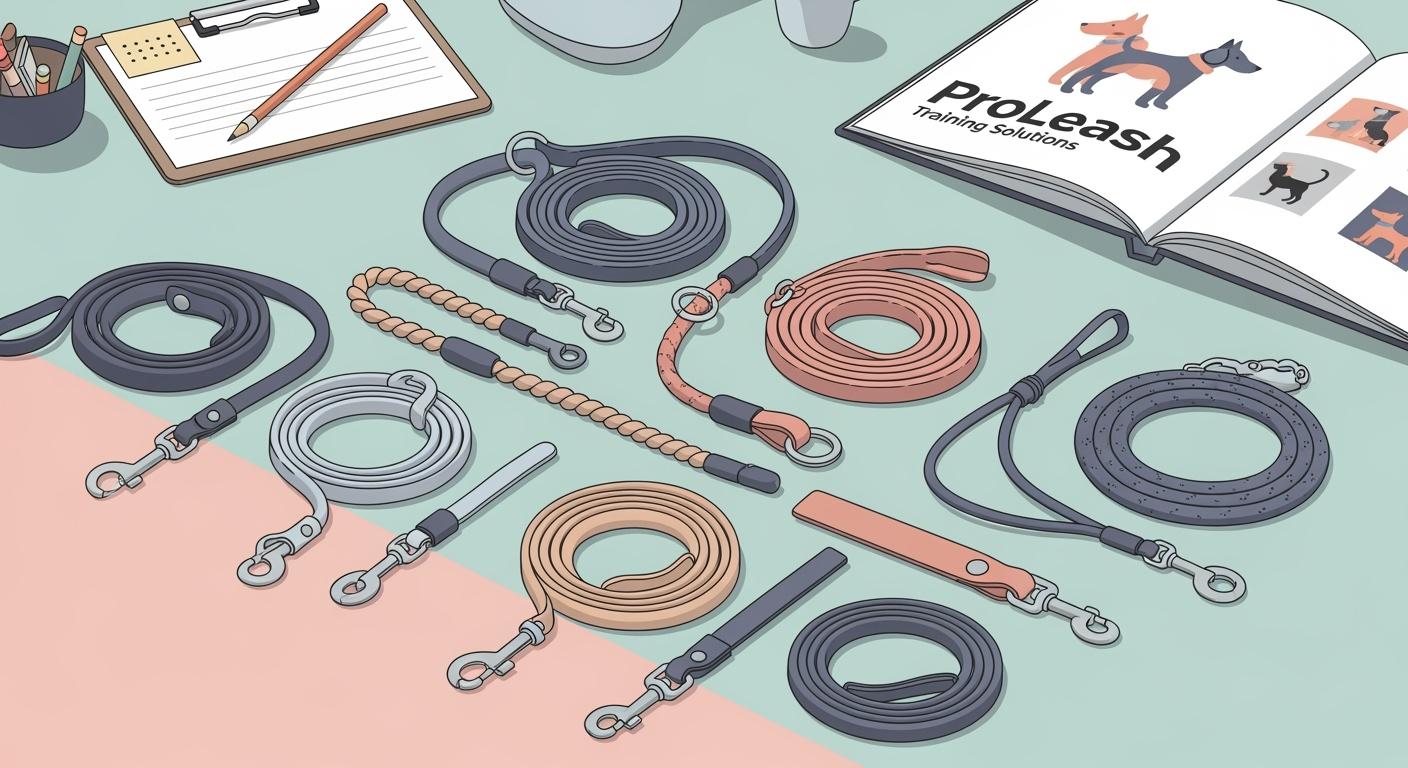
You shape your product line when you select each leash for your catalog. The leash you choose for a puppy, a pet, or a working dog must match their training needs and life stage. Current humane training guidelines recommend positive reinforcement, so you focus on leashes and leads that support gentle dog training. Pet owners now see their dogs as family, which increases demand for quality leash designs. When you pick hardware and material, you set your brand apart. You improve grip comfort, reduce return rates, and build trust. If you want to know how to choose the best dog leash or how to use a training leash effectively, you find practical help at https://www.stridepaw.com/blog/.
Our company provides ERP and retail systems for pet brands, trainers, and retailers, so we see real-world patterns in sales, returns, and claims for leashes, long lines, and working leads. This guide brings that data together with humane dog training principles used by professional organisations such as the American Veterinary Society of Animal Behavior (AVSAB), the International Association of Animal Behavior Consultants (IAABC), and the Association of Professional Dog Trainers (APDT), which all promote positive reinforcement and appropriate equipment. We also refer to advice from test labs that measure leash breaking strength and durability so that B2B buyers can turn technical reports into clear range-planning rules.
The market for dog leash and lead products grows every year.
Safety-focused leash models show strong unit growth.
Dog training and product quality drive customer loyalty.
A well-planned assortment helps you meet the needs of every dog and training scenario.
Key Takeaways
Pick the best leash length for each dog stage. Puppies need 4-6 feet. Adult dogs use 6 feet. Working dogs need 10-100 feet.
Use strong materials like nylon for daily use. Use biothane when it is wet. This helps the leash last longer.
Make sure the hardware is strong enough for the dog’s size. Think about how active the dog is. This keeps training and daily walks safe.
Plan your products by breed and activity. This helps meet many customer needs. It also lowers the number of returns.
Use kind training rules. Do not use harsh tools. Focus on positive rewards when making leashes.
Why a Dog Leash Product Line Matters
Leash Use from Puppy to Working Dog
You build your dog leash assortment to support every stage of dog training. Puppies need a leash that helps them learn basic skills and trust. You introduce the best dog leash for training early to correct behavior and create a positive bond. Adult dogs use a leash for daily walks and safety. You select the best dog leash for training that gives control and comfort. Working dogs require a leash with specific features for tracking, scent work, or tactical tasks. You choose a lead with the right duty rating and hardware for each job.
Puppies: Start leash training with a lightweight dog leash for training small dogs. This helps you guide the puppy and prevent pulling.
Adult pets: Use a standard dog leash for training to keep walks safe and enjoyable. You focus on grip comfort and durability.
Working dogs: Pick a short lead or long line with high tensile strength. You match the leash to the task, such as scent detection or tactical deployment.
You see that each dog leash for training small dogs or large breeds must fit the dog’s size and activity. You avoid punitive tools and follow current humane training guidelines. You use the best dog leash for training to support positive reinforcement.
Key B2B Segments and Needs
You serve many B2B segments with your dog leash product line. Pet brands, wholesalers, and retailers look for the best dog leashes that meet customer demand for style and durability. OEM and ODM factories want clear specs for material, hardware, and size breaks. Online category managers need a range architecture that covers every training stage.
The market for dog leash products grows with innovation and quality.
Strategic partnerships expand your reach and boost sales.
You drive B2B growth by understanding what buyers want in a dog leash for training.
You plan your assortment to lower return rates and improve lifecycle cost. You select each lead and leash to match the needs of puppies, pets, and working dogs. You build trust by offering the best dog leash for training at every stage.
Dog Leash Lengths and Use Cases
Choosing the right leash length shapes your product line and supports every stage of dog training. You help pet brands and B2B buyers meet the needs of puppies, adult pets, and working dogs. You select each dog leash to match breed, activity, and training goals. You focus on humane training guidelines and positive reinforcement. You avoid punitive tools and build trust with quality leads.
Puppy Leash and Standard Lengths
You start with a puppy leash that supports early training. Puppies need a leash that gives control and comfort. You choose a leash with a length between 4 to 6 feet. This length lets you guide the puppy and teach basic commands. You use a flat leash to prevent confusion and reinforce good behavior. You select a lightweight dog leash for training small dogs. You help puppies learn to walk, sit, and stay.
Tip: Use a puppy leash with a soft grip for comfort during training sessions. Puppies respond better to gentle handling.
You plan your range architecture with size breaks for puppies and small breeds. You offer short leads (120cm or less) for early training. You add standard dog leash options (180cm) for everyday walks. You match leash length to breed and activity.
Checklist for Puppy Leash Selection:
Choose a leash length of 4 to 6 feet for control and comfort.
Use a flat leash for clear communication.
Select lightweight materials for small breeds.
Offer soft grip handles for training sessions.
Avoid retractable leashes for puppies.
Dog Category | Recommended Leash Lengths |
|---|---|
Puppies | 120cm or less (4-6 feet) |
Adult Pets | 180cm (6 feet) |
Long Lines for Recall and Training
You support advanced dog training with long lines. You use long leads to teach recall and off-leash skills. You select a leash with a length of 10 meters for training sessions. You help dogs explore while keeping control. You use long lines for gradual distance training and cue practice.
Training Step | Description |
|---|---|
Long-line Use | Attach a 30-foot lightweight line to allow exploration while maintaining control. |
Recall Practice | Toss a toy and call the dog back before they reach it, reeling in if necessary. |
Gradual Distance | Start at 10 feet and build to the full line, introducing distractions gradually. |
Cue Training | Use a whistle for a distinct recall cue. |
Monitoring | Observe body language to adjust training as needed. |
Outcome | With 4–6 weeks of consistent practice, many dogs learn that returning on cue leads to more fun and rewards, which can improve recall reliability over time. Individual results vary. |
You select longline leads (5 meters or more) for recall and scent work. You offer training leads (10 meters) for professional dog training programs. You match leash length to activity and breed size.
Checklist for Long Line Selection:
Choose a leash length of 10 meters for recall training.
Use lightweight materials for easy handling.
Offer options for gradual distance training.
Include grip comfort features for handlers.
Provide clear specs for duty rating and tensile strength.
Working Dog Leash Lengths
You build your product line for working dogs with specialized leash lengths. You select leads for tracking, scent detection, and tactical deployment. You offer short leads (1-2 feet) for close control. You provide long lines (20-50 feet) for off-leash training in controlled environments. You use traffic leads (18 inches or less) to keep working dogs close to handlers.
Leash Type | Length | Use Case |
|---|---|---|
Traffic Lead | 18 inches or less | Keeps dog close to the handler. |
Short Lead | 1-2 feet | Provides control during specific training. |
Standard Dog Leash | 6 feet | Used for general training and walking. |
Long Line | 20-100 feet | Used for tracking, scent work, and search. |
You plan your range architecture with size breaks for working breeds. You offer leads with high tensile strength and duty rating. You select leash materials that lower lifecycle cost and reduce return rates.
Checklist for Working Dog Leash Selection:
Offer short leads (1-2 feet) for close control.
Provide standard dog leash options (6 feet) for general use.
Include long lines (20-100 feet) for advanced training.
Use heavy-duty hardware for safety.
Match leash length to breed and activity.
Note: You improve product differentiation by offering a full range of leash lengths for every training scenario. You support positive reinforcement and humane dog training at every stage.
Summary Table: Recommended Leash Lengths by Category
Dog Category | Recommended Leash Lengths |
|---|---|
Puppies | 120cm or less (4-6 feet) |
Adult Pets | 180cm (6 feet) |
Working Dogs | 2.5m – 3m (8-10 feet) |
Training Sessions | 10m long line |
Advanced Training | 20-100 feet long line |
You build your dog leash assortment with clear size breaks and duty ratings. You help B2B buyers select the best leash for every dog, breed, and training activity.
Leash Hardware Options
Snap Hooks and Carabiners
You need to pick the right hardware for each leash. Snap hooks and carabiners are the most common hardware types. Snap hooks open when you press down, so they are easy to use for walks and simple training. Carabiner-style clips are inspired by climbing and tactical equipment and, when properly rated, can provide higher strength and better security. Not every carabiner is stronger than every snap hook, so you must look at the material, design, and tested breaking strength, not just the shape. For working and tactical dogs, many brands choose locking carabiner-style clips with clearly marked ratings.
- Use everyday snap hooks for home and light-duty training when dogs are small or moderate pullers.
- Use carabiner-style clips with clear strength ratings for large, active, or working dogs.
- Always confirm strength with independent test reports; do not assume any hardware is strong enough without data.
Rust-Resistant and Heavy-Duty Hardware
You want leash hardware that works everywhere. Rust-resistant and heavy-duty hardware, such as solid brass or stainless steel, usually performs better in wet or salty conditions than basic zinc alloy parts. Brass does not rust and many heavy-duty clasps use brass or stainless-steel components so the leash stays safe in rain, snow, and near the sea. This is important for tactical leashes, where both strength and corrosion resistance matter.
Feature | Description |
|---|---|
Strength | Solid brass and stainless steel can provide higher strength and deformation resistance than many low-grade zinc alloys when designed and tested correctly. |
Corrosion Resistance | Brass and stainless steel resist rust much better than plain steel, so they last longer outdoors and in wet areas. |
Solid brass hardware does not rust and can handle moisture.
Metal parts like clasps and rings must stay rust-free to keep the leash strong.
A strong clasp is important for attaching the leash to a collar or harness.
Hardware by Dog Size and Activity
You need to match hardware to each dog’s size and activity. Bigger dogs need stronger hardware, like stainless steel or solid brass. Active and tactical dogs need heavy-duty hardware for safety during training and work. Always check the break strength and material for every leash.
Factor | Recommendation |
|---|---|
Dog Size | Use stronger materials for bigger dogs. |
Activity Level | Pick heavy-duty hardware for active and tactical dogs. |
Usage Context | Match hardware to activities like hiking, training, or tactical work. |
Material Specs | Check break strength and durability for each leash. |
Attachment Points | Use welded or double-riveted D-rings for extra strength. |
Tip: Check your leash hardware often for damage, like weak or rusty clasps. Finding problems early keeps training safe and stops accidents.
You build your product line with hardware that is strong and lasts for every dog, from puppies to working dogs. This helps lower returns and supports safe, gentle training with every leash and lead.
Setting Strength Specifications with Test Labs
To make hardware choices more professional, you should set clear strength targets and confirm them with accredited test labs. Instead of saying “strong clasp”, write specs that include a minimum breaking strength or working load limit for each leash size.
- Work with your lab to choose a safety factor, often three to five times the maximum dog weight for that leash. For example, if a leash is for dogs up to 20 kg, your spec might require a breaking strength of at least 600–1,000 kgf on the webbing and hardware.
- Ask the lab which tensile and fatigue test methods they use (for example, textile strip tensile tests and repeated open–close cycles on clasps) and keep the full reports on file.
- Show these numbers on tech packs and, where space allows, on hang tags or online listings as “tested breaking strength” so B2B buyers can compare options.
These engineering-style specs do not replace legal rules, but they give trainers and retailers concrete parameters instead of vague claims.
Dog Leash Materials
Nylon, Leather, Biothane, Rope, and More
You can pick from many leash materials. Each one helps make your product line strong. Nylon, leather, biothane, rope, and recycled materials all have special benefits. Nylon is good for everyday use. It is tough, not expensive, and comes in many colors. Leather looks classic and gets softer the more you use it. Many handlers like leather for comfort and style. Biothane looks like leather but is waterproof and simple to clean. You can use biothane outside or in wet places. … Rope leashes can be very strong when they use quality cores and secure splices or stitching, so they work well for big dogs and working breeds. Recycled materials are popular with people who care about the planet, but they still need the same strength and safety tests as conventional materials.
Material | Description |
|---|---|
Nylon | Durable, affordable, and available in various colors and patterns, making it ideal for everyday use. |
Leather | Offers durability and a classic look, becoming softer over time for a comfortable grip. |
Biothane | Waterproof and easy to clean, gaining popularity for its leather-like appearance and functionality. |
Recycled Materials | Increasingly popular due to sustainability concerns, appealing to eco-conscious consumers. |
Material Pros and Cons by Use
You pick leash materials based on the dog’s age and training. Puppies need a soft, light leash for safety and comfort. Nylon is great for puppies. It is gentle and easy to wash. Leather is best for adult pets and working dogs. It is strong and lasts a long time. Biothane is good for outdoor training or wet weather. It does not get ruined by water or dirt. Rope leashes are strong and work for big breeds or working dogs.
Nylon:
Pros: Tough, cheap, simple to clean.
Cons: Not good for the environment.
Leather:
Pros: Strong, looks fancy.
Cons: Costs more, needs care.
Biothane:
Pros: Waterproof, easy to clean, strong.
Cons: Feels less classic.
Rope:
Pros: Very strong, good for working dogs.
Cons: Heavy for puppies.
Recycled materials:
Pros: Good for the planet, attracts eco-friendly buyers.
Cons: Can cost more, not as common.
For each material group, you should agree with your lab on minimum tensile strength and tear resistance for webbing, rope, and stitching. Labs usually report these values in kilonewtons (kN) or kilograms-force (kgf). Use these results to set different duty ratings—for example, light-duty for small dogs, medium-duty for everyday pets, and heavy-duty for working dogs. This makes your material choices measurable instead of just saying “strong” or “durable”.
Tip: You make leashes last longer by using good materials. Reinforced stitching and strength tests help too.
Material | Durability | Cost | Eco-Friendly |
|---|---|---|---|
Nylon | High | Low | No |
Leather | High | High | No |
Hemp | Medium | Medium | Yes |
Material Selection for Brand Positioning
You can make your brand special by picking the right leash materials. If you use recycled or green materials, you attract buyers who care about the earth. Certifications and cruelty-free choices help people trust your brand. You can also use green packaging to show you care about the planet. When you offer many leash materials, you help every dog and support positive training.
Note: You save money and lower returns by picking strong materials and testing each leash for comfort and strength.
Assortment Planning for B2B Buyers
Segmenting by Breed and Activity
You make a good dog leash assortment by sorting by breed and activity. Every dog is different at each stage of life. Puppies need a leash that is gentle and helps them learn. You pick a light leash with soft material for puppies. This makes the puppy feel safe and easy to control. Adult dogs need a leash that is strong and lasts a long time. You choose a leash with tough material and a handle that feels nice. Working dogs need a leash that is very strong and has hardware for hands-free work. You pick a leash that fits the job, like scent detection or service work.
You can use a table to help you sort leashes:
Dog Type | Leash Length | Material | Hardware Strength | Hands-Free Work | Training Focus |
|---|---|---|---|---|---|
Puppy | 4-6 feet | Soft nylon | Light | No | Basic commands |
Adult Dog | 6 feet | Nylon, leather | Medium | Optional | Daily walks |
Working Dog | 8-100 feet | Rope, biothane | Heavy-duty | Yes | Specialized tasks |
Tip: Sort your leashes by breed size and what the dog does. This helps you give every dog the right leash, from small puppies to big working dogs.
Range Architecture and Size Breaks
You make a good product line when you plan your range and size breaks. First, you list the main groups: puppy, adult, and working dog. You give each group a leash with the right length, material, and hardware. You set size breaks by how much the dog weighs and what it does. For example, you pick a light leash for a puppy under 10 pounds. You pick a strong leash for a working dog over 60 pounds.
You look at duty rating and how strong each leash is. You pick materials that fit how the leash will be used. For hands-free work, you choose a leash that can change length and has strong hardware. You add handles that are comfy and easy to clean. You plan your leashes for all training, from puppy basics to hard working dog jobs.
A checklist for planning your range:
Give at least three leash lengths for each group.
Use clear size breaks by breed weight.
Pick materials that last and feel good.
Add hands-free options for working dogs.
Use hardware that is strong enough for each job.
Test every leash for strength and how long it lasts.
Note: A good range plan means fewer returns and claims. It also helps B2B buyers trust your products.
Common Mistakes and Best Practices
You save money when you know the most common mistakes in leash planning. Some B2B buyers only care about low prices. This can make leashes less safe and not last long. Some forget to make a smart product line for all customers. You can lose sales if you do not have a leash for every dog and training need.
Common mistakes are:
Only thinking about price, not safety or how long it lasts.
Not picking a leash that fits each dog and job.
Forgetting hands-free leashes for working dogs.
Using the wrong material for how strong the leash needs to be.
Not planning size breaks or how strong the leash should be.
You follow best practices to stop these problems. You use computers to help with inventory. You make a special process to track your leash stock. You share sales numbers with suppliers to keep your leashes up to date. You build customer loyalty by selling leashes that last. You buy in bulk to save money. You get a POS system for fast updates.
Best practices for B2B leash planning:
Use computers for inventory.
Make a special process for tracking.
Share sales numbers with suppliers.
Build loyalty with strong, lasting leashes.
Buy in bulk for better prices.
Get a POS system for fast tracking.
You also know that selling online and in stores is important. You plan for both ways to sell. You use tools to guess how many leashes you will need. You manage your stock to stop waste and running out. You change your plan as training trends and customer needs change.
Callout: You make a strong dog leash assortment when you focus on safety, how long it lasts, and what every puppy, adult, and working dog needs. You help with positive training and hands-free work at every step.
Simple Field Tests and Pilot Programs
To move beyond theory, many brands run small field tests before rolling out a new leash range. You do not need a huge research budget to get useful data.
- Static pull tests in-house: Use a spring scale or weight plates to apply a steady pull to sample leashes until you reach the lab-rated working load. Check for early failures at stitching, hardware, or adjusters.
- Wet and dirt tests: Soak and dry samples several times, then drag them over rough surfaces to see how materials and coatings cope with real-world use.
- Trainer pilot group: Give a small batch of leashes to trusted trainers or working-dog teams for 4–6 weeks. Ask them to log fraying, hardware issues, and handling feedback in a simple form or shared sheet.
- Retail A/B tests: In one store, group leashes by strength and duty rating; in another, group them only by colour. Compare return rates and add-on sales of harnesses and long lines.
Recording these results in your ERP or QC system turns everyday experience into evidence you can use when planning the next season’s leash assortment.
Resources and Further Reading from
You can find lots of helpful guides at https://www.stridepaw.com/blog/. These guides help you pick good dog leashes and keep your products up to date. They follow humane training rules. You get easy tips for teaching staff, cleaning leashes, and talking to clients. The blog also explains product details and how to check quality for B2B buyers.
Training Guides and Product Specs
You want your team to know how to fit leashes and handle emergencies. At https://www.stridepaw.com/blog/, you can find guides that show you how to:
Teach staff to fit leashes and practice emergency drills.
Clean leashes and check clips and handles for safety.
Show clients how to use leashes safely and build trust.
You also learn about leash materials and designs for comfort and strength. The blog shows how to display leashes by size, type, and use. This helps customers find what they need fast. You get advice on checking stock and updating styles for new training trends.
Category | Key Takeaways |
|---|---|
Staff Training | Teach fitting, practice drills, and emergency handling. |
Maintenance | Clean leashes, check clips and handles for safety. |
Client Communication | Show safe use and give clear advice to build trust. |
Tip: Do not pick a leash just for color or price. Always think about the dog’s size, strength, and training needs.
Quality Control and Tech Pack Tips
You make your product line better by using quality control steps from https://www.stridepaw.com/blog/. Start by learning safety rules for your market. Use strong, safe materials in your designs. Test all leash parts for strength and safety. Get certifications to show your products meet standards.
Use chew-resistant and tough materials like ballistic nylon.
Pick safe, non-toxic fabrics such as OEKO-TEX-certified textiles.
Try eco-friendly choices like recycled polyester or bamboo fiber.
Test for strength and chemical safety.
Avoid weak spots in your design.
Note: You can find more tech pack tips and quality control checklists at https://www.stridepaw.com/blog/. These guides help you lower returns and save money over time.
You make a good dog leash collection by picking leashes for each puppy, adult dog, and working dog. You choose the right length, hardware, and material for every training step. You listen to what customers want and let them customize leashes for puppies, dogs, and working dogs. You set fair prices and use smart ways to tell people about your leashes. You make samples and ask for opinions to make each leash better. You look at your current leashes and use new ideas to help every dog train well.
Find special groups of puppies and dogs.
Give leash choices for all training steps.
Ask for feedback to make your leash line better.
You help every puppy and dog do well in training by giving them the right leash.
About This Guide and Sources
This guide is written for pet brands, product developers, and B2B buyers who plan dog leash assortments for puppies, family pets, and working dogs. It is produced by a team that supports these businesses with ERP and retail systems, so we see patterns in orders, returns, and product issues across many leash and harness lines. Our role is to turn those operational insights into practical checklists, not to replace veterinary or legal advice.
The training and safety advice here follows humane training principles promoted by organisations such as the American Veterinary Society of Animal Behavior (AVSAB), the International Association of Animal Behavior Consultants (IAABC), and the Association of Professional Dog Trainers (APDT), which favour positive reinforcement and appropriate equipment over punitive tools. Strength and durability suggestions are based on common engineering practice and discussions with independent test labs that measure leash breaking strength, fatigue, and corrosion resistance. Always confirm final specs, safety factors, and regulatory requirements with your own trainers, veterinarians, laboratories, and legal or compliance experts in each target market.
FAQ
What leash length should you include for a complete product line?
You need to offer three leash lengths. Use 4-6 feet for puppies. Pick 6 feet for adult dogs. Choose 10-100 feet for working dogs or advanced training. These lengths fit most training needs. They help with positive reinforcement.
How do you select hardware for different dog sizes?
Match hardware strength to the dog’s size and activity. Use lightweight snap hooks for small breeds. Pick heavy-duty carabiners or solid brass for big or working dogs. Always check duty rating and break strength before use.
Which leash materials work best for wet environments?
Biothane and rope leashes work well in wet places. Biothane does not get ruined by water and is easy to clean. Rope is very strong and lasts long. Both help lower costs and reduce returns for outdoor or working dogs.
Why avoid retractable leashes in training assortments?
Retractable leashes do not give steady control. They can make training less safe. Fixed-length leashes help you talk clearly to the dog. They follow humane training guidelines.
How can you reduce return and claim rates for leashes?
To reduce return and claim rates, treat strength tests and clear duty ratings as mandatory steps, and combine them with good customer education.
Test every leash for strength and comfort. Use strong stitching and rust-resistant hardware. Give clear size breaks and duty ratings. Teach buyers how to use leashes the right way to lower returns and claims.






