
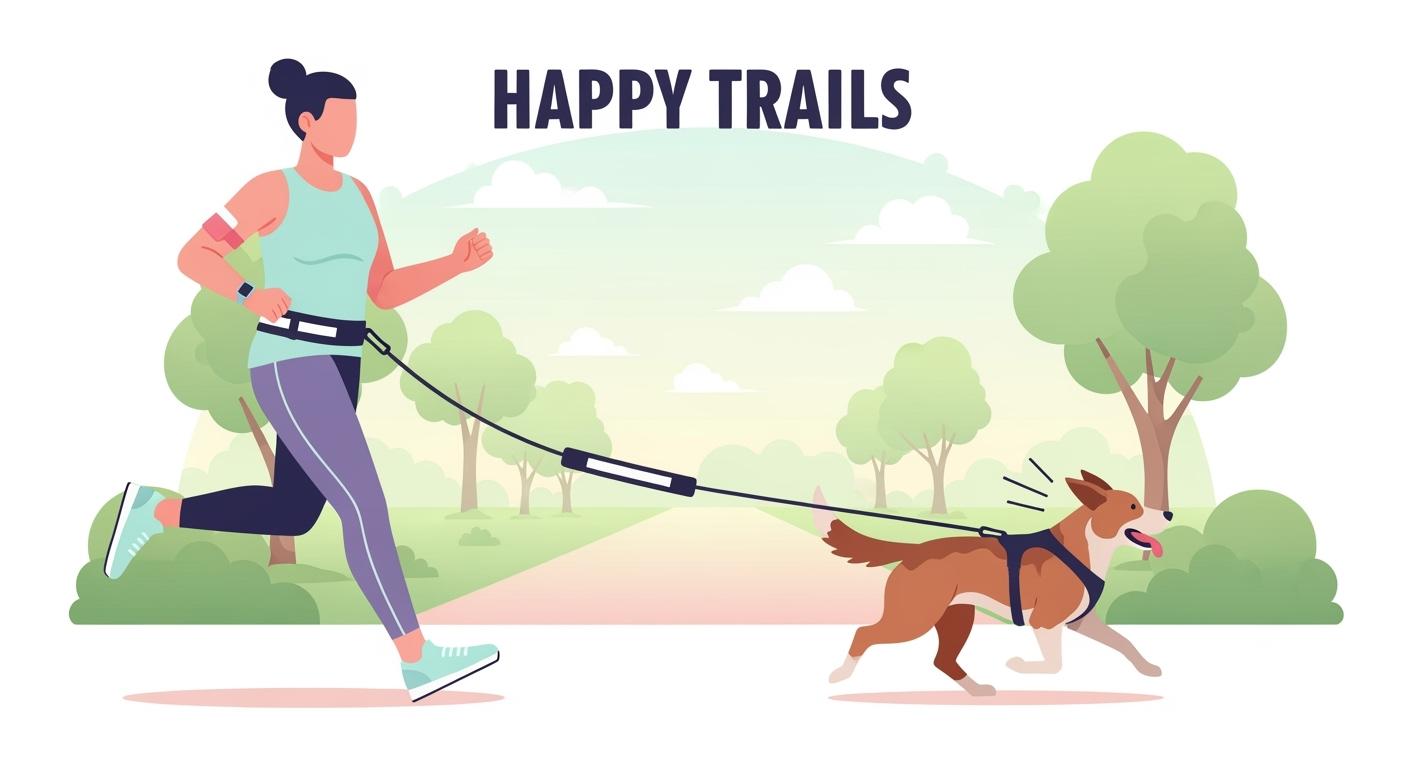
Outdoor activities with dogs are more common in the United States. There are now over 800 public dog parks. Park building has gone up by 40% since 2009. Almost half of homes have dogs. People with dogs are usually more active. Hands-free dog leashes make running, hiking, and walking safer. They also make these activities easier.
Tip: Always use a hands-free leash with a harness, not a collar. This setup spreads out the force and lowers the chance of injury.
Feature | Benefit |
|---|---|
Waist, shoulder, torso | Helps you stay healthy |
Bungee + harness | Makes it safer and more comfy |
Pick the right hands-free dog leash by checking the fit. Adjust it for your dog’s needs. Train your dog slowly and talk to your vet. This keeps your dog safe and happy. The runners leash for dog helps both you and your pet stay fit.
Key Takeaways
Pick hands-free leashes with a harness, not a collar. This helps protect your dog’s neck and back when you are active.
Make sure the leash and harness fit well. This keeps your dog safe and comfortable. Always check the fit before you use them.
Hands-free leashes let you do more things at once. You can jog or use your phone while walking your dog.
Use bungee parts in leashes to help absorb shock. This lowers stress on your joints and makes running easier.
Train your dog slowly with the new leash. Begin inside and use rewards to help your dog feel confident.
Talk to a veterinarian before you start running with your dog. This makes sure your dog is healthy enough to exercise.
Watch your dog for signs of tiredness when you are active. Stop right away if your dog looks stressed or tired.
Teach customers why safety features in leashes matter. Look for things like reflective materials and quick-release parts.
Why Hands-Free Dog Leashes Matter
Active Lifestyles and Dog Running
More people run, hike, and walk with their dogs each year. This changes how people spend time outside. In Western countries, running with dogs is now a popular choice. Many owners add their dogs to daily exercise.
53% of dog owners walk their dogs for errands at least once a week. This is 6% more than last year.
74% of dog owners flew with their dogs last year. This number was 68% the year before.
87% of dog owners drove with their dogs, and this number stays steady.
Having a dog makes people move more. Studies show active owners are much more likely to get enough exercise than people without dogs. Only 23% of owners walk their dogs five or more times a week, but they still move more than others. Hands-free dog leashes help you do things like jogging, hiking, and fast walking. These leashes make it easier to stay active and help you and your dog stay healthy.
Note: Always use a hands-free leash with a harness, not a collar. This spreads out the force and keeps your dog’s neck and back safe.
Benefits for Runners and Outdoor Brands
Hands-free dog leashes have many good points over regular leashes. You can move easily, keep your hands open, and protect your joints. The bungee part takes in shock, so your arms, shoulders, and back stay safe. This matters for people who want to run, hike, or walk without getting hurt.
Benefit | Description |
|---|---|
Improved Mobility and Convenience | You can jog, push a stroller, or use your phone without holding a leash. |
Better for Joint Health | The bungee cord reduces strain on your joints, making it safer for long runs or walks. |
Enhanced Control | Double handles and short leashes give you more control and stability during jogging. |
Encourages Active Lifestyles | You can add dog walking to your fitness routine, making exercise more fun and regular. |
Keeps Hands Free | You can multitask, like carrying groceries or managing phone calls, while walking your dog. |
Outdoor pet brands can use hands-free leashes to reach more active people. Brands add new features, use earth-friendly materials, and work with fitness companies. They sell online and in special stores to find new buyers. By selling running kits, brands help owners get what they need for safe and fun trips with their dogs.
Brand Responsibility for Safety
Brands must help keep owners and dogs safe. They need to make hands-free leashes that are strong and safe. Use tough materials, good clips, and comfy belts for the waist or shoulder. Make sure products follow safety rules and get checked often.
All products must meet safety and quality rules.
Brands have to follow the General Product Safety Regulation (GPSR).
Regular checks make sure leashes are safe, strong, and comfortable.
Brands should teach customers how to use hands-free leashes with harnesses, not collars. Remind them to talk to a vet before starting new activities. Not every dog is ready to run or hike. Age, breed, and health are important. Only healthy, leash-trained dogs should use hands-free leashes. These leashes do not fix behavior problems. Training and slow practice are important.
Tip: Never say any leash is 100% safe. Instead, explain that using it right, checking it often, and training your dog lowers risks.
If you use hands-free leashes the wrong way, injuries can happen. These can be small cuts, sprains, or even broken bones and long-term pain. Always tell customers to check for damage and watch kids near leashes.
By focusing on safety, teaching, and new ideas, your brand can help active owners enjoy more outdoor time with their dogs.
Runners Leash for Dog: System Overview
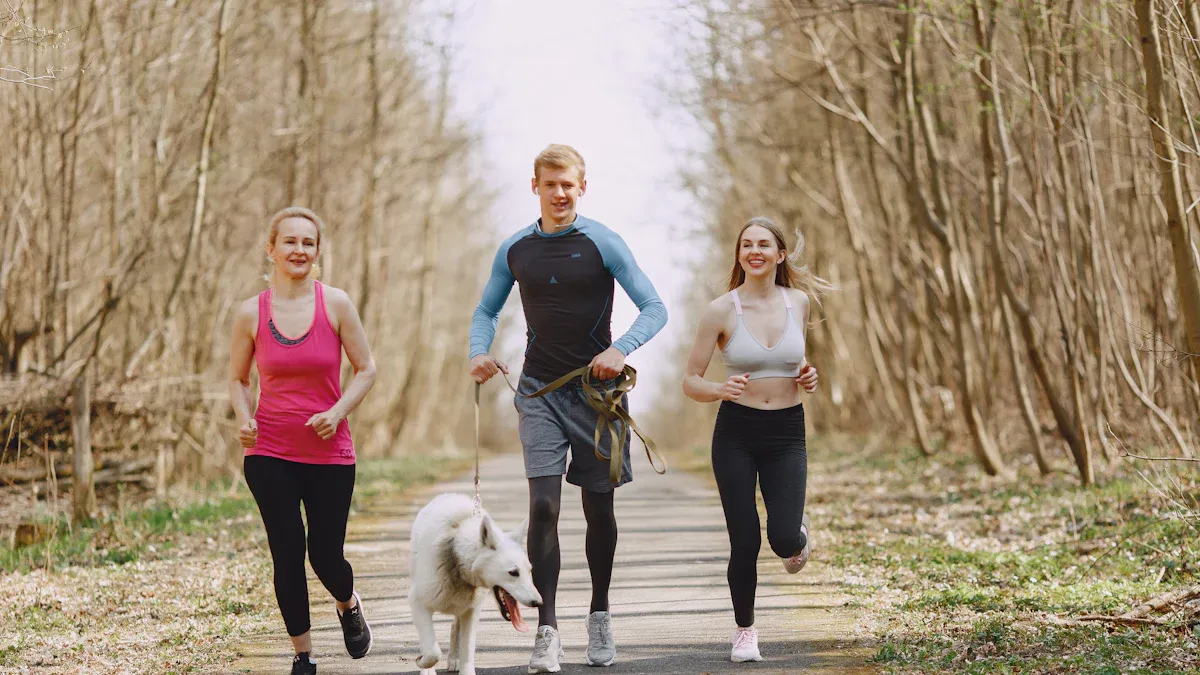
Hands-Free Leash Designs
Waist, Shoulder, and Torso Options
You can choose from several hands-free leash designs for active outdoor use. The most popular is the waist-belt system. This design wraps around your waist and connects to the leash, letting you move your arms freely. Many brands prefer waist-belt systems because they offer the best balance of comfort, control, and safety. Shoulder and torso leashes also exist. Shoulder leashes go across your body, while torso leashes wrap around your chest. These options can shift the force away from your waist, but they may feel less stable during fast runs or sudden pulls.
Type of Use | Key Features |
|---|---|
Running | Bungee design for shock absorption, adjustable waist belt for comfort, hands-free mechanism. |
Hiking | Durable materials for rough terrains, pockets for carrying essentials, adjustable length options. |
Everyday Use | Versatile and ergonomic design, easy-to-use clips, comfort-focused features for daily walks. |
Tip: Waist-belt systems work best for most runners. They distribute force evenly and help prevent injuries.
Dual Handles and Bungee Features
Many runners leash for dog products include dual handles. One handle sits close to your dog for quick control in busy areas. The other handle is farther away for relaxed walking or running. Bungee sections absorb shock if your dog pulls or changes speed. This reduces strain on your joints and your dog’s body. Look for a leash that balances control and shock absorption. Too much stretch can make control harder, while too little can cause sudden jerks.
Fitting and Adjustment
Proper Fit for Safety and Comfort
A good fit keeps you and your dog safe. The waist-belt should fit snugly but not too tight. This prevents chafing and keeps the leash from slipping. Always check the fit before each run. Make sure your dog’s harness fits well and does not rub or pinch. Only use a runners leash for dog with a harness, not a collar. This setup spreads out the force and protects your dog’s neck and back.
Ensure your leash and harness fit snugly without being tight to reduce fatigue and chafing.
Use leashes with reflective stitching for better visibility in low light.
Double-check the belt’s fit in hands-free mode to avoid sudden pulls.
Practice commands using the leash’s different modes to keep your dog relaxed.
Length, Clips, and Sliders
Choose a leash length that matches your activity. Shorter leashes give more control in crowded places. Longer leashes allow more freedom on open trails. Easy-to-use clips and sliders help you adjust the length quickly. High-quality clips should be made from stainless steel or brass. Avoid cheap zinc alloy clips, which can break under pressure.
Connection Points and Hardware
Harness Attachment
Always attach the runners leash for dog to a harness, not a collar. Harnesses spread out the force and lower the risk of injury. This is very important for running, as sudden pulls can hurt your dog’s neck if you use a collar.
Traffic Handles for Control
Traffic handles give you extra control in busy areas. These handles sit close to your dog’s body. You can grab them quickly to keep your dog close when crossing streets or passing other people. This feature adds safety and makes the runners leash for dog more versatile.
Evidence Type | Details |
|---|---|
Hardware Failure Statistics | 73% of leash failures occur at the clip attachment point. Cheap zinc alloy clips can break under loads as low as 50 pounds. |
Clip Construction | Quality clips use stainless steel or brass with spring mechanisms rated for 3-5x your dog’s weight. |
Stitching Patterns | Professional-grade leashes use special stitching at stress points to spread force and prevent breakage. |
Note: Only use a runners leash for dog with healthy, leash-trained dogs. Always consult a veterinarian before starting a new running routine.
Safety Essentials for Hands-Free Leash Use
When you add hands-free dog leashes to your products or suggest them to buyers, safety comes first. Not all dogs are ready to run or hike with a hands-free leash. You must think about health, age, breed, weather, and gear to keep things safe and fun.
Dog Health and Age
Veterinary Assessment
Before running or hiking with a dog, always tell people to get a vet check. The vet will see if the dog is healthy enough for exercise. This is extra important for dogs with health problems or those new to being active.
Ask a vet before starting any running plan.
Have the vet check the dog’s heart, joints, and fitness.
Start with short walks or slow runs, then go longer as the dog gets used to it.
Tip: Remind your customers to talk to their vet about what their dog’s breed needs and any health risks before using hands-free dog leashes.
Breed and Maturity Considerations
A dog’s breed, age, and how grown-up they are matter a lot for hands-free running or hiking. Puppies should not run far until their bones and joints are strong. Big dogs often need more time to grow than small dogs. Older dogs might have problems like sore joints or heart trouble, which can make running hard or unsafe.
Think about the dog’s age, breed, and health before using a hands-free leash.
Puppies need to wait until they are grown before hard exercise.
Older dogs might need shorter, slower walks instead of runs.
Overweight or lazy dogs may not want or be able to jog.
Young, healthy working breeds might need more exercise than older, smaller dogs.
Note: Not every dog can run. Always match the activity to the dog’s health and age.
Weather and Terrain Safety
Environmental Awareness
Weather and ground conditions can change how safe hands-free running or hiking is. Hot pavement can burn paws, and icy roads can hurt them too. Always suggest running when it is cooler and picking safe, shady paths.
Do not run during the hottest part of the day.
Pick shady trails or soft ground like grass or dirt to keep paws safe.
In cold weather, stay away from icy or salted roads and think about using booties for paw safety.
Check your dog’s paws for cuts or burns after each walk or run.
Keep nails short to stop pain or snagging.
If you think about putting boots on your dog to protect from hot ground, it is probably too hot to run. Wait for cooler times, like early morning or late evening.
Visibility Gear
When it is dark or dim, you need extra safety gear. Visibility gear helps you and your dog be seen during early or late runs. Reflective and LED gear is a must for hands-free leash use.
Gear Type | Description |
|---|---|
Reflective Leashes | Make you easier to see, especially in the dark, and come in many sizes. |
Collars and Harness Attachments | Add shiny parts to collars or harnesses for more visibility. |
Reflective Collar Charms | Fun add-ons that help your dog stand out and look nice. |
LED dog leashes shine their own light, so your dog is easy to spot.
Reflective straps on harnesses and leashes help keep you safe, even without streetlights.
Harness vs Collar Safety
Harness Benefits
You should always use hands-free dog leashes with a harness, not a collar. Harnesses spread out the force on the chest and shoulders, so the neck and spine stay safe. This is very important for active dogs that pull or turn fast when running or hiking.
Front-clip harnesses that do not tighten help stop pulling and lower injury risk.
Harnesses are safer for flat-faced breeds, like Pugs or Bulldogs, who have more problems with collars.
Using a harness with a bungee leash and waist-belt spreads out the force and stops sudden jerks.
Collar Risks
Collars can be bad for active dogs, especially with hands-free leashes. Pulling on a collar can put too much pressure on the neck and eyes, causing pain or even harm. Some studies say collars can raise eye pressure, especially in dogs with short noses. Collars can also make dogs feel stressed, which you can see if their ears are lower.
A collar might be okay for slow, calm walks, but it is not safe for running or hiking with a hands-free leash. Collars can hurt the throat or spine, especially in small or sensitive dogs. Always tell people to use harnesses for hands-free or running activities.
For best results, teach your customers to use hands-free leashes safely: always use a harness, check gear before each walk or run, and ask a vet for advice that fits their dog.
Hands-Free Leash Features for Outdoor Brands
Waist-Belt Fit and Load Distribution
A well-designed waist-belt is key for hands-free running with your dog. You want a belt that fits snugly and spreads the pulling force across your hips and lower back. This design helps you stay comfortable and keeps your running form steady. You can see the main features in the table below:
Feature | Description |
|---|---|
Ergonomic Design | Distributes pulling forces evenly across hips and lower back, enhancing comfort during runs. |
Optimal Pulling Position | Keeps the pulling point low, improving stability and maintaining proper running form. |
Customizable Fit | Multiple adjustment points for a snug fit, accommodating different body types. |
Safety Features | Reflective detailing for visibility and an emergency release feature for quick disconnection. |
Versatile Attachment | Compatible with various leashes and includes loops for securing extra gear. |
Padding and Adjustment
You should look for padding on the waist-belt. Padding prevents chafing and makes long runs more comfortable. Adjustable straps let you change the fit for different users or clothing layers. A good fit means the belt will not slip or twist, even if your dog pulls. Many hands-free systems use multiple adjustment points so you can find the best fit for your body.
Quick-Release Mechanisms
Quick-release buckles are important for safety. If you need to disconnect fast, you can use the emergency release. This feature helps you avoid accidents if your dog gets tangled or you need to stop suddenly. Reflective details on the belt also help cars and cyclists see you during early morning or evening runs.
Leash Length and Bungee Strength
A hands-free leash with a bungee section absorbs shocks when your dog changes speed. This design reduces strain on your back and muscles. You get a smoother run, and your dog feels less tugging.
Control vs Pulling Styles
For most runners, a 6-foot leash works well. This length gives your dog enough room to move but keeps them close for safety. In busy areas, you may want a shorter leash for enhanced control. On open trails, a longer leash lets your dog explore more. Always use a harness, not a collar, with a bungee leash to protect your dog’s neck and spine.
Elasticity and Comfort
The bungee section should stretch enough to absorb sudden pulls but not so much that you lose control. A well-balanced bungee helps both you and your dog stay comfortable. If your dog is very strong or reactive, you may need a leash with less stretch for better control. Always check the leash for wear and replace it if the elastic weakens.
Hardware Durability
You want your hands-free leash to last through many adventures. The right materials and hardware make a big difference.
Metal Clips and Handles
Choose leashes made with strong, waterproof materials like BioThane. This material is odor-proof, antimicrobial, and easy to clean. For hardware, look for solid brass or aviation-grade anodized aluminum. These metals resist rust and hold up under heavy use. Standard bolt snaps or autolocking carabiners give you secure attachment points. Handles should feel sturdy and easy to grip if you need to guide your dog in busy areas. A multi-purpose leash with these features will serve you well in many outdoor settings.
Tip: Always inspect your leash and hardware before each run. Replace any worn parts to keep you and your dog safe.
Training Guidelines for Hands-Free Dog Leashes
Introducing the Leash
Acclimation Steps
Your dog should feel safe with a hands-free leash before going outside. Start inside your home where your dog feels calm. Let your dog sniff and look at the new leash. Put the harness and leash on your dog. Walk around the room together. When your dog seems okay, try short walks outside.
Begin inside to help your dog get used to the leash.
Slowly switch from a regular leash to hands-free. Start with one walk each day.
Keep your dog close during the first few walks.
Use commands your dog already knows and talk to them often.
Watch your dog and pay attention to what is happening around you.
Give your dog time to get used to the new leash.
Tip: Train your dog before using a hands-free leash for running. Only healthy, leash-trained dogs should use running leashes.
Positive Reinforcement
You can help your dog learn by giving treats or praise. Reward your dog when they listen or stay calm on walks. Practice often and celebrate small wins. If your dog gets distracted, gently bring their focus back and reward them.
Give treats and praise for good actions.
Keep training short to help your dog feel confident.
Add distractions slowly to help your dog learn to focus.
Be patient and keep training the same way each time.
Obedience and Running Cues
Basic Commands
Teach your dog simple commands to help you both move safely. Use sit, stay, heel, and come when using the hands-free leash. Say the words and use hand signals too. Practice these commands in different places to help your dog remember.
Sit
Stay
Heel
Come
Note: Training often helps your dog listen better when you jog or walk.
Emergency Stop Training
Teach your dog to stop fast in case of danger. Use a clear word and a hand sign. Practice stopping together on walks and runs. Give your dog a treat when they stop quickly. This keeps you both safe if you need to stop right away.
Monitoring Dog Comfort
Signs of Fatigue
Watch your dog closely when using a hands-free leash. Signs your dog is tired or not feeling well include:
Falling behind
Limping
Breathing hard
Slowing down
Acting restless
Tail down
Not wanting to move or eat
Throwing up
If you see any of these, stop and let your dog rest.
Adjusting Activity
Change your routine based on your dog’s age, breed, and health. Older dogs may like swimming or gentle walks. Active dogs need both exercise and brain games, like puzzle toys and training. Always ask a vet before starting a new running plan.
Dog Type | Recommended Activity |
|---|---|
Senior | Swimming or gentle walks |
Active Breed | Running, training, puzzle toys |
Puppy | Short walks, slow introduction |
Safety first: Use a harness with a bungee leash and waist-belt to spread out force and prevent injury. Not every dog should run. Always check with a vet first.
Communicating Safety and Training
Product Information and Packaging
You help customers stay safe by giving clear instructions. Always put step-by-step guides on the packaging. Show how to fit the waist-belt, harness, and bungee leash. Use diagrams to point out where to attach each part. Show the right leash length for different activities. Use easy words and big letters so everyone can read them. Put safety warnings on both the front and back of the box. Remind people to talk to a vet before starting a new running routine. Say that only healthy, leash-trained dogs should use hands-free leashes. Always tell customers to use harnesses, not collars, with running leashes.
Tip: Do not show other brands or unsafe ways in your pictures. Use images that show safe places, correct harness use, and good leash handling.
Add a checklist to the packaging:
Check the leash and hardware before every use.
Make sure the harness fits and feels good.
Wear reflective gear so people can see you.
Watch your dog’s health and energy.
Never use with dogs that are not trained or not healthy.
Digital Content and Community
You can teach customers with digital content. Make videos and guides that show how to fit and use hands-free leashes. Use clear pictures and voice to explain each step. Digital content helps people learn about running leashes and their features. You can show how the leash works as a long lead for exploring. Show how to use the quick tie system in public places. Show the short lead for close control. Videos help people see the difference between harness and collar use.
Hands-free leashes let you move more during activities.
You can wear the leash around your waist, which is great for runners and hikers.
The leash can be extra-long for exploring.
You get a quick tie system for keeping pets safe in public.
The leash can be short for better control.
You build strong customer loyalty by making a community. Host events like training workshops, trivia nights, and adoption days. Make membership programs so users feel special. Work with rescue groups and vets to teach safe running. Create places where pet owners can meet while their dogs play. Set up boards for sharing tips and advice.
Strategy Type | Description |
|---|---|
Regular events | Fun activities like trivia, adoption days, and training workshops. |
Membership programs | Programs that make people feel included and special. |
Local partnerships | Working with rescue groups and vets. |
Social spaces | Places for people to meet and dogs to play. |
Community boards | Boards for pet owners to share tips and resources. |
Modern pet owners like to connect and make friends. You build lasting communities when you support the bond between people and pets. Always show safe leash use in your videos and guides. Do not show unsafe actions or wrong gear. You help customers enjoy outdoor time with their dogs by focusing on safety and teaching.
You make dog walks better when you pick hands-free leashes. More people want dog safety leashes now because they want safer and more useful gear. It is important to make sure the leash fits right and to train dogs slowly. Using a harness helps keep dogs safe and comfy. Always teach your customers about safe walking and how to use leashes the right way. When you give good advice, you help dogs and owners have fun outside together.
FAQ
What type of dog should use a hands-free running leash?
You should use a hands-free running leash only with healthy, leash-trained dogs. Puppies, senior dogs, or dogs with health issues may not be suitable. Always consult a veterinarian before starting any running routine.
Why must I use a harness instead of a collar?
A harness spreads force across your dog’s chest and shoulders. This setup prevents neck injuries and keeps your dog safer during runs. Never attach a running leash to a collar.
How do I choose the right leash length?
Pick a leash length based on your activity and environment. Shorter leashes give you more control in crowded areas. Longer leashes work well for open trails. Adjust the length for safety and comfort.
What safety features should I look for in a hands-free leash system?
Look for a padded waist-belt, strong bungee section, reflective stitching, and durable metal clips. Quick-release buckles add extra safety. These features help prevent injuries and improve comfort for both you and your dog.
Can all dogs run with a hands-free leash?
Not all dogs can run safely. Consider your dog’s age, breed, and health. Some breeds need less exercise or have breathing issues. Always check with a veterinarian before starting a running program.
How do I introduce my dog to a hands-free leash?
Start indoors and let your dog get used to the harness and leash. Use positive reinforcement with treats and praise. Begin with short walks and increase distance as your dog becomes comfortable.
What should I do if my dog shows signs of fatigue?
Stop the activity right away. Let your dog rest and offer water. Watch for signs like heavy panting, limping, or slowing down. If symptoms continue, contact your veterinarian.
Are there compliance or safety standards for running leashes?
Yes. Choose products that meet safety regulations and quality standards. Brands should test leashes for durability and provide clear instructions. Always follow the manufacturer’s guidelines for safe use.






