

Selecting a good dog harness for small breeds starts with knowing what your customers want. You should think about the fit for each breed, comfort, and safety. The market for small dog harnesses is growing fast. More people own pets and want better accessories.
Your store can find new chances by selling harnesses for small dogs that give support, last long, and work well.
Customers like features that keep pets safe and make things easier.
This guide helps you choose wisely so your brand is noticed for great dog harness choices.
Key Takeaways
Know what your customers want. Different people, like store owners and pet owners, like different small dog harnesses.
Think about comfort and safety. Pick harnesses that fit well. Use soft materials. Make sure the closures are strong to keep dogs safe.
Watch for new trends. More people want eco-friendly materials. Many also like harnesses with smart features, like GPS tracking.
Learn about harness types. Get to know Y-Front, Step-In, and Vest-Style harnesses. This helps you guide customers to the right choice.
Measure small dogs the right way and use the two-finger rule. This helps your team recommend harness sizes that stay secure without squeezing, and reduces the risk of rubbing, escapes, and other fit problems.
Give choices for customization. Let people add names or colors to harnesses. This can bring in more customers and make shopping more fun.
Teach your staff. Show them how harnesses work and how to fit them. This builds trust and helps your service get better.
Show off seasonal styles. Talk about special harnesses for holidays. This can help you sell more and get customers excited.
Understanding Customer Segments
Key Buyer Types
You help many kinds of customers buy small dog harnesses. Each group cares about different things. Knowing these groups helps you pick the best products for your store.
Stakeholder | Needs |
|---|---|
Retailers | Offer many harnesses for different dog sizes and behaviors. They want safety and comfort. |
Trainers | Want harnesses that help control and train dogs. They use them to stop pulling. |
Individual Owners | Want harnesses that are safe and comfy. They care about fit, material, and easy use. |
Retailers want to help many dog owners. Trainers need harnesses that help with training and control. Individual owners want harnesses that are simple and keep pets safe.
End-User Needs
Think about what small dog owners want most. They want harnesses that fit well and feel good. They also want harnesses that are easy to put on and take off. Many owners like harnesses that look nice, but safety and comfort are most important.
Tip: Ask your customers about their dogs’ daily routines. This helps you suggest harnesses for walking, training, or travel.
End users do not want harnesses that hurt their dogs’ skin. They like harnesses made from light and airy materials. Many want harnesses with straps that can be adjusted for a better fit. You can help by selling harnesses with these features.
Market Trends
The small dog harness market is getting bigger. More people own small dogs and want good accessories. New trends are changing what customers want in harnesses.
Trend | Description |
|---|---|
Technological Innovations | GPS tracking, activity checks, and better designs for safety. |
Material Innovations | Use of earth-friendly, strong materials like recycled plastics and organic fabrics. |
Customization Options | Adjustable and changeable designs for a good fit for all small dogs. |
Mobile App Integration |
|
Earth-friendly materials like recycled plastics and organic fabrics.
Light and airy fabrics for more comfort.
Harnesses that can be adjusted for a better fit.
Parts you can change for a custom harness.
You see more people want earth-friendly and green products. Many want harnesses made from recycled or organic stuff. The market also likes harnesses with smart features, like GPS and app use. These trends help your store stand out and give customers what they want.
Note: The small dog harness market has grown a lot lately. You will see more people wanting safe, comfy, and new harnesses.
When you know your customer groups, you can pick harnesses that fit their needs and keep up with new trends.
Types of Small Dog Harnesses
To help your customers, you need to know the types of small dog harnesses. Each harness style has its own good points for small dogs. When you know how each type works, you can help customers pick the right one.
Y-Front Harness
Y-front harnesses make a Y-shape on the dog’s chest. This shape spreads pressure across the chest instead of the throat and, when fitted correctly, can reduce the risk of pressure on the windpipe compared with a flat collar. Good Y-front designs allow the shoulders to move freely so small dogs can walk and run in a more natural way.
Best for: Small breeds with narrow chests or trachea problems.
Features: Straps you can adjust, a snug fit, and little restriction.
Use case: Walks, training, and play.
Tip: Y-Front harnesses are good for Chihuahuas and Miniature Pinschers. These breeds need gentle support.
Step-In Harness
Step-In harnesses are easy to put on. The dog steps in, and you fasten it at the back or side. This style is good for dogs that do not like harnesses over their heads. Step-In harnesses are great for nervous or wiggly small dogs.
Harness Type | Description | Distinguishing Features |
|---|---|---|
Step-In Harness | Dog steps in, fastened at back or side | Easy to put on, no overhead pulling |
Best for: Dogs that do not like harnesses over their heads or have sensitive ears.
Features: Simple look, quick to fasten, and safe closures.
Use case: Short walks, trips, and daily use.
Note: Step-in harnesses help your team serve customers who find it hard to put harnesses over a dog’s head. They can be a good option for small breeds that dislike gear near the face. Vest-style harnesses offer soft, full-body contact, which many small dog owners see as more comfortable and secure than thin straps, especially for toy breeds.
Vest-Style Harness
Vest-style harnesses give comfort and cover for small dogs. This harness wraps around the chest and back like a vest. It is good for dogs that need soft padding or have sensitive skin. Owners like this style for its soft feel and safe fit.
Best for: Toy breeds, puppies, and dogs with thin fur.
Features: Padded chest, airy fabric, and straps you can adjust.
Use case: Long walks, trips, and cold days.
Vest-style harnesses often have reflective trim for safety at night. You can tell customers about this if they walk dogs in the dark.
Block Quote: Vest-style harnesses are comfy and safe. Many small dog owners like them best.
When you know the types of harnesses, you can help customers find the best one. Each style works well for certain breeds and activities. Your store can stand out by selling many good harnesses for small dogs.
Specialty Harnesses
Specialty harnesses help with special needs. Some customers want harnesses for more than just walks. These harnesses solve problems or help with certain activities.
No-Pull Harnesses: These harnesses help owners control dogs that pull. They have a front clip to guide the dog. This makes walks easier for people. Trainers like these for teaching leash manners.
Car Safety Harnesses: Some harnesses keep dogs safe in the car. They attach to seat belts and stop sudden moves. Owners who travel with pets feel better using these.
Support and Mobility Harnesses: Some small dogs are old or hurt. These harnesses help lift and support them. They help dogs go up stairs or get into cars.
Cooling Harnesses: Hot days can be tough for small dogs. Cooling harnesses use special fabric to keep dogs cool. These are good for summer or outdoor fun.
Therapeutic or Medical Harnesses: Some harnesses help dogs after surgery or with health needs. They have extra padding and give gentle support.
Tip: Ask customers about their dogs’ lives. Specialty harnesses can fix problems that regular ones cannot.
Specialty harnesses help your store meet many needs. You can help owners pick the right harness for their small dogs.
Choosing the Right Dog Harness Type
Picking the right small dog harness depends on a few things. You need to match the harness to the dog’s breed, size, and how they live. Use this checklist to help you choose:
Understand the Different Types of Dog Harnesses
Each harness type helps with something different. Back-clip harnesses are good for calm walks. Front-clip harnesses help with pulling. Specialty harnesses help with special needs.Focus on Sizing and Adjustability
A good fit keeps dogs safe and comfy. Look for harnesses with straps you can adjust. These fit many breeds and shapes.Material Matters: Durability and Comfort
Pick harnesses made from soft, airy materials. These stop rubbing and keep dogs happy on walks.Safety Features: Reflective Straps and Secure Closures
Reflective straps help dogs be seen at night. Strong closures keep dogs from slipping out.Customization Opportunities to Add Value
Custom harnesses let owners add names or colors. This makes the harness special and adds value.
Note: Always measure the dog before picking a harness. A snug but not tight fit helps keep small dogs more secure and makes it harder for them to slip out, especially when your staff follow a consistent measuring process.
You can help customers by asking about their dog’s day, breed, and any special needs. This helps you suggest the best small dog harness for every dog.
Choosing the Right Dog Harness Size and Fit
Measuring for Fit
You want every small dog harness to fit well. Good measurements help you pick the right harness and stop returns. Use a soft tape measure and do these steps:
Wrap the tape under the neck where the collar sits.
Measure the chest at the widest spot, near the ribs. Do not measure behind the armpits.
Weigh the dog and check the harness size chart.
You can get better results by measuring a few more spots:
Measure from the shoulder blades to the sternum.
Measure just behind the front legs.
Measure at the dip before the belly gets soft.
Tip: Write down the numbers in inches or centimeters. Check your measurements again before you choose a harness.
The harness should be snug but not too tight. Try the two-finger rule. You should fit two fingers between the harness and the dog. This keeps the harness safe and comfy.
Breed-Specific Sizing
Harness size charts are not always the same. You need to match the harness to the dog’s breed and age. Many small breeds and puppies need very small harnesses. Grown dogs might need a bigger size, but still need a harness made for their breed.
Here is a quick chart for some small breeds:
Breed | Puppy Size | Adult Size |
|---|---|---|
Toy Poodle | XXXS | XXS–XS |
Miniature Poodle | XXS | XS–S |
Cavapoo | XXS | XS |
Chihuahua | XXXS | XXXS–Small |
Always look at the size chart for each harness. Some brands use different numbers, so compare the dog’s size to the chart before you decide.
Note: Puppies grow fast. Your team can guide owners toward harnesses with adjustable straps so the fit can be updated as the dog grows. This makes everyday use safer and can help the harness last longer before a new size is needed.
Adjustability and Common Fit Issues
Adjustable straps make harnesses fit better and feel good. These straps let you change the fit for each dog. This helps stop problems like slipping, rubbing, or tightness.
Some common fit problems are:
Harness is too tight: It can rub or make it hard to breathe.
Harness is too loose: The dog can slip out or the harness moves.
Wrong size: The dog feels bad or is not safe.
You can fix these problems with harnesses that have many places to adjust. Look for soft edges, airy fabric, and easy buckles. These things make harnesses better and keep dogs happy.
Your staff should remind owners to ask a veterinarian before choosing harnesses or exercise plans for small dogs with breathing, heart, joint, or other health problems.
Your team should help customers try harnesses in the store. Tell them to check the fit and watch for any signs of pain. This shows you care and want the best for their pets.
Fit and Safety for Small Breeds
You want every small dog harness to provide both comfort and safety. Small breeds often have delicate bodies, so you must pay close attention to how the harness fits. The right sizing helps prevent injuries and keeps dogs happy during walks.
The two-finger rule is a simple way to check harness fit. You should be able to slide exactly two fingers between the harness and the dog’s chest. This method balances comfort and safety. If the harness is too loose, the dog can move too much and risk injury. If it is too tight, breathing becomes difficult and the dog feels uncomfortable.
Harness Fit Check | Why It Matters |
|---|---|
Two-finger rule | Prevents choking and excessive movement |
Snug but not tight | Keeps harness secure without restricting breathing |
Regular adjustments | Maintains safety as dogs grow or change weight |
Small breeds face unique challenges with harness fit. Some have narrow chests, short necks, or sensitive skin. You need to choose harnesses designed for their body type. Look for chest plates that match the dog’s shape. Select breathable materials to keep skin cool and reduce friction. Padding or fabric sleeves help prevent chafing.
Tip: Check the harness clips and buckles often. Replace worn parts to keep dogs safe.
You should adjust the strap length in small steps. This helps you find the best fit for each dog. Try switching the leash attachment point if the harness does not sit well. Clean harnesses regularly to prevent skin irritation.
Introduce harness sessions slowly. Let dogs get used to wearing the harness for short periods. This helps them feel comfortable and reduces stress.
Your team can help customers by offering harness covers for extra cushioning. Suggest harnesses with adjustable straps and soft edges. These features improve safety and comfort for small breeds.
When you focus on fit and safety, you build trust with your customers. You show that your store cares about every dog’s well-being.
Small Dog Harness Comfort Features
Material Choices
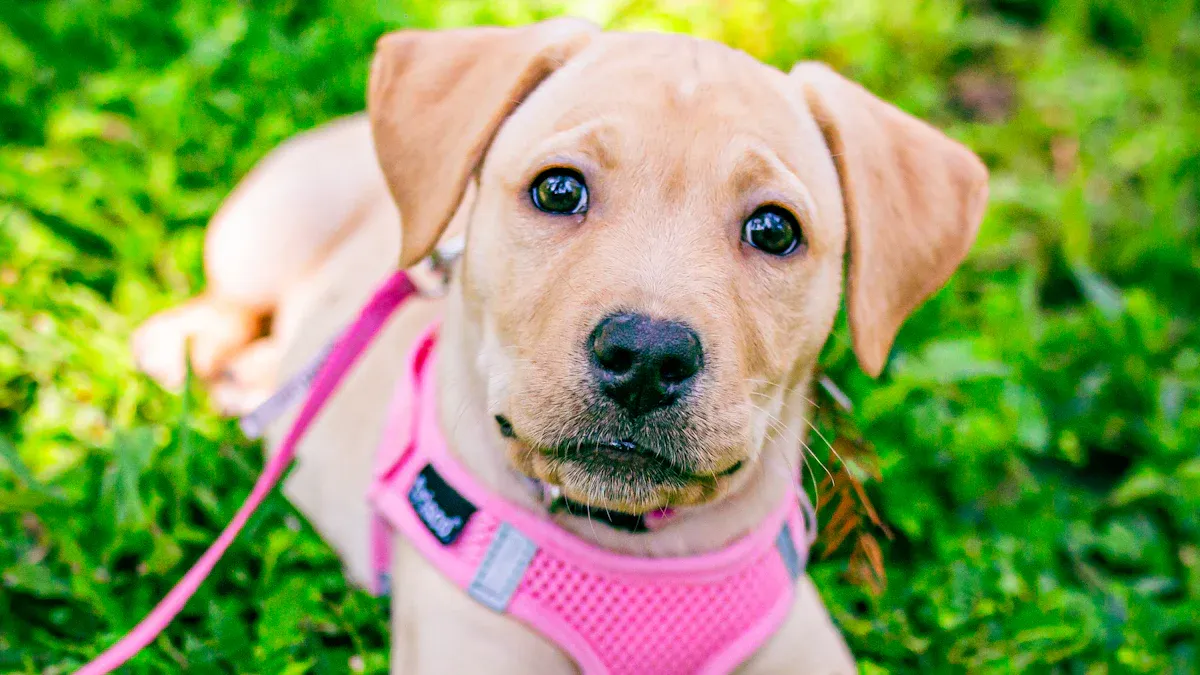
You want harnesses that keep small dogs comfy all day. The right material matters a lot. Nylon and polyester are popular because they are soft and last long. Mesh is also a good choice. It lets air move and keeps skin cool. These materials do not break easily, so harnesses stay strong after many uses.
Material | Benefits for Small Dogs |
|---|---|
Nylon | Soft, durable, easy to clean |
Polyester | Lightweight, resists stretching |
Mesh | Breathable, prevents overheating |
Look for harnesses with smooth edges and soft binding. Rough seams can rub delicate skin, especially behind the front legs and around the neck. Gentle, well-finished materials help reduce the risk of rubbing and irritation and make it easier for small dogs to stay comfortable on longer walks.
Tip: Ask your team to check for soft linings and bendy straps. These features help small dogs enjoy every walk.
Padding and Breathability
Padding and breathability are important for small dog harnesses. Padded straps protect skin and add a soft layer. Breathable designs let air move through the harness. This stops heat from building up and keeps skin healthy.
Padded straps lower pressure and stop rubbing.
Breathable mesh or fabric keeps dogs cool.
Harnesses that sit on the chest, not the throat, help stop choking.
Some harnesses have padded neoprene straps. These straps feel soft and help dogs stay comfy. Breathable materials help skin by lowering sweat and irritation. Your store can sell harnesses with both padding and airflow for the best comfort.
Note: Dogs with sensitive skin need harnesses with more padding and breathable fabric. These features help stop discomfort and keep skin healthy.
Lightweight Design
Lightweight harnesses are best for small breeds. Heavy harnesses can make dogs tired or hard to move. Pick harnesses with small straps and light materials. These fit small dogs and puppies well.
Lightweight harnesses are easy for dogs to wear.
Small straps give better control and comfort.
Owners find it easier to guide dogs with light harnesses.
Customers want harnesses that do not weigh down their pets. Light designs help dogs move easily and enjoy walks. You can suggest harnesses that are strong and comfy without being bulky.
Tip: Offer harnesses made with thin, strong materials. These harnesses give support and keep dogs comfy on long walks.
When you focus on comfort features like soft materials, padding, breathability, and lightweight design, you help customers pick harnesses that keep small dogs safe and happy. Your brand stands out when you offer harnesses with these features.
Preventing Skin Irritation
Small dog owners often worry about skin irritation. Your store can help by focusing on harness fit, design, and care. Many small dogs have sensitive skin. You should watch how harnesses touch their bodies.
Pick harnesses made from soft and airy materials. Smooth edges and soft linings help stop rubbing. Padding in places like the chest and underarms keeps skin safe. Adjustable straps help owners get the right fit. This lowers the chance of chafing.
Teach customers to check their dogs’ skin every day. Tell them to look for red spots or missing hair after walks. Suggest cleaning harnesses often to get rid of dirt and sweat. This stops skin problems from starting.
Tip: Remind your team to show how to adjust harnesses. A harness that is too tight or loose can hurt the skin.
Here are some easy ways to help stop skin irritation:
- Take breaks on walks. Let small dogs rest in cool, shady places and check under the harness for sweat, sand, or dirt. This helps keep the skin drier and more comfortable.
- Gently wipe under the harness with a damp cloth after messy walks, then let the coat dry before putting the harness back on. If you see ongoing redness, hair loss, or sores, advise customers to speak with a veterinarian before using any creams or sprays.
- If rubbing or irritation keeps coming back in the same place, recommend trying a different harness design, size, or padding placement instead of simply tightening or loosening the same model.
A table can help your staff explain what causes skin problems and how to fix them:
Cause of Irritation | Solution |
|---|---|
Poor fit | Adjust straps for a snug, not tight, fit |
Rough materials | Choose soft, padded harnesses |
Sweat and dirt buildup | Clean harnesses regularly |
Overheating | Take breaks and use breathable designs |
Show customers harnesses with soft materials, padding, and light weight. These features help keep dogs comfy and protect their skin.
When you help stop skin problems, customers trust your store more. You show you care about their dogs’ comfort and health.
Dog Harness Safety Features
Reflective Elements
You want small dog harnesses to help keep pets safe. Reflective parts are important for safety and comfort. They help people see dogs during early morning or night walks. Drivers and bikers can spot dogs from far away. Look for harnesses with reflective stitching, piping, or panels. These parts make dogs easier to see when it is dark. This lowers the chance of accidents.
Tip: Show customers how reflective harnesses help at night. This simple feature can keep pets safe.
Secure Closures
Secure closures stop harnesses from opening by accident. You need closures that stay shut during walks and play. Pick closures that fit the dog’s size and how active they are.
Some common closures are:
Side-release buckles that snap closed and open with a squeeze.
Metal D-rings for leashes that do not bend.
Velcro straps that adjust easily and fit snug.
Double-locking clips for extra safety.
Check closures to make sure they are strong and last long. Weak closures can break or pop open and put dogs in danger. Your team should test closures before selling harnesses. This makes sure harnesses are safe and good quality.
Note: Do not use harnesses with closures that pinch or hurt. Always think about the dog’s comfort and safety.
Escape Prevention
Small dogs can sometimes slip out of harnesses. You need harnesses with features that stop escapes and keep pets safe. Dogs may wiggle out by moving backward or sideways. Some dogs escape when they feel scared or bored.
Harnesses that stop escapes have these features:
Design Feature | Description |
|---|---|
Material Strength | Thick, strong fabrics like nylon or polyester with good stitching. |
Extra Escape-Proof Features | Double-clip points, more straps to adjust, or a belly panel that spreads pressure. |
Adjustability | Straps you can change as the dog grows or gets stronger. |
Snug Fit | Harnesses that fit close to the dog’s body to stop slipping. |
Tell customers to check the fit often. A snug harness helps stop dogs from slipping out. Adjustable straps let owners change the fit as dogs grow or change shape.
Watch for signs that dogs are tired or stressed. Stop if a dog looks uncomfortable.
Never use harnesses to punish dogs. Always focus on making dogs feel good and safe.
Your brand can stand out by selling harnesses with good safety features. These details show you care about pets and their safety.
Health and Safety for Small Dogs
You want every small dog to be safe and healthy when wearing a harness. Small breeds have fragile bodies and need special care. Your store can help by picking harnesses with strong safety features and good quality.
If a harness does not fit right, it can cause health problems. Dogs might feel pain, move less, or get sore skin. Some harnesses can let dogs escape if they are too loose. You can stop these problems by helping customers pick the right size and style.
Here is a table that shows common health and safety problems and how you can help customers avoid them:
Health and Safety Risks | Mitigation Strategies |
|---|---|
Restricted movement | Selecting the correct size harness |
Chafing or skin irritation | Ensuring proper fit and strap placement |
Discomfort | Proper fitting of harnesses |
Escape risk | Ensuring harness is securely fitted |
Always make sure harnesses let dogs move naturally. Small dogs need to walk, run, and play without trouble. Harnesses with straps you can adjust and soft padding help stop rubbing and pain. Your team can show customers how to adjust straps for a good fit.
Safety features like strong closures, secure D-rings, and reflective strips give extra protection for small dogs. When a harness fits well and the hardware is in good condition, it is harder for dogs to slip out and easier for people and traffic to see them in low light. These features help reduce the risk of escapes and handling mistakes, but they do not replace careful supervision and good leash skills.
You can use these tips to keep small dogs safe and healthy:
Offer harnesses with straps you can adjust for a better fit.
Pick harnesses made from soft and airy materials.
Suggest harnesses with strong closures and tough stitching.
Teach customers to check harness fit often, especially as dogs grow.
Tell owners to clean harnesses often to stop skin problems.
Tip: Ask your team to help customers try harnesses in the store. A quick check can stop many problems.
General guidelines for dog harness design focus on safety and comfort. Your buying team should look for harnesses that follow good practice on fit, materials, and testing, and always check the latest labelling and product rules in your target markets. Meeting clear safety and quality criteria shows that your brand cares about small dogs’ health and long-term comfort.
Small breeds need special care. You can build trust by selling harnesses made for their size and shape. When you focus on safety, comfort, and quality, your store becomes a place people trust for dog harnesses.
Customization, Style, and Merchandising
Personalization Options
You can make your small dog harnesses special by letting customers add custom touches. Many people want harnesses that are different from others. Personalization makes your store stand out and helps customers come back. You can offer things like:
Embroidering the dog’s name or printing contact info
Letting customers pick their favorite colors or patterns
Removable patches with names or fun pictures
These choices let owners show off their dog’s style. They also help owners find their harnesses in busy places like parks or daycare. You can put these harnesses in your displays to get more attention.
Tip: Put out harnesses with different names or colors. This helps customers imagine what their harness could look like.
Seasonal and Themed Harnesses
Harnesses with fun themes or for different seasons can help you sell more. Many small dog owners treat their pets like family. They want their dogs to look cute and feel good all year.
More people buy harnesses in winter and during holidays. Harnesses for winter, summer, or special days get more buyers.
Dog harness styles often follow what is popular in people’s clothes. Customers like harnesses that match their own style.
Harnesses for holidays like Halloween or spring make shopping fun. These harnesses can make people buy on the spot.
You can plan what you sell by watching these trends. Change your harnesses to match the season or next holiday. This keeps your store looking new and makes people want to come back.
Season/Event | Popular Styles | Customer Appeal |
|---|---|---|
Winter | Warm, padded, festive colors | Comfort and holiday spirit |
Summer | Lightweight, bright patterns | Coolness and fun |
Holidays | Themed prints, special trims | Celebration and photo moments |
Note: Harnesses for special times help your store connect with customers who want to celebrate with their pets.
Merchandising Tips
Good displays help you sell more small dog harnesses. You can use different ideas to get people interested and sell more.
Sell harnesses with matching leashes or ID tags. This makes a set and gets people to buy more.
Use sales for holidays or busy months. Put themed harnesses in the front of your store.
Sort harnesses by size, color, or theme. This makes it easy for people to shop.
Show harnesses on dog mannequins or stands. This lets people see how they look and fit.
Give out quick guides or signs that tell about the harnesses’ best features.
Block Quote: Bundling and holiday sales can make your harness section look better and help you sell more.
Your team can tell customers about the most popular or newest harnesses. Change your displays often to keep things fun and new.
Educating Staff and Customers
Teaching your staff and customers about small dog harnesses helps your store do well. When people learn, they trust your store more and buy more. Your team should know what each harness does best. This helps them answer questions and give good advice.
Train your staff on the basics first. Use short lessons and let them practice with real harnesses. Show how harnesses spread weight on a dog’s chest and shoulders. This keeps small dogs safe and lowers the chance of injury. Staff should tell customers that harnesses protect the trachea better than collars.
Here are some good ways to teach your team and customers:
Show how to measure a dog for the right harness. Use a soft tape and explain the two-finger rule for comfort.
Talk about why good materials matter. Let staff feel soft, padded harnesses and rough ones. Good materials stop skin problems and last longer.
Teach staff to explain how harnesses help with pulling and make walks safer. Customers want to know how harnesses help with training.
Share tips for helping dogs get used to harnesses. Suggest short practice times at home and give treats. This helps dogs like wearing harnesses.
Remind staff to check harness fit often. Dogs can grow or change shape, so check the fit to keep them safe.
Tip: Use easy charts or posters in your store. These help staff remember and make it easier for customers to learn.
You can make a quick table for your team:
Key Topic | Staff Talking Point |
|---|---|
Weight Distribution | Harnesses spread weight for safety and comfort |
Injury Prevention |
|
Proper Sizing | Always measure for a snug, comfortable fit |
Material Quality | Soft, durable materials prevent skin problems |
Training for Acceptance | Short, positive sessions help dogs adjust |
Ask your staff to use these points when talking to customers. You can also have short classes or Q&A times for customers. Let them try harnesses on their dogs in the store. This hands-on way helps customers feel sure and pick the right harness.
When you teach people, your store stands out. Customers trust your help and come back again. Well-trained staff can answer questions, fix problems, and make shopping better for everyone.
You can help your customers choose the best small dog harness by focusing on fit, comfort, and safety. Use these steps to guide your team:
Measure each dog for a proper fit.
Select harnesses with soft materials and secure closures.
Offer seasonal styles and personalization options.
Train staff to answer questions and check harness fit.
Keep learning from customer feedback and watch market trends. Your store will build trust and grow sales.
Evidence base and methodology
This guide combines practical experience from pet retailers, groomers, and training businesses with industry knowledge about small dog harness design, fit, and materials. It reflects trends in pet accessories and handling practices from roughly 2015 to 2025. Statements about risk reduction and comfort describe how harnesses work when they are sized and used correctly; they do not guarantee outcomes for every dog in every situation.
The information is intended to help your team plan assortments, choose harness styles for small dogs, and build staff training. It should be used together with supplier documentation, in-store testing, and the legal and labelling requirements that apply in your region.
Professional disclaimer
This article is written for retailers, trainers, groomers, and pet service providers. It does not replace veterinary diagnosis, behaviour consultations, or legal and regulatory advice. Small dogs with breathing, heart, joint, spine, skin, or behavioural problems may need individual assessment before changing equipment or activity levels. For questions about a specific dog’s health, comfort, or the rules that apply in your area, encourage customers to consult qualified veterinarians, behaviour professionals, and legal or regulatory experts.
FAQ
How do you measure a small dog for a harness?
Use a soft tape measure. Measure the chest at the widest point and the neck where a collar sits. Check the harness size chart. Always use the two-finger rule for a safe, comfortable fit.
What harness type works best for small breeds?
You should choose a harness based on the dog’s activity and body shape. Y-front and vest-style harnesses fit most small breeds. Step-in harnesses help nervous dogs. Specialty harnesses support unique needs.
How often should you check the fit of a small dog harness?
Check the fit every few weeks. Puppies and young dogs grow fast. Adjust the straps if the harness feels tight or loose. Regular checks keep dogs safe and comfortable.
What features help prevent escapes from small dog harnesses?
Look for harnesses with multiple adjustment points, snug chest plates, and secure closures. Double-check the fit before walks. Escape-proof designs help keep small dogs safe.
Can you wash small dog harnesses in a machine?
Most harnesses made from nylon or polyester are machine washable. Always read the care label. Air dry the harness to keep its shape and strength.
Why do small dog harnesses need reflective elements?
Reflective elements help drivers and cyclists see dogs in low light. You increase safety during early morning or evening walks. This feature is important for city and suburban areas.
How can your team help customers choose the right small dog harness?
Train your staff to measure dogs, explain harness types, and check fit. Use simple guides and let customers try harnesses in-store. Good advice builds trust and boosts sales.






