
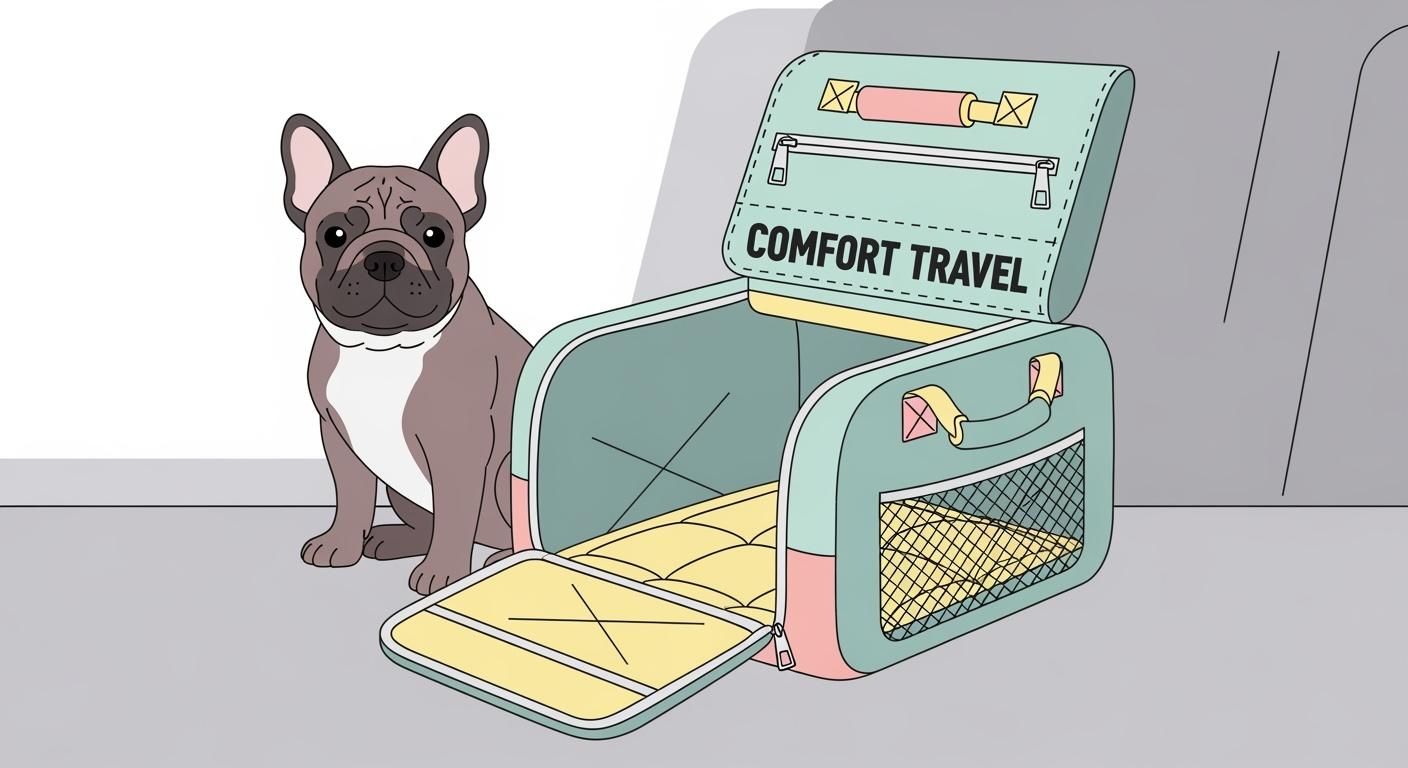
Canine Bag Materials and Construction for Durable, Easy-Clean Carriers That Minimize Returns

Canine Bag Materials and Construction for Durable, Easy-Clean Carriers That Minimize Returns

Choosing the right materials and construction methods is the foundation of a durable, easy-clean canine bag. Strong fabrics, smart reinforcement, and clear care instructions help carriers survive daily commuting, vet visits, and weekend trips without falling apart. In 2024, industry reports estimate that the global pet carrier segment is worth around USD 800–900 million and is on track to roughly double over the next decade. When your bags last longer and are easier to maintain, customers return them less often and your product line avoids complaints and costly returns.

Evidence-based scope and audience

This guide is written for retail buyers, category managers, sourcing teams, and quality specialists who manage dog carrier assortments. It combines insights from pet carrier market reports, textile performance data, and real-world feedback from daily commuting, air travel, and veterinary use between 2011 and 2025.

Numbers in this article are rounded into practical ranges so that your team can use them as directional benchmarks, not as precise predictions for any single store or region.

Key Takeaways

  • Pick tough materials like 600D polyester and ballistic nylon. These fabrics last longer and do not break easily. This means people return them less often.

  • Add features that make cleaning simple, like removable liners. Buyers can keep their bags clean more easily. This stops complaints about bad smells.

  • Make sure your carriers follow airline rules. Use clear labels to show they are safe and the right size. This lowers the chance of returns for safety or size problems.

  • Use strong seams and sturdy zippers. These building methods make the bag last longer. They also stop damage that causes returns.

  • Put mesh panels in the carrier for airflow. Good air movement keeps pets cool and comfortable. This helps prevent pets from getting too hot when traveling.

  • Give easy cleaning instructions with every bag. This helps buyers know how to care for their bags. It also means fewer returns because of cleaning problems.

  • Try your products in real-life situations. This lets you find weak spots before selling. It makes sure the carrier works well every day.

  • Add comfort features like straps that fit well. Comfortable carriers make customers happy. This means fewer returns because of discomfort.

Canine Bag Market and Return Challenges

Market Growth and Expectations

The pet travel market keeps expanding as more owners take dogs on trips, errands, and daily commutes. Buyers expect carriers that look good, feel premium, and work reliably for years, not just for a single flight. That means stronger fabrics, better hardware, and construction that stands up to repeated loading, cleaning, and storage.

At the same time, carriers must fit changing expectations from airlines, ride-share drivers, landlords, and veterinarians. There is no single global rule set, but most operators expect clear sizing information, secure closures, adequate ventilation, and cleanable interiors. If your carriers fail on any of these points, customers may be refused at boarding or receive complaints from others, which often leads to returns or negative reviews.

Common Return Reasons for Carriers

Returns can hurt your business. You face problems when customers send back a carrier. Some common reasons are:

  • The carrier does not clearly match typical airline requirements. Buyers may be turned away at check-in and then return the product, even if the carrier works well in other travel situations.

  • Sizing information is unclear. If customers cannot tell if a dog fits, they return the product.

  • Materials do not last. Weak fabrics or bad construction cause complaints about durability.

  • Fraudulent returns. Some people use your return policy in a bad way. This makes costs go up.

  • High processing costs. Handling returns for small carriers can cost more than the item.

  • Logistical issues. Large carriers are hard to store and ship back. This makes returns harder.

Tip: Give clear product details and use strong construction. This helps lower these problems. You can reduce returns by focusing on quality and clear information.

You should track these return reasons in your data. This helps you see patterns and improve your products. When you fix these problems, buyers trust you more. You also save money for your business.

Essential Material Qualities for Dog Carrier Bags

Durability and Wear Resistance

You want your canine bag to last a long time. Durability is very important for your products. Pick materials that do not scratch or tear easily. These should also handle daily use well. Some good choices are:

  • 600D Oxford cloth, which is tough and resists scratches.

  • Reinforced denim, which does not wear out fast.

These materials help your dog carrier bag stay strong. They can handle rough travel, storage, and cleaning. Using strong fabrics means fewer problems and fewer returns. Buyers want a carrier that does not break. Good materials protect your business and your reputation.

Cleanability and Maintenance

Easy cleaning keeps your carrier looking nice and clean. Buyers want to keep their dog’s space fresh. You should pick materials that are simple to clean. Cleaning steps are different for each material. The table below shows the best ways to clean each type:

Material Type

Cleaning Method

Leather

Brush off dirt, use mild soap for stains, do not soak in water, and use leather conditioner.

Canvas and Nylon

Vacuum dirt, use warm water with gentle soap, and dry well.

Mesh and Linings

Machine wash parts if allowed, use pet-safe soap, and wipe mesh with vinegar and water.

Give clear cleaning steps to your buyers. This helps them keep the carrier in good shape. It also stops complaints about smell, stains, or dirt. You will get fewer returns if cleaning is easy.

Tip: Add care labels and cleaning guides to every carrier. This helps buyers and makes them happy.

Safety and Comfort

Safety is a core requirement for any dog carrier bag. For soft and semi-rigid designs, focus on structural integrity, secure closures, stable floors, and safe attachment points rather than relying only on marketing claims. There is currently no single government crash standard written specifically for pet carriers, but some manufacturers use voluntary dynamic tests at independent laboratories to understand how their products behave in sudden stops or minor impacts.

When you review safety claims, ask suppliers for simple test summaries that explain the test speed, load, and attachment method instead of accepting vague phrases such as “crash tested” or “airline approved.” Clear safety information and realistic performance descriptions help buyers make better choices and reduce surprise-driven returns.

Comfort is also important. Soft linings, mesh for air, and good design help dogs feel safe. When you use safe and comfy materials, buyers trust you more. This means fewer returns because buyers are happy.

Best Materials for Dog Carrier Bags

Best Materials for Dog Carrier Bags

Canvas, Denim, and Ballistic Nylon

您肯定希望您的犬用包经久耐用。帆布、牛仔布和弹道尼龙都是结实耐用的外层材料之选。这些材料不易磨损,有助于延长犬用包的使用寿命,减少退货。

Canvas is good for tough trips. Denim looks classic and is strong. Ballistic nylon protects the bag from scratches and bumps. The table below shows how these materials compare:

Fabric Type

Tensile Strength (warp/weft, N)

Tear Strength (N)

Abrasion (Martindale)

1000D Ballistic Nylon

720 / 650

58

20,000+

Canvas (16oz cotton)

2200 / 2000

90-120

20,000-30,000

Denim

2000-2500 / 1800-2200

90-120

20,000-30,000

Canvas and denim are very strong and hard to tear. Ballistic nylon does not wear down and keeps pets safe. You can pick the best material for your bags by looking at returns and what buyers want.

Tip: Use two layers of canvas or extra-strong denim at stress spots. This helps the bag hold heavy things and take rough use.

600D Polyester and Reinforced Mesh

600D polyester is light and strong. It does not let water or stains in. You can clean it fast, so buyers keep the bag fresh. Reinforced mesh lets air in and keeps dogs cool. Mesh panels also make the bag safer by letting air move.

Soft bags often use 600D polyester and mesh. These materials make the bag easy to carry and store. You can add liners that go in the washing machine. Buyers like this because it stops smells and dirt.

Note: Reinforced mesh needs strong sewing. Weak mesh can rip and cause returns. Always check if your mesh is good quality.

Hard-Shell and Rigid Construction

Hard-shell bags use molded plastics or other rigid materials to provide more structure and surface protection than soft carriers. They help shield dogs from everyday knocks, rough handling, and stacking in cars or storage areas, and they are less likely to collapse under light external pressure. However, most hard-shell pet carriers are not certified crash-protection devices, so they should still be used together with appropriate restraint systems in vehicles.

The table below shows how hard-shell and soft-shell bags differ in typical durability, weight, and comfort trade-offs.

Feature

Hard-Shell Carriers

Soft-Shell Carriers

Durability

More resistant to impacts and accidents

Less durable, may not withstand rough handling

Protection

Provides solid construction and stability

Offers reasonable protection but less secure

Portability

Heavier and less flexible

Lightweight and flexible, easier to carry

Comfort

Secure but less plush

Cozy and breathable environment for pets

Maintenance

Harder to clean, requires more effort

Usually machine washable, easier to maintain

Hard-shell bags are best when safety matters most. They keep their shape and protect dogs from hits. Soft bags are more comfy and let air in. You can pick the right type for your buyers by looking at what they need and your returns.

Tip: Sell both hard-shell and soft bags. This helps you give buyers more choices and get fewer returns.

Waterproof and Antimicrobial Linings

Waterproof and easy-clean linings are critical for carriers that handle accidents, spills, and wet paws. Thoughtful lining choices protect the outer shell from moisture, keep odors under control between cleanings, and make it easier for owners to keep the carrier in service instead of replacing it early.

Waterproof or water-resistant linings help stop liquids from soaking into the foam or fabric structure of the bag. When the surface is smooth and non-porous, messes can be wiped away quickly with mild cleaners. This reduces staining, keeps odors from building up, and gives buyers more confidence when they transport puppies, senior dogs, or pets recovering from illness.

You can see the main benefits in this table:

Feature

Description

Antimicrobial linings

Made to stop germs and infections

Fluid-proof inner coating

Stops leaks and keeps smells inside

Recommended for sick pets

Good for vet visits and emergencies

Many buyers now expect these hygiene features in a dog carrier. They want linings that do not hold smells, do not trap stains, and do not break down after repeated wiping. Common options include TPU-coated polyester, medical-grade vinyl, and fabrics treated with antimicrobial finishes. These materials help keep out liquids and make it harder for odor-causing microbes and mold to build up between cleanings.

Tip: Add a liner that is waterproof and can be removed. This makes cleaning simple and helps the bag last longer.

Antimicrobial or odor-control linings are especially useful for carriers used in clinics, grooming salons, boarding facilities, or rental fleets. In these environments, bags are cleaned frequently and see many different animals, so surfaces that resist staining and odor buildup help staff work faster and keep equipment in service longer. For retailers and brands, this can mean fewer complaints and fewer returns related to smells, stains, or cleaning difficulty.

When you use waterproof and antimicrobial linings, buyers know you care about safety and quality. This helps you earn trust and get fewer returns.

Construction Techniques for Durability

Construction Techniques for Durability

Reinforced Stitching and Seams

You want your carrier to last a long time. Strong stitching and seams are very important. Double-stitched seams and bar-tacked spots stop rips and fraying. These methods help the bag hold heavy things and rough use. Ask your suppliers if they test seam strength. Many brands use box-stitching on handles and corners to make bags stronger. Flat-felled seams keep the bag from splitting, even if a dog moves a lot inside.

Tip: Check samples for loose threads or bad stitching. These problems can cause early returns and hurt your reputation.

Good seams help the carrier keep its shape. You will get fewer complaints about ripped bags. Buyers want a bag that works for travel, cleaning, and daily use. Strong seams help you meet what buyers want.

Quality Zippers and Closures

Zippers and closures help make bags strong and safe. Pick heavy-duty zippers made from metal or strong plastic. Lockable zippers stop the bag from opening by accident. Small clasps on zipper pulls make a pet-proof lock. This keeps dogs inside when you travel. Tether leads add more safety by holding pets in place.

  • Lockable zippers make the bag safer and stop escapes.

  • Tether leads keep the dog from moving too much.

  • Good zipper materials help the bag last longer.

  • Small clasps on zippers make the bag safe and easy to use.

You want closures that work well and do not get stuck. Weak zippers break and cause returns. Buyers want bags that are safe and work every time. When you use better hardware, you get fewer returns and buyers trust you more.

Removable and Washable Liners

Removable and washable liners make cleaning easy. You can take out the liner and wash it in a machine. This keeps the bag fresh and free from bad smells. Many dog carrier bags have these liners to help keep things clean. Buyers like easy cleaning, especially after trips or vet visits.

  • Removable liners make cleaning and drying fast.

  • Washable liners stop bad smells and keep the bag fresh.

  • Clean liners help keep the dog safe and healthy.

Design liners that fit well but are easy to remove. Machine-washable fabrics save time and stop complaints about stains or smells. Your bags stand out when you make cleaning simple. Buyers notice these features and trust your brand.

Note: Always give clear care instructions with each bag. This helps buyers keep the bag in good shape and lowers returns.

Seamless Interior Design

Seamless interior design helps your dog carrier last longer. It also keeps the inside clean and healthy for dogs. When there are no extra seams, dirt and hair have fewer places to hide. This makes it much easier for buyers to clean the carrier. The inside stays fresh for every dog.

Many carriers with seamless interiors have a removable floor. Buyers can take out the floor and wash it by itself. This makes cleaning simple and fast. Breathable mesh lets air move inside the carrier. Good airflow stops bad smells and keeps the inside dry. This is important for the dog’s comfort and health.

Seamless interiors also make the carrier fit better and keep dogs safe. Fewer seams mean the carrier is stronger and does not tear easily. This helps your products last longer and lowers the chance of returns from damage. Smooth, flat surfaces stop paws or claws from getting stuck.

Here are some benefits of seamless interior design for your carrier:

  • Easier cleaning: There are no hidden seams for dirt to hide.

  • Improved hygiene: Mesh and removable floors keep the carrier fresh.

  • Better fit and security: Fewer seams make the carrier stronger and safer.

  • Enhanced comfort: Smooth surfaces stop irritation and make dogs feel good.

Tip: Ask your suppliers to use seamless designs with good mesh and removable parts. This makes it easy for buyers to clean their carriers and keeps them happy with your products.

When you use seamless interior construction, buyers see that you care about durability and hygiene. This means fewer complaints and returns. Your brand gets stronger, and your business can grow.

Design Features to Reduce Returns

Ventilation and Airflow

You want every dog to be safe and comfy when traveling. Good ventilation is very important in a carrier. Mesh panels on the sides or top let air move in and out. This stops the carrier from getting too hot. It also keeps the inside smelling fresh. Mesh sides let dogs look outside. This can help them feel less scared when traveling. Mesh carriers are best for hot days because they let in lots of air. Canvas is strong and lets air in too. Do not use closed plastic carriers for long trips unless you have air conditioning.

Common veterinary guidance notes that signs of overheating include heavy panting, excessive drooling, bright red or very pale gums, weakness, and confusion. If a dog shows these signs in a carrier, move them to a cooler area immediately, offer small sips of water, and seek veterinary advice as needed.

You can make ventilation better by picking light frames and adding openings you can adjust. These let buyers change how much air comes in, depending on the weather. A roomy carrier helps air move around the dog. Water-resistant insides and soft padding keep the carrier clean and cozy.

Key ventilation solutions:

  • Mesh panels let air in and help dogs see out

  • Light frames stop the carrier from getting too hot

  • Openings you can adjust let you control the airflow

  • Roomy carriers help dogs stay comfy

Secure Closures and Escape Prevention

Secure closures stop one of the main reasons for returns—pets getting out during travel. Locking zipper closures and anti-escape parts help buyers feel safe. Small clasps hold zipper pulls together so the carrier does not open by mistake. Strong metal buckles and locks make the carrier even safer.

Feature

Description

Locking Zipper Closures

Small clasps hold zipper pulls together so the carrier does not open by mistake, but you can still open it easily.

Escape-Proof Peace of Mind

Anti-escape parts like strong metal buckles and locks keep pets safe when traveling.

When you add these features, buyers know you care about safety. This means fewer complaints and fewer returns from escapes or broken closures.

Ergonomic Straps and Support

Carrying a dog carrier should not hurt or be hard. Ergonomic straps and support help your buyers a lot. Adjustable straps let people fit the carrier to their body. Two shoulder straps spread the weight, like a baby carrier. This stops pain in the waist and shoulders. An adjustable waist belt gives even more support. Soft, airy insides keep both the pet and the person comfy on long walks or trips.

You can make your products better by adding these comfort features. Buyers will see the difference, and you will get fewer returns from discomfort or a bad fit.

Structural Integrity and Shape Retention

You want every carrier to stay strong and keep its shape. The bag should not sag or fall apart when a dog moves. This helps buyers trust the carrier for trips and daily use. If you focus on these things, you get fewer returns from damage or bad fit.

Materials are important for making the carrier strong. Ultralight ROBIC nylon and Kevlar make it very tough. Waterproof zippers stop water from getting inside. You can ask your suppliers to add special pockets and mesh that stretches. Reflective stripes help people see the carrier at night. These choices make your bags different from others.

Feature

Description

Materials

Ultralight ROBIC nylon and Kevlar construction, waterproof zippers

Design

Purpose-built compartments, expandable mesh pockets, reflective stripes

Weight Distribution

Centers 80% of weight over the dog’s shoulders, balanced bilateral design

Movement

Articulated harness for free range of motion, anti-sway stability

Safety

Veterinarian-approved design, pressure-mapped for comfort, promotes posture

Your carrier should keep its shape on long trips. Most of the weight sits over the dog’s shoulders. This makes the bag steady and comfy. Articulated harnesses let dogs move easily and stop the bag from swinging. Compression systems help the bag fit close but not too tight. These features make it easier to get the dog out in hard places and help in emergencies.

Your buyers will see these good things:

  • Faster movement in emergencies with less heavy gear

  • Easier to get the dog out in tough spots

  • Better balance and movement on steep ground

  • Less tiredness, so people make better choices

Shape retention also helps air flow. When the bag keeps its shape, mesh panels stay open for air. This keeps the inside cool and fresh for the dog. You will not get complaints about heat or bad air.

You should check each carrier for weak spots and pressure points. Ask your suppliers which strength and durability tests they use for handles, straps, and anchor points, and request basic test reports where possible. Consistent tensile, seam, and hardware testing shows that a design can handle repeated lifting, stacking, and movement without sudden failure. Buyers want a carrier that looks good and still works properly after many uses.

Tip: Pick designs with articulated harnesses and balanced weight. These features help your bags stand out and lower returns.

When you make carriers with strong shape and structure, buyers trust your brand. Your bags are known for being good quality and lasting a long time. You get fewer complaints and more happy customers.

Maintenance and Cleaning Tips for Carriers

Routine Cleaning Procedures

You want your products to last and stay clean. Cleaning them often helps them last longer. It also keeps buyers happy. Here are some easy steps to follow:

  1. Take everything out. Remove the dog, toys, and padding.

  2. Clean with a vacuum. Use a small vacuum or brush to get hair and crumbs from pockets and mesh.

  3. Test a small spot. Put a little soap on a hidden spot to check for fading or damage.

  4. Make a cleaning mix. Mix warm water with gentle soap or pet-safe cleaner.

  5. Wipe the bag. Use a sponge or cloth in the mix to clean all parts, especially stains and smells.

  6. Scrub gently. Use a soft brush for tough spots, but do not hurt the material.

  7. Rinse well. Wipe off soap with a clean, wet cloth.

  8. Let it dry. Leave the carrier open in a breezy place, but not in the sun, to stop fading and mold.

Tip: Cleaning often keeps your bags looking nice and stops complaints about smells or stains.

Material-Specific Care

Different materials need different cleaning steps. You should give clear instructions for each type you sell. The table below shows how to clean some common materials in dog carriers:

Material

Cleaning Instructions

Additional Notes

Cordura

Clean with a damp sponge and gentle soap. Rinse with a wet cloth and let it air dry.

Do not use a washing machine or it may lose its shape.

Coated Canvas

Wipe with a damp cloth and mild soap. Keep away from too much light, heat, or water.

Use leather cleaner for handles. Be careful about colors rubbing off.

Repreve® Recycled Poly

Clean with mild soap and cold water using a soft white cloth. Shape it while still damp.

Do not use strong cleaners like alcohol or acetone. Lay flat to dry, not in the sun.

Note: Giving clear cleaning steps helps buyers keep bags nice and lowers returns from cleaning problems.

Demonstration Videos and Tutorials

You can make buyers happier by giving them cleaning videos and guides. These videos show how to clean and care for each bag. Short, simple videos help buyers learn the right way to clean. Guides can show how to take out liners, clean mesh, and care for hard-shell bags. You can put QR codes on the box or tags that link to these videos.

  • Videos help buyers learn and stop confusion.

  • Guides help stop damage from cleaning mistakes.

  • Videos and guides help lower returns from cleaning problems.

Tip: Ask your suppliers to help make easy cleaning guides for every bag you sell. This helps buyers keep bags looking new and makes your brand look good.

Common Mistakes in Canine Bag Design and Construction

Weak Reinforcement in Stress Areas

You must watch stress points on every carrier. Handles, straps, and corners get pulled a lot. If you do not make these spots stronger, bags break more often. This means more returns and unhappy buyers. Many bags get sent back because seams rip or handles come off. This happens when people carry heavy dogs. You should use double stitching, bar tacks, or rivets on these spots. Ask your suppliers to test these areas with weight and movement. Making stress points stronger helps your bags last longer. It also keeps your brand looking good.

Tip: Check your returns for patterns. If handles or seams break a lot, change your design right away.

Hard-to-Clean Materials

You want buyers to clean their bags easily. If you pick materials that hold dirt, hair, or smells, buyers get upset. Materials like untreated canvas, open-weave fabrics, or rough linings trap stains and odors. These choices cause complaints and returns. You should use smooth, coated, or wipeable surfaces inside and outside. Removable liners and machine-washable parts help too. Easy cleaning stops hygiene problems and keeps buyers happy.

  • Pick coated polyester, TPU linings, or antimicrobial fabrics.

  • Do not use deep textures or fabrics that soak up liquids.

  • Give clear cleaning steps with every bag.

Overlooking Safety and Comfort

You should always think about the dog’s safety and comfort. If you forget these things, you get more returns and bad reviews. Buyers want safe closures, mesh panels for air, and soft, padded insides. If your bag does not have these, pets can escape or get stressed. This can cause damage, injury, or lost sales. Always check that your bags meet safety rules and airline needs. Add locking zippers, tethers, and air panels. Padded straps and soft bedding also matter to buyers.

Note: Check safety rules often and update your bags. This helps you stay ahead and get fewer returns.

If you avoid these mistakes, your bags stand out in the market. You also earn trust and get fewer returns.

Inadequate Real-World Testing

You want your product line to perform well in every situation. If you skip real-world testing, you risk missing problems that only show up during actual use. Many brands test their carrier in a lab or with basic checks. These tests do not show how the bag works when buyers use it for travel, daily walks, or emergencies. You need to see how your carrier holds up in cars, airports, and outdoor settings.

Real-world testing helps you find weak spots. For example, a handle might feel strong in the factory, but it could break when someone carries a heavy dog up stairs. Zippers may work well in a quiet room, but they can jam when exposed to dust or fur. Mesh panels might look sturdy, but they could tear after repeated cleaning. You should ask your suppliers to run field tests with actual pets and people. This helps you see how the carrier performs under stress, movement, and cleaning.

Here are some steps you can use to improve your testing process:

  • Give samples to buyers or staff for daily use.

  • Test the carrier in cars, airports, and outdoor areas.

  • Check how the bag handles cleaning, spills, and pet accidents.

  • Watch for problems with seams, zippers, and mesh after repeated use.

  • Ask for feedback about comfort, safety, and ease of cleaning.

Tip: Use a checklist for every test. Track how the carrier performs in different conditions. This helps you spot patterns and fix problems before launch.

You can also use a table to organize your testing plan:

Test Scenario

What to Check

How Often

Car travel

Handle strength, shape

Weekly

Airport use

Zipper function, closures

Monthly

Outdoor walks

Mesh durability, comfort

Weekly

Cleaning routines

Liner removal, stain resistance

After each use

If you do not test your carrier in real life, you may get more returns. Buyers want products that work in their daily routines. You can lower complaints and improve your reputation by finding and fixing problems early. Real-world testing helps you build trust with your buyers and keeps your product line strong.

The materials and how you build your canine bags affect how long they last, how easy they are to clean, and how often people return them. If you pick strong fabrics and make stress points tougher, your carrier will handle daily use and cleaning well. To get fewer returns and give buyers more value, you should:

  1. Pick tough outer fabrics for the best dog carrier.

  2. Use soft linings inside so dogs feel comfortable.

  3. Make seams and stress points stronger.

  4. Add mesh panels so air can move through.

  5. Use closures that keep dogs from escaping.

  6. Check how much weight the bag can hold to keep dogs safe.

Look at your current products and what your suppliers do. Spending money on better materials and strong construction helps buyers trust you and means you get fewer expensive returns.

Evidence base and methodology

The guidance in this article is based on pet carrier market research, textile performance data, airline and ground-transport requirements, and real-world use cases from 2011–2025. Where different sources give slightly different values, figures are rounded into practical ranges so that retailers and sourcing teams can use them as planning benchmarks rather than precise predictions for any single region.

Descriptions of strength, abrasion resistance, and cleaning performance reflect typical lab test results for common fabrics and constructions, not guarantees for every product in the category. For any specific carrier, your team should review the latest fabric specifications, test reports, and supplier documentation before making detailed safety or compliance claims.

Professional disclaimer

This guide is intended to support assortment planning, sourcing decisions, and quality management for retailers, distributors, and brands. It does not replace legal, regulatory, or veterinary advice. For questions about specific regulations, airline requirements, or animal health conditions, your team should consult qualified legal counsel, regulatory specialists, or veterinarians.

FAQ

What materials help reduce returns for dog carrier bags?

Pick strong fabrics like 600D polyester, ballistic nylon, or reinforced canvas. These materials do not wear out fast. They are also easy to clean. Strong fabrics help your bags last longer. This means you get fewer returns.

How do you make a dog carrier easy to clean?

Use liners that you can take out and wash in a machine. Smooth, coated surfaces are good too. These features let buyers clean the bag fast. Easy cleaning keeps your bags fresh and stops complaints.

Why do buyers return dog carriers most often?

People return bags for a few reasons. Sometimes the size is not clear. Weak materials break or tear. Some bags are hard to clean inside. Zippers can break too. You can get fewer returns by making details clear, using strong parts, and giving cleaning steps.

What construction methods improve durability?

Use double stitching and bar tacks at stress spots. Reinforced seams make the bag stronger. Good zippers and safe closures help too. These methods keep your bags strong for daily use and travel.

How can you ensure your carrier meets airline requirements?

Start by designing carriers around common cabin size, ventilation, and leak-proof requirements used by major airlines, and clearly label the external dimensions and weight limits. There is no single global “airline approved” standard, so buyers must still check the latest rules for their specific carrier and route before flying. Clear sizing charts, fit guides, and warnings about typical restrictions reduce surprises at check-in and help prevent returns after a refused flight.

What features do buyers value most in a dog carrier?

Buyers want bags that last, are easy to clean, and keep pets safe and comfy. Mesh panels, comfy straps, and waterproof linings are important. These features make your bags better and lower returns.

How do you test a dog carrier for real-world use?

Test your bags with real pets and people. Try them in cars, airports, and outside. Look for problems with seams, zippers, and mesh after many uses. Real-world tests help you find problems before you sell the bag.

What is the best way to communicate cleaning instructions?

Add care labels, printed guides, or QR codes for videos. Clear steps help buyers clean the bag right. This means fewer returns from cleaning mistakes.

Get A Free Quote Now !

Table of Contents

Blog

Canine Pulling Harness How to Spot Wear Before a Hard Pull Turns Risky

Spot wear on your canine pulling harness by checking stitching and hardware before each hard pull to ensure durability and keep your dog safe.

Puppy Collars Custom: How to Check Tightness and Prevent Slipping Safely

Puppy collars custom should fit snugly with two fingers under the collar. Use the slip test to prevent loss and keep your puppy safe and comfortable.

Dog Running Leash: How to Select Hands-free or Standard Based on Real Pulling Patterns

Choose the right dog running leash by matching hands-free or standard setups to your dog's pulling and walking style for safety and control.

Dog Carry Bike Risk Checklist: Body Language Warnings and When to Stop Immediately

Spot stress or danger in your dog during dog carry bike rides. Learn body language warnings and when to stop for your dog's safety on hikes or rainy walks.

Which Waterproof Dog Bed Stays Dry on Wet Ground?

A waterproof dog bed with sealed seams, strong base, and high hydrostatic head value keeps your dog dry on wet ground during outdoor use.

Dog Leashes: How to Spot Wear Before a Leash Fails on a Walk

Check dog leashes for fraying, weak stitching, and hardware issues before walks. Spot stress points early to prevent leash failure and keep your dog safe.
Scroll to Top

If You Have Any Questions, Please Do Not Hesitate To Contatct With Us.

Get A Free Quote Now !

Welsh corgi wearing a dog harness on a walk outdoors





