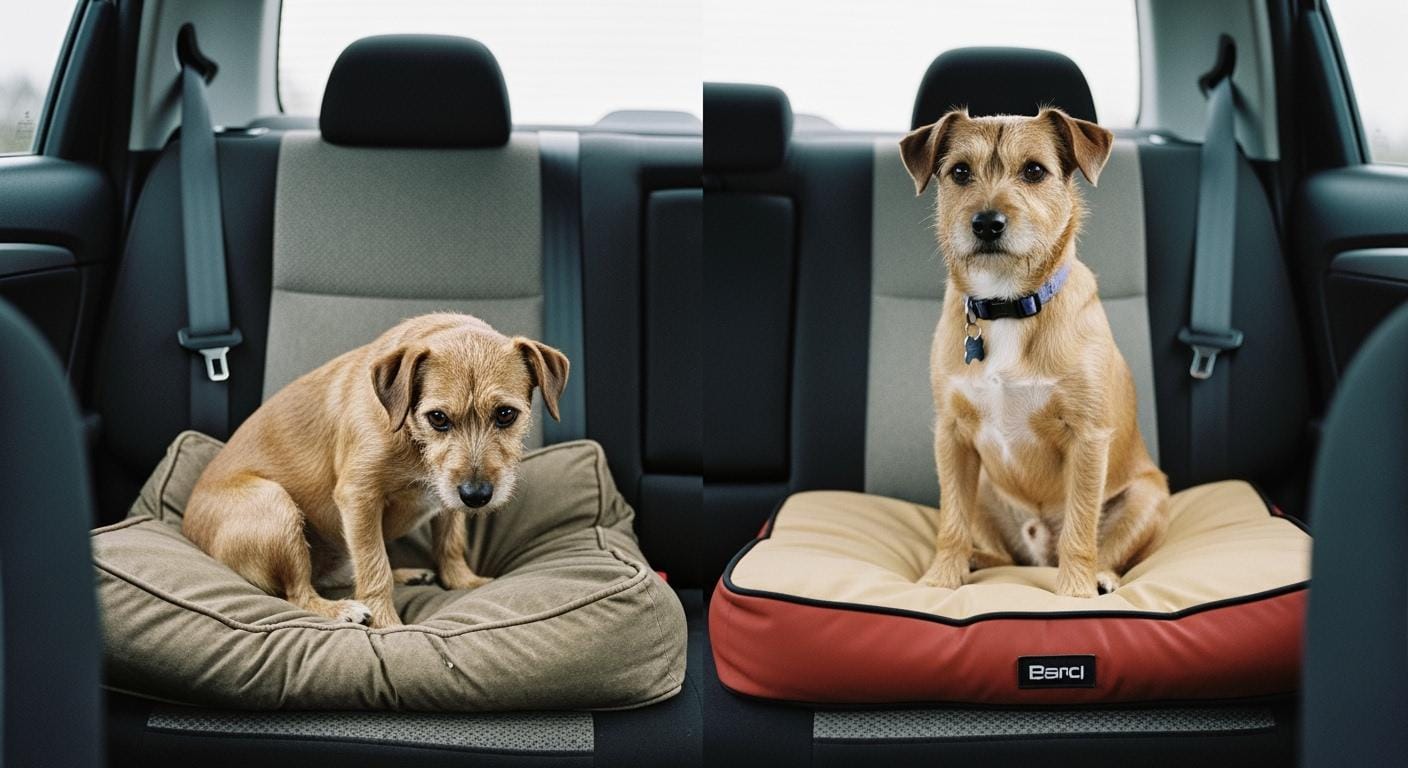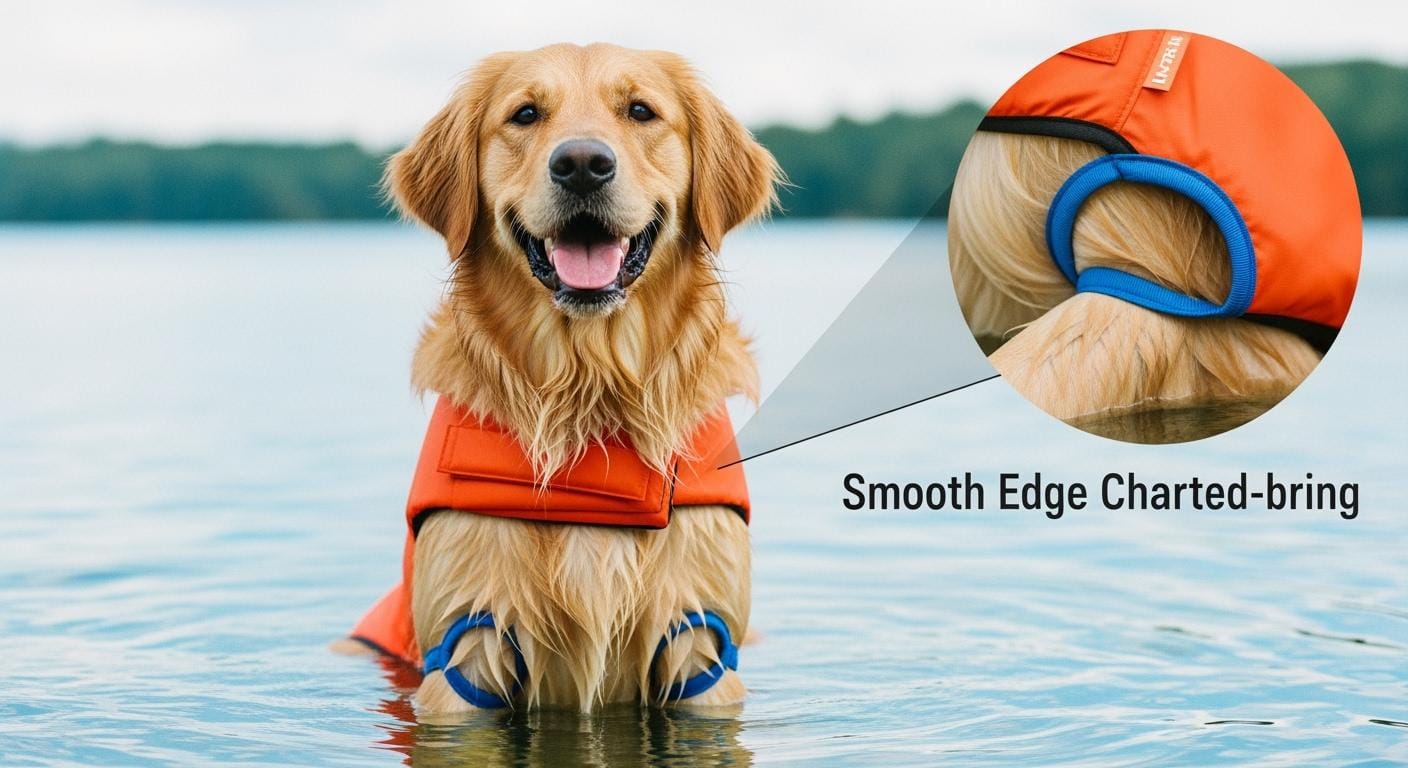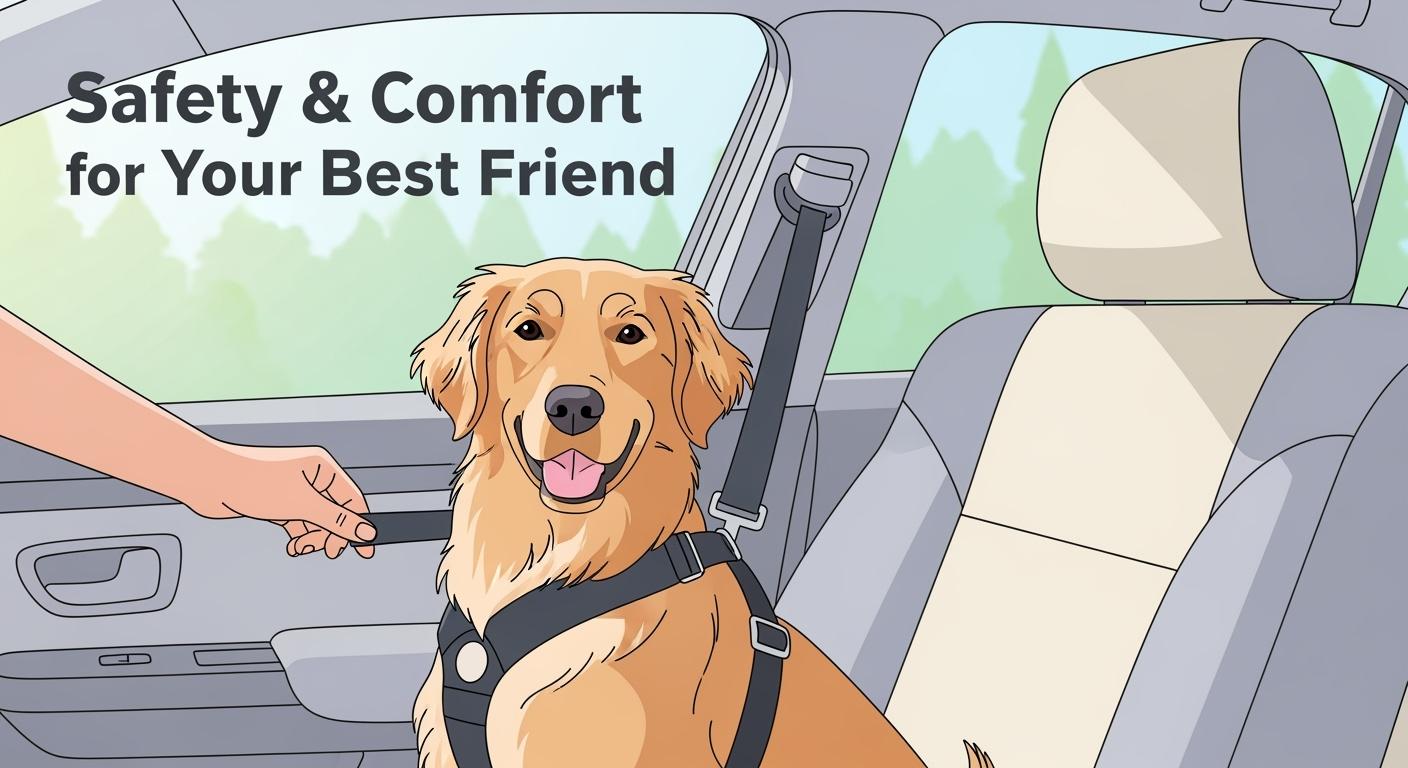
You keep dogs and people safe when you use a dog seat belt in the car. More than half of pet owners take their dog in the car at least once a month.
Percentage | Description |
|---|---|
56% | Pet owners who drive with their dog at least once a month over the past year. |
Even though dog safety is important, almost half of owners do not use any restraint for their dog. Only a few owners use a pet safety system.
Statistic | Percentage |
|---|---|
Owners without safety gear | 48% |
Owners allowing dogs in front seat | 41% |
Owners with a pet safety system | 5% |
Your products can help more people as the dog car safety market gets bigger fast.
The dog car seat market is worth about USD 226 million and will grow.
The bigger market for dog car seats and restraints is worth around USD 600 million and could double.
A good fit, training, and putting dogs in the backseat help keep dogs safer and more comfortable when they travel.
Key Takeaways
Using a dog seat belt helps keep pets safe in cars. It also keeps people safe when traveling with dogs. Almost half of dog owners do not use any restraint. This shows there is a big safety problem. The dog car safety market is growing fast. Stores have a chance to help more customers. Making sure the seat belt fits right is important. Training dogs to use seat belts is also needed. This helps dogs stay safe and feel good in the car. Dogs without restraints can bother drivers. This can make accidents more likely. Crash-tested products help protect dogs in crashes. They can stop dogs from getting badly hurt. Teaching customers about pet safety is important. It can help sell more safety products. Selling many types of dog seat belts is good. Car seats for different dog sizes make customers happy.
Dog Seat Belt Safety and Market Trends
Evidence-based scope and audience
This guide is written for retail buyers, category managers, sourcing teams, and distributors who manage dog car safety assortments. It draws on national pet ownership surveys, road-safety statistics, and independent crash-test programs for pet restraints and child restraints from 2011–2024.
Percentages in this article are rounded so they work as practical benchmarks for product planning and staff training rather than as precise predictions for a single country or store.
Pet Car Travel Frequency
Data on Dog Owners’ Travel Habits
You see more buyers looking for ways to keep their dogs safe during car trips. Many dog owners make car travel a regular part of their lives. You can use these facts to understand your customers better:
- Recent national surveys show that most dog owners have taken their pets on at least one car trip in the past year.
- More than half of respondents say their dog rides with them in the car at least once a month, not just for vet visits.
- Many owners also take their dogs on several overnight or holiday trips each year, turning dogs into regular travel companions.
These numbers show that dogs are frequent passengers. Your store can meet the needs of buyers who want safe and comfortable travel solutions for their pets.
Tip: You can highlight these travel habits in your marketing materials to show buyers that dog seat belt safety matters for everyday life.
Growth in Dog Car Safety Products
Market Size and Core Categories
You notice strong growth in the market for dog car safety products. The demand for dog seat belt systems and dog car seats keeps rising as more owners learn about the risks of unrestrained pets. Your product line can include several core categories:
Crash-tested dog seat belt harnesses
Adjustable dog car seats for small and large breeds
Universal and vehicle-specific restraint systems
Padded and breathable comfort accessories
The market for pet travel accessories is growing quickly as more owners treat dogs as family members and look for safer car solutions. Dog seat belts, harnesses, and car seats now form one of the most dynamic product groups in this category, giving retailers room to build safety-focused assortments and premium price tiers.
Your buyers want products that protect their dogs and make travel easier. You can help them choose the right options by focusing on quality, fit, and ease of use. When you stock crash-tested and adjustable dog seat belt systems, you show your commitment to safety and customer satisfaction.
Note: You can train your staff to answer questions about dog seat belt safety and product features. This helps your customers feel confident about their purchases.
Risks of Unrestrained Dogs in Cars
When you let a dog ride in your car without a restraint, you increase the risk of an accident. Unrestrained dogs can move around, bark, or jump between seats. These actions distract you and make driving less safe for everyone.
Driver Distraction and Crash Risk
Survey Data on Distraction
You may notice that drivers often pay attention to their dogs instead of the road. Many drivers admit that their dog distracts them while driving. Here are some common behaviors:
- National driver surveys report that about three in ten drivers admit their dog has distracted them while driving.
- Roughly six in ten drivers say they have done at least one distracting behavior with their dog in the car, such as:
“All these behaviors can distract the driver and increase the risk of a crash,” experts say.
Your buyers need to know that distraction from a dog can lead to an accident. Your store can help by offering products that keep dogs secure and reduce distractions.
Impact Forces in Accidents
Example Crash Force Calculations
If a dog is not restrained, it can become a projectile during an accident. The force of impact can be much greater than the dog’s weight. You can see how dangerous this is in the table below:
Dog Weight | Speed (mph) | Force Exerted (pounds) |
|---|---|---|
10 pounds | 50 | 500 |
80 pounds | 30 | 2400 |
A dog weighing 77 pounds can develop projection forces equal to 40 times its weight in a crash at 25 mph. This means the impact force can reach about 3,087 pounds. In a 35 mph accident, an unrestrained dog can experience forces close to 5,300 pounds. At 30 mph, a dog can become a projectile, increasing the risk of severe injuries or fatalities.
Your product line should include seat belts and harnesses that protect dogs during an accident. You help your customers avoid these dangerous forces and keep their pets safe.
Injury Risks for Pets and Passengers
Ejection and Severe Injury
Unrestrained dogs face serious injury risks in an accident. They can be thrown from the car or hit other passengers. The risk of ejection is high, especially during a high-speed crash. Dogs can suffer broken bones, head injuries, or worse. Passengers also face danger if a dog becomes a projectile.
You can educate your buyers about these risks. Your store can offer safety solutions that prevent ejection and reduce injuries. When you promote dog seat belts and car seats, you show your commitment to safety for pets and people.
Tip: Remind your customers that using a restraint is the best way to protect dogs and passengers during every car trip.
Choosing Dog Seat Belts and Dog Car Seats
Fit for Large and Small Dogs
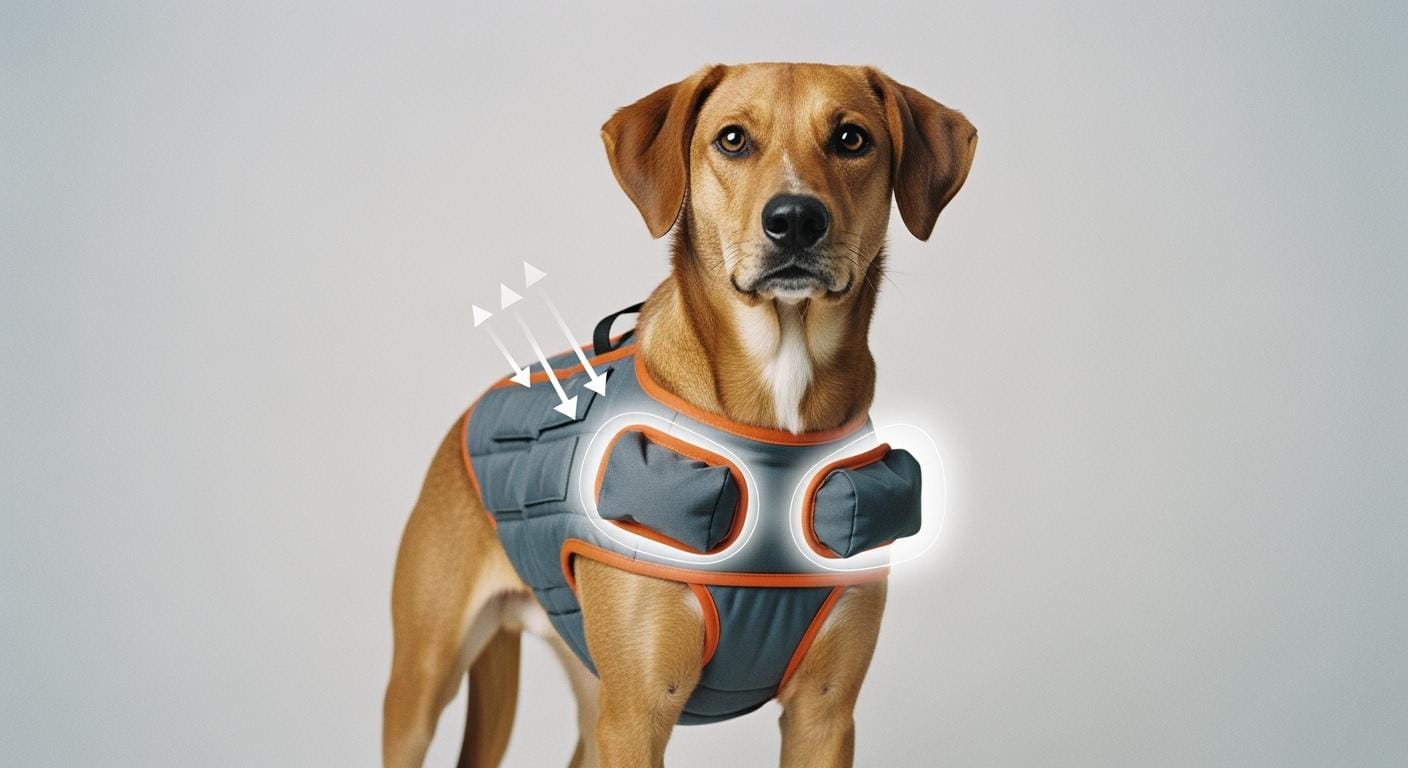
When you pick dog car seats and restraints, think about each dog’s size and breed. The right fit keeps dogs safe and comfy in the car. Small and large dogs need different things for safety. Small dogs can still make a lot of force if the car stops fast. Good harnesses spread this force over their bodies. Large dogs make even more force when the car moves fast. They need strong harnesses to stay safe. Small dogs under 25 pounds need special harnesses to spread out crash forces. Some harnesses for small breeds can lower crash forces by up to 40%. Large dogs need harnesses that can handle bigger forces and stop injuries. Small and medium dogs can slip out of harnesses that do not fit well. Special designs help keep them in place. The right harness for small dogs lowers the chance of injury in a sudden stop. Harnesses for big dogs must handle strong crash forces. Regular walking harnesses are not strong enough for car rides.
Harnesses vs. Carriers
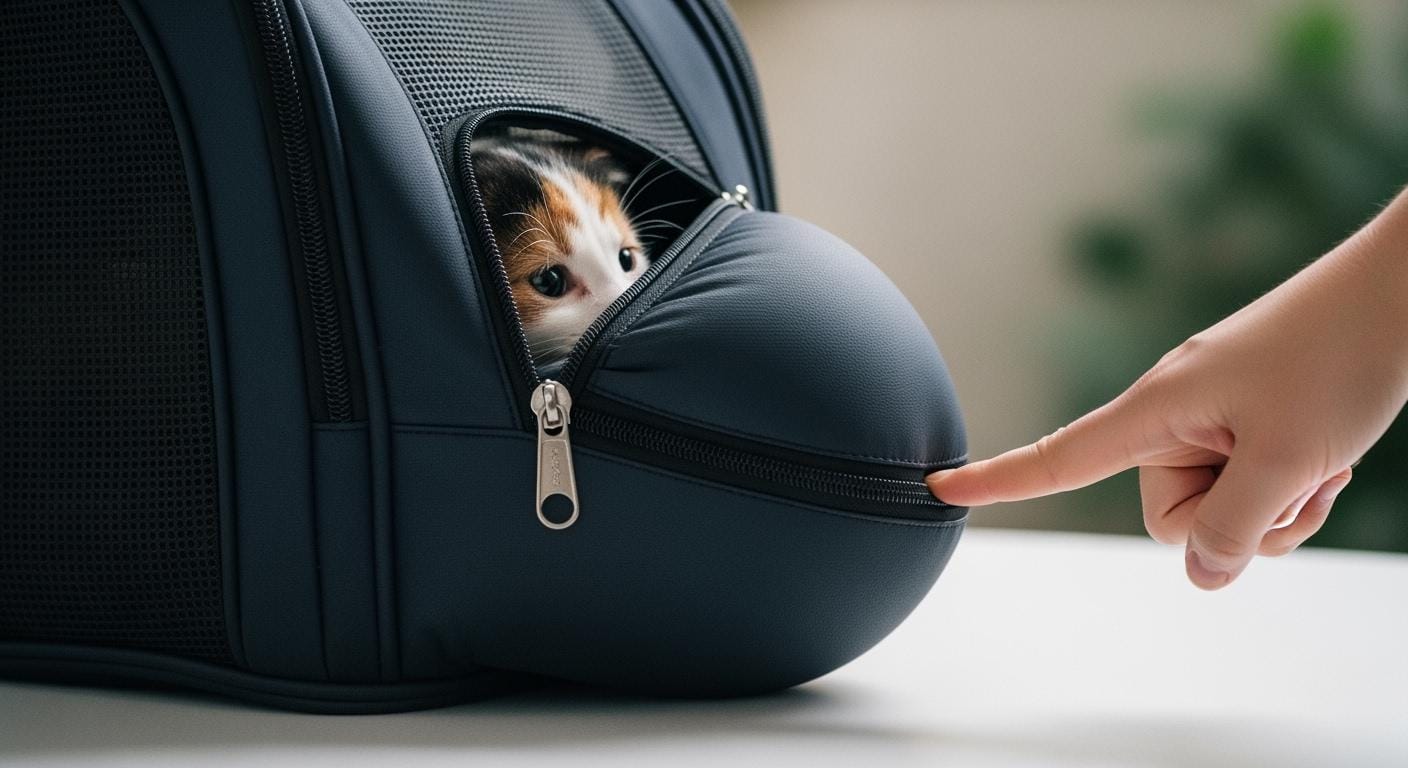
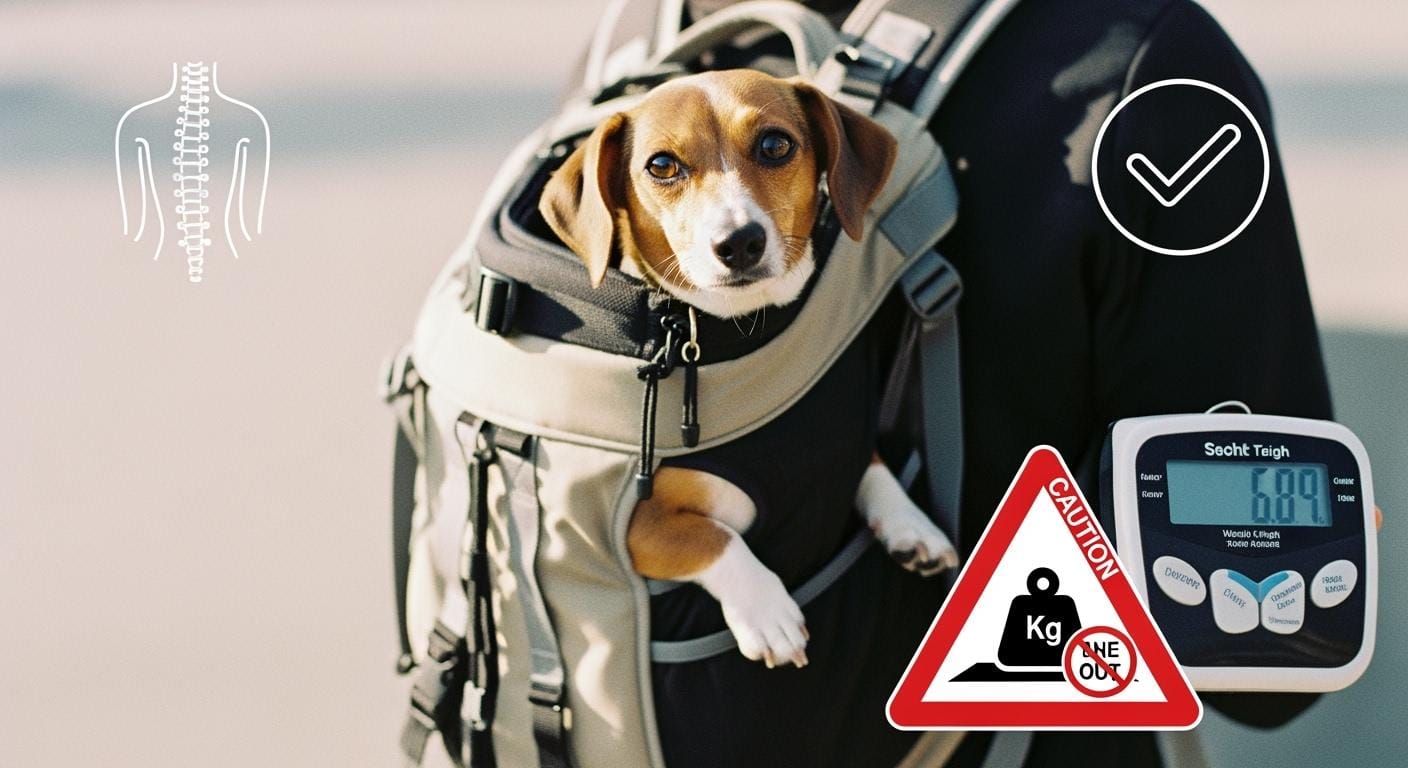
You can sell both harnesses and carriers in your store. Harnesses work for most dogs, especially if they are crash-tested and can be adjusted. Carriers are good for small dogs and puppies. Carriers give them a safe space in the car. Buyers should pick harnesses for big dogs and carriers for small dogs who need more protection.
Tip: Tell your customers to measure their dog’s chest and neck before they buy a car seat or harness. A good fit stops dogs from escaping and getting hurt.
Crash-Tested Safety Features
Your store should stock dog seat belts, harnesses, and car seats with documented crash performance, not only marketing claims. Dynamic sled tests show how well a product keeps the dog within a safe zone and how the webbing, buckles, and anchors behave under impact.
Independent crash-test programs for pet restraints have shown that many generic harnesses marketed for travel fail to keep a dog dummy secured at typical crash speeds, while a smaller group of purpose-built designs maintain their structure and keep the dummy on the seat. This is why it is important to understand what a “crash-tested” label really means.
Independent testing and how standards apply
There is currently no dedicated government crash standard written only for dog restraints. Most laboratories adapt procedures from child restraint and occupant protection standards when they test pet products. As a buyer, you need to know where these references apply directly and where they are only used as test inspiration.
| Product type | How safety standards apply |
|---|---|
| Child car seat (for children) | Must comply with national child restraint standards that require 30-mph crash tests and strict injury limits. These regulations apply directly to products designed for children, not to pet restraints. |
| Dog seat belt or harness | Not certified under child restraint or interior-fitting regulations. Some brands use crash-test protocols inspired by those standards in independent laboratories at around 30-mph test speeds. Treat these as voluntary performance tests and always ask for reports that describe the method and limitations. |
| Dog car seat or crate | Usually evaluated with voluntary sled tests that check whether the product stays attached to the vehicle and keeps the dog dummy contained. Products must also meet general consumer-product and chemical-safety rules for textiles, plastics, and hardware. |
When a dog seat belt or car seat is described as “crash tested,” ask which protocol was used, which laboratory ran the test, what dog size was tested, and what pass/fail criteria were applied. This helps your team separate strong, evidence-based products from generic accessories.
Note: Clear, accurate use of crash-test references builds long-term trust. It shows that your store understands the limits of human safety standards and how they can be adapted responsibly for pets.
Comfort and Adjustability
Comfort is just as important as safety. Dogs do better in the car when their harness fits well and feels nice. Adjustable harnesses and padded car seats help dogs stay calm and safe.
Padding, Breathable Materials
You can use this table to see what features make harnesses and car seats more comfy and easy to adjust:
Feature | Contribution to Comfort and Adjustability |
|---|---|
Material Quality | Strong materials make travel safer and more comfortable. |
Adjustability | Many adjustment points help fit all dog sizes. |
Overall Comfort | Good fit and nice materials make dogs feel better. |
Harnesses that adjust in length fit better and feel safer.
Harnesses with many adjustment spots work for most dogs.
Padding and airy materials help dogs stay cool and relaxed.
You can tell if a dog is comfy by watching how it acts when buckled in.
Buyers want dog car seats and harnesses that are safe, comfy, and easy to adjust. You can help them pick the right one for their dog’s size and travel needs. When you offer padded, airy, and adjustable choices, you make trips safer and more fun for pets and owners.
Tip: Remind your customers to check the fit of their dog’s harness or car seat before every trip. A snug, comfy fit keeps dogs safe and happy.
Compatibility with Car Models
Universal and Specific Designs
Your store should have dog seat belts and car seats for many cars. Buyers want products that fit their cars easily. You can pick from universal or specific designs for your store.
Universal designs work in most cars, SUVs, and trucks. These use straps, buckles, and connectors that adjust. You can put them in almost any backseat. Universal seat belts and harnesses help buyers with different cars. These products make it easier for your store to sell and stock.
Specific designs fit certain car brands or models only. These use special connectors or shapes. Some harnesses fit just one seat belt system. Some car seats are made for certain seats. Specific designs give a better fit and may be more stable. Buyers who want a perfect fit will choose these.
Design Type | Key Features | Buyer Benefits |
|---|---|---|
Universal | Adjustable, fits most vehicles | Easy to stock, flexible use |
Specific | Custom connectors, tailored fit | More stability, perfect fit |
You can help buyers by telling them about universal and specific designs. Ask what kind of car they have before they buy. Train your staff to check seat belt style, seat shape, and anchor points. This helps buyers pick the right product and lowers returns.
Tip: Keep both universal and specific designs in your store. Give guides or charts to show which products fit which cars. This helps buyers shop and trust your store.
Your store should have choices for every car type. You help buyers keep pets safe and comfy in any car.
Installing and Using Dog Seat Belts Correctly
Backseat Placement for Safety
Placing a dog in the backseat is one of the most important steps for safe travel. The backseat keeps pets away from the front airbags, which can cause serious injury during a crash. Airbags deploy with great force and can harm even large dogs. When you guide your buyers to use the backseat, you help them lower the risk of injury for both pets and passengers. Your store can include this advice in product guides and staff training.
Airbag Injury Prevention
Front airbags are designed for adults, not pets. If a dog sits in the front seat, an airbag can hit with enough force to cause broken bones or worse. You should always recommend backseat placement for all dog car seats and harnesses. This simple step protects pets from airbag injuries and keeps them safer in every ride.
Step-by-Step Installation
Proper installation of dog seat belts and car seats is key to safety. Many buyers make mistakes that reduce the effectiveness of these products. You can help your customers by providing clear instructions and tips for a secure fit.
Securing Harnesses and Carriers
Follow these steps to install a dog harness or carrier:
Place the harness or carrier in the backseat.
Attach the harness to the seat belt or anchor points as directed.
Adjust all straps so the harness fits snugly but does not pinch.
For carriers, secure them with the seat belt or built-in straps.
Double-check that the harness or carrier does not move more than an inch in any direction.
Common installation errors can affect safety and comfort. Use this table to help your buyers avoid frequent mistakes:
Issue | Description | Solutions |
|---|---|---|
Pet Seat Cover Doesn’t Fit Snugly on Deep or Wide Seats | Some covers may not fully fit on deeper or wider seats, leaving gaps. | Adjust straps and seat anchors tightly to secure the cover. Use extra side clips or tuck in excess material for a more tailored fit. |
Cover Shifts Too Much on Smooth or Leather Seats | Leather and synthetic materials may reduce grip, causing movement. | Ensure the non-slip backing is properly positioned against the seat. Tighten headrest straps for better stability and minimize shifting. |
Cover Interferes with Seat Functions | Some covers may block seat adjustments, making it difficult to fold or move seats. | Choose a cover with seat belt openings and foldable sections. Look for covers with flexible panels that adapt to different seat configurations. |
Tip: Encourage your staff to demonstrate installation in-store or offer printed guides. This helps buyers feel confident and reduces returns.
Training Dogs for Car Travel
Many dogs need time to get used to seat belts or car seats. Training makes travel safer and less stressful for pets and owners. You can share these steps with your buyers to help them build positive habits.
Gradual Introduction and Comfort
Start with short car trips to build comfort.
Use treats, praise, and toys to reduce fear.
Gradually increase the duration of rides.
Buckle your dog in while parked to build routine.
You can remind your buyers that patience and positive reinforcement work best. A calm, happy dog will travel more safely and enjoy the ride. Your store can offer training tips in product packaging or online resources.
Note: When your buyers follow these steps, they help their pets adjust to new routines and make every trip safer.
Common Mistakes to Avoid
Loose Fit, Wrong Position
You want your buyers to keep their pets safe and comfortable during every car trip. Many customers make simple mistakes when installing dog seat belts and car seats. These errors can lower the safety and comfort of the restraint system. Your store can help buyers avoid these problems by sharing clear advice and practical solutions.
Loose Fit Problems
A loose harness or car seat does not protect a dog in a sudden stop or crash. Dogs can slip out or move too much, which increases the risk of injury. You should remind your buyers to check the fit every time they use the product. A snug fit keeps the dog secure and spreads crash forces across the body.
Wrong Position Issues
Placing a dog in the wrong spot in the car can lead to serious injuries. The front seat exposes dogs to airbag risks and sudden movements. The backseat is always safer. You should guide your buyers to use the backseat for all dog seat belts and car seats. This step protects pets from airbag injuries and keeps them away from driver distractions.
Common Mistakes Table
Mistake | Risk for Pets and Passengers | How Your Store Can Help |
|---|---|---|
Harness too loose | Dog can slip out or become a projectile | Offer fitting guides and demos |
Harness too tight | Discomfort, breathing problems | Train staff to check fit |
Placing dog in front seat | Airbag injury, driver distraction | Recommend backseat placement |
Wrong anchor points | Reduced crash protection | Provide clear installation tips |
Using walking harness | Not crash-tested, may break | Stock only crash-tested products |
Tips for Your Buyers
✅ Always measure the dog’s chest and neck before buying a harness or car seat.
✅ Check all straps and buckles for tightness before each trip.
✅ Place the dog in the backseat, away from airbags and driver controls.
✅ Use only harnesses and seats designed for car travel, not regular walking gear.
Extra Guidance for Your Store
You can lower returns and boost customer satisfaction by offering fitting checks in-store. Train your staff to spot loose fits and wrong positions. Give buyers printed guides or online videos that show proper installation. When you help your buyers avoid these mistakes, you build trust and show your commitment to pet safety.
Emoji Checklist for Buyers
🐶 Secure harness fits snugly, not too tight
🚗 Dog always rides in the backseat
🔒 All straps and buckles checked before travel
🛡️ Only crash-tested products used
Your store plays a key role in helping buyers keep their pets safe. When you teach them how to avoid common mistakes, you make every car trip safer for dogs and people.
Distributor Best Practices for Dog Car Safety Products
Evaluating Product Quality
You want your store to sell only the best dog car safety products. Start by checking each product’s quality with clear rules. Picking the right product keeps pets safe and protects your store’s good name.
Criteria | Description |
|---|---|
Weight of dog | Make sure the restraint is certified for the dog’s weight, especially for dogs over 75 lbs. |
Type of vehicle | Think about how the size of the vehicle affects the choice between a crate and a seat belt. |
Dog’s behavior | If a dog gets carsick, choose restraints that are easy to clean. |
Safety Restraint Certification | Look for products certified to meet recognized safety standards. |
Crash Test Performance | Understand that restraints failing safety tests can put dogs at risk. |
You should also look for these features: Crash test certification shows the product is safe. Pressure distribution design helps stop injuries. Strong materials like metal hardware last longer. Adjustable straps help the harness fit better. Make sure the product works with most car seatbelt systems.
Crash-Test Data and Documentation
Before you add a dog seat belt or car seat to your assortment, ask for written evidence of how the product was tested. Strong products are usually evaluated at independent or accredited laboratories using dynamic sled tests that mirror child restraint procedures.
Request a short technical summary that lists the test speed, the mass of the dog dummy, the attachment method, and the pass or fail criteria. You do not need full engineering drawings, but you should see enough detail to understand what the crash-test claim really means.
Manufacturers who can share clear laboratory reports, ongoing test schedules, and statements from their testing partners give you a more reliable basis for safety messaging. These documents support your own brand reputation and make it easier to answer detailed questions from buyers or regulators.
Customer Support and Education
Your buyers need more than just products. They need help and information to use dog car safety products the right way. Giving clear guides and training makes customers happier and lowers returns.
Installation Guides and Training
Give printed guides, online videos, or show how to use the products in your store. These should explain: How to put on the dog seat belt or car seat the right way. Why using a harness or crate is important for safety. Tips for picking the best product for the dog’s size and how it acts.
You can also remind buyers that using a dog seat belt stops distractions, follows the law in some places, and keeps pets safe in a crash.
Compliance and Labeling
You must make sure all dog car safety products in your store follow local rules and have the right labels. This keeps your business and your customers safe.
“For Pets Only” Warnings
Check that every product has clear labels, like: “For pets only” warnings to stop people from using it the wrong way. Compliance marks for your area, like chemical safety or product certification labels. Any warnings needed about materials or chemicals.
Region | Compliance Standard | Key Requirements |
|---|---|---|
EU | REACH | No banned chemicals, tested for safety. |
USA | Prop 65 | Warning labels for certain chemicals. |
UK | UKCA | Certification for safety standards. |
Having the right labels and following the rules helps your store avoid legal trouble and shows you care about safety. When you use these best practices, you help buyers trust every dog car safety product you sell.
Managing Returns and Warranty
Your store should have a simple way to handle returns and warranty claims for dog car safety products. A clear returns policy helps buyers trust your store. It also keeps your good reputation. You want customers to feel sure when they buy from you. If a product is broken or not what they expected, you need to help them fast and be fair.
Handling Defective Products
Sometimes, products like dog seat belts or car seats have problems. You should make it easy for buyers to tell you about these issues. Let them contact your team by phone, email, or an online form. Ask them to send photos or a short note about the problem. This helps you know what went wrong and what to do next.
You can use this table to help you handle defective product claims:
Step | Action for Your Store | Benefit for Your Buyers |
|---|---|---|
Receive Complaint | Collect details and photos of the defect | Fast and clear communication |
Review Product | Check the product against warranty terms | Fair assessment of the issue |
Offer Solution | Replace, refund, or repair the product | Quick resolution and satisfaction |
Track Issues | Record defects for future quality checks | Better products over time |
If you see the same problem happening a lot, talk to your supplier or manufacturer. Share what you found and ask them to fix it. This helps keep your products safe and good for buyers.
Tip: Teach your staff to be kind and helpful when handling returns. Being friendly makes buyers want to come back to your store.
You should also tell buyers about your warranty rules. Let them know how long the warranty lasts and what it covers. Most dog car safety products cover things like broken buckles or bad stitching. You can put warranty details on the box, the receipt, or your website.
When you get a return, check if the product was used the right way. If the problem is covered by the warranty, replace or refund it quickly. If not, explain your choice to the buyer in easy words.
You can get fewer returns if you give buyers fitting guides, how-to videos, and good support. When buyers know how to use the product, they make fewer mistakes and are happier.
Checklist for Managing Returns and Warranty:
📦 Answer complaints within one business day
🔍 Look at product photos and notes
💬 Give clear and quick answers
📝 Keep track of problems to make products better
🛠️ Update warranty info when needed
How your store handles returns and warranty claims shows you care about quality and your customers. When you fix problems fast and treat buyers fairly, they trust you and want to shop with you again.
You keep dogs and owners safe by picking crash-tested dog seat belts and dog car seats. These products hold dogs in place and lower the chance of injury. They also help buyers feel calm when they travel. Your store earns trust by selling dog car seats with strong straps, metal parts, and soft chest pads. When you teach customers how to install seats and use the backseat, you make trips safer and better. Always focus on dog car seats in your store and when you talk to customers.
Benefit Type | Description |
|---|---|
Safety for Pets | Crash-tested harnesses stop dogs from moving too much in a crash and help prevent injuries. |
Owner Peace of Mind | Certified harnesses keep pets safe, so owners feel sure during trips. |
Retail Advantage | Selling certified products helps your store look good and makes customers trust your safety items. |
Evidence base and methodology
Statistics and examples in this guide are based on multi-year driver surveys about pets in vehicles, national road-safety data, and independent crash-test programs for pet restraints and child restraints carried out between 2011 and 2024. Figures are rounded to realistic ranges so that distributors and buyers can use them as planning benchmarks rather than exact values for a single country.
Crash-force examples, such as a 10-pound dog exerting around 500 pounds of force in a 50-mph collision or an 80-pound dog producing about 2,400 pounds of force at 30 mph, come from simplified physics calculations used in public safety campaigns. They illustrate why an unrestrained dog can become a dangerous projectile in a crash.
This guide is designed to support sourcing, compliance, and staff training decisions. It does not replace legal advice, vehicle manufacturer guidance, or detailed engineering certification for any specific product.
FAQ
How do you choose the right dog seat belt for your buyers?
You should measure each dog’s chest and neck. Pick crash-tested harnesses that match the dog’s weight. Offer adjustable options for a secure fit. Stock both universal and specific designs to fit many car models.
Why should your store recommend backseat placement for dogs?
Backseat placement keeps dogs away from airbags. Airbags can hurt pets during a crash. You protect both pets and passengers when you guide buyers to use the backseat for all dog seat belts and car seats.
What features make dog car seats more comfortable for pets?
Look for padded seats and harnesses with breathable materials. Adjustable straps help fit different dog sizes. Your buyers want products that keep dogs cool, relaxed, and secure during travel.
How can your staff help buyers install dog seat belts correctly?
Train your team to offer fitting checks and installation demos. Provide printed guides or online videos. Show buyers how to adjust straps and secure harnesses for a snug fit.
What should your store do if a buyer reports a defective product?
Respond quickly to complaints. Ask for photos and details. Review the product against warranty terms. Offer a replacement, refund, or repair. Track issues to improve future product quality.
Are crash-tested dog seat belts required for all dogs?
Crash-tested seat belts are not required by law everywhere. You should always recommend them for safety. These products protect dogs and passengers better than regular walking harnesses.
How can your store lower returns for dog car safety products?
Offer fitting guides and installation support. Train staff to help buyers pick the right size and style. Provide clear instructions and product demos. Educated buyers make fewer mistakes and feel more satisfied.
What compliance labels should your store check before selling dog car seats?
Check for “For pets only” warnings. Look for compliance marks like REACH, Prop 65, or UKCA. These labels show the product meets safety and chemical standards in your region.