
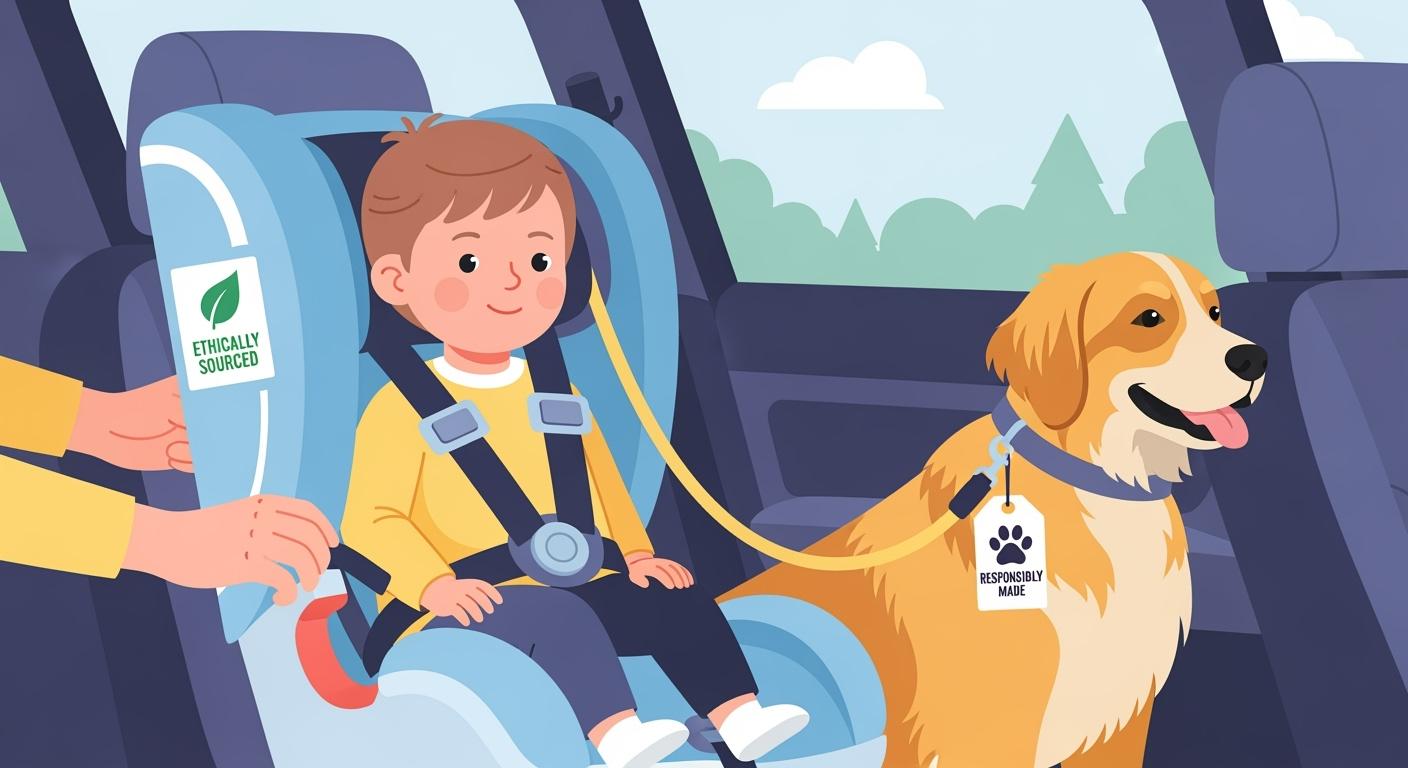
Choosing the right car tether helps keep your family safe. If a dog is not held in place, it can be dangerous in a crash. Even small dogs can cause strong impacts.
Weight of Dog | Speed of Crash | Force Exerted |
|---|---|---|
10 pounds | 50 mph | 500 pounds |
80 pounds | 30 mph | 2,400 pounds |
But only 16 percent of dog owners use restraints when they travel. For children, using the right tethers can lower the chance of deadly injury by up to 75% for the youngest kids. Car tethers for children and dogs have different uses. Responsible sourcing helps you pick the safest gear for everyone in the car.
Key Takeaways
Always use the right restraints for kids and dogs. This helps keep everyone safe when you drive. Child safety seats lower the chance of injury by 67%. They also lower the chance of death by 71% if used right. Dogs without restraints can distract drivers. They can also get badly hurt in a crash. Use dog seat belts or harnesses to keep them safe. Pick dog harnesses that are crash-tested and meet safety rules. This will protect your pet if there is an accident. Keep child and dog restraints separate. Using the wrong tether can be very dangerous. Check harnesses and tethers often to make sure they fit well. Make sure they are not broken and work right. Learn how to use car tethers the right way. Teach others too so everyone stays safe. Buy products from good brands that care about safety. Choose brands that also use fair and safe ways to make their products.
Why Car Tethers Are Essential for Safety
Child Car Tether Safety
Injury Prevention
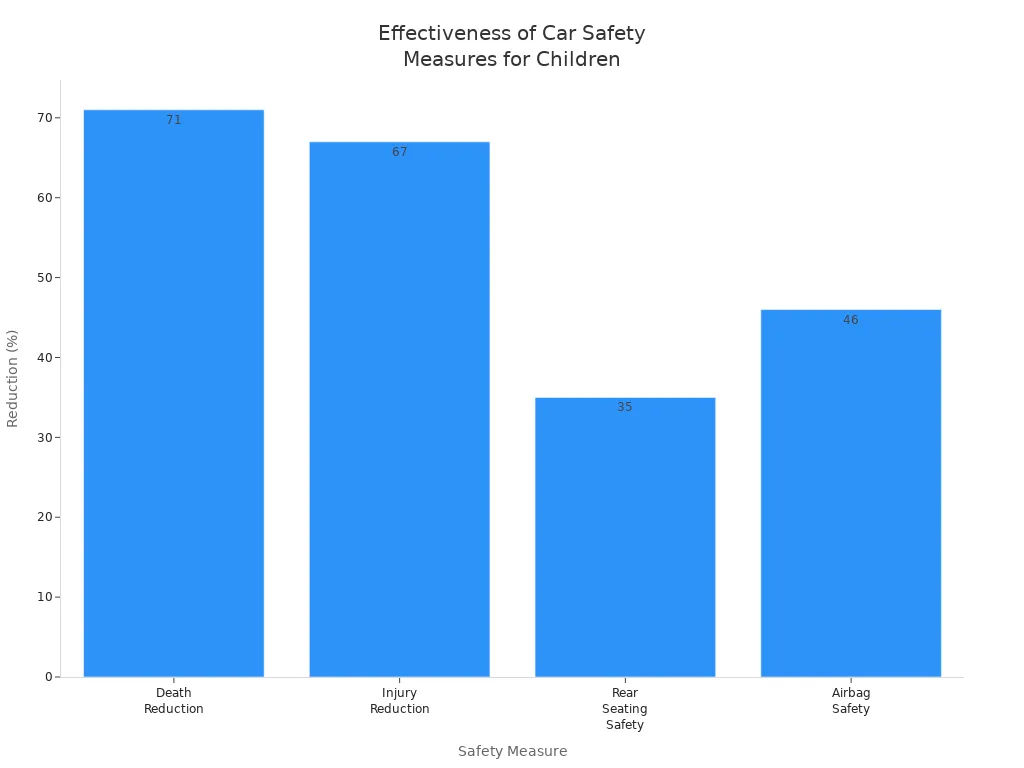
You want kids in your car to be safe. Using car seats with restraints and car tethers lowers injury risk. Big studies show child safety seats cut injuries by 67%. Many kids get hurt because restraints are not put in right. A recent study found 91% of child restraints had big mistakes. You can stop these injuries by learning to use car seats and top tethers the right way.
Fatality Reduction
Car tethers help save lives. When you use child safety seats the right way, deaths drop by 71%. Putting kids in the back seat helps too. It lowers death rates by 35% compared to the front seat. If there is an airbag, the back seat cuts risk by 46%. In 2023, 781 kids under 13 died in crashes. Many were not buckled in or used restraints wrong. You can keep kids safe by making sure every restraint is put in and used the right way.
Evidence Type | Statistic | Description |
|---|---|---|
Death Reduction | 71% | Fewer deaths when child safety seats are used right. |
Injury Reduction | 67% | Fewer injuries with proper use of child safety seats. |
Rear Seating Safety | 35% | Fewer deaths for kids in the back seat. |
Airbag Safety | 46% | Fewer deaths for kids in the back seat with an airbag. |
Dog Travel Safety Risks
Unrestrained Pet Dangers
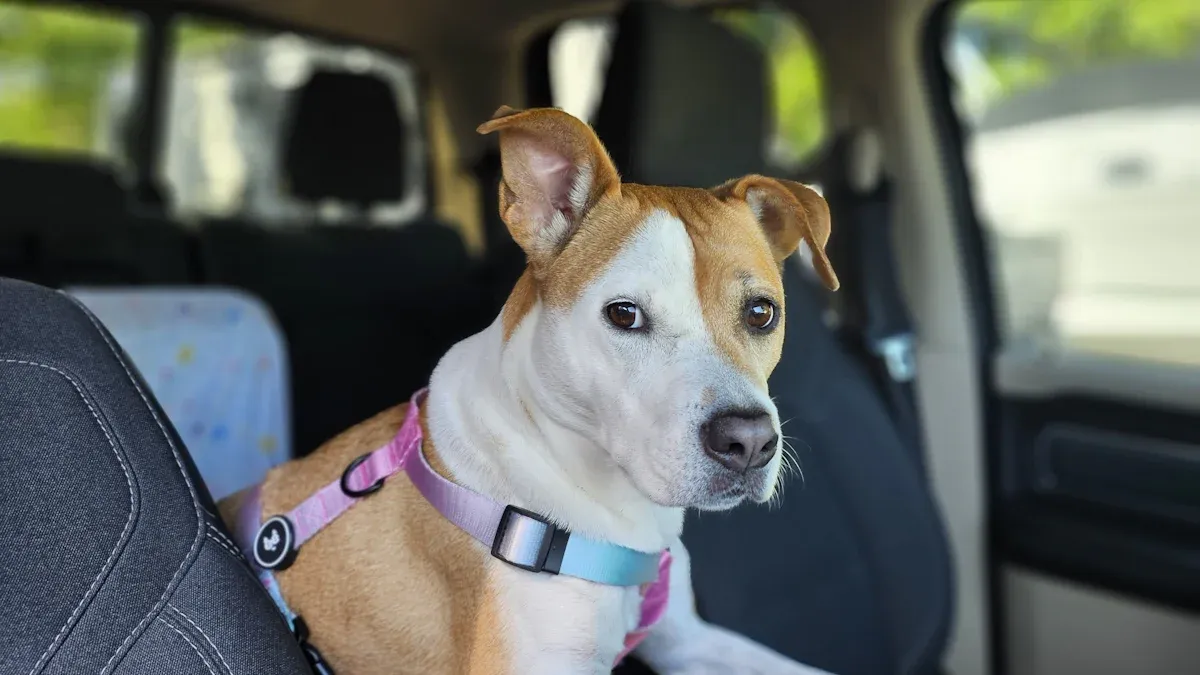
Dog travel safety is important every time you drive. If your dog rides without a dog seat belt or pet restraints, it can distract you and cause harm. One out of three dog owners say their pets distract them while driving. Over half say they pet their dog during trips. About 21% let their dog sit in their lap. These actions make driving less safe and raise crash risks.
Impact Forces
Physics explains why restraints matter for dogs in cars. An unrestrained dog can feel up to 19,000 pounds of force in a crash. Newton’s First Law says your dog keeps moving until stopped. Newton’s Third Law says the crash force can hurt your dog badly. Injuries happen three ways: the car hits something, the body hits something, and organs hit the body. You need a dog seat belt or restraints to keep your dog safe from these dangers.
Car Tether Importance for Brands
Safety Equipment Role
Brands and stores must give safe systems that meet strong rules. You should offer dog seat belt choices and car seats with restraints for both distraction and crash safety. Pet safety products need to stop injuries and keep pets safe. You must not make false claims about crash testing.
Retailer Responsibility
Stores must teach customers how to use vehicle restraints and safety systems. Many parents and pet owners do not know how to use tethers or dog seat belts. You can help by giving clear instructions and training. Responsible sourcing means picking products that protect every rider, child or dog, and help with dog travel safety.
Tip: Always keep child and pet restraint systems apart. Never use a car tether made for dogs on a child.
Types of Car Tethers and Harnesses
Dog Car Tether Options
Seatbelt Tethers
Seatbelt tethers help keep your dog safe in the car. These tethers connect to the car’s seat belt system. You clip the dog seat belt to your dog’s harness. Then you click the tether into the seat belt buckle. This keeps your dog from moving too much. It helps during quick stops. Most cars work with direct seat belt tethers. They are easy to use for pet safety.
LATCH-Compatible Tethers
LATCH-compatible tethers hook to the car’s LATCH system. You find these anchors in the seat crease or behind the seat. These tethers hold better than regular seatbelt tethers. You clip the dog seat belt to your dog’s harness. Then you hook the tether to the LATCH anchor. This setup lowers injury risk in a crash. Not all cars fit direct seat belt tethers. LATCH-compatible tethers give extra safety for your dog.
Headrest Attachments
Headrest attachments go around the seat’s headrest. Use these if your car does not have LATCH anchors. You can also use them for more adjustability. You clip the dog seat belt to your dog’s harness. Then you attach the tether to the headrest. Some headrest attachments let you change the length. This helps your dog stay comfy and safe. You can use direct seat belt tethers or headrest attachments for different cars.
Tip: Always read your car’s manual. Find the best anchor points for your dog car restraint systems.
Type | Description |
|---|---|
Tether | Hooks to the seat’s headrest; easy to use but may not fit cars without headrests. |
LATCH-compatible tether | Connects to the LATCH system in cars, giving a stronger hold. |
Headrest attachment | Attaches to the headrest, like tethers but may adjust more. |
Crash-Tested Safety Harnesses for Dogs
Certified Harnesses
Crash-tested safety harnesses protect your dog in the car. You need harnesses that meet safety rules from testing labs. Some harnesses get extra certification from safety groups. These harnesses go through crash tests like child car seats. One harness passes crash tests for dogs up to 50 pounds. Look for harnesses with safety ratings and crash-tested safety harnesses labels.
Crash-tested safety harnesses use tough materials and strong buckles.
Some harnesses follow child car seat testing rules.
Extra certification means a harness passed more safety checks.
Installation Methods
Install harnesses by following the instructions. Most harnesses work with dog seat belt tethers, LATCH-compatible tethers, or headrest attachments. Put the harness on your dog. Adjust the straps. Clip the tether to the anchor point. Always check the fit before each trip. Crash-tested safety harnesses work best with the right tether system. Never use harnesses made for dogs on children.
Child Car Tether Systems
Top Tether Straps
Top tether straps hold the top of a child car seat. You attach the strap to an anchor behind the seat. This stops the seat from tipping forward in a crash. Top tether straps protect your child’s head and neck. They lower forward movement.
LATCH Anchors
LATCH anchors give a strong hold for child car seats. You find these anchors in different places:
Type of Tether Anchor | Location Examples |
|---|---|
Dash Behind Head Restraint | Ceiling, back hatch, or behind seat |
Fabric Loop Tether Anchor in Truck | Truck-specific designs |
Center Back of a Bench Seat | Bench seating arrangements |
Ceiling | SUVs, vans, or trucks |
Bottom of Captain’s Chair | Certain vehicle designs |
Rear Sill | Various vehicle types |
Use LATCH anchors to hold the car seat base and top tether. These systems keep the seat steady and lower injury risk. Always use child car tether systems for kids and dog car restraint systems for pets.
Boundaries Between Dog and Child Tethers
Prohibited Uses
You must keep dog tethers and child car restraints separate. Dog tethers are designed for pets only. Child car seats and tethers protect children. Mixing these systems can lead to serious safety risks. You should never use a dog tether for a child. The materials and designs do not meet the strict standards for child safety. Child car seats go through special crash tests. Dog tethers do not meet these requirements.
Note: Using a pet restraint for a child can result in injury or death during a crash. Always follow the manufacturer’s instructions for each product.
Here are some clear rules for brands and retailers:
Do not market dog tethers as suitable for children.
Do not suggest that child car seat tethers work for pets.
Do not allow customers to use pet restraints in place of child safety seats.
Do not combine pet and child restraint systems in one product.
System Type | Intended User | Crash-Tested for Children | Crash-Tested for Pets | Approved for Child Use | Approved for Pet Use |
|---|---|---|---|---|---|
Dog Tether | Pet | No | Yes | No | Yes |
Child Car Seat | Child | Yes | No | Yes | No |
Safety Warnings
You need to warn customers about the dangers of improper use. Clear safety warnings help prevent accidents. You should include visible labels and instructions with every product. Make sure your staff understands the difference between pet and child restraint systems.
Tip: Train your team to answer questions about car tethers. Give them simple facts about safety and proper use.
Common safety warnings to include:
Only use child car seats and tethers for children.
Only use dog tethers and harnesses for pets.
Never modify a restraint system for another purpose.
Always check the fit and attachment before each trip.
Replace any restraint system after a crash or if damaged.
You help protect families by providing accurate information. Responsible sourcing means you choose products that meet safety standards for their intended users. You build trust with your customers when you show clear boundaries between child and pet restraint systems. Safety starts with the right product and the right message.
Dog Travel Safety Principles
Restraint Hierarchy
Child Safety Priority
You must always put child safety first when you set up your vehicle. Children need approved car seats and tethers that meet strict standards. These systems protect children in a crash and lower the risk of injury. Never use a dog seat belt or pet restraint for a child. Child restraint systems go through special testing to make sure they work for young passengers. You should check that every child rides in the right seat for their age and size.
Dog Restraint Methods
Dogs need their own reliable restraint systems. A dog seat belt keeps your dog secure and helps prevent distractions. You should use a crash-tested dog seat belt or harness that fits your dog’s size. These restraints attach to the car’s seat belt, LATCH anchor, or headrest. You must never use a child car seat for a dog. Each system is made for a specific user. When you use the right dog seat belt, you help keep your dog safe and lower the risk of injury for everyone in the car.
Seating Layouts
Child Seat Placement
You should place child car seats in the back seat, away from airbags. The middle seat is the safest spot for children. Secure the car seat base tightly using the seatbelt or LATCH system. Make sure the seat does not move more than an inch in any direction. Attach the top tether to the anchor point and check that all straps are snug.
Dog Positioning
Dogs should ride in the back seat, never in the front. Use a dog seat belt or harness to keep your dog in place. Attach the restraint to the seat belt, LATCH anchor, or headrest, depending on your car. Adjust the dog seat belt for a snug fit. You can help your dog feel comfortable by introducing the seat slowly and using treats or toys. Always limit distractions by giving your dog familiar items.
Tip: Before every trip, tug on the car seat and dog seat belt to make sure both are secure.
Best Practices for Safe Seating:
Choose the back seat, ideally the middle position, to keep away from airbags.
Secure the car seat base tightly using the seatbelt or LATCH system, ensuring minimal movement.
Attach the dog harness to the tether inside the seat, adjusting it for a snug fit.
Gradually introduce your dog to the seat using treats or toys to make them comfortable.
Conduct a safety check by tugging on the seat and harness to confirm they are secure.
Always use a crash-tested harness or seat that meets safety standards.
Limit distractions by providing familiar items to keep your dog calm.
Routine Safety Checks
Harness Fit
You need to check the fit of your dog seat belt and harness before every trip. The harness should fit snugly but not pinch your dog. You should be able to fit two fingers between the harness and your dog’s body. If the harness is too loose, your dog can slip out. If it is too tight, your dog may feel pain or stress. Always adjust the straps as your dog grows or changes weight.
Tether Attachment
You must check that all restraints are attached to the correct anchor points. Pull on the dog seat belt and car seat to make sure they do not move. Replace any restraint that shows signs of wear or damage. Reliable restraint systems help keep your dog and children safe every time you travel. Regular checks help you spot problems before they become risks.
Note: Responsible brands and retailers should teach customers how to use and check all restraint systems. Clear instructions and routine checks build trust and improve safety for every passenger.
Selecting Crash-Tested Safety Harnesses and Car Tethers
Attachment Methods
Seatbelt Buckle
You can secure your dog in the car using a seatbelt buckle attachment. This method connects the dog’s harness directly to the car’s seatbelt system. The seatbelt buckle offers a simple way to keep your dog in place during travel. Many crash-tested car tether products use this method because it is easy to install and works in most vehicles. When you use a seatbelt buckle, you reduce the risk of your dog moving around or becoming a distraction. Look for designs with tough stitching and reinforced connection points. These features help the restraint handle strong crash forces. Padded areas in the harness can lower the chance of injury if a crash happens.
LATCH Hook
Some vehicles have LATCH anchors, which you can use with a LATCH hook attachment. This method gives a strong and stable connection for your dog’s restraint. The LATCH hook connects the harness to the anchor point in the seat. This setup creates a three-point contact system, which helps keep your dog steady during sudden stops. Many adjustable dog restraint systems use automotive-grade webbing and metal components for extra durability. You should always check your car’s manual to find the correct anchor points for the LATCH hook.
Headrest Strap
A headrest strap wraps around the seat’s headrest and attaches to your dog’s harness. This method works well if your car does not have LATCH anchors or if you want more flexibility in where your dog sits. The headrest strap should have strong stitching and a secure buckle. Some designs let you adjust the length, so you can keep your dog comfortable and safe. Always make sure the headrest strap fits tightly and does not slip during travel.
Tip: Before every trip, check that all attachment points are secure. A properly fitted harness and strong anchor points help keep your dog safe.
Strength and Materials
Impact Force Data
Crash tests show that the way you attach your dog’s restraint can change the forces your dog feels in a crash. Data from national studies show that using a behind-seat tether leads to the lowest head and chest acceleration for dogs. If you do not use a car tether, your dog faces the highest risk of injury. The table below shows how different setups affect the forces on your dog:
Condition | Head Acceleration (HIC) | Chest Acceleration (g) | Neck Force (N) |
|---|---|---|---|
No Tether | Highest HIC values | Highest chest values | Baseline neck load |
Behind Seat Tether | Lowest HIC values | Lowest chest values | Lower neck forces |
Floor/Under Seat | Neck tension loading | N/A | N/A |
You can see that using a car tether in the right position lowers the risk of injury for your dog.
Durable Materials
You should choose restraints made from strong, reliable materials. High-strength metal components give better crash protection than plastic parts. Reinforced webbing adds strength and helps the restraint hold up in a crash. Some harnesses use a patented buckle system that meets the same standards as child car seats. This ensures a secure fit for your dog. The table below lists common materials and their benefits:
Material Type | Description |
|---|---|
High-strength metal components | Engineered for durability and crash protection, avoiding weak plastic alternatives. |
Reinforced webbing | Provides additional strength and reliability in high-impact scenarios. |
Patented buckle system | Designed for safety, meeting the same standards as child car seats, ensuring secure fastening. |
Tether Length
The length of your dog’s car tether matters for both comfort and safety. A tether that is too long lets your dog move too much, which can be dangerous in a crash. A tether that is too short may cause discomfort. You should pick a length that keeps your dog secure but allows enough movement to sit or lie down. Many adjustable dog restraint systems let you change the length for the best fit.
Note: Always follow the manufacturer’s instructions for setting the correct tether length. This helps you balance safety and comfort for your dog.
Crash Testing and Certification
Independent Testing
You should look for dog restraints that have passed independent crash tests. Independent testing uses strict standards to check how well a harness or car tether protects your dog in a crash. Many products claim to be safe, but only a few pass real crash tests. Independent groups use crash dummies and special equipment to measure the forces on your dog during a crash. These tests show that some harnesses do not perform as promised. Always check for proof of independent crash testing before you buy a restraint.
Safety Standards
Crash-tested dog restraints should meet the same safety standards used for child car seats. These standards include tests for strength, durability, and how well the restraint holds up in a crash. Products that meet these standards use automotive-grade materials and have reinforced stitching. Some harnesses are crash tested for dogs up to 75 pounds and use all-steel buckles and hardware. A broad, padded chest plate helps spread out the force during a crash, lowering the risk of injury. Look for a safety harness with a pressure distribution design to protect your dog’s chest and back.
Tip: Always use a car tether and harness designed for dogs. Never use a child restraint system for pets. This keeps every passenger safe.
Responsible Sourcing
Ethical Manufacturing
You want to offer products that protect families and pets. Ethical manufacturing means you choose suppliers who treat workers fairly and use safe materials. Factories should follow strict labor laws and avoid child labor. You should ask for proof that your suppliers pay fair wages and provide safe working conditions. When you select dog tethers and harnesses, look for products made in facilities that meet high safety and environmental standards. This helps you build trust with your customers and shows you care about more than just profit.
Supply Chain Transparency
Supply chain transparency lets you track every step of your product’s journey. You should know where the raw materials come from and how each part is made. Ask your suppliers for detailed records about sourcing and production. This helps you spot risks, like unsafe materials or poor working conditions. When you share this information with your customers, you show that you value honesty and responsibility. Responsible sourcing means you can answer questions about your dog restraint products and prove they meet safety and ethical standards.
Key Features
Adjustability
You need adjustable harnesses and tethers to fit dogs of different sizes. Adjustable straps help you get a snug fit, which keeps the dog safe in a crash. A harness that is too loose can let the dog slip out. One that is too tight can cause pain or stress. Look for products with easy-to-use buckles and sliders. Adjustable gear lets you use the same harness as your dog grows or if you care for multiple dogs.
The key to keeping you and your child safe in a crash is to limit movement, the same applies to your pet. Extension tethers, ziplines, and other straps that allow the pet to move far away from the back of the vehicle seat will increase the risk of injury.
Non-Toxic Materials
You should choose harnesses and tethers made from non-toxic materials. Dogs may chew or lick their restraints, so safe materials matter. Avoid products with harmful chemicals or dyes. Look for items tested for safety and labeled as free from toxins. Non-toxic materials protect the dog’s skin and health during travel.
Clear Instructions
Clear instructions help your customers use dog tethers and harnesses the right way. Every product should include step-by-step guides and diagrams. You can also provide video tutorials or QR codes that link to online help. Good instructions lower the risk of mistakes and help families keep their dogs safe. Train your staff to answer questions and explain how to use each restraint system.
A seat belt should never be passed through a regular harness or collar to prevent the pet from moving around the vehicle.
Sizing and Installation
Measuring Fit
Proper sizing is the first step to keeping a dog safe in the car. You should measure the dog’s chest and neck before choosing a harness. Use a soft tape measure and follow the size chart provided with the product. The harness should fit snugly but not restrict movement. You should be able to slip two fingers between the harness and the dog’s body.
Safety harnesses should be fitted so that two fingers can easily be slipped around the collar, under the back and around the armpits.
Aspect | Details |
|---|---|
Sizing Guarantee | Fill out the ‘Sizing Guarantee’ on the Contact Us page. |
Vehicle Sizing Guarantee | Required for returns; guarantees sizing for vehicles, not dogs. |
Installation Instructions | Follow specific guidelines for proper installation of the tether. |
Installation Steps
You need to follow the installation steps for each dog harness and tether. Most products include a carabiner or clip that attaches to the car seat belt system. Always use the harness’s webbing, not the leash attachment, for car travel. Secure the harness to the seat belt or LATCH anchor, then check that all buckles are locked. Pull on the harness to make sure it does not move.
Use the included carabiner to attach the harness to the car seat belt system.
Follow the ‘3 Steps to Buckle Up Your Pup’ for proper usage.
Measure the dog’s chest and neck to determine the correct harness size.
Training Pets
Training helps your dog get used to the harness and tether. Start by letting the dog wear the harness at home. Give treats and praise to build positive feelings. Next, place the dog in the car for short sessions while parked. Gradually increase the time as the dog becomes comfortable. Always reward calm behavior.
Fit the Harness: Place the harness on the ground, guide your dog’s paws into the loops, and adjust for a snug fit.
Car Restraint: Run the seat belt through the harness loops and buckle it securely.
Acclimation: Start with short sessions in a parked car, rewarding your dog with treats to build comfort.
Consider using a tether for larger dogs to allow them to sit and lay down comfortably.
Ensure the tether is not too loose to prevent injury in case of a crash.
Ensure the carabiner is securely attached to the seat belt and harness.
Never attach the carabiner to the leash attachment, as it is not designed to withstand crash forces.
You help families keep their dogs safe by offering clear instructions and support. Responsible sourcing, proper sizing, and good training all work together to protect every passenger in the car.
Buying Guide for Car Tethers and Harnesses
Researching Brands
Manufacturer Reputation
Pick brands that care about safety and quality. Find companies that make dog tethers and harnesses to meet tough safety rules. Some brands test their products to see if they protect pets in a crash. This shows they want to keep pets safe. Check if the company explains how their products stop injuries. Many brands talk about how their dog tethers lower head bumps and movement in a crash. This means they know safety is important for restraint systems.
Customer Reviews
Reading reviews helps you learn what real people think about dog restraints. Look for comments about how easy the harness is to put on and adjust. People often say if their dog feels safe and comfy during car rides. Reviews can tell you if the product lasts a long time or breaks easily. Pay attention to what people say about safety and if the tether keeps the dog in place.
Tip: Pick brands that teach buyers why tethers and harnesses matter for both kids and dogs. This means they care about keeping everyone safe.
Comparing Certifications
Crash Test Results
You should look at crash test results before you buy dog tethers and harnesses. Products that pass crash tests can handle hard hits in a crash. Some harnesses use the same rules as child car seats, so they are safer. Look for products that show data about head and chest movement in crash tests. This helps you choose restraints that really protect your dog.
Sourcing Documentation
Responsible sourcing is important when you pick dog restraints. Ask for papers that show where the materials come from and how the product is made. Brands that share this information help you trust them. You want proof that the harness uses safe, non-toxic materials and is made the right way. This helps you pick products that protect pets and support good business.
Feature | What to Look For |
|---|---|
Crash Test Data | Head and chest movement, force reduction |
Sourcing Documentation | Material safety, ethical production |
Making the Purchase
Safety vs. Cost
You need to think about safety and price when you buy dog tethers and harnesses. More expensive restraints usually use stronger materials and pass more safety tests. Cheaper ones may not protect as well. Always pick safety over saving money. A good harness can stop your dog from getting hurt.
Where to Buy
You can buy crash-tested dog harnesses and tethers at pet stores, online, or some car shops. Look for harnesses made for both car rides and walking. Some harnesses follow the same rules as child car seats. You can also find strong harnesses for bigger dogs.
Crash-tested harnesses for dogs up to 32kg
Harnesses tested to child car seat standards
Stronger harnesses for dog safety
Maintenance Tips
Taking care of your dog restraints keeps them safe to use. Check the harness and tether before every trip. Look for cuts, fraying, or other damage. Clean the connectors and remove any rust. Put grease on metal parts to protect them. Check everything closely every 6 to 12 months. Ask an expert to look for cracks or color changes. If you use the harness a lot, check it more often for sudden problems.
Note: Always get a new restraint after a crash or if you see damage. Good care helps keep your dog safe on every trip.
You make travel safer when you choose restraints that fit your dog and child. Crash-tested restraints lower injury risk and help protect every passenger. Responsible sourcing means you pick gear made with care. You should check your vehicle setup and upgrade restraints if needed. When you use safe restraints for your dog, you support better safety for families. Your choices help set higher standards for pet brands and retailers.
Tip: Review your restraints often and teach customers about proper use.
FAQ
What is the difference between a dog car tether and a child car seat tether?
Dog car tethers secure pets only. Child car seat tethers protect children. You must never use a dog tether for a child. Each system meets different safety standards and crash test requirements.
How do I know if a dog harness is crash-tested?
You should check product details for crash test information. Look for proof of independent testing. Reliable harnesses show results from national datasets. Avoid products that do not provide safety data.
Can I use a child car seat tether for my dog?
You must not use child car seat tethers for pets. These systems are designed for children only. Dog tethers and harnesses have different materials and testing standards.
How often should I check or replace car tethers and harnesses?
You need to inspect restraints before every trip. Look for signs of wear, fraying, or damage. Replace any restraint after a crash or if you see defects. Regular checks help keep pets and children safe.
What materials should I look for in a safe dog car tether?
Choose tethers with high-strength metal components and reinforced webbing. Non-toxic materials protect your pet’s health. Avoid weak plastic parts. Durable materials help lower injury risk during a crash.
How do I measure my dog for a harness?
Use a soft tape measure. Measure your dog’s chest and neck. Follow the product’s size chart. The harness should fit snugly, allowing two fingers between the harness and your dog’s body.
Where should I place my dog and child in the car for maximum safety?
Place children in the back seat, ideally in the middle. Secure car seats tightly. Position dogs in the back seat using a crash-tested harness and tether. Never allow pets or children in the front seat.
What should I do if my dog resists wearing a harness or tether?
Start with short sessions at home. Use treats and praise to build comfort. Gradually increase time in the car. Stay patient and reward calm behavior. Training helps your dog accept the harness.






