
Safety perspective used in this guide
This Stridepaw guide uses public guidance from recognised organisations such as the Centers for Disease Control and Prevention (CDC), the American Veterinary Medical Association (AVMA), and national animal-welfare charities like the RSPCA as reference points. They publish statistics on dog bite injuries, workplace safety advice for veterinary and animal-care staff, and recommendations on humane equipment for collars, harnesses, and leashes. The article does not speak on behalf of these organisations; instead, it translates their published recommendations into practical purchasing and training steps for pet businesses.
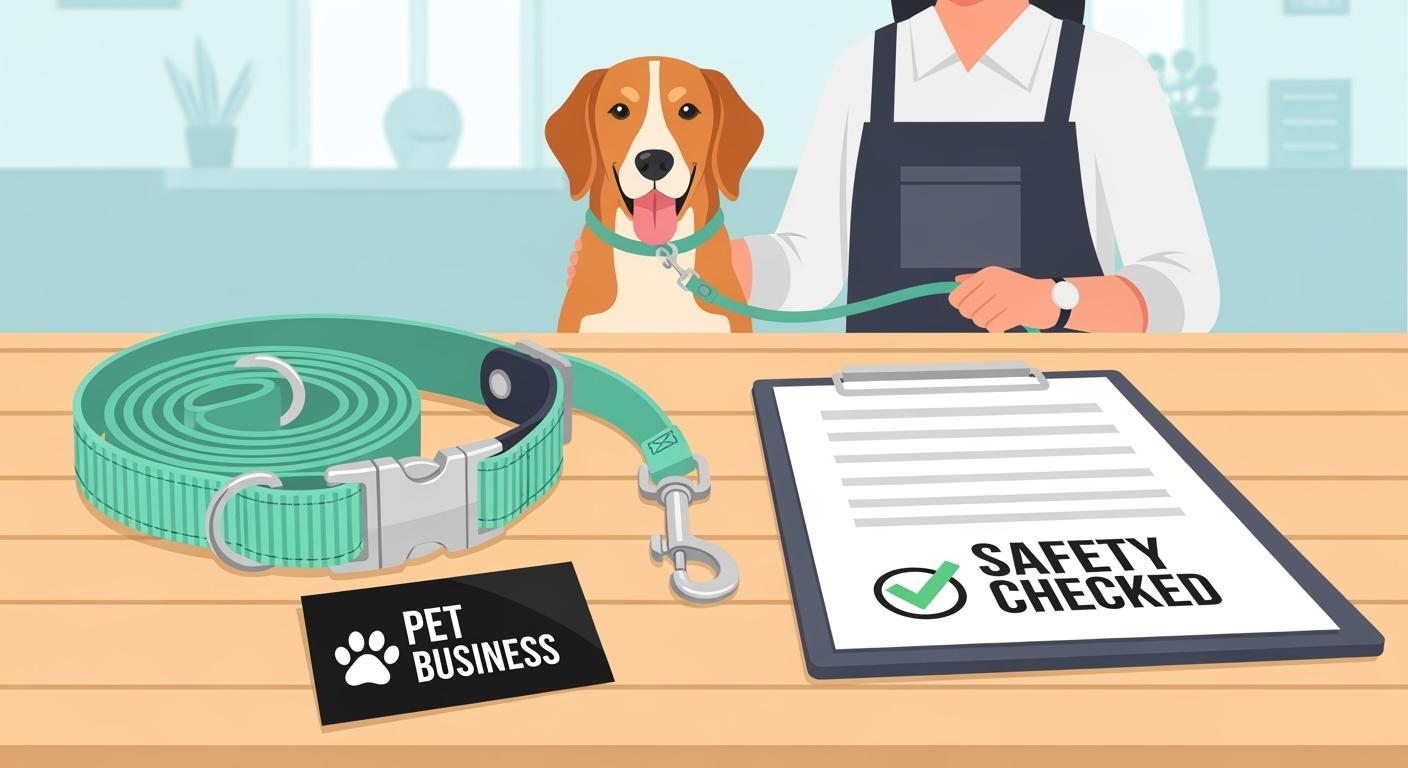
You must keep staff, clients, and animals safe each day. Picking the right dog collar and leash set helps lower risks. It also helps you reach safety goals. Big surveys show injury rates went up a lot. The rates rose from about 25 to over 100 per million between 2001 and 2018.
Year | Estimated Injury Rate (per 1,000,000 population) | Total Injuries |
|---|---|---|
2001 | 25.4 | 356,746 |
2018 | 105.5 | 356,746 |
Matching sets help you work faster and safer. They also make your brand stronger and cut down on accidents. Always check local laws and ask experts about safety rules.
Key Takeaways
Pick dog collar and leash sets that match to help keep pets safe and make work easier. Make sure collars fit well so dogs cannot slip out and stay safe on walks. Use strong fastenings and good hardware to help stop injuries and accidents. Choose tough materials like BioThane so the gear lasts a long time and does not break easily. Add reflective parts to collars and leashes so dogs are easier to see when it is dark. Use different colors to help staff know what each dog needs and to make work faster. Check and fix gear often so you find problems before accidents happen. Teach staff how to fit collars right and what to do in emergencies so they can act fast when needed.
Why safe collar and leash sets matter for injury prevention
Public health agencies estimate that dogs bite around 4.5–4.7 million people every year in the United States alone, and nearly one in five of those victims needs medical attention for the bite or a related infection. Hundreds of thousands of those cases are treated in emergency departments each year, and hospital stays for dog bite injuries are noticeably more expensive than the average injury-related stay.
These figures are consistent with the dog bite injury estimates published by the CDC and highlighted in AVMA dog bite prevention campaigns, which treat bites as a serious but preventable public- and occupational-health risk for people who work with dogs every day.
For veterinary clinics, boarding facilities, grooming salons, and training schools, insurance and workers’ compensation data show that animal bites and scratches are among the most common causes of staff injuries. That means your choice of dog collar and leash sets is part of your risk management plan, not just an equipment purchase.
Matched, well-maintained collar and leash sets make it harder for dogs to slip free, lunge into traffic, or bite a handler or bystander during routine handling. Standardising how you select, inspect, and use this equipment is one of the most cost-effective ways to reduce incident rates in a pet business.
Safety Benefits of Dog Collar and Leash Sets for Pet Businesses
Choosing the right dog collar and leash set can make a big difference in your daily operations. When you use matched sets, you help keep dogs, staff, and clients safe. You also support your business’s reputation and meet important safety standards. Let’s look at how these sets help prevent escapes, reduce injuries, and give handlers better control.
Preventing Escapes
Secure Fit
A secure fit is the first step in preventing escapes. When you use a dog collar and leash set that fits well, you lower the risk of a dog slipping out during walks or transfers. Adjustable collars help you match the fit to each dog’s neck size. This reduces the chance of a collar being too loose or too tight. Staff can check the fit quickly, which saves time and keeps dogs safer.
Reliable Fastenings
Reliable fastenings, like sturdy buckles and clips, keep the collar and leash connected even if a dog pulls or twists. Quality hardware resists wear and tear, so you do not have to worry about sudden breaks. When you use matched sets, you know the parts work well together. This lowers the risk of escapes and helps you meet safety rules in your area.
Tip: Always check fastenings before each use. A quick inspection can prevent accidents and keep your team confident.
Reducing Injuries
Control During Walks
You need good control during walks, especially in busy or unpredictable settings. The right dog collar and leash set gives handlers a firm grip and helps guide the dog safely. Different leash types can improve control and communication between the handler and the dog. A leash that is 4 to 6 feet long works best in most urban and suburban areas. This length helps you avoid sudden encounters and keeps dogs close, which reduces the chance of accidents.
A well-chosen leash reminds dogs to behave.
Proper control lowers the risk of falls or bites.
Staff can respond faster to changes in the environment.
Minimizing Accidents
Matched sets help you spot problems before they cause harm. When you use the same type of collar and leash for each dog, your team learns to spot wear, damage, or poor fit quickly. This routine lowers the risk of injuries from broken gear or tangled leashes. You also help prevent accidents that could lead to costly claims or lost trust.
Enhancing Handler Control
Busy Environments
Pet businesses often operate in busy places with many dogs and people. A matched dog collar and leash set helps handlers keep control, even when distractions are everywhere. Staff can move dogs safely through crowded lobbies, grooming rooms, or outdoor play areas. Consistent equipment makes training easier and helps new staff learn safe handling faster.
Compliance with Rules
You must follow local animal handling rules and safety standards. Using a dog collar and leash set that meets these standards protects your business from fines or product bans. Products that pass safety tests, like crash-tested harnesses, also build trust with your clients. Meeting these rules shows you care about safety and can help you grow your business in new markets.
Dog collar and leash sets that meet safety standards are durable and safe.
Compliance helps you avoid legal issues in regions like the EU and USA.
Clients trust businesses that use tested, reliable products.
Note: Always check local laws and update your safety protocols as needed. Regulations can change, so staying informed protects your business.
A matched dog collar and leash set does more than keep dogs secure. It supports your staff, protects your clients, and helps your business run smoothly. By choosing the right sets, you show your commitment to safety and quality every day.
Key Features of Safe Dog Collar and Leash Sets
Material and Durability
Coated Webbing and Waterproof Options
You need tough materials to keep dogs safe. Strong gear helps your business run well. Many pet businesses pick coated webbing like BioThane. This material does not let water or dirt stick. You can clean it fast, so staff save time. BioThane lasts longer than canvas or nylon. Canvas collars get wet and heavy. They wear out after outdoor play. Canvas takes a long time to dry. BioThane collars stay light and dry quickly, even after rain.
Note: BioThane feels soft and looks new. It can get slippery when wet. Test grip and safety before using it everywhere.
Wear Resistance
Durability is important for safety and saving money. Coated webbing and waterproof choices like BioThane resist scratches. They do not tear or break down quickly. Canvas and untreated nylon wear out faster. You will not need to replace gear as often. This lowers the risk of broken gear. These collars and leashes work well during rough play. Staff can spot damage easily because wear is easy to see. This helps you keep equipment safe.
BioThane does not scratch easily and is simple to clean.
Canvas wears out fast and can be unsafe if not checked.
Waterproof gear helps you avoid mold and bad smells.
Secure Hardware
Buckles and Clips
Hardware is very important in dog collar and leash sets. You need strong buckles and clips to stop accidents. Most problems happen at the clip, not the strap. Weak springs, rust, or cheap parts can make clips break. Pick hardware that feels strong and does not rust. Trigger snaps and carabiners with locks add safety. Staff should check hardware before each use. Replace worn parts right away.
Safety Feature | Why it matters for risk management |
|---|---|
Locking carabiners | Reduce accidental opening if the leash is snagged or a dog lunges suddenly, especially in busy public areas. |
Trigger snaps with guards | Require a deliberate thumb action, which lowers the chance of clips popping open under tension or when dropped. |
Common failure points | Incident reviews from shelters, trainers, and insurance risk advisors often show that many equipment failures begin at clips, springs, or swivels rather than in the webbing itself. |
Recommended actions | Inspect hardware before every shift; retire clips that feel loose, gritty, or rusty, and schedule periodic bulk replacement for high-use sets. |
Double-Security
Double-security features give extra safety. Some collars and leashes use two locks, like a buckle and a snap. This makes it harder for dogs to get loose. Use double-security hardware for strong or nervous dogs. It helps in busy places with lots of distractions. Regular checks and training keep these features working well.
Tip: Train your team to use and check double-security hardware. This lowers the chance of escapes and injuries.
Comfort and Adjustability
Breathable Designs
Comfort matters for dogs and handlers. Good materials like padded mesh stop chafing and overheating. Dogs stay calm when their gear fits and feels good. Staff can handle dogs better when they are comfortable. Breathable designs dry fast, which helps in wet weather.
Sizing for Breeds
You need adjustable collars and leashes for different breeds. Personalized gear lets you match each dog’s needs. This makes things safer and easier for handlers. Adjustable straps and many sizes help you get a snug fit. Staff can switch gear between dogs quickly. This helps your business work better and keeps animals safe.
Good adjustable sets fit many breeds.
Personalized sizing lowers escapes and injuries.
Staff are happier when gear is easy to use and fits well.
Disclaimer: This guide shares general safety and equipment information for pet businesses. It does not replace veterinary, legal, or workplace-safety advice for your region.
Visibility and Safety
Reflective Elements
It is important to keep dogs safe at night and in the early morning. Collars and leashes with reflective parts help with this. These materials shine when light hits them, like from car headlights. This is called retroreflection. It helps dogs stand out when it is dark.
Reflective gear is very helpful for pet safety at night. These items use special materials that reflect light. When cars drive by, the light bounces back. This makes pets easy to see. Retroreflection helps people spot dogs in low light. It lowers the chance of accidents.
Using reflective gear makes walks safer. Handlers feel calm and sure when walking dogs at dawn or dusk. Clients know you care about keeping dogs safe.
Better visibility means fewer accidents in dim light.
Reflective gear helps handlers and clients feel safe.
Check that the collar and leash have enough reflective strips or stitching. This keeps dogs visible from all sides. Clean the reflective parts often so they keep working well.
Color Coding
Color coding helps staff work quickly and safely. You can use different colors for different sizes or needs. This makes it easy to pick the right gear fast. New staff learn the system quickly.
Color | Suggested Use | Benefit |
|---|---|---|
Red | Caution/Reactive Dog | Warns staff to use extra care |
Green | Friendly/Ready to Go | Signals easy handling |
Blue | Training in Progress | Reminds staff of special needs |
Yellow | Medical Alert | Highlights health concerns |
Color coding stops mix-ups and mistakes. You can match gear to each dog’s needs. This lowers accidents and helps staff work better. Clients see your business uses smart safety systems.
Note: Train your team on the color code system. Change your guide when your needs change.
Accessories and Bundles
Waste Bag Dispensers
Keeping your space clean is important. Waste bag dispensers on leashes help with this. Staff can clean up fast during walks or playtime. This keeps everyone safe.
Accessory bundles like waste bag dispensers make cleaning easier. They help your business stay clean and follow health rules. This keeps pets and people safe.
The 2-In-1 Doggie Bag Dispenser and Flashlight helps with cleaning and safety at night. It makes it easy for pet owners to clean up.
Pick dispensers that fit most leashes. Some bundles have extra bags or pouches. This saves time and stops you from running out of supplies.
Economical Bundles
Buying collar and leash sets in bundles saves money and time. Bundles have matching collars, leashes, and sometimes dispensers. You can get ready for busy times or replace old gear fast.
Bundles help your business look the same and stay safe.
You save money by buying more at once.
Staff find matching gear faster.
Look for bundles with adjustable sizes and color choices. This helps you care for all dogs. Bundles also make training staff and organizing gear easier.
Tip: Check your bundle choices every year. Pick new ones when better materials or features come out.
A good dog collar and leash set with visibility and helpful accessories keeps your pet business safe, efficient, and looking professional.
Dog Collar and Leash Sets Types for Pet Businesses

Grooming Salons
Quick-Release Sets
You need to move dogs safely and quickly in grooming salons. Quick-release sets help you do this. These sets let you remove collars and leashes fast if a dog gets tangled or stressed. This feature protects both the animal and your staff. You lower the risk of accidents during grooming by using quick-release buckles. Staff can act fast in emergencies, which keeps everyone safe.
Easy-Clean Materials
Hygiene is very important in grooming salons. You should choose collars and leashes made from materials that clean easily. Coated webbing and waterproof options work well. They do not hold dirt or hair, and you can wipe them down between uses. Regular cleaning of grooming restraint systems helps stop the spread of bacteria and parasites. Many salons use UV sanitization equipment to add another layer of safety.
Clean and disinfect all grooming areas often.
Pick gear that dries quickly and does not trap moisture.
Use materials that resist stains and odors.
Tip: Make cleaning part of your daily routine. This keeps your salon safe and professional.
Boarding Facilities
Bulk Sets
Boarding facilities care for many dogs at once. You need enough collars and leashes for every dog, even if some arrive without their own. Bulk sets help you stay organized and ready. When you buy in bulk, you save money and make sure you never run out. Staff can grab a clean set for each new arrival, which keeps the process smooth.
ID Features
Identification is key in busy boarding facilities. Collars and leashes with ID tags or writable areas help you track each dog. You can use different colors or labels to match dogs to their records. This system helps staff avoid mix-ups and keeps dogs safe. When every dog wears a clear ID, you lower the risk of mistakes during feeding, play, or pick-up.
Having a variety of colors also helps staff spot dogs quickly. This makes it easier to manage groups and respond to any issues.
Daycares
Durable Sets
Daycares see a lot of play and movement. You need gear that stands up to rough use. Durable sets last longer and keep dogs safe during group activities. Look for strong stitching, tough materials, and hardware that does not break easily. Staff can focus on the dogs, not on fixing broken gear.
Color-Coded Options
Color coding helps you manage groups and spot special needs fast. Each color can mean something different. For example, red may warn staff to be careful, while green means a dog is friendly. This system helps new staff learn quickly and keeps everyone on the same page.
Color | Meaning |
|---|---|
Red | Beware of the dog, and don’t get too close. |
Orange | This dog does not get along well with other dogs. |
Yellow | The dog is unpredictable and edgy. It could also mean that it’s looking for a new home. |
Green | The dog has a friendly nature, and it’s okay to get close alone or with any animal. |
Blue | The dog is a service animal. It’s training or working, so don’t disturb it. |
White | The dog has difficulty hearing or seeing, or is completely blind/deaf. |
Purple | Don’t feed anything to the dog. |
Note: Train your team on what each color means. Update your system as your daycare grows.
A dog collar and leash set that matches your business type helps you keep dogs safe, staff efficient, and clients happy. Always review your needs and update your gear to meet safety and hygiene standards.
Training Centers
Training Collars
Training centers use special tools to help dogs learn. Training collars help handlers control dogs during lessons. There are different types, like martingale collars, head halters, and e-collars. Each type does something different. Martingale collars stop dogs from slipping out. Head halters help handlers steer the dog’s head. E-collars are often used for working dogs. They help dogs listen better and follow commands. This is important for police, service, or therapy dogs.
Training collars help fix common behavior problems. They can help with pulling, lunging, or jumping. Many training collars have reflective parts. This makes dogs easier to see in the dark. It keeps both handlers and dogs safer during early or late sessions.
Tip: Always use new training collars carefully. Teach your staff how to use each collar the right way. This helps avoid mistakes and keeps training safe.
Behavior Management
Behavior management is very important at training centers. You need the right collar and leash set to guide dogs. These sets help teach leash manners and good behavior. Using the same sets for all dogs helps everyone learn faster. It also makes training smoother for staff and dogs.
There are many benefits to using special training sets:
You get better control in group or private lessons.
You can fix problems like reactivity or distraction.
You make things safer for staff, clients, and animals.
Training collars let handlers correct dogs right away. This helps dogs learn commands faster. It is very helpful when dogs must listen from far away. Working dogs often need to follow orders at a distance. Good equipment helps them do this well.
Benefit | How It Helps Training Centers |
|---|---|
Reliability and Consistency | Makes training accurate and efficient |
Enhanced Communication | Lets handlers correct dogs right away |
Improved Response Time | Helps with distance commands and safety |
Note: Always follow local rules and ask expert trainers before using new gear. Staff should be trained and supervised to keep dogs safe.
You can buy bundles with different collars and matching leashes. Bundles help you keep enough gear for every dog. You can add your logo or pick special colors for your brand. This makes your center look professional.
A good training collar and leash set makes training safer and better. Quality gear helps dogs, staff, and your business succeed.
Best Practices for Using Dog Collar and Leash Sets in Pet Operations
To keep your pet business safe, you need good habits. Train your staff, take care of your gear, and teach your clients. These steps help stop accidents and returns. They also help customers trust you.
Staff Training
Fitting Techniques
A good fit keeps dogs safe and comfortable. Teach your team to check that two fingers can slide between the collar and the dog’s neck, and that the leash clip is fully closed before every walk. Then standardise one or two leash grips that come from professional handling practice rather than improvised habits. For example, many trainers teach a “thumb-lock” or anchored two-handed grip: the loop of the leash sits over the handler’s non-working hand with the thumb locking the strap in place, while the working hand manages the slack lower down the leash. Both hands face the same direction so the handler can brace and rotate their body instead of relying on finger strength alone. This approach gives handlers better control of strong or reactive dogs and reduces the risk of rope burns or sprained wrists when a dog suddenly lunges.
Schedule practice drills in a quiet area before staff handle dogs in busy client spaces. Have handlers rehearse clipping, checking fit, and moving off with their standard grip while another person plays the role of a distracted client or a sudden noise. Short, repeated scenarios help staff build muscle memory without putting real clients at risk.
Emergency Protocols
Emergencies can happen fast. Teach staff to act quickly if a dog gets loose or gear breaks. Make clear steps for escapes or tangles. Hold drills so everyone knows what to do. Keep slip leads and first aid kits nearby. Check your emergency plans often and update them as your business changes.
Tip: Put emergency steps in staff rooms. This helps everyone remember what to do when stressed.
Maintenance and Inspection
Cleaning Guidelines
Clean gear keeps dogs healthy and your business looking good. Make a plan for washing collars and leashes. Use cleaners that are safe for pets. Let gear dry all the way before using it again. Coated webbing and waterproof gear are easy to clean and do not smell. Staff should wipe down gear after each use, especially in busy spots.
Hardware Checks
Check gear often to stop problems. Look at buckles, clips, and stitching for damage. Gently pull on each collar and leash to test strength. Regular testing helps you find weak spots early. Replace broken gear right away. Good gear keeps staff and dogs safe.
Client Communication
Safety Policies
Tell clients about your safety rules from the start. Use social media to show your clean, safe space. Share videos or photos of your team using safe handling. At the first meeting, explain your safety steps and ask about each pet. This helps clients trust you and your care.
Fit and Use Education
Show clients how to use collars and leashes at home. Give easy tips for fitting and safe walks. Offer handouts or short videos to explain your way. Tell clients to ask questions if they are not sure. When clients know your safety rules, they feel happy and safe.
Note: Always follow local laws and ask animal care experts before changing your rules.
Focusing on training, gear care, and teaching clients helps your business. You lower risks, make things safer, and show you care about quality with every dog collar and leash set.
Selecting Dog Collar and Leash Set Solutions for Your Pet Business
Picking the best dog collar and leash set is important. You need to think about safety, your brand, and saving money. The right products keep animals safe and help your team do their jobs. They also make your business look good. Here is a simple guide to help you choose well.
Evaluating High-Quality Sets
Safety Standards
From a B2B perspective, “safe” means traceable to recognised standards, not just “strong enough in normal use”. There is currently no single global EN or ISO standard that covers every type of dog collar and leash. Instead, manufacturers and importers rely on a mix of consumer-product regulations and emerging pet-product standards:
ASTM pet-product standards (F15.05) and the draft ASTM specification for dog collars, harnesses, and leashes.** This work defines performance requirements such as tensile strength of webbing and hardware, buckle reliability, and dynamic loading, so products can be tested in a repeatable way.
General consumer-product safety law, such as the EU General Product Safety rules and chemical regulations like REACH, plus U.S. state rules such as Proposition 65.** These frameworks restrict heavy metals and certain plasticisers and expect products not to present unreasonable risk in normal or foreseeable misuse.
Crash-test protocols for vehicle restraints.** Some harnesses and tethers are tested with crash pulses based on the FMVSS 213 child car-seat standard, and independent laboratories issue reports on how the product performed under those conditions.
For Stridepaw customers, the practical question is whether a collar-and-leash set comes with documentation that connects it to these frameworks. When you source products, ask suppliers for evidence in four key areas:
Safety area | What to request from suppliers | Typical benchmarks used in testing |
|---|---|---|
Mechanical strength | Tensile test reports for webbing, buckles, and carabiners; stated maximum dog weight and safety factor. | Many labs pull leashes and collars to several times the rated dog weight to confirm they will not fail in sudden pulls. |
Chemical safety | Confirmation that materials comply with REACH and similar chemical regulations; test reports for lead, cadmium, and phthalates where relevant. | Helps you avoid recalls or import holds due to toxic components in coatings, dyes, or hardware. |
Crash / restraint use | For products marketed for vehicle restraint, dynamic crash-test summaries and the protocol name (for example, tests based on FMVSS 213 pulses or Center for Pet Safety methods). | Confirms that the product was tested for more than static pull strength. |
Labelling and warnings | Copies of care labels, warning statements, and user instructions. | Supports your legal duty to warn and makes it easier to train staff and clients on correct use. |
Industry Feedback
You can learn from what other businesses say. Many want collars that look nice and show style. More people now want products that keep pets safe, like GPS collars. Checking quality often helps you keep high standards. It also helps clients trust your business. Test your products often to make sure they are safe.
Checking quality keeps products safe and strong.
It helps your business earn trust from clients.
People want useful products more than just stylish ones.
Custom and Private-Label Options
Branding and Logo Placement Guidelines
Custom and private-label sets help your business stand out. Custom sets let you pick the design and make it special. Private-label sets let you put your logo on a shared design. Custom sets cost more at first but look unique. Private-label sets cost less and are good for big orders.
Advantage | Custom (Bespoke) | Private Label |
|---|---|---|
Customization | You pick the whole design | Only add your logo |
Cost | Costs more at first | Cheaper if you buy a lot |
Branding Control | You own the design | Shared with others |
Operational Involvement | You do more work | Less work after ordering |
Note: Put your logo where people can see it, but do not cover up safety parts.
Sizing Customization
Getting the right size is important for safety and comfort. Collars and leashes should fit all kinds of dogs. A good fit stops pain and injuries. Custom sizing lets you adjust for each dog. This is very important for dogs that can slip out of collars. A good fit helps handlers control dogs and stops escapes.
Bulk Buying Tips
Inventory Management
Managing your stock helps you save money and not run out. Talk to sellers with a clear plan for what you need. Focus on things like strong toys and good pet food. Ask for discounts if you buy a lot or pay later. Look for sales during certain times of the year.
Ask for small minimum orders if you need.
See if you can add your brand and still get a good price.
Make sure all products are safe and not toxic.
Supplier Negotiation
Talking with suppliers can help you get better deals. Ask for lower prices if you buy more at once. See if they have bundles with matching collars, leashes, and extras. Bundles save money and make your business look neat.
Tip: Check your supplier deals every year. Change your orders if new or better products come out.
A smart buying plan keeps your business safe and ready to grow. Always check for safety, good fit, and branding before you buy. If you are not sure about rules, ask an expert for help.
Matched dog collar and leash sets make work easier. They help you lower safety risks each day. You save time because you do not have to search for matching gear. Using sets with the same colors makes your brand look better. Pick gear that is strong, fits well, and lasts long. This helps keep staff, clients, and animals safe.
You should check your products often. Look for new ideas and update your safety rules when needed. Bundled sets and new materials can save money. They also help customers trust your business more.
Always follow local laws and ask experts before you change safety steps.
How Stridepaw uses standards in product selection
Stridepaw.com is built for B2B buyers, distributors, and operations teams who need dog collar and leash sets that stand up to daily use and regulatory scrutiny. When we review equipment categories, we map product features back to recognised safety and compliance frameworks rather than relying only on style or price.
For collar and leash sets, that means:
Checking that supplier test reports cover both tensile strength and hardware reliability, not just basic pull tests.
Confirming that materials and coatings are compatible with major consumer-product and chemical regulations in your target markets.
Asking for clear user instructions so staff can apply standard leash-handling techniques and emergency procedures.
Using this approach, you can build a product line that looks good, manages risk, and is easier to defend if clients or regulators ask how you chose your equipment.
FAQ
What makes a dog collar and leash set “safe” for pet businesses?
You should look for strong materials, secure hardware, and a good fit. Sets with reflective features and easy-to-clean surfaces help keep dogs and staff safe. Always check for visible wear before each use.
How often should you inspect or replace dog collar and leash sets?
You need to inspect gear daily for signs of damage or wear. Replace any set that shows fraying, broken hardware, or loss of strength. Regular checks help prevent accidents and support your safety protocols.
Can you use the same collar and leash set for every dog?
You should not use one set for all dogs. Different breeds and sizes need different fits. Adjustable sets and color coding help you match gear to each dog. This practice improves safety and efficiency.
Are there legal requirements for dog collars and leashes in pet businesses?
Most regions regulate both how animals are handled in public and how commercial equipment is expected to perform, but the exact rules differ by country and city. Typical requirements include local leash laws and dangerous-dog bylaws, workplace safety rules that expect employers to control bite and escape risks for staff, and general consumer-product safety law that applies to collars, leashes, and hardware. In the EU and UK, for example, pet collars and leashes are usually treated as consumer products under general safety rules and chemical regulations such as REACH, while in North America they must not present unreasonable risk of injury and may be subject to state-level chemical and labelling rules.
If you run a pet business, you should review the animal-control bylaws and occupational-safety guidance for your region and confirm with your legal or compliance advisor how they apply to your services. When in doubt, follow the strictest standard you reasonably can and document which regulations your equipment and handling policies are designed to meet.
Disclaimer: This information is for general guidance only and does not replace legal advice.
How do you train staff to use collar and leash sets correctly?
You should provide hands-on training. Teach staff how to fit collars, check hardware, and use safe handling techniques. Hold regular refreshers and emergency drills.
This kind of structured practice is very close to what wider occupational-safety guidance expects. CDC/NIOSH and OSHA-style checklists for veterinary and animal-care workplaces ask employers to identify animal-handling hazards, train workers on standard techniques, and review incidents on a regular basis. Your collar-and-leash training drills are one small but important module inside that larger safety program.
For example, imagine a dog that slips its collar in your reception area when a trigger clip fails. No one is bitten, but the dog runs towards the exit and staff have to block the door. After an incident review you might:
record the brand, age, and batch of the collar and clip,
check whether similar clips in your inventory feel loose or gritty,
update your intake checklist to include a quick hardware test before each shift, and
move that collar model to “training only” use until the supplier can provide updated test data.
Using simple written case reviews like this turns one near-miss into practical rules that protect staff, clients, and dogs.
Tip: Post quick guides in staff areas for easy reference.
What are the benefits of buying collar and leash sets in bundles?
Buying in bundles saves money and time. You get matching gear, which helps your brand look professional. Bundles also make it easier to train staff and manage inventory.






