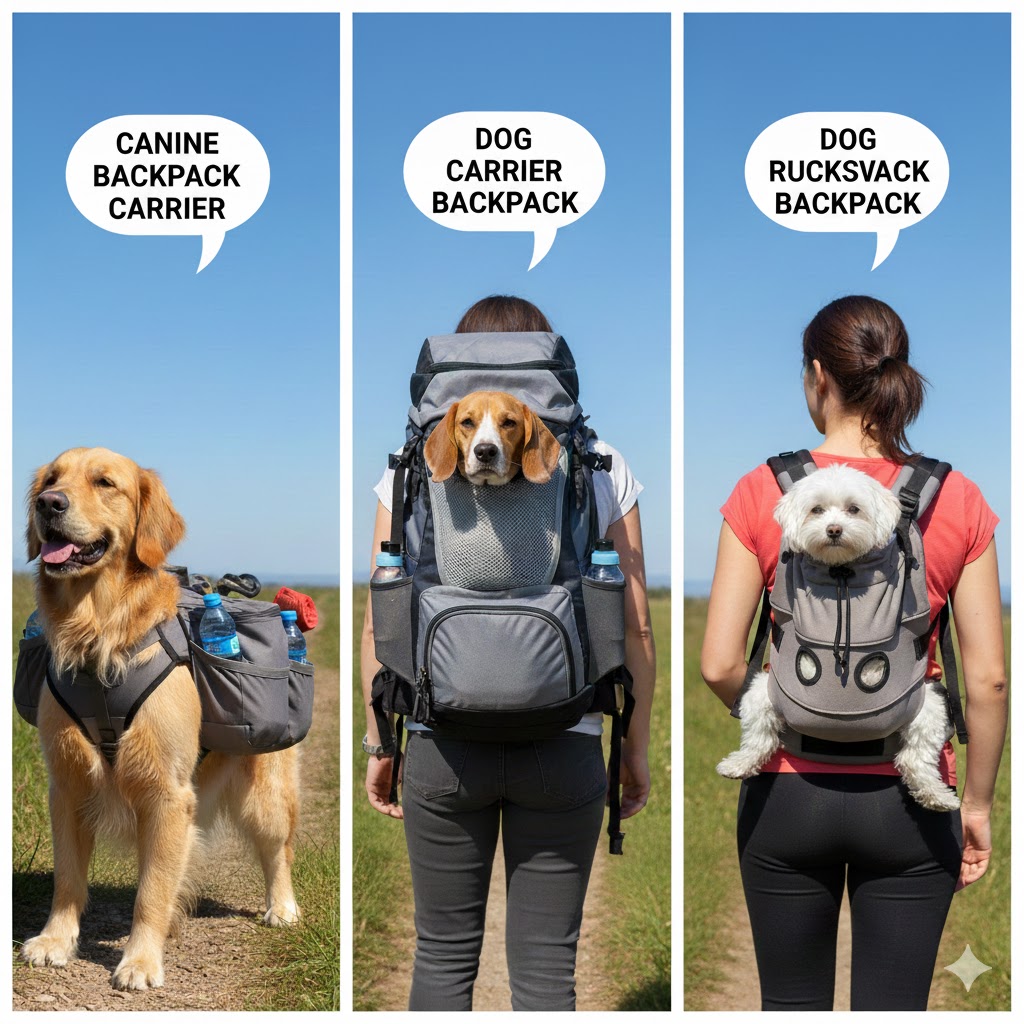
When buyers compare a pet carrier vs backpack, the difference is not just the name. Backpack carriers, rucksack-style carriers, and pet-carrier-style layouts support the dog in different ways, with different risks around fit, base support, ventilation, storage, and carry time. This guide compares those differences so you can match the right carrier style to the dog’s posture, travel setting, and use boundary before choosing a product.
For assortment planning, start with your pet backpack carrier category baseline, then use the comparison below to position the right style for the right use case.
Key takeaways
- Canine backpack carrier: most structured and “contained” feel; best for short trips and calm carry.
- Dog carrier backpack: balanced for everyday travel; focuses on comfort for both dog and handler.
- Dog rucksack backpack: built for outdoor utility and storage; often head-out and more “active.”
- Fit beats weight-only sizing: usable inner length, base support, and posture are the return drivers.
- Publish clear limits: intended carry time, heat guidance, and fit checks reduce complaints.
Quick comparison table
| Feature | Canine Backpack Carrier | Dog Carrier Backpack | Dog Rucksack Backpack |
|---|---|---|---|
| Primary use | Short trips, quick transfers | Everyday travel, commuting | Outdoor outings, gear-carry days |
| Dog posture | More upright/contained | Sit or lie with support | Often head-out/upright |
| Structure | Rigid base, shape support | Ergonomic carry + supportive base | Utility pockets + outdoor fabrics |
| Storage | Minimal | Moderate | Higher (gear-oriented) |
| Best for | Small dogs, calmer riders | Small–medium dogs (depending on spec) | Active owners; short outdoor sessions |
1) Canine backpack carrier (structured, contained)

This style typically prioritizes structure: a firm base, shape support, and a more enclosed feel. It can reduce “sliding around” complaints on short trips, but it needs good ventilation and a base that supports posture without forcing a curl.
Buyer checks (pass/fail)
- Base support: stays flat under load; no sag that makes the dog “hang.”
- Usable inner length: supports a neutral spine when sitting or resting.
- Ventilation access: airflow stays open near the dog’s nose (not blocked by posture).
- Closure confidence: zippers/locks do not creep during movement.
2) Dog carrier backpack (everyday travel, comfort first)
This is the “daily travel” workhorse category. It usually focuses on carry comfort for the handler (padding, strap geometry) plus a stable dog compartment. Returns in this group usually come from sizing mismatch (especially long-backed dogs), weak base support, and strap creep that increases bounce.
What to publish to reduce wrong-size orders
- Usable inner dimensions (not outer size only)
- Recommended comfort band (not just maximum load)
- Base structure description (board/frame/panel)
- Ventilation layout (how many sides are mesh)
- Carry system (chest/waist stabilization where applicable)
3) Dog rucksack backpack (outdoor utility + storage)
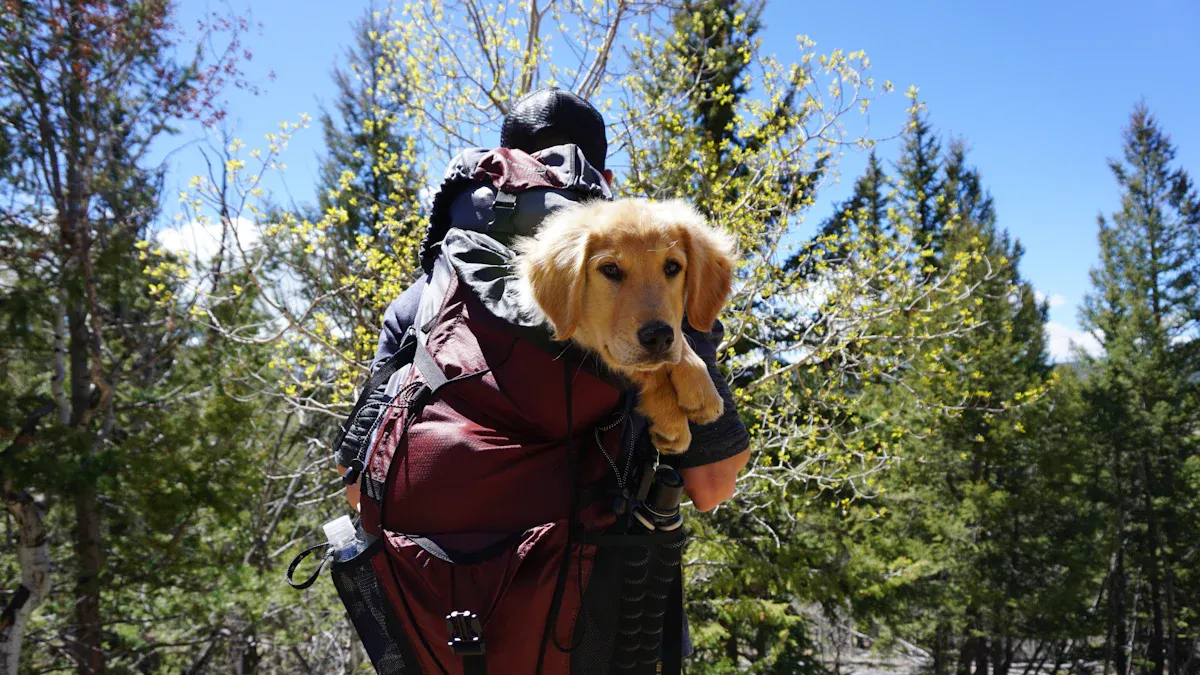
Rucksack styles usually add utility: pockets, outdoor fabrics, and a “bring gear with you” layout. Many are designed for shorter outdoor sessions, not long-duration enclosed travel. They can work well when the dog is calm, the route is smooth, and heat is managed with breaks.
Material expectations (keep it simple)
- Abrasion-resistant nylon/polyester for scuff zones
- Breathable mesh placed where airflow matters (not just decorative panels)
- Weather-resistant coatings where needed (but still breathable in the dog compartment)
- Quality zippers + reinforced seams to prevent “opened during movement” complaints
Weight banding is not sizing
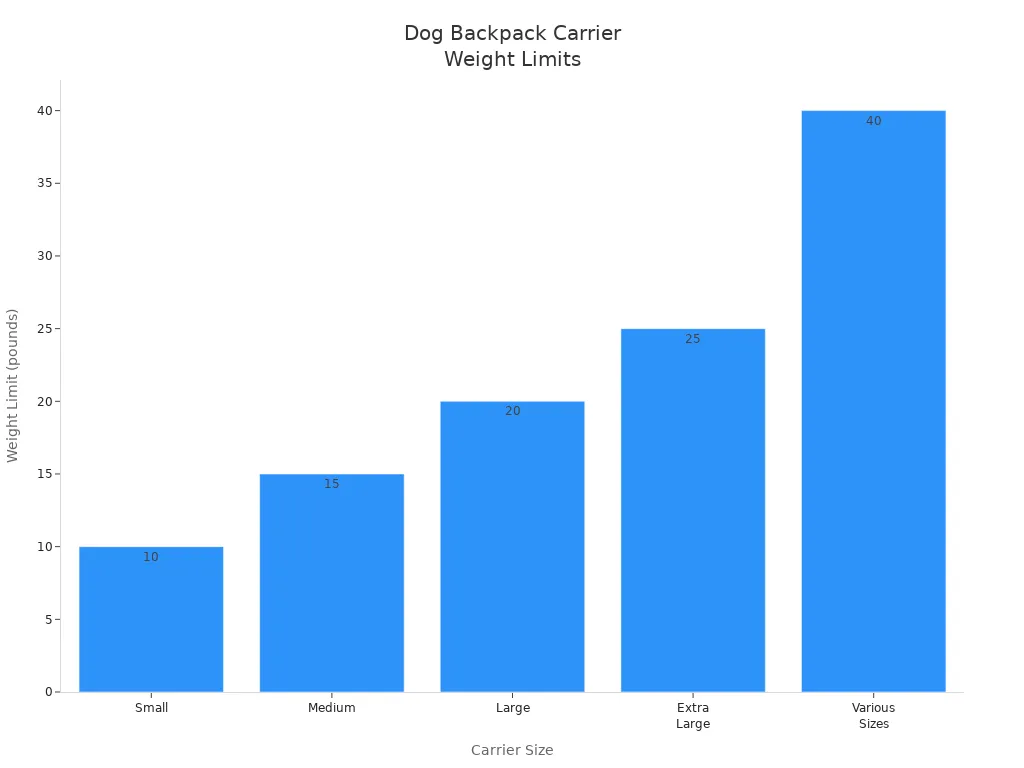
Weight bands are a starting point, not a fit guarantee. Returns typically happen when body length and seated height don’t match usable space, or when the base cannot support posture. Use a simple fit rule: the dog should sit or rest with a neutral spine, breathing space at the nose, and stable support under the body.
If your assortment includes outdoor carry, use the dog backpack carrier for hiking checklist to qualify ventilation, stability, and closure security under movement.
Fit and comfort checklist you can reuse across listings
- Posture: no forced curl; no slumping
- Base: stable under load; does not sag
- Airflow: mesh panels stay open near the face
- Stability: low bounce; straps do not creep
- Security: closures hold; internal tether policy is clear (harness, not collar)
For a deeper sizing and feature baseline that works across multiple backpack styles, reference dog backpack carrier essentials and align your spec fields to the same measurement logic.