
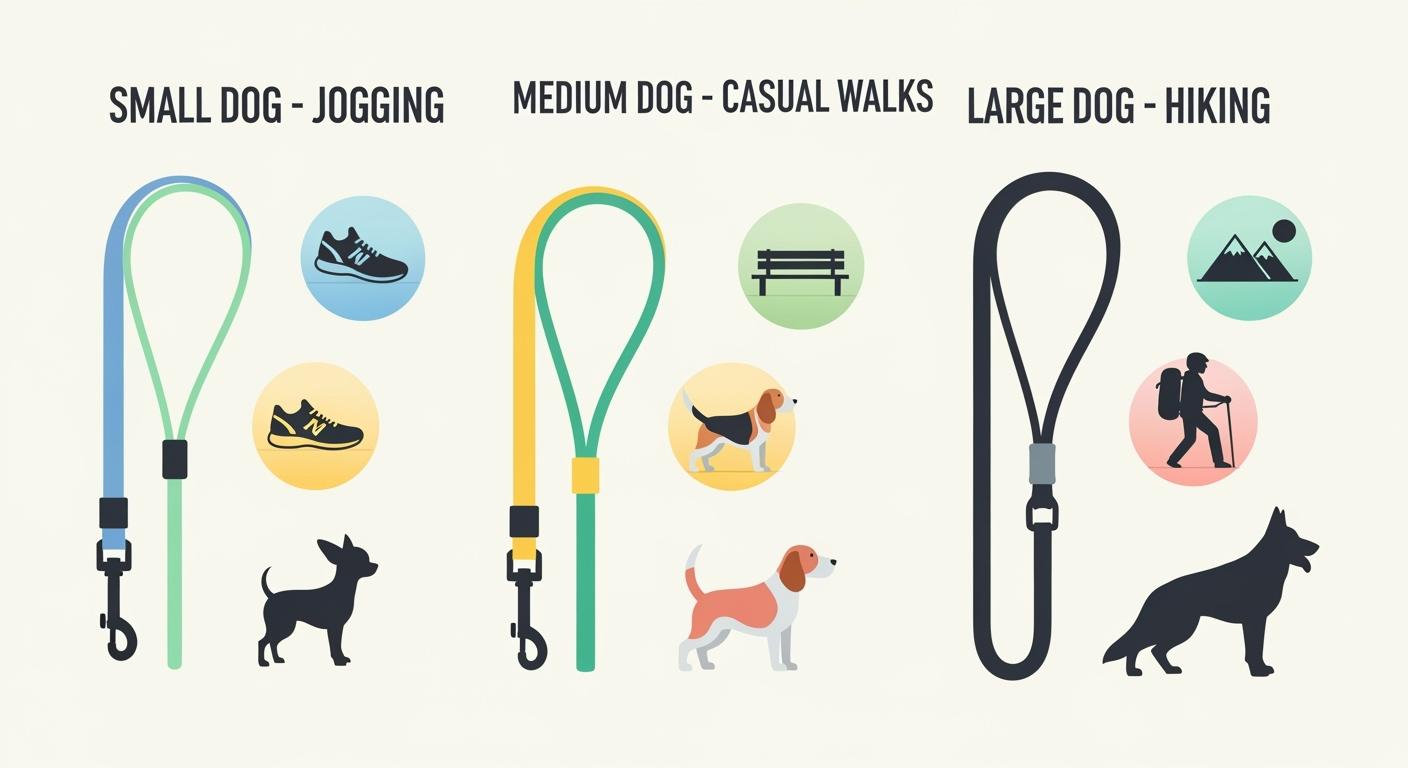
Imagine you help many families in the US with pets. According to recent American Pet Products Association (APPA) National Pet Owners Survey data, about 68 million US households have at least one dog. Choosing the right leash for dogs means thinking about size, breed, and activity level. Safety and comfort are crucial for both dogs and their owners. Well-designed leashes keep people and pets safer, reduce product failures, and lower the risk of injuries. For pet brands, offering safe, clearly labeled leashes means fewer returns and happier buyers.
Pet owners want strong leashes for dogs that fit their pets.
Safety ads make people want safe leashes for dogs more.
Easy-to-read info means fewer complaints and returns regarding leashes for dogs.
About this guide and who wrote it
This guide is written for pet brands, retailers, and distributors who use Stridepaw to plan, list, and manage dog leashes and related safety products. It is not a generic consumer blog post. The content is designed to help B2B teams translate safety research, leash laws, and veterinary advice into practical product and merchandising decisions.
The guide was prepared by the Stridepaw pet travel and equipment research team, which focuses specifically on leashes, harnesses, and travel gear rather than general ERP topics. Our team reviews peer-reviewed studies on leash-related injuries, APPA pet ownership statistics, and examples of state and city leash laws on an ongoing basis. We then turn those sources into simple frameworks and checklists that your internal teams can adapt.
Key Takeaways
Pick the right leash for your dog’s size and breed. Think about how active your dog is. This helps keep your dog safe and comfortable.
Use strong materials and good hardware for leashes. This stops injuries and makes leashes last longer during walks.
Teach customers about different leash types and how to use them. This helps people choose the best leash for their dog.
Put clear labels on leash length, width, and weight limits. This makes things less confusing and helps stop returns.
Show safety features like padded handles and locking clips. These make using the leash better and help stop accidents.
Tell people to use harnesses for dogs that pull. Harnesses spread out pressure and help owners control their dogs.
Keep up with local leash laws and make products that follow the rules. This helps customers avoid getting fined.
Give guides and tips on how to use leashes safely. This helps people walk their dogs safely and builds trust with customers.
Evidence snapshot: why leash choice matters
Recent studies using data from the US National Electronic Injury Surveillance System found that between 2001 and 2020, an estimated 420,000+ adults were treated in emergency departments for injuries related to walking a leashed dog. Many of these patients were women over 40, and the most common injuries included finger fractures, shoulder sprains, and traumatic brain injuries caused by falls after being pulled or tripped by the leash.
For B2B teams, these findings confirm that leash design is not just a style or comfort decision. Hardware strength, handle design, leash length, and how clearly you explain safe use can directly influence injury risk for end users. When you base your product choices and education on peer-reviewed research and official statistics, you can speak credibly about safety instead of relying on vague warnings.
Leash Safety and Comfort
Choosing the right leash for dogs is not just about style. You need to think about safety and comfort for both the dog and the person holding the leash. When you match the leash to the dog’s size, breed, and activity, you help prevent injuries and make walks more enjoyable. For pet brands and retailers, focusing on these factors can reduce returns and build trust with your customers.
Risks of Improper Leash for Dogs
Common Injuries
Dog walking is a daily activity for millions of families, but using the wrong leash can lead to serious accidents. A 2023 analysis of US emergency department data found that between 2001 and 2020, an estimated 422,000+ adults were treated for injuries linked to walking a leashed dog. Most of these patients were women, and around half injured their upper extremity after being pulled, tripped, or tangled in the leash. Common problems included finger fractures, wrist and shoulder sprains, and, in more serious cases, traumatic brain injuries after falls. Choosing a leash that matches the dog’s size and strength, and teaching owners how to hold and use it safely, can reduce many of these risks.You can avoid many of these injuries by choosing a leash that matches the dog’s size and strength. Using a harness instead of a collar can also help. A harness spreads pressure across the dog’s body, which protects the neck and gives you better control.
Tip: Always check the leash material and hardware. Poor quality clips or the wrong material can break, putting both the dog and handler at risk.
Behavioral Impact
The wrong leash can also affect a dog’s behavior. For example, retractable leashes often cause entanglement and do not give you enough control. Dogs learning to walk politely may pull more or become anxious if the leash is too long or too short. If you pick the wrong leash length or material, you may see more pulling, jumping, or even fear in your dog. Matching the leash to the dog’s needs helps create a calm and safe walking experience.
Leash Laws and Compliance
Length Requirements
Many states and cities have specific rules about leash use in public spaces. Some jurisdictions simply require that dogs be kept “under control,” while others set clear maximum leash lengths, often between 4 and 6 feet. For example, Section 161.05 of the New York City Health Code requires dogs in public places to be restrained by a leash or chain no longer than six feet, and a number of city park systems in the US use similar 6-foot limits. Other municipalities, such as certain coastal towns and county parks, allow longer leashes—sometimes up to 20–25 feet—but only in designated areas and with fines for violations. As a pet brand or retailer, you should design, label, and market your products so that it is easy for customers to stay within these local rules.
State | Compliance Requirement |
|---|---|
New York City (New York) | Dogs in public places must be restrained by a leash or chain no more than six feet long under the city health code. |
Darien, Connecticut | Town park rules require dogs to be leashed on lines no longer than 25 feet in most areas, with fines for off-leash violations outside designated dog zones. |
Bexar County, Texas | County animal control officers can issue tickets when dogs roam without a leash in unincorporated areas, with escalating fines for repeat offences and for unvaccinated pets. |
Selected state wildlife areas | Many state wildlife agencies require dogs to be leashed in game or nesting bird habitats to protect wildlife; rules often specify that dogs may not “run at large.” |
Local city ordinances | Numerous cities and suburbs set their own leash-length caps (often 4–6 feet) for sidewalks, playgrounds, and business districts, even when there is no statewide leash law. |
This table gives high-level examples of how leash rules can differ across jurisdictions. It is not legal advice, and regulations change over time. Always refer customers to current state and local codes or park rules for the most accurate requirements.
Public Space Rules
Public parks, wildlife areas, and city streets often have their own leash rules. Some places require leashes at all times, while others set limits on length or type. By educating your customers and providing clear product labels, you help them follow the rules and avoid fines. This focus on safety and compliance can also reduce product returns and improve customer satisfaction.
When you design and sell leashes, always keep safety, comfort, and legal requirements in mind. These steps protect both dogs and people, and they help your brand earn trust in the pet community.
Dog Leashes: Types and Uses
Standard Leash for Dogs
Standard leashes are used for most daily walks. Many families pick these leashes because they are safe and easy to use. Most standard leashes are four to six feet long. This length helps you keep your dog close in busy places. It also makes training your dog easier. You can buy standard leashes made from nylon, leather, or rope. Each material feels different and lasts a different amount of time. Wide leashes are better for big dogs. Thin leashes are good for small dogs.
Many pet brands sell standard leashes like the Atlas Pet Lifetime Leash and Frisco Nylon Leash. These leashes have strong handles and safe clasps. They help keep dogs safe on walks. When you make or sell standard leashes, you help people follow leash laws. You also help stop injuries. Clear labels about leash length and material help buyers pick the right leash. This can lower returns and make people trust your brand.
Everyday Walking
People use standard leashes for walks, park trips, and training. These leashes give you good control over your dog. This is important for teaching your dog to behave. In many US cities, local codes or park rules set maximum leash lengths between four and six feet for sidewalks and busy public spaces. For example, New York City’s health code caps leash length at six feet in public places, and several other municipalities use similar limits.
Tip: Pick a leash with a bolt-snap closure for more safety. This kind of clasp is strong and does not open by mistake.
Retractable Dog Leashes
Retractable leashes let you change the length for your dog. Some can get as long as 26 feet. These leashes are good for open spaces, but they can be risky. The thin cord can burn or cut your skin. Handles can slip, and you might lose control if your dog pulls hard. Older people can fall or get tangled more easily.
Safety Considerations
Vets say retractable leashes can cause accidents. The cord can wrap around your fingers or legs and hurt you. You have less control if something bad happens. The leash can jam or break, and your dog might run away. Pet brands should put safety warnings and clear instructions on the box. This helps people use retractable leashes safely and stops complaints.
Feature | Retractable Leashes | Standard Leashes |
|---|---|---|
Control | Less predictable | Consistent |
Range | Up to 26 feet | 4–6 feet |
Safety Risks | Higher | Lower |
Durability | May fail or jam | More durable |
Convenience | Flexible | Simple, easy to handle |
Ideal For | Open spaces | Training, crowded areas |
Training and Long-Line Leashes
Training and long-line leashes help you teach your dog to come when called. They also let your dog explore safely. These leashes can be 20 to 50 feet long. You use them for tracking, scent games, or practicing commands in big spaces. Biothane and nylon are strong and easy to clean. Long-line leashes give your dog room to move, but you still have control.
Recall and Exploration
You use long-line leashes for teaching recall and safe exploring. These leashes are good for active dogs that need lots of exercise. Always check the leash length and material before you buy one. Pet brands should label these leashes clearly so people know how to use them. Good labels and design help stop injuries and returns. This makes customers happy and safe.
Note: Always watch your dog when using a long-line leash. This stops tangling and keeps walks safe.
Specialty Dog Leashes
Specialty dog leashes give you more choices for walking and training. You can pick hands-free leashes or double-ended leashes. These match your activity and your dog’s needs. These leashes help you stay safe and feel comfortable. They are good for busy places or when you need more control.
Hands-Free and Double-Ended
Hands-free leashes let you walk or run with your dog. You keep your hands open. You wear the leash around your waist or body. This lets you move easily and keeps your dog close. Many hands-free leashes use bungee cords. The bungee stretches if your dog pulls hard. This protects your joints from sudden pulls. Padded handles make holding the leash more comfortable. They help you control your dog at streets or near other dogs.
Double-ended leashes have clips on both ends. You can clip one end to the collar and one to a harness. This gives you better control and helps with training. You can also walk two dogs at the same time. Some double-ended leashes have a swivel splitter. This stops your dogs from getting tangled.
Pet brands and stores should look for these leash features:
Feature | Description |
|---|---|
Shock-absorbing | Strong bungees help stop injuries from big pullers. |
Comfortable padded handles | Makes it easier to control your dog at busy places. |
No tangle | Dual leash with swivel splitter lets dogs move freely. |
Hands-free or hands-on option | Switch between hands-free and regular use with strong clasps. |
Extremely versatile | Adjustable lengths and hands-free use for many activities. |
Flexible and secure | Change leash length for different places, with strong clips. |
Light up reflective | Reflective stitching helps you be seen at night. |
Stylish and comfortable | Comes in many colors and has soft padding for comfort. |
You can use specialty leashes for jogging, hiking, or training. These leashes are good for active dogs that need lots of exercise. Reflective stitching helps you be seen at night. You can adjust the leash for parks or city walks. Soft padding and cool designs make walks better for you and your dog.
Tip: Always check the leash clips and stitching before buying. Strong clips and seams keep your dog safe and help stop returns.
Specialty leashes help pet brands stand out. Clear labels and guides teach people how to use these leashes safely. Leashes with bungees, padded handles, and reflective parts help stop injuries. They also make customers happier. Specialty leashes give you more choices and help you follow safety rules.
Matching the Leash to the Dog
Selecting the right leash for dogs is a key step for pet brands and retailers. You need to think about the dog’s size, breed, and activity level. This helps you keep dogs safe and comfortable. It also helps your customers follow local rules and avoid injuries. When you use clear labels and give good information, you reduce returns and complaints. You also build trust with your buyers.
Leash for Small Dogs
Small dogs need special care when you pick a leash for dogs. Their bodies are light and delicate. Heavy leashes can make walks hard for them. You want to choose materials and hardware that keep them safe and happy.
Lightweight Materials
You should look for leashes made from light but strong materials. These materials help small dogs move easily and prevent strain on their necks and backs. Here is a table to help you compare the best options:
Material | Key Features |
|---|---|
Biothane | Durable, waterproof, superior grip, withstands extreme temperatures, easy to clean, abrasion-resistant. |
Leather | Good grip stability, non-slippery when wet, improves with age, comfortable to hold. |
Nylon | Lightweight, durable, water-resistant, versatile for dirty conditions, available in various colors. |
Nylon is a popular choice for a leash for dogs because it is light and comes in many colors. Biothane and leather also work well for small breeds. These materials keep the leash easy to handle and safe for both the dog and the owner.
Clip and Hardware
The clip and hardware on a leash for dogs must match the dog’s size. For small dogs, you want a small, lightweight clip that is still strong. Heavy clips can pull on a small dog’s collar or harness. Look for clips that are easy to open and close but do not come loose by accident. Stainless steel or coated metal clips work best because they resist rust and last a long time.
Tip: Always check the clip and stitching before selling or using a leash for dogs. Weak hardware can break and put the dog at risk.
Leash for Medium Dogs
Medium dogs need a balance between control and comfort. They are strong enough to pull but not as heavy as large breeds. You want to offer leashes that give owners good control without being too bulky.
Balance of Control
You can choose from many types of leashes for medium dogs. Each type offers different control features. Here is a table to help you decide:
Leash Type | Control Features |
|---|---|
Slip Lead | Should only be used by trained handlers to avoid danger to the dog. |
Chain Leash | Durable, zero-give, deters heavy chewers, provides good control. |
Retractable Leash | Allows adjustable distance control between the dog and handler. |
Reflective Leash | Improves visibility at night or in bad weather, enhancing safety during walks. |
Bungee Leash | Acts as a shock absorber, ideal for hands-free situations. |
Traffic Lead | Short leash (18” or less) keeps the dog close, made from various materials for durability and style. |
For daily walks, a leash for dogs that is 4 to 6 feet long works best. This length gives you control and keeps the dog close in busy areas. For training or exploring, you can use a longer leash. Always label the leash type and length clearly. This helps buyers pick the right product and reduces confusion.
Leash for Large Dogs
Large dogs are strong and need heavy-duty leashes. You must use tough materials and strong hardware. This keeps both the dog and the handler safe.
Heavy-Duty Options
Choose a leash for dogs made from thick nylon, leather, or reinforced rope. The hardware should be large and sturdy. Wide leashes help spread the force if the dog pulls. Braided handles add comfort and strength. You want to make sure the leash can handle sudden pulls and rough use.
Sizing Labels
Clear sizing labels help buyers pick the right leash for their large dogs. Here is a table showing common label standards:
Size | Width | Description |
|---|---|---|
Extra Large | 3/4” / 17mm | Designed for large, giant, and strong dogs; features heavy-duty hardware and a braided handle. |
XXL | 1″ / 20mm | Extra wide, heavy-duty leash for giant dogs; crafted with durable materials. |
Large | 5/8” / 14mm | Suitable for larger dogs; sturdy weight with large hardware and a braided handle. |
You should always include clear size and weight guidelines on your packaging. This helps buyers choose the right leash for dogs and lowers the chance of returns. When you give good information, you help customers feel confident in their choice.
When you focus on matching the leash to the dog, you help your customers make safe and smart choices. You also meet safety rules and reduce the risk of injuries. Here is a simple list to guide your product selection:
Check the dog’s breed and size. Small dogs need lightweight leashes. Large dogs need heavy-duty options.
Look at the dog’s activity level. Active dogs may need padded or shock-absorbing leashes.
Think about health needs. Dogs with neck or back problems need harnesses that spread pressure.
Use clear labels for leash length, width, and weight limits.
Offer educational guides to help buyers pick the right leash for dogs.
Clear labeling and product information help your customers trust your brand. When buyers understand what they are getting, they make better choices. This leads to fewer returns and complaints. You also help keep dogs and people safe during walks.
Note: Educational content and clear labels can lower dog-walking injuries and improve customer satisfaction. This builds trust and loyalty for your brand.
Activity Level and Breed Considerations
Choosing the right leash depends on your dog’s breed and how active they are. As a pet brand or retailer, you help your customers by offering leashes that match each dog’s needs. When you design and label your products with clear information, you support safety and reduce returns. You also build trust with buyers who want the best for their pets.
Active Breeds
Active breeds need leashes that can handle their energy. Dogs that love to run, hike, or play need strong and supportive gear. You want to offer leashes that last and keep both the dog and handler safe.
Durable and Supportive Leashes
For active dogs, look for these features:
Sturdy, six-foot leashes made from leather, nylon, or chain. These give you control and last a long time.
Mountain rope leashes. These use climbing rope, which is strong but not heavy. They work well for big, energetic dogs.
Head halters. These help guide the dog’s head and body, making walks easier to manage.
Double-layer collars. These collars add extra strength for strong pullers.
No-pull harnesses. These harnesses give you control without hurting the dog.
Reflective or lighted leashes. These keep dogs visible during early morning or evening walks.
Tip: Always check the leash for strong clips and secure stitching. This helps prevent accidents and keeps walks safe.
Calm Breeds
Calm breeds do not need heavy-duty leashes. They do best with firm but gentle gear. You want to focus on comfort and simple design.
Comfort and Simplicity
Choose leashes with soft padding and smooth handles. Nylon or leather leashes work well for calm dogs. Shorter leashes, about four to six feet, give enough control without feeling heavy. Simple clasps make it easy for owners to attach and remove the leash. You can also add reflective stitching for safety during low light walks.
Note: Clear labels about leash length and comfort features help buyers pick the right leash for their calm dogs.
Training Needs
Some dogs pull or need extra training. You can help your customers by offering leashes designed for these challenges. The right leash can make training safer and more effective.
Leash Choices for Pullers
Here is a table to help you compare leash options for dogs that pull:
Leash Type | Description |
|---|---|
Hands-Free Waist Leashes | Good for joggers and parents. Use only with dogs that walk politely on leash. |
Double Handle Leashes | Has a second handle for extra control in busy places. |
Front-Clip Harness Systems | Helps redirect pulling. Needs careful fitting to protect joints. |
Martingale + Leash Combo | Tightens gently when the dog pulls. Must fit properly for safety. |
Power Steering Hiking Harness | Gives stability for dogs that weave or change direction. Spreads pressure evenly. |
Callout: Educational guides and clear product labels help your customers use these leashes safely. This reduces injuries and returns, and builds trust in your brand.
When you match leash features to each dog’s activity level and behavior, you help owners walk their dogs safely. You also support compliance with local rules and improve customer satisfaction.
Best Dog Leash Features
If you want to sell the best dog leash, focus on three things. Durability, comfort, and safety are most important. These features help people walk their dogs safely. They also help your brand get fewer returns. Good product info and smart design make your brand stand out.
Materials and Durability
Nylon, Rope, Leather
Always check what the leash is made of before you choose. The right material keeps dogs safe and makes the leash last longer. Independent product tests and long-term user reviews consistently show that thick nylon webbing and climbing-rope-style leashes resist fraying and hardware failures better than thinner materials for strong or active dogs. The table below summarizes findings from independent gear testing and consumer reviews to illustrate how different materials and constructions have performed under repeated tugging, dragging, and chewing.
Durability notes summarized from independent product tests, not from Stridepaw’s own laboratory.
Leash Name | Material Used | Durability Notes |
|---|---|---|
Max and Neo Triple Handle Leash | Thick nylon | Minimal fraying, sturdy clasps after tugging and dragging. |
Primal Pet Leash | Thick nylon | Similar durability, showing little wear. |
TUG Retractable Leash | Thin material | Reinforced attachment resists chewing, stronger near the dog. |
Ruffwear Knot-a-Leash | Thin rope | Secure carabiner, but rope can be chewed through quickly. |
BAAPET Leash | Thick rope | Thick leash stays strong, foam handle wears out faster. |
General Findings | Various | Most leashes last months to years with regular use. |
Nylon and thick rope leashes are very strong. Leather also lasts a long time. Thin materials are not good for strong or active dogs. Always match the leash material to the dog’s size and activity.
Handle Comfort
Padded and Ergonomic
Handle comfort is important for safety and easy use. You want people to feel safe and in control. Here are features that users like most:
Padded handles stop hand pain during long walks.
Ergonomic grips give better control with strong dogs.
Handles on harnesses help in emergencies.
Good handles do not rub or slip, even when wet.
People feel safer in busy places with easy-to-grip handles.
Look for these features when you pick the best dog leash for your brand. Comfortable handles help prevent injuries and make walks better.
Safety Hardware
Locking Clips and Reflective Elements
Safety hardware keeps dogs safe and easy to see. You need to check these features before you add a leash to your product line:
Locking clips stop the leash from opening by accident.
Hardware must hold the dog’s weight so it does not break.
Rust-resistant materials keep leashes safe in wet weather.
Reflective stitching or parts help dogs and owners be seen at night.
Tip: Always use clear labels about hardware strength and safety features. This helps people pick the right leash and lowers returns.
When you focus on these features, you help people find the best dog leash for their needs. You also support safety, rules, and customer happiness.
Handler Safety and Tips
Preventing Injuries
Walking your dog looks simple, but it can be risky when the wrong leash or grip is used. An analysis of US emergency department data found that more than 400,000 adults sought care for leash-dependent dog-walking injuries between 2001 and 2020, with annual cases rising more than four-fold over that period. Many of these injuries occurred when handlers were pulled off balance, tripped, or tangled in the leash, leading to fractures of the fingers and wrists, shoulder sprains, and even head injuries. Teaching customers how to hold the leash correctly and choose the right design for their dog’s strength is therefore a safety and risk-management priority, not just a training tip.
Proper Grip
Hold the leash in your palm, not just your fingers. This grip gives you more control and helps stop sudden injuries. Many people get hurt when they wrap the leash around their wrist or put fingers under the collar. Always keep your hand open and ready to let go if you need to.
Here are the best ways to keep handlers safe:
Pay attention. Do not use your phone or headphones so you can react fast.
Hold the leash in your palm. This grip helps you control your dog and stops injuries from quick pulls.
Never put your fingers under the collar. If the dog pulls, this can hurt your hand badly.
Use a short leash. Short leashes give you more control and help stop trips or falls.
Walk instead of riding bikes or skateboards. Walking is safer and more stable.
Wear shoes with good grip. Good shoes help you avoid slipping and falling.
Tip: Pet brands should put grip tips and safety steps on the package. Clear instructions help stop injuries and make buyers trust the brand.
Choosing Leash for Environment
Pick the leash type that fits where you walk your dog. City and country areas need different leashes for safety and control. Pet brands can help by putting labels for each place on their products.
Urban vs. Rural
Cities have lots of cars and distractions. You need a strong, short leash for fast control. In the country, there is more space. Longer leashes or bungee leashes work better for calm dogs.
Environment | Recommended Leash Type | Reason |
|---|---|---|
Urban | Normal Leash | Gives control in busy places |
Rural | Retractable Leash | Lets calm dogs have more freedom |
Cities need short, strong leashes for quick control.
Country walks are better with long, bungee leashes.
Note: Clear labels for leash length and place help buyers pick the right leash and lower returns.
Educating Customers
Teaching people is important for stopping injuries and making buyers happy. Pet brands, stores, and sellers should give guides about leash size and how to use them. This helps buyers pick the right leash for their dog’s size, breed, and activity.
Sizing and Usage Guides
You can add easy size charts and how-to guides on boxes and websites. These guides help people know which leash fits their dog and how to use it safely.
Show leash length and width for each dog size.
Explain how to hold the leash and avoid mistakes.
Give tips for picking leashes for different activities and places.
Callout: Teaching with guides and labels helps stop injuries and returns. Clear info builds trust and loyalty for your brand.
Pet brands that focus on safety, rules, and teaching help people walk dogs safely. This lowers injuries, cuts returns, and makes buyers happier.
Quick Checklist for Leash Selection
Step-by-Step Guide
Size, Breed, Activity
Picking the right leash for dogs is easy with a checklist. You want your products to fit every dog and owner. Use this guide to help customers choose the best leash for their pets:
Length: Choose a leash length that fits the activity. Use a short leash, about 1 to 1.5 feet, for busy places. Pick a standard 6-foot leash for daily walks. Longer leashes work well for hiking or training outside.
Width: Match the leash width to the dog’s size. Puppies and small breeds do best with a narrow leash, around ⅜ inch. Medium and large dogs need a wider leash, from ½ inch to 1 inch, for safety.
Design: Think about how the dog acts and what the owner needs. Some dogs need a simple leash. Others do better with padded handles or reflective stitching.
Function: Make sure the leash does its job. Training leashes, walking leashes, and outdoor leashes have different features.
Labeling: Use clear labels for size, weight, and activity. This helps buyers pick the right leash and stops confusion.
Tip: Easy guides and clear packaging help customers feel sure. This lowers returns and helps people trust your brand.
Common Mistakes
Safety and Compliance
Many pet owners make mistakes when picking a leash. You can help them by giving clear info and smart product design.
Starting without a plan: Dogs need routines. Tell owners to set goals for leash use and training.
Using the wrong equipment: Remind buyers to match the leash and collar to the dog’s size and personality. The wrong gear can cause pulling and stress.
Letting dogs pull from the start: Pulling becomes a habit if not fixed early. Suggest leashes that help owners stop pulling.
Inconsistent signals: Dogs learn best with clear, steady cues. Mixed signals confuse dogs and slow learning.
Relying on punishment: Positive rewards work better and keep dogs calm. Old methods can make dogs stressed and act worse.
Skipping exercise: Dogs need both mind and body activity. Without enough exercise, dogs get too excited and harder to train.
Ignoring the environment: Calm places help dogs learn. Remind owners to pick safe, quiet spots for training.
Losing patience: Progress takes time. Celebrate small wins and remind buyers that improvement is slow.
Note: Studies show that using the wrong leash makes pulling and stress worse. About four out of ten owners say leash-pulling is a big problem. Positive training lowers stress and helps dogs behave better over time.
Helping your customers avoid these mistakes makes walks safer and helps people follow local rules. Clear guides and strong labels lower injuries and returns. This makes your brand a trusted choice for pet owners.
When you match the leash to the dog’s size, breed, and activity, you help your customers stay safe. Clear product info and teaching help buyers pick the right leash. Easy-to-read labels and safety tips mean fewer returns and complaints. Using the right leash gives better walks, less chance of injury, and more trust in your brand. Check your leash choices and labels often to follow safety rules and keep customers happy.
Quick Checklist for Pet Brands:
Clearly label leash size, weight, and use.
Put safety and usage tips on the package.
Keep guides updated for new rules.
Good teaching and clear labels help pet owners trust your brand.
Sources and disclaimer
The injury and pet ownership statistics in this guide are drawn from peer-reviewed studies that use the US National Electronic Injury Surveillance System (NEISS), public summaries from institutions such as Johns Hopkins University and Harvard Health, and the American Pet Products Association’s National Pet Owners Survey. Examples of leash laws are based on publicly available state and city codes, such as New York City Health Code §161.05 and recent updates to municipal park rules, together with current overviews of US leash requirements.
Stridepaw is a software and data company focused on pet travel and equipment categories. This guide is intended to help B2B teams translate research and regulations into better product decisions, but it does not replace veterinary, legal, or insurance advice. Brands and retailers should always verify requirements with their own legal counsel, insurers, and local authorities before changing policies or packaging.
FAQ
What leash length should you recommend for most daily walks?
A standard leash length of 4 to 6 feet works best for daily walks. This length gives owners control and helps them follow most city rules. Shorter leashes work well in crowded places. Longer leashes suit training or open areas.
How can you help customers choose the right leash for their dog’s size?
You should use clear labels for leash width, length, and weight limits. Offer guides that match leash types to dog sizes. Lightweight leashes fit small dogs. Heavy-duty options fit large breeds. This helps buyers pick the safest product.
Why is leash material important for safety and comfort?
Leash material affects strength, grip, and comfort. Nylon and rope leashes last long and resist wear. Leather feels comfortable and improves with age. You should match the material to the dog’s size and activity for the best results.
What features help reduce dog-walking injuries?
You can add padded handles, shock-absorbing bungees, and locking clips. Reflective stitching improves visibility at night. Educational guides on packaging teach safe grip and use. These features help prevent injuries and build trust with your customers.
How do leash laws affect product design and labeling?
Many cities set leash length limits and require physical restraint. You should design leashes to meet these rules. Clear labels about length and use help buyers stay compliant. This reduces returns and keeps your brand reliable.
Which leash types work best for active or strong dogs?
For active or strong dogs, you should offer sturdy nylon, leather, or mountain rope leashes. Double-handle or bungee leashes give extra control. No-pull harnesses and head halters help manage pulling. Always use strong hardware and clear instructions.
How does educational content lower returns and complaints?
Educational guides help buyers pick the right leash and use it safely. Clear instructions reduce mistakes and injuries. When customers understand your products, they feel confident. This leads to fewer returns and more trust in your brand.
What common mistakes do pet owners make when choosing a leash?
Many owners pick the wrong size or type. Some use leashes that are too long in busy areas. Others ignore safety features or skip reading instructions. You can help by offering clear labels and simple guides with every product.






