
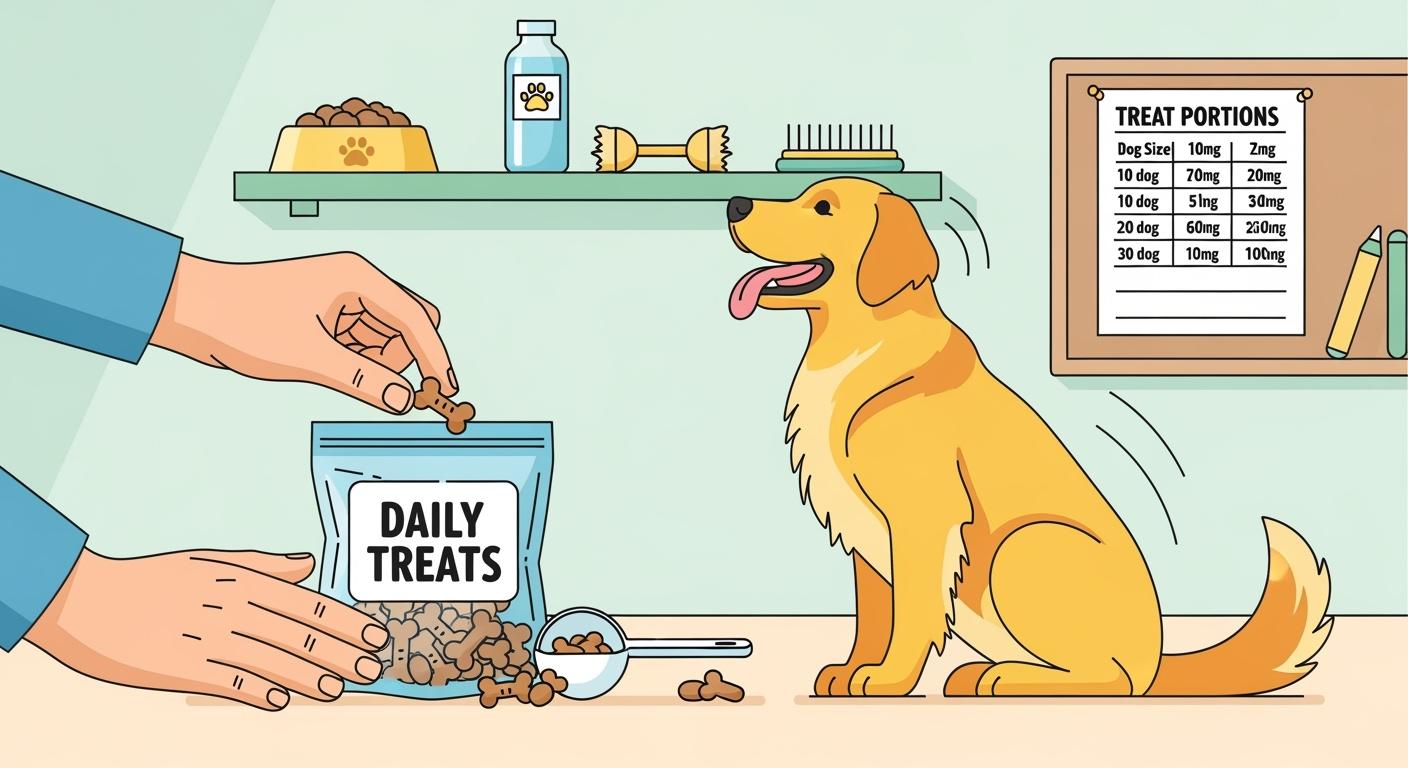
You can keep treats safe in a treat bag by using airtight containers. Keep treats in their original packaging. Pre-portion treats before training. The treat bag lets you give rewards fast. This helps with positive reinforcement and makes training better. To stop overfeeding, use the 90/10 rule for treat calories. Treats should only be ten percent of your dog’s food each day. Some people give too many treats. Some forget food storage rules. To do your best, follow these steps:
Store treats in an airtight treat bag.
Use original packaging inside the treat bag.
Pre-portion treats for each training session.
Track treat usage with the treat bag.
Check the treat bag often for spoilage.
The treat bag helps you control calories. It keeps things clean. It teaches pet families and industry workers too.
Key Takeaways
Use airtight containers to keep dog treats fresh and safe. This helps stop treats from going bad.
Pre-portion treats before training to avoid giving too many. This helps you control how many calories your dog gets.
Follow the 90/10 rule. Treats should be no more than 10% of your dog’s daily calories.
Check treats often for mold or bad smells. This keeps your dog healthy.
Pick the right treat bag material. Use fabric for dry treats. Use silicone for moist treats. Use Mylar for airtight storage.
Keep treats in their original packaging inside the treat bag. This helps treats stay fresh and safe.
Track how many treats you use with a log. This helps you watch calories and change portions if needed.
Clean your treat bag often. This stops bacteria and keeps your dog’s treats clean.
About this guide
This guide brings together three perspectives: day-to-day experience from positive-reinforcement dog trainers, nutrition and food-safety guidance used in small-animal practice, and feedback from retailers and brands that sell treat bags in North America and Europe. It does not replace advice from your own veterinarian, but it translates those professional recommendations into simple daily routines that can be attached directly to a treat bag and a training plan.
Treat Bag in Training Rewards
Fast Access to Training Treats
You need fast access to treats during dog training. A treat bag lets you reach for treats quickly, so you can reward your dog at the right moment. This timing is important for effective training. When you give rewards right after your dog does the correct behavior, your dog learns faster. You build a clear link between the action and the reward. Trainers and pet owners both benefit from this quick access. It helps you keep your focus on the session and not on searching for treats.
Tip: Keep your treat bag clipped to your waist or belt for the fastest access during training sessions.
Timing and Efficiency
Effective training depends on timing. If you wait too long to give a treat, your dog may not understand what action earned the reward. A treat bag helps you stay efficient. You can move, give commands, and reward your dog without delay. This process makes training smoother and more enjoyable for both you and your dog. Training institutions and professionals also see fewer mistakes and better results when using treat bags for timely rewards.
Risks of Spoiled Treats
Health and Safety Concerns
Improper storage of treats can lead to spoilage. Spoiled treats may cause health problems for your dog, such as stomach upset or more serious illnesses. Some treats, like chicken jerky, have been linked to health issues if not stored or sourced properly. You should always check treats for freshness and store them in airtight containers. The table below shows some common risks:
Risk/Guideline | Description |
|---|---|
Fanconi syndrome | Linked to some chicken jerky treats. Cause not always identified. |
Food poisoning prevention | Keep treats away from garbage, refrigerate unused food, discard if in doubt. |
You can reduce these risks by following safe storage practices. Keep treats in their original packaging, squeeze out air, and store them in a cool, dry place.
Preventing Overfeeding
Treat bags help you control how many treats you use in each session. If you do not portion treats ahead of time, you may give too many during training. Overfeeding can lead to weight gain and health issues. Use the 90/10 rule: treats should make up no more than ten percent of your dog’s daily calories. Pre-portion treats before each session and track how many you use. This habit supports healthy dogs and effective training.
Note: Proper treat bag use also benefits brands, retailers, and training institutions. It reduces complaints about spoiled treats and builds trust with customers by promoting safe, consistent practices.
Treats and Calorie Control
The 90/10 Rule for Treats
Daily Calorie Split
You need to manage your dog’s calories to support a healthy weight and effective training. The 90/10 rule is a practical summary of current veterinary nutrition guidance: around ninety percent of your dog’s daily energy should come from a complete and balanced main diet, and no more than about ten percent from treats, table scraps, and other extras. Used this way, treats stay as a training tool instead of turning into a second meal.
This guideline is widely used in companion-animal practice to prevent obesity and to keep the main diet nutritionally complete. It gives trainers, retailers, and pet owners a simple ceiling for how much “extra” food can safely go into a treat bag each day.
Here is how you can apply the 90/10 rule:
Find your dog’s daily calorie needs. Check the feeding guide on your dog food label. Consider your dog’s size, age, and activity level.
Calculate 10% of that number. This is the maximum calories you can give as treats each day.
Use this limit to plan your treat portions for training and rewards.
Example Calculations
Let’s look at some practical examples:
Dog Type | Daily Calorie Needs | 10% Treat Allowance | Calories for Treats |
|---|---|---|---|
Small (10 lbs) | 300 kcal | 10% | 30 kcal |
Medium (30 lbs) | 800 kcal | 10% | 80 kcal |
Large (70 lbs) | 1500 kcal | 10% | 150 kcal |
If your small dog needs 300 calories per day, you should not give more than 30 calories from treats. For a medium dog, keep treats under 80 calories. For a large dog, the treat limit is 150 calories. Always check the calorie content on treat packaging or ask your veterinarian for advice.
Training Treats Portioning
Pre-Portion for Sessions
Pre-portioning treats helps you avoid overfeeding during dog training. Before each session, count out the number of training treats you plan to use. Place them in a small container or pouch. This step keeps you aware of how many treats you give and helps you stick to the 90/10 rule.
Steps to pre-portion treats:
Decide how many treats fit within your dog’s daily treat calorie limit.
Measure or count out the treats before training.
Use only the pre-portioned treats during the session.
Adjust for Dog Size and Age
You must adjust treat portions for your dog’s size and age. Puppies and active dogs may need more calories, while older or less active dogs need fewer. Always base your treat portions on your dog’s current weight and activity level. If you use high-value treats, choose small pieces to keep calories low but motivation high.
Note: These practices help you educate customers and staff about safe treat use. They also reduce the risk of overfeeding, which supports long-term health and nutrition for all dogs.
By following these steps, you help maintain a balanced diet for your dog and support effective training. Brands, trainers, and retailers can use these guidelines to teach pet owners about portion control and safe treat storage.
Choosing Treats for Your Treat Bag
Dry vs Wet Training Treats
Storage Needs
Picking treats for your treat bag depends on how you store them. Dry treats last the longest and are easy to keep fresh. You can leave dry treats in their original packaging. Seal the package tightly to keep treats fresh. Wet treats need to go in the fridge after you open them. Put wet treats in airtight containers. Moist treats are between dry and wet. They also need sealed packaging. The table below shows how to store each type:
Type of Treat | Unopened Shelf Life | Opened Shelf Life | Storage Conditions |
|---|---|---|---|
Dry Dog Treats | 18 months | Up to 3 months | Original packaging, sealed for freshness |
Wet Dog Treats | 24-36 months | 2-3 days refrigerated | Airtight container after opening |
Moist Dog Treats | 18 months | Up to 3 months | Original packaging, sealed for freshness |
Tip: Always look at the packaging for expiration dates. Follow storage instructions to keep treats safe for dogs.
Shelf Life and Freshness
How long treats stay fresh depends on what is in them. Treats with more moisture spoil faster than dry treats. Ingredients like meat or dairy need extra care. Store treats in a cool, dry, and dark spot. Baking or drying treats lowers moisture and keeps them fresh.
Oats or flour last longer than meat or dairy.
Treats with lots of moisture spoil fast, so use them soon.
Keep treats away from heat and humidity to keep them good.
Picking treats that last longer and storing them right helps you waste less and train better.
High-Value Rewards for Training
Low-Calorie Options
or training, you need treats that dogs enjoy but that do not add too many calories. Low-calorie options let you reward frequently while still following the 90/10 rule. Instead of focusing on specific brands, it is more useful to think in terms of treat type and approximate calorie ranges:
Treat type | Approx. kcal per piece | Typical use |
|---|---|---|
Tiny semi-moist training cube | 1–2 kcal | High-frequency rewards in short sessions |
Small crunchy biscuit | 3–5 kcal | Moderate-frequency rewards or everyday walks |
Freeze-dried meat cube | 3–6 kcal | High-value rewards for difficult behaviours |
Cheese or sausage cube (~1 cm) | 8–10 kcal | Occasional “jackpot” rewards only |
These numbers are only examples, but they show why very small pieces are important: even a few high-calorie cubes can use up an entire day’s treat budget. For B2B clients, this kind of table can be turned into a back-of-pack graphic or a training handout that explains why your products are designed in small, low-calorie pieces.
Small-Sized Treats
Small treats are best for training. You can give more treats without going over the daily limit. Dogs like treats that are soft or chewy, like beef jerky or cheese cubes. Pick treats that are healthy and have natural flavors. Avoid treats with additives. Treats with one ingredient from trusted sources are good for dogs.
Chicken or lamb chunks
Cheese cubes
Beef jerky
Hot dog or sausage
Dogs like treats that smell and taste meaty. These treats work well for training. Use small pieces to keep calories low and dogs excited.
Value Statement for ToB Clients: Picking treats that last long, are low in calories, and taste good helps brands and trainers make safe training guides. These choices lower spoilage, help with portion control, and make customers happy.
Selecting the Best Treat Bag
Material and Airtightness
Fabric vs Silicone
When you choose a treat bag, you need to think about the material. Fabric treat bags are lightweight and flexible. You can wash them easily, which helps keep treats safe and fresh. Fabric bags work well for dry treats, but they may not always seal tightly. Moisture and odors can escape if the closure is weak.
Silicone treat bags offer a different set of benefits. Silicone resists stains and odors. You can clean silicone bags quickly, even in a dishwasher. These bags often have a tighter seal than fabric, which helps keep treats fresh longer. Silicone works well for both dry and moist treats. However, silicone bags can feel heavier and may not fit as easily in your pocket.
Mylar bags provide another option for airtight storage. Mylar uses a strong polyester film with an aluminum foil layer. This material blocks moisture, light, and odors. You can use Mylar bags inside your main treat bag to extend the shelf life of dry treats and keep them fresh during training sessions.
Tip: Choose a bag that matches your treat type and storage needs. For dry treats, fabric or Mylar works well. For moist or smelly treats, silicone or Mylar offers better odor control.
Zip Lock and Seals
Airtightness is key for safe treat storage. Look for treat bags with strong zip lock closures or magnetic seals. These features keep air out and help prevent spoilage. If your bag does not seal tightly, use a zip lock bag or keep treats in their original packaging inside the treat bag. This extra step helps maintain freshness and reduces the risk of contamination.
Size and Capacity
Matching Training Needs
The size of your treat bag affects both freshness and portion control. Smaller bags encourage you to portion treats for each session. This practice supports the 90/10 rule and helps you avoid overfeeding. Portion control packaging also reduces food waste and keeps treats fresh, since you open only what you need.
Product Type | Size (inches) | Capacity (fl. oz) | Benefits |
|---|---|---|---|
Day of the Week Bags | 5.5 x 5.5 | 11 | Reduces food waste and maintains portion consistency. |
When you select a training pouch, match the size to your training session. For short sessions, use a small bag. For longer or group training, choose a larger bag with multiple compartments. Always check that the bag is easy to open and close with one hand.
Value Statement for ToB Clients: Selecting the right treat bag improves customer satisfaction and reduces product issues. Airtight, easy-to-clean bags help maintain treat quality and support healthy training habits. This approach builds trust and encourages repeat business.
Storing Treats Safely

Airtight Containers and Bags
Preventing Moisture and Spoilage
You must keep treats dry and fresh for dogs. Airtight containers and bags block air and moisture. This helps stop spoilage and keeps treats safe longer. Pick containers with strong seals and tough materials. Airtight storage also keeps pests and bacteria away from treats.
The exact container you choose matters less than the way it is built. What you are looking for is a tight seal, food-grade materials, and a size that matches how quickly you will use the treats. The examples below show how different container styles support safe storage:
Container type | Typical capacity | Best use | Key features |
|---|---|---|---|
Small countertop canister | 0.5–1 L | Daily training treats kept near the door or leash | Flip-top or screw-top lid, food-grade plastic or steel |
Medium flip-top bin | 3–5 L | Bulk dry treats or kibble stored in a cool pantry | Gasket seal, wide opening for scoops, stackable shape |
Travel-size screw-top jar | 200–400 ml | Treats for day trips, classes, or competitions | Leak-resistant lid, fits inside a backpack or training bag |
For long-term storage you can use larger bins; for daily training, smaller containers make it easier to rotate stock and keep treats fresh.
Keeping Treats Fresh
Use Original Packaging
Try to keep treats in their original packaging. These packages are made to keep treats fresh and safe. They block moisture and air. If you rip the bag or cannot close it, treats may lose freshness.
Pet food stays fresh longer in its original packaging. If the bag gets ripped or is hard to close, freshness can be lost if left open or poured into another container.
Put the original package inside an airtight container for extra safety. This helps keep treats fresh and safe for dogs.
Refrigerate Wet Treats
Wet treats need special care so they do not spoil. Keep unopened wet treats in a cool, dry spot. Make sure the temperature is under 80°F. After opening, put wet treats in the fridge. Use airtight containers or bags to keep moisture out and freshness in.
Put soft and moist treats in the fridge to stop bacteria.
Use airtight containers or bags to keep treats fresh.
Check the package for storage tips and use treats within one or two weeks after opening.
For long-term storage, freeze homemade or bulk soft treats. Use airtight containers or freezer bags and write the date on them.
Thaw frozen treats in the fridge before giving them to dogs. This keeps the texture and quality good.
Refrigerating and freezing treats helps them last longer and keeps dogs safe from bad food.
Labeling and Inspection
Expiration Dates
Always check expiration dates before giving treats to dogs. You can find these dates on the package. Old treats may not be safe or healthy. Use treats before they expire and rotate them to avoid waste.
Signs of Spoilage
Look at treats often to see if they are spoiled. Watch for changes in color, texture, or smell. If you see mold, moisture, or a bad smell, throw the treats away. Use a simple checklist to help you inspect treats:
Check the expiration date.
Look for mold or strange colors.
Smell for sour or weird odors.
Feel for sticky or odd textures.
Tip: Keep a log of inspection dates and results. This helps you track treat safety.
Checking and labeling treats often helps keep dogs safe and healthy.
Value Statement for ToB Clients:
Using airtight storage, original packaging, refrigeration, and regular checks keeps food safe and helps your brand. These steps lower spoilage, keep treats good, and build trust with customers. You can teach staff, help pet owners, and make your business better by following these steps.
Portion Control and Training Rewards

Pre-Portion Training Treats
Small Containers or Pouches
You can control rewards in dog training by planning treats ahead. This helps stop overfeeding and keeps dogs healthy. Use small containers or pouches to hold the right amount of treats for each session. Measure treats so they fit your dog’s daily calorie limit. This way, you know how many rewards you give.
Pick low-calorie treats like small veggie pieces to keep calories low.
Choose treats with less than 1 calorie each. You can give more rewards without overfeeding.
Split your dog’s food into two parts. One part is for meals, the other for training.
Limit how often and how many treats you give each session.
Change meal sizes if you give more treats during training.
Small containers or pouches help you stick to your plan. You only carry what you need for each session. This helps you control portions and keep your dog’s diet balanced.
Tip: Get training treats ready before you start. This saves time and helps you focus on rewarding good behavior.
Tracking Treat Usage
Treat Log or Journal
Tracking treats helps you watch your dog’s calories. Use a treat log or journal to write down how many rewards you give each day. This helps you see patterns and change your routine if needed. Write the treat type, number given, and time.
Use a notebook or digital log to track treats each day.
Write down every reward during training or play.
Check your log at the end of the week to find trends or ways to improve.
Tracking treats helps you control calories and follow the 90/10 rule. You can share your log with your vet or other caregivers. This helps everyone give your dog the same care.
Note: Check your dog’s body often to see if you need to give fewer treats. Use your log to help with these checks.
Avoiding Overfeeding
Adjusting for Training Frequency
You can stop overfeeding by changing treat portions based on how often you train. If you train more than once a day, split the treat allowance for all sessions. This keeps your dog’s calories safe.
Use the 90/10 rule to find your dog’s daily treat limit.
Divide treats by the number of training sessions each day.
Make meals smaller if you use more treats in training.
Watch your dog’s weight and body shape often. Change treat portions if your dog gains weight.
This way, you can reward your dog often without hurting their health. Portion control and tracking help keep your dog at a healthy weight and make training work better.
Callout: Keeping treat portions and tracking steady protects your dog’s health and makes rewards matter more in training.
By doing these steps, you can use training treats as good rewards without giving too many. You help your dog stay healthy and make training fun.
The three-layer treat budget model
One practical way to turn all of these numbers into daily habits is to think in three layers: a daily budget, a session budget, and a bag check.
Daily budget: use the 90/10 rule to decide how many calories can come from treats today.
Session budget: divide that number by the total number of training sessions or walks you expect to do, and measure that amount into a small container for each session.
Bag check: when the pre-measured treats for a session are gone, you switch to praise, play, or lower-value rewards instead of refilling the bag.
Trainers and retailers can teach this model to pet owners as an easy mental checklist that links nutrition advice directly to how they use a treat bag.
Hygiene and Food Safety
Cleaning Treat Bags
Frequency and Methods
You should clean your treat bag regularly to keep treats safe and fresh. Dirt, crumbs, and oils can build up inside the bag. These can attract bacteria and pests. Clean your treat bag after each training session or at least once a week if you use it often.
Follow these steps to maintain treat bag hygiene:
Empty the treat bag completely.
Wash the bag with warm, soapy water. Use a brush for corners and seams.
Rinse thoroughly and let the bag air dry.
Clean any containers or pouches inside the bag.
Return only clean, dry items to the bag.
Close the bag securely to keep out dust and pests.
Dispose of any single-use items that touched treats or your dog.
Tip: If your bag is machine washable, use a gentle cycle. Always check the care label first.
Handling Treats Safely
Handwashing and Cross-Contamination
Safe handling of treats protects both you and your dog from germs. Always wash your hands with soap and water before and after handling dog treats, especially if you use raw or moist treats. Clean all surfaces and tools that touch treats, such as scoops, bowls, and treat toys.
Wash hands before and after handling treats.
Clean surfaces and items that touch treats.
Store raw or moist treats in sealed containers, separate from other foods.
Thaw frozen treats in the refrigerator, not on the counter.
Discard any treats left out at room temperature for too long.
Supervise children when they handle treats and remind them to wash their hands.
Alert: Cross-contamination can spread bacteria. Keep treat storage and preparation areas clean at all times.
Safe Disposal of Spoiled Treats
Disposal Guidelines
You must dispose of spoiled or expired treats properly to prevent health risks. Check treats for mold, bad smells, or changes in texture. If you find any signs of spoilage, do not feed them to your dog.
Place spoiled treats in a sealed bag before throwing them in the trash.
Do not compost pet treats, as they may contain harmful bacteria.
Clean your treat bag and containers after removing spoiled treats.
Wash your hands after handling spoiled items.
Step | Action |
|---|---|
Identify spoilage | Check for mold, odor, or odd texture |
Remove treats | Place in sealed bag for disposal |
Clean containers | Wash with soap and water |
Wash hands | Use soap and water after disposal |
Note: Regular cleaning and safe disposal keep your dog healthy and your training supplies in top condition.
By following these hygiene and food safety steps, you protect your dog and maintain the quality of your training treats. Clean tools, safe handling, and proper disposal are essential for every pet owner and professional.
How businesses can use these guidelines
For brands, retailers, and training schools, turning these routines into simple tools makes them much more powerful. You can print the daily storage checklist on product inserts, add a small 90/10 reminder icon on packaging, or include a one-page portion-control guide in new-client welcome packs. When customers understand exactly how to fill and clean a treat bag, they are less likely to report spoiled treats, overfeeding problems, or confusing feeding instructions. That combination of clear education and safe practice strengthens your authority in the category and supports long-term customer loyalty.
Quick Checklist for Treat Bag Storage
Daily Storage Steps
You can keep treats safe by following simple steps each day. Use this checklist to help treats stay fresh and stop them from spoiling:
Look at treats for mold, wet spots, or bad smells before putting them in the bag.
Keep treats in their original package inside an airtight container or treat bag.
Close the treat bag tightly after every use to keep out air and moisture.
Store the treat bag in a cool, dry spot away from sunlight.
Check the expiration dates and move older treats to the front so you use them first.
Take out leftover treats at the end of the day and clean the bag if it needs it.
Tip: Doing these steps every day helps stop spoilage and keeps treats ready for training.
Portion Control Tips
You can stop overfeeding by using smart ways to control portions. These tips help you manage calories and keep your dog’s diet balanced:
Give low-calorie snacks like apple slices or carrot sticks instead of high-calorie treats.
Save treats for training or special times to reward good behavior.
Add low-calorie veggies like carrots or green beans to meals to make food bigger without adding lots of calories.
Use a kitchen scale to measure food portions. Measuring cups can be wrong sometimes.
Change treat and food amounts if your dog is less active. Dogs that move less need smaller portions.
Feed your dog at the same times each day to help with appetite and digestion.
Try food puzzles or special bowls to slow down eating and make meals more fun.
Check your dog’s weight often to make sure portions are right for their size and activity.
Portion Control Method | Benefit |
|---|---|
Low-calorie treats/veggies | Lowers how many calories your dog eats |
Accurate measurement | Stops you from giving too much food |
Feeding schedule | Helps your dog digest food better |
Food puzzles/feeders | Slows eating and makes meals interesting |
Weight monitoring | Makes sure portions fit your dog |
Note: Keeping portions steady helps your dog stay healthy and makes training work better.
Hygiene Reminders
You can keep your dog safe by cleaning treat bags and storage spots often. Follow these hygiene steps every day:
Empty and clean the treat bag after each training session or at least once a week.
Wash containers and pouches with warm, soapy water. Let them dry before you put treats back in.
Wash your hands before and after touching treats, especially if they are moist or raw.
Keep treats away from cleaning products and chemicals in your house.
Throw away spoiled or old treats in a sealed bag so germs do not spread.
Watch children when they handle treats and remind them to wash their hands.
Alert: Clean storage and safe handling stop germs and keep treats safe for your dog.
By using this checklist, you help treats stay fresh, control portions, and keep food safe every day. These steps help you keep dogs healthy and make training better, whether you are a pet owner or a professional.
You can keep dogs healthy by storing treats the right way. Use airtight containers to keep treats fresh and safe. Count out treats before each training session. Check treats and bags often to make sure nothing is spoiled. These steps help stop health problems and make training work better. When you follow these tips, dogs get the right amount of treats. This also helps stop giving too many treats.
Keep treats in airtight containers.
Count out treats for each training time.
Look at treats and bags often for problems.
Doing these things every time keeps dogs safe and helps training go well.
FAQ
How often should you clean your dog treat bag?
You should clean your treat bag after each training session or at least once a week. Regular cleaning prevents bacteria, mold, and odors. Always let the bag dry completely before refilling it with treats.
Can you store different types of treats together in one bag?
You should avoid mixing dry and moist treats in one bag. Moisture from soft treats can spoil dry treats faster. Use separate airtight containers or pouches for each type to keep them fresh and safe.
What is the best way to portion treats for training?
Pre-portion treats before each session. Use a small container or pouch to hold only the amount allowed by the 90/10 rule. This method helps you avoid overfeeding and keeps calorie intake consistent.
How do you know if treats have spoiled?
Check treats for mold, unusual smells, or changes in color and texture. If you notice any of these signs, discard the treats immediately. Always check expiration dates and inspect treats before each use.
Should you refrigerate all dog treats?
You only need to refrigerate moist or wet treats after opening. Dry treats stay fresh in airtight containers at room temperature. Always follow storage instructions on the packaging for best results.
How can you track treat usage during training?
Keep a simple log or journal. Write down the number and type of treats given each day. This record helps you monitor calorie intake and adjust portions as needed for your dog’s health.
What should you do with leftover treats after training?
Remove leftover treats from the bag at the end of each day. Store them in an airtight container or discard them if they show signs of spoilage. This practice keeps treats fresh and safe for your dog.
Why is airtight storage important for dog treats?
Airtight storage keeps out moisture, air, and pests. This method helps prevent spoilage and extends the shelf life of treats. Airtight containers also help maintain treat quality and safety for your dog.





