
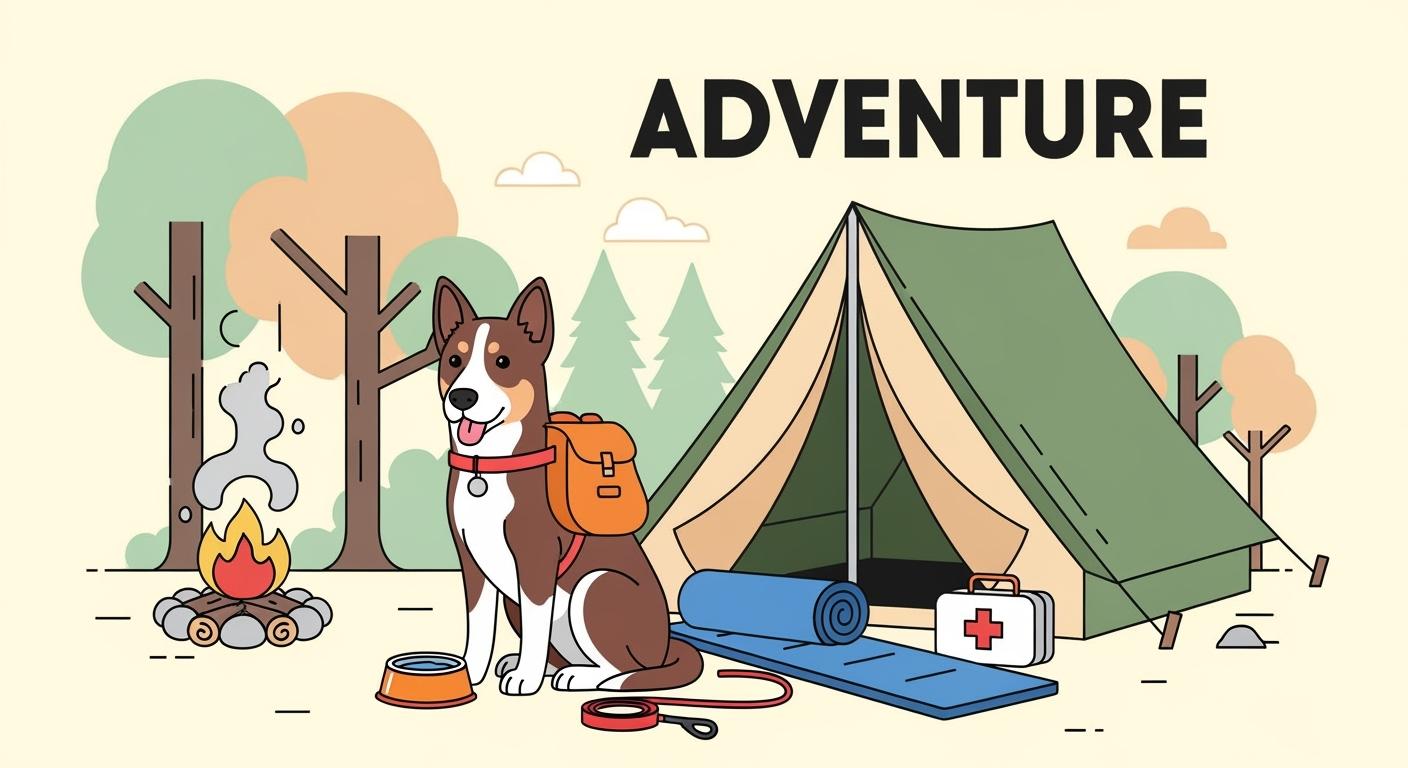
Dog camping gear plays an important role in your dog’s safety and comfort outdoors. As more people take their dogs camping, choosing suitable, well-fitting gear becomes more important. Keep your dog under control with a leash where required, make sure clean drinking water is always available, and bring a basic canine first-aid kit for emergencies. Many campers also use parasite protection recommended by their veterinarian and bring familiar items, such as a bed or toy, to help dogs feel calm. Choosing the right gear can reduce risk, avoid unnecessary costs, and support responsible, low-stress adventures.
This guide offers general best-practice advice only and is not a substitute for guidance from your own veterinarian, qualified dog-training professionals, or local regulations.
Key Takeaways
Dog camping gear helps keep your dog safe and comfy outside.
Always use a leash so your dog does not run away. This helps stop accidents and keeps your dog safe.
Bring a first aid kit made for dogs. It helps you handle emergencies fast.
Use reflective gear and safety lights at night. This helps people see your dog in the dark.
Pick sleeping gear that fits your dog. This gives your dog a cozy spot to sleep.
Pack enough food and clean water for your dog. This keeps your dog healthy on the trip.
Check campsite rules about pets before you go. This helps you avoid fines and have a good time.
Try all gear before your trip. Make sure it fits and feels good for your dog.
Why Dog Camping Gear Matters
Safety and Comfort Outdoors
When you camp with your dog, safety comes first. Comfort is also very important. Dog camping gear helps with both. It gives you tools to solve outdoor problems. Without good gear, your dog might get hurt or feel stressed. Your dog could also be uncomfortable. You might worry if your dog is not safe or happy. Many pet owners now want better camping for their pets. Using the right gear lowers risks. It makes camping better for your dog.
Here are some ways special gear keeps you and your dog safe and comfy:
Check the campsite rules for pets before you go.
Keep your dog on a leash so it stays safe.
Bring food, water, and a first aid kit for emergencies.
Use bear-resistant containers to keep wildlife away.
Pack gear for the weather, like jackets or cooling vests.
Put booties on your dog to protect its paws.
Use a life jacket if your dog goes in water.
Carry a first aid kit made for dogs.
Give your dog a cot or mat to rest on.
Modern gear has new safety features. Some collars let you set safe zones. They can track your dog’s location. These features help you find your dog fast. They make you feel calm during your trip.
Market Trends in Outdoor Pet Gear
Outdoor pet gear is getting more popular. More people want to camp with their pets. Brands and stores see new chances to sell gear. Dog camping gear is now a big part of the market. Companies make gear that is comfy and strong. They add smart features to help pet owners.
Market Trend | Details |
|---|---|
Sales Growth | Some industry forecasts suggest that the global pet-backpack market could approach around USD 845.6 million by 2034, with projected annual growth of roughly 7.3%. These figures are estimates only and can change as new market data becomes available. |
Product Innovation | New gear uses light materials and smart designs. Some have GPS pockets. |
Regional Insights | North America is the top market. Many people there have pets and love the outdoors. |
Consumer Behavior | Surveys in several markets report that up to roughly 60% of pet owners sometimes travel with their pets, and sales of pet-travel products in the U.S. have increased over the past decade. Exact percentages vary by country, survey method, and year, so brands should check recent research when planning. |
Common Risks and Gear Solutions
Camping with your dog has special risks. You must plan for hot or cold weather. Rough ground can hurt your dog. Wildlife can be dangerous. Your dog could get lost. Not all campers like pets, so follow rules.
You can fix these risks with good gear:
Overheating: Give your dog water and shade.
Paw injuries: Booties protect paws from sharp or hot ground.
Toxic water: Do not let your dog drink dirty water.
Hydration: Wet food and bowls help your dog drink enough.
Sleeping comfort: Bring your dog’s bed or crate.
Supervision: Watch your dog and use a leash or tie-out.
Shade: Make a shady spot at your campsite.
Microchipping: Update your dog’s microchip before you leave.
Picking the right gear lowers problems after you buy it. It makes customers happier. Brands and stores can teach people about these items. This makes camping safer and more fun for everyone.
Dog Camping Gear Essentials
Identification and Safety
ID Tags and Microchips
Having reliable identification for your dog is very important when camping, especially in busy or unfamiliar areas. Updated ID tags and a registered microchip make it much easier for others to help if your dog becomes lost. Rescue groups and animal shelters usually check for ID tags first and then scan for microchips. Before any trip, make sure your contact details are current in the microchip registry and on your dog’s tags. Tags can include your dog’s name, your mobile phone number, and, if you wish, your home city or campsite name. Some owners also add a note such as “Microchipped – please scan” so that finders know to ask a vet or shelter for a scan.
Tip: Buy extra tags for all your dog camping gear. Put them on harnesses and hiking packs. This saves time and makes sure your dog always has ID.
Benefits of ID Tags and Microchips:
ID tags help you get your lost dog back fast.
Tags are cheap and easy to change.
Microchips help professionals return lost dogs.
Microchips give extra safety in new places.
Gear Type | Importance | Expert Advice |
|---|---|---|
Collar and Tags | Essential (Legally required) | Make sure your dog has updated tags for emergencies. Buy extra tags for all your gear. |
Reflector or Light | Strongly Recommended | Helps your dog stand out in the dark. Bigger reflectors are best for dogs with long hair. |
Tie Line | Essential (often legally required) | Use a strong tie line that can handle bad weather. It keeps your dog safe at camp. |
Leash | Essential | Pick a leash that lets you use your hands for other things. |
Water & Food Bowls | Essential | Wash bowls often to keep wildlife away from your dog’s food. |
First Aid Kit
A dedicated dog first-aid kit is strongly recommended for any camping trip. Basic supplies such as bandages, hemostatic agents, tweezers, and paw-pad protection can help you manage minor injuries until you reach a veterinary clinic. Your own veterinarian can advise you on any additional medicines or items that are appropriate for your dog’s age, health, and travel plans. A well-prepared kit supports safer adventures but never replaces professional veterinary care in an emergency.
Basic First-Aid Kit Components:
Bandages for cuts and wounds
Hemostatic agents to stop bleeding fast
Tweezers for taking out splinters or ticks
Paw pad protection for rough ground
Medicine from your vet
Note: Check your first-aid kit often and replace old items. This keeps your kit safe and ready to use.
Safety Lights and Glow Collars
Safety lights and glow collars help you see your dog at night. These products stop your dog from getting lost or hurt in the dark. You can clip lights or reflectors to your dog’s collar, harness, or pack. Bigger reflectors work best for dogs with long hair. Glow collars make your dog easy to spot, so accidents are less likely at camp or on trails.
Why Nighttime Visibility Matters:
Lets you find your dog in the dark
Lowers the chance of accidents with cars or people
Makes your dog easy to see for wildlife and other pets
Alert: Pick safety lights that can handle rain and bad weather. Rechargeable lights last for many trips.
Sleeping Gear
Sleeping Pad or Bed
Your dog needs a soft place to sleep outside. Sleeping pads and beds for camping keep your dog warm and comfy. Light beds are good for hiking. Bigger beds are better for car camping. Waterproof bottoms keep beds dry. Raised cots help your dog stay warm. Beds that are easy to wash last longer.
Recommended Features for Sleeping Pads and Beds:
Light and easy to pack
Waterproof and warm
Strong and easy to wash
Extra padding for older dogs
Non-slip bottom for safety
Tip: Beds with lots of support are best for older dogs. Young dogs may not need as much padding.
Sleeping Bag
A dog sleeping bag keeps your dog warm on cold nights. Down insulation is light and very warm. Synthetic fill is heavier but still works well. Pick a bag that fits how your dog sleeps. Water-resistant bags keep your dog dry. Bags you can wash in a machine are easy to clean.
Feature | Description |
|---|---|
Insulation type | Down is warmer and lighter. Synthetic is heavier but warm. |
Size and shape | Pick a bag that fits your dog’s sleeping style. |
Weight and packability | Down bags are lighter and easier to pack. Synthetic bags are bigger. |
Ease of cleaning | Machine washable bags are best for easy cleaning. |
Water resistance | Water-resistant bags keep dogs dry. Fully waterproof bags can trap moisture inside. |
Zipper or hood design | A zipper on half the bag makes it easy to use. A neck hood helps keep your dog warm. |
Durability | Synthetic bags are tough and good for rough use. |
Dog specific features | Some bags have spots to attach pads or drawstrings to keep heat in. |
Dog Shelter Options
You can pick from many dog shelter options for camping. A dog tent keeps your dog safe from bugs and weather. Portable crates or pop-up shelters give your dog a safe place to rest. These shelters help your dog feel calm and safe at night. Look for shelters with good airflow and waterproof fabric.
Tip: Choose a shelter that fits your dog’s size and personality. Shelters that are easy to set up and clean are best for campers who travel a lot.
Food and Hydration
Collapsible Bowls
Collapsible bowls are great for feeding and giving water to your dog outside. They do not take up much space and are easy to wash. Bring one bowl for food and one for water to keep things clean. Wash bowls often to keep animals away.
Food Storage
Good food storage keeps your dog’s food fresh and safe. Use airtight containers to slow spoilage and keep animals out. Dehydrated or freeze-dried food is light and easy to pack, but many dogs also do well on their usual complete kibble or wet food while camping. Sudden diet changes can upset digestion, so most veterinarians recommend staying as close as possible to the food your dog normally eats and discussing any big changes with your vet in advance.
Choose stable options such as your dog’s regular kibble, wet food, or dehydrated meals that meet complete-and-balanced standards.
Bring nutrient-dense foods to support recovery after long days, following your veterinarian’s advice
Pre-portion meals before your trip so feeding is quick and consistent
Introduce any new foods gradually over several days before you leave to reduce the risk of stomach upset.
Water Bottles and Filtration
Your dog always needs clean water. Bring water bottles and filters to make sure your dog drinks safe water. Watch how much your dog drinks, since outdoor fun makes dogs thirsty. Wet food and collapsible bowls help your dog drink more.
Note: Always check if water is safe before your dog drinks it. Camping filters can remove germs and dirt from water.
Packing Checklist for Food and Hydration:
Food and a bowl
Water and a bowl
Treats for training and comfort
Toys for fun
Towels for cleaning up
Waste bags for picking up after your dog
First-aid kit for emergencies
Dog camping gear essentials help keep your dog safe and happy outside. Brands and stores can sell these products to meet demand and teach customers. The right gear lowers problems after buying and makes people happier with their gear.
Leashes and Restraints
Leash and Harness
You need strong leashes and harnesses for camping. These help you control your dog and keep it safe. A harness spreads pressure and stops choking. Nylon leashes are tough and dry fast. Leather leashes do not work well when wet. Small dogs need a 4 to 6-foot leash. Big dogs do better with a 15 or 20-foot leash. Adjustable leashes work for many activities.
Tip: Pick leashes with bright colors or reflective stitching. These help your dog stand out in the dark and lower accident risks.
A zip line or trolley system lets your dog explore safely. These stop the leash from getting tangled. Outdoor harnesses have padded straps and strong buckles. These make camping safer and help customers feel happy. Stores can teach people about good fit and why dogs need to be seen.
Recommended Leash and Harness Features:
Strong nylon material
Adjustable length for many uses
Reflective stitching for safety
Padded harness for comfort
Strong buckles for safety
Seat Belt Tether
A seat belt tether is needed for car rides. It keeps your dog safe while you drive. You clip the tether to your dog’s harness and the car seat belt. Your dog can sit or lie down but cannot move too much.
Lets dogs move safely in the car
Stops the driver from getting distracted
Helps keep dogs safe if you stop fast
Note: Always use a harness, not a collar, with seat belt tethers. This keeps your dog’s neck and chest safe.
Stores can sell seat belt tethers to help more people travel safely. Teaching people how to use them right makes customers happier.
Campsite Tie-Out
A campsite tie-out lets your dog move around but keeps it safe. A 30-foot line gives your dog lots of space. Bungee tethers remind your dog to stay close. These help your dog feel safe and comfy at camp.
Lets your dog explore without running away
Stops tangling with bungee or zip line systems
Keeps your dog close and easy to watch
Alert: Always watch your dog when using a tie-out. Check the rules for pets at your campsite.
Stores can sell tie-outs that are strong and easy to adjust. These help keep dogs safe and teach people about camping rules.
Weather Protection
Dog Jacket or Coat
Weather gear keeps your dog comfy in rain, cold, and wind. Raincoats cover your dog from neck to tail. Warm jackets with good waterproofing are best for cold days. Light rain jackets are good for hiking. Reflective parts help your dog be seen in the dark. Jackets should fit well with harnesses.
Feature | Description |
|---|---|
Waterproof and Windproof | Keeps dogs warm and easy to see, blocks rain and wind. |
Easy to Use | Has a zipper that is simple to use. |
Size Options | Comes in seven sizes for all kinds of dogs. |
Durable Water-Repellent | Has a strong water-repellent finish to keep dogs dry. |
Reflective Trim | Reflective trim helps dogs be seen in the dark. |
Fleece-Lined Booties | Booties are lined with fleece and resist water for warmth. |
Non-Slip Bottoms | Non-slip bottoms help dogs walk in all weather. |
Insulation | Jackets with 200 grams of insulation are best for cold. |
Proper Fit | Jackets must fit well and cover the chest and belly. |
Breed Considerations | Some breeds do not need jackets, but others do. |
Dogs with double coats may not need jackets.
Old dogs, puppies, and thin dogs need coats in the cold.
Jackets must fit right to keep dogs warm.
Stores can sell many sizes and types of jackets. Teaching people about breed needs helps lower returns and makes customers happy.
Booties
Booties keep your dog’s paws safe from rocks, mud, and heat or cold. Fleece-lined booties are warm and keep water out. Non-slip bottoms help dogs walk on wet or icy ground. Pick booties that fit well and stay on.
Tip: Let your dog try booties at home first. This helps your dog get used to them and makes sure they fit.
Booties made for outside use help stop paw injuries and keep dogs comfy. Stores can talk about how tough and easy to use their booties are.
Bug Protection
Bug protection is needed when camping. Jackets with tight fabric can block bugs. Some gear has bug repellent built in. Always ask your vet before using bug sprays. Light mesh covers help keep mosquitoes and ticks away.
Alert: Check your dog for ticks and bites every day. Only use bug sprays your vet says are safe to stop skin problems.
Stores can teach people about safe bug protection and sell gear for camping. This helps keep dogs safe and healthy.
Hygiene and Waste
Poop Bags
You must clean up after your dog at camp. Poop bags make this job easy and clean. Always bring enough bags for your trip. Throw waste in the right bins to keep the area clean. In wild places, bury waste the right way.
Use poop bags for all cleanups
Mark bins clearly at campsites
Teach campers how to throw away waste
Stores can sell earth-friendly bags and give clear rules. This helps keep nature clean and safe.
Towels and Cleaning Supplies
Towels and cleaning supplies help keep your dog clean at camp. Quick-dry towels are good for drying after swimming or hiking. Wipes help clean off mud and dirt. Cleaning supplies stop germs and keep your gear nice.
Note: Bring extra towels if it might rain. Clean your dog’s paws and fur before going into tents or shelters.
Stores can sell cleaning kits for camping. Teaching people how to clean their dogs helps keep everyone safe and happy.
Choosing Dog Camping Gear
Durability and Safety
When you pick dog camping gear, you want it to last. The gear should also keep your dog safe. First, check what the gear is made of. Ripstop nylon and strong fabrics help gear last longer. These materials can handle rough weather and scratches. Waterproofing is needed for outdoor trips. Look for metal buckles and clips. These parts are strong and can be used many times. Reinforced stitching makes gear stronger at important spots. This lowers the chance of gear breaking outside.
Safety is just as important as how long gear lasts. Reflective materials help your dog be seen in the dark. Adjustable straps let you fit the gear well. This helps stop accidents from happening. Studies show gear tested outside works better than gear tested only in labs. Brands and stores can lower problems after selling by picking gear that is tough and safe. This also helps teach people what makes gear good for camping with pets.
Tip: Always check gear for loose threads or weak seams before trips. Look for broken buckles or clips too. Finding problems early keeps your dog safe.
Fit and Comfort
Gear must fit your dog well and feel comfy. If gear does not fit, it can rub or hurt your dog. It can also make it hard for your dog to move. You should measure your dog’s chest and neck before buying harnesses, boots, or jackets. Use a checklist to make sure the gear fits right:
Measure your dog’s chest and neck.
Put the gear on and tighten the straps.
Use two fingers to check under the straps.
Make sure straps do not rub under the arms.
Take a short walk and watch your dog.
Fix the fit if your dog looks uncomfortable.
Problems can be chafing, red skin, or gear slipping off. Watch for scratching, not wanting to move, or red marks. If your dog does not like the gear or it slips, adjust it again. Brands and stores can help people by giving clear size guides and fit tips. This helps lower returns and makes customers happy.
Note: Comfy gear helps your dog have fun outside and lowers injury risk. Good gear design helps people trust brands and want to buy again.
Field Testing Gear
You should test all new gear before any long trip. Adjust harnesses so they fit snugly without rubbing, and load packs so that the weight on both sides is even. Weigh the pack to be sure it stays within the safe range for your dog. Try the gear on short walks or half-day hikes first and watch how your dog behaves.
For example, on a short training hike you might notice that your dog slows down, licks at the harness straps, or tries to remove booties. These are common signs that something is rubbing or too tight. Testing gear in real conditions such as rain, mud, or rocky trails often reveals weak points or comfort problems that are hard to see indoors. Fixing those issues early keeps your dog safer and more comfortable on longer trips.
Following Local Rules
When you want to camp with your dog, check the rules first. Every campsite, trail, or park can have different rules. Some places always need leashes. Others do not let dogs on certain trails or in wildlife areas. Always read the official rules before you leave home. This helps keep your trip safe and fun.
Most campsites and parks show their rules online or at the entrance. Look for signs about leash length, cleaning up dog waste, and places where dogs cannot go. Some parks only let dogs in certain spots. For example, many national parks in the US and EU let dogs stay in campgrounds or on paved paths only. New studies say more parks now change rules to protect animals and nature. If you follow these rules, you help nature and avoid getting fined.
Tip: Make a list of rules for each place you visit. Share this list with your group or customers so everyone is ready.
Check these things before you go camping:
Leash Requirements: Most public lands want leashes no longer than six feet. Leashes help stop accidents and keep wildlife safe.
Dog Access: Some trails or beaches do not let dogs in. Always check if dogs are allowed before you go.
Wildlife Management: Many parks want dogs far from nesting birds or protected animals. This helps keep wildlife calm.
Waste Disposal: You must clean up after your dog. Many places want you to carry out all waste. Use earth-friendly poop bags in these areas.
Noise and Behavior: Barking or mean dogs can bother campers and wildlife. Some parks may ask you to leave if your dog causes trouble.
Rule Type | Why It Matters | Product Implications |
|---|---|---|
Leash Length | Stops dogs from bothering wildlife | Sell adjustable leashes to follow rules |
Dog-Free Zones | Keeps special habitats safe | Teach people where gear can be used |
Waste Management | Makes campsites clean | Offer eco-friendly waste bags |
Nighttime Curfews | Helps wildlife rest at night | Suggest reflective gear for safety |
Brands and stores should know these rules to pick the right gear. This helps lower problems after selling and teaches customers what to do. You can put rule reminders in product boxes or on websites. Helping people follow rules builds trust and teaches good outdoor habits.
Note: Rules can change with the season or special events. Always look for new updates before every trip.
Following local rules is not just about not getting fined. It keeps your dog, other campers, and nature safe. When you pick gear that fits these rules, you help make camping safe and fun for everyone.
Packing for Camping with Your Dog
Organizing Essentials
When you pack for camping with your dog, sort gear by type. Put first aid, food, sleep, and safety items in groups. This makes it easy to find things fast. It also helps you remember everything you need. Studies show keeping all dog gear in one kit saves time. It also makes it easier to grab what you need. Use collapsible bowls to save space in your bag. Keep waste bags and water bowls on top of your pack. This way, you can reach them quickly. Packing everything in one kit helps in emergencies. You will not have to dig through your bag to find things.
Recommended organization strategies:
Put first aid items in a waterproof bag.
Store food in a special sack to stop messes.
Keep treats and puzzle toys in an outside pocket.
Put sleep gear, like pads and blankets, together.
Attach safety lights and ID tags to harnesses before you leave.
Tip: Put the things you use most at the top of your backpack or in your car door pocket. This helps you find them fast. It also helps brands and stores by showing people how to pack well.
Dog Packs and Carrying Gear
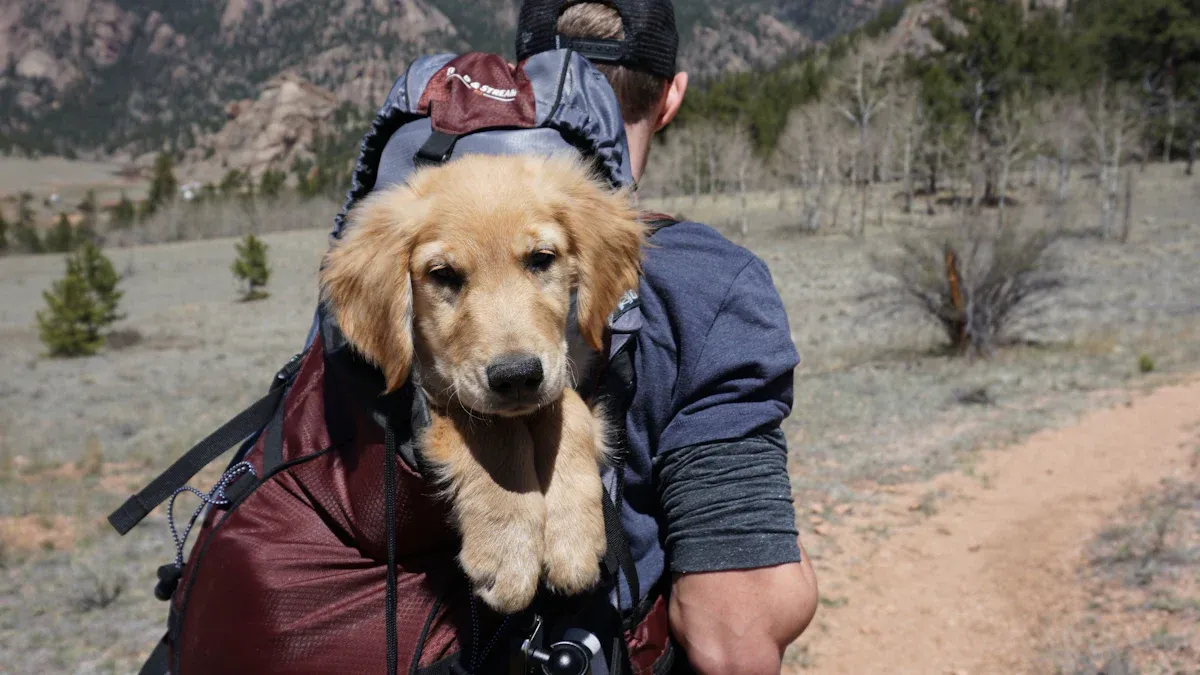
Dog packs allow some dogs to carry a small portion of their own gear, but the load must stay light. Many veterinarians and trainers recommend that fit, adult dogs carry no more than about 10–15% of their body weight, and some dogs should carry less or none at all. Puppies, seniors, brachycephalic breeds, and dogs with any health issues are usually better off without packs; if you are unsure whether your dog is a good candidate, consult your veterinarian first. A well-fitted pack spreads the weight and helps your dog stay comfortable on the trail.
Principles for dog backpack use:
Weigh the pack before every trip.
Adjust the straps so the pack fits well.
Make sure both sides have the same weight.
Do not put sharp or big things in the pack.
Some people like to carry dog gear themselves. They use waist packs or backpacks with dog gear pockets. These are good for dogs that cannot carry things. They are also good for long trips with lots of stuff. Brands and stores can sell packs and harnesses that can be changed to fit. This helps people pack safely and learn about safe packing.
User Type | Suitable for Dog Packs | Recommended Carrying System |
|---|---|---|
Healthy Adults | Yes | Dog backpack or modular harness |
Puppies/Seniors | No | Human backpack or waist pack |
Dogs with Illness | No | Human backpack |
Emergency Info and Medication
Always bring emergency info and medicine when you camp with your dog. Pack papers with your dog’s shots, health history, and any sickness. Write down all medicines, side effects, and things to avoid. Keep your vet’s phone number and the number for local animal clinics. You can also add the pet poison hotline number.
Essential emergency items:
Gauze pads for wounds
Tape to hold bandages
Cotton balls or swabs
Fresh 3% hydrogen peroxide (ask your vet first)
Ice pack for swelling
Disposable gloves
Scissors with a round tip
Tweezers for splinters or ticks
Antibiotic ointment you can buy at the store
Oral syringe or turkey baster
Liquid dish soap
Towels for cleaning
Small flashlight
Alcohol wipes
Styptic powder to stop bleeding
Saline eye wash
Artificial tear gel
Alert: Always get your vet’s help with medicine. This keeps your dog safe and healthy. Brands and stores can give emergency checklists with gear. This helps people learn and lowers problems after buying.
Packing for camping with your dog takes good planning. Sorting your gear, picking the right way to carry things, and bringing emergency info keeps your dog safe and comfy. These tips help both dog owners and people who sell pet gear.
Pro Tips for Camping with Your Dog
Campsite Setup
Setting up your campsite with your dog in mind helps reduce risk and creates a comfortable environment. Start by packing essentials like food, water, and first aid supplies. These items meet your dog’s basic needs and prepare you for emergencies. Always keep your dog on a leash at the campsite. This practice helps you control your dog and shows respect for other campers and wildlife. Many recent studies suggest that leashing your dog prevents accidents and supports good manners.
Choose a dog-friendly campsite that offers enough space and shade. Look for flat ground to set up your dog’s sleeping area. If you camp near water, consider a life jacket for your dog, especially if swimming is involved. Clean up after your dog to maintain a tidy campsite and follow Leave No Trace principles. This approach helps protect the environment and keeps the area pleasant for everyone.
Tip: Attach safety lights or reflective gear to your dog’s harness before dark. This step makes your dog easier to spot around camp.
Nighttime Safety
Nighttime brings new challenges when camping with your dog. You need to make your dog visible and secure after sunset. Use a reflective collar or harness to help others see your dog in low light. Many campers now use LED collars or collar lights for even better visibility. These products are designed to help you locate your dog quickly if it wanders.
Make sure your dog’s collar has an identification tag with your phone number. Some owners add a GPS tracker or AirTag for extra security. These tools can help you find your dog fast if it gets lost at night. Keeping your dog close and visible helps reduce risk and gives you peace of mind.
Managing Food and Wildlife
Managing food and wildlife at your campsite is important for safety. Start by checking the food-storage rules published by the park or land-management agency and then researching which animals live in the area. This information helps you prepare for likely encounters. In bear country, for example, bear-resistant containers, food lockers, or tree hangs may be required by law. Correct storage methods help keep wildlife away from your campsite and protect both animals and people.
Clean up all food scraps and crumbs right after meals. This habit prevents small animals from visiting your site. Teach your dog commands like “leave it” to stop it from chasing wildlife. Keep your dog on a short leash to prevent wandering and reduce the chance of attracting bears or other animals. Choose a campsite with clear sight lines and away from berry bushes or animal trails.
Note: Always clean up your dog’s waste right away. Secure storage and good habits help protect both your dog and local wildlife.
Enrichment and Comfort
When you plan for enrichment and comfort, your dog feels safe and happy. Dogs need more than food and a place to sleep. They also need things to do and ways to use their brains. Studies show that enrichment activities help dogs feel less stressed. These activities can stop bad habits like barking or chewing on things.
You can help your dog at camp in many ways:
Bring your dog’s favorite toys. These toys help your dog feel calm in new places.
Use puzzle feeders or treat toys. These keep your dog busy and make them think.
Change toys and games during your trip. This keeps your dog interested and active.
Make a quiet spot for your dog. A crate or soft bed gives your dog a safe place to rest.
Play calming games. These games reward your dog for being calm or waiting. They are good for dogs that get nervous or have lots of energy.
Tip: Pick enrichment gear that is strong and easy to clean. This makes the gear last longer and helps you avoid problems later.
Comfort is just as important as enrichment. Check your dog’s bed to make sure it is warm and soft. A sleeping pad or raised cot helps your dog sleep well after a busy day. Use shade shelters or cooling mats when it is hot. In cold weather, use jackets and blankets to keep your dog warm.
You can also brush your dog at camp. Grooming helps get rid of dirt and loose fur. It also helps your dog relax and feel close to you.
Enrichment Gear Type | ToB Value for Brands and Retailers | End User Benefit |
|---|---|---|
Puzzle Feeders | Reduces returns by keeping dogs engaged | Lowers stress and curbs bad behaviors |
Durable Toys | Lowers after-sales risk from breakage | Provides long-lasting entertainment |
Portable Crates/Beds | Expands product line for comfort solutions | Offers a safe, familiar resting space |
Calming Games/Tools | Educates users on behavior management | Encourages calm, relaxed behavior |
When you focus on enrichment and comfort, your dog can handle new places better and feel less stress. This helps your dog behave well and makes camping safer. Brands and stores can help by selling gear for both fun and comfort. Teaching people about these products helps stop problems and builds trust in your brand.
Dog Camping Gear Checklist
A good checklist helps you get ready for camping with your dog. It keeps your dog safe and comfortable outside. This guide helps you pick gear that works well outdoors. It also helps stores and brands avoid problems after selling. Studies show that sorting gear by type makes packing easier. It also helps you remember everything you need.
Essentials by Category
You should bring these important things on every camping trip. These items help keep your dog safe and happy outside.
Category | Essential Gear Items | ToB Value for Brands/Retailers |
|---|---|---|
Identification | ID tags, microchip, registration papers | Reduces lost pet claims |
Safety & Visibility | First aid kit, safety lights, glow collar | Lowers injury risk, educates users |
Sleeping | Sleeping pad/bed, sleeping bag, portable shelter | Expands comfort product line |
Food & Hydration | Collapsible bowls, food storage, water bottle/filter | Supports health, reduces spoilage claims |
Leashes/Restraints | Leash, harness, seat belt tether, campsite tie-out | Meets legal standards, lowers returns |
Weather Protection | Dog jacket/coat, booties, bug protection | Addresses seasonal needs |
Hygiene & Waste | Poop bags, towels, cleaning supplies | Promotes responsible camping |
Tip: Check off each item on your list before you leave. This helps you not forget anything and makes your trip go smoothly.
Optional Extras
Optional extras can make your dog even more comfy and happy. These things are good for people who want more choices or extra help.
Puzzle feeders and tough toys keep your dog busy
Portable crate or soft bed gives your dog a safe spot
Cooling mats or shade shelters help on hot days
GPS tracker or AirTag helps you find your dog fast
Extra blankets keep your dog warm at night
Dog backpack lets healthy dogs carry small things
Paw balm protects paws on rough ground
Portable grooming kit keeps your dog’s fur nice
Emergency contact card helps in case of trouble
Note: Extras help stores and brands offer more choices and teach people about new gear. Pick extras that fit your dog’s age, health, and how active they are.
A full dog camping gear checklist helps you get ready for camping with your dog. It keeps your dog safe and comfy. Stores and brands can use this list to help customers and avoid problems after selling. You can change the checklist to fit your dog’s needs and how you like to camp.
Getting ready is very important when you camp with your dog. Every type of gear helps keep your dog safe and comfortable. Some gear also lasts longer. A checklist makes it easier to pack what you need. You can also change your list for your dog. The best gear helps stop problems and makes camping better. New research shows good gear choices help stores and brands too. They have fewer problems after selling and can teach people more.
FAQ
What is the most important dog camping gear for safety?
You should always bring a leash, harness, and updated ID tags. These items help you control your dog and make it easy to find if lost. Brands can reduce after-sales risk by offering durable, visible safety gear.
How do I choose the right size gear for my dog?
Measure your dog’s chest, neck, and paws before buying. Try gear at home to check fit and comfort. Well-fitting gear helps reduce injury risk and lowers returns for retailers.
Can my dog carry its own gear?
Healthy adult dogs can carry up to 15% of their body weight in a dog backpack. Puppies, seniors, or sick dogs should not use packs. Packs designed for comfort and balance help brands expand product lines.
What should I do if my dog gets injured while camping?
Use a dog-specific first aid kit for minor injuries. Seek a vet for serious problems. Brands that include first aid guides with gear help educate users and reduce after-sales issues.
How do I keep my dog comfortable in bad weather?
Use jackets, booties, and waterproof beds. These products help your dog stay warm and dry. Offering weather protection gear helps retailers meet seasonal needs and educate customers.
Are there rules for dogs at campsites?
Most campsites require leashes and waste cleanup. Some limit where dogs can go. Selling gear that meets these rules helps brands avoid complaints and supports responsible camping.
How can I prevent my dog from attracting wildlife?
Store all food in sealed containers. Clean up scraps and waste right away. Teaching users about food management helps reduce risk and builds trust in your brand.
What enrichment gear is recommended for camping?
Puzzle feeders, durable toys, and portable beds help keep dogs calm and busy. These items help reduce stress and unwanted behaviors. Adding enrichment gear to your product line can help lower after-sales risk.






