
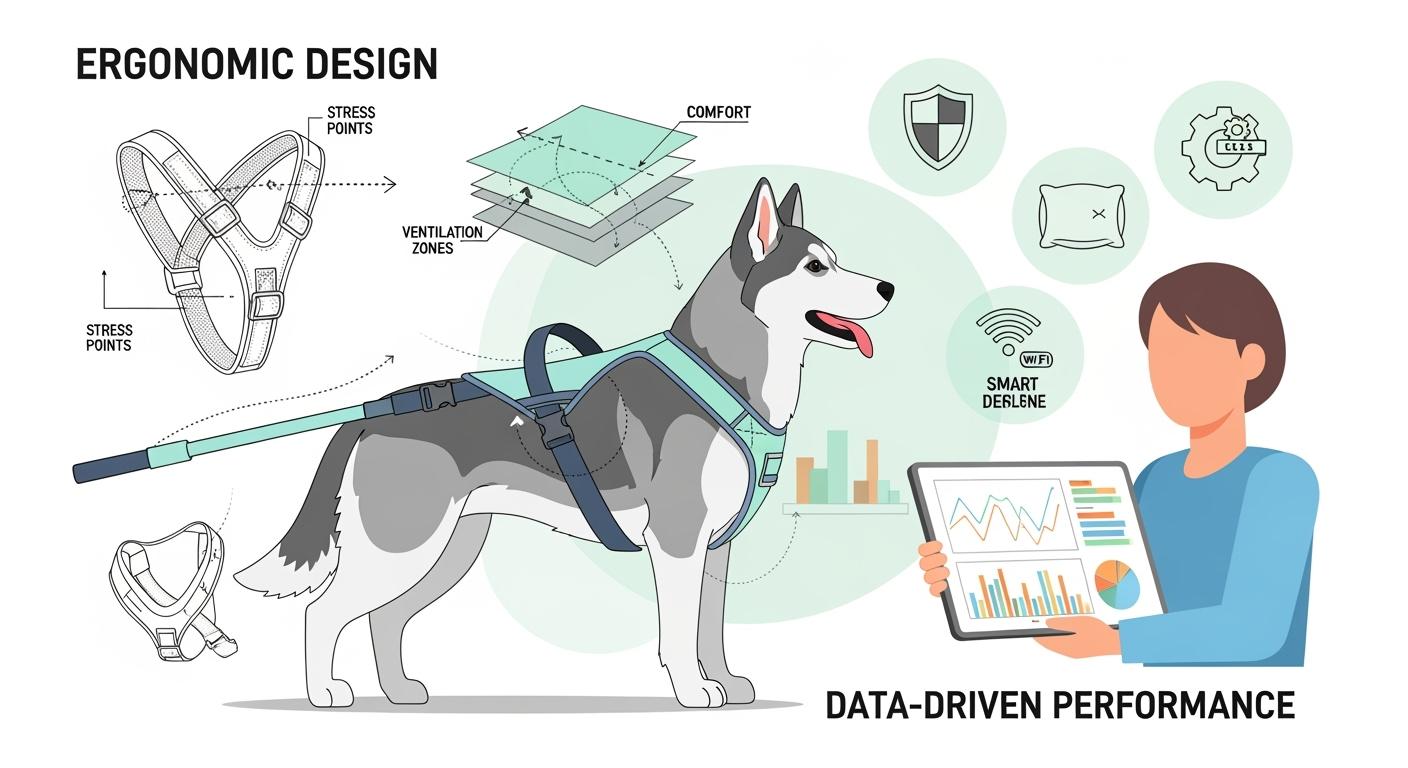
Recent market research shows that dog harness sales, including canine pulling harnesses, went up 15% last year. This growth comes from pet parents treating dogs more like family, paying closer attention to safety, and getting involved in more canine sports.
Engineers now use data to improve harness design, relying on pressure mapping, gait analysis, and real-world field tests. New generations of canine pulling harnesses can lower shoulder strain by around 30%, which means fewer injuries and better long-term performance. In this guide, you’ll find practical tips for choosing a safe, well-engineered pulling harness for your dogs.
Tip: Always check if the harness fits well and ask experts before using it.
Key Takeaways
Choose a harness that matches your dog’s body shape and movement style. A better anatomical fit reduces injury risk and keeps dogs more comfortable.
Find harnesses with wide straps and soft padding. These parts spread out force and lower strain.
Always look for signs your dog is uncomfortable. Change the harness if you see red marks or skin problems.
Look for harness designs that have been tested with pressure mapping, so key contact areas stay within safe pressure ranges during pulling.
Always match the harness to the activity: use pulling harnesses for sports and work, and no-pull or walking harnesses for everyday outings.
Think about harnesses with straps you can adjust. This helps the harness fit well as your dog grows or changes.
Ask experts if you worry about fit or safety. Their advice helps you pick the best harness.
Check the harness often for damage. Get a new one if you see fraying or broken pieces to keep your dog safe.
Harness Engineering Science
Performance Metrics
When you look at a canine pulling harness, you want to know how well it works. Engineers use several performance metrics to measure this. These metrics help you understand how the harness affects your dog’s movement and safety. You can see the most common metrics in the table below:
Performance Metric | Description |
|---|---|
Main Body | Checks the main body of the harness for strength and fit. |
Clips | Looks at how the fastening parts work and stay secure. |
Handle | Tests how easy it is for you to control your dog with the handle. |
Rapid Release | Measures how quickly you can remove the harness in emergencies. |
Straight Line Travel | Sees if the harness lets your dog walk in a straight path. |
Cornering | Studies how the harness helps your dog turn safely. |
Road Crossings | Checks how the harness affects your dog’s behavior at crossings. |
Tight Places | Looks at how the harness works in small spaces. |
Aesthetics | Rates how the harness looks. |
Ease of Care | Finds out how simple it is to clean and maintain the harness. |
Force Distribution
Force distribution means how the harness spreads pulling force across your dog’s body. A good harness design moves force away from the neck and shoulders. This lowers the risk of injury. You want the harness to use wide straps and padding. These features help spread force evenly. Veterinary studies suggest that harnesses with better force distribution can reduce muscle strain over time. You should always check that the harness fits your dog’s body shape before training.
Movement Analysis
Movement analysis looks at how the harness affects your dog’s gait. Gait means the way your dog walks or runs. Engineers use video and sensors to see if the harness changes stride length or causes limping. A harness with a smart design lets your dog move naturally. You want your dog to keep a normal stride and avoid awkward steps. Trainers and sports coaches agree that harnesses with flexible joints and smooth edges help dogs perform better.
Data Collection
Pressure Mapping
Pressure mapping is a test that shows where the harness presses on your dog’s body. Engineers use special mats or sensors for this. You can see which spots get too much pressure. If you find high-pressure areas, you need to adjust the harness design. This test helps you choose harnesses with soft padding and wide contact zones. Pressure mapping gives you real data to improve comfort and safety.
Biomechanical Studies
Biomechanical studies use cameras and sensors to track how your dog’s muscles and joints move with the harness. These studies help you see if the harness design causes stress or limits movement. Experts agree that harnesses with ergonomic shapes and well-placed adjustment points can help lower injury risk when they are fitted correctly. You should use harnesses that match your dog’s size and activity level. Always ask a professional if you see signs of discomfort.
Note: Never use a pulling harness for daily walks. Poor sizing or wrong use can cause pain or injury. If you need advice, talk to a vet or canine sports coach. You can find more tips on choosing the right harness at stridepaw.com/harness-selection-guide.
Canine Pulling Harness Safety Features
Injury Prevention
You want your pull dog harness to protect your dog from injury. You need to focus on three main design principles: padding, load dispersion, and neck reinforcement. These features help keep your dog safe during pulling activities.
Padding
Padding is one of the most important safety features in a canine pulling harness. You should look for harnesses with soft, wide padding that covers all contact points. Padding protects your dog’s skin and muscles from friction and pressure. Some harnesses use fleece lining for extra comfort. You need to check that the padding does not bunch up or shift during use. If you see red marks or hair loss, the padding may not work well. You should always make sure two fingers fit under the harness on all sides. This helps prevent tight spots and keeps your dog comfortable.
Load Dispersion
Load dispersion means the harness spreads force across your dog’s body. You want the harness to move force away from the neck and shoulders. Wide straps and a snug fit help with load dispersion. Narrow straps can cut into soft tissue and cause pain. Hard edges may press on the trachea and lead to breathing problems. You should choose a harness with smooth, rounded edges and wide contact zones. Veterinarians and animal physiotherapists agree that harnesses with good load distribution lower the risk of muscle strain and joint stress. Non-restrictive harnesses allow full movement of the front legs. This keeps your dog safe and helps prevent injuries.
Neck Reinforcement
Neck reinforcement protects the sensitive area around your dog’s throat. You need a harness that avoids putting pressure on the trachea. Look for designs that use padded chest straps and avoid hard materials near the neck. Some harnesses use D-rings at the front for extra control. You should check that the harness does not shift or twist during pulling. If the harness moves, it may press on the neck and cause discomfort. Always adjust the harness to match your dog’s body shape and activity level.
Tip: Pulling harnesses are designed for sports and work, not everyday walks. Using the wrong type of harness or an incorrect size can cause pain or injury. If you need help, consult a veterinarian or canine sports coach.
Key areas to protect:
Shoulders
Chest
Neck
Underarms
Common design errors to avoid:
Narrow straps cutting into soft tissue
Hard edges pressing on the trachea
Poor padding causing friction
Loose fit leading to harness shifting
Material Durability
You need your dog harness to last through tough conditions. Material durability is a key part of safety and performance. You should look for high-performance fabrics and check if the harness passes stress tests.
High-Performance Fabrics
High-performance fabrics make your canine pulling harness strong and reliable. You want materials that resist tearing and stretching. Fabrics should handle high tension, low temperatures, and wet conditions. Some harnesses use water-resistant coatings to keep your dog dry. You should check for reinforced stitching at stress points. This helps the harness hold up during intense pulling activities.
Stress Testing
Stress testing shows how well your pull dog harness stands up to real-world use. Engineers test harnesses by pulling, twisting, and soaking them in water. You want a harness that keeps its shape and strength after these tests. If the harness fails, it may break or cause injury. You should always inspect your harness for signs of wear before each use. Replace the harness if you see fraying, broken clips, or loose stitching.
Note: Advanced harnesses reduce injury risk but do not eliminate it. You should consider your dog’s health, history, and activity level. Always consult professionals if you have concerns.
Checklist for material durability:
Strong, tear-resistant fabrics
Reinforced stitching
Water resistance
Flexibility in cold weather
Real-world experience:
In one case, a sports club tested a new harness design in wet and cold conditions. The harness kept its shape and did not stretch, even after many pulls. In another case, a trainer found that a harness with narrow straps caused shoulder bruising. Switching to a wider, padded harness solved the problem and improved safety.
You need to choose a dog harness with the right safety features for your dog’s needs. You should always check the fit and design before each use. If you want more tips on harness selection, visit the harness selection guide at stridepaw.com/harness-selection-guide.
Pull Dog Harness Comfort Design
Ergonomic Fit
Anatomical Design
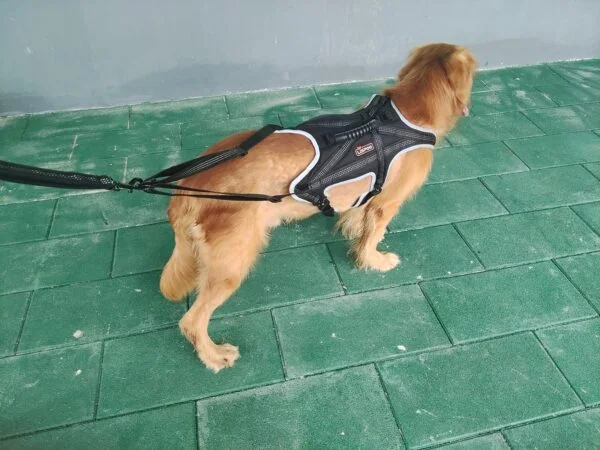
You want your dog harness to match your dog’s body shape. An ergonomic fit means the harness follows your dog’s muscles and curves. It does not just squeeze the chest. Engineers make harnesses with wide, padded straps. These straps fit the shoulders, chest, and ribs. This helps spread pressure out and supports movement. When the harness fits well, your dog gets tired less. Your dog also performs better. Vets say harnesses shaped for the body lower muscle strain. They also help stop injuries. Always check that the harness sits flat. It should not twist or bunch up.
Soft padding like neoprene or memory foam feels good. It stops chafing.
Ergonomic design spreads pressure out. This lowers discomfort.
Extra cushioning helps with pressure points. Long walks feel better.
Good padding and support matter for comfort.
Ergonomic designs help your dog move naturally. They also lower tiredness.
Chafing Prevention
Chafing can hurt your dog and cause skin problems. You need a harness with smooth edges and soft padding. Padding should be at every spot that touches your dog. The armpit, sternum, and waist are common friction spots. Engineers use pressure mapping to find these places. Look for harnesses with extra padding there. One sports club saw redness under the front legs. They switched to memory foam padding. The new harness stopped chafing and made training better. Another trainer used wide, cushioned straps. These stopped rubbing on the sternum during hard pulling. Always check your dog’s skin after using the harness. Adjust it if you see irritation.
Adjustability
Modular Sizing
Adjustability is important in dog harness design. You want a harness that lets you change the size and fit. This helps for different dogs or activities. Modular sizing means you can adjust each strap. This gives a snug fit but does not stop movement. Brands and trainers like modular sizing. It makes stocking harnesses easier. You need fewer harnesses but can fit many dogs. Engineers use adjustable buckles and sliding pads. These make the fit and comfort better. Always test the harness on your dog. Make small changes for the best fit.
Customization
Customization lets you change the harness for your dog’s needs. You can pick padding thickness, strap length, and color. People like harnesses with these choices. This helps dogs with special needs. For example, extra padding and adjustable straps helped a dog with a missing front leg. The dog stayed comfortable during sports. Another harness had soft fleece lining and custom sizing. This stopped rubbing and helped a dog with a deep chest. Think about customization if your dog has a special body shape or health problem. Engineers say you should ask a pro for tough cases. This keeps your dog safe and comfortable.
Tip: Always check the harness fit before you use it. Bad sizing or the wrong harness can hurt your dog. For more help, visit the harness guide at stridepaw.com/harness-selection-guide.
Comfort Feature | Benefit | Engineering Logic |
|---|---|---|
Soft Padding | Stops chafing, feels better | Lowers pressure points |
Anatomical Shaping | Helps natural movement | Spreads force out |
Modular Sizing | Fits many dogs better | Lets you adjust straps |
Customization | Meets special needs, feels better | Changes for special cases |
You should look for ergonomic fit, adjustability, and comfort features. These help when picking a dog harness. Good designs lower injury risk but do not remove it. Always think about your dog’s health and activity. Ask a vet or sports coach if you have questions about fit or safety.
Performance Optimization
Enhancing Mobility
Harness Geometry
You want your dog harness to help your dog move freely and safely. The geometry of the harness plays a big role in this. When you choose a harness with the right shape, you support your dog’s shoulder extension. This means your dog can stretch its front legs forward without restriction. A well-designed harness keeps the backline stable. This helps your dog pull in a straight line and reduces twisting. You also get better traction efficiency. The harness lets your dog use its muscles to pull with less wasted effort. Engineers use data from movement studies to shape the harness so it fits the dog’s body. You should look for features like wide chest plates and curved straps. These features help the harness stay in place and avoid pressure on sensitive areas.
Energy Efficiency
Energy efficiency matters when your dog works hard. Sled dog teams show that even small changes in harness design can make a big difference. If the harness fits well and spreads force evenly, your dog gets tired less quickly. You see faster recovery after activity. When the harness does not fit, your dog wastes energy fighting against the straps. This leads to early fatigue. Trainers and engineers test different harness shapes and materials to find what works best. They use feedback from real dogs in sports to improve comfort and performance. You should always check how your dog moves and recovers after using a new harness. If you notice signs of fatigue or soreness, adjust the fit or try a different design.
Real-World Testing
Field Trials
Field trials give you real data on how a dog harness works outside the lab. Engineers and trainers test harnesses in different weather and terrain. They watch how the harness holds up during pulling, running, and turning. They collect data on fit, comfort, and safety. For example, one team tested a new harness in muddy conditions. The harness kept its shape and did not slip, even after hours of use. Another trial showed that a harness with extra padding reduced skin irritation during long runs. You should look for harnesses that pass these tough tests.
Trainer Feedback
Trainer feedback helps improve harness design. Trainers use the harness with many dogs and report what works and what does not. They note if the harness fits well, if it causes rubbing, or if it helps with control. Engineers use this feedback to make changes. For example, trainers noticed that a certain harness caused pressure on the chest. The design team added a wider chest plate, which improved comfort and safety. You should always listen to trainers and adjust the harness as needed. If you want more tips on harness fit and features, visit the harness selection guide at stridepaw.com/harness-selection-guide.
Note: Advanced harnesses lower injury risk but do not remove it. Always consider your dog’s health and history. Consult a professional if you have concerns about fit or safety. Never use a pulling harness for daily walks. Poor sizing or misuse can cause harm. Choose the right dog harness for each activity.
Dog Harness Technology Integration
Today’s dog harnesses use new technology to help keep dogs safe. Engineers add smart sensors and adaptive systems to many harnesses. These features let you watch pressure, movement, and health data right away. You can use this data to change the fit and keep your dog comfy during pulling.
Smart Sensors
Smart sensors in a harness collect data as your dog moves. You can check how the harness fits and how your dog acts. The most common sensors are:
Sensor Type | Function |
|---|---|
GPS | Tracks where your dog is |
Accelerometer | Measures how active your dog is |
Heart Rate Monitor | Checks heart rate and sleep |
Temperature Sensor | Measures your dog’s body temperature |
Pressure Tracking
Pressure sensors show where the harness pushes on your dog. You can see if the harness spreads pressure or if some spots get too much. This helps you fix the fit and stop injuries. For example, one sports club used pressure sensors on a new harness. They found high pressure near the shoulders. After changing the strap shape, the pressure spread out better. The dogs got less tired. Always check pressure points, especially if your dog does sports or pulls heavy things.
Health Data
Smart harnesses can collect health data to help you care for your dog. You can track heart rate, temperature, and activity. This helps you spot health problems early and change exercise plans. Here is what you can watch:
Biometric Feature | Purpose and Benefits |
|---|---|
Heart Rate Monitoring | Shows heart health and stress; helps you spot problems and set safe exercise levels. |
Temperature Monitoring | Alerts you to heat stress or cold; important for sensitive breeds and after surgery. |
Activity Tracking | Tracks daily movement; helps you set goals and notice changes in behavior. |
Others (e.g., respiratory rate) | Advanced checks for special health needs; helps your vet diagnose issues. |
You should use these features to keep your dog safe and healthy. Always talk to a pro if you see anything strange in the data.
Adaptive Systems
Adaptive systems help you get the best fit for your dog harness. These systems use sensors and feedback to adjust the harness as needed. You can make small changes to the straps or padding for comfort and safety.
Fit Adjustment
Some harnesses use adjustable straps and sliding pads. You can change the fit as your dog grows or does new things. In one case, a trainer used an adaptive harness for a dog with a deep chest. The harness let them adjust the chest and belly straps by themselves. This made the fit better and stopped the harness from moving during runs. Always check the fit before each use. Bad fit can cause rubbing, pressure sores, or even injury.
User Feedback
User feedback systems give you alerts if the harness needs to be fixed. Some harnesses have lights or sounds to warn you about bad fit or high pressure. You can use this feedback to make quick changes and keep your dog safe. Trainers and engineers agree that real-time feedback helps stop injuries and makes performance better. If you want more tips on harness fit and safety, visit the harness guide at stridepaw.com/harness-selection-guide.
Note: Advanced dog harness technology helps lower injury risk, but it does not remove it. Always think about your dog’s health and history. Ask a pro if you have questions about fit or safety. Never use a pulling harness for daily walks. Bad fit or wrong use can hurt your dog. Pick the right harness for each activity.
Dog Harness Types and Selection
Harness Types
Pulling vs. No-Pull
You need to know how a canine pulling harness is different from a no-pull harness. A canine pulling harness is made for sports or work. It lets your dog pull weight. This harness spreads force over the chest and shoulders. It keeps the neck safe and lets your dog move freely. Do not use a pull dog harness for daily walks. Using it wrong can hurt your dog.
A no-pull harness helps you control your dog on walks. It has special features to stop pulling. Most no-pull harnesses have a front-clip or dual-clip design. The front-clip harness changes your dog’s direction. This makes it easier to guide your dog. The dual-clip harness lets you attach the leash in two places. This gives you more control and comfort.
Type of Harness | Description | Intended Use |
|---|---|---|
Pull Dog Harness | Spreads force for pulling activities | Sports, sledding, weight pulling |
No-Pull Harness | Discourages pulling, improves control | Daily walks, training purposes |
Back-Clip Harness | Attaches leash at the back, allows free movement | Calm dogs, casual walks |
Dual-Clip Harness | Offers both front and back leash attachment | Training, versatile control |
Backpack Harness | Includes compartments for carrying gear | Hiking, working dogs |
Reflective Harness | Uses reflective materials for visibility | Night walks, low-light conditions |
Mobility Harness | Has handles for assistance | Dogs with mobility issues |
Tightening Harness | Contracts when dog pulls | Behavior correction, use with caution |
Use Cases
Pick the harness type that matches your dog’s activity. Use a pull dog harness for sports or work. Choose a no-pull harness for walks or training. Calm dogs do best with a back-clip harness. Use a dual-clip harness for more control. Backpack harnesses are good for hiking or carrying gear. Reflective harnesses help at night. Mobility harnesses help dogs with injuries. Tightening harnesses can support behavior work when used correctly, but they must fit very carefully and should be used under professional guidance.
Tip: Always check the harness fit before you use it. A bad fit or wrong harness can hurt your dog.
Selection Tips
Activity-Based Choice
Pick the best dog harness for your dog’s activity. For pulling sports, use a canine pulling harness with wide straps and strong materials. For training, pick a no-pull harness with a front-clip or dual-clip. If your dog hikes or carries gear, choose a backpack harness. For night walks, use a harness with reflective parts. Dogs with trouble moving need a harness with handles.
Full-body harnesses spread force for rescue or work.
Adjustable harnesses fit many body shapes.
Strong webbing lasts longer.
Mesh or padded fabric keeps your dog cool and comfy.
Reflective strips help your dog stay safe in the dark.
Fit and Safety
Fit and safety are very important when you pick a dog harness. Look for adjustable straps to get a snug fit. This stops rubbing and pressure sores. Harnesses spread pressure over the body. This lowers neck injury risk, especially for small dogs. Use harnesses with soft padding and smooth edges. These protect your dog’s skin. Check for extra safety features if your dog does hard activities.
Make sure the harness fits your dog’s body shape. Adjust straps for a snug fit.
Pick harnesses with breathable materials to stop irritation.
Look for reflective parts for night walks.
Use harnesses that meet safety rules for your dog’s activity.
Ask a pro if your dog has health problems or special needs.
Note: Advanced harnesses help lower injury risk but do not remove it. Always think about your dog’s health and history. Ask a vet or sports coach if you have questions about fit or safety. Never use a pull dog harness for daily walks. For more tips, visit the harness guide at stridepaw.com/harness-selection-guide.
Real-world experience:
A sports club tried a canine pulling harness with adjustable straps and padded chest plates. Dogs did better and got less tired. In another case, a trainer used a no-pull harness with a front-clip for a strong dog. The dog learned to walk calmly. Pressure on the neck went down.
You can see how engineering and data make modern dog harnesses safer and more comfortable for working and active dogs. When you choose a harness, think first about what your dog will do, then make sure the fit and safety features support that job. The right design helps you keep control, protect the neck and shoulders, and reduce the risk of over-straining during training. Avoid harnesses that pinch, rub, or squeeze the throat.
In many situations, a well-fitted harness is a safer option than a collar, especially for dogs that pull or have neck or airway issues. Always look at your dog’s health and history before deciding which type of equipment to use.
Harnesses that fit right help you control your dog and keep it safe
Harnesses help with training and stop strong pulling
Avoid harnesses that hurt your dog or squeeze the neck
A well-fitted harness is often safer than a collar for dogs that pull or have neck issues
FAQ
What makes a pulling harness safer than a collar?
A pulling harness spreads force across your dog’s chest and shoulders. This design lowers neck injury risk. Veterinary studies show harnesses protect the trachea better than collars. You should use harnesses for sports and any kind of heavy pulling, and avoid using collars in those situations.
How do I know if the harness fits my dog correctly?
Check that you can fit two fingers under all straps. The harness should sit flat and not twist. Watch for red marks or hair loss. Adjust straps for a snug fit. For more tips, visit the harness selection guide at stridepaw.com/harness-selection-guide.
Can I use a pulling harness for daily walks?
You should not use a pulling harness for daily walks. This harness is made for sports and work. Using it for walks may cause discomfort or injury. Choose a no-pull or back-clip harness for everyday use.
Instead, choose a no-pull, back-clip, or dual-clip walking harness that is designed for everyday use.
What features help prevent chafing and skin irritation?
Look for harnesses with soft padding and smooth edges. Wide straps help spread pressure. Engineers use pressure mapping to find friction spots. Real-world tests show memory foam padding reduces redness under the front legs.
How does harness design affect my dog’s movement?
A well-designed harness supports natural movement. Wide chest plates and curved straps help your dog stretch its legs. Biomechanical studies show harnesses with ergonomic shapes lower muscle strain and improve performance.
What should I do if my dog shows signs of discomfort?
Stop using the harness right away. Check for tight spots, rubbing, or pressure sores. Adjust the fit or try a different design. Consult a veterinarian or canine sports coach for advice. Always consider your dog’s health and history.
Are smart sensors in harnesses useful for sports dogs?
Smart sensors track pressure, movement, and health data. You can spot problems early and adjust the harness for comfort. Trainers use sensor feedback to improve fit and safety. For more details, see the harness technology guide at stridepaw.com/harness-selection-guide.
What risks come from poor sizing or misuse?
Poor sizing or misuse can cause pain, injury, or breathing problems. Using a pulling harness for walks increases risk. Veterinary consensus recommends proper fit and activity-based harness choice. Always consult professionals if you have concerns.
Who helped review this guide?
This guide was reviewed by Stridepaw’s product and training team. For medical questions about your individual dog, always check with your own veterinarian or a qualified canine physiotherapist.






