Dog Vest Complete Guide: Types, Benefits & How to Choose the Perfect Fit

Dog Vest Complete Guide: Types, Benefits & How to Choose the Perfect Fit (2025)

Across the world, more people are buying dog vests and other pet clothing. Recent industry research values the global pet clothing market at around six billion dollars and expects steady growth over the next decade, driven by safety awareness and the trend of treating pets as family members. Both everyday dog owners and professional handlers now invest in vests. You need a guide that focuses on safety, comfort, and how each style actually works. Because every dog and every job is different, choosing a vest is never just about looks. As you read, you’ll see how the right type and fit support daily walks, sports, and special working roles.

Key Takeaways

  • Dog vests help keep dogs safe. Bright colors and reflective parts make dogs easy to see. This is important in busy places.

  • Comfort is very important. Pick vests made from soft and breathable stuff. This helps stop skin problems. It also lets your dog move easily.

  • Think about what your dog needs. Choose vests for their activities. Cooling vests help in hot weather. Anxiety vests help nervous dogs.

  • The right fit is very important. Measure your dog’s neck, chest, and length first. This helps make sure the vest is safe and comfy.

  • Think about why you need the vest. Service dogs need to be easy to identify. Active dogs do better with harnesses that spread weight.

  • Check the vest often for damage. If you see rips or tears, get a new vest. This keeps your dog safe and comfy.

  • Vests should be easy to adjust. Pick ones with straps you can change. This helps as your dog grows or their fur changes.

  • Learn about your local rules. Make sure your service dog vest follows the laws. This helps with identification and visibility.

Dog Vest Guide: What & Why

What Is a Dog Vest

A dog vest is special clothing for dogs. It helps keep dogs safe and comfortable. You can use a dog vest to help your dog feel safe. It also helps your dog be seen and do jobs. A vest covers more of the dog’s body than normal dog clothes. It can have things like straps or patches for safety or ID. Many people who work with dogs use vests for training or outdoor fun.

Key Functions

Safety & Visibility

Dog vests help keep dogs safe. Bright colors and shiny strips make dogs easy to see. Some vests have LED lights for night walks. There are safety restraint dog vests for training and control. These vests help stop accidents and keep dogs safe in busy places.

Comfort & Protection

You want your dog to feel good in its vest. Dog vests use soft and airy materials to help prevent rubbing and let dogs move freely. Pressure vests give a gentle, even hug that may help some nervous dogs cope better with storms or travel. Telemetry vests can also track heart rate and movement so you can see how your dog reacts. Small studies and owner reports suggest that snug, well-fitted vests can reduce visible stress behaviours in some dogs, but the evidence is still limited and results vary. These vests do not cure anxiety and should be used together with training and, when needed, advice from a veterinary or behaviour professional.

Identification & Work

Dog vests can show what job a dog does. Service dogs and therapy dogs wear special vests. These vests have patches or labels so people know their job. You use these vests to help others understand your dog’s work. Some places need these vests for legal reasons. For businesses, clear vests help with rules and trust.

Market Trends

Functional Styles Growth

Studies show more people want useful dog vests. People want dog clothes that work for many things and fit all dogs. New vests use eco-friendly materials and cool tech like LED lights. This shows people want dog clothes that keep dogs safe and comfy.

Consumer Preferences

Buyers now want dog clothes that solve real needs. They like vests with straps you can change, soft fabric, and many uses. People who know a lot about dogs want vests with safety, bright colors, and comfort. The market is moving away from just stylish dog clothes to ones that really help.

Tip: Pick a dog vest that works well and fits right. Good dog clothes help your dog stay healthy, safe, and happy every day.

Dog Vest Styles & Features

Dog Vest Styles & Features

Vest Dog Harnesses

Vest dog harnesses are very popular. People use them for training, work, and daily walks. These harnesses have special features that make them different from regular harnesses.

Weight Distribution

You want a harness that spreads force across your dog’s body. Vest dog harnesses use padded jackets, not just straps. This helps spread weight evenly. Dogs that pull or have breathing problems get less neck strain. This lowers injury risk and makes walks more comfortable. Many experts pick strong nylon vest dog harnesses for working dogs. This style supports the chest and shoulders. It is great for active dogs that need training.

Neck Protection

You need to keep your dog’s neck safe. This is important if your dog pulls or has health problems. Vest dog harnesses cover more of the body. This lowers pressure on the throat. It helps dogs with tracheal issues or those healing from surgery. The leash attaches away from the neck. This makes choking less likely. Tactical vests and nylon harness vests focus on safety and control.

Full-Body Support

Full-body support helps working dogs and those with trouble moving. Vest dog harnesses use mesh or quilted materials. This makes them comfy and lets air flow. You get better control and stability. This is important for service dogs or dogs in rehab. The harness wraps around the body. You have more places to guide your dog. You can add patches or accessories for ID. Many people like multifunctional dog vest styles. If you want a vest for many jobs, try multifunctional dog overalls for a good choice.

Note: Vest dog harnesses have more space for reflective strips. This makes them good for night walks or dark places.

Vest Dog Harnesses

Traditional Harnesses

Padded jacket design

Simple strap design

Even weight distribution

Pressure on neck

Breathable mesh materials

Less padding

More reflective surface

Limited visibility

Cooling Vests

Cooling vests are important for hot weather and summer fun. You use these vests to keep your dog cool and safe outside.

Hot Weather Benefits

You want your dog to stay cool. Cooling vests use special fabrics and mesh. They pull away moisture and lower body heat. These vests are great for working dogs and active breeds. You can use cooling vests with strong nylon harnesses for extra strength. Many people buy cooling vests for their heat control features.

Limitations

Cooling vests work best in dry, warm weather. You need to watch your dog for signs of overheating. Cooling vests do not replace shade or water. Some vests stop working after a few hours. Check the fit and material to avoid skin problems. Cooling vests are not for cold weather or winter vests. Pick the right vest for your dog’s needs and climate.

Anxiety Vests

Anxiety vests are special dog vests. You use them to help dogs with stress and behavior problems.

Compression Effect

You want a vest that calms your dog. Anxiety vests use gentle pressure to give a hugging feel. This helps lower anxiety during storms, travel, or loud sounds. Training harnesses often have this feature for therapy or service dogs. Compression is also used in tactical vests and nylon harness vests for extra support.

Behavioral Support

You use anxiety vests for dogs that show mild to moderate stress behaviours. A well-fitted vest may help some dogs bark less, pace less, or settle more quickly during storms and travel, especially when you combine it with a calm routine and positive-reinforcement training. Many buyers look for adjustable straps and breathable mesh so dogs can wear the vest comfortably for short periods. Always choose a design that fits your dog’s body and temperament. Anxiety vests do not cure behaviour problems; they simply provide extra comfort and support as part of a wider management plan.

Tip: Always measure your dog before buying a harness or vest. A good fit keeps your dog safe, comfy, and happy with any dog vest style.

Service Dog Vests

Identification

You need a vest that shows your service dog’s job. Service dog vests have big patches and labels. These help people know your dog is working. You see these vests in airports and hospitals. The patches stop confusion and help with access rights. You can put ID cards or tags on the harness. This makes it easy for staff to check your dog’s status. Most service dog vests use strong fabric and straps you can adjust. These keep the vest safe and comfy. You want a vest that fits well and lets your dog move. A good fit helps your dog focus on work.

ADA & International Guidelines

You must follow the rules when picking a service dog vest. In the U.S., the ADA does not require service dogs to wear vests or ID tags, but many handlers choose clear identification to reduce confusion in public places. Other countries and some transport providers may publish their own colour or label guidelines, so you should always check local requirements before ordering work vests. Service dog vests often use vest-style harnesses with extra padding so dogs can wear them for long periods. Choose a design that is easy to put on and remove, does not rub, and allows good airflow through mesh or quilted panels. A good vest is both comfortable for the dog and easy for people to understand.

Tip: Always check the rules where you live. Good ID helps your dog do its job and gets help from others.

Life & Flotation Vests

Buoyancy Features

You want your dog safe near water. Life and flotation vests use foam and floaty stuff. These help your dog stay up and be seen. Many vests have handles for quick rescue. You can find harnesses with straps you can change. Bright colors and shiny strips help you see your dog in water. Some vests mix vest dog harnesses with more float support. Always check the fit before using the vest. A tight fit stops slipping and keeps your dog happy.

Safety Standards

You need to understand how safety works for flotation vests. At the moment there are no federal performance standards written specifically for dog life jackets, and Coast Guard approval only covers lifejackets made for people. Most canine flotation vests are tested by manufacturers against their own internal guidelines, so they should be treated as helpful flotation aids and retrieval tools, not as a guarantee of safety. Always look for strong stitching, durable fabric, and secure handles and leash points, and remember that close supervision around water is still essential. The table below shows key points to keep in mind for flotation vests:

Aspect

Details

Regulatory Standards

No specific design or performance standards for dog life jackets exist.

Regulatory Agency

U.S. Coast Guard does not regulate life jackets for dogs.

Functionality

Serve primarily as flotation aids and retrieval devices, not essential safety gear.

You should always watch your dog near water. Flotation vests help with rescue but do not replace watching your dog.

Weather Protection Vests

Insulation

You want your dog warm in cold weather. Weather protection vests use thick padding and warm layers. These keep heat in and block wind. Many vests use vest dog harnesses with quilted dog clothing for more warmth. Pick dog clothes that fit close but let your dog move. Insulated vests help working dogs and pets in winter. You can find harnesses with straps you can change for a good fit.

Waterproofing

You need waterproof dog clothes for rain or snow. Weather protection vests use coated fabric and sealed seams. These keep water out and stop skin problems. Many waterproof vests mix vest dog harnesses with shiny strips for safety. Check the closures and sewing for leaks. Waterproof dog clothes keep your dog dry and comfy. You want a harness that fits well and does not rub. Good fit and waterproofing keep your dog healthy in bad weather.

Note: Weather protection vests give warmth and keep water out. Pick dog clothes for your weather and what your dog does.

Visibility Vests

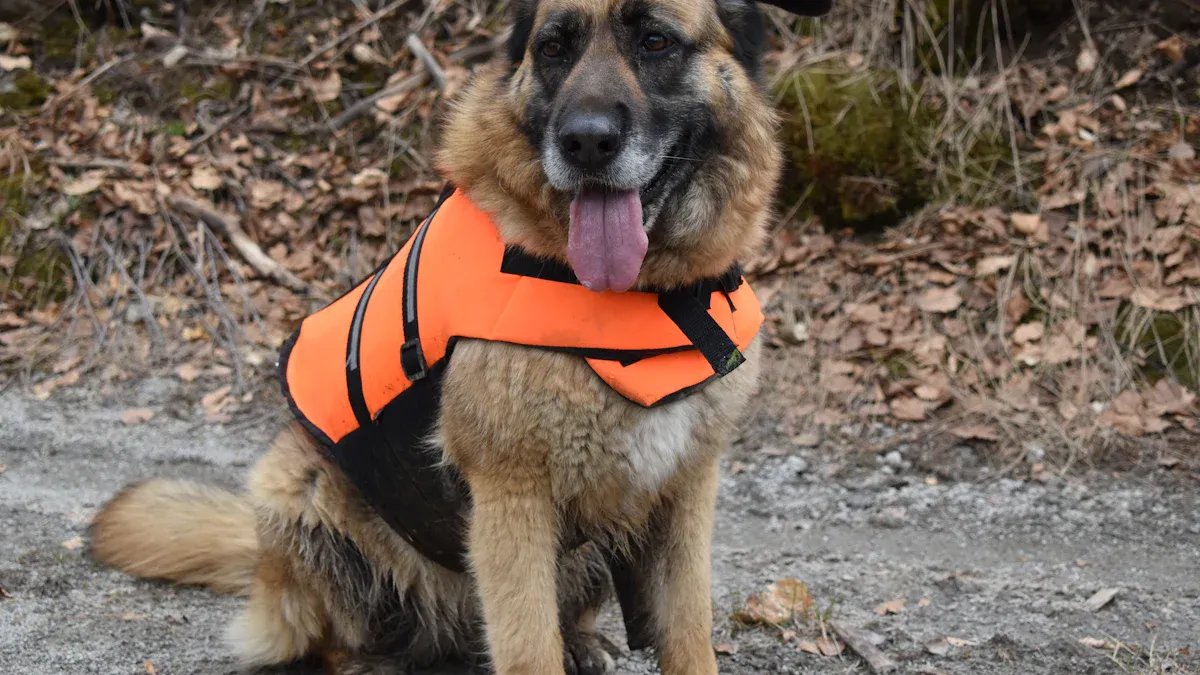
Visibility vests help keep dogs safe in busy places. You use these vests when you want your dog to stand out. They are good for night walks, outdoor work, or training in crowds. Many trainers pick visibility vests for working dogs. These vests work well with vest dog harnesses or special harness designs.

Reflective Materials

Reflective materials are very important in visibility vests. You see these shiny strips on vest dog harnesses and other dog clothes. The strips bounce light back to people and cars. This helps keep your dog safe in the dark or early morning. Most vests have wide reflective bands on the chest, shoulders, and sides. Service dogs, therapy dogs, and pets that need extra care wear these vests outside.

  • Check where the reflective strips are placed. Wide bands on vest dog harnesses help your dog be seen from all sides.

  • Pick reflective strips that stay bright after washing. Strong sewing and good fabric keep the vest working well.

Tip: Pick vests with reflective strips on the main body and legs. This helps you choose dog clothes that keep your dog safe in different places.

High-Visibility Colors

High-visibility colors help your dog stand out anywhere. You see bright orange, neon yellow, and green on many dog clothes. These colors are easy to see and help stop accidents. Use these colors for dogs working in parks, building sites, or rescue jobs. Many trainers like vest dog harnesses with bold colors for easy spotting.

  • Match the color to what your dog does. Neon colors are best for outdoor jobs and busy roads.

  • Choose colors that do not fade. Good dog clothes use strong dyes and tough fabric.

Visibility vests use both reflective strips and bright colors for safety. This keeps your dog safer and helps people notice your dog. Many buyers in the West want these features when picking vest dog harnesses for work.

Fashion Vests

Fashion vests let you show off your dog’s style. You see many patterns, colors, and looks in these vests. Some owners use fashion vests for parties or fun trips. You find these vests in dog clothes that focus on looks, not just use.

Style vs. Function

You need to think about both style and function when picking dog clothes. Fashion vests look nice and can start conversations or support branding, and some retailers use them for photos or promotions. However, many behaviour experts note that some pets simply tolerate clothing rather than enjoy it, especially if the design is tight or restrictive. Fashion vests may not offer the same safety, support, or weather protection as functional vest dog harnesses or technical vests, so comfort and free movement should always come first.

Type of Vest

Pros

Cons

Fashionable Vests

Show style, start conversations

May not help much

Functional Vests

Give warmth, safety, and calm

May not look cool

Think about what your dog needs first. Useful vests, like vest dog harnesses, give warmth, safety, and help. Fashion vests look nice but may not keep your dog safe or comfy. Many trainers and managers say to pick useful dog clothes for working dogs, active dogs, or dogs with health needs.

Note: You can get both style and use by picking dog clothes with good features and nice looks. This guide helps you find the best dog vest for your dog’s needs and safety.

Benefits of Dog Vests

Safety

Accident Prevention

You want your dog to be safe all the time. Dog harnesses with special safety parts help stop accidents. These work during walks, training, or jobs. Vest dog harnesses spread pressure on the chest and shoulders. This helps keep the neck safe and stops choking. It also lowers the chance of hurting your dog. Many dog clothes now have shiny strips and bright colors. These help people see dogs in busy places or when it is dark. Strong buckles and tough sewing keep the vest in place. This keeps your dog and others safe. Many trainers and businesses prefer harnesses with multiple safety features for daily use.

Emergency Use

Some dog harnesses have emergency features to help fast. Quick-release buckles and strong handles let you act quickly. You can help if your dog gets stuck or needs help. Some vests have pockets for ID or medical info. These harnesses are good for rescue or therapy work. Grab handles and tough seams help lift or hold dogs in emergencies. Picking dog clothes made for urgent times keeps dogs and people safer.

Comfort & Health

Joint Support

You want your dog to move well and feel good. Vest dog harnesses with soft padding help joints and muscles. This is great for old dogs or dogs healing from surgery. Dog clothes that support the whole body spread weight evenly. This takes stress off hips, shoulders, and the back. Trainers say adjustable straps help get the best fit. Good fit and padding make dogs more comfy and able to move better.

Temperature Control

Dog clothes with cooling or warming features help in any weather. Cooling vests use mesh and special fabric for hot days. Warm harnesses and padded vests keep dogs safe from cold and wind. Pick dog clothes that match your weather and what you do. Vents and water-resistant layers help control body heat. The right harness keeps your dog healthy in every season.

Control & Training

Leash Attachment

You need good control when walking or training your dog. Harnesses with strong leash rings help guide your dog. They also stop pulling. Some have leash rings on the front and back. You can pick the best spot for each walk. Strong D-rings and webbing make the harness last longer. Using harnesses with more leash spots helps stop escapes and control strong dogs.

Behavior Management

Dog harnesses help manage how your dog acts. Some give gentle pressure to stop jumping or pulling. Many dog clothes have straps you can change and calming parts. Trainers like harnesses that help with good training. A good fit and comfy vest help dogs focus and feel less stress. This guide says to pick harnesses with safety and a good shape for better behavior.

Tip: Always measure your dog and check the fit before using any dog vest or harness. The right size and safety parts keep your dog safe and make training easier.

Benefit Area

Key Features in Dog Harnesses and Dog Clothing

Safety

Reflective strips, reinforced stitching, quick-release buckles

Comfort & Health

Ergonomic padding, breathable mesh, adjustable straps

Control & Training

Secure leash rings, calming pressure, custom fit

Identification

Service Dog Recognition

Service dogs need to be easy to spot in public. Dog clothing with big patches or labels helps people know your dog’s job. Many handlers pick harnesses with ID tags or bright colors. These show that the dog is working. You see these features on clothes made for service animals. But service dogs do not have to wear identification vests. A vest alone does not prove a dog is a service animal. Some pets wear similar dog clothing, which can confuse people. Pick harnesses with clear patches so others know your dog is a service dog. More trainers and businesses now look for dog clothing that clearly shows a dog’s job instead of focusing only on style.

Public Interaction

Dog clothing with ID features helps people act right around your dog. If your harness has a label, people know what to do. This stops unwanted petting or distractions. You can add patches like “Do Not Pet” or “Service Dog” to your dog’s vest. These make public places safer for your dog and others. Dog clothes with clear ID help staff in airports, hospitals, and stores follow rules. You want harnesses that stay secure and keep labels easy to read. Many dog clothes now have adjustable straps and strong stitching. Make sure the harness fits well and does not hide important labels. This guide says to pick dog clothes that are comfy, safe, and easy to understand.

Element Protection

Weather Defense

Dog clothing keeps your dog safe from bad weather. You need harnesses with warm layers for cold days. These keep your dog warm and block wind. Waterproof dog clothes help in rain and snow. Look for clothes with sealed seams and water-resistant fabric. Many harnesses now have weatherproof parts for all seasons. You want a harness that fits tight but lets your dog move. Studies show buyers like dog clothes that work in many types of weather. Pick harnesses that match your weather and your dog’s activity.

Skin & Coat Health

Dog clothing helps your dog’s skin and coat stay healthy. You need harnesses with mesh that lets air flow. This stops your dog from getting too hot. Soft, allergy-friendly fabrics lower the chance of skin problems. Many dog clothes use fabric that pulls away sweat to keep your dog dry. Look for harnesses with smooth seams and padding to stop rubbing. Clothes that fit well help keep your dog’s coat healthy by stopping friction and keeping out dirt. Pick harnesses that are easy to wash and care for. This guide says to choose dog clothes that are comfy, protect your dog, and are easy to clean for long-term health.

Tip: Always measure your dog before you buy any harness or dog clothing. The right fit makes your dog safer, more comfortable, and healthier for every activity.

Feature

Benefit for Dogs

Identification patches

Clear communication in public

Insulated layers

Warmth in cold weather

Waterproof fabric

Protection from rain and snow

Breathable mesh

Skin and coat health

Choosing the Perfect Vest Fit

Choosing the Perfect Vest Fit

Measuring Your Dog

Neck, Chest, Length

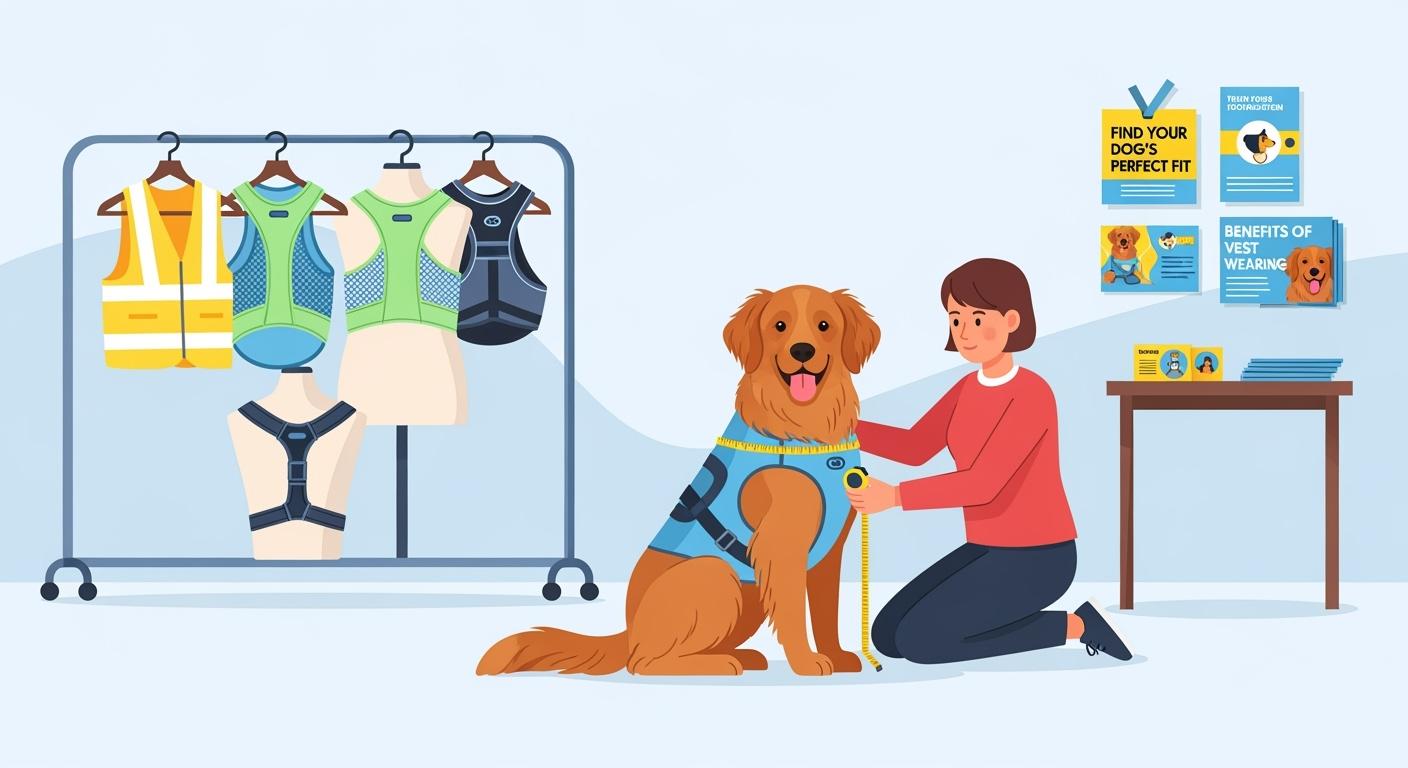
You should measure your dog before picking a dog vest. Measuring helps you get a good fit and keeps your dog comfy. First, measure the neck where the collar goes. Use a soft tape and make sure it is not too tight. Next, measure the chest behind the front legs at the widest spot. Then, measure from the neck’s base to the start of the tail. Write down these numbers. These three measurements help you find the right size on a dog vest chart.

Most dog clothing brands have size guides. Always look at these guides before buying. If you work with many dogs or sell dog vests, keep each dog’s measurements. This helps you pick the best harness for every dog. Do not guess or just look at your dog’s size. Measuring is the first step to getting a vest that fits well.

Sizing Mistakes

Sizing mistakes can make dogs unsafe and owners upset. Many people use size labels like ‘Small’ or ‘Large’ without measuring. Some forget to check if the vest’s shape fits their dog. Others do not think about the dog’s body shape or thick fur. This can cause rubbing or the vest slipping off.

  • Using only size labels and not measuring

  • Not checking the vest’s shape or use

  • Forgetting about body shape or fur

You need to avoid these mistakes to get a good fit. Always use a size chart and measure your dog. If you work in a store, teach your team to help people measure dogs. This lowers returns and makes customers happy. Good sizing keeps every dog safe and comfortable.

Tip: Careful measuring and sizing help you pick the right harness and stop problems for your business and customers.

Material Matters

Comfort & Durability

The material of a dog vest is very important. You want a vest that feels soft but lasts a long time. Look for mesh that lets air in, soft padding, and strong sewing. These things help the vest last and keep dogs comfy when they play or work.

Good dog vest materials are nylon, polyester, and cotton blends. Nylon is strong and does not wear out fast. Polyester dries quickly and does not stain easily. Cotton blends feel soft and help stop itching. Pick dog clothes that match how active your dog is and the weather. If you sell dog vests for working dogs, choose tough fabric that can be washed a lot.

Allergen Considerations

Some dogs have skin that gets itchy or red. You should pick dog vest materials that do not bother the skin. Hypoallergenic fabric and smooth seams help stop skin problems. Stay away from rough or scratchy fabric that can hurt. If you sell dog vests, offer ones with allergy-friendly lining and no tags.

Think about your dog’s fur type too. Dogs with thick fur need mesh so they do not get too hot. Dogs with short hair need soft padding to stop rubbing. The best dog vest materials help all dogs stay healthy and comfy.

Note: Picking the right dog vest material makes dogs feel better, keeps vests strong, and helps skin stay healthy. This guide helps you match the best material to each dog.

Adjustability

Straps & Closures

Straps and closures that adjust make vests fit better. You want vests with buckles, Velcro, or snaps that are easy to use. These let you make the vest snug but not too tight. Strong closures keep the vest on when your dog moves.

If you help customers or stock vests, look for vests with many places to adjust. This helps fit all shapes and sizes. Adjustable straps also help if your dog’s fur changes with the seasons. You get fewer returns and safer dogs with vests that adjust well.

Custom Fit

A custom fit means the vest supports your dog and does not stop movement. You get this by measuring well, picking good materials, and using adjustable straps. A custom fit stops rubbing, helps you control your dog, and keeps your dog healthy.

If you sell vests, suggest ones with panels you can move or change. These help more dogs and owners find a good fit. Custom fit is very important for working dogs, active pets, and dogs with special needs.

For more tips and help, learn more about dog vest selection and care so you can find the best vest for every dog.

Activity & Breed Needs

Everyday vs. Specialized

You need to pick dog clothes that match your dog’s life. Everyday harnesses work for walks and play. These harnesses give comfort and control to all dogs. If you hike or walk in the city, adventure harnesses help. They have shiny strips and soft padding. This keeps your dog safe and easy to see.

Special dog clothes help with special needs. Cooling vests help dogs that get hot fast, like bulldogs. Winter harnesses keep small and old dogs warm. Anxiety vests calm dogs during storms or trips. Working harnesses help big dogs or dogs in training. Life vests keep water dogs safe when swimming or boating.

Here is a quick guide to help you pick the right vest for each dog or activity:

Dog Vest Style

Best For Breeds/Activities

Everyday/Adventure Vests

All breeds, active dogs, daily walks

High-Visibility/Safety Vests

All breeds, night walks, city outings

Cooling Vests

Bulldogs, pugs, chihuahuas, French bulldogs

Insulated Winter Vests

Small breeds, older dogs, cold climates

Anxiety/Calming Vests

Noise-sensitive, sensitive dogs

Working/Service/Hunting Vests

Large breeds, working dogs, training

Life Vests

Water-loving breeds, swimming, boating

Always think about what your dog does and its health. This helps you pick the best harness for safety and comfort.

Breed-Specific Fit

Every breed has a different body shape. You need to choose harnesses that fit your dog’s build. Wide-chested dogs, like boxers, need harnesses with wide panels. Small dogs, like chihuahuas, need light harnesses with soft padding.

Long dogs, like corgis, need harnesses that do not rub or slip. Big dogs, like Labradors, need strong harnesses with tough buckles. Dogs with thick fur need mesh harnesses to stay cool.

Tip: Always check the harness style for your dog’s breed. A good fit stops rubbing, slipping, and pain.

Safety & Certification

Standards

You want your dog’s harness to be safe. Look for harnesses with strong sewing, safe buckles, and tough leash rings. Many buyers like harnesses with shiny strips and quick-release buckles. These features help stop accidents and keep dogs safe in busy places or at night.

Some places have rules for dog clothes in public or for working dogs. There is no one rule for all places. You should pick harnesses that pass safety tests. For water, check that life vests float well and have strong handles.

Local Laws

You need to follow the rules where you live. Some places want special patches or colors for service harnesses. Always check your local rules before picking a harness for work or public use.

If you sell dog clothes, keep up with new laws. This helps you avoid problems and keeps customers happy. Good labels and papers help you follow the rules and build trust.

Note: Safety and rules protect dogs and people. Always pick harnesses that meet or beat local laws.

Common Mistakes

Sizing Errors

Many people pick the wrong size for dog harnesses. Do not guess your dog’s size or use only labels like “small.” Always measure your dog’s neck, chest, and length before buying. Use a size chart to find the right fit. This stops slipping and rubbing.

If you sell dog clothes, teach your team to help customers measure dogs. This lowers returns and keeps dogs safe. A bad fit can hurt, let dogs escape, or cause injury.

Ignoring Comfort

Some people care only about looks or price. They forget about comfort. You need to check the padding, straps, and air flow of every harness. Uncomfortable harnesses can hurt skin, stop movement, or make dogs nervous.

Pick harnesses with soft lining, smooth seams, and straps you can adjust. Make sure the harness does not pinch or squeeze your dog. Comfy dog clothes help dogs stay active and happy.

Tip: Always test the harness for comfort and fit before using it every day. A good harness helps your dog stay safe and healthy.

Maintenance

Cleaning

You need to keep every dog harness and piece of dog clothing clean. Clean gear helps dogs stay healthy and makes products last longer. Dirt, sweat, and hair can build up on dog clothes and harnesses. This can cause skin problems and make the harness wear out faster. You should set a cleaning schedule for all dog clothing in your store or business.

Most dog harnesses and dog clothes use nylon, polyester, or cotton blends. These materials clean easily. You can wash most harnesses by hand with mild soap and warm water. Some dog clothing can go in the washing machine, but always check the label first. Air drying works best for most harnesses and dog clothes. High heat can damage straps and closures.

For B2B buyers, you should train your team to inspect and clean harnesses before selling or renting them. Clean dog clothing shows customers you care about safety and quality. You can use a checklist to track cleaning for each harness and vest. This helps you keep products in good shape and ready for use.

In many stores and training centres, a simple weekly cleaning checklist has reduced skin-irritation complaints and helped staff spot damaged gear before it fails on a dog.

Tip: Regular cleaning keeps dog harnesses and dog clothes safe, comfortable, and looking new. Clean gear also helps you spot damage early.

Replacement Signs

You must know when to replace a dog harness or piece of dog clothing. Old or damaged gear can put dogs at risk. You should check every harness and vest for signs of wear before each use. Look for frayed straps, broken buckles, faded reflective strips, and thin padding. These problems mean the harness or dog clothing may not work well.

If you see loose stitching or torn fabric, replace the harness right away. Damaged closures can let the harness slip off. Worn padding can cause rubbing and skin problems. Faded colors or reflective strips lower visibility and safety. You should set clear rules for replacing dog clothes and harnesses in your business.

Here is a table to help you spot replacement signs:

Replacement Sign

What to Check

Action Needed

Frayed straps

Edges, seams, and adjustment points

Replace immediately

Broken buckles

All closures and leash rings

Replace immediately

Faded reflective strips

Visibility bands and patches

Replace or repair

Thin or worn padding

Chest, neck, and belly areas

Replace if needed

Torn fabric

Main body and stress points

Replace immediately

You should keep records of when you replace each harness or piece of dog clothing. This helps you manage inventory and keep dogs safe. For advanced consumers and B2B buyers, regular replacement keeps your products reliable and trusted by customers.

Note: Always check for damage before using any dog harness or dog clothing. Replace gear that shows wear to keep dogs safe and maintain your reputation.

Fitting & Adjusting Dog Vests

Step-by-Step Guide

You need a clear process for fitting a dog harness or vest. Proper fitting of vest dog harnesses starts with accurate measurement. Begin by placing the harness or vest on your dog while it stands. Make sure the dog clothing sits flat against the body. Fasten all straps and closures, checking that nothing pinches or twists. Adjust each strap so you can fit two fingers between the harness and your dog’s skin. This space allows for comfort and movement. If you use dog clothes with multiple adjustment points, tighten each area gradually. Always check the chest, neck, and belly for gaps or tight spots. For training your dog to wear a vest harness, let your dog wear the harness for short periods at first. Reward calm behavior and increase the time slowly. This guide helps you avoid stress and makes the process easier for both you and your dog.

Tip: Use a checklist for each fitting session. This helps you track adjustments and spot issues early.

Signs of Good Fit

You want to know when a harness fits well. Proper fitting of vest dog harnesses shows in your dog’s movement and comfort. Your dog should walk, run, and sit without rubbing or restriction. The harness should not shift or slide during activity. Dog clothing that fits well will not leave marks or cause hair loss. You should see even pressure across the chest and shoulders. The leash ring should stay centered and not pull to one side. If your dog wears dog clothes for long periods, check for signs of overheating or discomfort. A good fit means your dog acts normal and shows no signs of irritation.

Sign of Good Fit

What to Look For

No rubbing or marks

Skin stays smooth

Stable position

Harness does not twist or slip

Free movement

Dog walks and runs easily

Even pressure

No pinching or bulging

Calm behavior

Dog accepts harness or vest

Troubleshooting Fit Issues

You may face problems when fitting dog clothing or harnesses. Common issues include slipping, pinching, or refusal to wear the gear. If the harness slips, check the adjustment points and tighten as needed. For pinching, loosen the straps and check for rough seams. If your dog resists wearing dog clothes, try training your dog to wear a vest harness with positive reinforcement. Offer treats and praise for calm behavior. If you see redness or hair loss, switch to softer dog clothing or adjust the fit. Always inspect the harness after each use for wear or damage. Replace any dog vest or harness that shows signs of failure. This guide helps you solve problems quickly and keep your dog safe.

Note: Regular checks and adjustments keep dog harnesses and dog clothes working well. Proper fitting of vest dog harnesses protects your dog and supports healthy movement.

Transitioning to a New Vest

Changing your dog’s harness or vest takes some planning. You want the switch to be easy for your dog and your team. If you work in a store, you need a plan that keeps dogs safe and comfy.

First, show the new harness in a quiet place. Let your dog sniff and look at the dog clothing before putting it on. This helps your dog feel calm and trust you. If you have more than one dog, do this for each one. Do not hurry, especially with shy or working dogs.

When you put on the new harness, check all the straps. Make sure the harness sits flat and does not twist. Fasten every buckle and strap, then look for loose or tight spots. The harness should press evenly on the chest and shoulders. If your dog pulls away, take off the harness and try again later. Some dogs need more time to get used to new dog clothes.

You can help your dog by giving treats or praise. Give rewards when your dog wears the new harness calmly. Start with short times wearing the harness. Slowly let your dog wear it longer. If you have a team, teach them to follow these steps. Doing the same thing each time helps dogs feel safe and makes your business better.

Watch your dog for any problems. Look for rubbing, hair loss, or changes in how your dog moves. If you see these, fix the harness or try another kind. Keep notes about how each dog reacts to new dog clothes. This helps you pick better harnesses and makes customers happier.

If you buy for a business, think about changing many harnesses at once. When you get new stock, test each harness for fit and strength. Use a checklist to see which dog clothing works best for each breed and job. New studies show people like harnesses that are easy to adjust and feel soft. Pick these features when you choose new dog vest products.

Here is an easy checklist for switching to a new harness:

  1. Show the new dog clothing in a quiet place.

  2. Let the dog sniff the harness before putting it on.

  3. Adjust straps and buckles for a good fit.

  4. Give treats or praise during each try.

  5. Watch for any problems or bad fit.

  6. Write down what you see and change your choices if needed.

Tip: Making the switch easy helps dogs feel safe and comfy. Use these steps to help every dog and worker during the change.

Transition Step

Action Item

Benefit

Introduction

Calm environment, slow approach

Reduces stress

Fitting

Adjust straps, check pressure

Ensures safety

Reinforcement

Treats, praise, short sessions

Builds trust

Monitoring

Watch for discomfort, record data

Improves outcomes

Switching to a new harness or vest is important for dog clothing care. You help dogs stay safe and comfy and help your business do well.

You should pick dog clothes that help every dog feel good. The right dog vest keeps dogs safe in busy places and at work. Dog clothing with a snug fit, soft fabric, and tough parts works better for your business. Use this guide to find dog clothes that fit each dog’s needs. If you have a tricky case, ask an expert for help.

Aspect

Details

Safety

Snug fit and strong parts

Comfort

Soft fabric and easy-to-wear design

Material

Nylon, leather, mesh, neoprene

Tip: Always think about how the dog clothes work before you buy for your store or clients.

FAQ

How do you measure a dog for a vest?

You use a soft tape to measure the neck, chest, and body length. Write down each number. Always check the size chart before you buy. This helps you pick a vest that fits well and keeps your dog safe.

What vest style works best for active dogs?

You choose vest dog harnesses with strong straps and breathable mesh. These styles give full-body support and help control movement. Trainers and managers prefer these for dogs that work or play outside.

Can you use one vest for different activities?

You pick multifunctional vests with adjustable straps and removable patches. These vests work for walking, training, and travel. You save time and money by using one vest for many jobs.

How often should you replace a dog vest?

You check the vest for frayed straps, broken buckles, or faded colors. Replace the vest when you see damage or after heavy use. Regular checks keep dogs safe and help your business maintain quality.

Are cooling vests safe for all breeds?

You use cooling vests for most breeds in hot weather. Always watch your dog for signs of overheating. Some breeds with thick fur need extra airflow. Cooling vests do not replace water or shade.

What features should you look for in a service dog vest?

You look for clear identification patches, strong fabric, and adjustable straps. These features help others recognize your dog’s role and keep the vest secure. Always check local laws for service dog gear requirements.

How do you clean and maintain dog vests?

You wash vests with mild soap and warm water. Air dry to protect straps and closures. Regular cleaning prevents skin problems and keeps vests looking new. Set a cleaning schedule for your team or store.

What is the most common sizing mistake?

You skip measuring and rely only on size labels. This leads to poor fit and discomfort. Always measure your dog and use the size chart. Proper sizing lowers returns and keeps dogs safe.

Get A Free Quote Now !

Table of Contents

Blog

Canine Pulling Harness How to Spot Wear Before a Hard Pull Turns Risky

Spot wear on your canine pulling harness by checking stitching and hardware before each hard pull to ensure durability and keep your dog safe.

Puppy Collars Custom: How to Check Tightness and Prevent Slipping Safely

Puppy collars custom should fit snugly with two fingers under the collar. Use the slip test to prevent loss and keep your puppy safe and comfortable.

Dog Running Leash: How to Select Hands-free or Standard Based on Real Pulling Patterns

Choose the right dog running leash by matching hands-free or standard setups to your dog's pulling and walking style for safety and control.

Dog Carry Bike Risk Checklist: Body Language Warnings and When to Stop Immediately

Spot stress or danger in your dog during dog carry bike rides. Learn body language warnings and when to stop for your dog's safety on hikes or rainy walks.

Which Waterproof Dog Bed Stays Dry on Wet Ground?

A waterproof dog bed with sealed seams, strong base, and high hydrostatic head value keeps your dog dry on wet ground during outdoor use.

Dog Leashes: How to Spot Wear Before a Leash Fails on a Walk

Check dog leashes for fraying, weak stitching, and hardware issues before walks. Spot stress points early to prevent leash failure and keep your dog safe.
Scroll to Top

If You Have Any Questions, Please Do Not Hesitate To Contatct With Us.

Get A Free Quote Now !

Welsh corgi wearing a dog harness on a walk outdoors