
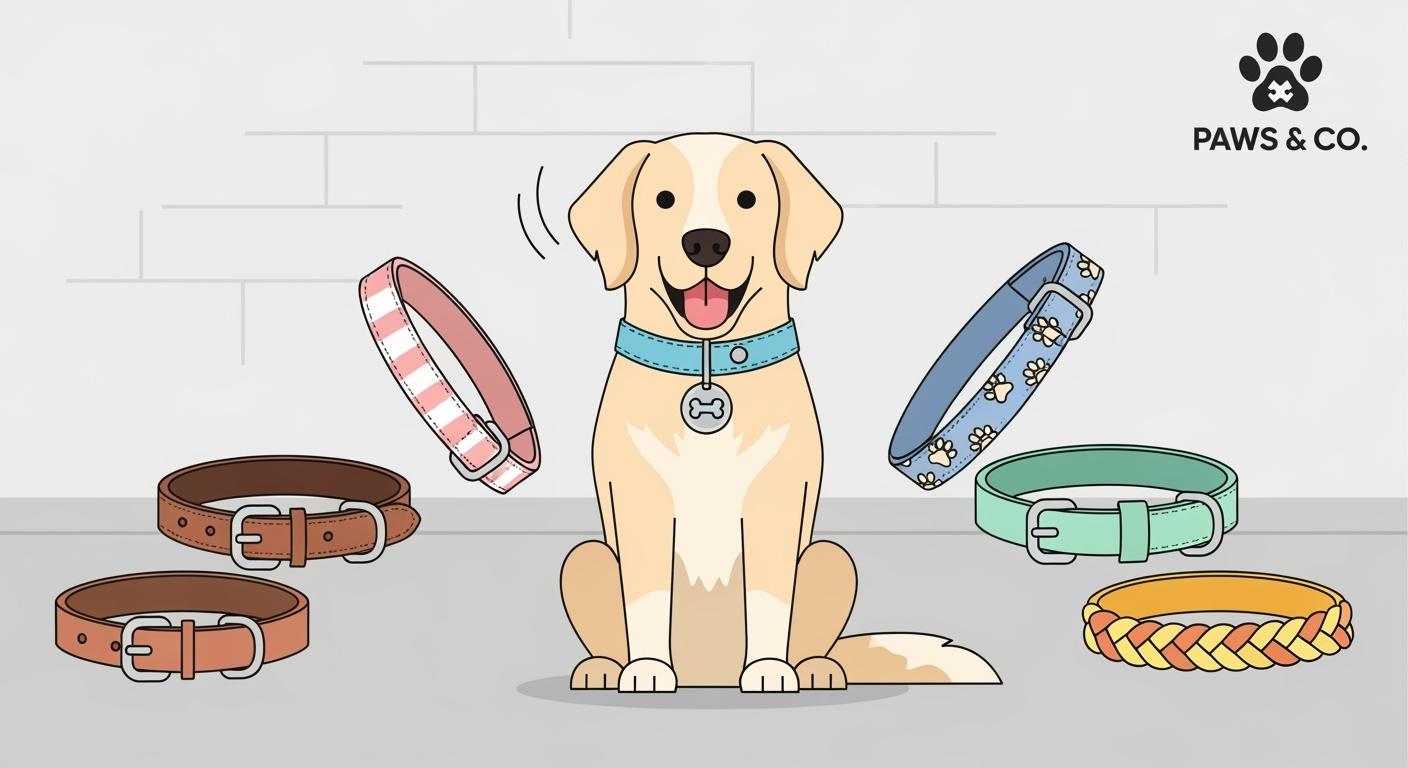
You can find many cute dog collars in stores now. They have bright colors and bold prints. Custom name tags help people notice them. Many brands sell sets that match. These sets include collars, leashes, and harnesses. Material and style are important for safety. They also make the collar look nice.
Always make sure collars fit your dog well. They should last through daily use. Collars must follow safety rules. These things help your product do well. They also make customers happy.
Key Takeaways
Pick collars that fit right so dogs stay safe and comfy.
Watch for new styles so you sell cool and useful collars.
Use strong materials like nylon and polyester for daily collars.
Think about eco-friendly choices to get buyers who care about the planet.
Sell collars with names or embroidery to make them special.
Make sets with collars, leashes, and harnesses to help sell more.
Check quality often to stop returns and keep dogs safe.
Market Trends for Dog Collars
You should know the newest trends before picking dog collars. Reports say the pet accessories market is growing quickly. Collars are now for both style and use. This part will show you what makes people want new collars. You can use these ideas to make your product line better.
Growth in Pet Accessories
Reports say dog accessories, like collars, are growing fast. In 2023, about 65% of US homes had a dog. More people want to buy things for their pets. The dog collar market may grow by 7.5% each year from 2025 to 2034. Buyers now spend more on healthy and fancy accessories. Many people want collars that are safe and comfy. Pet humanization means people spend more on stylish and good collars.
Pet owners want things that last a long time.
Many people pick collars with extras, like reflective strips or soft padding.
More buyers want collars made from recycled materials.
Cute Dog Collars as Fashion
Dog collars are not just for holding a leash now. Many owners see collars as a way to show style. Some brands make collars that look like human fashion. Some collars have fancy decorations, bright patterns, or simple styles. Owners often buy more than one collar to match their clothes or for special days. Fancy collars use nice materials, like leather or suede, and follow human fashion trends.
Collars now show a dog’s and owner’s style.
Many people want sets that match, like leashes and harnesses.
Collars with GPS or other uses are getting more popular.
Defining “Cute” in Dog Collars
Modern brands have rules for what makes a collar cute. You should look at both style and use. Cute collars often have bright colors, fun prints, or cool patterns. Brands also think about comfort and safety for dogs. Collars must fit all sizes of dogs. The collar should work for daily use, not just special times.
Looks that match a dog’s personality
Features that keep dogs safe and comfy
Sizes for every breed
Good for everyday use
You can use these trends to help you choose and make products. If you offer cute collars that are safe and stylish, you can get more buyers and keep them coming back.
Collars in Product Lines
You need to think about how collars fit into your full product line. Collars can help you build a strong brand. They also give you a way to reach more customers. Many brands use collars as a starting point before adding leashes, harnesses, or matching accessories. You can use collars to test new materials, prints, or features before expanding your range.
Tip: Start with a small range of collars in different sizes and styles. Watch which ones sell best. Use this data to plan your next products.
When you add collars to your product line, you should look at these key points:
Core Styles: Offer basic collars in solid colors or simple patterns. These work for most dogs and appeal to many buyers.
Seasonal or Trendy Designs: Add collars with special prints or colors for holidays or new trends. These can boost sales at certain times of the year.
Personalized Options: Give customers a way to add names or phone numbers. Personalization increases value and loyalty.
Matching Sets: Sell collars with matching leashes or harnesses. Sets often increase the average order value.
Special Features: Try collars with reflective strips, quick-release buckles, or eco-friendly materials. These features can set your brand apart.
You should also plan your product line by size and price. Use a simple table to help you organize:
Collar Type | Sizes Offered | Price Range | Key Features |
|---|---|---|---|
Basic Everyday | XS–L | $8–$20 | Durable, easy-clean |
Trend/Seasonal | S–L | $12–$25 | Fun prints, limited run |
Personalized | XS–XL | $15–$35 | Nameplate, embroidery |
Premium/Leather | S–XL | $30–$80 | High-end, gift-ready |
Eco-Friendly | S–L | $18–$40 | Recycled, natural |
You can use this table to check for gaps in your line. Make sure you cover the most common dog sizes (8–24 inches neck size). You should also review your price points to match your target market.
Checklist for building your collar line:
Offer at least three sizes (small, medium, large)
Include both basic and trend-driven styles
Add at least one personalized or premium option
Check that all collars meet safety and compliance standards
You will find that collars often drive repeat purchases. Many buyers want to update their dog’s look or buy gifts. If you keep your collar line fresh and safe, you can build a loyal customer base and grow your brand.
Safety and Fit Essentials
Picking the right collar size is very important. It keeps dogs safe and makes customers happy. A collar that fits well helps stop returns. It also helps people trust your brand.
Sizing for All Breeds
Collars must fit many kinds of dogs. First, measure the dog’s neck with a soft tape. Put two fingers under the tape for comfort. This “two-finger rule” keeps collars from being too tight or too loose.
Here is a quick chart for some dog breeds and their collar sizes:
Dog Breed | Neck Measurement (in) | Recommended Collar Size |
|---|---|---|
Airedale | 16.1–22.0 in | Large |
Beagle | 14.2–18.1 in | Medium |
Bichon Frise | 14.2–18.1 in | Small |
Border Collie | 15.7–18.1 in | Medium |
German Shepherd | 18.1–23.6 in | Large |
Golden Retriever | 16.1–23.6 in | Large |
Jack Russell | 9.8–14.2 in | Small |
Labrador | 18.1–23.6 in | Large |
Tip: Always add a size chart and clear measuring steps to your product pages. This helps stop mistakes and keeps customers happy.
Safety Risks and Prevention
Dog collars can be risky if not used right. Some problems are choking, hurt legs or mouths, skin issues, neck pain, and feeling bad. These problems can cause big injuries.
You can stop most problems by doing these things:
Use soft edges or padding to stop skin problems.
Use strong D-rings and good stitching to stop breaks.
Do not use loose collars that can get caught. Tell people to take collars off during play or when dogs are in crates.
Test all parts for strength and rust.
Sell collars that can be adjusted and give clear fitting tips.
Checklist for safer collars:
Edges that are round or covered
Strong or double D-rings
Buckles that are safe and easy to use
Materials that are safe for skin
Test each batch for strength and lasting power
⚠️ Even the best materials can break if used wrong or too much. Always tell people to test small batches and check collars often before selling new ones.
Harness vs. Collar
It is good to know how harnesses and collars are different. Collars are easy to use but may not control strong dogs. Harnesses spread pressure on the chest and help stop neck injuries. They need more fitting and can be harder to put on, but they give better control for big dogs or training.
Feature | Collars | Harnesses |
|---|---|---|
Safety | Can hurt dogs that pull | Spreads pressure, helps stop neck injuries |
Fit | Easier to fit, less control | Needs more fitting, fits better |
Control | Not much control for guiding | More control, good for big dogs |
Ease of Use | Simple to put on and take off | Harder to put on |
Training | Not best for training | Front clip helps with training |
When you make cute dog collars, think about selling harnesses too. This gives your customers more ways to keep dogs safe and comfy.
Compliance in US/EU
You must follow strict rules when you sell dog collars in the US or EU. These rules protect pets and buyers. They also help you avoid costly recalls or shipment delays.
Regulations cover both safety and chemicals. You need to check every material, dye, and metal part. Many buyers now ask for proof of compliance before they place large orders. If you want to sell in more than one country, you must know the main rules for each region.
Here is a table that shows the main regulations for dog collars in the US, EU, and Canada:
Region | Regulation | Key Requirements |
|---|---|---|
EU | REACH | Heavy metal limits, restricted substances, chemical composition reports |
US | CPSC | Lead content limits, phthalate restrictions, choking hazard assessments |
US | FDA | FDA-approved substances for food contact, migration testing |
Canada | Health Canada | Heavy metal limits, textile regulations, bilingual labeling requirements |
What does this mean for your collars?
In the EU, you must follow REACH rules. You need to test for heavy metals like lead, cadmium, and nickel. You must also check for restricted chemicals in dyes and coatings. You should keep chemical composition reports for each batch.
In the US, the CPSC sets limits for lead and phthalates. You must also check for small parts that could cause choking. If your collar touches food or water bowls, you may need FDA-approved materials.
In Canada, you must meet heavy metal and textile rules. Labels must be in both English and French.
Tip: Always ask your supplier for up-to-date test reports. You should keep these on file for at least three years.
Checklist for Compliance:
Request REACH and CPSC test reports for each new style or batch.
Review all hardware (buckles, D-rings) for heavy metal content.
Check that dyes and coatings do not use restricted chemicals.
Make sure labels meet local language and content rules.
Keep all compliance documents organized and ready for audits.
You can lower your risk by working with labs that know pet product rules. Many brands now test samples before full production. This step helps you catch problems early. You should also review compliance rules each year, as standards can change.
If you plan to sell in both the US and EU, you may need to meet both sets of rules. This can add cost, but it also opens your brand to more markets. You build trust with buyers when you show clear proof of compliance.
Note: Regulations protect pets and people. They also help your brand avoid fines and lost sales. Always make compliance a top part of your sourcing plan.
Materials and Hardware for Cute Dog Collars
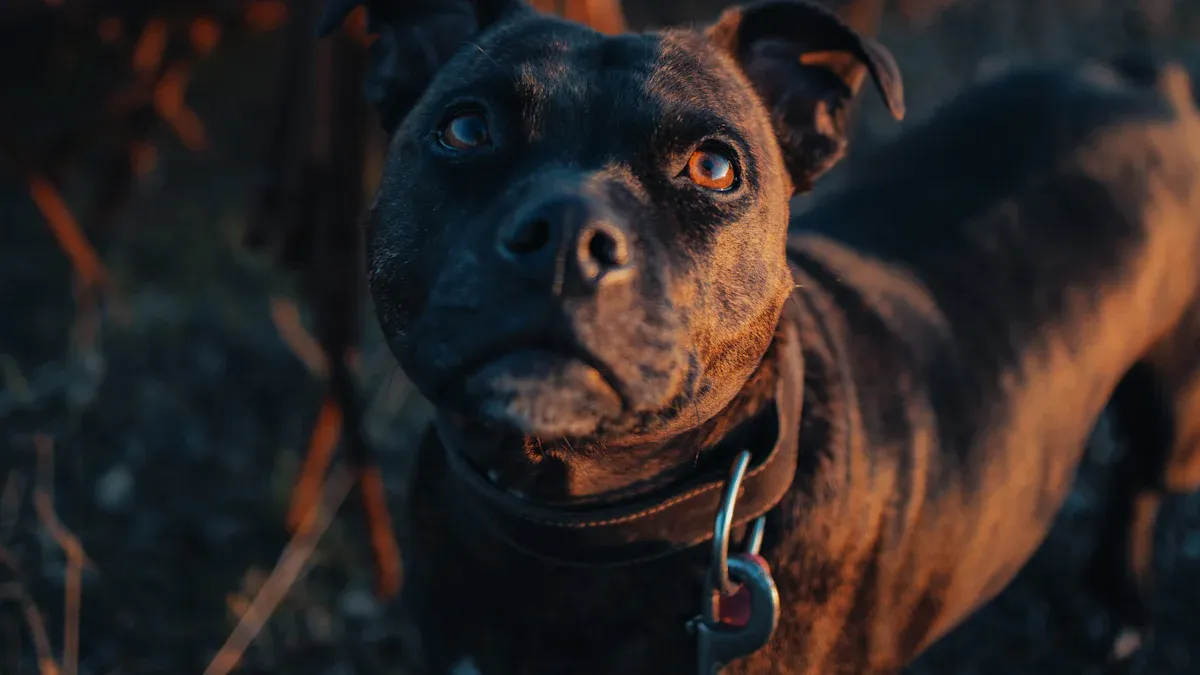
Choosing the right materials and hardware for cute dog collars helps you balance style, safety, and cost. When you know the strengths and weaknesses of each material, you can build a product line that meets customer needs and stands up to daily use. This section gives you a clear guide to help you select materials that fit your brand’s goals and your buyers’ expectations.
Nylon and Polyester
Nylon and polyester are the most common materials for cute dog collars. You see them in many colors and prints. These materials work well for brands that want to offer affordable, durable, and stylish options.
Durability and Color
Nylon and polyester collars can handle strong pulls and daily wear. Polyester often outperforms nylon in pull tests, holding over 800 pounds. Both materials fall in the $10.99–$34.99 price range, making them good for entry-level and mid-tier collars.
Material | Durability (Pull Test) | Price Range |
|---|---|---|
Polyester | Over 800 pounds | $10.99–$34.99 |
Nylon | Varies | $10.99–$34.99 |
Alloy Steel (Hardware) | High | $10.99–$34.99 |
Polyester collars keep their color longer than nylon. You can print bright patterns and seasonal designs on polyester. Nylon webbing can fade quickly in sunlight. Both materials work with plastic or alloy steel buckles and D-rings.
Tip: Use polyester for collars with bold prints or for customers who want long-lasting color.
Common Issues
Nylon collars can show wear after 6–12 months. Sunlight weakens nylon and causes fading. Nylon also holds odors, even after washing. Wet nylon can feel slippery and may cause burns if a dog pulls hard. Polyester resists fading and dries faster, but both materials can fray at the edges if stitching is weak.
Feature | Nylon Pros/Cons | Polyester Pros/Cons |
|---|---|---|
Aesthetics | Fades in sun, basic webbing | Holds color, good for prints |
Grip | Slippery when wet, can cause burns | Better grip, dries faster |
Odor Retention | Holds odors | Less odor retention |
Durability | Lasts 6–12 months, weakens with UV | Stronger, longer-lasting |
Cost | Budget-friendly, may need more replacements | Slightly higher, lasts longer |
Checklist for nylon and polyester collars:
Double-check stitching at stress points.
Use reinforced D-rings for strong dogs.
Offer care tips to reduce odor and fading.
Test for colorfastness before large orders.
Leather and Faux Leather
Leather and faux leather collars give a premium look and feel. You can use them for higher-priced lines or special collections. These collars appeal to buyers who want a classic or luxury style.
Grades and Care
Leather collars come in different grades. Handmade leather can last for years if you care for it. Mass-produced leather may show wear in a few months. Faux leather looks similar but does not last as long.
Type of Collar | Longevity | Care Requirements |
|---|---|---|
Handmade Leather | Years or decades | Needs regular oiling and cleaning |
Mass-Produced Leather | Months | Less care, but wears out faster |
Regular care keeps leather soft and prevents cracks.
Clean dirt off daily and oil the collar weekly.
Faux leather needs less care but can peel or crack with heavy use.
Note: Leather collars cost more to make and sell. You can price them from $30 to $80 or higher, depending on the grade and finish.
Personalization Options
Leather and faux leather collars work well for custom touches. You can add nameplates, embossing, or embroidery. These features help you offer personalized products that buyers love for gifts or special occasions.
Checklist for leather and faux leather collars:
Choose full-grain or top-grain leather for long life.
Offer care instructions with each collar.
Test hardware for rust and strength.
Use smooth edges to prevent skin irritation.
Neoprene and Mesh
Neoprene and mesh collars focus on comfort and special uses. These materials work well for active dogs, water play, or hot weather.
Comfort and Water Use
Neoprene feels soft and padded. It resists water and dries quickly. This makes it a good choice for dogs that swim or have sensitive skin. Mesh is light and lets air flow, so it keeps dogs cool in warm weather.
Material | Best Use Case | Benefits |
|---|---|---|
Neoprene | Comfort, water-resistant activities | Soft, padded, water-resistant, reduces chafing, good for sensitive skin |
Mesh | Warm weather, active dogs | Breathable, lightweight, keeps dogs cool |
You can pair neoprene or mesh with plastic or coated metal hardware. These collars usually cost $15–$35. They fit well in active or summer collections.
Checklist for neoprene and mesh collars:
Check for strong stitching to prevent seam failure.
Use rust-resistant hardware for water use.
Offer bright colors for visibility.
Test for quick drying and odor control.
If you want to offer cute dog collars for active or sensitive dogs, neoprene and mesh give you flexible options.
Eco-Friendly Choices
You can add eco-friendly dog collars to your products. Many buyers want items that help the planet and are special. Choosing eco-friendly collars helps your brand stand out. It also attracts shoppers who care about the environment.
Hemp and Recycled Materials
Hemp and recycled plastics are now popular for brands. These materials help lower harm to the earth. They also make collars that last and are easy to sell.
Why choose hemp for dog collars?
Hemp needs less water than most other crops.
It grows without using harmful chemicals.
Hemp fibers are strong and last a long time.
Hemp can help clean dirty soil, so it is a smart crop.
You can also use recycled plastics for your collars. Many brands use recycled PET from bottles or other blends. Some companies make collars from ocean plastics or use closed-loop systems.
Benefits of recycled materials:
Recycled plastics help keep trash out of landfills.
They turn old things into new products.
Some brands, like West Paw’s Zogoflex, use special plastics for recycling.
Tip: Always ask your supplier where recycled materials come from. Some buyers want proof or special certificates for recycled content.
Checklist for eco-friendly collars:
Make sure you know the material source.
Test collars to see if they last and keep color.
Look for eco-labels or certifications.
Give care tips to help buyers use collars longer.
Eco-friendly collars can cost $18 to $40, based on what you use. These collars are great for buyers who want green or wellness products.
Hardware Options
Hardware is important for keeping dog collars safe and strong. You need to pick the right hardware for your collars and buyers. Many problems with collars come from weak hardware, so choose carefully.
Buckles and D-Rings
You can pick plastic, metal, or coated hardware for collars. Each type has good and bad points.
Hardware Type | Pros | Cons | Best Use Case |
|---|---|---|---|
Plastic | Light, does not rust, low price | Can break if pulled too hard | Small dogs, fashion collars |
Metal | Strong, lasts long, classic look | Can rust, heavier, costs more | Large dogs, active use |
Coated Metal | Rust-resistant, strong | Coating can chip, may cost more | Water use, premium lines |
Some people think all hardware is strong. But you must match hardware size and strength to the dog’s size and activity. Small buckles or thin D-rings can break on big or active dogs. Rust is also a big problem. Rusty hardware can hurt a dog’s skin and make collars wear out faster. Some buyers like hardware for its look, but you should check if it lasts.
Note: Always test hardware for strength and rust before making many collars. Ask for lab reports if you sell in strict markets.
Common hardware complaints:
Buckles or D-rings break after a few months.
Metal parts rust, especially after getting wet.
Hardware looks nice but does not last long.
Hardware is too small for the dog’s size or activity.
Checklist for hardware selection:
Match hardware size and strength to the collar and dog.
Pick rust-resistant coatings for water or outdoor use.
Test all hardware for breaking and long use.
Do not use only decorative hardware unless for special collars.
Coatings and Safety
You can make hardware better by picking good coatings. Nickel, chrome, or powder coatings help stop rust and add shine. Some brands use PVD for extra strength. Coated hardware is good for wet or humid places.
Key points for coatings and safety:
Nickel and chrome coatings help stop rust and look shiny.
Powder coatings come in many colors and stop corrosion.
PVD coatings are very strong but may cost more.
Always check that coatings do not have banned chemicals.
Tip: For collars sold in the US or EU, ask for chemical safety reports for all coated hardware. This helps you follow rules and avoid recalls.
Checklist for hardware coatings:
Ask your supplier about coating type and thickness.
Test for chipping or peeling after many uses.
Check for chemical safety and rule-following.
Give care tips to help buyers keep hardware nice.
When you pick the right hardware and coatings, you stop many problems. You also help buyers trust your brand. This lowers returns and makes your brand known for good quality.
Cute Dog Collars: Styles and Trends
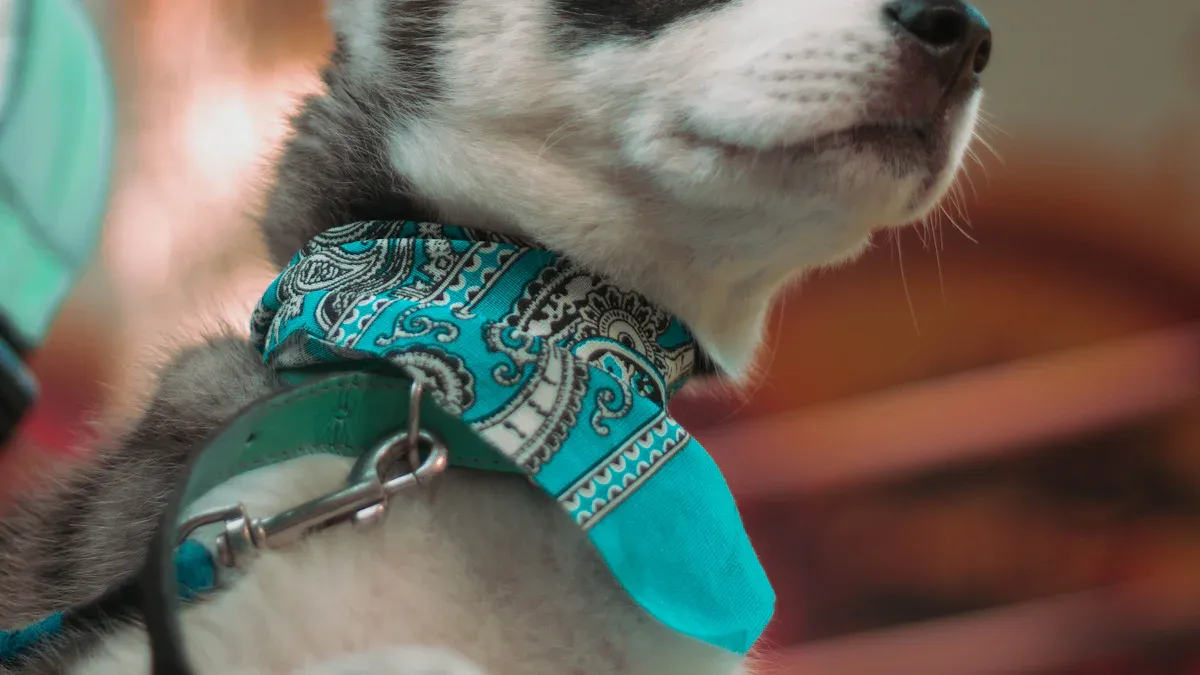
This part shows you new styles for dog collars. You will learn how to pick designs that buyers like. These ideas help you plan your products and keep up with what customers want.
Color Palettes and Prints
Fun and Unique Designs
Bright colors and special patterns are popular in 2024. Pet owners want collars that show their dog’s personality. Many brands sell collars with fun prints, like pizza or bacon. Some have stripes for adventure. These collars are more than tools. They are fashion for dogs.
Bright colors help collars get noticed and sell quickly.
Patterns like stripes or food prints attract younger buyers.
Fancy materials, like silk or vegan leather, make collars feel special.
Some collars use bold patterns and soft materials. These work for daily walks and special events. Fun designs help your brand stand out. They also make people want to buy again.
Seasonal and Minimalist Styles
Seasonal collars let you change your products during the year. Brands make special prints for holidays like Halloween or Christmas. These collars have festive colors, plaid, or sparkles. Minimalist styles use solid colors or simple lines. Many buyers like classic looks.
Collar Name | Price (USD) | Link |
|---|---|---|
Garden Party Dog Collar | $35.00 | View |
Marguerite Floral Dog Collar | $35.00 | View |
Christmas Sparkle Plaid Dog Collar | $32.00 | View |
Regent Plaid Flannel Dog Collar | $35.00 | View |
BOSS Dog Essentials Collar | $60.00 | View |
Love Dog Collar | $32.00 | View |
Moose Dog Collar | $32.00 | View |
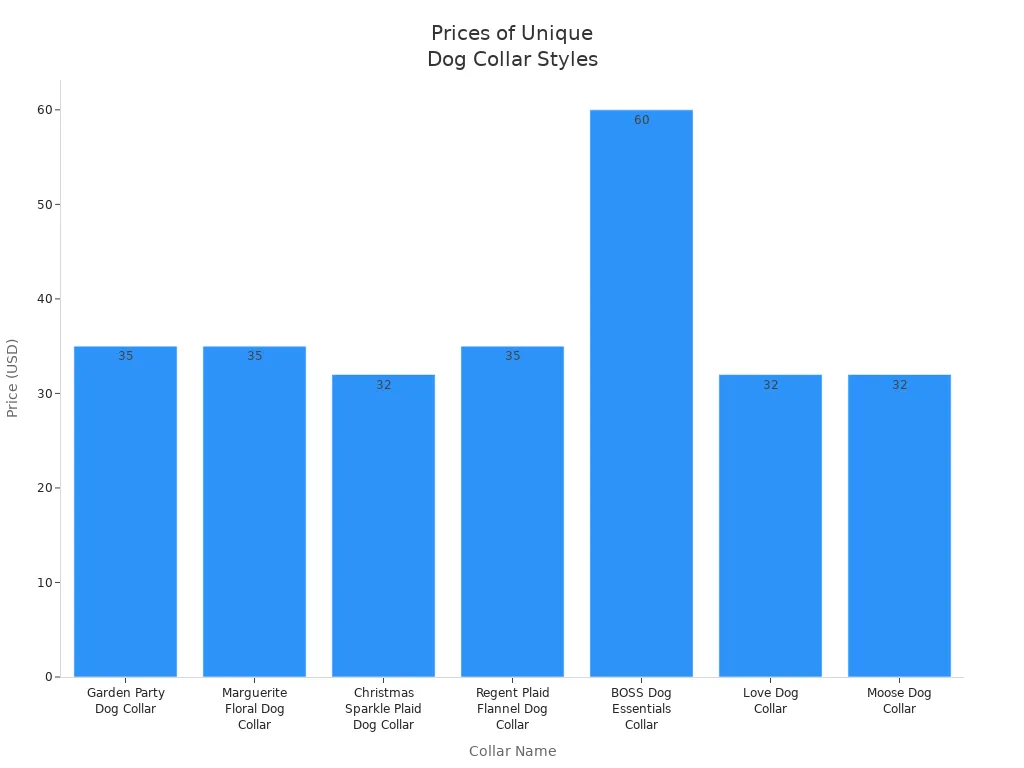
Seasonal collars help you sell more during holidays. Minimalist collars work all year and fit many buyers. Both styles help you reach different people.
Tip: Change seasonal prints often. Keep simple collars in your main line for steady sales.
Personalization and Custom Collars
Nameplates and Embroidery
Personalized collars are getting more popular. Pet owners want their dog’s name or their phone number on the collar. You can add these with engraved nameplates or embroidery. These choices make your collars special and easy to spot.
Engraved nameplates stay clear and safe for a long time.
Embroidery lets you add names, numbers, or small pictures.
Personalized collars can be made from leather, nylon, or waterproof materials.
A collar with a name and number helps lost dogs get home. Many buyers want this for safety. Custom options help people trust your brand and buy again.
Checklist for personalized collars:
Give clear choices for fonts and colors.
Use strong materials for embroidery or engraving.
Make custom orders quickly.
Test custom features to make sure they last and are easy to read.
Matching Sets and Accessories
Collars, Leashes, Harnesses
Matching sets are a big trend for pet accessories. Buyers want collars, leashes, and harnesses that look good together. These sets help owners make their dogs look stylish.
Matching sets make people spend more.
Sets help your brand look professional.
Buyers like sets for a neat, Instagram-ready look.
You can use matching sets to show off eco-friendly or fancy features. Many people want products that match their values, like caring for the planet. Active pet owners want leashes and harnesses for walks and outdoor fun.
Note: Matching sets help you sell more and keep customers coming back. Use them to show new prints or materials in your line.
Checklist for matching sets:
Give at least two color or print choices for each set.
Use the same material and hardware for all items.
Test sets for comfort and fit on different dogs.
Show eco-friendly or special features in your ads.
If you follow these trends, you can make cute dog collars that modern pet owners want. Your products will stand out and attract more buyers.
Add-Ons: Bows and Charms
Bows and charms help your dog collars get noticed. Many people want these extras for a fun or special look. Adding bows and charms can make your products more popular and raise sales.
Safety and Durability
You need to think about safety and how long add-ons last. If bows or charms are not attached well, they can be unsafe. Some buyers complain if add-ons break or fall off. Cute extras are nice, but you must keep pets safe and protect your brand.
Key Safety Considerations:
Small pieces can be choking hazards if they come off. Always check that bows and charms stay on tight.
Sharp or metal parts can scratch a dog’s skin. Pick smooth and round shapes.
Heavy charms can pull on collars and bother small dogs.
Removable add-ons should use strong Velcro or snaps. Do not use glue alone, as it does not last.
Tell buyers to take off add-ons when dogs play hard.
Tip: Put a warning on your product or website. Remind people to watch pets when they wear bows or charms.
Durability Factors to Check:
Use double stitching or strong loops to keep bows in place.
Pick charms made from rust-proof metal or tough plastic. Test if colors stay bright and if dogs can chew them.
Washable bows and charms help collars look new. Give care tips for all extras.
Try out add-ons by pulling, washing, and using them outside. Write down any problems and fix your design or pick a better supplier.
Checklist for Safe and Durable Add-Ons:
Sew or fasten bows and charms with strong stitches or snaps.
Do not use small, weak, or sharp parts.
Use light materials for little dogs.
Give clear care and safety tips.
Test all extras for strength, washing, and comfort.
Examples from the Field:
Many brands now sell bow tie collars or charm sets with names like “Happy Pup Collection” or “Springtime Sparkle Series.” These sell well for holidays or special days. We found bows with double stitching and snap-on charms last longer and get fewer returns. Buyers also like being able to remove or change add-ons for different times.
Note: Add-ons let you update your products without changing the main collar. This helps you follow trends and listen to what buyers want.
If you focus on style and safety, you can sell cute dog collars with bows and charms that make buyers happy and meet rules. Always test new extras before selling a lot to avoid problems or bad reviews.
Matching Collars to Dogs and Lifestyles
Picking the right collar for each dog is important. It helps stop returns and makes customers happy. You should match collar size, material, and style to the dog’s breed and how active they are. This way, your product line works for many pet owners.
Size and Breed Needs
Always think about the dog’s breed and neck size first. Small breeds need thin collars for comfort. Medium breeds can use thin or wide collars, depending on their neck and how much they move. Large breeds need wide collars for better control. Giant breeds need extra wide collars for strength. Dogs with long necks do better with thin collars. Short neck breeds need wide collars to spread pressure. Working dogs need strong, wide collars. Active dogs do best with thin collars for easy movement.
Breed Type | Recommended Collar Width | Key Considerations |
|---|---|---|
Small Breeds | Narrow (2-3 cm) | Lightweight for comfort, suitable for thin necks. |
Medium Breeds | 2-3 cm or 4.5 cm | Depends on neck shape and activity level. |
Large Breeds | Wide (4.5 cm) | Better pressure distribution and control. |
Giant Breeds | Extra Wide | Thick collars for durability and support. |
Long Neck Breeds | Narrow | Prevents restriction during movement. |
Short Neck Breeds | Wide | Distributes pressure evenly. |
Working Dogs | Wide | Extra durability and support needed. |
Active Dogs | Narrow | Allows for agility in play and running activities. |
Tip: Give buyers a size chart for necks from 8 to 24 inches. This helps them pick the right collar and stops sizing problems.
Activity and Sensitivity
Dogs play and move in different ways. Some have sensitive skin. You should pick collar materials that fit these needs. Active dogs need collars that can handle lots of movement and getting wet. Dogs with sensitive skin need soft and safe materials.
Material | Activity Level Suitability | Skin Sensitivity Suitability |
|---|---|---|
Leather | Durable for active dogs | Moderate |
Hemp | Durable for active dogs | Hypoallergenic |
Neoprene | Excellent for active dogs | Hypoallergenic and soft |
Neoprene is soft and does not cause skin problems. It is light and lets air flow, so dogs stay cool. The smooth feel of neoprene stops rubbing during play.
Neoprene gives comfort, is easy to clean, and is safe for sensitive skin. It is a good choice for dogs who need extra care or for brands that want to offer comfort.
Checklist for activity and sensitivity:
Have at least one collar that is hypoallergenic.
Use strong stitching for dogs that play a lot.
Test collars on different fur types for comfort.
Everyday vs. Occasion Collars
You should have collars for daily use and for special days. Most pet owners want a simple collar for every day. For holidays or parties, they want collars with bows, charms, or cool prints. Everyday collars should be light, easy to wash, and adjustable. Occasion collars can look fancy but must be safe.
If you offer both types, buyers can find what they need for any time. This helps people buy again and trust your brand.
Note: Make sure your main collars are comfy and strong. Add special collars for holidays to get more sales.
Matching collars to dogs and their lifestyles helps you reach more customers. This makes your product line strong and flexible for real life.
Sourcing and Quality Control
You need good sourcing and quality checks to make strong dog collars. This part shows how to pick suppliers, test products, and set up checks. These steps help you avoid returns and keep your brand safe. They also make sure your customers stay happy.
Lab Tests and Certifications
You must check that each collar meets safety rules before selling. Testing and certification rules are different in each country. Most buyers want proof that collars are safe and labeled right. You should use certified labs and save all reports.
Requirement Type | Description |
|---|---|
Safety Standards | REACH (EU), GPSD (EU), Prop 65 (USA) |
Testing Methods | Tensile tests, crash tests, chemical tests, corrosion resistance |
Certifications | CE (EU), UKCA (UK), CPS (USA) |
Ask your supplier for new test reports for every batch. These reports show collars do not have banned chemicals like lead. Tensile and crash tests check if hardware is strong. Corrosion tests help you stop rust problems. Always check if you need extra marks like CE or UKCA.
Tip: Save digital copies of lab reports for three years. This helps you answer audits or customer questions fast.
QC Checklist for Collars
A simple quality control checklist helps you find problems early. Use this checklist before shipping and during random checks.
Tensile Test: Make sure collar and hardware can handle strong pulls.
Salt Spray Test: Test metal parts to see if they rust.
UV Test: Check if colors fade in sunlight.
Static Wet Test: See if colors bleed when wet.
Crock Testing: Rub collar to check for color transfer.
Visual Inspection: Make sure hardware is attached and packaging is complete.
Test Type | Purpose |
|---|---|
Tensile | Checks collar strength |
Salt Spray | Tests for rust resistance |
UV | Checks for fading in sunlight |
Static Wet | Checks for color transfer when wet |
Crock Testing | Checks for color transfer from rubbing |
Visual Inspection | Checks hardware and packaging |
Train your QC team to use this checklist for every order. This lowers returns and keeps your brand strong.
Sampling and Production
Sampling helps you stop quality problems early. Always ask for samples before making big orders. Test samples for fit, color, and hardware strength. Check that samples match your design and labels.
During production, do in-line checks on random collars. This helps you find problems like bad stitching or wrong hardware. After making collars, do a final check before shipping. Use your checklist to guide this step.
Note: Test small batches to find problems before big orders. Check repeat orders often to catch changes in materials or work.
If you follow these steps, you lower your risk of recalls and unhappy buyers. You also build trust with people who want safe and stylish dog collars.
Common Quality Issues
You need to look out for problems when selling cute dog collars. These problems can hurt your brand and cause returns. If you know what to check, you can make your collars better. This helps you make good choices for your products.
Problems can happen when making samples, during production, or after customers get collars. You should check for these issues before you ship or sell new collars.
Frequent Collar Quality Complaints:
Colors fade after washing or being in the sun.
Metal parts like D-rings and buckles can rust.
Stitching can come loose or fray at stress points.
Wrong sizes can make collars fit badly or feel uncomfortable.
Nylon or polyester collars can keep bad smells.
Faux leather can peel or crack over time.
Buckles can break if they are not strong enough.
Bows or charms can fall off or be unsafe.
Tip: Test samples by washing, pulling, and putting them in sunlight. This helps you find problems before making many collars.
Table: Common Issues and Solutions
Issue | Cause | Solution |
|---|---|---|
Fading Colors | Weak dyes, poor UV resistance | Use colorfast materials |
Rusty Hardware | Low-quality metal, no coating | Choose rust-resistant alloys |
Fraying/Stitching | Weak thread, poor QC | Double-stitch stress points |
Sizing Errors | Inaccurate charts, poor QC | Update size guides, test fit |
Odor Retention | Material absorbs smells | Recommend regular cleaning |
Peeling/Cracking | Low-grade faux leather | Use higher quality materials |
Buckle Failure | Thin plastic, poor design | Test for tensile strength |
Add-on Detachment | Weak attachment methods | Use reinforced stitching/snaps |
You should keep track of all complaints and returns. This helps you see if the same problems happen again. Many brands find these issues in small batches or first orders. You can stop them by working with your suppliers and setting clear rules.
Checklist for Managing Quality Issues:
Test samples for color, rust, and strength.
Check customer feedback and returns every month.
Update guides and care tips often.
Train your team to spot weak stitching and hardware.
Work with suppliers to use better materials and stronger attachments.
Note: You may not catch every problem before selling, but you can lower risks by learning from past mistakes and feedback. Always save your test results and complaints for later.
If you focus on these common problems, your brand can make collars that customers like and trust.
Building a Collar Assortment
You need a smart plan to build a strong dog collar assortment. A good mix of styles and prices helps you reach more buyers and keep your inventory moving. This section will help you set up your product line, choose the right price points, and plan for seasonal changes.
Good–Better–Best Tiers
You can organize your collars into three main tiers: Good, Better, and Best. This structure helps you serve different customer needs and price ranges.
Tier | Features | Typical Price Range | Buyer Type |
|---|---|---|---|
Good | Basic materials, simple designs | $8–$20 | Value-focused shoppers |
Better | Trendy prints, more comfort | $18–$35 | Style-conscious buyers |
Best | Premium leather, custom options | $30–$80+ | Gift or luxury shoppers |
Good collars use strong nylon or polyester. They sell well as everyday choices.
Better collars add features like soft padding, fun prints, or eco-friendly materials.
Best collars use leather, custom embroidery, or matching sets. These often become gifts or special purchases.
From my experience, the “Better” tier often drives the most repeat sales. Trendy prints and comfort features keep buyers coming back. The “Best” tier can move slower, but it brings higher margins and attracts gift buyers. Basic collars sometimes build up as unsold stock if you do not refresh colors or styles.
SKU Planning
You should plan your SKUs to match demand and avoid overstock. Focus on your top sellers and keep slow movers to a minimum.
The 80/20 rule works well: 20% of your SKUs usually make up 80% of your sales. Invest more in these high performers.
Keep only a small amount of slower-selling collars in stock.
Use seasonal launches to boost sales. Holiday prints, summer cooling collars, or winter styles can sell at 15–20% higher prices during peak times.
Offer early bird discounts before busy seasons to lock in orders.
Create bundles for holidays or events. These can have higher margins and help move more stock.
Raise prices by 5–10% during high demand periods, but keep value clear for buyers.
Tip: Review your sales data every month. Drop or update slow-moving SKUs and add new styles based on trends.
Checklist for Assortment Planning:
Offer at least one style in each price tier.
Plan for seasonal launches and bundles.
Track which SKUs sell best and adjust orders.
Keep your size range broad to fit more dogs.
Note: The advice in this guide is general. Always check local rules, your target market, and your brand goals. Talk with labs, compliance experts, and local partners before making big changes.
This guide helps you pick cute dog collars that look good and are safe. You can use these tips to choose the right materials and styles for your buyers. Always check that collars are made well and follow safety rules. Listen to what customers say about your products.
Check your suppliers and ask for samples
Make sure collars are safe and strong
Choose styles that match trends and real data
FAQ
Picking the right dog collar can help your brand. It also lowers returns. This FAQ gives answers to common questions from brands and sellers. You will learn about sourcing, safety rules, and quality. Use these tips to make smart choices and avoid mistakes.
What is the most common reason for dog collar returns?
Most returns happen because collars do not fit right. You can stop this by giving clear size charts and guides. Always test collars on many breeds before selling new ones.
How do I verify material safety for US and EU markets?
Ask your supplier for new lab test reports. Check that they follow REACH (EU) and CPSC (US) rules. Keep all papers for checks. Look for rule changes often to stay safe.
What features help collars stand out in a crowded market?
You can offer:
Special prints or holiday designs
Personalization like embroidery
Sets that match with leashes or harnesses
Eco-friendly materials
These features help you get repeat buyers. They also let you charge more.
How can I prevent hardware rust and breakage?
Pick coatings like nickel or powder to stop rust. Test hardware for strength and rust before making many collars. Use double stitching where collars get pulled. Check customer reviews for early hardware problems.
What is the best way to manage quality control with new suppliers?
Start with small orders and ask for samples first. Use a checklist for strength, color, and hardware. Check random collars during production. Keep all test results and feedback.
Should I offer both collars and harnesses in my assortment?
Yes, offering both gives your buyers more choices. Collars are good for daily use. Harnesses help with control and safety, especially for big or active dogs. Selling both together can raise your sales.
How do I handle custom orders for personalized collars?
Set clear rules for font, color, and where names go. Use strong materials for embroidery or engraving. Double-check all details with buyers before making collars. Test samples to make sure they last and are easy to read.
What are the most common complaints about add-ons like bows or charms?
Buyers often say:
Add-ons fall off after washing or play
Small parts can be choking hazards
Sharp edges can hurt dogs
You can stop these problems by using strong stitching, smooth materials, and safe fasteners. Always give care and safety tips.






