What Is a Dog Car Tether and Why It Matters for Safe Car Rides

What Is a Dog Car Tether and Why It Matters for Safe Car Rides

A dog car tether holds your dog safely in the car. This special strap connects to your car and stops your dog from moving around while you drive. The American Automobile Association says loose pets cause many accidents every year. A car tether is not like a normal leash. It clips into your car’s seat belt for more safety. You can see more safe travel items for pets on the car travel category page.

Key Takeaways

  • A dog car tether keeps your dog safe in the car. It stops your dog from moving around and distracting you while you drive. Always use a harness with the car tether. Do not use a collar because it can hurt your dog’s neck if you stop fast. Pick gear that has been crash-tested for better safety. Look for the Center for Pet Safety (CPS) logo on the gear. Check your tether and harness often for damage. Replace them if you see any problems. The back seat is the safest spot for your dog. Do not let your dog ride in the front seat. Airbags in the front seat can hurt your dog. Make sure the tether is the right length. Your dog should be able to move a little but still stay safe. Help your dog get used to the car tether slowly. This will make your dog feel safe and calm during car rides. Use a checklist before every trip to keep your dog safe.

What Is a Car Tether?

Definition and Key Features

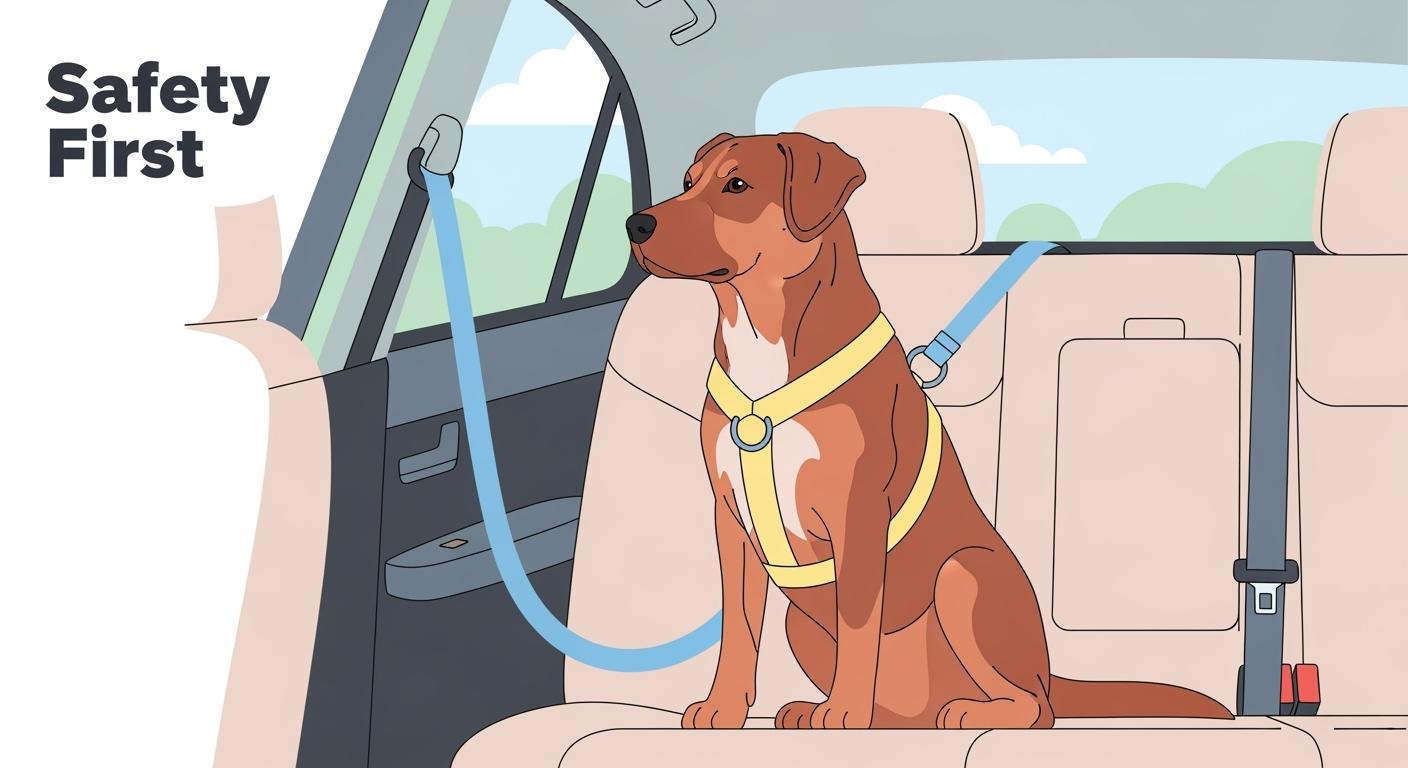
A car tether is made to keep your dog safe in the car. You clip it to your dog’s harness. Then you connect it to your car’s seat belt or LATCH anchor. This stops your dog from moving around inside the car. The car tether uses tough nylon and metal parts. These materials make it strong and dependable. You can change the length so your dog feels comfortable. The main purpose is to protect your dog if you stop fast or have an accident.

Did you know? The National Highway Traffic Safety Administration says many pets get hurt in car crashes each year. Dogs that are not strapped in can distract drivers and cause more accidents.

Here is a table that shows how a car tether compares to other pet restraints:

Feature

Dog Car Tether

Other Pet Restraints

Safety

Keeps dog secure during sudden stops

May not provide the same level of security

Durability

Heavy-duty nylon webbing, all-metal connectors

Often use plastic hardware that can crack

Functionality

Adjustable, works with various harnesses

May not be compatible with all harnesses

Distraction Prevention

Reduces driver distractions

May not effectively keep pets in place

Comfort

Allows some movement while secured

Often restricts movement more

Car Tether vs. Regular Leash

You may think a regular leash works like a car tether. It does not. Car restraints are made for car safety. They protect your dog better in a crash than a leash. Regular leashes are for walks and do not hold your dog in place during stops or turns. If you use a leash in the car, your dog could get hurt in an accident. A car tether keeps your dog safe and lowers the chance of injury.

Tip: Always use a car tether with a harness, not a collar. This spreads out the force if you stop quickly.

Common Car Tether Setups

There are different ways to use a car tether for your dog. The most common way is the seat belt tether. You clip it to your dog’s harness and attach it to the seat belt or LATCH system. This setup is easy and you can adjust it. Some tethers, like the Sit Tight Tether, can be made longer or shorter and use strong nylon. Others, like the PetSafe Safety Seatbelt Tether, hook to the seat belt and use a tough carabiner. These tethers let your dog move a little but keep them safe.

If you want to see more car tethers and pick the best one for your dog, you can visit the car travel safety gear page.

Note: Always make sure your car tether is clipped in tight before every trip.

Why Unrestrained Dogs Are a Risk

Injury Risks in Sudden Stops

You want your dog to stay safe every time you drive. When you do not buckle up your dog, you put everyone in the car at risk. Think about how you always use seat belts for children. You know that a sudden stop or crash can throw a child forward. The same thing happens to dogs. If you do not buckle up your dog, your pet can become a projectile during a crash. This can cause serious injuries to your dog and other passengers.

Here is a table that shows what happens when you do not buckle up your dog:

Evidence Type

Description

Crash Test Data

Unrestrained dogs can become projectiles in a crash, leading to severe injuries for both the dog and vehicle occupants.

Distraction Statistics

30% of pet owners admit to being distracted while driving with pets, increasing the risk of collisions.

Public Perception

83% of surveyed individuals believe unrestrained dogs are dangerous in moving vehicles, yet only 16% use restraints.

You should always buckle up your dog before you start your trip. This simple step can save lives during a crash.

Driver Distraction Dangers

Unrestrained dogs move around the car. They can block your view or jump onto your lap. You may look away to calm a barking dog and miss a stopped car ahead. Even a few seconds of distraction can lead to a crash. Dr. Elisa Mazzaferro explains that having an unrestrained pet in the car increases the chance of distracted driving and serious injury in a crash.

Here are some common ways dogs distract drivers:

  • A dog moving between seats can block your view.

  • A frightened pet may react suddenly and startle you.

  • You may pat your dog while driving.

  • Some drivers let their dog sit in their lap.

  • Others give food or treats to their dog while driving.

  • A few even play with their dog during the ride.

Studies show that 29% of drivers admit to being distracted by their dog. Over half have patted their dog while driving. You can prevent these dangers if you buckle up your dog every time you drive.

Laws and Safety Standards

Many places have rules about pet safety in cars. These laws are not as strict as child seat belt laws. For example, child car seat laws use crash test data and research to protect children. Pet restraint laws do not have the same standards. Some states, like Rhode Island, require you to secure your dog in open vehicles. Others, like Colorado, can give you a ticket for distracted driving if your dog is loose.

Here is a table that shows some laws in the United States and Canada:

Region

Law Description

Oregon

Requires a restraint for dogs riding outside the vehicle’s cab; no law for inside.

Rhode Island

Dogs in open-air vehicles must be secured in a crate or harness; violation can lead to a fine.

Colorado

No law for seat belts; unrestrained pets can lead to citations for distracted driving.

Connecticut

No law for inside vehicles; drivers can be charged under distracted driving laws if pets are in laps.

Maine

No seat belt law; dogs in open vehicles must be secured to prevent falling.

Massachusetts

No seat belt law; dogs in truck beds must be secured; existing laws can apply to unrestrained dogs.

Canada

Pets should be contained to avoid distractions; they should not roam freely in vehicles.

You should go beyond the minimum law. Buckle up your dog every time you drive. This keeps your pet safe and helps you avoid tickets. If you want to learn more about safe travel gear for dogs, visit the car travel safety category page.

Tip: Buckle up your dog just like you buckle up your child. This simple habit protects everyone in the car during a crash.

Car Tether Safety Principles

Harness vs. Collar

You want your dog to stay safe in the car. The way you attach the car tether matters. Always use a harness, not a collar. A collar can hurt your dog’s neck if you stop quickly. A harness spreads out the force and keeps your dog comfortable. Crash test data shows big safety differences between regular harnesses and crash tested harnesses.

  • Regular harnesses do not protect your dog in a crash. They lack strong construction.

  • Crash tested harnesses have reinforced parts. They go through tough tests to make sure they work.

  • Crash tested harnesses spread pressure across your dog’s body. This lowers the risk of neck injuries.

  • Regular harnesses meet basic safety rules. Crash tested harnesses follow strict standards like FMVSS No. 213.

You should always choose a crash tested harness for your dog car harness setup. This gives your pet the best chance to stay safe.

Tip: Never attach a car tether to a collar. Use a harness every time you drive.

Crash-Tested Gear

Crash tested harnesses make a big difference in car safety. You want gear that protects your dog in real crashes. The Center for Pet Safety (CPS) tests dog car harnesses at real speeds. CPS-certified restraints give better protection than those without certification. Look for the CPS logo when you shop for a crash tested harness.

  • CPS is the only group that crash-tests dog restraints at real speeds.

  • CPS-certified gear keeps your dog safer than non-certified gear.

  • You should check for the CPS certification logo on the package before you buy.

Crash tested harnesses work with most car tethers. You can find many options on the car travel safety gear page. This helps you pick the right dog car harness for your pet.

Note: Crash tested harnesses protect your dog and passengers. They lower the risk of injury in a crash.

Tether Length and Control

The length of your car tether matters. You want your dog to move a little but stay safe. A short tether keeps your dog from jumping into the front seat. It also stops your dog from falling off the seat. Most crash tested harnesses work best with adjustable tethers.

Here is a table to help you choose the right tether length:

Tether Length

Best For

Safety Level

Short

Small dogs, front seat

High

Medium

Medium dogs, back seat

Good

Long

Large dogs, cargo area

Moderate

You should check the fit every time you drive. Make sure the harness is snug but not too tight. The car tether should not let your dog reach the driver. Crash tested harnesses and adjustable tethers give you the most control.

Reminder: Always check your harness and tether before each trip. Replace worn gear right away.

Choosing the Right Car Tether

Match to Dog Size and Breed

You want your dog to stay safe and comfortable during every car ride. The right car tether depends on your dog’s size and breed. Small dogs need a different setup than large breeds. Some tethers work better for short-legged dogs, while others suit tall or heavy dogs. Always check the product label for weight and size limits.

Here is a table to help you compare important factors when picking a car tether for your dog:

Factor

Description

Safety Features

Look for secure harnesses or tethers, sturdy construction, and easy installation methods.

Adjustability

Choose options that can be customized for your dog’s size and comfort.

Cleaning and Maintenance

Opt for removable, machine-washable covers or easy-to-clean materials.

Comfort

Ensure adequate padding and cushioning for long rides.

Convenience

Features like storage pockets or foldability can enhance travel ease.

If you want a tether that works well for many breeds and sizes, consider options with adjustable straps and strong hardware. For more ideas, you can check out this high-reflective stretch dog leash as an example of sturdy, adjustable dog travel gear.

Materials and Adjustability

Materials matter when you choose a car tether. Nylon webbing and metal clips last longer and hold up better in a crash. Avoid tethers with plastic buckles, as they can break under pressure. Adjustable tethers let you set the right length for your dog. This helps your pet sit, stand, or lie down without too much slack.

Look for these features when you shop:

  • Heavy-duty stitching for extra strength

  • Rust-resistant metal clips

  • Soft padding for comfort

  • Easy-to-clean surfaces

A good car tether should feel sturdy in your hands. You should be able to adjust it quickly before each trip. Adjustable tethers work well for growing puppies or households with more than one dog.

Tip: Choose a tether that is easy to clean. Dogs can get muddy or shed hair during trips.

Fit and Safety Checks

You need to check the fit and safety of your car tether before every drive. A loose or worn tether can put your dog at risk. Follow these steps to make sure your setup is safe:

  1. Measure Your Dog: Use a flexible tape measure to get your dog’s neck and chest size. The tape should be snug but not tight.

  2. Check for Correct Tension: After you attach the seat belt, make sure it is tight enough to stop too much movement. Your dog should still be able to sit, stand, and lie down.

  3. Regular Inspection and Adjustment: Before each trip, look at the harness and tether. Make sure nothing has loosened and all parts are in good shape.

You should replace any tether that shows signs of wear, fraying, or broken clips. A quick check before every drive keeps your dog safe and gives you peace of mind.

Note: A well-fitted car tether protects your dog and everyone else in the car.

Setting Up a Car Tether

Setting Up a Car Tether

Best Seating Position

Choosing the right spot for your dog in the car makes a big difference in safety. Crash safety studies show that the safest place for your dog is directly in line with the shoulder belt. This position lets the tether carry most of the restraining forces during a sudden stop. It also keeps your dog’s center of gravity stable, which helps protect your pet in a crash.

Evidence Description

Details

Safest Position

The test dog was ideally positioned directly in line with the shoulder belt, allowing it to carry the majority of the restraining forces.

Center of Gravity

This position keeps the dog loaded near its center of gravity, which is crucial for effective crash protection.

You should place your dog in the back seat, away from airbags. Airbags can hurt pets during a crash. The middle seat in the back row often gives the best protection. Always use a harness with your car tether, not a collar. This setup spreads out the force and keeps your dog safe.

Installation Methods

You need to install your dog car restraints the right way to keep your pet secure. Most cars made after 2002 have special tether anchors. These anchors are usually on the rear dash in sedans or on the back of seats in SUVs and minivans. Pickup trucks may have anchors in different spots. The top tether is important because it stops the seat or harness from tipping forward during a crash. When you use the tether strap correctly, you can limit your dog’s forward movement by 4 to 6 inches. This small distance can make a big difference in safety.

To install the tether, first find the anchor point in your car. Attach the tether to your dog’s harness, then clip the other end to the anchor. Pull the strap tight so your dog cannot move too far. Always double-check that the harness fits well and the tether is secure. For more tips and gear options, visit the car travel safety gear page.

Tip: Never attach the tether to your dog’s collar. Always use a strong, crash-tested harness for the best protection.

Pre-Drive Safety Checklist

Before every trip, you should check your setup to keep your dog safe. Use this simple checklist:

  1. Locate the tether on your car seat. Make sure you find the tether strap at the back of the seat if you use a forward-facing position.

  2. Identify the tether anchor in your vehicle. Look for the labeled tether anchors, which most cars made after 2001 have.

  3. Attach the tether to the anchor. After you install the harness, connect the tether hook to the anchor and tighten the strap to secure your dog.

Check the harness and tether for any signs of wear or damage. Make sure the attachment points are tight. A quick check before each drive helps prevent accidents and keeps your pet safe. Using dog car restraints every time you travel protects both your dog and your passengers.

Note: A secure harness and anchor point are the most important parts of safe travel for your dog.

Car Tether Training Tips

Gradual Introduction

You want your dog to feel safe and relaxed when using a car tether. The best way to achieve this is by introducing the tether slowly. Dogs can get anxious if you rush the process. Follow these steps to help your dog adjust:

  1. Desensitize your dog. Let your dog explore the car at their own pace. You do not need to force them inside. If your dog is nervous, use a ramp to make entry easier.

  2. Create a positive association. Close the car doors and offer treats or favorite toys. This helps your dog link the car with good experiences.

  3. Start the car engine. Give treats while the car runs. Gradually increase the time your dog spends in the running car.

  4. Take short drives. Begin with very short trips. Reward your dog for staying calm.

  5. Increase trip length and add fun destinations. When your dog feels comfortable, extend the drive and visit places your dog enjoys.

Tip: You can find more safe travel gear for gradual training on the car travel safety category page.

Positive Reinforcement

You can use positive reinforcement to help your dog accept the car tether. This training method builds trust and encourages good behavior. Dogs learn best when you reward them for calm actions.

  • Tether training helps your dog understand boundaries. It prevents jumping and other unwanted behaviors.

  • You build a strong bond with your dog by using praise and treats.

  • Well-timed praise is important. Praise your dog right after they show calm behavior.

  • You should reward effort, not just perfect actions. This keeps your dog motivated and happy.

Note: Immediate praise helps your dog connect the tether with positive feelings. You can use treats, gentle petting, or cheerful words.

Troubleshooting Issues

Sometimes you may face problems when setting up or using a car tether. You can solve most issues with a few simple steps.

  • If you cannot reach the tether point through the seat or rail, look for lower anchorage points. You may need to ask your car dealer for help with installation.

  • Tethering to the vertical bar under the front seat can work if other anchors are not available.

  • In some vehicles, you may need to twist the top tether 180 degrees. Only do this after checking with your car and harness manufacturer.

  • V-shaped tethers may not fit well with certain seat designs. Check your vehicle manual for the best way to route the tether.

  • If you still have trouble, try swapping the car seat or harness to find a better location.

If you want more tips on dog travel safety or need help with gear, you can visit the StridePaw blog for expert advice.

You can help your dog feel safe and secure by following these training tips. With patience and the right approach, your dog will enjoy every car ride.

Everyday Car Tether Use

Daily vs. Long Trips

You want your dog to feel safe and comfortable every time you hit the road. Daily drives, like going to the park or vet, often last only a few minutes. For these short trips, a harness seat belt works well for most dogs. You can connect it to the seat belt clip and adjust the length for comfort. Longer travel, such as vacations or family visits, requires extra planning. Crates and pet carriers provide more security for small and medium dogs during extended road travel. Booster seats help small breeds see out the window, making the trip more enjoyable.

Here is a quick guide to choosing the right restraint for each type of trip:

Trip Type

Best Restraint

Comfort Level

Safety Level

Daily travel

Harness seat belt

High

High

Long road trip

Crate or carrier

Very High

Very High

Short errands

Booster seat (small dogs)

Medium

High

Tip: Always check your gear before every trip. You can find more options for safe travel on the car travel category page.

When to Replace or Upgrade

You need to inspect your dog’s car tether and harness often. Look for signs of wear, such as frayed straps, broken clips, or loose stitching. Replace your gear if you see any damage. Dogs grow and change, so you may need to upgrade your restraint as your pet gets bigger or heavier. New products come out every year with better safety features. If you plan a long road trip, consider upgrading to a crash-tested harness or a sturdy crate. You can also check out the high-reflective stretch dog leash for added safety during travel.

Note: Old or damaged gear can fail during a sudden stop. Regular checks keep your dog safe on every road trip.

Building a Safe Routine

You can build a safe car tether routine by following a few simple steps. Training your dog to feel calm in the car takes time, but it helps make every trip safer and more enjoyable. Start by letting your dog explore the car while it is parked. Offer treats and toys to create a positive feeling. Practice buckling your dog in while the car is not moving. Begin with short trips around the block, then slowly increase the length of each ride. Praise your dog for calm behavior and reward them after each trip.

Here is a step-by-step routine you can follow:

  1. Start with short car trips to build comfort.

  2. Use treats, praise, and toys to reduce fear.

  3. Gradually increase the duration of rides.

  4. Buckle your dog in while parked to build routine.

You can use harness seat belts, crates, pet carriers, or booster seats depending on your dog’s size and the type of travel. Consistency helps your dog feel safe and relaxed every time you go on the road. For more tips on building a safe routine, visit the StridePaw blog.

Reminder: A safe routine protects your dog and makes every road trip more enjoyable.

You help keep your dog and everyone in the car safe when you use a car tether. Safety experts say there are many good reasons to use one:

  • It holds your dog in place and helps stop injuries in crashes.

  • It keeps drivers from getting distracted by pets.

  • It gives your dog comfort and protects them from bad weather.

  • It is simple to put in and easy to clean.

Crash-tested tethers do a better job of keeping pets and people safe than tethers that are not certified.

Check the rules in your area before you go on a trip. For more advice, visit the car travel category page. Pick certified gear to help make every ride safer for your dog.

FAQ

What is the difference between a car tether and a regular leash?

A car tether attaches to your car’s seat belt or anchor. It keeps your dog secure during travel. A regular leash is for walking and does not protect your dog in the car.

Can I use a collar with a car tether?

You should not use a collar with a car tether. Always use a harness. A harness spreads force across your dog’s body and helps prevent neck injuries during sudden stops.

How do I know if my car tether is crash-tested?

Look for a label or certification from the Center for Pet Safety (CPS). Crash-tested tethers often show a CPS logo. You can check product details before you buy.

What is the safest place for my dog in the car?

The back seat is safest for your dog. Place your dog in the middle seat if possible. This position keeps your pet away from airbags and helps protect them during a crash.

How often should I check or replace my dog’s car tether?

Inspect your car tether before every trip. Replace it if you see fraying, broken clips, or loose stitching. Regular checks keep your dog safe on every ride.

Can my dog move around while using a car tether?

Your dog can sit, stand, or lie down with a properly adjusted tether. The tether should not let your dog reach the driver or jump into the front seat.

Where can I find more tips about dog car safety?

You can read more advice and safety tips on the StridePaw blog. The blog covers travel gear, training, and safe routines for your dog.

Get A Free Quote Now !

Table of Contents

Blog

Canine Pulling Harness How to Spot Wear Before a Hard Pull Turns Risky

Spot wear on your canine pulling harness by checking stitching and hardware before each hard pull to ensure durability and keep your dog safe.

Puppy Collars Custom: How to Check Tightness and Prevent Slipping Safely

Puppy collars custom should fit snugly with two fingers under the collar. Use the slip test to prevent loss and keep your puppy safe and comfortable.

Dog Running Leash: How to Select Hands-free or Standard Based on Real Pulling Patterns

Choose the right dog running leash by matching hands-free or standard setups to your dog's pulling and walking style for safety and control.

Dog Carry Bike Risk Checklist: Body Language Warnings and When to Stop Immediately

Spot stress or danger in your dog during dog carry bike rides. Learn body language warnings and when to stop for your dog's safety on hikes or rainy walks.

Which Waterproof Dog Bed Stays Dry on Wet Ground?

A waterproof dog bed with sealed seams, strong base, and high hydrostatic head value keeps your dog dry on wet ground during outdoor use.

Dog Leashes: How to Spot Wear Before a Leash Fails on a Walk

Check dog leashes for fraying, weak stitching, and hardware issues before walks. Spot stress points early to prevent leash failure and keep your dog safe.
Scroll to Top

If You Have Any Questions, Please Do Not Hesitate To Contatct With Us.

Get A Free Quote Now !

Welsh corgi wearing a dog harness on a walk outdoors