
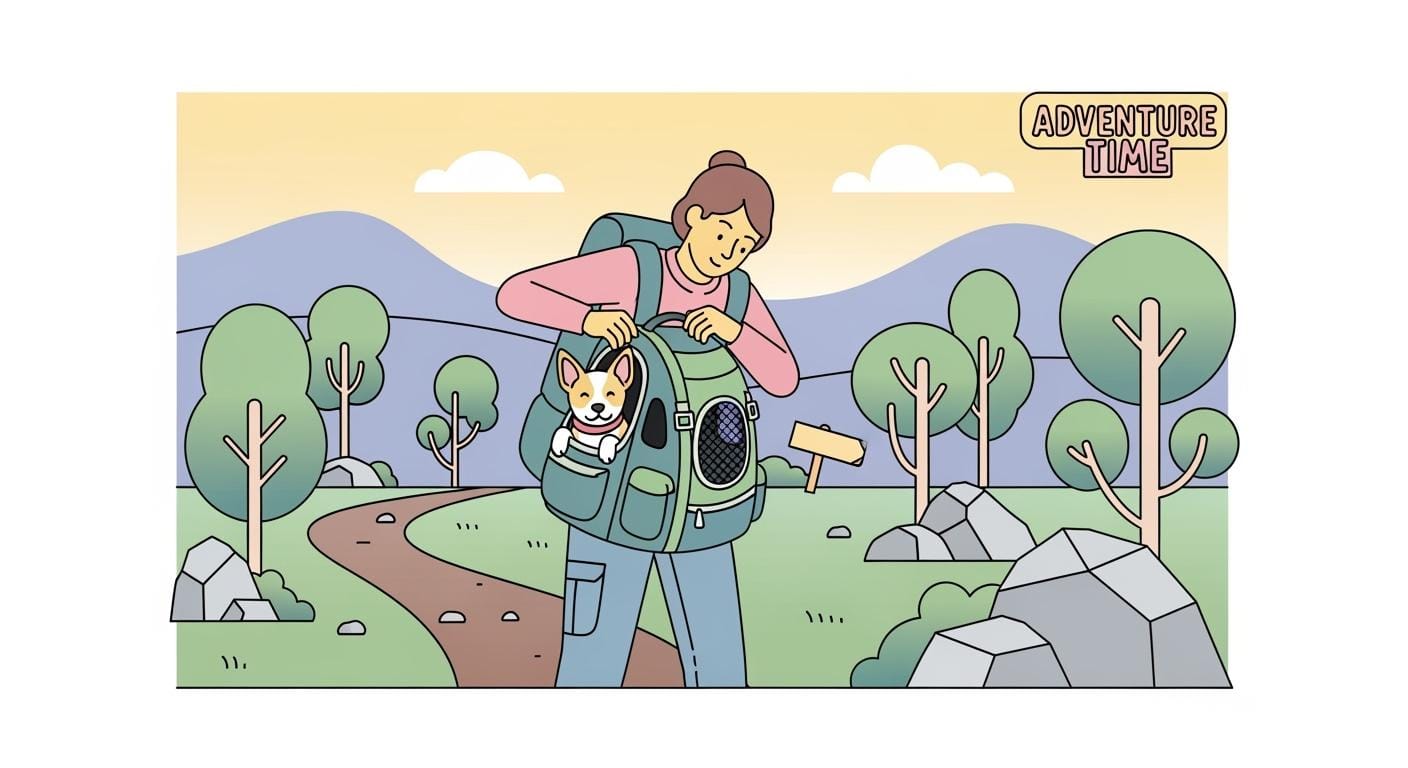
You can usually reload a dog backpack carrier for hiking with little trouble if you choose the right design and know your dog well. Always check park and trail rules before you go. Some places do not allow a dog, even in a carrier. Before you head out, review leash rules, make sure your dog has current vaccines, and use parasite prevention. Route safety matters for both you and your dog. With good planning, you can keep your dog safe and make trail stops easier.
Key Takeaways
Choose a dog backpack carrier with adjustable straps for a secure fit. This helps make reloading your dog easier and safer.
Train your dog to enter the carrier calmly. Use treats and praise to encourage them, making trail stops smoother.
Always check park rules before hiking. Some trails may not allow dogs, even in carriers, so plan ahead.
Find a flat spot to reload your dog. This keeps both you and your dog safe while ensuring a smooth transition.
Regularly clean your dog carrier after hikes. This maintains comfort and safety for your dog on future adventures.
When Is a Dog Backpack Carrier for Hiking Easy to Reload?
Picking the right dog backpack carrier can help make trail stops easier. You want to reload your dog fast and safely. This is important when the trail is crowded or your dog needs a break. Many things can change how easy it is to reload your dog. These include the carrier’s features, your dog’s actions, and how you get ready.
Key Features for Easy Trail Loading
Some features make a dog backpack carrier much simpler to use. When you look for a carrier, focus on these things:
Adjustability: Many adjustment points help you get a tight fit. This makes reloading smoother and stops the pack from twisting.
Ease of Use: Simple designs let you open and close the carrier fast. You do not waste time with zippers or straps.
Accessible Storage Compartments: Easy-to-reach pockets let you grab treats or water. You do not need to take off the carrier.
Ventilation: Good ventilation keeps your dog cool and happy. This is important when you stop and go on the trail.
Lightweight: A light carrier is easier to carry and handle.
Comfort: Soft padding and good straps help you carry your dog longer.
Safety and ventilation: Strong closures and mesh panels keep your dog safe. They also let air flow through.
Always check park and trail rules before you hike. Some trails do not allow dogs, even in a carrier. Before you go, check leash rules, make sure your dog’s shots are up to date, and use parasite prevention. Safety matters for both you and your dog.
Dog Behavior and Training
Your dog’s actions can make reloading easier or harder. Training helps your dog feel calm during stops. Here are some steps you can try:
Start with short hikes. Let your dog get used to the carrier in a quiet place.
Slowly make hikes longer. As your dog gets comfortable, try longer hikes and more reloads.
Use treats and praise. This helps your dog want to enter the carrier.
A trained dog will enter the carrier with less trouble. This makes trail restarts easier and helps on long hikes.
Step-by-Step Trail Reloading
Reloading your dog backpack carrier can be easy if you follow these steps:
Find a flat spot away from the main trail. This keeps you and your dog safe.
Open the carrier all the way. Make sure zippers and straps are out of the way.
Guide your dog into the carrier. Use treats or toys if needed.
Close all straps and buckles. Check that everything is safe.
Adjust the carrier for comfort and air flow. Make sure your dog can breathe and feels safe.
Stand up slowly. Check your balance before you walk.
If your dog seems stressed or tired, stop and let them rest. Always watch for signs your dog is not comfortable. If you worry about your dog’s health, ask your vet before hiking.
Comparison Table: Carrier vs Front Carry vs Leash Break
You have different ways to manage trail stops with your dog. The table below shows the main choices:
Use Case | Main Benefit | Main Watchout | Who Should Skip It |
|---|---|---|---|
Backpack Carrier | Hands-free hiking, protects paws, better comfort and ventilation, portable and lightweight | May require training, some dogs resist entry | Dogs with severe anxiety or mobility issues |
Front Carry | Keeps dog close, easy to monitor | Less weight distribution, less ventilation, can strain your back | Large dogs or those needing more ventilation |
Leash-and-Rest-Break | Natural movement for dog, no carrier needed | Dog may get tired, paws exposed to rough terrain, less safety | Dogs with paw injuries or low stamina |
Many hikers think a dog backpack carrier is the best mix of comfort, safety, and ease. Adjustable straps and soft padding make it more comfortable for your dog. Vents help keep your dog cool. The carrier is light and easy to carry on long trips. When you compare different ways, you can see why backpack carriers are a top choice for outdoor fun.
Tip: Check your carrier often and clean it after hikes. This keeps your dog safe and helps your gear last longer.
What Makes Trail Loading Awkward
Uneven Ground and Trail Issues
Reloading your dog backpack carrier can get hard on rough trails. Bumpy ground, skinny paths, and thick plants make it tough to balance. It is not easy to find a flat spot for your dog to get in safely. The dog backpack carrier helps you carry your dog over hard spots. This keeps both of you safe and helps your dog rest when the trail is tough.
Hard to walk on narrow trails
Tough to move through thick plants
Harder for your dog to jump or climb
A light, easy-to-carry carrier with good weight balance helps you stay steady on steep trails. These features help you and your dog get past things like fallen trees. Good air flow keeps your dog cool when you stop.
Dog Resistance and Squirming
Some dogs do not want to get in the carrier, especially if they are tired or upset. Your dog might wiggle, twist, or try to back out. This makes reloading slow and tricky. Training helps, but even trained dogs sometimes fight it. Watch for signs like heavy breathing or moving around a lot. If you see these, let your dog rest and check if they are comfy and cool. Always keep your dog safe and do not force them into the carrier.
Note: If your dog is too hot, breathing hard, or cannot move well, stop and let them rest. This is not medical advice. Ask your vet if you are worried.
Zipper and Strap Hassles
The carrier’s design can make things harder. Some zippers and straps are tricky when you reload on the trail. Weak materials, straps you cannot adjust, or small space can make it worse. The table below shows some common problems:
Design Flaw | Description |
|---|---|
Material Quality | The materials feel weak compared to other backpacks. |
Adjustability of Leash Tether | The leash tether inside does not adjust. |
Space for Dog | There is not enough room for dogs to lie down. |
You can skip many problems by picking a carrier with strong zippers, straps you can adjust, and enough space for your dog. Easy-to-open parts and good air flow help make reloading easier.
Common Mistakes and Consequences
Many hikers make mistakes when reloading on the trail. You might hurry and forget to close all the straps. This can make the pack twist or your dog slip out. Some people forget about air flow, so their dog gets too hot. Others try to reload on a hill, which can cause falls or hurt you. If you do not check for comfort, your dog may not want to get in next time. Always check everything before you start hiking again. Good habits keep your dog safe and make your hikes better.
Signs of Failure and Quick Fixes
Dog Refusal and Pack Twist
Sometimes your dog will not go into the carrier. Your dog might twist around after you reload them. This can mean your dog feels bad or the carrier does not fit right. Watch if your dog walks slower or does not want to hike. Some dogs rub on trees or rocks to get the pack off. If your dog pants a lot or walks funny, stop and check the carrier. Make sure it fits well and has good air flow. Good comfort and air help stop these problems.
Handler Balance and Stop-Go Delays
If you have trouble staying balanced after loading your dog, you may have delays. Your dog might move inside and make the pack twist. This makes hiking harder. A light carrier with strong straps helps you stay steady. Always check that all straps are tight and the carrier sits flat. This keeps you safe and helps you walk better.
Pass/Fail Checklist Table
Use this checklist to find problems fast:
Check Item | Pass Signal | Fail Signal | Fix |
|---|---|---|---|
Dog Entry | Calm, enters carrier easily | Refuses, squirms, or backs away | Use treats, check fit, try again |
Carrier Fit | Sits evenly, no twist | Twists, shifts, or feels loose | Adjust straps, check weight balance |
Ventilation | Dog breathes easy, stays cool | Excessive panting, drooling | Open vents, stop for a break |
Handler Balance | Walks steady, no wobble | Feels off-balance, leans to one side | Reposition carrier, adjust straps |
Dog Comfort | Relaxed, alert, normal movement | Lying down, limping, sluggish response | Remove dog, check for injury |
Troubleshooting Table: Symptoms and Fixes
Symptom | Likely Cause | Fast Check | Fix |
|---|---|---|---|
Refusing to move | Discomfort, stress | Check fit, ventilation | Adjust carrier, offer water |
Lying down unexpectedly | Fatigue, overheating | Feel for heat, check pads | Rest, open vents, cool down |
Excessive drooling/panting | Poor ventilation | Inspect mesh panels | Improve airflow, stop for shade |
Limping or uneven gait | Poor fit, pressure | Check straps, padding | Adjust fit, check for injury |
Disorientation/sluggishness | Overheating, stress | Check temperature | Remove dog, rest, seek shade |
Tip: Wash liners and pads every week after hiking. Dry them all the way before you use them again. This keeps your gear nice and comfy.
Note: If your dog looks too hot or has trouble breathing, stop and let them rest. This is not medical advice. Call your vet if you are worried.
Picking the right dog backpack carrier makes trail reloading easier. Practice with your dog before you go hiking. Always check park rules before your trip. Make sure your dog is safe by doing pre-trip checks. Clean the dog carrier often so it stays comfy. When you pick a carrier, look for these things:
Durability for rough trails
Enough storage space for your dog’s food and water
Lightweight design for easy carrying
Good fit and sizing for your dog
Even weight distribution
Breathable materials for ventilation
Easy loading for your dog
Checklists and troubleshooting tips can help you and your dog. If you follow the right steps, you both can have fun outside together.
FAQ
How do you get your dog into a backpack carrier on the trail?
You should guide your dog calmly. Use treats or a favorite toy. Find a flat spot. Open the carrier fully. Let your dog step in or lift your dog gently. Secure all straps before you move.
What if your dog refuses to enter the carrier during a hike?
You can pause and let your dog rest. Try using a treat or gentle encouragement. If your dog still resists, check for discomfort or heat. Never force your dog. If problems continue, consider ending your hike early.
How often should you clean your dog backpack carrier after hiking?
You should clean your dog backpack carrier every week if you hike often. Remove liners and pads. Wash them with mild soap. Dry everything completely before your next trip. This keeps your dog comfortable and safe.
Can you use a dog backpack carrier for any size dog?
Most carriers work best for small or medium dogs. Large dogs may not fit or feel comfortable. Always check the weight and size limits before you buy or use a carrier. Your dog should have enough room to turn and sit.
What signs show your dog needs a break from the carrier?
Watch for heavy panting, drooling, or squirming. If your dog tries to get out or seems tired, stop and let your dog rest. Always check for overheating or stress. If you see these signs, give your dog water and shade.
Note: If your dog shows signs of heat stress or breathing trouble, stop and rest. This is not medical advice. Contact your vet if you worry about your dog’s health.






