
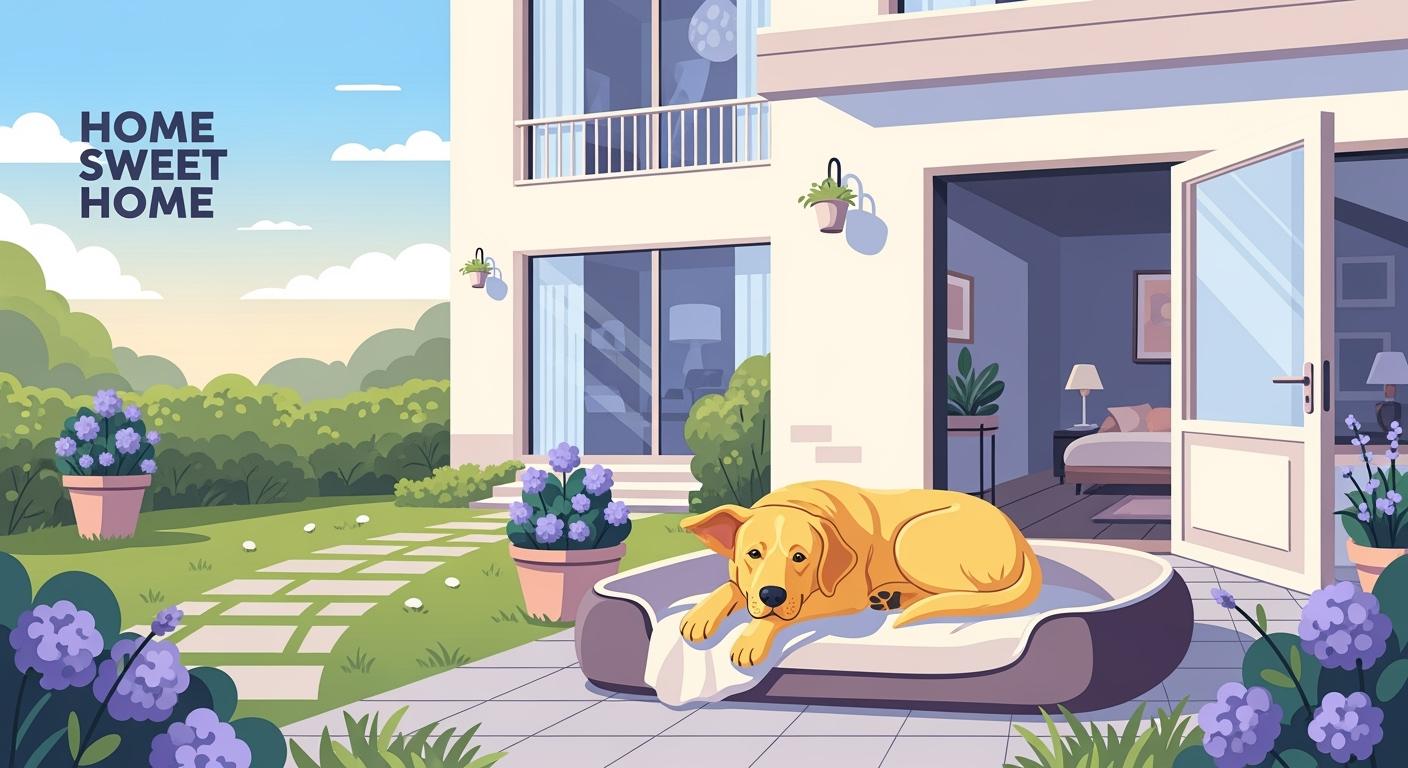
Picture your dog after a muddy play session, a humid afternoon, or a surprise rain shower. The real question is not whether outdoor pet beds for large dogs are labeled for outdoor use. The real question is whether the bed is still dry, clean, shaded, and comfortable enough to stay out. A bed can be marketed for the yard and still become a poor outdoor choice once it stays damp, traps grit, or starts breaking down faster than you can clean it.
For most homes, the best answer is conditional. Leave the bed outside when the weather is stable, the material dries quickly, and the bed still feels usable the next time your dog lies on it. Bring it in when rain, humidity, mud, odor, or wear start turning the bed into extra work or a less comfortable resting spot.
Key Takeaways
Pick outdoor pet beds that use materials that dry quickly and stay easy to wipe down. That matters more in daily use than a generic “outdoor” label. Clean the bed on a routine schedule and sooner after rain, mud, accidents, or visible dirt. Check it often for damp seams, fading, trapped grit, or sagging support. Those are the signs that tell you whether the bed can stay outside or needs to come in.
When to Leave Outdoor Pet Beds for Large Dogs Outside
Deciding if you should leave outdoor pet beds for large dogs outside or bring them in depends on a few things. You want your dog to stay comfortable, and you also want the bed to stay usable instead of becoming a damp, dirty, high-maintenance surface. The best outdoor setup is one that stays dry enough, cool enough, and easy enough to maintain between uses.
Weather and material factors
Weather matters first. In drier climates with airflow and some shade, a bed can stay outside much more easily. In rainy, humid, or heavily dew-prone conditions, the same bed may stay wet long after the weather looks fine again. Sun matters too. A bed that never quite dries is a problem, but a bed that sits in harsh sun all day can also fade, stiffen, and wear out earlier than expected.
You should check what the bed is made from. The better question is not “waterproof or not?” but “does it actually dry fast, wipe clean, and hold up after repeated outdoor use?” Here is a simpler way to judge common outdoor bed directions:
| Material Direction | What It Usually Means Outdoors |
|---|---|
| Tight-woven synthetic fabric | Usually dries faster and sheds loose dirt more easily than softer plush surfaces. |
| Coated or water-resistant surface | Better for light moisture and wipe-downs, but still needs checking after rain or pooled water. |
| Thick padded fill | Feels softer, but usually holds moisture longer and takes more effort to dry fully. |
| Raised mesh or cot-style surface | Usually gets better airflow underneath and is easier to keep off wet ground. |
Beds that still feel dry and firm after overnight outdoor exposure are the ones that earn the right to stay out. Beds that hold dampness, smell stale, or feel gritty after every use should come inside sooner.
Raised vs padded vs covered beds comparison
Not all large dog beds behave the same way outside. You need to match the bed type to your climate and your dog’s habits.
| Type of Dog Bed | How It Usually Handles Moisture | Best Use Case |
|---|---|---|
| Raised | Usually dries faster because air moves under it | Wet ground, warmer weather, dogs that run hot |
| Padded | More likely to hold moisture if left out too long | Cooler, drier settings or covered outdoor areas |
| Covered | Can help with shade, but trapped damp still needs checking | Sunny yards where overhead cover matters |
- An elevated pet bed usually makes more sense if the ground gets wet, the dog has a heavy coat, or you need faster drying between uses.
- Padded beds can work outdoors, but they are a weaker choice if you regularly deal with rain, humidity, or muddy paws.
- Covered beds help with shade and light exposure, but they are not a free pass to ignore moisture buildup underneath.
Think about what your dog actually prefers too. Some large dogs want the support of an elevated pet bed. Others like the softer feel of padding. The better outdoor bed is the one your dog will use and that you can still keep dry and clean without a constant fight.
Pass/Fail checklist for outdoor use
Before leaving a bed outside, use this checklist. It helps you find problems early and keeps the setup realistic.
| Check Item | Pass Signal | Fail Signal | Fix |
|---|---|---|---|
| Drying | Surface dries quickly after dew or light moisture | Still damp hours later | Move under cover or bring inside |
| Surface feel | Still feels firm and usable | Feels soggy, lumpy, or sour-smelling | Dry thoroughly and reassess |
| Cleanability | Dirt brushes or wipes off easily | Debris stays trapped in seams and folds | Clean sooner or switch to an easier-care design |
| Sun wear | Fabric stays flexible and intact | Fading, roughness, or brittle-feeling surface | Rotate placement or provide more shade |
| Portability | Easy to move when weather changes | Too heavy or awkward once damp | Choose a lighter or more raised design |
If a bed keeps failing these checks, it is better treated as a partly outdoor bed that comes back in after use, not as something to leave out full time.
Common mistakes and consequences
Some people assume an outdoor-labeled bed can handle everything. That is where problems start. Too much sun, repeated dampness, trapped debris, and infrequent cleaning can wear out even a strong bed faster than expected.
- Leaving beds in direct sun all day can fade and dry out the fabric.
- Letting beds stay wet after rain can turn one damp day into an ongoing odor and cleanup problem.
- Waiting too long to clean them lets dirt, hair, and outdoor debris build into the surface and seams.
Note: If the bed stays damp, smells musty, or your dog starts avoiding it, treat that as a failure signal. Bring it inside, clean it thoroughly, and do not assume the label alone means it is still suitable for outdoor use.
Large Dog Beds: Bulk, Cleaning, and Real-World Upkeep
Why large dog beds are harder outdoors
Large dog beds are harder to manage outside because they hold more material, take up more space, and are less forgiving when they get wet. A small mat can be shaken out in seconds. A large padded bed can become heavy, dirty, and awkward fast, especially after rain or rough outdoor play.
That is why big outdoor beds need more than just weather resistance. They need a realistic upkeep plan. If you already know you will not want to drag the bed inside after a storm or fully dry it after a muddy weekend, a more raised or simpler setup is often the better long-term choice.
Troubleshooting table: common issues and fixes
| Symptom | Likely Cause | Fast Check | Fix |
|---|---|---|---|
| Bed stays damp | Poor airflow or too much moisture exposure | Press into the seams and underside | Move to sun or airflow, or switch to a raised design |
| Bad odor | Built-up dirt, dampness, or slow drying | Smell the center and underside, not just the top | Wash and dry fully before reuse |
| Hard to move | Bed is bulky or waterlogged | Lift from both ends | Dry before moving or choose a more portable design |
| Fur and dirt buildup | Outdoor debris getting trapped in the fabric | Check seams, corners, and undersides | Vacuum or brush before washing |
| Fading color | Too much direct sun | Compare top and shaded underside | Rotate placement or add more shade |
Cleaning and maintenance tips
Routine cleaning matters more outdoors because dirt, pollen, fur, and dampness build up faster. A simple rhythm works better than waiting until the bed feels obviously bad.
- Brush or vacuum the bed first to remove loose hair and grit.
- Remove covers or inserts if the design allows it.
- Wash with mild soap or according to the care instructions.
- Rinse thoroughly so residue does not stay in the fabric.
- Dry fully before the bed goes back outside or back under your dog.
A water resistant dog bed with a removable cover is usually easier to keep fresh than a thick all-in-one padded bed that holds dirt deep in the structure.
Try not to make these mistakes:
- Using harsh cleaners that leave residue behind.
- Putting the bed back out while it is still damp inside the seams or fill.
- Assuming shade, fresh water, and supervision matter less because the bed is labeled for outdoor use.
For best results, pick large dog beds that match your cleanup tolerance. If you want less hassle, raised or simpler wipe-down designs usually outperform thick plush outdoor pads in real weather.
Signs of Failure: When to Replace or Upgrade the Best Large Dog Beds
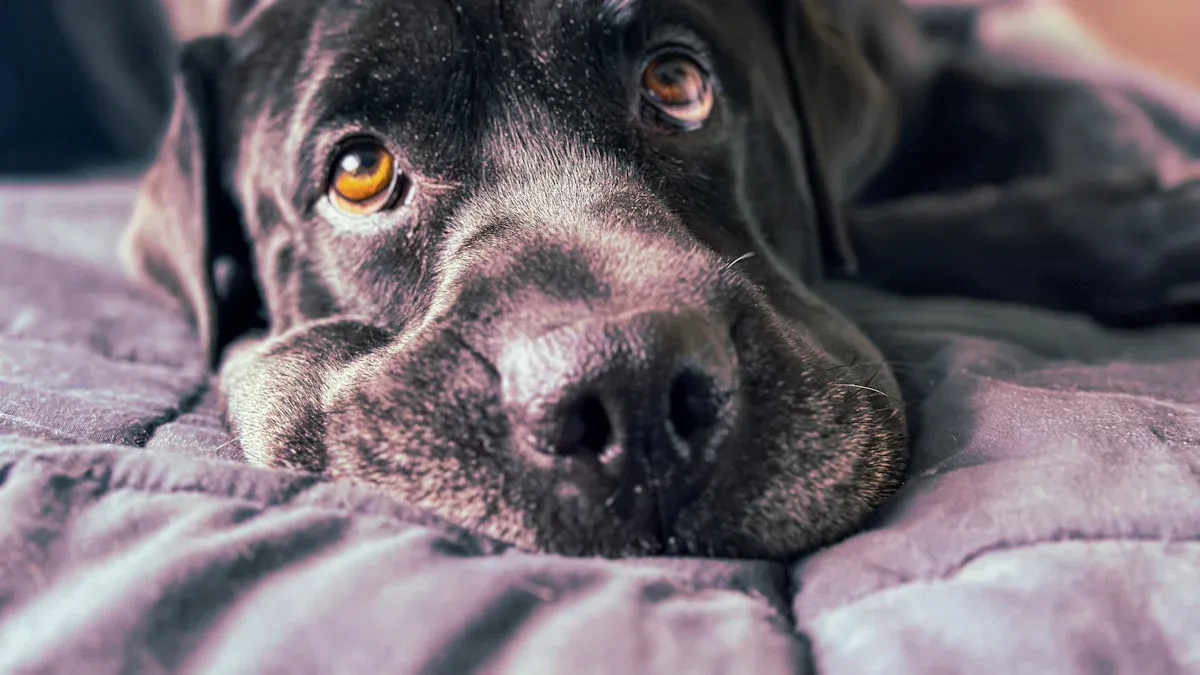
Damp, fading, and grit: what to watch for
You need to check your large dog beds often. The most useful failure signs are not complicated. They are the things you can see, touch, and smell in seconds.
- Damp seams or a cool wet feel long after the weather changed
- Faded or rough fabric that feels weaker than before
- Grit trapped in the surface or corners that no quick shake-out fixes
- Musty odor, sagging support, or a bed your dog stops choosing
If the bed keeps drying slowly, smells stale, or feels abrasive, you are no longer dealing with a minor upkeep issue. You are looking at a bed that may need more shelter, more frequent cleaning, or replacement.
Tip: The best outdoor bed is not the one that survives outside the longest in theory. It is the one that still feels clean, supportive, and easy to maintain in your actual weather.
When to consider a tougher bed
If your dog chews, digs, drags the bed around, or wears out softer outdoor pads quickly, you may need a tougher design. The point is not to chase a “chew proof” label by itself. The point is to decide whether your current bed keeps failing because of the environment, the dog’s behavior, or both.
You may need a tougher setup when:
- Edges fray quickly from digging or chewing.
- The bed keeps collapsing or flattening under a large dog’s weight.
- You need something easier to move, hose down, and dry than a thick padded bed.
| Type of Bed | What It Usually Solves Better | Main Tradeoff |
|---|---|---|
| Tougher Outdoor Bed | Better for hard use, chewing, dragging, or repeated wet-dry cycles | May feel less soft than a padded lounge-style bed |
| Standard Outdoor Pet Bed | Good for lighter use and calmer dogs | May wear out faster in rougher routines |
Preventing neglect with simple habits
You can extend the life of the best large dog beds with easy routines:
- Brush or wipe the bed down routinely instead of waiting for a full deep clean.
- Check seams, stitching, and underside wear before the damage spreads.
- Bring the bed inside during repeated rain, high humidity, or harsh seasonal weather.
- Use shade and airflow to make outdoor use easier on both the bed and the dog.
Note: If your dog shows signs of overheating, joint pain, or trouble moving, talk to your vet for advice.
By watching for clear failure signs and using simple upkeep habits, you keep the bed safer, cleaner, and more realistic for outdoor use over time.
You should check your climate, your dog’s habits, and the bed’s real drying behavior before deciding to leave it outside. Clean it routinely, bring it in after rain or prolonged damp, and do not treat “outdoor” as a reason to skip normal upkeep. The better bed is the one your dog still wants to use and you can still keep clean without a fight.
FAQ
How often should you clean outdoor pet beds for large dogs?
Clean them on a routine schedule and sooner after rain, mud, accidents, odor, or visible dirt. Outdoor beds usually need attention more often than indoor beds because they collect more debris and moisture.
What signs show you need to bring the bed inside?
Look for damp seams, musty smell, gritty buildup, or fabric that feels faded, rough, or weakened. If the bed stays wet or unpleasant between uses, it should come inside for drying or cleaning.
Can outdoor beds help dogs with joint pain or overheating?
Sometimes. Raised beds can improve airflow, and better support can help some dogs rest more comfortably. But if your dog shows joint pain, overheating, or reluctance to lie down, ask your vet for advice rather than assuming the bed alone will solve it.
This is not medical advice.






