
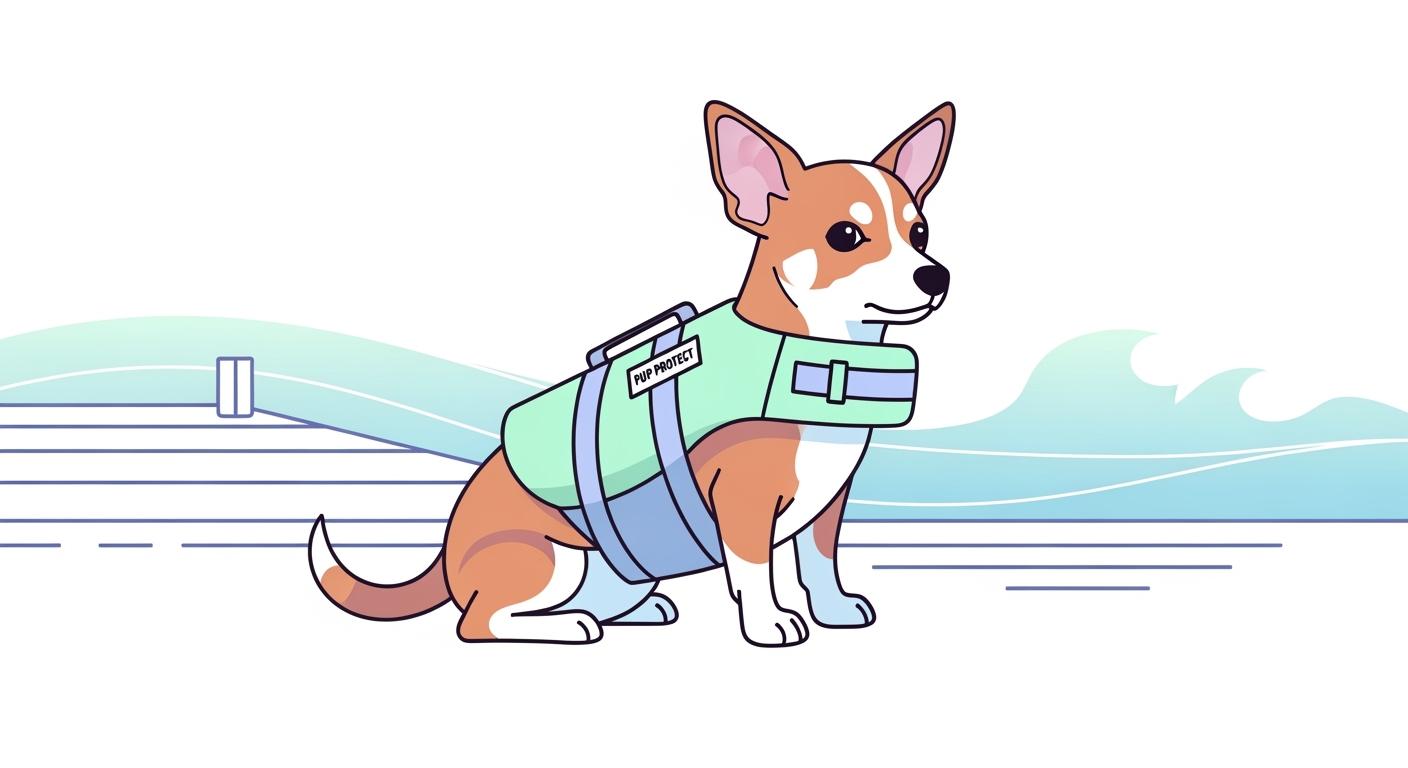
A life jacket for a small dog should add real flotation without turning movement stiff or awkward. Small dogs tire faster in water, lose confidence quickly, and usually have less room for a poor fit than larger dogs do.
The better choice is not always the one with the most foam. It is the one that stays centered, keeps the chin and throat clear, supports the belly evenly, and still lets your dog paddle naturally in calm water. The same balance between flotation, cut, and stability is also easy to see across current dog life jacket and swim vest designs.
Note: A life jacket improves flotation, but it does not replace supervision. If your dog shows panic, heavy fatigue, or breathing strain, end the session and let your dog recover.
Key Takeaways
- Small dogs usually need both flotation and mobility, not just extra bulk.
- A weak swimmer often does better in a higher-float jacket, while a confident swimmer may move better in a lower-profile design.
- Fit should be checked on land first and then in shallow, calm water before any longer swim, boat ride, or beach outing.
When More Float Helps and When It Starts Feeling Too Bulky
Why some small dogs need more flotation
Some small dogs need more help staying level in the water. This usually matters most for weak swimmers, older dogs, dogs with short legs, dogs with low body fat, and dogs that lose confidence as soon as they stop touching the ground. In those cases, extra buoyancy can reduce panic and help keep the head higher with less effort.
If your dog tires quickly or struggles to keep the face clear of the water, a higher-float jacket is usually the safer starting point. What matters is not just lift, but whether the jacket lifts the dog evenly instead of pushing the chest down or tipping the body to one side.
When less bulk is usually the better choice
Some small dogs already swim well and only need moderate flotation plus a visible handle. These dogs often move better in a lower-profile jacket because the front legs can reach forward more freely and the neck area feels less crowded.
If the jacket adds too much foam around the shoulders or chest, the dog may start taking short, choppy strokes or avoid moving at all. For a confident swimmer, better mobility often matters more than maximum flotation. The same body-shape and flotation tradeoffs also sit at the center of dog life jacket sizing and material choices for safer swims.
| Type | Best For | Main Benefit | What to Watch |
|---|---|---|---|
| High-flotation jacket | Weak swimmers, older dogs, low-confidence dogs | More lift and more head support | Can feel bulky and reduce easy movement |
| Lower-profile jacket | Confident swimmers, active small dogs | Better front-leg movement and less bulk | May not give enough support for poor swimmers |
| Simple swim vest | Very short swims and controlled pool use | Light feel and easier range of motion | Usually gives the least flotation and the least support |
Where Small Dogs Lose Comfort First
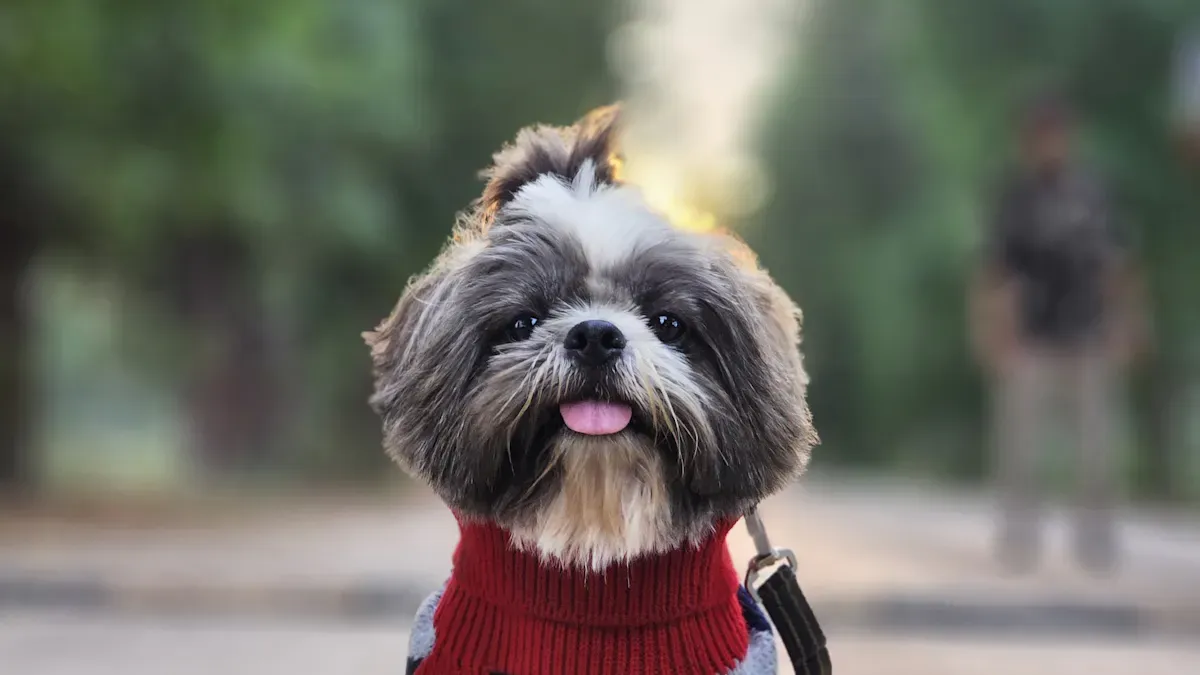
Small dogs usually lose comfort first at the neck, front legs, belly support area, and handle position. These are the places where extra foam, poor strap placement, or loose balance show up fastest.
Neck foam and chin crowding
If the foam rises into the throat or pushes under the chin, the dog may look stiff, back away from the water, or lift the head in an awkward way. A good jacket leaves the neck area open enough for easy breathing and natural head position.
Front-leg clearance and belly support
Front-leg movement matters because small dogs lose stroke quality quickly when the jacket crowds the shoulder line. Belly support matters because a loose or sagging lower section lets the body tilt, twist, or slide inside the jacket.
Handle balance
The handle should lift the dog in a level way. If the dog tilts or slips when lifted, the handle placement or overall fit is usually wrong, even if the jacket seems secure while standing still.
| Signal | Pass | Fail |
|---|---|---|
| Jacket stays centered | Sits evenly as the dog walks and turns | Shifts, twists, or rides up |
| Leg movement | Full stride and steady paddling | Short steps, choppy strokes, refusal to move |
| Belly support | Snug, level, no gaps | Loose, sagging, or rubbing |
| Neck area | Easy breathing and clear throat space | Foam presses on throat or chin |
| Handle balance | Dog lifts evenly | Dog tilts or slips during lift |
For small dogs that move between shoreline play, pool sessions, and short boat outings, the same fit problems often matter just as much as flotation. That is also why a swimming and kayaking confidence setup depends on more than buoyancy alone.
How to Test the Fit Before a Longer Swim
The safest way to judge a life jacket is to test it in stages. A jacket that looks fine on land can still become unstable once the dog starts paddling.
- Land fit first. Measure neck, chest, body length, and weight. Put the jacket on and check that two fingers fit under the straps without loose gaps.
- Movement check next. Let your dog walk, turn, sit, and stand in the jacket. Watch for stiffness, twisting, or resistance.
- Shallow water test last. Enter calm, shallow water and watch whether the jacket stays centered, keeps the head supported, and still allows natural strokes.
Tip: Use the first shallow-water session to watch movement, not distance. A short test usually tells you more than a long forced swim.
| Check Item | Pass Signal | Fail Signal | Fix |
|---|---|---|---|
| Jacket stays centered | Stays in place while the dog walks and turns | Twists or shifts to one side | Adjust straps or try a different size |
| Front-leg movement | Dog walks and swims with full stride | Short, choppy steps or avoids walking | Try a lower-profile or lighter jacket |
| Handle lift | Dog lifts evenly and stays level | Dog tilts or slips out | Adjust fit or try a different style |
| Belly support | Snug fit, no gaps under belly | Loose or sags under belly | Tighten belly band or size down |
| Neck area | No crowding, dog breathes easily | Foam presses on throat or chin | Choose a jacket with a more open neck design |
Failure Signs That Matter Most
Most bad water sessions start with one of four problems: the jacket rides up, the body twists, the chin gets crowded, or the dog starts taking short, choppy strokes. These are usually fit problems, not personality problems.
| Symptom | Likely Cause | Fast Check | Fix |
|---|---|---|---|
| Jacket rides up | Too much bulk or poor fit | Check if jacket shifts toward the chin | Adjust straps or try a less bulky vest |
| Dog twists in water | Jacket not centered or too loose | Watch for body rotation | Center jacket and tighten straps |
| Short, choppy strokes | Bulk crowds front legs | Observe walking and swimming | Try a lower-profile jacket |
| Dog panics or freezes | Too much foam or poor comfort | Watch for restlessness or refusal to move | Try a lighter, better-fitting jacket |
Tip: If your dog keeps fighting the jacket after a fair shallow-water test, do not force a longer swim. The fit or the style is usually wrong.
Common Mistakes That Cause Avoidable Problems
- Choosing by label size or weight alone instead of checking neck, chest, and body length together.
- Assuming more foam always means safer, even when the dog can barely move normally.
- Skipping the shallow-water test and finding the fit problem only during the real outing.
- Ignoring handle balance until the moment you need to lift the dog quickly.
- Using the same jacket after repeated twisting, ride-up, or throat crowding.
The best life jacket for a small dog usually feels uneventful in use. It stays centered, keeps the head clear, and lets your dog paddle without looking trapped inside the jacket.
FAQ
Does every small dog need a high-flotation jacket?
No. Weak swimmers, older dogs, and low-confidence dogs often do, but stronger swimmers may move better in a lower-profile design.
How tight should the life jacket be?
It should feel snug, with no big gaps, but still allow easy breathing, walking, and shoulder movement.
What matters most in the first shallow-water test?
Watch whether the jacket stays centered, whether the dog paddles naturally, and whether the chin and throat stay clear.
Choose more flotation when your small dog struggles to stay level or tires quickly. Choose less bulk when your dog already swims confidently and needs more freedom through the front legs. In both cases, the fit matters more than the label.
Disclaimer: This article is about flotation fit and water comfort. It does not replace veterinary advice for dogs with airway disease, neurologic problems, pain, or a history of panic around water.






