
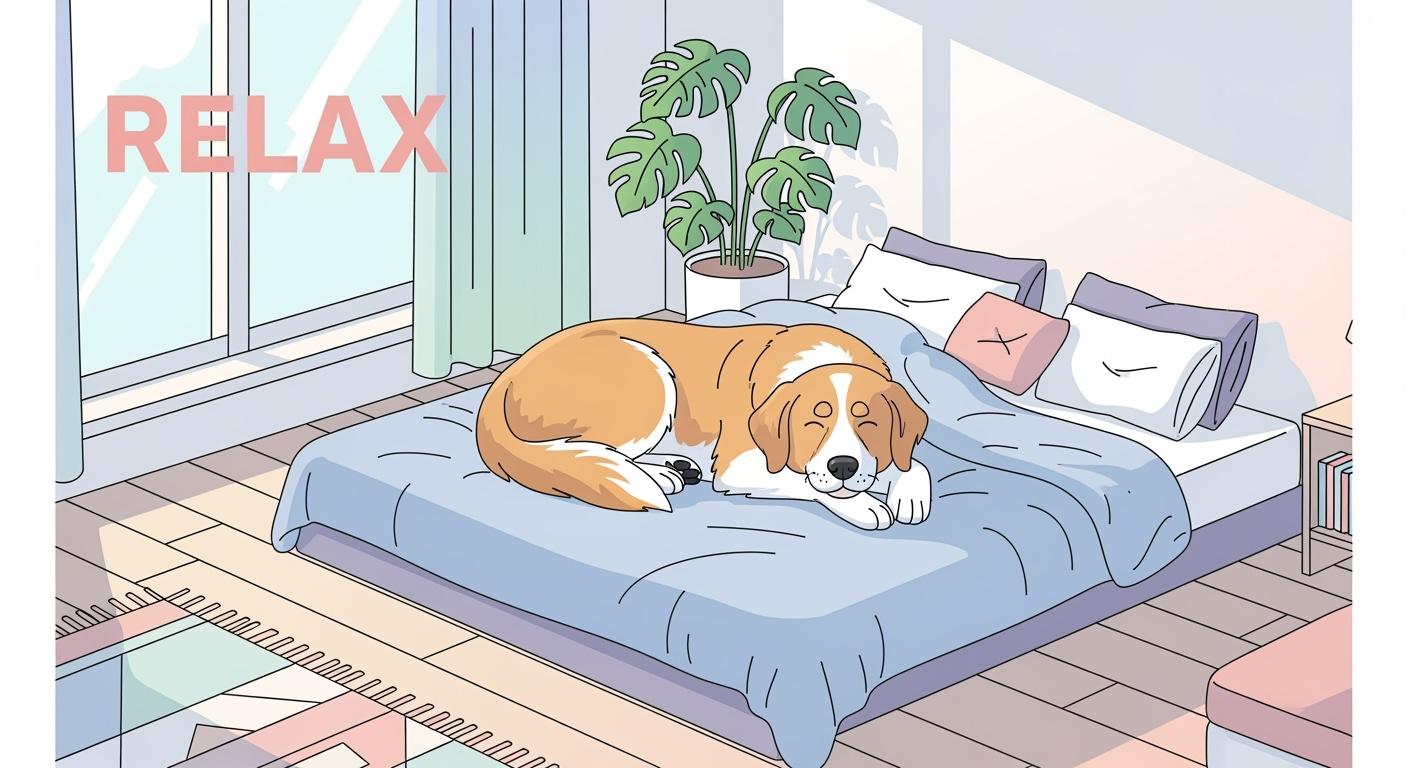
The best bed for big dog comfort depends less on the label and more on how your dog actually sleeps. Some large dogs sprawl, roll, and switch positions often. Others curl up and lean hard into the edge. That is why the real choice is not simply “flat bed or bolster bed.” It is whether your dog needs more open space to stretch out or more edge support to settle and stay put. For big dogs, usable sleeping area matters just as much as outside dimensions, because thick walls can shrink the part of the bed your dog can actually use.
Key Takeaways
- Choose a dog bed that matches your dog’s sleeping style. Flat beds usually suit dogs that sprawl, while higher sides work better for dogs that curl, lean, or like a tucked-in feel.
- Look for support, not just softness. Bigger dogs often do better when the bed keeps hips, shoulders, and elbows off hard flooring without forcing them to climb over bulky edges.
- Clean the bed often enough that it stays dry, low-odor, and realistic to keep using. A good bed only stays comfortable if you can actually maintain it.
Bed for Big Dog: Flat vs. Bolster Styles
Pros and Cons of Flat Beds
Flat beds usually work better for big dogs that like to stretch out, roll onto one side, or change sleeping position several times. The main advantage is usable space. Without raised sides taking up room, more of the bed stays available for the dog’s body. That matters a lot with larger breeds, because a bed can look big from the outside but still feel cramped if the sleeping surface is smaller than expected.
Flat beds also make entry easier. Dogs that are older, stiff after rest, or slower to lie down and stand up often do better when they do not need to step over thick bolsters to get fully onto the bed.
- Flat beds give big dogs more uninterrupted room to stretch.
- They are often easier for older dogs or dogs with mobility changes to get on and off.
- They usually make cleaning simpler because there are fewer corners, seams, and stuffed edges.
- The downside is that dogs who like leaning may feel too exposed or unsupported.
Extra space matters more than the outside shape. A large dog bed is only large enough if your dog can actually use the flat sleeping area without hips or shoulders hanging off.
Pros and Cons of Bolster Beds
Bolster beds make more sense for big dogs that curl, rest their head against an edge, or seem calmer when they have a boundary around them. The raised sides can help dogs that like leaning, especially if they use the edge like a built-in pillow or body support. Some dogs settle faster on a bed with walls because it feels more contained and less open.
The tradeoff is usable space. On a large bed, thick bolsters can quietly eat into the center. That means a bed that looks generous on paper may still feel cramped once the dog lies down fully.
- Bolster beds help dogs that lean, curl, or like a more enclosed sleep zone.
- Raised sides can give the head, neck, or shoulder area something to rest against.
- They may help anxious or routine-loving dogs settle more predictably.
- They can also reduce flat sleep space and make cleaning more involved.
Supportive sides help only when your dog still has enough center space to lie down naturally. If the edges crowd the body, the bed stops feeling supportive and starts feeling restrictive.
Comparison Table: Flat, Bolster, and Elevated Beds
| Bed Type | Use Case | Main Benefit | Main Watchout | Who Should Skip It |
|---|---|---|---|---|
| Flat | Dogs that sprawl, stretch, and change positions often | More usable sleeping area | Less built-in edge support | Dogs that strongly prefer leaning into a side wall |
| Bolster | Dogs that curl up, lean, or like a tucked-in feel | Better edge support and a more enclosed rest zone | Can reduce real stretch room and be harder to clean | Dogs that overheat easily or need more flat sleep space |
| Elevated | Warm climates, dirty paws, outdoor or easy-clean setups | Gets the dog off the floor and improves airflow | May feel too firm or less supportive for some big dogs | Dogs that struggle with stepping up or need deeper cushioning |
Pick the style that matches how your dog actually sleeps, not the style that sounds more premium. Big dogs usually care more about usable space, support, and how easy the bed is to settle into than about category labels.
Common Mistakes and Real Consequences
The most common mistake is buying by outside size only. Thick sides, rounded shapes, and overstuffed edges can make a bed feel smaller than expected. Another mistake is assuming more softness always means more comfort. If the filling is too loose, the dog may sink, twist, or end up resting more on the floor than the bed itself.
- A bed that is too small leaves hips or shoulders hanging off the usable area.
- A bed with no real support can feel plush at first but still rest too flat under a heavier dog.
- A bed that is hard to clean quickly becomes less practical than it looked at purchase.
- Raised sides that are too bulky can crowd dogs that really need more room, not more walls.
Non-medical disclaimer: If your dog has joint pain, gets too hot, has skin irritation, or struggles to lie down and stand up, ask your veterinarian for guidance.
Cleaning and Care Basics
A large dog bed only stays comfortable if it stays dry, low-odor, and easy to keep in rotation. For many homes, a weekly wash of covers is a practical baseline, and you may need faster cleanup after accidents, wet coats, or obvious dirt.
- Clean visible messes quickly before they set into the cover or seams.
- Choose covers and liners that are realistic to wash and dry in your actual home setup.
- Vacuum hair and debris regularly, especially around edges and zipper lines.
- Wash covers more often when the bed smells stale, feels damp, or has visible buildup.
- Let foam, inserts, and covers dry fully before the bed goes back into use.
Tip: Read the care label before washing. A bed that looks washable but dries too slowly or loses shape after cleaning can become frustrating very quickly.
How Bed Edges and Size Affect Comfort
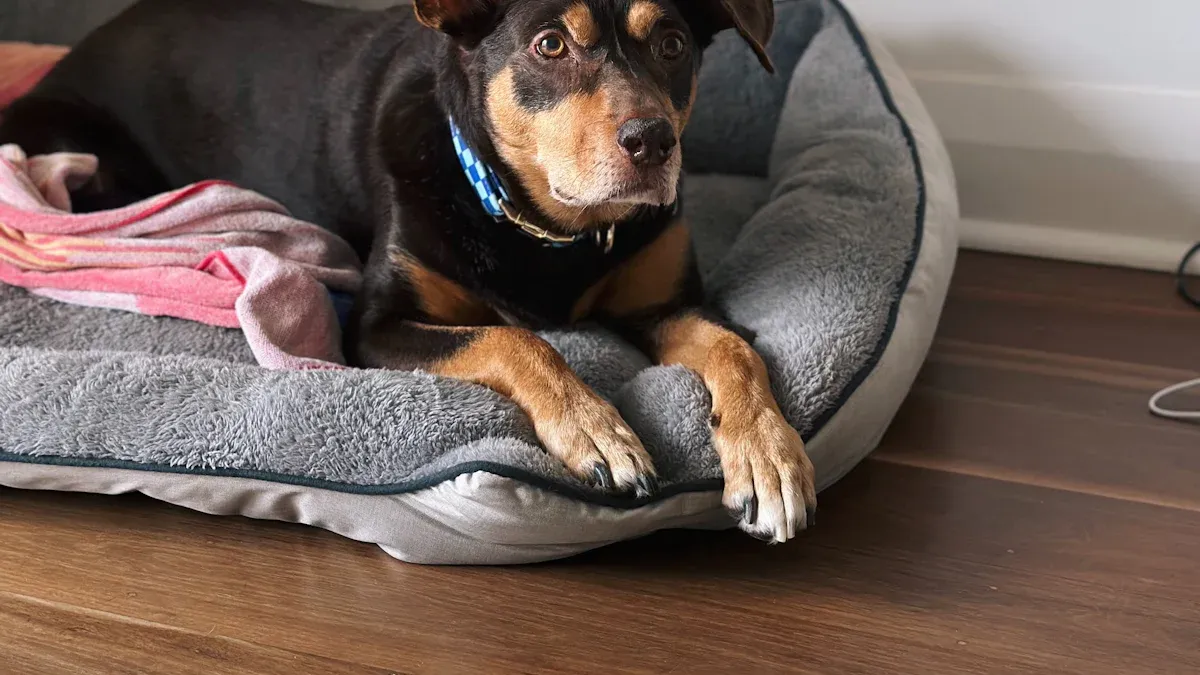
Usable Space vs. Actual Size
When you choose a bed for your big dog, look beyond the outside measurements. Outside dimensions can be misleading, especially on beds with thick bolsters or rounded edges. What matters more is the flat area your dog can actually use. If your dog sprawls, high sides can take away more comfort than they add by shrinking stretch room.
That is why “big bed” and “big usable bed” are not always the same thing. For large breeds, the difference matters.
Assessing Your Dog’s Size for the Right Fit
Start by measuring your dog the way they really rest, not just while standing.
- Watch your dog in their usual sleeping position.
- Measure from nose to base of tail when they are lying naturally.
- Add extra room so they can shift and stretch without hanging off the bed.
- If the bed has bolsters, judge the inner sleeping area, not just the outside frame.
- If you are between sizes, more usable surface is usually the safer choice for a big dog.
Support-Focused Beds for Big Dogs
Support-focused beds matter more when your dog is older, heavier, slower to get up, or obviously more comfortable on deeper cushioning. These beds often use better foam structure and lower-entry shapes to reduce the awkwardness of climbing over edges or sinking into weak fill.
For big dogs, support is not about making the bed look thicker. It is about whether the dog can lie down, shift weight, and stand back up without the bed collapsing under the heaviest points of the body.
| Feature | Benefit for Large Breeds |
|---|---|
| High-quality materials | Hold up better under repeated heavy use |
| Supportive foam structure | Helps reduce pressure on hips, shoulders, and elbows |
| Easy-entry profile | Makes getting on and off the bed easier for stiffer dogs |
| Washable cover system | Keeps the bed practical enough to maintain long term |
Pass/Fail Checklist Table
Use this table to check whether your dog’s bed is actually working.
| Check Item | Pass Signal | Fail Signal | Fix |
|---|---|---|---|
| Dog can stretch out fully | No hips, shoulders, or paws spill off the usable surface | Body parts hang off or the dog keeps folding in | Choose more flat space or size up |
| Dog can turn around easily | Turns and settles without bumping or crowding the edges | Looks cramped or struggles to reposition | Choose thinner sides or a flatter bed shape |
| Dog uses bed for long naps | Returns to it willingly and rests there fully | Leaves it quickly or sleeps elsewhere instead | Reassess support, size, or edge style |
| Bed edges match sleep style | Dog either leans comfortably or sprawls comfortably | Looks restless, crowded, or unsupported | Switch bed type instead of forcing the current one |
Tip: If your dog has joint pain, overheats, or has trouble getting settled, talk to your vet for advice.
Signs Your Dog Bed Fails
Hanging Hips and Crowded Turns
Watch your dog as they settle in. If hips or shoulders hang off the bed, the usable sleeping area is too small. If your dog keeps turning but never seems to find a comfortable position, the problem may be thick edges, not just total size. These are practical signs that the bed is not matching the dog’s real sleep style.
Edge Leaning and Skipped Use
Some dogs love leaning into a side. But if the edge collapses, sags, or feels too narrow to support the body, the dog may stop using that feature and start sleeping elsewhere. If your dog consistently leaves the bed for the floor, changes spots often, or only uses one small corner of the bed, that is useful feedback. The bed is not working as well as it should.
Troubleshooting Table: Symptoms and Fixes
| Symptom | Likely Cause | Fast Check | Fix |
|---|---|---|---|
| Hips hang off the bed | Bed is too small or edges take up too much real space | Measure the flat sleeping area against your dog’s usual rest posture | Size up or choose fewer bolsters |
| Dog avoids the bed | Lack of comfort, support, or fit with sleep style | Watch whether the dog prefers the floor or another rest spot | Try a flatter or more supportive bed |
| Edge sags or collapses | Weak construction or worn support | Press the edge and compare support across the bed | Replace it with a sturdier design |
| Persistent odor or stains | Bed is no longer cleaning well enough | Check whether odor returns quickly after washing | Replace the cover or move to a more washable design |
| Exposed filling or rips | Wear, chewing, or weak material under heavy use | Inspect seams, corners, and stress points | Replace the bed for safety and comfort |
When to Upgrade Your Bed for Big Dog
Upgrade the bed when you keep seeing the same problems instead of a one-off issue. If your dog rests partly off the bed, leaves it quickly, struggles to turn, or seems more comfortable somewhere else, the current bed is no longer the right match. A better bed usually improves comfort because it matches both body size and sleep style more honestly.
Note: If your dog shows joint pain, overheating, skin irritation, or trouble moving, talk to your vet for advice.
- Measure your dog based on how they really sleep, not just how they stand.
- Watch whether your dog stretches, curls, or leans before you choose flat space or higher sides.
- Choose support and easy entry when age, weight, or mobility make the bed harder to use.
- Clean and recheck the bed often so it stays comfortable enough to keep using.
- Many owners see better rest when the bed finally matches the dog’s real sleep style.
- Veterinary guidance often points older or mobility-changed dogs toward better support and easier entry, not just softer filling.
- A big dog bed works best when usable space, edge support, and cleaning practicality all line up.
Check your dog’s bed often. Adjust for comfort, support, and easier maintenance as your dog’s needs change.
FAQ
How do I know if my big dog needs more flat space or higher sides?
Watch your dog sleep. If they sprawl, roll, or stretch long through the body, choose more flat space. If they curl tightly or lean into edges, higher sides may suit them better.
Can thick bolsters make a bed too small for my dog?
Yes. Thick bolsters can reduce the part of the bed your dog can actually lie on. Always check the inner sleeping area, not just the outside size.
What if my dog has joint pain or mobility issues?
Choose a bed with easier entry, enough flat space, and better support. If you notice pain or trouble moving, ask your vet for advice.
Note: This is not medical advice.






