
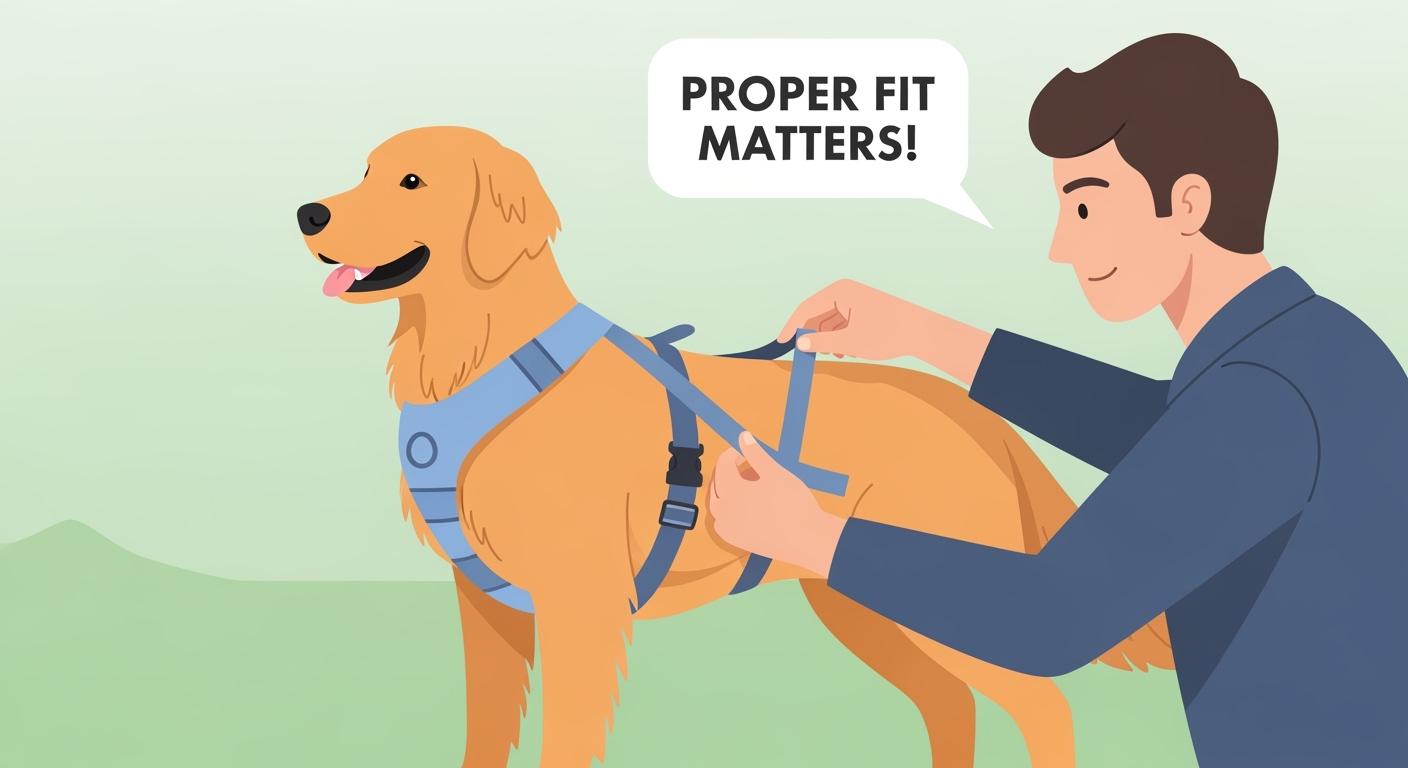
Many shoppers search for harness vest dog because they want broader body coverage and a softer feel than a narrow strap setup. The catch is that a vest can look secure while standing still and still fit badly once the walk starts. The first problems are often subtle: the chest panel creeps upward, the side edge starts brushing the underarm, the front section crowds the shoulder, or the extra fabric traps more heat than expected.
This page is built around those early warning signs. Instead of treating every vest-style harness like a comfort upgrade, it shows you what to watch before the walk, what changes once your dog starts moving, and when a wider vest actually helps versus when it adds bulk, friction, or instability. A harness that looks neat on the rack is not automatically a good walking fit.
Note: This article is not medical advice. If your dog coughs, limps, wheezes, shows repeated skin irritation, or struggles with heat during walks, stop using the harness and speak with your veterinarian.
Key Takeaways
- A vest harness can feel soft and still fit wrong if it rides toward the throat, limits shoulder reach, or rubs behind the front legs.
- The finger-space check is only a starting point. Real movement tells you more than static tightness.
- More coverage is not always more comfort. Some dogs benefit from wider pressure spread, while others do better with less bulk and more airflow.
A vest can look secure before the walk and fail once your dog moves
A poor vest fit does not always show up as obvious looseness. Many bad fits look “close enough” for the first minute because the harness sits flat when the dog is standing still. The problem appears after turning, pulling lightly, or walking long enough for the harness to settle into its real path.
That is why a vest harness should be judged by movement, not padding alone. If the front section drifts toward the throat, if one side starts rotating lower than the other, or if the chest panel presses into the front assembly enough to shorten stride, do not treat that as a minor detail. Those are early signs that the harness shape and your dog’s body do not match as well as they first seemed to.
Early Red-Flag Table
| What You Notice | What It Usually Means | Why It Matters | What To Do |
|---|---|---|---|
| Front panel riding upward | Neck opening or front geometry is off | Pressure starts moving closer to the throat | Refit or switch shape before regular use |
| One side twisting lower during turns | Uneven adjustment or poor body match | Force stops spreading evenly across the vest | Reset all straps evenly and retest on a short walk |
| Front stride looks shorter | Shoulder area is too crowded | Soft padding cannot fix blocked motion | Stop and switch to a freer-cut design |
| Hair flattening or redness behind the leg | Underarm friction is building | Rubbing usually gets worse with repeated walks | Change fit or layout, not just tightness |
| Vest feels hotter than expected after a short walk | Coverage is trapping warmth | Heat discomfort can show up before obvious slipping | Use a lighter structure or cooler-weather routine |
The fit test starts before the walk and finishes after movement
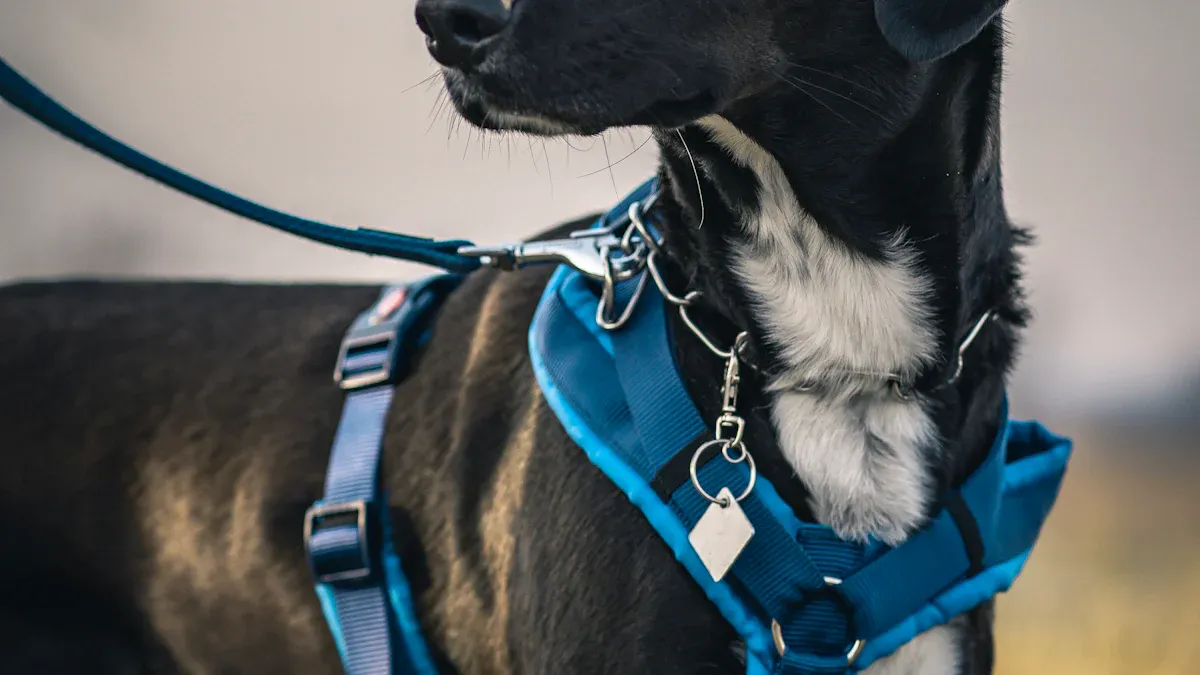
Static checks still matter. You should be able to adjust the harness so it sits flat, closes cleanly, and does not sag across the ribcage. The neck area should feel secure without crowding the throat, and the side sections should not sit so close to the leg crease that one longer walk turns into rubbing.
Observe your dog when wearing the harness. The fit check is not finished until you watch a real walk. Look from the side and from behind. You want a natural stride, even tracking, and a vest that stays centered instead of drifting, bouncing, or creeping higher as the leash comes under light tension.
The common mistake is relying on one quick finger test and stopping there. Finger space can help you avoid an obviously tight fit, but it cannot tell you whether the harness is rotating, blocking the shoulder, or heating up once the body is moving. The better test is simple: fit, walk, pause, and inspect.
Fit Sequence Table
| Step | Pass Signal | Fail Signal | Better Response |
|---|---|---|---|
| Initial fitting | Harness lies flat with balanced adjustment | Sagging, gapping, or uneven strap tension | Reset all straps before the walk starts |
| Neck and chest check | Secure feel without crowding the throat | Pressure too high or too much looseness | Reposition or size-check again |
| Short walking test | Centered vest and free, even movement | Twisting, hopping, shortened stride, or scratching | Stop and identify the source, do not keep walking “to see” |
| Post-walk recheck | No hot spots, no rubbing, no shifted position | Red marks, damp hot zones, or hair wear | Change fit or switch structure before the next use |
Tip: If the vest only seems comfortable for the first minute, that is not a pass. Early movement usually reveals more truth than the standing fit.
When wider coverage helps and when it backfires
When you look for a harness vest dog, you see two main styles: vest coverage and strap designs. That difference matters because more body contact can help one dog and annoy another. A vest-style harness can spread pressure more broadly and feel steadier on dogs that dislike narrow webbing. It can also be a poor match if the dog overheats easily, has a very active shoulder pattern, or needs less bulk around the front legs.
Materials matter here, but not in the old “more padding is always better” sense. Smooth lining, flexible edges, and enough airflow usually matter more than thick build alone. A vest that feels plush in your hand can still become the wrong choice if it holds heat, lifts away from the body during turns, or bunches where the front leg moves back.
Clip placement also matters, but not as a magic fix. A good clip location should work with the harness shape instead of forcing the vest to shift when the leash tightens. If the whole structure rotates whenever you take up slack, the issue is usually deeper than the clip point itself.
Coverage Trade-Off Table
| Vest Characteristic | Where It Helps | Where It Backfires | What To Watch |
|---|---|---|---|
| Broader chest coverage | Can spread contact more evenly | Can crowd movement if the cut is wrong | Watch shoulder freedom on a real walk |
| Softer padded body panels | May feel gentler on sensitive skin | Can hide poor geometry and trap more warmth | Check heat and rubbing after use |
| Heavier hardware | May feel sturdy in hand | Can make a small frame feel front-heavy | Look for bouncing or downward pull |
| Low-bulk mesh sections | Better airflow in warmer conditions | May offer less structure for some dogs | Check whether the vest still stays centered |
When to refit, switch styles, or stop using the vest
Not every problem means the vest category is wrong, but some do. If a careful re-adjustment solves the issue and the vest stays stable on the next short walk, you may only have had a setup problem. If the same red flag keeps returning, the message is different: the shape, coverage, or structure is not matching your dog well enough.
Stop trying to rescue a poor fit by tightening harder. That often trades slipping for rubbing. It can also make the harness look more controlled while creating new pressure points. If your dog repeatedly coughs, scratches, shortens stride, resists the harness, or develops red patches under the front leg, you need a different answer, not one more strap change.
Troubleshooting Table
| Symptom | Likely Cause | Quick Check | Best Next Move |
|---|---|---|---|
| Harness rides toward the throat | Front cut or neck opening is wrong | Watch where the top edge sits after a short walk | Change size or switch to a freer front shape |
| Dog scratches or licks behind the leg | Underarm rub or seam friction | Inspect skin and hair after use | Stop using that fit until the rub point is fixed |
| Vest twists when the leash tightens | Uneven adjustment or poor balance | Check symmetry from above and behind | Refit once; if it repeats, switch structure |
| Dog seems hotter or more reluctant in the vest | Coverage is too heavy for conditions | Feel the vest and watch recovery after the walk | Move to lighter coverage or cooler use conditions |
| Stride changes even after adjustment | Front assembly is still too restrictive | Compare movement with and without the vest | Stop using that vest for regular walks |
Reminder: A vest harness should help your dog move calmly and naturally. If repeated use keeps revealing the same problem, that is a fit verdict, not a training problem.
The best vest harness is not the one with the most fabric or the softest first impression. It is the one that stays centered, leaves the throat clear, respects shoulder motion, avoids underarm friction, and does not make an ordinary walk feel harder than it should.
FAQ
Is a vest harness always more comfortable than a strap harness?
No. A vest can spread contact more broadly, but that does not guarantee better comfort. Some dogs move better with less bulk, especially if a vest shape crowds the shoulder or traps warmth.
Why does the harness pass a finger test but still feel wrong on walks?
Finger space only tells you the harness is not obviously too tight in one static moment. It does not show rotation, rubbing, heat buildup, or movement restriction once your dog starts walking.
Should I keep adjusting the same vest if it keeps rubbing?
Not indefinitely. One careful refit is reasonable. If the same rub point comes back, the vest shape or coverage is probably wrong for your dog and a different structure is the better answer.
Can a vest harness be too warm for daily use?
Yes. More fabric, heavier padding, and low airflow can make a vest feel fine indoors but noticeably warmer outside. Watch for faster panting, reluctance, and hot spots after the walk.






