
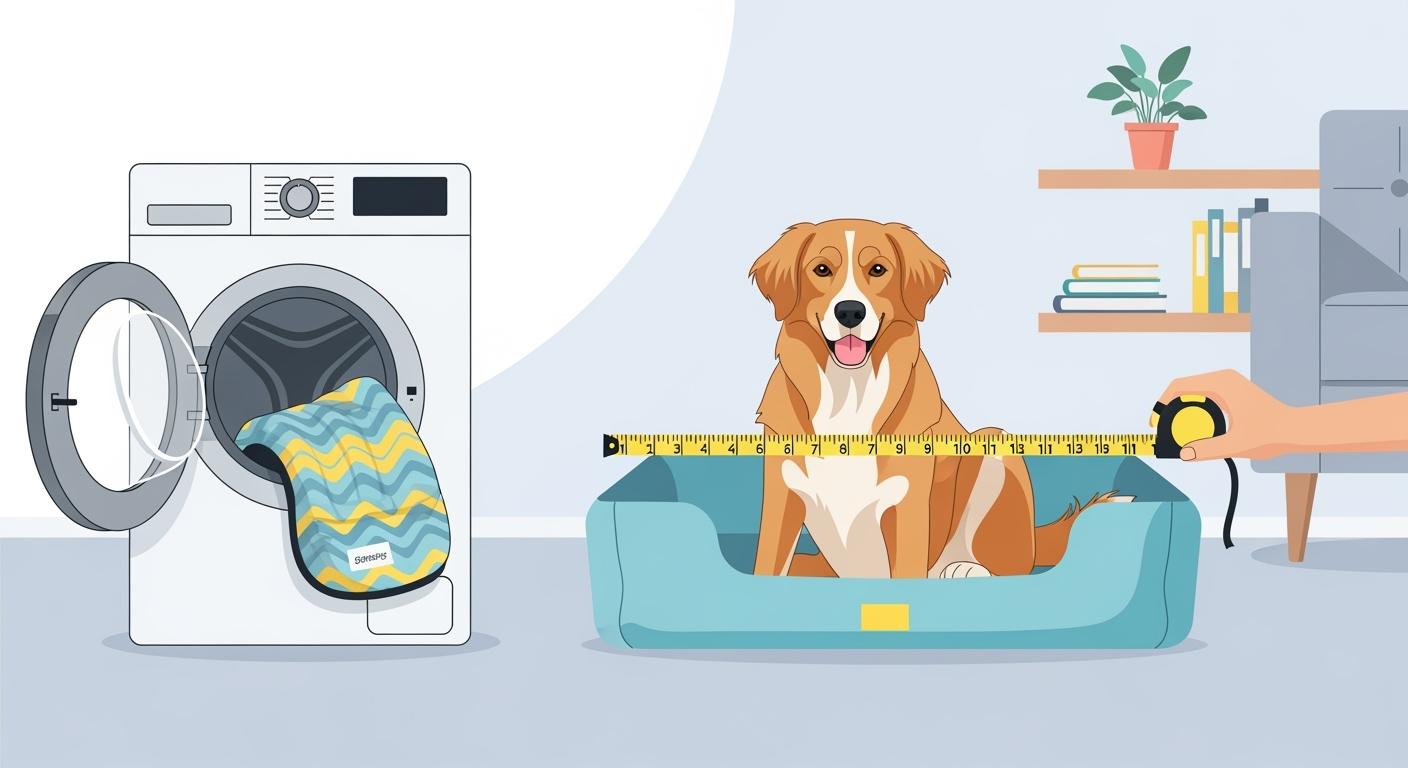
A medium size dog bed washable should do two jobs well: it should fit the way your dog really rests, and it should stay practical to clean after normal daily use. Good fit is not only about a label. Good washability is not only about whether the cover can go into a machine once.
When a bed is too short, too soft, too bulky at the edge, or awkward to wash, the result is usually the same: your dog avoids it, shifts around too much, tracks dirt into the fill, or leaves you with a bed that is hard to keep fresh. For many homes, the better choice is the bed that is easier to enter, easier to clean, and easier to check after daily use.
- Measure your dog in the position they actually sleep in most often.
- Check the usable sleep area, not only the outside bed size.
- Choose a design you can clean without turning every wash into a full teardown.
What a medium washable bed should really deliver
Real sleep space, not just a medium label
Many beds sold as medium do not offer the same usable interior space. Raised bolsters, thick side walls, and rounded shapes can reduce the flat area your dog can actually lie on. That is why the first check should be the inside sleep area your dog will use, not the category name on the product page.
A quick home check is simple. Watch your dog when they settle naturally. If they stretch long, measure that stretched position. If they curl, check whether they can turn, tuck in, and rest without their hips or shoulders pressing into the edge. Beds that look roomy from the outside can still feel cramped once the dog lies down.
Tip: If your dog keeps hanging a paw or shoulder off the bed, or settles half on and half off, the usable area is probably too small.
Washable cover versus washable core
Some beds are easy to keep clean because the cover comes off quickly and dries without much hassle. Others technically count as washable, but the zipper is awkward, the fill shifts badly, or the whole bed takes too long to dry. In real use, those details matter more than a single washable claim.
Pick a bed that matches how you will actually maintain it at home. For most households, a removable cover is the easier routine choice. If your dog is messy, drools heavily, or tracks in dirt after walks, you should also look at whether the inner surface is protected from quick soak-through.
- Removable cover: better for frequent surface cleaning and faster routine care.
- Protected inner layer: helpful when accidents, damp fur, or muddy paws are part of daily life.
- Easy reassembly: important if you do not want the fill bunching up after each wash.
Fit checks before you buy
Usable area, entry, and support
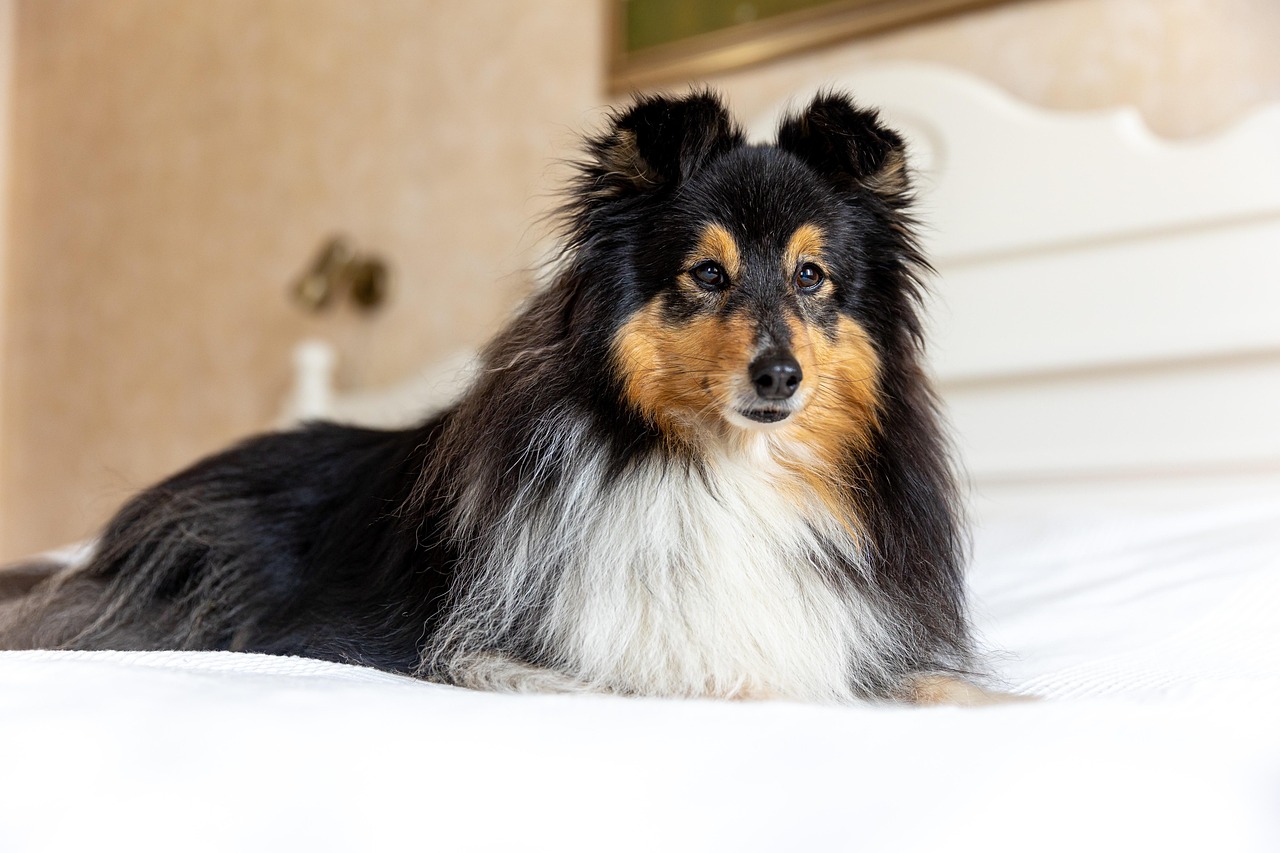
The best fit check is not abstract. It is whether your dog can lie down, turn, settle, and get back up without obvious hesitation. The bed must give enough room for the body shape your dog actually uses at rest. A flat bed suits dogs that sprawl. A bolster bed suits dogs that like edge contact or head support. A lower-profile design is often easier for older dogs or dogs that dislike climbing over a thick side wall.
| Check Item | Pass Signal | Fail Signal | What To Do |
|---|---|---|---|
| Usable sleep area | Dog can settle without hanging off the edge | Body spills over edge or dog keeps repositioning | Move up to a roomier interior shape |
| Entry height | Dog steps or lowers onto bed easily | Dog pauses, braces, or avoids getting on | Choose a lower-entry design |
| Surface support | Bed stays level under shoulders and hips | Middle collapses quickly or base shifts | Look for a firmer, more stable fill |
| Turn-and-settle room | Dog can turn once and rest | Dog keeps circling or abandons the bed | Check interior width and side-wall bulk |
Shape should match sleep style
There is no single best shape for every medium dog. A rectangular flat bed often works better for dogs that stretch. A bolster design often works better for dogs that curl and like head support. If your dog changes position often, a bed with too much side-wall bulk can reduce usable room even when the size label looks right.
| Bed Style | Works Best For | Main Watchout |
|---|---|---|
| Flat bed | Dogs that stretch long or change positions often | May offer less edge support |
| Bolster bed | Dogs that curl or rest the head on an edge | High sides can reduce entry ease and interior room |
| Low-entry supportive bed | Dogs that need easier access and steadier footing | Less nest-like feel for dogs that prefer enclosed edges |
Washability checks that matter in real use
Keeping the bed easy to clean is part of keeping the resting area more usable over time. A bed does not help much if the cover is such a hassle to remove that you delay cleaning until odor, dirt, or dampness build up.
Look for features that make normal care easier: a cover that comes off without wrestling the bed, a zipper layout that lets you put everything back together cleanly, and a surface that does not stay damp for too long after washing. Water-resistant inner protection can help with daily messes, but it should not be confused with a promise that every part of the bed will stay dry forever.
| Washability Check | Pass Signal | Fail Signal |
|---|---|---|
| Cover removal | Cover comes off without pulling hard on seams | You need to fight the zipper or force the fill out |
| Reassembly | Fill returns to shape without major bunching | Bed stays lumpy or twisted after washing |
| Dry-down time | Surface dries fully before the next normal use | Bed still feels damp deep inside after routine drying |
| Surface cleanup | Hair and dirt lift off with normal cleaning | Debris stays trapped in seams or deep texture |
You do not need a rigid wash calendar in the article to make this useful. The practical rule is simpler: wash after obvious dirt, odor, accidents, heavy shedding periods, or when the cover no longer feels fresh in normal daily use. If your dog has skin sensitivity, incontinence, or frequent mud exposure, you will probably clean more often than a low-mess household.
Tip: Before washing, check the care label and make sure every part is fully dry before putting the bed back into regular use.
Common buying mistakes and simple troubleshooting
The most common mistake is trusting the word medium without checking the real interior space. The second is choosing for softness alone. A bed can feel plush in your hands and still be awkward for your dog if the center collapses, the side walls crowd the body, or the cover is frustrating to remove.
- Choosing by outside dimensions instead of usable interior area
- Ignoring entry height for dogs that hesitate or brace before lying down
- Choosing a thick side wall that reduces sleep space
- Buying a washable bed that is technically washable but difficult to reassemble
- Letting the fill stay damp after washing
| Problem | Likely Cause | Fast Check | Practical Fix |
|---|---|---|---|
| Dog lies half off the bed | Usable area is too small | Check interior sleep space while dog is resting | Choose a larger or less bulky shape |
| Dog avoids the bed after wash day | Residual dampness, odor, or shifted fill | Press the center and corners for damp spots | Dry fully and re-level the fill before reuse |
| Bed smells tired too quickly | Surface traps debris or wash routine is hard to keep up | Look at seam areas and underside | Pick an easier-clean cover or protected inner layer |
| Dog struggles to get on | Entry edge is too bulky or bed slides | Watch the first step onto the bed | Use a lower-profile design with steadier base contact |
A medium size dog bed washable is a better buy when it matches your dog’s real sleep posture, gives stable support, and stays manageable to clean after ordinary use. If the bed is easy to enter, easy to keep fresh, and easy to dry fully, it is much more likely to stay in use instead of becoming a corner item your dog ignores.
FAQ
How do I know if the bed is really medium enough for my dog?
Check how your dog actually rests. If the dog can settle naturally, turn without crowding, and lie down without hanging off the usable area, the size is closer to right. If the body presses into thick side walls or spills over the edge, the bed is likely too small.
Is a removable cover enough, or should the whole bed be washable?
For many homes, a removable cover is the more practical day-to-day solution because it is faster to clean and easier to dry. A fully washable bed can be useful for heavier messes, but only if it is still realistic to wash, dry, and reassemble without the fill losing shape.
What matters more: softness or support?
Support matters more than surface softness alone. A bed that feels soft in the hand can still flatten too quickly under the dog. Look for a bed that stays level under the shoulders and hips and still feels stable after repeated use and washing.
How often should I wash the bed?
Wash it when normal use tells you it needs care: visible dirt, odor, accidents, heavy shedding, or dampness. The right frequency depends on your dog, your home, and the bed design. The most practical choice is the bed you can actually keep clean without a difficult routine.






