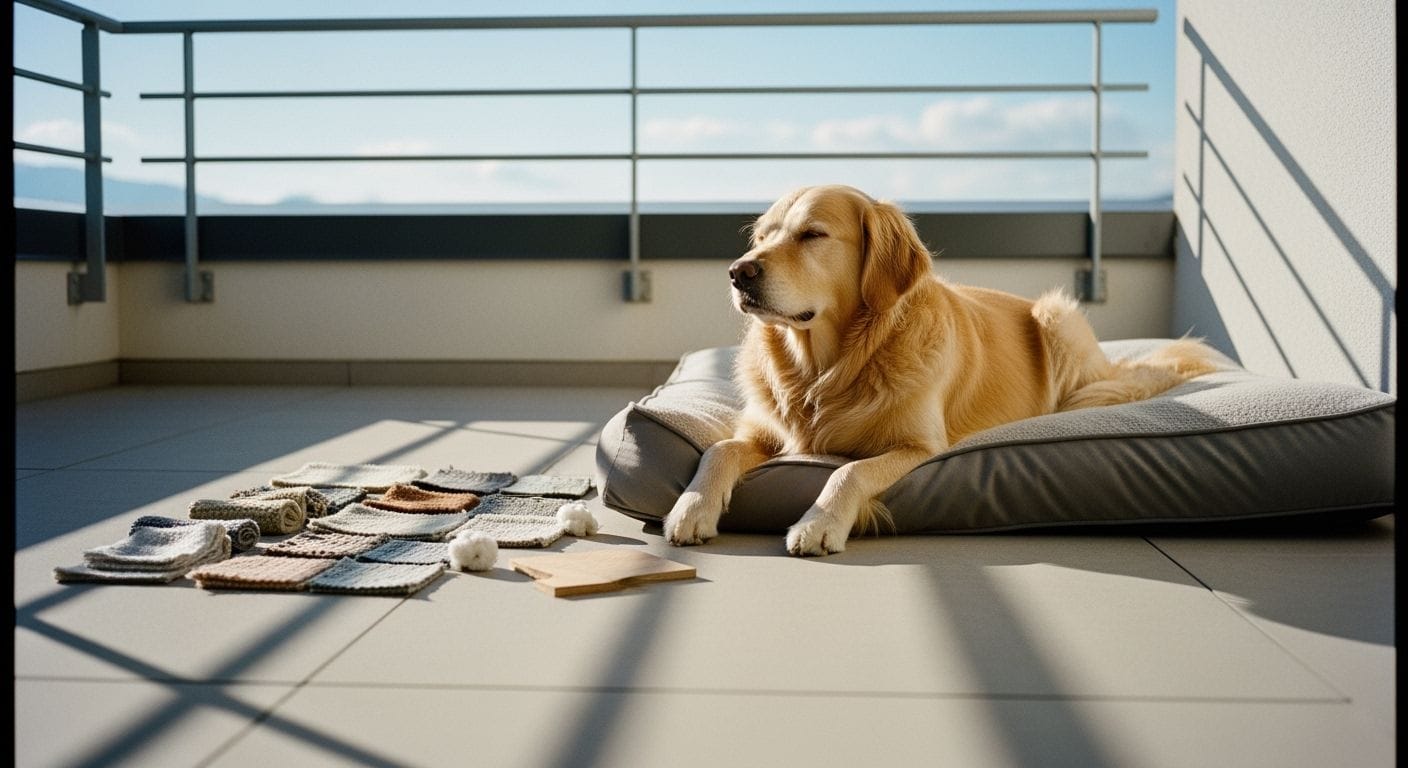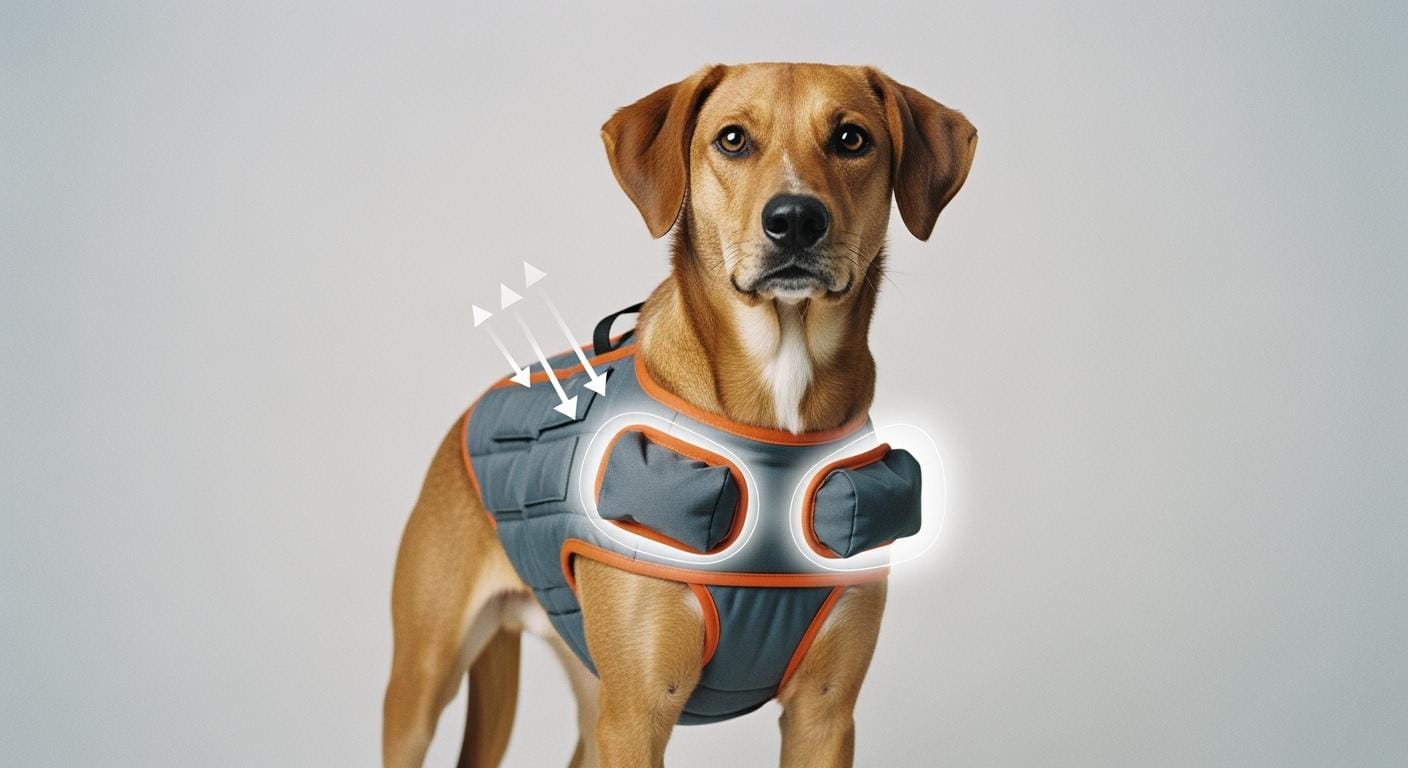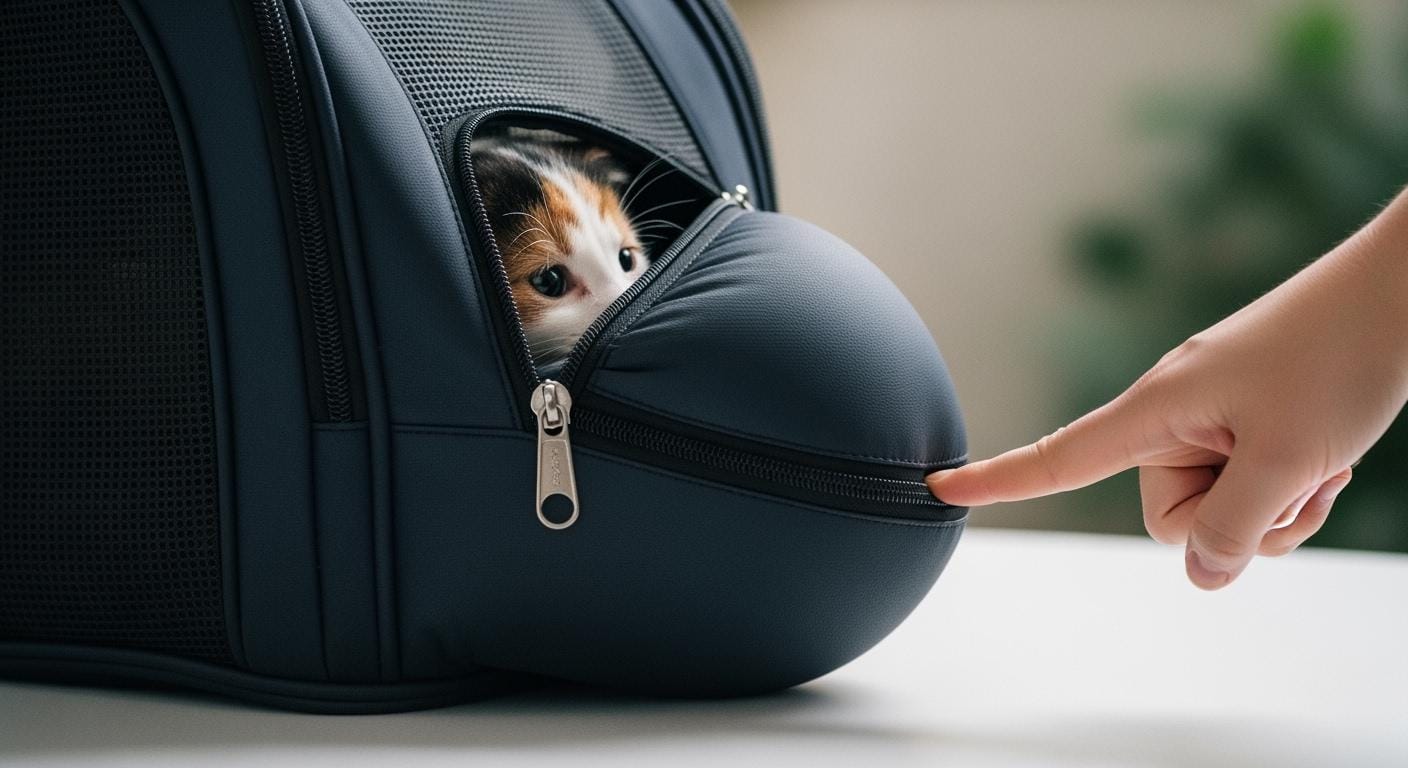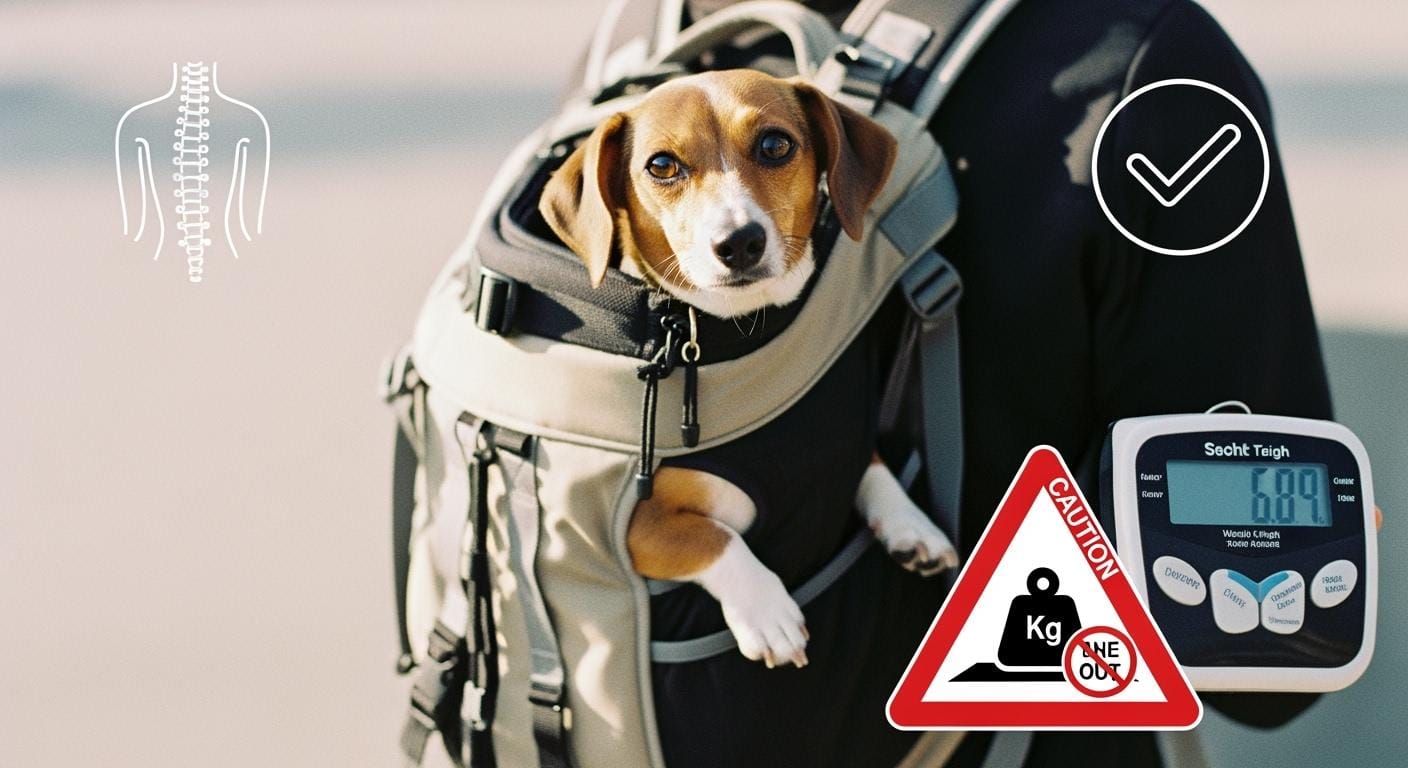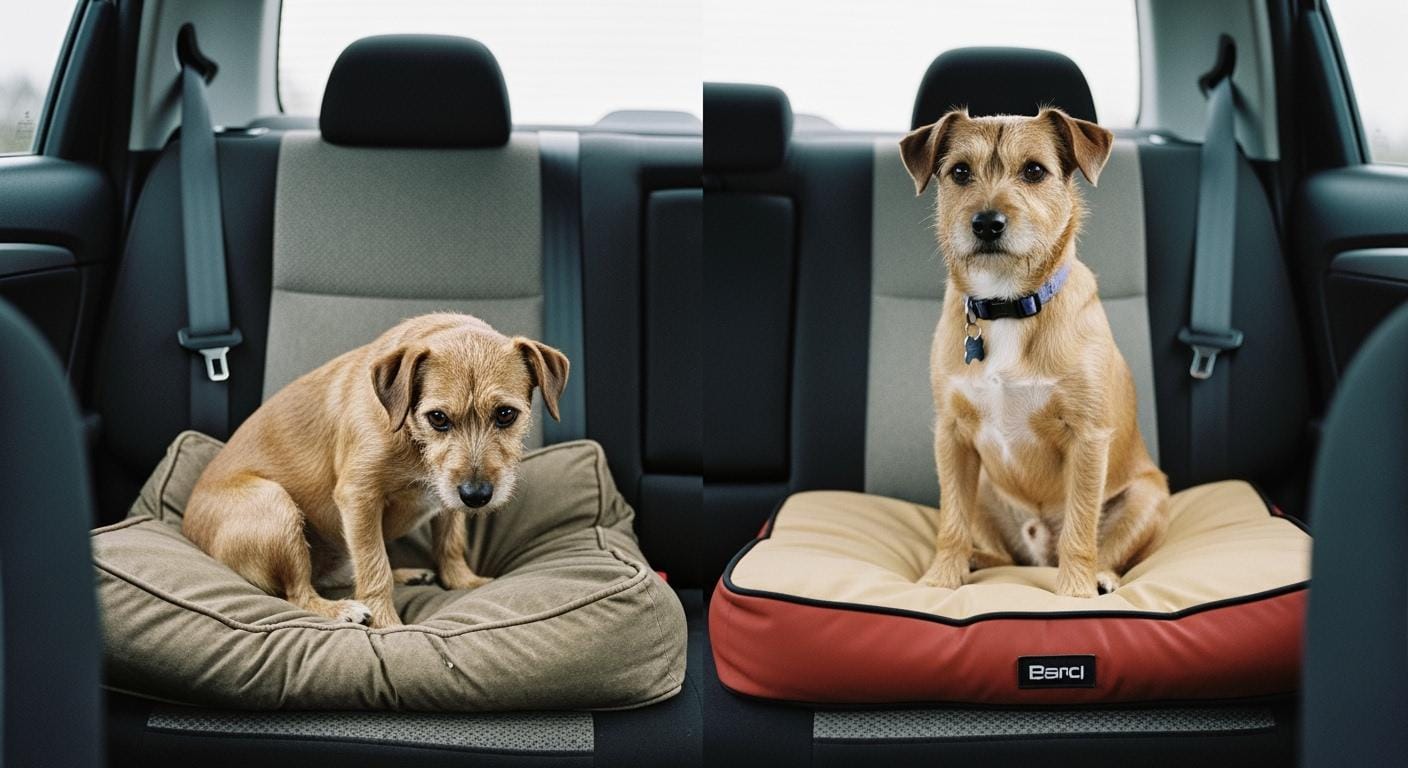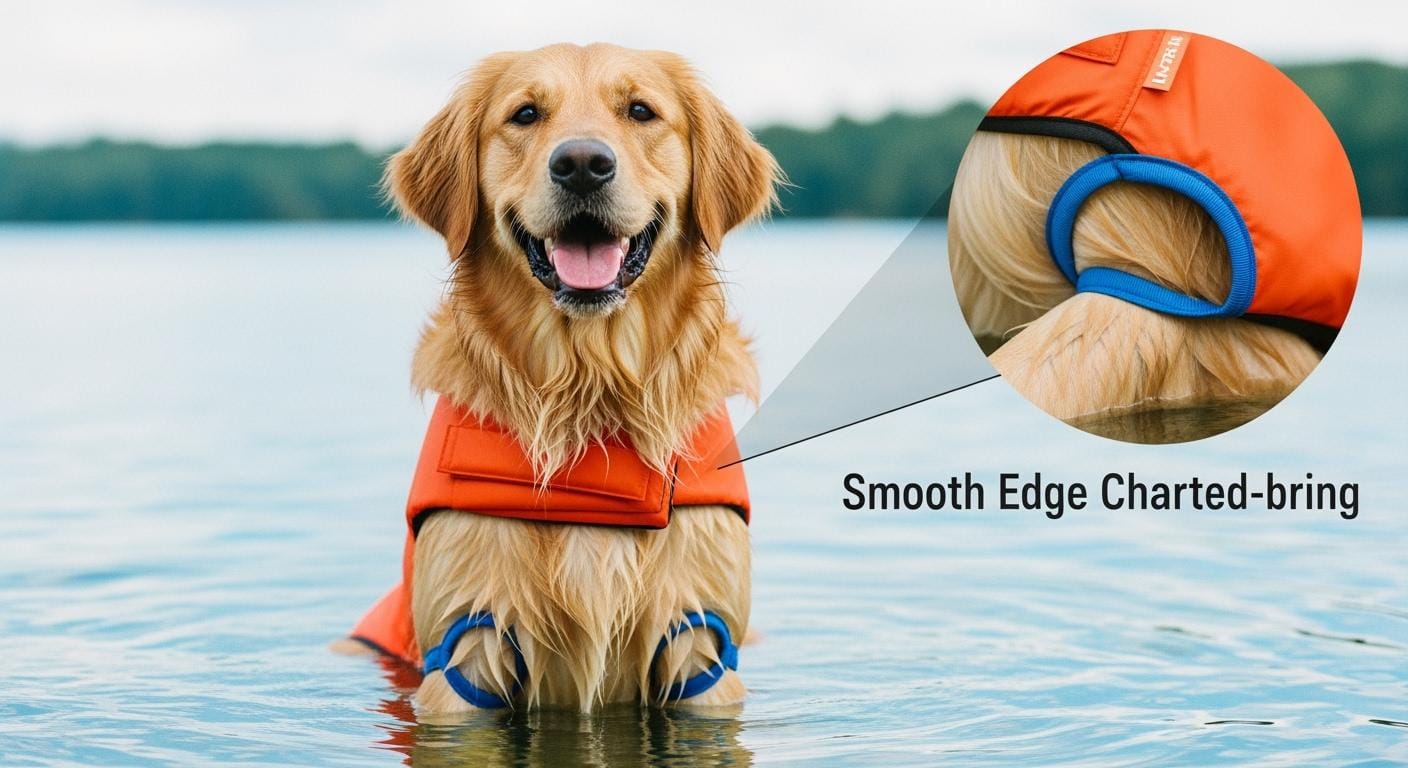
For hiking, the best outdoor dog house is usually a portable shelter or covered rest space, not a heavy backyard kennel. The right setup gives your dog enough room to lie down naturally, steady ground contact, fast drying after wet use, and airflow that does not trap heat. The wrong setup creates the opposite problems: cramped rest space, unstable placement, wet fabric that stays damp, and a shelter your dog avoids after the first try.
A trail-friendly shelter works only when fit, packed bulk, airflow, and weather limits all match how your dog actually rests and travels.
This guide focuses on sizing, packing, and everyday trail use. It is not a substitute for close supervision in severe heat, heavy rain, freezing conditions, or a dog with medical or mobility needs.
Start With Fit and Packed Use
Before comparing materials or setup style, decide how much usable rest space your dog needs. The best dog house for hiking should let your dog lie down without curling tighter than normal just to stay inside the footprint.
Measure Resting Length and Width
Measure your dog while resting in a natural sleep position, not while standing. Start with the nose-to-tail-base resting length, then measure shoulder-to-shoulder width when your dog is settled on one side or in its usual curl. This tells you whether the interior floor space will support real rest instead of just a quick stop.
For trail use, usable space matters more than the exterior size on the label. Thick frame edges, sloped walls, or raised borders can reduce the area your dog can actually use.
Check Step-In Height and Entry Shape
A hiking shelter should be easy to enter after a walk, especially when your dog is tired, wet, or carrying trail dust on the coat. A high lip can be manageable at home but become a problem at camp when the ground is uneven. Watch whether your dog steps in cleanly, hesitates, or paws at the opening before settling.
Compare Layout Before You Pack It
Use a dry run at home before your first hike. Set the shelter on a hard floor, then on a rough outdoor surface, and watch whether your dog lies down fully, turns without catching the side, and can stand up without shifting the whole frame. This is the fastest way to pick a shelter that works beyond the product page.
| Check point | Pass signal | Fail signal |
|---|---|---|
| Resting floor area | Dog can lie down and change position without pressing into frame edges | Dog stays half-curled, hangs a paw outside, or avoids full contact |
| Entry opening | Dog steps in and out in one motion | Dog pauses, bumps the edge, or backs away |
| Ground contact | Base sits evenly on hard and slightly uneven ground | One corner lifts, rocks, or slides when the dog turns |
Features That Matter More Than Hype

Packed Size and Carry Ease
Hiking gear competes for space. A shelter that is easy to fold, quick to reopen, and simple to strap outside a pack is usually more useful than a bulkier model with extra features you never use. Check whether the frame returns to shape after being folded and whether wet fabric is easy to air out before repacking.
Airflow, Shade, and Fast Drying
Good ventilation matters more than thick coverage on many hikes. Mesh panels, open sides, or a raised canopy can help reduce trapped heat, while fast-drying fabric helps the shelter recover after dew, splash, or light rain. A fully enclosed design can feel protective, but it is a poor match for warm, still air if the fabric stays damp and the interior holds heat.
Stable Base and Easy Cleanup
Trail shelters get dirty fast. Prioritize surfaces that can be brushed off, wiped down, or aired out without complicated disassembly. Also check the underside. If the base slips on rock, packed dirt, or campsite flooring, your dog may stop trusting the shelter after one unstable setup.
If you are comparing weather-focused designs, review Heated dog house options as a separate category from lightweight hiking shelters. More coverage is not automatically better if packed weight, airflow, and drying time no longer fit the trip.
| Feature | Better for hiking when… | Watch-out |
|---|---|---|
| Open or mesh-heavy layout | You need better airflow and quick drying | Coverage may feel too light in windy or wet camp conditions |
| Partial-wall layout | You want some shade and splash control without a sealed interior | Check that the doorway still feels open enough for tired entry |
| Raised or structured base | You want cleaner separation from damp ground | Unstable feet or wobble can cancel out the benefit |
Packing Mistakes That Lead to Returns
Choosing Coverage That Is Too Heavy for the Trip
One common mistake is buying for worst-case weather and then carrying too much structure on an ordinary day hike. If a shelter is bulky, slow to dry, and awkward to pack, it often gets left at home. For short hikes and mild conditions, lighter and faster setups usually get more real use.
Ignoring Real Ground Conditions
A shelter can feel stable indoors and fail outdoors. Test it on gravel, packed dirt, grass, and slightly uneven ground before relying on it. If the base twists when your dog turns or settles, your dog may choose bare ground instead.
Packing It Wet
Fast drying helps, but it does not mean you should pack a muddy or soaked shelter and forget it. Shake out debris, wipe exposed surfaces, and reopen the shelter at home or at the next stop if it was packed damp. This reduces odor buildup and helps you spot loose seams, bent supports, or fabric wear before the next trip.
Quick at-home test: set the shelter up, let your dog enter, turn, lie down, stand up, and exit, then repeat on a second surface. If the shelter shifts, sags, or gets ignored twice, the layout is probably wrong for the trip style.
Weather Boundaries and Trail Checks
Use Shade, Water, and Airflow as the Baseline
A portable dog house is a rest aid, not a climate-control system. Outdoors, your dog still needs regular access to shade, water, and moving air. Pay attention to how quickly the inside warms up, whether the surface stays damp under the body, and whether your dog settles calmly or keeps getting up and repositioning.
Watch the Dog, Not Just the Product
The best field signal is your dog’s behavior. If your dog pants heavily after settling, refuses to stay inside, avoids one side, or keeps stepping back out, treat that as product feedback. A shelter can look correct in photos and still fail once the dog actually uses it.
Know When Not to Rely on a Portable Shelter
A lightweight hiking shelter should not be treated as a solution for severe cold, high heat, storm exposure, or a dog that needs medical support. On those trips, the safer choice is often to shorten the outing, change the route, or skip the shelter entirely in favor of a better overall weather plan.
If your dog cannot rest comfortably, stay dry enough to settle, or remain calm inside the setup, the shelter is not trail-ready yet, no matter how good it looks on paper.
FAQ
Can one portable outdoor dog house work for both day hikes and overnight trips?
Sometimes, but only if the packed bulk, coverage, and drying speed still match both uses. Many owners end up preferring a lighter setup for day hikes and a more covered one for longer camp stays.
Should you size up just to make the shelter feel roomier?
Not automatically. Too much extra space can make the footprint awkward to pack and less stable on rough ground. Start with real resting measurements and then confirm usable interior space with a home setup test.
What is the fastest way to see whether a hiking shelter will actually get used?
Set it up at home, then repeat the test outdoors. If your dog enters easily, turns without catching an edge, lies down fully, and settles within a short time, the layout is more likely to work on the trail as well.