
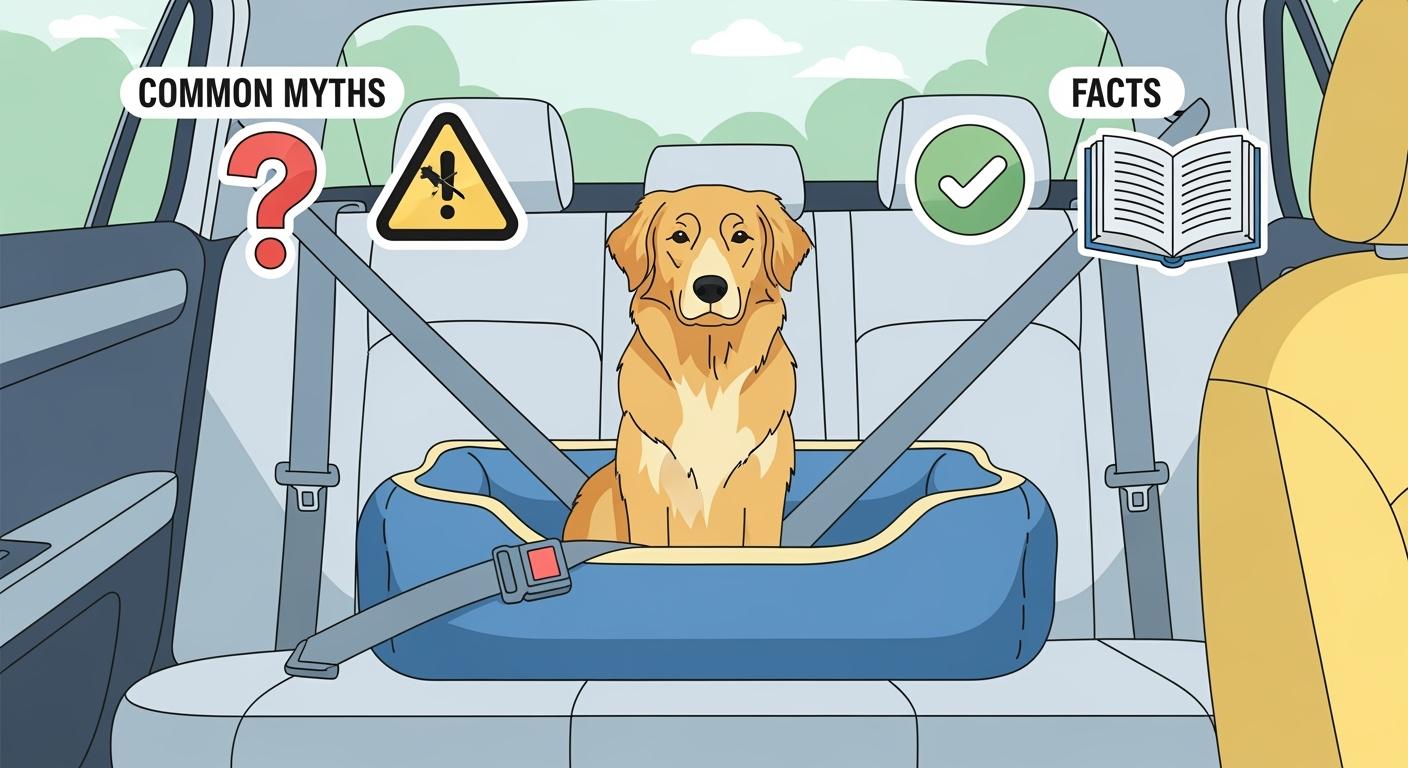
Choosing between a dog bed vs car seat for car travel is not just about which one looks softer. The real question is which setup fits the rear seat without sliding, crowding the dog’s usable sleep space, blocking buckle access, or creating the wrong expectation about restraint. A padded bed may feel more open and comfortable, while a car seat may create a more defined place to settle, but both can fail if the base shifts, the bolsters press into the dog, the cover is hard to clean, or the setup is mistaken for crash protection. This article compares the fit, comfort, cleanup and safety-boundary differences so the right option matches the dog, the seat layout and the trip.
Key takeaways
- Do not compare a dog bed vs car seat by softness alone. Rear-seat fit, sliding, buckle access, and usable sleep space decide how well the product works in daily rides.
- A dog bed car seat may improve comfort, but it should not be presented as crash protection unless the specific restraint claim is separately verified.
- Check whether the dog can enter, turn, lie down, and exit without pushing the bed out of place or blocking the restraint path.
What a dog bed car seat can and cannot do
A well-chosen bed helps your dog settle, gives the body a softer contact surface, and keeps loose dirt off the seat. It can also make destination rest easier because your dog already knows the sleeping surface. That is the useful part.
The common myth is that a padded bed automatically solves safety. It does not. Soft walls, extra fill, or a raised shape may improve comfort, but those details do not automatically make the product a restraint device. If your main priority is restraint in a crash, you need to judge that separately from comfort.
| Myth | Fact |
|---|---|
| A thicker bed is always safer. | Extra padding may improve comfort, but only if the bed still sits flat and stable in the rear seat. |
| The size label tells you everything. | You still need your dog’s resting measurements and your rear-seat footprint. |
| Any tether or belt slot means crash protection. | Only treat restraint claims as meaningful when you can verify the specific product claim separately. |
| Washable means easy to live with. | You also need to check liner protection, zipper placement, and whether the fill stays even after cleaning. |
Practical rule: Buy the bed for comfort, cleanup, and rear-seat fit. Do not force it to do a different job.
How to check fit in your dog and your rear seat
Measure the dog in a real resting position
Watch how your dog actually lies down at home. Measure relaxed body length from nose to tail base when the dog stretches out. Then measure curled width when the dog tucks in. These two views matter more than breed averages because some dogs rest long and flat while others sleep tightly curled.
Also check how your dog gets into low beds. If the dog prefers to step in from one side, do not pick a design with tall bolsters all the way around. Easy entry matters just as much as sleeping space.
Measure the usable rear-seat footprint
Now measure the seat itself. Look for the flat, usable area where the bed will actually sit. Pay attention to seat contour, buckle positions, and whether the bed will push against the door or center console. A bed that looks fine on paper can still tilt once it meets a curved rear seat.
After the bed is placed, do a parked-car check before the first ride. Press each corner. The bed should not rock. Ask your dog to step in, circle once, and lie down. If the front edge lifts, the sides bunch, or your dog keeps re-positioning without settling, the fit is not right yet.
| Check | Pass signal | Fail signal |
|---|---|---|
| Dog length fit | Dog can lie down without hanging over the edge. | Head, hips, or paws keep slipping off the edge. |
| Curled width fit | Dog can turn and settle without pushing hard into the side walls. | Dog looks crowded or stays half perched on the bolster. |
| Rear-seat placement | Bed sits flat and keeps the same shape when you press the corners. | Bed rocks, bridges over the seat, or lifts at one edge. |
| Entry and exit | Dog steps in and out cleanly. | Dog hesitates, scrambles, or slips on the edge. |
If your setup is mainly about protecting the whole rear bench instead of creating a padded rest zone, compare it against a simpler base layer. In some cars, a flat dog car seat cover is easier to fit and maintain than a bulky bed.
Materials, cleanup, and stable placement
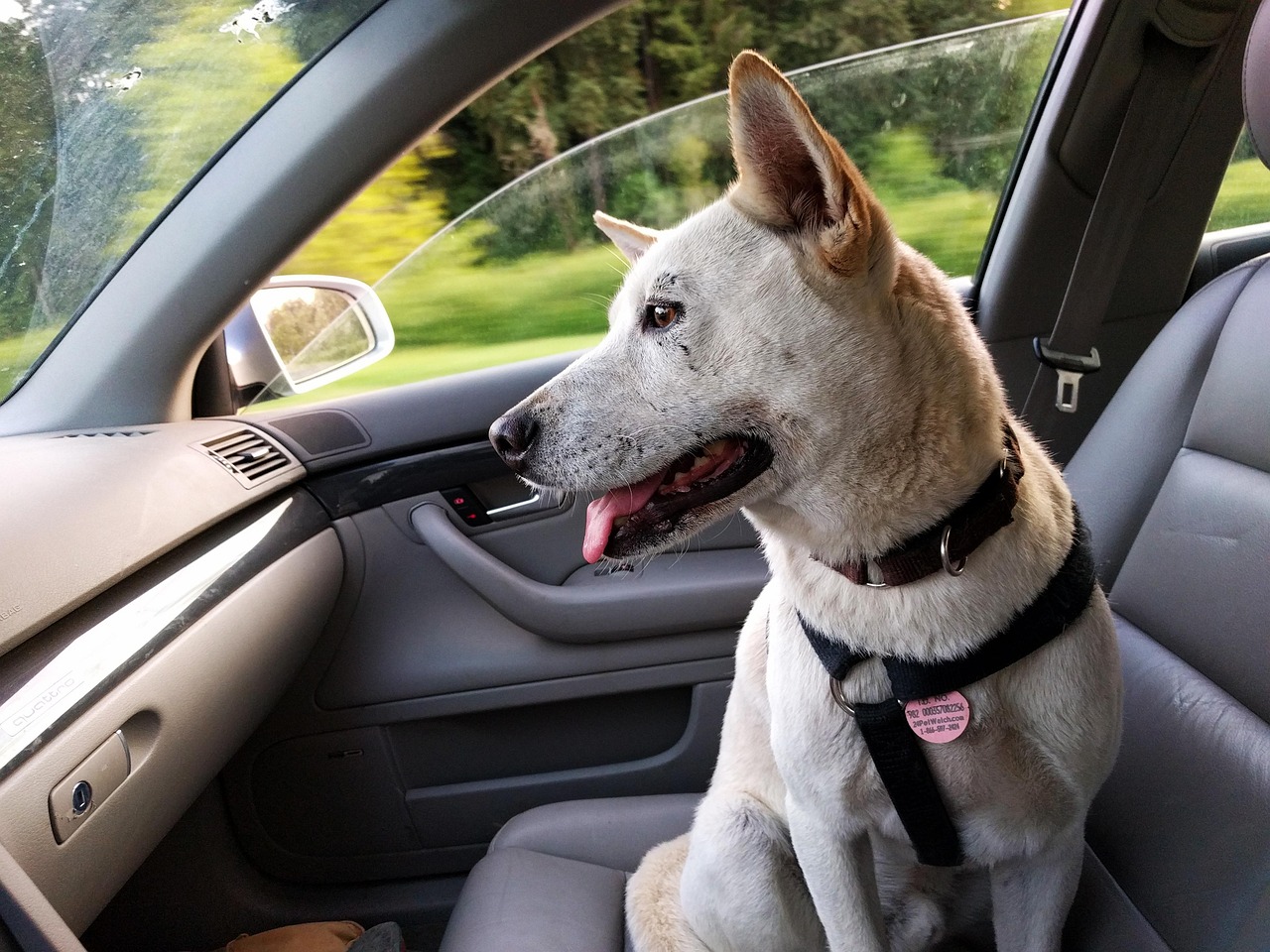
Material choice matters most when it changes everyday use. Start with the outer surface. A smooth, easy-wipe outer is usually better for wet paws and dusty trips than a fuzzy fabric that traps hair. Then check the cover opening. A removable cover with a protected zipper is easier to live with than a sewn-shut bed that must be cleaned as one bulky piece.
Base grip is equally important. Look for a bottom that helps the bed stay in place and does not slide easily on the seat surface. If the fill bunches into one side after you lift the bed, that is a warning sign for everyday stability. You want the bed to keep a level resting surface rather than create dips or high spots under the ribcage and hips.
| Feature | What to look for | What to avoid |
|---|---|---|
| Outer cover | Easy-wipe or easy-wash surface that does not hold hair heavily. | Fabric that traps fur, stays damp, or shows dirt quickly. |
| Fill and shape | Even support across the main sleep area. | Lumpy fill, deep sagging spots, or shifting corners. |
| Base | Good grip and a flat contact surface. | Slick bottoms or hard trim that slides on the seat. |
| Cleanup access | Removable cover and realistic dry-out routine. | Hard-to-reach zippers, exposed edges, or covers that are slow to dry. |
Quick check: After cleaning, press the fill and inspect the corners. If the surface no longer lies even, the bed may feel softer but work worse in the car.
If your main setup already includes a harnessed travel routine, keep the path around that system clear. A bulky bed that twists straps, covers anchor points, or changes how the restraint lies across the dog creates confusion instead of a cleaner setup. When cleanup is the bigger goal, a safety harness with a dog bed may still need a simpler, flatter base layer underneath or instead of the bed.
Common mistakes and quick checks before regular use
The most common mistake is buying by product label alone. “Small,” “medium,” and “large” do not tell you how much usable sleep area remains once bolsters, seams, and raised edges are included. The second common mistake is judging the bed on softness alone. A soft bed that shifts on every turn is not comfortable in real use.
Other common issues include using the front seat, ignoring damp covers after washing, and keeping a bed in the car after it starts to smell, flatten, or slide more than it did at first. Small changes like these usually show up before major dissatisfaction or returns.
| Problem | Fast check | Practical fix |
|---|---|---|
| Bed slides in turns | Push the base sideways by hand before the trip. | Use a grippier layout or switch to a flatter setup. |
| Dog keeps half-standing | Watch whether the dog can circle and settle within one or two tries. | Choose a larger usable sleep area or lower side height. |
| Cover stays damp after washing | Press the seams and corners before reuse. | Dry fully before the next ride or choose a faster-drying cover design. |
| Setup feels crowded | Check whether bed walls block seat space or restraint paths. | Use a simpler rear-seat cover if space is limited. |
Before regular use, do one short supervised ride. Then recheck the bed right away. Look for edge lift, twisted fill, damp patches, or dirt trapped in seams. Also watch your dog’s behavior after the ride. A dog that settles quickly and exits calmly is usually telling you the fit is workable. A dog that keeps stepping on the bolsters, standing on the edge, or avoiding the bed is telling you something still needs adjustment.
Disclaimer: This page is general product-selection guidance, not medical advice. If your dog shows pain, breathing stress, panic, or distress during car travel, stop and speak with your veterinarian.
FAQ
How do you know if a dog bed car seat fits your vehicle?
Measure the usable rear-seat width and depth, then place the bed on the seat and press the corners. The bed should sit flat without lifting, bunching, or hanging over the edge.
Can you use a dog bed car seat with a harness?
Sometimes, yes, but only if the bed does not twist, cover, or interfere with the restraint path you already use. Check the full setup in the parked car before travel.
How often should you clean a dog bed car seat?
Clean it whenever dirt, odor, moisture, or trapped hair starts to build up. A fixed schedule matters less than whether the surface still feels dry, even, and comfortable for the next ride.
When is a flat rear-seat cover a better choice than a bed?
If your dog prefers more open space, your rear seat is narrow, or your main goal is cleanup rather than a padded rest zone, a flat seat-cover setup may be easier to fit and maintain.






