
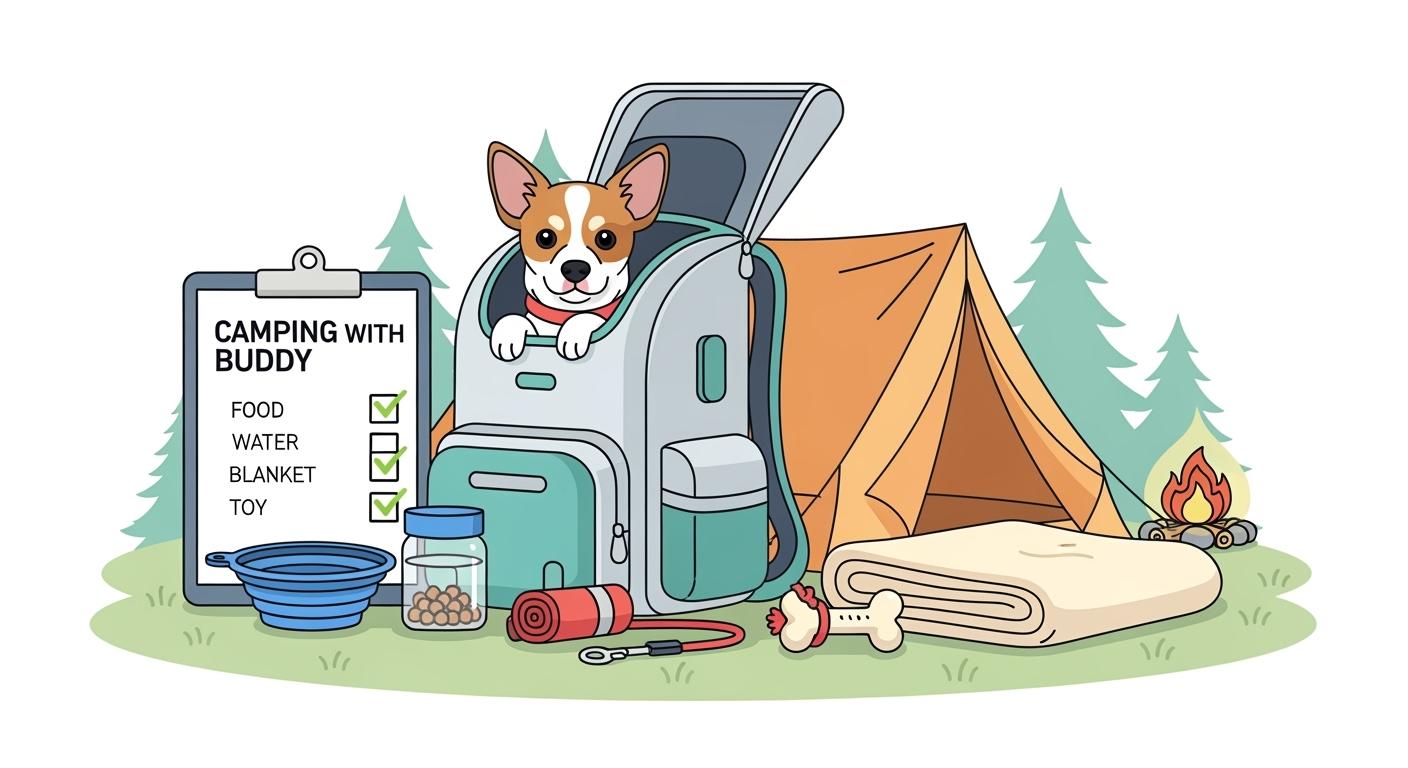
Please follow local rules and talk to a veterinarian if you worry about your dog’s health. A dog backpack carrier small lets you carry and hold your dog, but it cannot promise safety. Hot weather, bad airflow, and shaky carrying can quickly make your dog unsafe. Hiking or camping backpacks will not keep your dog safe in a car accident.
You want your dog to be safe and comfy on your camping trip. Fit, airflow, and good packing are most important. If you get ready well, you help your dog have fun outside.
Key Takeaways
Always check your dog’s fit in the carrier. Ensure they sit straight without slouching. A proper fit keeps your dog comfortable and safe.
Monitor your dog for signs of overheating. Use mesh panels for airflow, provide water often, and take breaks in the shade.
Pack essential items like water, food, a first-aid kit, and cleaning supplies. A well-prepared kit ensures your dog stays healthy and happy during your camping adventure.
When to Use a Dog Backpack Carrier Small
Convenience vs Heat Risk
You may want to use a dog backpack carrier small for short walks at the campground, crowded areas, or when your dog needs a break on a trail. These carriers help you keep your dog close and safe when the ground is too hot, the path is busy, or your dog feels tired. Always check for heat risk. Dogs can get hot quickly in a carrier, even on mild days. Look for signs like heavy panting or restlessness. Give your dog water often and stop for shade. Limit carry time and watch for overheating.
Feature | Recommendation |
|---|---|
Suitable for | Small to medium pets (under 30 lbs) |
Key Features | Backpack straps, ventilation, reflective details |
Usage Guidelines | Limit carry time; monitor for overheating |
Dogs Unsuitable for Carriers
Some dogs do not fit well in carriers. If your dog chews, panics, or gets motion sickness, a carrier may not work. Dogs with joint pain, breathing problems, or high anxiety may feel worse inside. Watch for signs like whining, chewing, or trying to escape. If your dog refuses, switch to another method like a leash or crate.
Tip: Try short, calm practice sessions at home before your first camping trip. This helps your dog get used to the carrier.
Defining “Small” for Fit
Do not trust only the label. A small dog should sit with a straight back, no slouching or pinched legs. The carrier must support your dog’s body and keep the spine straight. Most backpack carriers fit dogs up to 15-30 lbs, but always check your dog’s comfort and posture.
Carrier Type | Weight Capacity |
|---|---|
Backpack | 15-30 lbs |
If your dog cannot settle or shows stress, stop and reassess. Your dog’s safety and comfort come first.
Dog Backpack Carrier Small Feature Checklist
When picking a dog backpack carrier small for camping, you want your dog safe and happy. This checklist helps you choose the right one and spot problems before you go.
Stable Base and Support
A strong base keeps your dog’s back straight and stops sagging. Pick a padded, non-slip bottom that spreads your dog’s weight. Your dog should sit or lie with a straight back, not bent or twisted. Make sure the carrier does not press on the ribs or pinch under the arms. If your dog moves around a lot or cannot relax, the base might not be strong enough.
Tip: Press down on the base with your hand. If it bends or sags, your dog might not get enough support.
Feature Area | Importance | Good Performance | Cautions |
|---|---|---|---|
Base Support | High | Stable, padded, non-slip | Avoid sagging bases |
Padding | High | Comfortable, soft walls | Hard surfaces cause pressure |
Shoulder Straps | Medium | Adjustable, padded | Thin straps cause discomfort |
Waist Belt | Medium | Adds support, distributes weight | Loose belts reduce stability |
Ventilation and Airflow
Good airflow is very important for your dog’s safety. Mesh panels and air holes help your dog stay cool. Make sure the vents stay open when you walk or rest. Blocked mesh or bad airflow can make your dog too hot fast. Watch for heavy panting, drooling, or restlessness. If you see these signs, stop, take your dog out, and find shade. Give water and use collapsible bowls for easy drinking.
Alert: Never leave your dog in a carrier in a parked car. Heat can build up fast and be deadly.
Feature | Description |
|---|---|
Breathable & Ventilated | Air holes and mesh panels for airflow |
Lightweight & Durable | Sturdy, light materials for long-lasting use |
Secure Closures and Chafe Control
Closures must stay shut, even if your dog moves a lot. Look for strong zippers and safe clips. Test all fasteners before your trip. Smooth edges and strap paths help stop rubbing, especially under the arms and chest. If you see red spots or your dog licks certain spots, check for rough seams or tight straps.
Note: Never clip the inside tether to your dog’s collar. Always use a harness to keep your dog’s neck safe.
Feature Area | Importance | Good Performance | Cautions |
|---|---|---|---|
Fasteners | High | Reinforced zippers, secure clips | Weak closures risk escapes |
Chafe Control | High | Smooth edges, safe strap paths | Avoid armpit rub zones |
Internal Attachment | High | Harness tether, secure | Never use collar attachment |
Low Sway and Wet/Dirt Readiness
A good dog backpack carrier small keeps your dog close to your body. Less sway means less bouncing and more comfort. Adjustable straps and a waist belt help keep the load centered. Surfaces should wipe clean and dry fast after rain or mud. Removable liners make cleaning easier after a long day outside.
Tip: Bring a small towel and wipes to keep the carrier clean and your dog dry.
Feature Area | Importance | Good Performance | Cautions |
|---|---|---|---|
Low Sway Carry | High | Load stays close and centered | Loose straps cause bouncing |
Wet/Dirt Readiness | Medium | Wipeable, quick-dry surfaces | Hard-to-clean fabrics retain odor |
Fit, Ventilation, and Stability: Pass/Fail Table
Check your dog carrier backpack before every trip. Use this table to spot problems and fix them fast.
Checkpoint | Pass (What to See) | Fail (Warning Signs) | What to Do |
|---|---|---|---|
Fit & Support | Neutral spine, no slouching | Hunched back, shifting, whining | Adjust base, add padding, stop use if needed |
Ventilation | Mesh open, dog cool, steady breath | Heavy panting, drooling, restlessness | Move to shade, offer water, remove dog |
Stability | Carrier stays upright, no sway | Carrier tilts, bounces, dog slides | Tighten straps, adjust waist belt |
Closure Security | All zippers/clips stay shut | Zipper opens, dog tries to escape | Check fasteners, replace if weak |
Stress Signals | Dog calm, settles quickly | Chewing, licking, escape attempts | Shorten carry time, try practice at home |
Comparison Table: Carrier vs Front Carry vs Leash vs Crate
Method | Best Use | Pros | Cons |
|---|---|---|---|
Dog Backpack Carrier Small | Hiking, crowded areas | Hands-free, close contact, portable | Heat risk, limited space |
Front Carry | Short walks, anxious dogs | Easy to check on dog, quick access | Can block your view, less stable |
Leash | Open trails, campsites | Natural movement, freedom | Not hands-free, leash rules apply |
Crate | Car travel, base camp | Secure, familiar space | Bulky, not portable on trails |
A dog backpack carrier small should always help your dog stay healthy and comfy. Watch for stress or signs of overheating. Use collapsible bowls for water breaks and keep important dog gear close. If you see any problems, act fast to keep your dog safe and happy.
Packing Dog Essentials for Camping
Packing the right things for your dog helps keep them safe and happy. You need to think about water, ID, health, and keeping things clean. A checklist helps you remember all the important dog accessories.
Water, Bowl, and Food
Always bring enough water for your dog. Dogs drink more when they walk or play. Use collapsible bowls for water and food. These bowls are easy to pack and use. Bring extra food, about one and a half times the normal amount. Dogs use more energy when camping or rv camping. Take breaks often for water and rest. Do not let your dog drink from unknown water at camp. Clean water keeps your dog healthy and stops sickness.
Packing checklist for water and food:
Fresh water for your dog
Collapsible bowls for water and food
Extra food (1.5x normal amount)
Treats for energy and training
Tip: Give your dog water at every stop. Watch for panting or a dry nose as signs of thirst.
Leash, ID, and First Aid
Always pack a leash and harness for camping. Most parks want leashes no longer than 6 feet. Check the rules before you go. Put ID tags with your phone number on your dog’s harness. Microchips help if your dog gets lost. Bring proof of shots if you visit parks or rv camping spots.
A first-aid kit is very important for your dog. Pack styptic powder for small cuts and tweezers for ticks or splinters. Bring any medicine your dog needs. Add bandages, wipes, and a small blanket for emergencies. These things help you care for small injuries at camp.
Dog essentials for safety and health:
Leash and harness (follow leash rules)
ID tags and microchip
Proof of shots
First-aid kit with styptic powder, tweezers, and medicine
Alert: Practice commands like “come” and “leave it” before your trip. These help keep your dog safe in new places.
Towel, Layer, and Cleaning Wipes
A small towel is needed for your dog camping kit. Use it to dry wet fur or wipe muddy paws. It can also add padding in the dog carrier backpack. Pack a light layer, like a dog jacket or blanket, for cold nights or sudden weather changes. Cleaning wipes or a bag for dirty things help keep the carrier and campsite clean. These items make camping easier and more comfy for your dog.
Must-have dog accessories for comfort and cleanliness:
Small towel for drying and padding
Light layer (dog jacket or blanket)
Cleaning wipes or bag for dirty things
Waste bags for picking up after your dog
Note: Always bury waste away from water to protect nature.
Packing for Stability and Cleanliness
How you pack your dog camping kit matters for balance and cleanliness. Put heavy things, like water and food, close to your back and in the middle. This keeps the carrier steady and stops tipping. Do not put heavy gear in side pockets. Keep things like the leash, first-aid kit, and bowls easy to reach. Do not overpack. Too much stuff can block airflow and make your dog hot. Use fast-dry liners and easy-to-clean materials to keep the carrier fresh after rain or mud.
Packing strategies for a stable and clean carrier:
Keep the base steady to stop tipping
Use strong zippers and closures for safety
Attach the harness and tether inside the carrier
Check mesh panels for good airflow
Do not overpack pockets
Pick fast-dry liners and wipeable surfaces
Safety Reminder: Never use a collar attachment inside the carrier. Always use a harness to keep your dog safe.
Packing and Carrier Stability: Pass/Fail Table
Checkpoint | Pass (What to See) | Fail (Warning Signs) | What to Do |
|---|---|---|---|
Water & Food Packed | Enough water, food, collapsible bowls | Forgot bowls, not enough food/water | Add missing items, check before leaving |
Leash & ID Ready | Leash, harness, tags, proof of shots | No leash, missing tags | Pack leash, update ID tags |
First-Aid Kit Complete | Styptic powder, tweezers, meds | Missing first-aid kit items | Restock kit, add needed supplies |
Towel & Layer Included | Towel, jacket/blanket, wipes | No towel, no cleaning supplies | Add towel, pack wipes |
Stability Maintained | Heavy items centered, base steady | Carrier tips, dog shifts | Repack, move heavy items closer to back |
Cleanliness Managed | Fast-dry liner, easy-to-clean surfaces | Dirty, wet, or smelly carrier | Clean carrier, replace liner |
Public Lands Reminder: Many parks want leashes no longer than 6 feet. Always check the rules for your trip before you go.
If you follow this checklist, your dog will have what they need for a safe and fun camping trip. A well-packed dog camping kit keeps your dog comfy, healthy, and ready for adventure at camp or on the trail.
Common Mistakes and Troubleshooting
Overheating, Wobble, and Chafing
You want your dog to have fun on every rv camping trip. Sometimes, mistakes can make your dog feel bad or unsafe. Overheating happens if you forget to check airflow or water. Wobble means the carrier does not stay steady. Chafing shows up as red spots or licking. You can stop these problems if you check your dog often and use your first-aid kit when needed. Always look for stress signs at the campsite or during rv camping.
Troubleshooting Symptoms and Fixes
Your dog might not want to go in the carrier or you may see the base sag. Sometimes, closures feel tight or your dog chews on straps. Use this table to find the problem and fix it fast. A good first-aid kit helps you take care of small injuries right away.
Symptom | Cause | Check | Fix |
|---|---|---|---|
Refuses to enter | Fear or discomfort | Carrier fit, past stress | Practice at home, switch carrier |
Sagging base | Weak support | Press base, watch posture | Add padding, repack, stop use |
Chafing | Rough seams/straps | Look for red spots, licking | Adjust straps, use first-aid kit |
Excessive sway | Loose straps | Carrier movement, dog slides | Tighten straps, center load |
Overheating | Poor airflow, sun | Panting, drooling | Move to shade, give water |
Owner discomfort | Poor fit, heavy load | Shoulder/waist pain | Adjust straps, lighten load |
Stressed closures | Overpacked, weak zips | Zippers pop, gaps appear | Repack, replace carrier |
Chewing | Anxiety, boredom | Chewed straps, restless dog | Shorten carry time, offer toy |
FAQ Search Intent Alignment
You may wonder how to keep your dog safe during rv camping or at the campsite. Always pack a first-aid kit, check for chafing, and watch for overheating. Use water safety tips and help your dog stay calm for a stress-free rv camping trip.
Smart packing and the right carrier features help you keep your dog safe and comfortable outdoors. Use checklists before each trip. Look for weather-resistant fabric, mesh windows, and a foldable design. Choose the best fit for your dog. Always check for good airflow and follow local rules.
FAQ
How do you know if the carrier fits your small dog?
Check if your dog sits with a straight back and relaxed posture. Your dog should not slouch, shift, or show signs of discomfort.
How can you prevent overheating in the carrier?
Choose a carrier with mesh panels for airflow. Stop often for water and shade. Never leave your dog in a parked car.
What should you do if your dog panics or keeps moving?
Practice at home with short sessions. If your dog still panics, try a portable dog crate or use a leash for comfort and safety.






