

A large dog carrier backpack is designed to help you carry your dog comfortably on hikes. However, it does not guarantee your dog’s safety. Always adhere to local regulations and consult your veterinarian regarding any health concerns. Before each hike, check for proper support, airflow, and packing. Be mindful of these common issues:
- Choosing based on weight rather than shape or posture
- Excessive space that causes your dog to slump
- Blocked airflow, which can lead to overheating
- Using a collar that may choke your dog
- Failing to test the carrier first, which can result in missing early problems
Key Takeaways
- Always check the fit of the backpack. Your dog should be able to stand, turn, and lie down comfortably inside.
- Ensure proper airflow to prevent overheating. Look for backpacks with mesh panels and take breaks in the shade.
- Use a harness instead of a collar for safety. This prevents choking and keeps your dog secure during hikes.
When to Use a Large Dog Carrier Backpack
Safety vs. Convenience
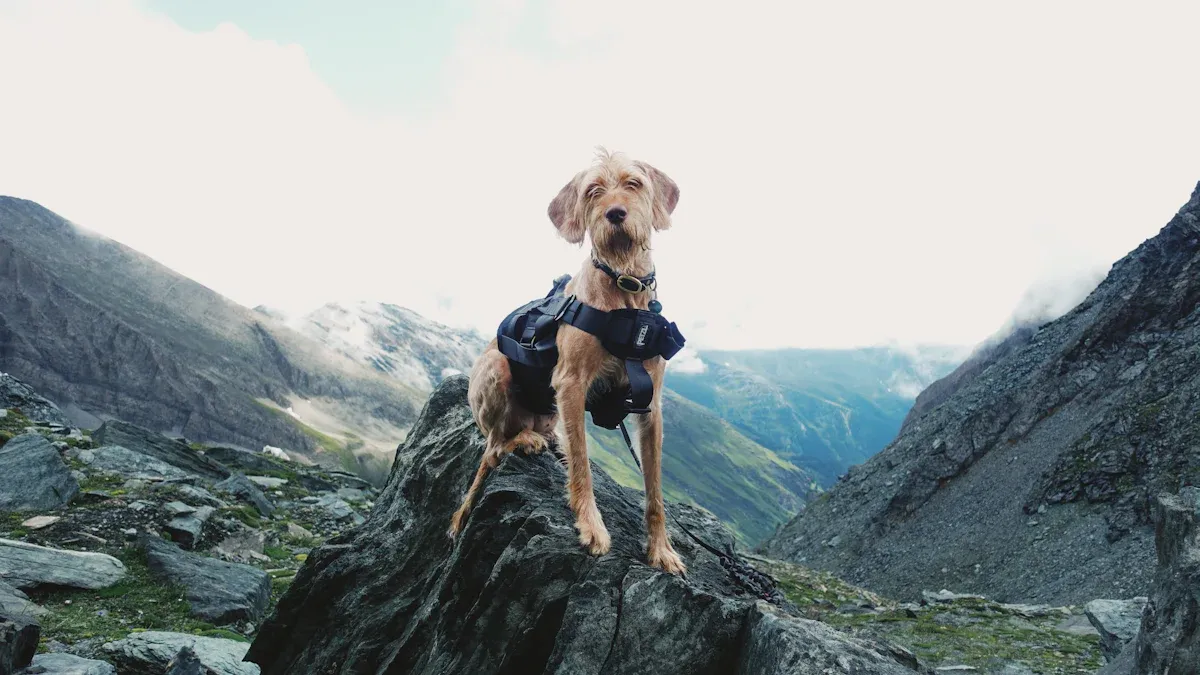
You want your hiking trip to be safe and enjoyable for both you and your dog. A large dog carrier backpack works best when your dog enjoys hiking but may get tired or needs help on rough trails. Many people use a hybrid approach. Your dog can walk and carry its own supplies in a dog backpack carrier at first. When your dog gets tired, you can switch to the carrier. This keeps your dog comfortable and reduces anxiety. Always check that the backpack fits well and supports your dog’s body.
Tip: Never use a backpack if your dog has a pre-existing injury or feels pain. Carrying a heavy dog can cause injuries to you, such as back strain or shoulder pain. Make sure your dog is trained to stay calm in the carrier to avoid falls on uneven ground.
Dogs and Situations That Don’t Fit
Not every dog or situation is right for a dog carrier backpack. Some dogs do not fit well because of their size, shape, or behavior. Dogs that panic, chew, or have mobility problems are not good fits for dog backpacks. Hot weather also increases the risk of overheating, even in safe dog backpacks. If your dog cannot stand, turn, or lie down naturally inside the backpack, it is not a good fit. Always check for enough ventilation and space.
Defining “Large Dog” for Carriers
A large dog means more than just a number on a scale. For a good fit, your dog must stand, turn, and lie down inside the backpack. The carrier must have enough airflow. Dog backpacks should support your dog’s spine and keep the load stable for you. Use these safety tips for dogs carrying packs: check the fit before every hike, watch for signs of stress, and never leave your dog unsupervised. Choose a backpack that matches your dog’s needs and the trail conditions.
Fit, Support, and Stability Checks
Dog Support Essentials
You want your dog to feel safe and happy in a large dog carrier backpack when you go hiking. First, check the bottom of the backpack. It should be strong and not bend. This keeps your dog’s back straight. All dogs need this, but it is extra important for dogs with back problems. Your dog must be able to stand, turn, and lie down without twisting. Watch for tight spots around the ribs or armpits. These can hurt your dog. Make sure there is enough air inside the backpack. Mesh panels help, but you also need open spaces for air. If your dog pants, whines, or acts nervous, it might not feel safe.
A good dog backpack carrier has a strong frame and a strap inside to keep your dog in place. The strap should not pull on your dog’s neck or chest. Always check that all clips and zippers stay closed when you walk. Use the adjustable straps to make the backpack fit your dog. The backpack should hold your dog’s weight without moving around. This helps your dog stay calm and safe.
Tip: Before you buy, see if your dog can turn all the way around inside the backpack. This is an easy way to check if the fit is good.
Handler Comfort and Stability
You need to feel steady and balanced when you carry your dog. The right backpack spreads the weight across your hips and shoulders. Look for backpacks with two padded shoulder straps, a hip belt, and a chest strap. These parts help take pressure off your back and shoulders. You can adjust the straps to fit your body. A light backpack makes walking easier.
Check if the back part has padding and lets air through. This makes you more comfortable and keeps you from sweating too much. Make sure the backpack does not swing or bounce when you walk. If you feel wobbly, tighten the straps or move the load. A backpack that fits well lets you hike longer without getting tired or sore.
| Criteria | Importance |
|---|---|
| Structural base rigidity | Stops the bottom from sagging and keeps your dog’s back straight |
| Weight capacity vs. actual load | Stay below the stated max weight to reduce strain and sway |
| Strap architecture | Two padded shoulder straps, hip belt, chest strap for balance |
| Aspect | Requirement |
|---|---|
| Dog’s Spinal Alignment | Keeping your dog’s back straight is very important, especially for dogs with back sensitivity. |
| Handler’s Support | Good support and back padding help stop back pain for you and your dog. |
Quick Fit Check Routine
Use this checklist before every hike to keep you and your dog safe and comfortable:
- Put your dog in the backpack. Watch for signs your dog is stressed or uncomfortable.
- See if your dog can stand, turn, and lie down easily.
- Feel for any soft spots at the bottom or tight spots on your dog.
- Test all zippers, clips, and the inside strap to make sure they are secure.
- Adjust all straps so the backpack fits snug and does not move.
- Make sure mesh panels and openings let in enough air.
- Walk a few steps. Notice if the backpack feels steady and light.
- Ask yourself if your back or shoulders hurt.
Here is a table to help you see problems and fix them fast:
| Checkpoint | Pass ✅ | Fail ❌ | Improvement Actions |
|---|---|---|---|
| Supported, stable posture | ✅ | ❌ | Fix the base, remove extra space, check the size |
| No chest or neck collapse | ✅ | ❌ | Adjust the harness, check the inside strap |
| Clear ventilation | ✅ | ❌ | Open mesh panels, move the backpack |
| Secure fasteners and closures | ✅ | ❌ | Check zippers, clips, and inside straps |
| Balanced carry, minimal sway | ✅ | ❌ | Tighten straps, use the hip belt, check balance |
| Dog can turn around inside | ✅ | ❌ | Check the width, do not use a backpack that is too big |
| Owner comfort and support | ✅ | ❌ | Add padding, adjust straps, check the back panel |
Note: Always check that the weight is spread out evenly and adjust the backpack if needed. This helps stop injuries and keeps you and your dog comfortable.
Dog backpacks for hiking usually have adjustable straps, mesh panels for air, strong material, and pockets for your things. These features make hiking safer, more comfortable, and easier. Weather-proof material keeps your dog dry. A good return policy helps if the backpack does not fit right.
You can use these safety tips for dogs carrying packs to make every trip safer. Always check the fit, support, and air flow before you start hiking. This routine helps you avoid mistakes and makes hiking fun for you and your dog.
Breathability and Heat Safety
Ventilation and Airflow
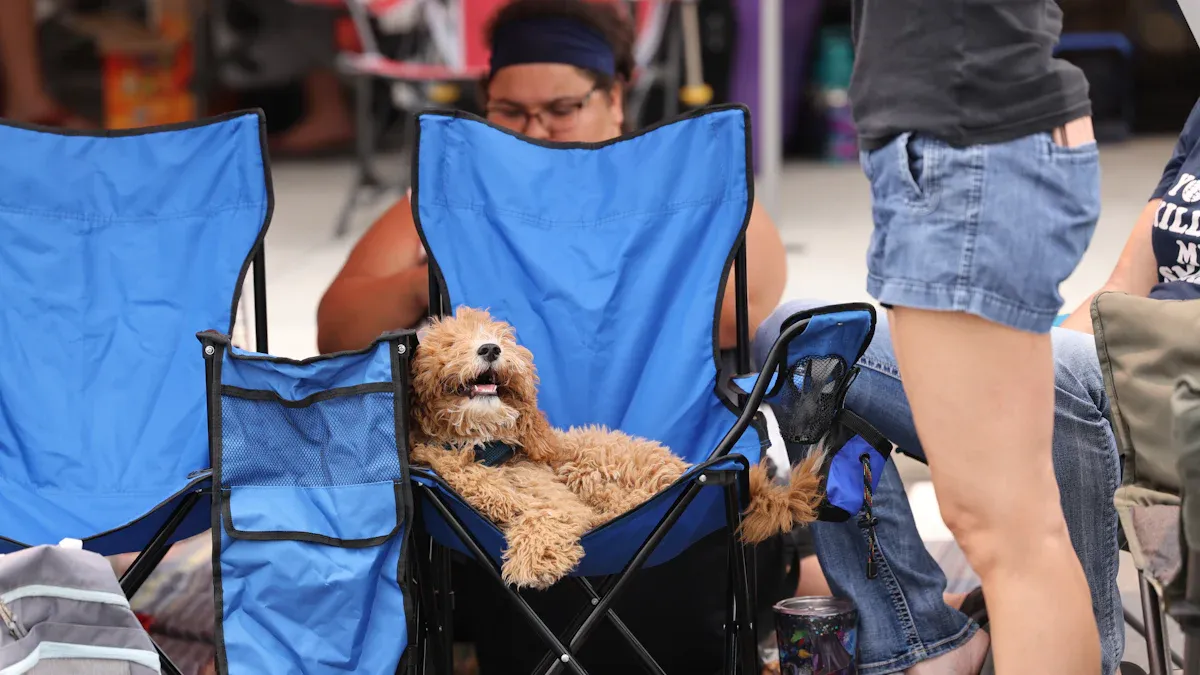
You want your dog to stay cool and safe in a large dog carrier backpack during hiking. Good ventilation is key. Mesh alone does not always give enough airflow. You should look for backpacks with wide mesh panels and zippered airflow controls. These features let you adjust how much air gets inside. Clean the mesh often to stop pet hair from blocking the air. Check for tears or holes that could lower ventilation. Limit the time your dog spends in the backpack on hot days. Take breaks in the shade and offer water.
| Material | Advantages |
|---|---|
| Nylon | Durable, water-resistant, lightweight, easy to clean, works well with ventilation |
| Polyester | Strong, tear-resistant, water-repellent, lightweight, helps airflow, easy to maintain |
Dog backpacks made from nylon or polyester with breathable mesh panels help keep your dog comfortable. These materials also make the backpack lightweight and easy to clean.
Managing Heat Risks
Heat can build up fast inside a dog backpack carrier. You must watch for signs of overheating. Always bring water and stop often. Never use a backpack in hot, still weather or if airflow is poor. Here are some tips to keep your dog safe:
- Give your dog water every break.
- Rest in shaded spots.
- Open all mesh panels for more airflow.
- Use the adjustable straps to keep the backpack from pressing too tight.
Heat Boundary: Watch for these red-flag behaviors
- Panting that gets worse
- Frantic shifting or restlessness
- Drooling changes (thick or sticky)
- Refusal to settle or lie down
Immediate Actions
- Stop hiking right away
- Move to shade
- Open all ventilation points
- Offer water
- End the carry if signs do not improve
| Symptom | Likely Cause | What to Check | Quick Fix |
|---|---|---|---|
| Heavy panting | Overheating | Airflow, mesh, shade | Stop, open mesh, give water |
| Whining or restlessness | Discomfort, heat | Backpack fit, ventilation | Adjust straps, rest in shade |
| Drooling or lethargy | Heat stress | Water, airflow | Offer water, cool down, end hike |
Acclimating Your Dog
You want your dog to feel safe in the backpack before hiking. Follow these steps to help your dog adjust:
- Show your dog the backpack and use treats to make it a happy place.
- Let your dog spend more time inside each day, always with rewards.
- Start moving the backpack around so your dog gets used to motion.
- Take a short trip with your dog in the backpack to build confidence.
Dog backpacks with an adjustable tether and good storage make training easier. Always check for comfort and safety before each hike.
Tip: Practice at home first. This helps your dog feel calm and ready for adventure.
Trail Routines, Packing, and Troubleshooting
Packing for Stability
You want your large dog carrier backpack to stay steady during hiking. Start by placing lightweight items like spare clothes or a sleeping bag at the bottom of the backpack. Put heavier gear, such as food or a water reservoir, close to your back in the middle section. This keeps the weight balanced and helps you walk safely. Use the top lid for small items you need often, but avoid heavy objects there. Secure water bottles or trekking poles in the side pockets. Keep emergency supplies like a rain jacket or map in the front pockets for quick access. These steps reduce sway and help the backpack fit your body and your dog’s shape. Always check how to fit a dog backpack before you leave.
Trail Routines and Breaks
You need a calm routine on the trail. Start with a short test carry to see how your dog feels in the backpack. Watch for signs of stress or discomfort. Take breaks often to let your dog stretch and drink water. Switch to leash walking on rough or steep parts of the trail. This keeps your dog safe and gives you a chance to rest. Always check the fit of the backpack and adjust the straps if needed. Use the adjustable tether for extra support and comfort.
Choosing Safe Routes
Pick trails that match your dog’s size and energy. Avoid routes with sharp rocks or narrow ledges. Look for shaded paths to keep your dog cool. Plan for easy exits if your dog gets tired. Always carry the best dog backpack for your needs and check the fit before each hike. Good storage and a stable base make travel safer for both you and your dog.
| Method | Comfort | Stability | Breathability | Risk Tradeoffs |
|---|---|---|---|---|
| Backpack Carrier | High | High | Good | Needs proper fit and support |
| Front Carrier | Medium | Medium | Fair | Can strain your shoulders |
| Travel Crate | Low | Very High | Low | Not for hiking, best for car |
| Leash Walking | Varies | N/A | Excellent | Dog must be well-trained |
Tip: Pack heavier items close to your back, keep the carry snug, and re-check straps after the first few minutes on trail.
Common Mistakes and Troubleshooting
Frequent Fit and Safety Errors
You may run into problems with dog backpacks during hiking if you do not check the fit or watch your dog closely. Common mistakes include:
- Letting the base sag, which makes your dog slump and lose support.
- Missing signs of rubbing or pressure points that hurt your dog.
- Using a collar instead of a harness, which can cause choking.
- Not testing the backpack before hiking, so you miss early signs of discomfort.
- Overloading the backpack, which can cause panic or stress.
- Blocking airflow, which leads to overheating.
- Not securing all zippers, which lets your dog try to escape.
- Ignoring signs of stress, such as slumping or trying to chew the edges.
Tip: Always check the fit, ventilation, and closures before every hike to keep your dog safe and comfortable.
Troubleshooting Guide
You can solve most problems with dog backpacks by checking the fit and making small changes. Use this table to find quick fixes:
| Issue | Likely Cause | What to Check | Quick Fix |
|---|---|---|---|
| Dog refuses to enter | Fear, poor fit | Comfort, treats, size | Use treats, adjust fit, practice |
| Sagging base | Weak support | Base strength | Add firm insert, change carrier |
| Rubbing or chafing | Tight straps, rough seams | Strap placement, padding | Add padding, adjust straps |
| Sway or bounce | Loose straps | Strap tightness | Tighten straps, use hip belt |
| Overheating | Poor airflow | Mesh panels, shade | Open mesh, rest in shade |
| Handler pain | Poor weight balance | Strap adjustment | Adjust straps, shift load |
| Zipper stress | Overstuffed backpack | Zipper alignment | Remove items, close zippers fully |
| Dog chews edges | Stress, boredom | Tether, storage access | Use tether, offer chew toy |
Quick FAQ for Large Dog Carrier Backpacks
Q: How do I know if the fit is right for my dog?
A: Your dog should stand, turn, and lie down inside the backpack. Watch for slumping or signs of stress.
Q: What should I do if my dog gets too hot during hiking?
A: Stop right away, move to shade, open all mesh panels, and offer water.
Q: Can I use any harness with dog backpacks?
A: Use a harness, not a collar, to prevent choking and improve safety.
Q: How do I keep my dog calm in the backpack?
A: Practice at home, use treats, and make sure the fit is comfortable. Try short trips before long hikes.
Q: What features help with comfort and storage?
A: Look for adjustable straps, a secure tether, and enough storage for your gear.
You can hike with your dog safely if you pick a carrier that lets air in and keeps your dog secure.
- Always check support, airflow, and how you pack before you go.
- Look at common mistakes so you know what to avoid.
- You get good things: you and your dog become closer, you get more exercise, and your dog feels happier.
Pay attention, and make every hike fun and special!






