
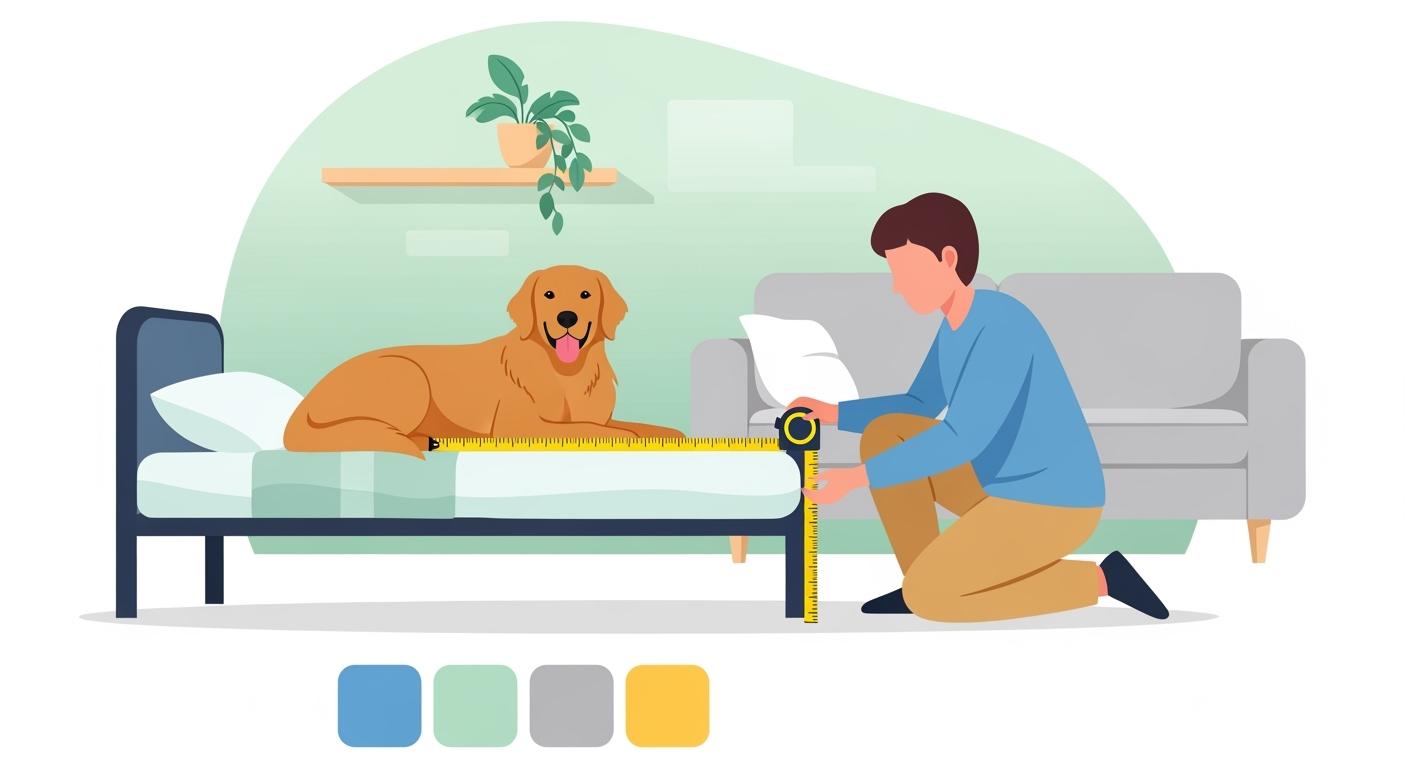
You want to avoid returns when choosing a dog cot bed. Start by checking the fit for your dog, the materials used, and travel features. Many buyers complain about bed wobble, sag, cleaning issues, or discomfort. Measure the usable sleep surface for your dog, not just weight. Set cleaning expectations.
Key Takeaways
- Measure your dog when it is curled up. Also measure your dog when it is stretched out. This helps you pick the right bed size. Your dog will feel comfortable. You will not need to return the bed.
- Pick a bed made with strong materials. Make sure the frame is stable. This stops the bed from wobbling or sagging. Your dog will be safe. Your dog will feel relaxed.
- Find covers that are easy to clean. Choose materials that let air pass through. This makes cleaning simple. Your dog will stay comfortable in any weather.
Dog Cot Bed Use Cases and Comfort Checks
Indoor vs Outdoor Comfort
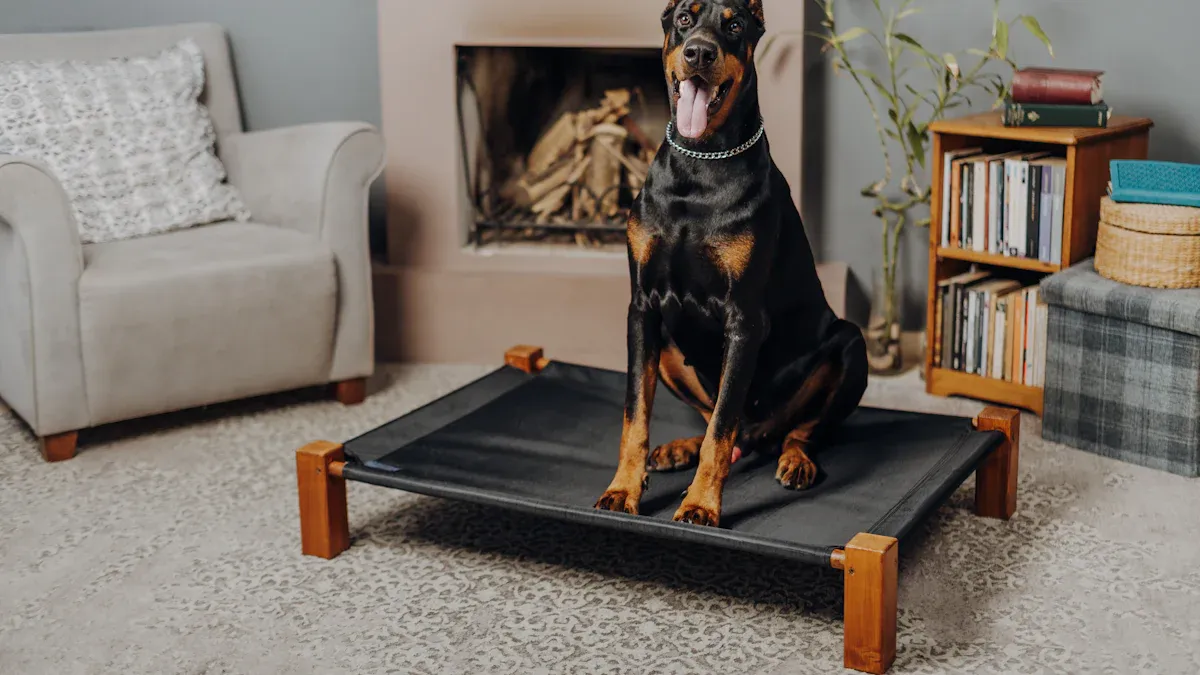
You want your dog to feel good inside or outside. Indoor beds are warm and help with sore joints. Orthopedic foam beds support older dogs or dogs with pain. Elevated beds are great outside because air moves under them. This keeps your dog cool and dry. On patios or trips, these beds stop heat from building up. Cooling mats can help inside, but they do not work well outside. For example, an old dog needs a soft bed inside. Outside, the same dog may like an elevated cot for shade.
Common Issues: Wobble, Sag, Noise, Snagging
Many buyers find problems with comfort and stability. Elevated beds can shake if the frame is weak. Sagging happens when the fabric stretches or the frame bends. Metal parts or loose fabric can make noise and wake your dog. Some dogs get their nails or collars caught on seams. This causes snagging. Check the frame and fabric before using the bed. If your dog will not settle or slips, try a different bed style.
Use-Case Table: Best Cot Bed Choices
| Scenario | Best Bed Orientation | Trade-offs | Buyer Notes |
|---|---|---|---|
| Indoor cooling and airflow | Elevated cot, mesh top | Less padding, may feel cold in winter | Check for sturdy frame and tight fabric |
| Balcony/patio use | Elevated cot, outdoor | Exposed to weather, may need cleaning | Choose rust-resistant frame and washable cover |
| Camping/travel stops | Foldable elevated cot | Minimal padding, may wobble on uneven ground | Test setup before trip; bring extra blanket for comfort |
| Beside crate use | Low-profile cot or mat | May not fit inside crate | Measure crate and bed; ensure easy entry for your dog |
| Multi-dog/high-traffic areas | Heavy-duty elevated cot | Heavier, less portable | Look for reinforced corners and non-slip feet |
| Dogs that dislike soft beds | Taut elevated cot | Less pressure relief | Monitor for signs of discomfort or refusal to use |
This table helps you pick the best bed for your dog. Always check what matters most for your dog’s comfort and cleaning.
Fit Checks for Cot Bed Comfort and Stability
Comfort: Posture, Edge, Entry
You want your dog to rest in a natural position. Measure the usable sleep surface, not just the outside size or weight rating. Your dog should stretch out, curl up, or sprawl without hanging off the edge. Orthopedic support matters for active dogs, seniors, or those with joint pain. A good elevated dog bed keeps your dog’s spine straight and joints cushioned. Check the edge for comfort. Raised edges should not dig into your dog’s legs or chest. Smooth seams prevent snagging on nails or collars. Entry height matters for small, senior, or less active dogs. Make sure your dog can step on and off the bed without jumping or slipping. Watch for signs your dog avoids the bed, circles without settling, or slides off. These cues show the bed does not fit or support your dog’s comfort needs.
Tip: Place your dog’s favorite blanket on the bed for the first few days. This helps your dog feel safe and encourages active use.
Frame Stability and Floor Grip
A stable frame keeps your dog safe and relaxed. Solid hardwood frames give more stability and last longer than softwood or thin metal. Strong side rails help prevent falls and shortcut jumps, especially for active or orthopedic dogs. Non-slip feet or surfaces keep the bed steady on tile, wood, or carpet. Some beds use anchor ropes or straps to secure the frame, adding extra support. Furniture-quality builds resist wobble and bending. Test the bed by pressing on the corners and sides. The bed should not rock or squeak. If your dog jumps on or off, the bed must stay in place. Good floor grip prevents sliding and helps your dog feel secure. For outdoor use, check that the legs do not sink into soft ground.
Note: Elevated beds with mesh tops improve airflow but do not cool below room temperature. They help keep your dog dry and comfortable, especially in warm weather.
Buyer Checklist Table: Fit and Stability
| Check Area | What to Verify | Why It Matters | How to Check It |
|---|---|---|---|
| Usable sleep surface & posture | Dog fits in natural resting pose, not just by weight | Ensures comfort and reduces refusal | Confirm your dog can curl and fully stretch on the usable surface. |
| Edge comfort & snag risk | Smooth seams, no sharp edges, no loose threads | Prevents injury and snagging | Run your hand along seams; check for sharp edges, loose threads, and snag points. |
| Frame rigidity & anti-wobble | Press corners, check for rocking or bending | Stops noise, wobble, and early wear | Press down on corners and rails; the frame should not rock or flex. |
| Leg stability & floor grip | Non-slip feet, wide base, test on your floor type | Prevents sliding and tipping | Test on your floor/patio surface; feet should grip without sliding. |
| Fabric/mesh tension & anti-sag | Tight fabric, no sag in center, supports dog’s weight | Maintains orthopedic support and comfort | Check the center for sag; fabric should stay taut under load. |
| Noise expectations | Listen for squeaks or rattles during use | Reduces sleep disruption and complaints | Shake and press the bed; listen for squeaks/rattles and tighten joints if needed. |
| Cleaning/drying reality | Hair removal, odor control, drying time | Sets realistic cleaning expectations | Confirm cover removal steps and expected drying time after washing. |
| Travel portability/packing | Foldable, lightweight, fits in car or bag | Eases travel and storage | Time a setup/pack-down run and confirm it fits your car storage space. |
| Cues for discomfort/refusal | Watch for circling, refusal, slipping, or not settling | Identifies poor fit before use | Watch for circling, refusal, slipping, or stepping off edges; adjust size/style. |
Materials and Cleaning for Outdoor Cot Beds
Material Choices: Mesh, Fabric, Frame
Check the materials before you buy a packable dog bed. Mesh fabric lets air move and keeps your dog cool. Strong frames help the bed last longer inside or outside. Elevated beds keep your dog off dirt and wet ground. Beds you put together are easy to take apart for trips. Nylon covers are simple to wash by hand and last a long time. Aluminum alloy frames make the bed strong and comfy. Eco-friendly materials are better for the planet and last longer.
| Feature | Description |
|---|---|
| Breathable mesh fabric | Lets air move and keeps your dog comfortable. |
| Strong frame | Makes the bed steady and tough in any place. |
| Elevated design | Lifts your dog up to stay clean and dry. |
| Assembly-based design | Easy to take apart and carry when you travel. |
Cleaning Reality: Hair, Odor, Washability
You want a bed you can wash, but cleaning is not always easy. Hair can get stuck in the corners and seams. Smells can build up if the bed stays wet. Waterproof covers stop spills and help you clean faster. Covers you can wash in a machine save time. Some liners need to be washed by hand and dried in the air. Eco-friendly beds use materials that do not stain or smell as much. Light beds dry quickly and are good for trips. Strong beds keep their shape after many washes. Busy people need beds that are simple to clean.
| Material | Impact on Cleaning | Impact on Durability |
|---|---|---|
| Nylon | Easy to wash by hand | Makes the bed last longer |
| Aluminum Alloy | N/A | Makes the bed stronger |
Tip: Shake off hair before you wash the bed. Use gentle soap on waterproof covers. Let the bed air dry for best results.
Troubleshooting and FAQs
Common Mistakes and Quick Fixes
Most cot bed issues come from sizing by weight only, skipping stability checks on slippery floors, and underestimating drying time after cleaning or rain. Use the quick checks below to confirm fit and setup before your dog relies on the bed.
- Match the bed to your dog’s sleeping style.
- Secure the bed on smooth floors with non-slip feet.
- Choose soft fabric for dogs with sharp nails.
- Pick washable covers for easy cleaning.
- Test the bed’s stability before you travel.
- Add waterproof liners for outdoor use.
| Common Mistakes | Quick Fixes |
|---|---|
| Buying based on price alone | Look for durable beds |
| Ignoring sleeping style | Match the bed to the dog’s sleeping style |
| Choosing style over function | Prioritize function over style |
| Not considering washing | Select washable covers |
| Buying too small | Ensure the bed is the right size |
| Skipping waterproof liners | Add waterproof liners |
| Placing the bed in the wrong location | Place the bed in a preferred location |
| Not introducing the bed properly | Properly introduce the bed to the dog |
| Buying for a puppy stage | Consider future size needs |
Troubleshooting Table: Issues and Solutions
| Problem | Possible Cause | Immediate Fix | Prevention Next Time |
|---|---|---|---|
| Cot wobble/instability | Weak frame, uneven floor | Move to flat surface | Test stability before travel |
| Sagging surface | Loose fabric, overuse | Tighten or replace fabric | Choose taut mesh or fabric |
| Sliding on smooth floors | No grip, light frame | Add non-slip pads | Pick beds with floor grip |
| Frame noise | Loose joints, metal parts | Tighten screws, check joints | Select quiet frame design |
| Fabric snag/wear | Sharp nails, rough fabric | Trim nails, use soft cover | Choose durable, smooth fabric |
| Dog refusal | Poor fit, discomfort | Try larger or softer bed | Measure for natural posture |
| Cleaning complaints | Hair, odor, slow drying | Shake off hair, air dry | Pick washable, quick-dry beds |






