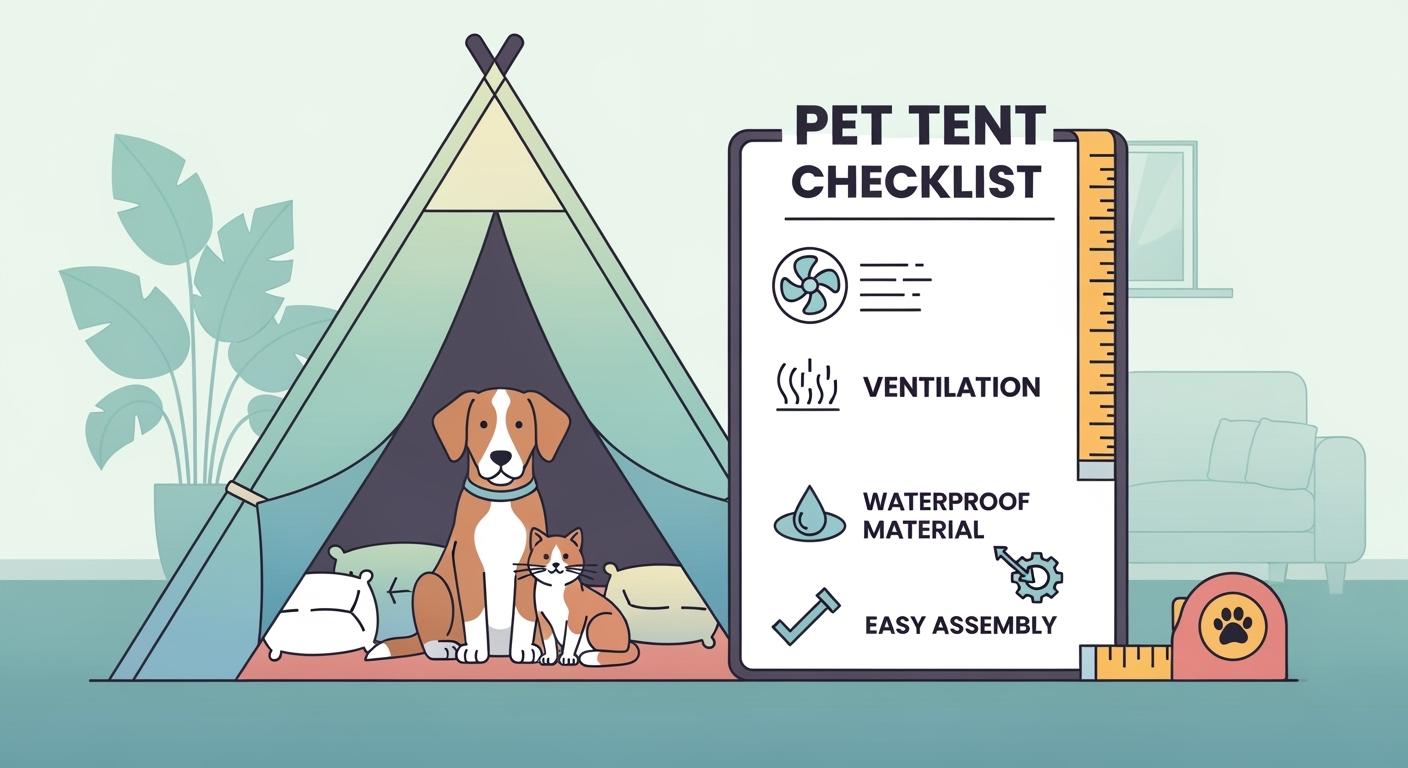
A pet tent can give your pet a portable place to rest, cool down in the shade, or settle during short outings. The right choice depends on fit, ventilation, floor design, stability, and where you plan to use it. This guide helps you compare common pet tent types, check usable space, and avoid setup mistakes that reduce comfort or safety.
Key Takeaways
Choose a pet tent that fits your pet’s size. Measure your pet and add 6-12 inches for comfort.
Look for tents with good ventilation and stability. Mesh panels help airflow, while strong stakes keep the tent secure.
Avoid common mistakes like picking a tent that is too small or lacks drainage. Use checklists to ensure you make the best choice.
Pet Tent Buyer’s Guide: Choosing Without Guesswork
What Is a Pet Tent?
A pet tent gives your animal a small, portable space. You can use it for rest or shade. It is good for short times. Pet tents are not escape-proof like crates or carriers. They do not replace watching your pet. They are not safe in bad weather. Pick a pet tent if you want something light and easy to move. It works well for travel, inside, or outside relaxing.
When to Use a Pet Tent vs Other Setups
Think about how you will use the tent before buying. If you need a strong, safe place for a long time, use a crate or carrier. For shade at the park or a comfy spot at home, a pet tent is a good choice. Always think about your pet’s habits and safety.
Tent Type | Best Use | Trade-offs | Key Points |
|---|---|---|---|
Indoor | Home rest, travel | Not weatherproof | Easy to set up, light, not strong |
Outdoor | Shade, picnics | Needs anchors, not for storms | Mesh lets air in, check water flow |
Travel Pop-Up | Quick trips, car camping | Not as strong, smaller space | Sets up fast, easy to carry |
Key Buying Factors: Fit, Stability, Ventilation, Cleanability
Pick a tent that fits your pet’s size and needs. Measure your pet and add 6-12 inches for comfort. A sewn-in floor keeps water out. Mesh panels let air move but do not cool the tent. Try setting up the tent by yourself to see if it is easy. Let your pet get used to the tent before using it for a long time.
Feature Area | Importance | Good Signs | Cautions |
|---|---|---|---|
Size & Fit | High | Pet can turn and lie down | Too small makes pets stressed |
Stability | High | Strong stakes, anchors | Light tents can tip in wind |
Ventilation | High | Lots of mesh, air flows | Tent does not cool below outside |
Cleanability | Medium | Floor can be washed | Wet floors can smell bad |
Tip: Always look for safety features. Never leave your pet alone in a tent.
This guide shows you how to choose a pet tent based on fit, safety, and real-world use. Focus on fit, safety, and features. Use this guide to make a smart and safe choice for your pet.
Pet Tent Types and Features for Real-World Use
Indoor, Outdoor Dog Tent, and Travel Pop-Up Styles
There are different kinds of pet tents. Each kind is good for certain uses. Indoor tents are best for relaxing at home. Outdoor dog tent choices are good for parks and picnics. Travel pop-up tents are helpful for short trips and car camping. Look at the table to see the main features and risks.
Camping Scenario | Setup Directions | Gear Combo | Risks | Pre-Setup Checks |
|---|---|---|---|---|
Car Camping | Park near, flat ground | Tent, mat, bowl | Hot days, cars | Shade, leash, rules |
Campground | Use marked spot, clear | Tent, blanket | Animals, loud sounds | Leash, airflow, drainage |
Backcountry Trail | Far away, natural area | Light tent | Bad weather, no water | Access, pet policy, ticks |
Ventilation, Shade, and Weather Handling
Outdoor dog tent designs use mesh panels. Mesh lets air move inside. Pets can see outside through mesh. Mesh does not make the tent cooler than outside. Put the tent in shade. Do not leave pets in hot places. Hard-shell carriers have less airflow but keep heat in better. Never leave tents or gear in a parked car.
Mesh panels help air move.
Open tents help pets feel calm.
Always check temperature and shade.
Floor Design and Easy Cleaning
Pick a tent with a floor you can wash. Wetness can build up under bedding. Choose materials that dry fast for dog camping gear. Clean and dry the tent after every use. This stops bad smells and makes the tent last longer.
Stability and Safety Details
Outdoor dog tents need strong stakes and anchors. Wind can tip light tents over. Look for strong stitching and inside tethers in dog camping gear. Emergency exits and reflective strips help keep pets safe. Waterproof coatings and sealed seams protect from rain.
Weather Condition | Features to Look For | Usage Tips |
|---|---|---|
Wind | Strong stakes, anchor points | Secure tent well, avoid open areas |
Rain/Snow | Waterproof coating, sealed seams | Raise tent, make sure water drains away |
Tip: Always check stability and safety before using any pet tent outside.
Fit and Sizing Checks for Pet Tents
Measuring for Usable Space
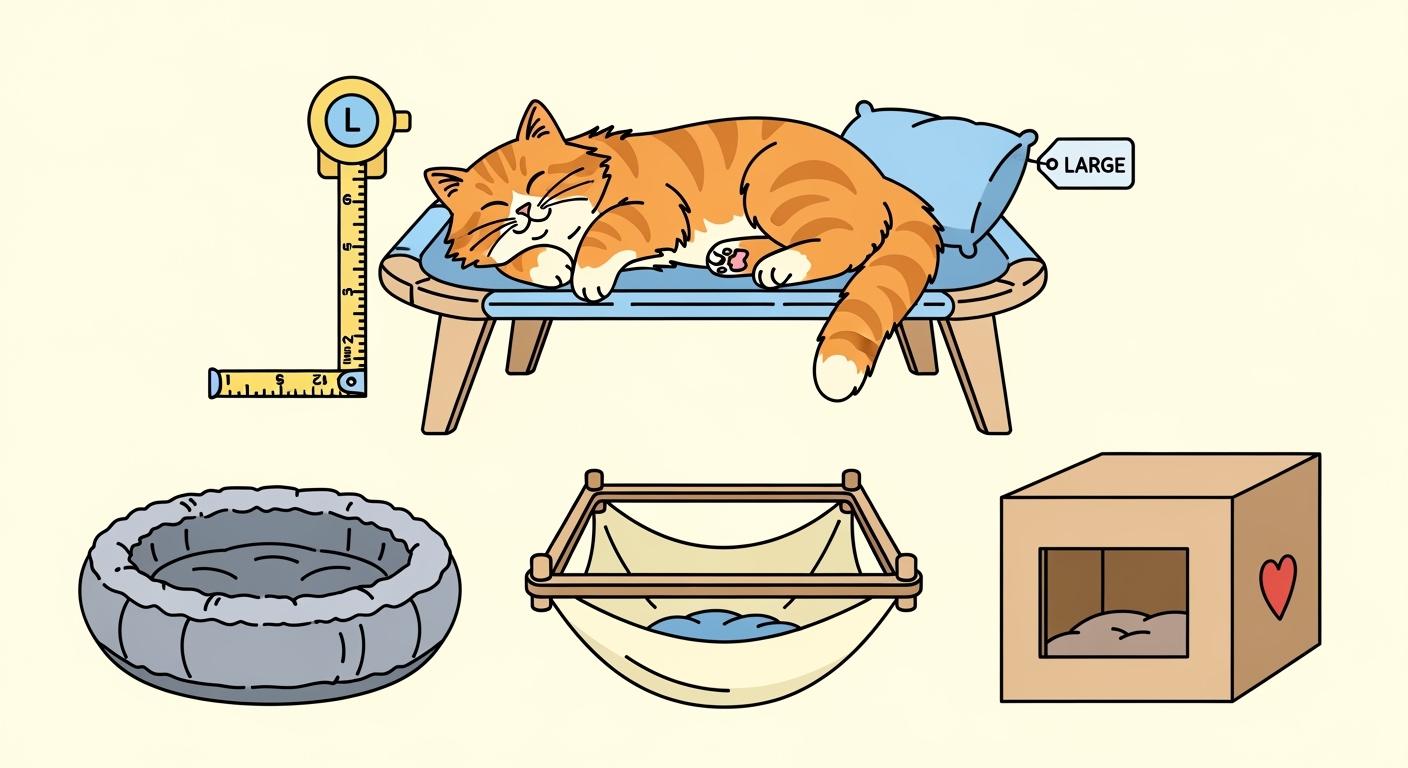
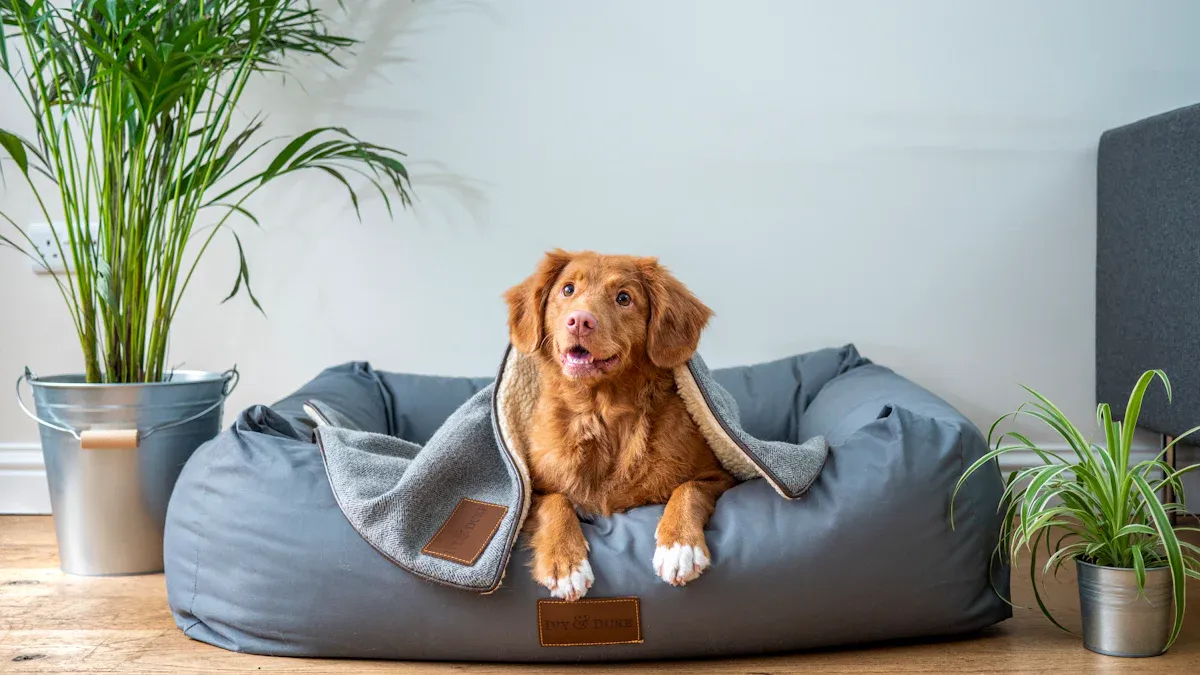
You need to start with your pet’s physical dimensions when you select a tent. Measure your pet’s standing height and turning radius. These numbers help you find the right size and interior space. The tent should allow your pet to turn around and lie down with ease. For most pets, the minimum internal floor area should be at least three times your pet’s length and two times their height. Large pets usually need noticeably more usable floor space, but the right size should still be based on your pet’s body length, standing height, turning room, and bedding setup rather than a fixed number alone. This approach ensures size compatibility and comfort for both cats and dogs.
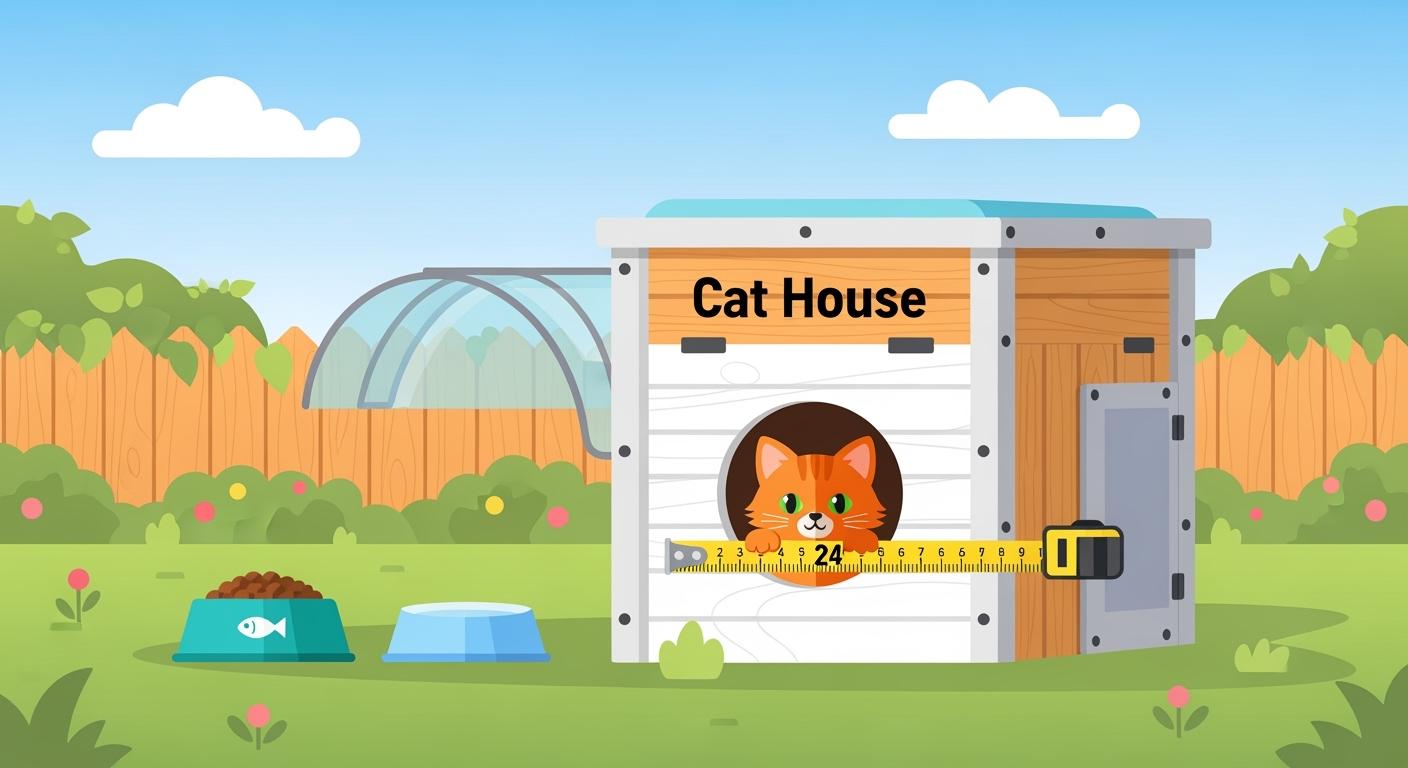
A cat tent house should give your cat enough room to stretch, curl up, and move without feeling cramped. If you want the best cat tent for your store or home, always check the key features and specifications for usable space, not just the outside measurements.
Entry and Movement: Cat Tent House and More
Entry design matters for daily use. You want a tent with an entry that matches your pet’s size and movement style. Awkward or small entries can reduce adoption rates and make pets avoid the tent. A cat tent house with a wide, low entry works well for most cats. Dogs often need a taller opening. Always check that your pet can enter and exit without stress.
Movement inside the tent is just as important as entry. Your pet should be able to stand, turn, and lie down in their natural posture. This ensures size compatibility and supports your pet’s well-being. If you notice your pet hesitating at the entrance or struggling to move, the tent may not fit well.
Placement: Floor Grip, Drainage, Wind
Where you place the tent affects safety and comfort. Choose a spot with good floor grip to prevent sliding. For outdoor use, pick higher ground to avoid pooling water. Good drainage keeps bedding dry and helps maintain water resistance. Wind can tip lighter tents, so look for stability features like anchor points or weighted corners. Always check the ground before setup to reduce risks.
Quick Test Before Long Use
Before you use the tent for a long period, run a quick test. Set up the tent in a quiet area. Let your pet explore the space without pressure. Create a safe spot inside, similar to a quiet room at home. Use positive reinforcement to reward calm behavior. Establish a routine for feeding and walking near the tent. This helps your pet adjust and reduces anxiety.
A short trial helps you spot problems with fit, entry, or placement. If your pet seems comfortable and relaxed, you can use the tent for longer periods. If not, adjust the setup or try a different model.
Sizing and Fit Checklist
Checkpoint | Pass Signs | Fail Signs | Solutions |
|---|---|---|---|
Interior Space | Pet can turn, stretch, and lie down easily | Pet looks cramped or avoids tent | Choose larger tent or adjust layout |
Entry Design | Pet enters/exits without hesitation | Pet struggles or hesitates at entry | Select tent with wider/lower entry |
Movement | Pet moves freely inside | Pet bumps into walls or seems anxious | Increase interior space |
Placement | Tent stays stable, bedding stays dry | Tent slides, water pools, wind tips tent | Improve grip, raise tent, anchor it |
Setup Speed | Tent sets up quickly and securely | Setup takes too long or feels unstable | Practice setup, check instructions |
Tip: Always focus on your pet’s comfort and safety. A well-fitted tent encourages use and reduces stress.
Common Mistakes and Decision Matrix for Pet Tent Buyers
Mistakes: Overheating, Wet Bedding, Low Use
You should try to avoid common mistakes when choosing a pet tent for camping, travel, or short outdoor rest. Many people forget about airflow, drainage, and cleaning. The table shows mistakes, why they happen, what goes wrong, and better choices.
Mistake | Cause | Impact | Better Choice |
|---|---|---|---|
Overheating | Poor ventilation, no shade | Pet stress, health risk | Choose mesh panels, place in shade |
Wet Bedding | No floor or drainage | Odor, discomfort | Select washable floor, elevate tent |
Low Use | Awkward entry, cramped space | Pet avoids tent | Check entry design, measure usable space |
Unstable Setup | No anchors, light materials | Tent tips, pet escapes | Use stakes, test stability |
Hard to Clean | Fixed or absorbent materials | Odor, short lifespan | Pick wipeable, fast-drying fabrics |
Note: Always check for good airflow and drainage before you suggest a tent for outdoor trips.
Matching Tent to Use: Home, Outdoor, Dog Friendly Car Camping
Pick the tent type based on how you plan to use it. For home, focus on comfort and easy cleaning. For outdoor trips, look for strong tents and weather protection. For dog friendly car camping, choose the easiest dog friendly car camping setup and try it before you travel. Follow these steps:
Decide if you need the tent for home, outside, or car trips.
Make sure your pet has enough space, safety, and comfort.
Pick tents with safe storage and weather-resistant materials.
Try the setup before long trips.
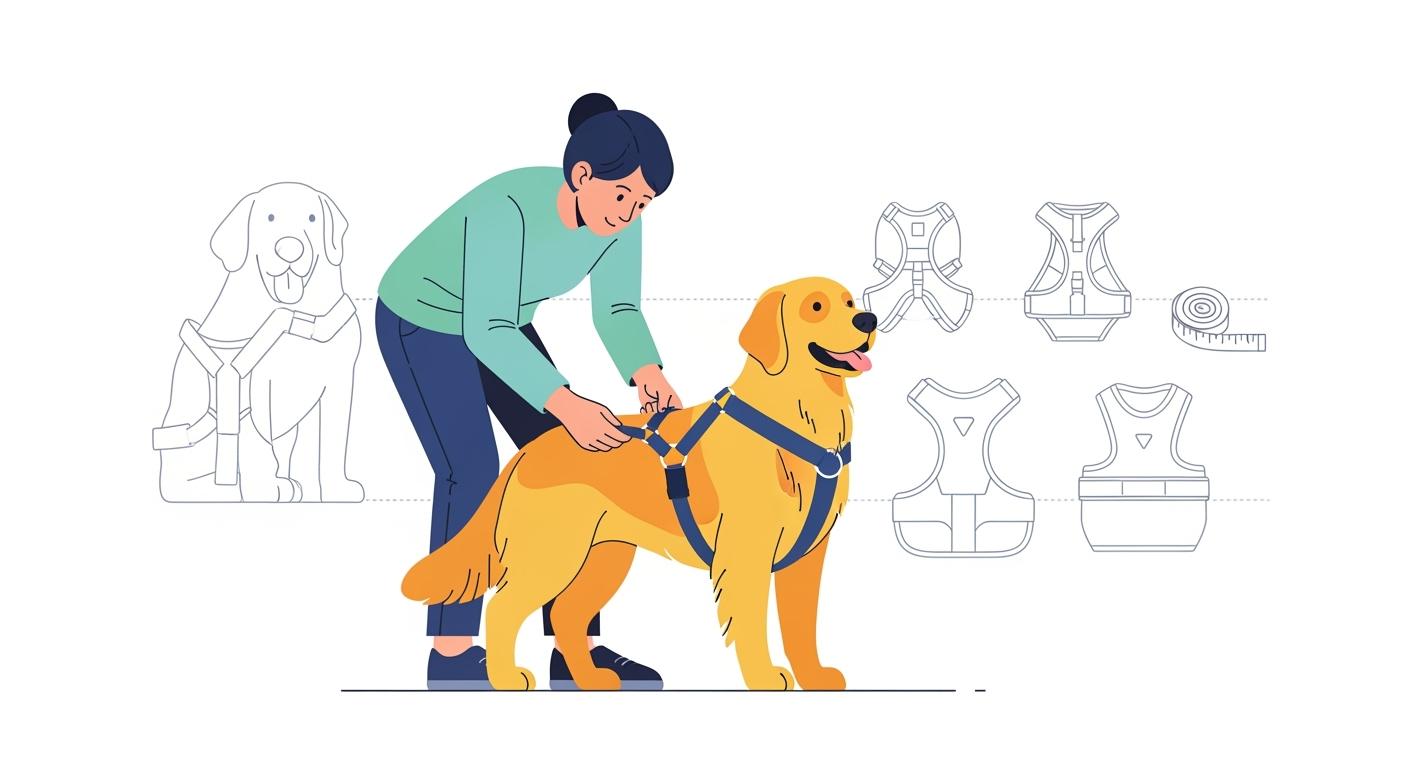
For car camping, use a dog car harness for camping sleep setups.
Decision Matrix by Pet and Environment
The matrix helps you pick the best dog camping gear or best dog show tent for each situation.
Scenario or Pet Profile | Priority Feature | Best Tent Direction | Decision Explanation |
|---|---|---|---|
Home Rest (Cat or Small Dog) | Comfort, easy cleaning | Soft indoor tent | Focus on washable floor, wide entry |
Outdoor Adventures (Active Dog) | Stability, airflow | Anchored outdoor tent | Mesh sides, strong stakes, elevated floor |
Dog Friendly Car Camping | Fast setup, safety | Pop-up tent, vehicle integration | Easiest dog friendly car camping setup to install, test with dog car harness for camping sleep setups |
Dog Show or Event | Shade, visibility | Large mesh dog show tent | Best dog show tent has roll-up panels, secure anchors |
Multi-Pet Family | Space, separation | Modular or divided tent | Allows pets to rest separately, easy to clean |
Choose your main trip or use type.
Write down your top three problems from past trips.
Make sure tent features fit your needs.
Test if the tent works before buying.
Do not pick gear just because it says pet-friendly.
FAQ: Cleaning, Ventilation, Weather Limits
How do you clean a dog camping tent?
Use wipeable, fast-drying materials. Take out bedding and wash after each use.What should you look for in ventilation?
Mesh walls on at least two sides. Roll-up panels or zippered windows help air move.Are pet tents weatherproof?
Most tents keep out water and sun. They do not work as storm shelters or in cold.Can you use a tent for all outdoor adventures?
Match the tent to the activity. Always check for stability, drainage, and comfort.What is the best dog camping gear for car camping?
Look for barriers, raised sleeping spots, and safe storage.
Tip: Never say a tent is escape-proof or safe in bad weather. Always watch your pet when using a tent.
You improve pet safety and comfort when you choose the right tent size and features. Many pets need enough space to turn, stretch, and rest.
Tents that are too small cause stress.
Proper entry and floor design support daily use.
Use checklists and measure your pet before buying. 🐾
FAQ
How do you ensure cat safety when using a pet tent?
You must check the tent for secure zippers and strong seams. Place the cat tent in a shaded area. Always supervise your cat for maximum safety.
What is the best way to clean a cat tent for safety and comfort?
Remove all bedding from the cat tent. Use mild soap and water. Dry the cat tent completely before letting your cat use it again. This keeps safety and comfort high.
How do you help a cat adjust to a new tent while focusing on safety?
Let your cat explore the cat tent at its own pace. Place familiar items inside. Watch your cat for signs of stress. Cat safety improves with patience and routine.