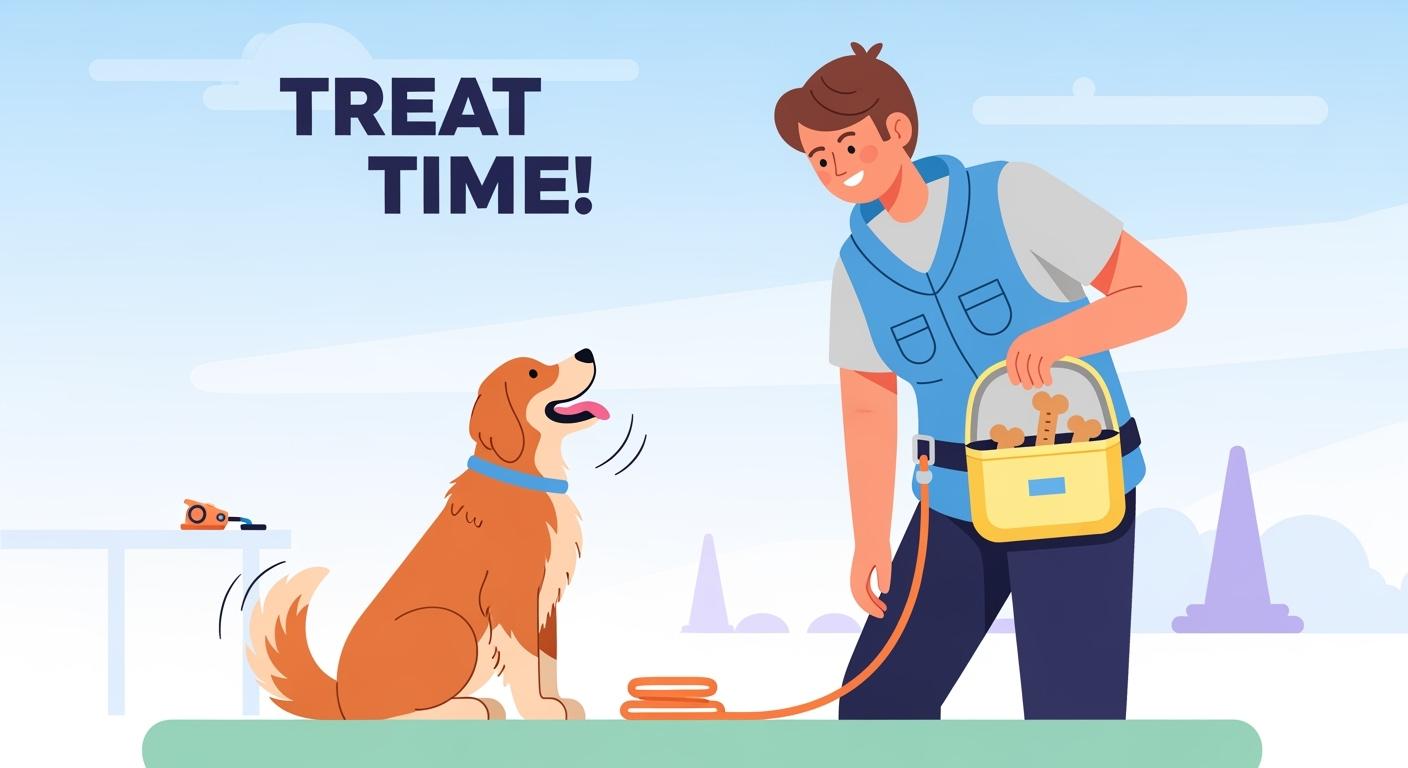
The best dog treat pouch for training lets you grab treats fast. It stops treats from spilling and feels comfortable to wear. You need to give rewards quickly so your dog learns well. Treat pouches help you give rewards faster. You still need to train your dog the same way each time. Think about how you train, what treats you use, and where you walk. Remember to keep the pouch clean and safe.
Key Finding | Description |
|---|---|
Immediate Feedback | Giving rewards fast helps your dog understand what it did. |
Predictable Schedule | Giving rewards at set times helps your dog learn better. |
Key Takeaways
Choose a dog treat pouch that allows quick access to treats. This helps you reward your dog immediately, improving their learning.
Look for features like spill control and comfort. A good pouch keeps treats secure and feels light, making training easier.
Clean your pouch regularly to maintain hygiene. A clean pouch keeps treats fresh and prevents odors, ensuring a healthy training environment.
Choosing a Dog Treat Pouch for Training
What Dog Treat Pouches Solve in Training
Dog treat pouches for training help you solve many problems during your sessions. You want to reward your dog quickly, usually within one second, so your dog understands what it did right. A pouch keeps your treats close and ready. You do not need to fumble in your pockets or bags. This makes your training smoother and more effective.
Here are the main problems a dog treat pouch for training can solve:
You get fast access to treats, which helps you reward your dog at the right moment.
You keep treats separate from your personal items, so you avoid mess and crumbs.
You reduce the chance of dropping treats on the ground.
You keep your hands free for holding the leash or giving signals.
You can carry enough treats for longer sessions without running out.
A dog treat pouch also helps you stay organized. You can focus on your dog instead of searching for treats.
Key Buying Factors: Access, Spill Control, Comfort, Cleaning
When you choose a dog treat pouch, you need to think about several key factors. These factors affect how well the pouch works for you and your dog.
Access: You want to grab treats quickly. The opening should be wide enough for your hand. The closure should open and close with one hand.
Spill Control: The pouch should keep treats inside, even if you bend or move fast. A good closure prevents spills.
Comfort: The pouch should feel light and stable. It should not bounce or dig into your side. Adjustable straps or clips help you find the best fit.
Cleaning: You need to clean the pouch often. Choose a pouch with a wipe-clean lining. Removable liners make cleaning easier.
Professional trainers look for these features:
High-quality materials for durability.
Reliable closures to stop spills.
Easy-to-clean designs for hygiene.
You should also think about hygiene and safe handling. Always wash your hands after handling treats. Do not store raw treats in your pouch unless you clean it very well. Keep treats separate from your phone, keys, or other items.
Here is a simple table to help you remember how often to clean pet items:
Item Type | Cleaning Frequency |
|---|---|
Pet bowls | After every use for wet food; daily for dry food and water |
Pet beds, blankets, habitats | Every week |
Pet toys | Every month |
Items that touch waste | As often as you would disinfect your toilet |
Sick pet items | Clean and disinfect more often while sick |
Items without cleaning instructions | Use soapy water and disinfect with bleach or disinfectant wipes/spray |
You should clean your dog treat pouch at least once a week. Clean it more often if you use oily treats or if the pouch gets wet.
Quick Guide for First-Time Buyers
If you are buying a dog treat pouch for the first time, use this quick guide:
Decide where you will use the pouch. For walks, choose one that gives you fast, one-hand access and good spill control.
Check the closure. Magnetic or drawstring closures are easy to use. Make sure you can open and close it with one hand.
Look for a comfortable fit. Try different carry styles, like waist belts or clips. The pouch should not swing or bounce.
Choose a pouch with a wipe-clean or removable liner. This makes cleaning simple and keeps treats fresh.
Think about the treats you use. Small, soft treats work best for quick rewards. Use low-calorie treats for long sessions.
Test the pouch at home before using it outside. Practice grabbing treats and closing the pouch quickly.
A dog treat pouch helps you deliver rewards fast and keeps your training organized. You can focus on your dog and enjoy your sessions more. Remember to clean your pouch often and keep treats fresh. This keeps your dog healthy and your training on track.
Dog Treat Pouches Types and Closures for Training
Picking the right dog treat pouch for training means you need to know how carry style, closure, pocket layout, and materials change how you use it every day. You want a pouch that fits your training place, keeps treats safe, and is simple to clean. This part helps you look at the main types and features so you can pick the best one for your work or home.
Carry Styles: Belt Clip, Waist Belt, Crossbody
You can wear a dog treat pouch in different ways. Each way has its own good points for comfort, staying in place, and getting treats fast.
Belt Clip: You clip the pouch to your belt or pants. This way lets you grab treats quickly and is good for short training times. It might move around if you walk or run a lot.
Waist Belt: The pouch has its own belt you can change to fit you. This way keeps the pouch close and steady on your body. You can make it tighter or looser for long training.
Crossbody: You wear the pouch across your chest or back. This spreads out the weight and keeps your hands free. It is helpful if you carry more things or need to move fast.
Tip: Try each carry style with your normal clothes. See which one feels safest and most comfy when you train your dog.
Closures Compared: Magnetic, Drawstring, Roll-Top, Zipper, Open-Top
The closure type decides how fast you can get treats and how well the pouch stops spills. You need to think about both speed and safety for your training.
Closure Type | Best Use | Pros / Cons | Checklist |
|---|---|---|---|
Magnetic | Fast-paced training, frequent rewards | + Quick one-hand access | ✅ Easy open/close |
Drawstring | Walks, outdoor sessions | + Adjustable opening | ✅ Practice one-hand use |
Zipper | Travel, storage | + Secure | ✅ Smooth zipper |
Roll-Top | Wet weather, hiking | + Water-resistant | ✅ Seal fully |
Open-Top | Controlled settings, indoor use | + Fastest access | ✅ Use only when upright |
Magnetic and open-top closures let you get treats super fast but can spill if you bend or move quickly. Zippers and roll-tops keep treats inside but are slower to open. Drawstrings are in the middle for speed and safety.
Pocket Layout: Treat Zone vs Tools Zone
A good dog treat pouch keeps treats away from other stuff. This keeps treats fresh and stops germs from spreading.
Treat Zone: The main pocket is for your treats. Look for a big opening and smooth inside so you can grab treats easily.
Tools Zone: Extra pockets hold things like clickers, waste bags, or keys. These should not touch the treat area to keep everything clean.
Note: Pick a pouch with enough room for treats and tools, but not so big that it gets heavy or hard to use.
Materials and Cleaning: Lining, Seams, Odor Control
Good materials help your pouch last longer and stay clean. You want a pouch that does not smell bad, is easy to wash, and can be used every day.
Maintenance Tip | Description |
|---|---|
Regular Cleaning | Keeps treats fresh and stops germs, especially with wet or raw treats. |
Machine-washable or wipe-clean interiors | Makes cleaning simple. |
Removable liners | Help you clean better and make the bag last longer. |
Antimicrobial coatings | Stop smells and mold. |
Smooth, non-porous surfaces | Stop crumbs and sticky stuff from building up. |
Maintenance note | Cleaning often stops germs and keeps the bag looking nice. |
You should wash your dog treat pouch at least once a week. Clean it more if you use wet or oily treats, or if it gets wet. Change out treats so crumbs and sticky mess do not build up. Pick a pouch with a wipe-clean or removable liner for the best results.
Functional Area | Importance | Good Performance | Notes |
|---|---|---|---|
Lining | High | Smooth, non-porous, wipe-clean | Stops smells and sticky mess |
Reinforced Seams | High | Double-stitched, sealed edges | Stops leaks and makes pouch last longer |
Opening Structure | High | Holds shape, easy to open | Helps you get treats fast |
Clip/Belt Strength | High | Strong, does not slip | Keeps pouch steady when you move |
Pocket Capacity | Medium | Holds enough treats and tools | Do not overfill or make it too heavy |
Easy-Clean Design | High | Removable liner, machine-wash | Makes cleaning easy |
Waterproofing | Medium | Water-resistant materials | Good for wet days or moist treats |
Odor Control | High | Antimicrobial, easy to air out | Cuts down on bad smells |
Safety Note: Always keep treats away from your other things. Wash your hands after you touch treats. Do not use raw treats unless you can clean the pouch really well.
Fit, Carry, and Usability Checks for Dog Training Treats
Where to Wear: Reward-Hand Access and Leash Control
You need to place your dog treat pouch where your reward hand can reach it fast. Most handlers wear the pouch on their dominant side. This helps you grab training treats quickly and keeps your leash hand free. If you walk in busy areas, check that the pouch does not block your leash or snag on clothing.
Tip: Try different positions at home. See which spot gives you the best access and keeps your leash control strong.
One-Hand Test: Open, Grab, Close
Ease of use matters for every training tool. Test your dog treat pouch by opening, grabbing, and closing it with one hand. You should not fumble or drop treats. Practice this test while standing, bending, and walking. If you struggle, adjust the pouch or try another closure style.
Fit and Safety Checklist for Walks
Use this checklist to check if your dog treat pouch fits your needs:
Checkpoint | Pass | Fail | Improvement Measures |
|---|---|---|---|
Smooth one-hand operation | Adjust closure or try new style | ||
Quick treat access | Widen opening or reposition pouch | ||
Spill prevention during bending/jogging | Secure closure or change carry style | ||
Pouch stability | Tighten belt or switch to waist belt | ||
Leash compatibility | Move pouch or adjust leash position | ||
Protection of treats from other items | Use separate pockets or liners |
Test Protocol Before Daily Use
Before you use your dog treat pouch for training every day, run a simple test. Fill the pouch with your usual training treats. Wear it during a short walk. Check for spills, comfort, and ease of use. Clean the pouch after the test. If you notice problems, use the checklist to improve fit or function. This process helps you choose an effective training aid and keeps your sessions safe and organized.
Common Mistakes and Decision Matrix for Dog Training Treats
Mistakes: Spills, Fumbling, Distraction, Messy Carry
Many handlers make mistakes with treat pouches. You can stop these mistakes by checking your setup and cleaning often. Here is a table that shows common errors and better choices:
Error | Occurrence | Cause | Better Choice |
|---|---|---|---|
Open-top use during vigorous walks | High | Fast movement, weak closure | Choose spill-proof closure |
Overfilling | Medium | Too many treats, heavy pouch | Limit treat amount, check fit |
Mixing greasy treats with odor-absorbing fabrics | Medium | Treat residue, porous lining | Use wipe-clean liner, rotate treats |
Storing keys/phones with treats | High | Shared pocket, contamination | Separate pockets for tools and treats |
Choosing distracting pouches | Low | Bright colors, noisy closures | Pick neutral, quiet designs |
Neglecting cleaning | High | Busy schedule, forgetfulness | Set weekly cleaning reminder |
Tip: Practice every day. Gear helps you reward fast, but training often is most important.
Matching Dog Training Treats to Use Cases
You need to pick treats that match your training goals. For agility, obedience, or walking, use treats with these features:
Characteristic | Description |
|---|---|
Size | Small treats (about 10 mm) let you reward often and keep training quick. |
Calorie Content | Low-calorie treats (around 3 calories) help your dog stay healthy during long sessions. |
Digestibility | Easy-to-digest treats stop stomach problems, especially for sensitive dogs. |
Motivational Appeal | Tasty treats keep your dog interested and excited to train. |
Decision Matrix: Handler Needs and Dog Behavior
Use this matrix to help you pick the best treat pouch for your needs:
Scenario | Priority Feature | Best Pouch Direction | Decision Explanation |
|---|---|---|---|
New dog walkers | Spill control | Drawstring or magnetic | Stops drops when you move |
Busy sidewalks | Quick access | Magnetic or open-top | Lets you reward fast in busy places |
Wet/muddy outings | Easy cleaning | Waterproof, wipe-clean | Handles water and dirt easily |
Excitable dogs | Stability | Waist belt, secure closure | Keeps pouch steady and safe |
Buyers prioritizing easy cleaning/low returns | Hygiene | Removable liner, machine-washable | Makes cleaning simple |
Buyers prioritizing quick access/low error | Speed | Magnetic, wide opening | Helps you reward without delay |
Note: If your dog acts very reactive or has behavior problems, ask a vet or trainer for help.
FAQ: Cleaning, Treat Crumbs, Odor, Wet Weather, Comfort
Q: How do I clean my pouch to remove crumbs and odor?
Take out all treats. Brush out crumbs. Vacuum corners. Treat stains. Wash with pet-safe cleaner. Disinfect, rinse, and let it air-dry.
Q: What closure works best for wet weather?
Pick roll-top or waterproof pouches. They seal tight and work well when wet.
Q: How can I keep my pouch comfortable during long sessions?
Choose adjustable waist belts and light materials. Try the fit before you use it every day.
Q: How do I prevent treat odors?
Change treats often. Clean your pouch every week. Use antimicrobial liners.
Q: What is the best way to test a pouch before regular use?
Fill the pouch with treats. Wear it on a short walk. Check for spills and comfort. Clean it after the test.
You want the best dog treat pouch for training that gives fast access, strong spill control, and comfort. Choose a pouch that matches your training style. Use checklists and the decision matrix before buying.
Always test treats in small amounts and watch your dog for a few days.
Clean your pouch weekly and store treats safely.
FAQ
How do you choose the best closure for your training pouch?
You should test magnetic, drawstring, and zipper closures. Pick the one that lets you grab treats fast and keeps them secure during movement.
What is the easiest way to clean your treat pouch?
Remove all treats. Wipe the inside with a damp cloth. Use pet-safe cleaner. Air-dry the pouch before refilling.
Tip: Clean your pouch weekly to prevent odors and sticky buildup.
How can you keep your pouch comfortable during long walks?
Select a pouch with an adjustable waist belt. Try different positions. Make sure the pouch stays stable and does not bounce.