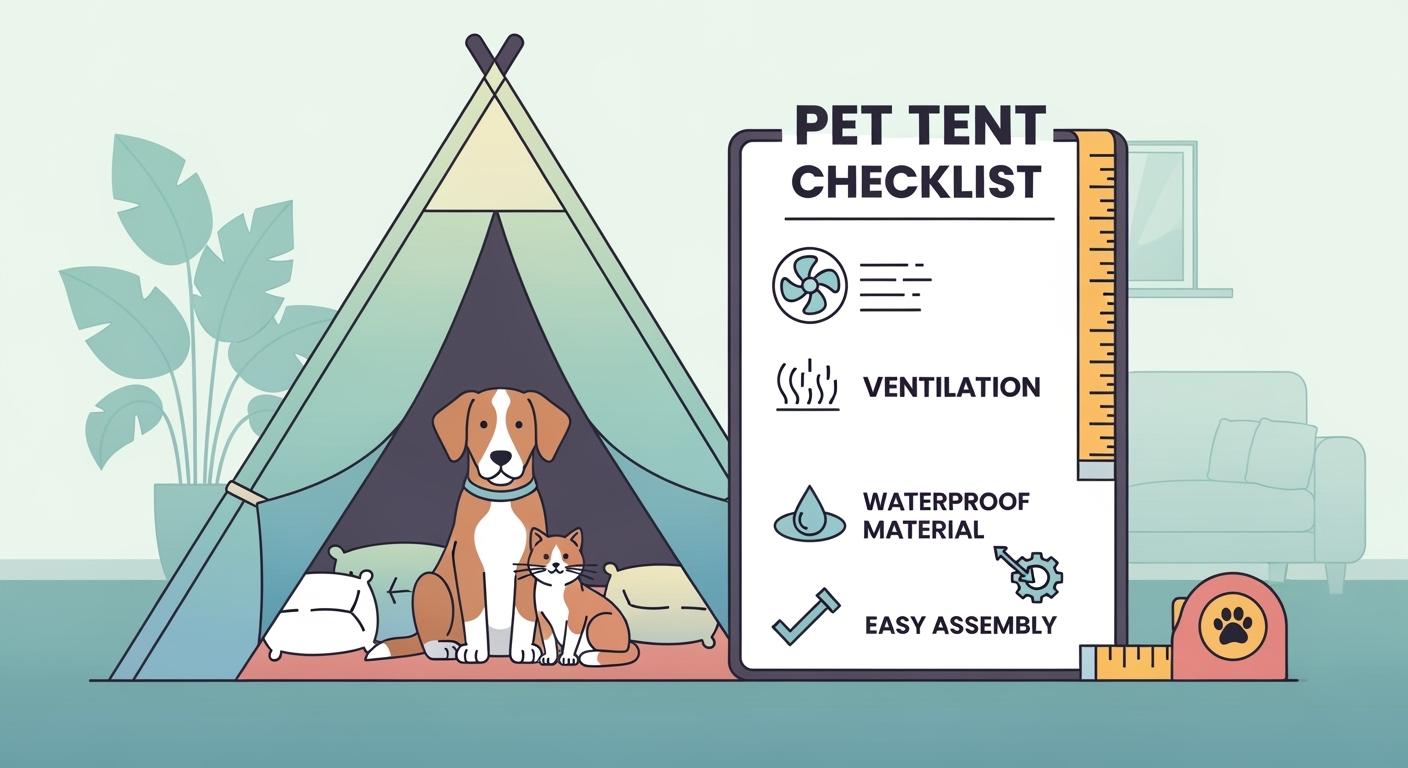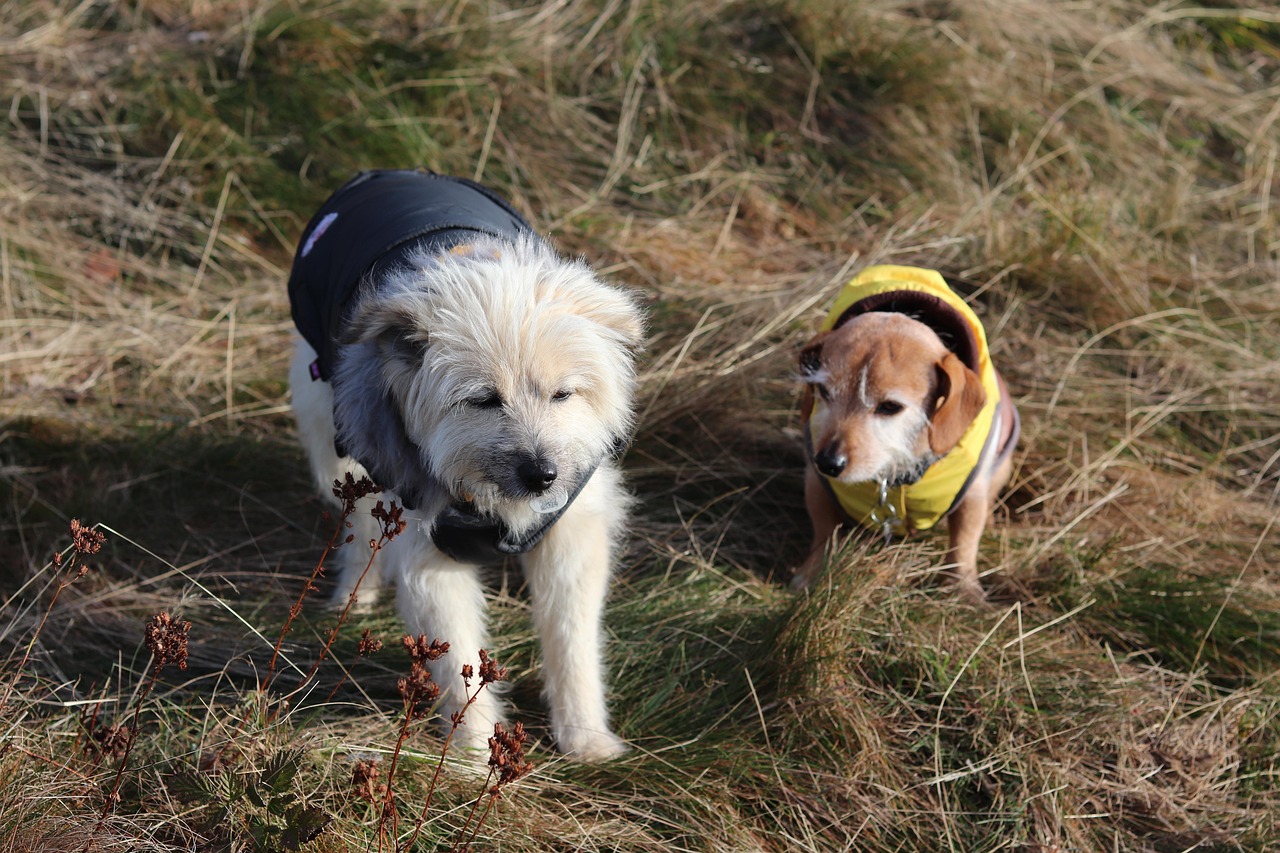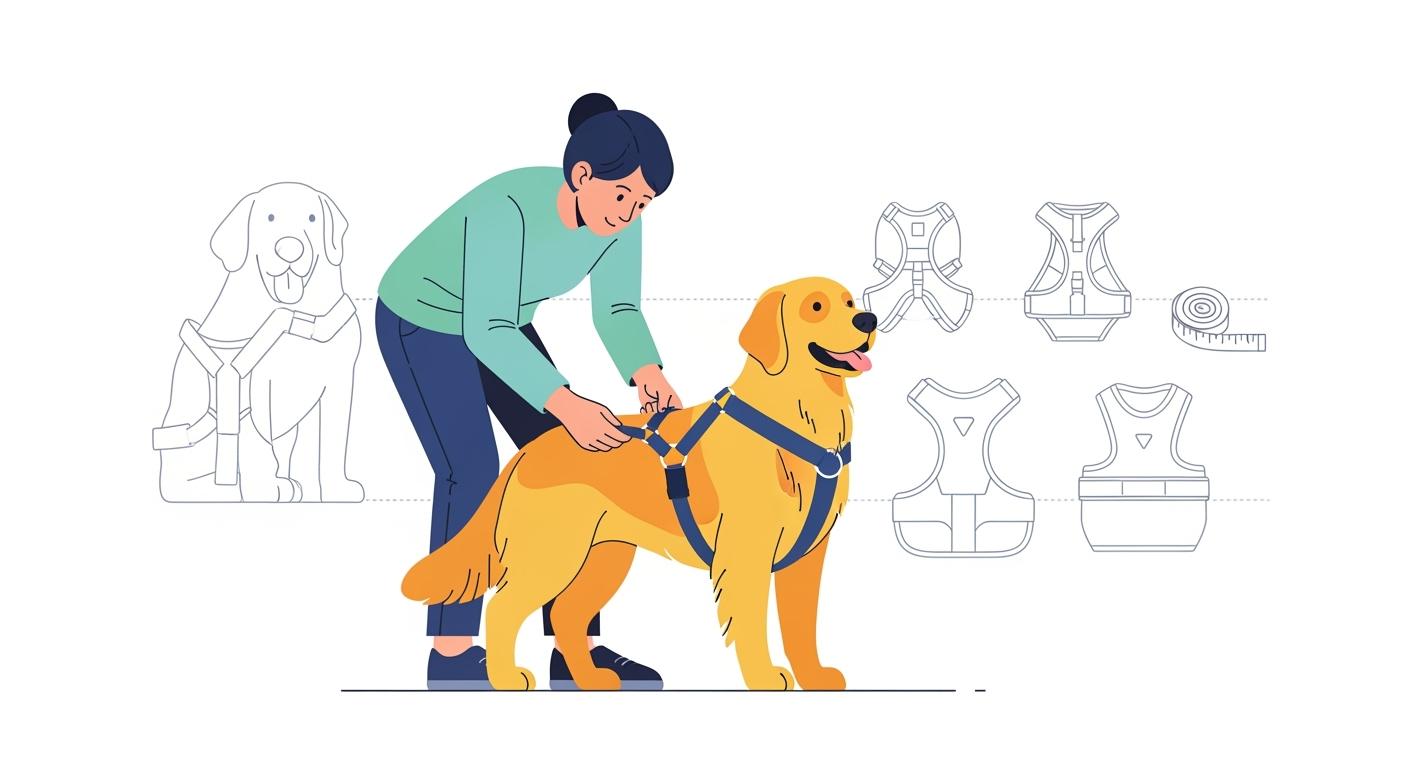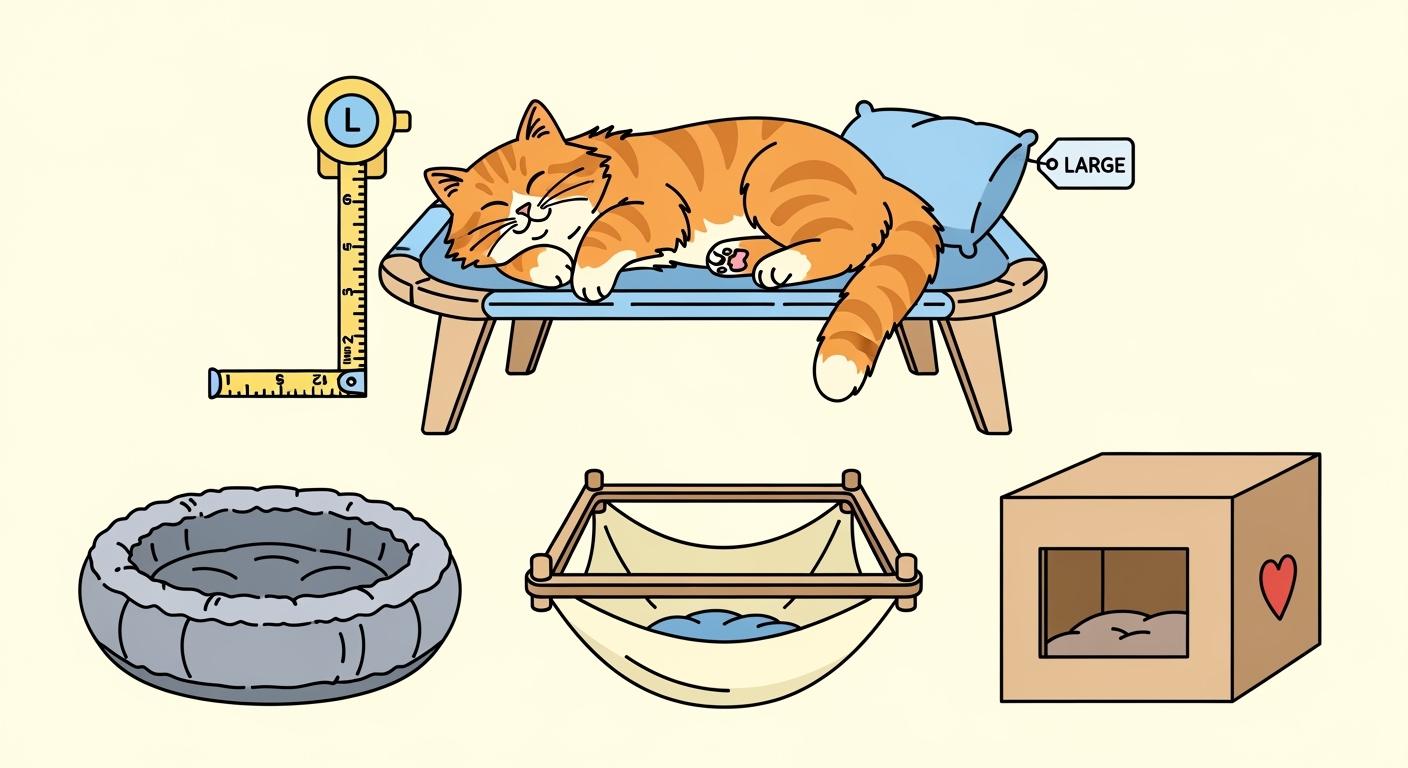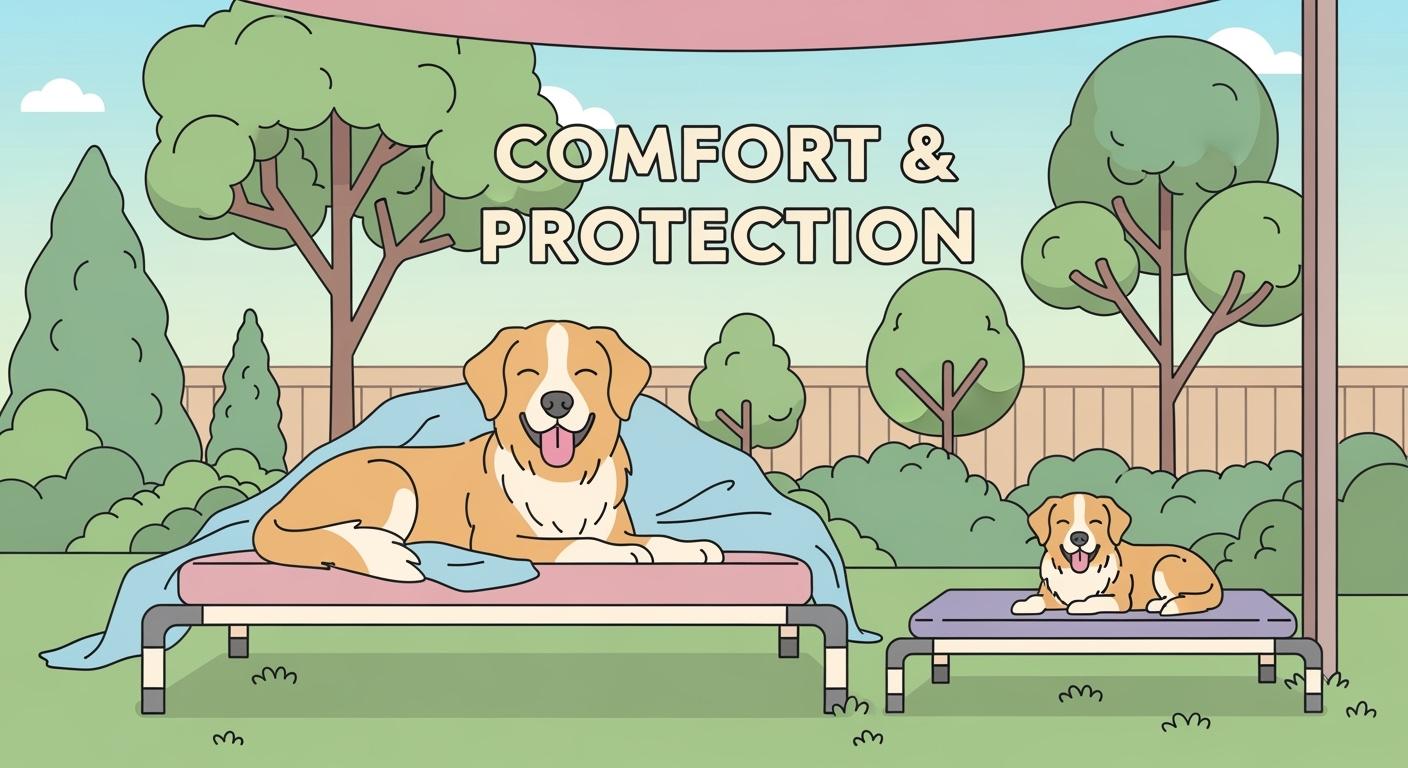
Picture a dog resting outside in the shade. The dog is enjoying a strong and comfy place to lie down. When you look for an outdoor dog bed, think about type, size, material, and where to put it. Veterinary studies say the right dog bed size helps older and big dogs avoid feeling stiff. It also gives better support and helps them move better. This buying guide talks about fit, support, and features for all weather.
Key Takeaways
Pick the right size bed for your dog. This helps your dog feel comfortable and supported. Measure your dog while they sleep in their favorite way. Add a few more inches to make sure the bed fits well.
Find outdoor dog beds that have good support. This is very important for older dogs. Orthopedic beds can help your dog’s joints and movement.
Choose weather-ready features like materials that let air pass through. Raised beds also help keep your dog cool and dry. Good airflow stops your dog from getting too hot or uncomfortable.
Outdoor Dog Bed Buying Guide: Key Factors and Expectations
What Is an Outdoor Dog Bed and Why Choose One
You need a bed that can handle being outside. An outdoor dog bed gives your dog a cool spot to rest. It is easy to clean and move around. These beds stay steady on rough ground and do not soak up water. You can use them in your yard, on the patio, or when you travel. Outdoor beds are not like indoor beds. They focus on keeping your dog cool, easy cleaning, moving the bed, and staying steady. You want a bed that helps your dog feel good and stay comfy outside.
When you pick an outdoor dog bed, think about:
Size
Support
Washability
Durability
Sleeping style
Location
Temperature
Age
Weather like heat and wetness matters when you choose. Beds that dry fast and sit up high help with wetness and air flow. Mesh cots are good for hot and wet days. Hybrid cots give more support for older dogs. Pick a bed that matches how your dog likes to rest and is simple to clean.
When Outdoor Beds Outperform Indoor Beds Outside
Outdoor dog beds work better than indoor beds in many cases. You need a bed that keeps your dog cool when it is humid. Raised cots let air move and keep dogs cool. These beds stop heat loss and keep dogs off cold or wet ground. Dogs lose heat faster than people on bare ground. Using a foam pad or raised cot stops stiffness and helps joints get better. This is important for your dog’s health, especially when it is cold.
Use outdoor dog beds when:
You need air flow to keep your dog cool in humid weather.
You want to keep your dog off cold or wet ground.
You want to stop stiffness and help your dog’s joints.
Core Buying Factors: Sizing, Support, and Weather-Ready Features
You should look at three main things when picking an outdoor dog bed: right size, support, and weather-ready features. These things change how long the bed lasts, how comfy it is, and your dog’s health.
Buying Factor | Effect on Durability | Effect on Comfort |
|---|---|---|
Durability | Makes sure the bed lasts a long time | Helps your dog stay comfy for longer |
Ease of Cleaning | Keeps the bed clean for outside use | Makes sure the bed feels nice and fresh |
Ability to Withstand Elements | Stops weather from hurting the bed | Keeps your dog comfy in all weather |
Pick a bed that matches how your dog likes to sleep. Dogs who stretch out need more space. Dogs who curl up need less room. Older dogs need a bed that is easy to get on and does not slip. Check the bed’s height, how tight the top is, and how much support it gives. The right size keeps your dog from feeling crowded or wobbly.
Here is a table to help you pick the best outdoor dog bed type:
Type | Best Use | Pros | Cons | Key Checkpoints |
|---|---|---|---|---|
Elevated Cot | Humid, hot, wet areas | Stays cool, lets air flow | May not be soft enough | Strong frame, tough mesh |
Ground Mat | Dry, mild climates | Light, easy to carry | Not much warmth | Good grip, dries fast |
Padded Lounger | Comfort, older dogs | Extra support, soft top | Dries slow, heavier | Cover comes off, has padding |
Portable Folding Bed | Travel, camping | Easy to pack, small | May not be steady | Folds well, strong frame |
Easy-Clean Outdoor Bed | Muddy, shedding dogs | Cleans fast, dries quick | Not very thick | Wipes clean, drains well |
You should also look at what the bed is made of and how it works:
Functional Area | Importance | Advantages | Considerations |
|---|---|---|---|
Sleep Surface | High | Comfy, lets air through | Easy to clean, dries fast |
Frame | High | Stays steady, lasts long | Does not rust, is strong |
Drainage | Medium | Handles water well | Stops puddles, dries fast |
Anti-slip | Medium | Safe, does not slide | Works on rough ground |
Seams | Medium | Stops rips | Has strong stitching |
Removable Covers | High | Easy to wash | Fits well, stays on |
Portability | Medium | Good for travel, easy to store | Not too heavy, folds up |
Drying Speed | High | Stays clean, easy to care for | Depends on material |
You want a good outdoor dog bed that fits your dog’s needs and helps them stay healthy. Orthopedic outdoor dog beds help older dogs’ joints. Pick features that fit your weather and how you clean. The right bed makes your dog more comfy and lasts longer outside.
Best Outdoor Dog Bed Types and Features Compared
Elevated vs Ground-Level vs Padded Outdoor Dog Beds
There are different outdoor dog beds to pick from. Elevated cot beds lift your dog off the ground. These beds help air move and keep dogs cool. Ground-level beds are flat and work best in dry places. Padded loungers are soft and give more support. They are good for older dogs or dogs with sore joints. Each bed type works best in certain outdoor spots.
Here is a quick comparison:
Dog Bed Type | Comfort Features | Durability Features |
|---|---|---|
Elevated | Keeps dogs cool, stops cold floor contact | Easy to clean, stays cleaner outside |
Ground-level | Flat spot for sleeping | Lasts longer if made with strong materials |
Padded | Helps joints, gives extra comfort | Depends on padding and cover quality |
Tip: Pick the outdoor dog bed that fits your dog’s health, the weather, and how you will use it.
Cooling, Drainage, and Airflow for Outdoor Comfort
Outdoor comfort needs good airflow, drainage, and cooling. Elevated beds let air move under your dog. This helps stop overheating. Mesh tops dry fast after rain or washing. Padded beds with covers that breathe can help with heat. But they may take longer to dry. Good drainage stops puddles and keeps the bed dry. Always put the bed in the shade to keep your dog safe.
Materials, Durability, and Easy Cleaning
The material of the bed matters for how long it lasts and how easy it is to clean. Pick tough, waterproof fabrics like ripstop nylon or oxford fabric. These do not tear easily and last longer outside. Water-resistant covers and layers you can wash in a machine make cleaning simple. Removable covers with zippers are easy to take off and wash. Strong stitching makes the bed last longer. Fabrics that let air pass and pull away moisture help your dog stay comfy and healthy.
Material/Feature | Impact on Durability and Cleaning |
|---|---|
Cooling gel memory foam | Keeps bed cool, needs careful cleaning |
Breathable, moisture-wicking covers | Lets air in, dries fast, easy to clean |
Elevated cots | Air moves well, strong for outdoor use |
Water-resistant materials | Good for inside or outside, wipes clean |
Fully removable covers with zippers | Easy to wash and keep clean |
Machine-washable + dryer-safe layers | Makes cleaning up messes simple |
Tear-resistant or ballistic nylon fabrics | Stops damage from chewing or digging |
Heavy-duty stitching | Makes the bed stronger for outdoor use |
Stability, Grip, and Portability in Daily Use
A steady dog bed keeps your dog safe and happy. Non-slip bottoms stop the bed from sliding on decks or patios. Anchor straps help hold the bed in place when you travel or on windy days. If you move the bed a lot, portability is important. Beds that fold and have carry bags are easy to take with you. Always make sure the bed does not tip or slide on bumpy ground.
Feature | Description |
|---|---|
Material Durability | Choose ripstop nylon, polyester, or oxford fabric for longer use. |
Water & Stain Resistance | Needed for muddy paws or spills; PU or TPU coatings help. |
Non-Slip Bottom | Rubber or gripper bottoms stop sliding, even in cars. |
Portability | Foldable beds or carry bags make moving the bed easy. |
Anchor System | Straps that wrap around seats or headrests keep the bed steady. |
Sizing and Fit Checklist Table
Use this checklist to make sure the dog bed fits well:
Checkpoint | Pass/Fail | Improvement Measures |
|---|---|---|
Natural sleeping posture | Pick size for how your dog sleeps | |
Supportiveness | Get orthopedic beds for joint care | |
Ease of entry | Lower beds are better for big or old dogs | |
Stability on outdoor ground | Choose beds with non-slip or anchor features | |
Airflow | Pick mesh or raised beds for cooling | |
Suitability for use | Match the bed to the weather and cleaning |
Note: Check your dog’s comfort and health often to make sure the bed still works for them.
Correct Dog Bed Size and Fit: Sizing and Placement Guide
Sizing the Bed to Your Dog’s Resting Style
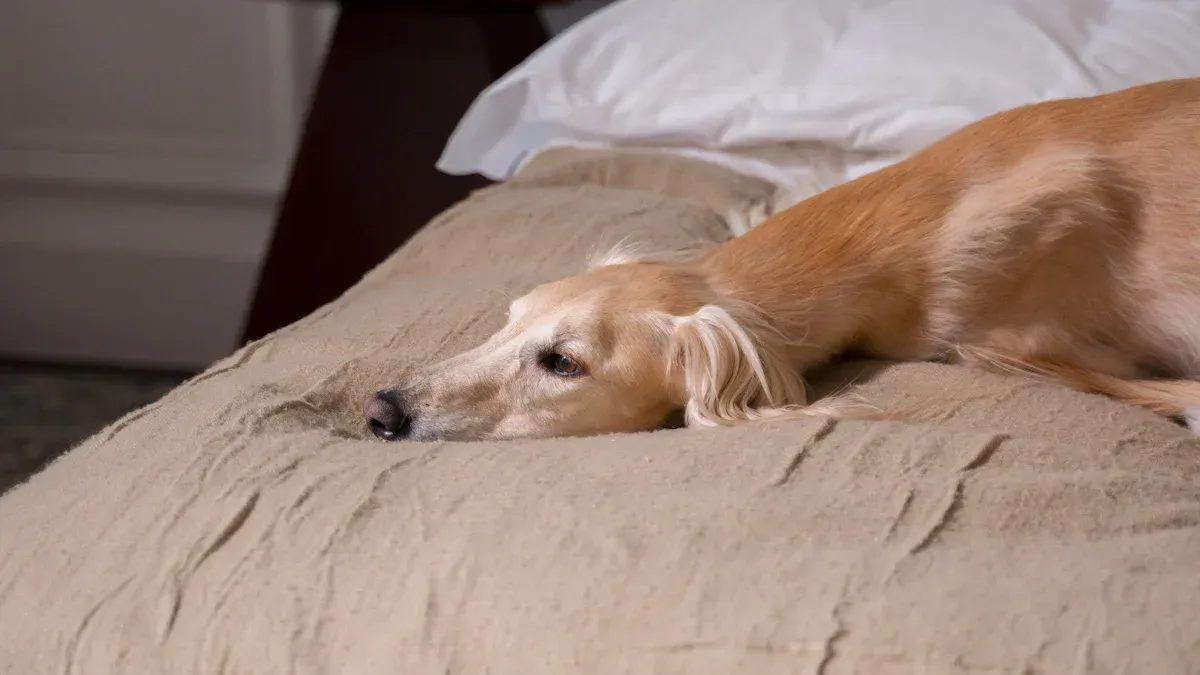
You need to start with your dog’s natural resting posture. Dogs stretch out or curl up when they sleep. This affects the correct dog bed size. If your dog likes to stretch out, you need a longer bed. Curl-up sleepers need a wider bed with supportive edges. The materials and features, such as elevation for airflow and drainage, help match how your dog rests outdoors. You want to observe your dog during a typical nap. Measure from the tip of the nose to the base of the tail for length. Measure across the shoulders or the widest point for width. Add 6 to 12 inches to both measurements for comfort. Use these totals to find the minimum usable sleep surface for the dog bed.
Tip: Always measure your dog in their favorite sleeping position. This ensures the best dog bed fit and supports your dog’s health.
Fit Checks for Stretch-Out, Curl-Up, and Large Dogs
You need to check the fit for different sleeping styles and sizes. Stretch-out dogs need more surface area. Curl-up dogs benefit from beds with raised edges. Large dogs require structured, durable walls for head and neck support. Beds with deep and plush surfaces allow dogs to sink in for comfort. Soft, fur-like interiors provide a cozy nesting experience. Raised circular shapes create a sense of security for curl-up sleepers. Some beds use coatings that reflect body heat to promote circulation and relaxation.
Feature | Description |
|---|---|
Deep and plush | Allows dogs to sink in for comfort. |
Soft, fur-like interior | Provides a cozy nesting experience for curling up. |
Structured, durable walls | Offers head and neck support, ideal for large dogs. |
Available Sizes | Small: 23″ wide x 12″ deep, Medium: 30″ wide x 13″ deep, Large: 36″ wide x 15″ deep. |
Raised circular shape | Creates a sense of security for dogs that like to curl up. |
Proprietary bio-mineral coating | Reflects body heat to promote circulation and relaxation. |
Note: Orthopedic outdoor dog beds help older dogs with joint support. You should check for memory foam or extra padding if your dog needs more comfort.
Entry Height, Surface Tension, and Support
Entry height matters for older dogs and large breeds. Lower beds make it easier for dogs to step on and off. Stable footing prevents slips and supports your dog’s health. Surface tension should not sag. Your dog should not feel crowded or unstable. You want a bed that stays firm and keeps your dog comfortable. Orthopedic support helps dogs with mobility changes. Beds with memory foam or firm padding improve comfort and health.
Alert: Always check the bed for stability and support. This reduces the risk of injury and improves your dog’s quality of life.
Placement: Shade, Dry Ground, and Safe Access
You need to place the outdoor dog bed in a safe spot. Choose a shaded area to protect your dog from direct sunlight. Position the bed on dry ground to avoid moisture and cold. Avoid placing the bed on bare soil or gravel. Make sure your dog can access the bed easily. This prevents slips and keeps your dog safe.
Place the bed in a shaded area to protect from direct sunlight.
Position the bed on dry ground to avoid moisture and cold from the earth.
Provide safe access by avoiding placement on bare soil or gravel.
Tip: Quiet, cozy spots help your dog relax and improve their health.
Fit and Sizing Checklist Table
Use this checklist to ensure proper fit and placement for your outdoor dog bed:
Checklist Item | Action Needed |
|---|---|
Measure your dog curled up and stretched out | Use both positions for accurate size selection |
Check for orthopedic support and memory foam | Choose extra support for older dogs |
Pick strong materials and seams | Improve durability and quality |
Look for a cover you can wash and remove | Ensure washability and easy cleaning |
Make sure the bed fits your space and does not slip | Prevent accidents and improve comfort |
Put the bed in a quiet, cozy spot | Enhance relaxation and health |
Take seniors to the vet often to check support needs | Monitor health and adjust bed as needed |
Reminder: The correct dog bed size, quality materials, and proper placement improve your dog’s comfort, health, and safety.
Common Mistakes and Decision Matrix for Outdoor Dog Bed Buyers
Mistakes: Overheating, Poor Durability, Low Use
People make mistakes when picking outdoor dog beds. If you choose the wrong size, your dog may feel crowded or wobbly. Using an indoor bed outside makes it wear out fast. Beds without cooling features can get too hot for your dog. This can make your dog uncomfortable and upset. Beds that are hard to clean are not used much. They get dirty and are tough to keep nice. If you forget about breathability or shade, your dog can get too hot. Picking a bed just because it looks good is not smart. It may not work well and you might waste money. Cooling technology helps keep your dog cool and happy outside.
Mistake | Cause | Reason | Better Choice |
|---|---|---|---|
Wrong size | Guessing, not measuring | Crowded or unstable dog | Measure resting posture |
Using indoor bed outdoors | Not checking materials | Quick wear, poor quality | Choose outdoor-rated bed |
Ignoring breathability | Focusing on looks | Overheating, discomfort | Pick mesh or cooling features |
Hard-to-clean bed | Not checking cleaning | Low use, dirt buildup | Removable, washable covers |
Ignoring shade | Poor placement | Heat risk, sun exposure | Place bed in shaded area |
Matching Beds to Patios, Yards, Travel, and Poolside
You should pick a bed that fits your outdoor space. Patios need beds with bottoms that do not slip. Yards need beds made from strong materials. These beds should be easy to clean. If you travel, pick a bed that folds and is easy to carry. Poolside beds should dry fast and not soak up water. Orthopedic outdoor dog beds are best for older dogs or dogs who need more support.
Decision Matrix: Dog Profile and Outdoor Scenario
This chart helps you pick the right bed:
Dog Type/Scenario | Priority Features | Best Bed Type | Decision Notes |
|---|---|---|---|
Hot climate | Cooling, airflow | Elevated cot | Place in shade, check breathability |
Senior dog | Support, easy entry | Orthopedic outdoor dog beds | Low height, firm surface |
Messy dog | Easy cleaning, durability | Easy-clean outdoor bed | Removable covers, fast drying |
Stretch-out sleeper | Large surface, stability | Padded lounger | Measure for resting posture |
Travel | Portability, stability | Portable folding bed | Folds, anchor straps |
You need to focus on three things when choosing an outdoor dog bed: the right size, strong support, and features that handle weather. Use the checklists and tables to guide your choice. Measure your dog, check your outdoor space, and pick the best option. The right choice improves comfort and supports your dog’s health. Good decisions also protect your dog’s health outdoors.
FAQ
How do you measure for the correct outdoor dog bed size?
Measure your dog while resting. Add extra inches to length and width for comfort. Use both stretch-out and curl-up positions.
What features help keep a dog warm outdoors?
Choose beds with raised edges or thick padding. Place the bed in a sheltered spot. Avoid direct contact with cold ground.
How can you clean an outdoor dog bed quickly?
Pick beds with removable covers or wipe-clean surfaces. Wash covers weekly. Use a damp cloth for spot cleaning after muddy play.
Which features improve portability for outdoor dog beds?
Look for foldable frames, lightweight materials, and carry handles. Beds that pack flat or have anchor straps work well for travel.
What support features matter for older dogs?
Select beds with orthopedic foam or firm padding. Lower entry height and stable footing help dogs with mobility changes.