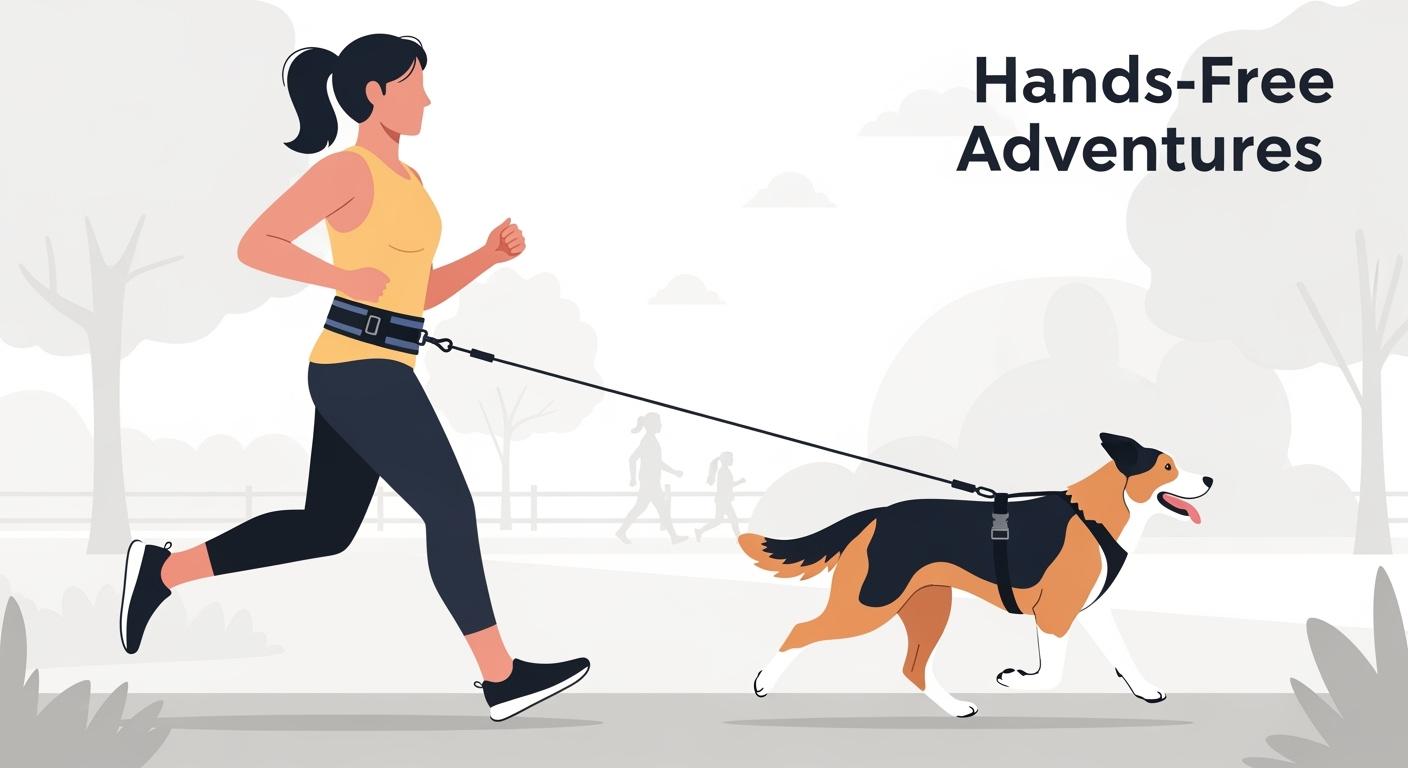
Imagine walking through your favorite park with your dog happily trotting beside you, both of you moving freely and safely. A hands free dog leash can help you enjoy this experience by keeping your hands available and your dog close. Choose this type of leash if you want more comfort, better movement, or need to manage daily walks, runs, or hikes with ease. Think about your main activity, your dog’s size, and their behavior before picking the best setup. Use the unified values in the Quick Reference Card to guide your decision.
Key Takeaways
Reworded for 7th Grade Student:
Pick a hands free dog leash that matches your main activity, such as running or hiking, to improve comfort and control.
Always check the fit of your waist belt using the two-finger rule to ensure safety and prevent slipping during walks.
Use the Decision Matrix to select the best leash style for your dog’s size and behavior, reducing the chance of returns.
Inspect your leash for wear and tear before each use to avoid accidents and keep your dog safe.
Avoid retractable leashes for exercise; they can lead to loss of control and increase the risk of injury.
Hands Free Dog Leash Setup Guide
Buyer takeaway: You can use the Decision Matrix to select the right hands free dog leash for your assortment. Focus on durability, adjustability, and clear labeling to reduce returns and improve customer satisfaction.
Shopper takeaway: You can quickly find the best hands free dog leash for your activity by checking the Decision Matrix and following the fit steps. Always check the Quick Reference Card for fit and safety tips.
Buyer Matrix for Install Success
You can use the Decision Matrix table below to match the best hands free dog leash setup to your needs. The table covers common use cases, recommended leash styles, must-have features, failure modes, and who should avoid each style.
Use Case | Best Hands-Free Style | Must-Have Features | Common Failure Modes | Who Should Avoid |
|---|---|---|---|---|
Running | Waist-belt hands-free | Adjustable length, sturdy clips | Belt slips, slack tangles | Strong pullers, crowded areas |
Hiking | Waist-belt hands-free | Durable material, pouch option | Clip breaks, belt discomfort | Dogs with unpredictable behavior |
Casual Walking | Convertible hands-free | Flexible routing, quick-grab loop | Leash frays, hardware fails | Large dogs with high energy |
Urban Environments | Short hands-free leash | Slack control, reflective trim | Slack crosses path, hardware jams | Dogs prone to surging |
Use the unified values in the Quick Reference Card for leash length, material, and fit checks. Continue reading for leash length and leash-law expectations.
You can follow these steps to set up a waist-belt hands free dog leash:
Adjust the waist belt so it fits snugly. Use the two-finger rule from the Quick Reference Card.
Attach the leash to your dog’s harness or collar. Make sure the clip locks securely.
Set the leash length for your activity. Use the shorter range for crowded areas.
Check for slack and route the leash so it does not cross your stride path.
Test the quick-grab loop or handle for emergency control.
You can check the Decision Matrix before every walk or run. This helps you avoid common mistakes and ensures your setup matches your activity and your dog’s temperament.
Quick Pick by Activity
You can choose a hands free dog leash based on your main activity. Here are the top picks:
Waist-belt hands free leash works well for running and hiking. You get freedom of movement and sturdy control.
Convertible hands free leash fits casual walks and light hikes. You can adjust the length and routing for different environments.
Short hands free leash suits urban walks. You get better slack control and safety in crowded spaces.
You can look for tough materials like nylon webbing. Metal clips and reinforced stitching help the leash last longer and keep your dog safe. Many expert reviews recommend waist-belt hands free leashes for active owners. You can check the Quick Reference Card for price anchors and material details.
Tip: Always check the Quick Reference Card for fit and safety steps before buying or using a hands free dog leash.
Red Flags and Alternatives
You can spot red flags when shopping for a hands free dog leash. Avoid leashes with weak clips, thin material, or poor stitching. These features can fail during sudden pulls or heavy use. You should also avoid retractable leashes for exercise walks. Retractable leashes do not provide sturdy restraint and can increase fall risk.
You can choose alternatives if your dog pulls hard or you walk in crowded areas. Try a handheld leash or a crossbody leash for more control. Always check the Quick Reference Card for leash-law maximums and fit rules.
Note: You can reduce risk by controlling slack, keeping a quick-grab option ready, and avoiding setups that cross your stride path.
Continue reading for more on fit, control, and safety tips.
Fit and Control Setup
Buyer takeaway: You can reduce returns and improve satisfaction by guiding customers through fit and control checks. Clear instructions and safety reminders help your assortment stand out.
Shopper takeaway: You can enjoy safer, more comfortable walks by following simple fit and control steps. Always check your setup before each outing.
Fit and Control Table
Check | What to Do | Why It Matters |
|---|---|---|
Belt Fit | Adjust the belt so it feels snug but not tight. Use the two-finger rule from the Quick Reference Card. | Prevents slippage and discomfort |
Slack Management | Set leash length for your activity. Keep slack short in busy areas. | Reduces risk of tangles or tripping |
Stride-Path Interference | Route the leash so it does not cross your walking path. | Keeps you and your dog moving freely |
Clip Security | Attach the clip to your dog’s harness or collar. Check that it locks securely. | Prevents accidental release |
Quick-Grab Access | Make sure you can reach the quick-grab handle or loop easily. | Allows fast control in emergencies |
Waist Belt Fit and Comfort
You should always check the fit of your waist belt before heading out. The two-finger rule helps you find the right balance. Adjust the belt so you can slide two fingers between the belt and your body. This keeps the belt secure and comfortable. You avoid slippage and reduce the chance of discomfort or injury. A proper fit also helps distribute pulling force across your waist and chest, which makes walks easier for you and your dog.
Leash Routing and Slack Management
You can improve safety and control by following these best practices:
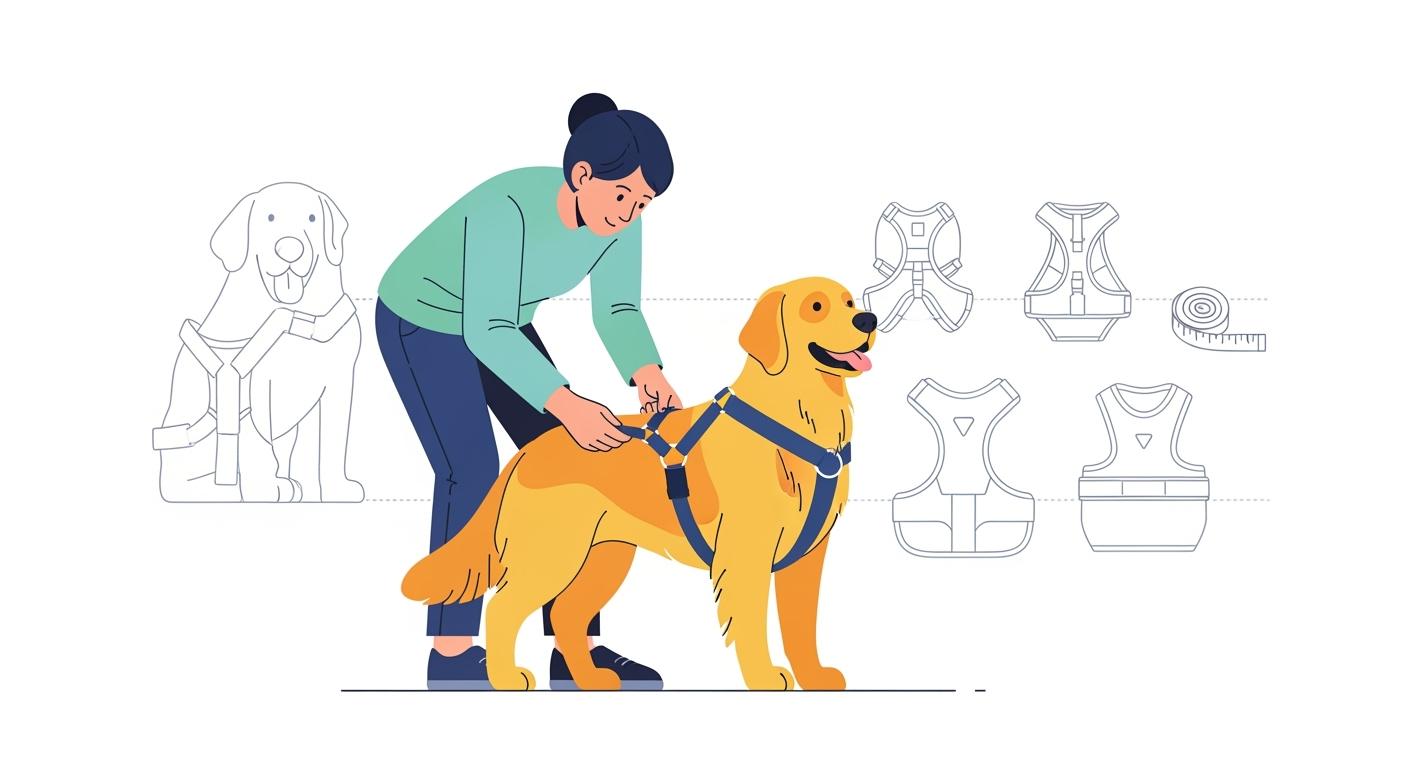
Use a harness to protect your dog’s neck and back.
Pick a leash with shock absorption and reflective trim for visibility.
Check the leash for wear before each walk.
Follow local leash laws, which may require a fixed-length leash.
Keep slack short in crowded spaces to prevent tangles.
Always use the unified values in the Quick Reference Card for leash length and fit.
Quick Control Features
Quick control features help you react fast in busy or risky situations. Look for leashes with traffic grips or quick-grab handles. These features let you stop your dog quickly if needed. The design should stay simple and easy to handle, so you can act fast without fumbling.
Continue reading for leash length, leash-law expectations, and more safety tips.
Safety and Common Mistakes
Buyer takeaway: You can help customers stay safe by showing common mistakes. Safer choices build trust. Clear safety tips make your products stand out.
Shopper takeaway: You can avoid getting hurt or upset by knowing the most common mistakes. Use safer gear. Always check the Quick Reference Card for fit and leash-law advice.
Common Mistakes List
You might make mistakes with a hands free dog leash. These mistakes can cause injuries or make you lose control. Look at the table below to spot problems and find safer choices.
Mistake | Why It Happens | What to Change | Safer Alternative |
|---|---|---|---|
Lack of control | Dog surges or moves unpredictably | Use quick-grab handle | Fixed-length leash, harness |
Tangling hazards | Leash crosses stride or wraps | Route leash properly | Short leash in busy areas |
Risk of injuries | Sudden jerks or entanglement | Check gear before each walk | Shock-absorbing leash |
Malfunctioning gear | Weak clips or poor stitching | Inspect hardware regularly | Reinforced materials |
Limited training | Leash restricts corrections | Practice loose leash walking | Use harness for guidance |
Tip: Do not use retractable leashes for exercise walks. They make it harder to control your dog and can cause injuries.
High-Risk Gear Choices
You should avoid risky gear. Thin leashes, weak clips, and retractable leashes can break if your dog pulls hard. Dogs that pull a lot or have lots of energy need strong gear. In crowded places, use a short, fixed-length leash for better control. Always check the Quick Reference Card for leash-law rules and fit tips.
Troubleshooting Pulling and Surging
You can fix pulling and surging by following these steps:
Behavior | Likely Cause | Fixes |
|---|---|---|
Pulling | Excitement or lack of training | Use front-clip harness, reward loose leash |
Surging ahead | Distraction or chasing | Change direction, reward calm walking |
Tangling | Poor leash routing | Route leash away from stride path |
Loss of control | Weak gear or improper fit | Check gear, adjust fit, use quick-grab handle |
Be patient and keep training simple. Reward your dog for calm walking. Keep walks short and fun. Use the Quick Reference Card for fit and leash length.
Keep reading for leash length, leash-law rules, and more safety tips.
Buyer Toolkit and Comparison
Buyer takeaway: This toolkit helps you compare and pick hands free dog leashes. Clear specs, labels, and staff training can lower returns and make buyers happier.
Shopper takeaway: These tools help you check fit, safety, and product info before buying. You can choose the right leash and avoid mistakes.
Hands Free vs Crossbody vs Handheld
You can pick hands free, crossbody, or handheld leashes. Each style works best for different activities and control needs. The table below shows the main choices:
Leash Type | Best For | Pros | Cons |
|---|---|---|---|
Hands Free | Running, hiking, multitasking | Easy to use, less hand pain, good for training | Not much control, not good for strong pullers |
Crossbody | Casual walks, light hikes | Flexible, simple to switch hands | Can tangle, not safe for big dogs |
Handheld | Maximum control, busy areas | Direct control, simple to shorten | Tiring for long walks, less freedom |
You can use the Quick Reference Card to check leash length and fit for each style.
Spec Sheet and Proof Checklist
You should look at the spec sheet before buying or stocking a leash. Here is a template you can use:
Spec Sheet Template:
- Leash Type:
- Material Composition:
- Hardware Type:
- Adjustment Range:
- Care Instructions:
- Tested Claims:
- Country of Origin:
You can ask sellers for proof that the leash is strong, safe, and follows label rules. This helps you avoid bad products.
Labeling and Staff Coaching
You should make sure every hands free dog leash has clear labels. Labels must show what it is made of, how to care for it, and how to use it. This helps you use the leash safely and keep it in good shape. Staff should know how to explain these details and answer questions about fit and safety. You can look for products that follow CPSC, FDA, and other safety standards.
CPSC: Checks safety and recalls for pet products.
FDA: Makes sure materials are safe for animals.
USP Class VI: Checks high safety for materials.
GPSR: Sets safety rules for products.
QC Checklist and Failure Modes
You can use this checklist to lower returns and find problems early:
Check hardware and stitching before each use.
Look for clear labels and instructions.
Test adjustment points to see if they work well.
Check packaging for safety warnings.
Train staff to answer common questions and handle returns.
If you see weak clips, bad stitching, or unclear instructions, do not use the leash. Always use the Quick Reference Card for fit and safety checks.
Internal Links and FAQ Block
You can keep reading to learn more about leash length, leash-law rules, and fixing problems. Visit the FAQ section for answers to common questions about hands free dog leashes, fit, and safety.
You can choose the right hands free dog leash by following these steps:
Think about your dog’s size and temperament.
Match the leash to your main activity.
Use the buyer matrix and fit checklist for guidance.
Safety and comfort matter most. If you feel unsure, check the tables or try short walks first. With the right setup, you and your dog can enjoy safer, more convenient adventures together.
FAQ
Why should you choose a hands free dog leash over a traditional leash?
You gain more freedom and comfort. Hands free leashes let you move naturally and keep your hands open for other tasks. You also reduce hand strain during long walks or runs.
Why does leash length matter for hands free setups?
Leash length affects your control and your dog’s safety. Shorter leashes help in crowded areas. Longer leashes give your dog more room. Use the unified values in the Quick Reference Card to pick the right length.
Why do experts recommend using a harness with hands free leashes?
A harness spreads pressure across your dog’s body. This protects your dog’s neck and back. You also get better control if your dog pulls or changes direction quickly.
Why is slack management important with hands free leashes?
Too much slack can cause tangles or tripping. You keep walks safer by adjusting slack for your environment. Always check the Quick Reference Card for slack control tips.
Why should you avoid retractable leashes for hands free walking?
Retractable leashes do not give you steady control. They can increase fall risk and make it harder to stop your dog quickly. Choose sturdy, fixed-length leashes for hands free activities.