
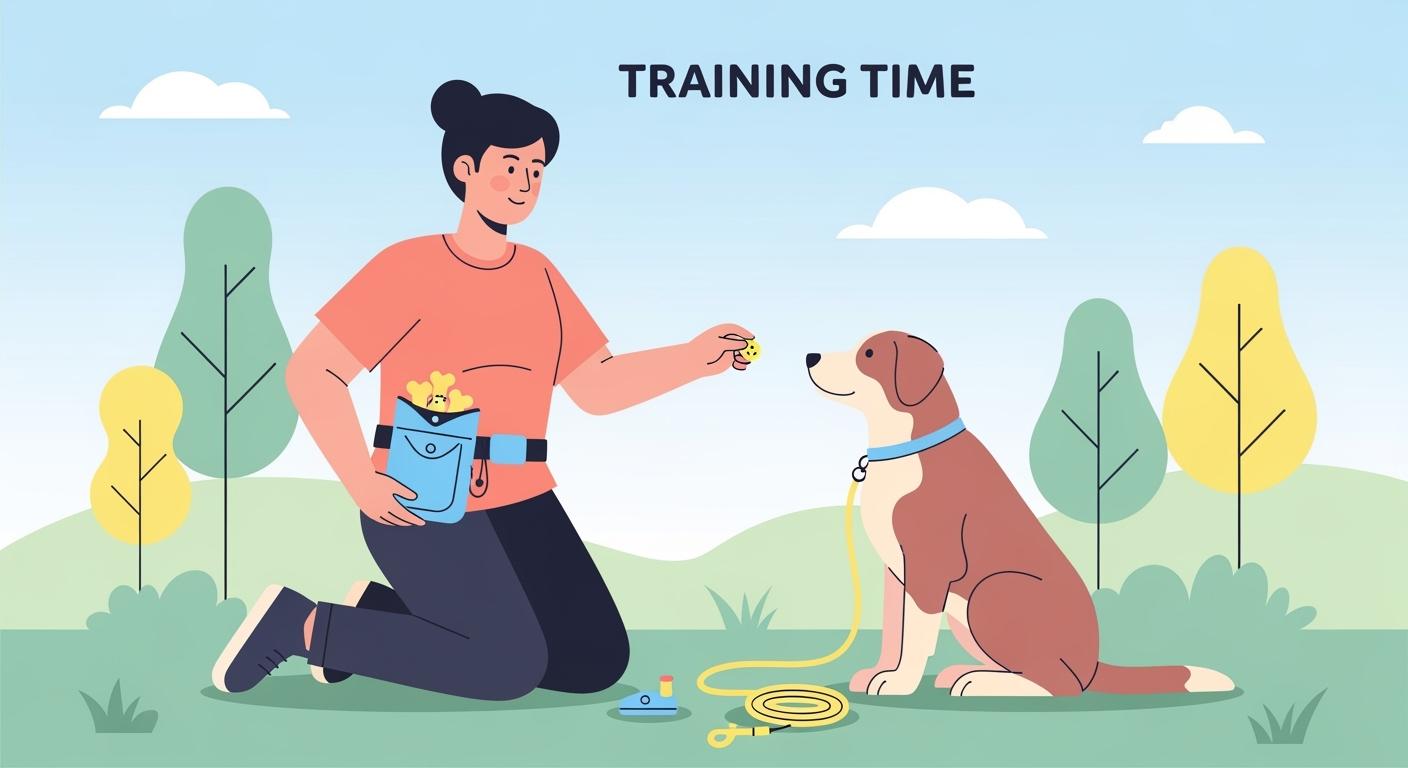
Picture holding a leash while your dog checks in with you during a walk. You reach for a treat, and your dog treat pouch gives you spill-free, fast access. A dog treat pouch for training helps you reward your dog at the right moment. You set your dog up for success with a treat pouch that supports positive routines.
Key Takeaways
Pick a dog treat pouch that matches how you walk. Look at clip-on, belt, or cross-body styles. These styles help you grab treats fast and keep the pouch steady.
Make sure your pouch closes tightly so treats do not spill. Magnetic, snap, or drawstring closures each have their own good points. They let you get treats quickly when you need them.
Keep your pouch neat and tidy. Use dry treats so it does not get messy. Use different pockets to keep things apart. This helps you reward your dog fast during training.
Choose the best dog treat pouch for training
Clip-on, belt, and cross-body styles for training walks
You need a dog treat pouch that fits your walking routine. Clip-on, belt, and cross-body styles each offer unique benefits. Clip-on pouches attach quickly to your waistband or pocket. Belt pouches wrap around your waist for stability. Cross-body pouches hang across your chest or shoulder, keeping treats close and hands free.
Choosing the best dog treat pouch depends on your walking scenario, hand preference, and the features that matter most for training. Use the decision matrix below to compare treat pouch options:
Walking Scenario | Best Pouch Style | Must-Have Features | Common Failure Modes | Pre-Purchase Checks |
|---|---|---|---|---|
Short city walks | Clip-on | Fast access, secure clip | Swinging, weak clip | Try clip strength, check swing |
Long park sessions | Belt | Stable fit, easy-clean lining | Floppy opening, loose belt | Test belt fit, inspect lining |
Busy sidewalks | Cross-body | Spill-proof closure, quick access | Hard-to-clean interior, slow opening | Check closure, test access |
Training classes | Belt or cross-body | One-hand operation, stable attachment | Fumbling, spills | Practice opening, check stability |
Tip: Choose a pouch style that keeps your leash hand free and lets you reward your dog quickly. Fast one-hand access improves reward timing and helps your dog connect the treat to the right behavior.
Opening and closure designs for spill-free access
A dog treat pouch with the right opening and closure design prevents spills and keeps treats fresh. Look for pouches with magnetic, snap, or drawstring closures. Magnetic closures let you open and close the pouch with one hand. Snap closures offer extra security. Drawstring closures adjust to fit different treat sizes.
Follow these steps to set up your treat pouch for training:
Decide which hand you use for treats.
Load treats into the pouch, keeping them easy to grab.
Practice opening and closing the pouch with one hand.
Attach the pouch securely to your belt, waistband, or shoulder.
Integrate the pouch with your leash handling for safe rewards.
Do a pre-walk check to make sure you can access treats quickly and prevent spills.
Use this setup checklist to make sure your pouch is ready for training:
Check Item | Pass Criteria | Fail Criteria | Improvement Actions |
|---|---|---|---|
One-hand operation | Can open/close with one hand | Needs two hands | Practice, adjust placement |
Secure closure | Stays closed when moving | Opens accidentally | Replace closure, check fit |
Pouch stability | Does not swing or shift | Swings, shifts, falls off | Tighten belt, adjust clip |
Clip/belt security | Holds firm during walk | Clip slips, belt loosens | Test before walk, replace clip |
Spill prevention | No treats fall out | Treats spill when bending | Use spill-proof closure |
Leash control | Leash hand stays free | Pouch interferes with leash | Change pouch position |
Note: A secure closure and stable attachment help you avoid spills and keep your treats ready for fast rewards. This setup supports reward-based training and improves your timing.
Pouch size and layout for treats and essentials
The best dog treat pouch fits your treats and essentials without being bulky. Choose a pouch with enough space for treats, waste bags, keys, and a clicker. Look for a layout that separates treats from other items.
A pouch with a wide opening lets you grab treats quickly. An easy-clean lining helps you manage crumbs and grease.
Try this simple walking training routine:
Start walking with your dog on a loose leash.
Watch for your dog to check in or walk calmly.
Reach for a treat as soon as your dog shows the right behavior.
Reward your dog and praise them.
Repeat the routine every few steps.
This routine works because you reward your dog at the right moment. Consistent timing helps your dog learn faster. Practice short sessions for better results.
Problem | Cause | Immediate Fix | How Pouch Setup Helps |
|---|---|---|---|
Late rewards | Slow access, digging | Practice fast access | One-hand opening, stable pouch |
Spills | Loose closure, bending | Secure closure | Spill-proof design |
Fumbles | Poor layout, crowded | Organize pouch | Wide opening, separate pockets |
Tight leash rewards | Not stopping movement | Stop, wait for loose leash | Pouch keeps leash hand free |
Over-rewarding when excited | Too many treats, no routine | Count treats, follow routine | Pouch size limits overfilling |
Safety-first tip: Always reward your dog for loose-leash walking. Avoid rewarding when the leash is tight. This helps your dog learn to walk calmly and keeps your training consistent.
Red flags: floppy openings, weak clips, hard-to-clean interiors
Watch for red flags when choosing dog treat pouches for training. Floppy openings spill treats and slow your access. Weak clips cause the pouch to fall off or swing. Hard-to-clean interiors trap crumbs and odors.
You want the best dog treat pouch with a stable attachment, secure closure, and easy-clean lining. Avoid pouches that make training harder or messier.
Check for these issues before you buy:
Floppy opening: Test the pouch by shaking it. If treats spill, look for a firmer design.
Weak clip: Pull gently on the clip. If it slips, choose a stronger attachment.
Hard-to-clean interior: Inspect the lining. If it feels sticky or hard to wipe, pick a pouch with a smooth, washable surface.
Note: The best dog training treat pouch supports reward-based training and keeps your treats ready for fast, spill-free rewards. A good pouch helps you stay organized and improves your training results.
Dog treat pouch setup for training walks
Placement for quick hand access
You want your dog treat pouch in a spot that lets you grab a treat fast. Attach the pouch to your waist or hip. Make sure your leash hand stays free. If you use a cross-body pouch, adjust the strap so the pouch sits at your side. Test the placement before you start training. Quick access helps you reward your dog right when they show good behavior.
Loading treats for speed and cleanliness
Fill your dog treat pouch with treats that are easy to grab. Use dry or semi-moist treats to keep the pouch clean. Avoid sticky or crumbly treats that make the pouch messy. Place treats in a single layer so you can reach them quickly. If your pouch has pockets, keep treats separate from keys or waste bags. Clean the pouch after each walk to prevent odors.
Setup checks: access, spill control, secure attachment
Before you begin training, check your pouch setup. Make sure you can open and close the pouch with one hand. Test the closure to prevent spills if you bend or move fast. Check that the pouch stays attached and does not swing. Use this table to guide your setup:
Setup Step | What to Check | Why It Matters |
|---|---|---|
Placement | Easy reach, leash hand free | Fast rewards, safe handling |
Loading | Treats easy to grab | Clean, quick access |
Closure | Stays closed, no spills | Prevents mess |
Attachment | Firm, stable fit | No swinging or dropping |
Tip: The best dog treat pouch supports fast rewards and keeps your training organized.
Pairing pouch with leash handling for safe rewards
Use a fixed-length leash for training walks. A leash between four and six feet gives you control and helps with timing. Hold the leash in one hand and keep your treat pouch on the opposite side. When your dog walks on a loose leash, reach for a treat and reward them right away. This routine helps your dog learn to walk calmly. Remember, a dog treat pouch for training improves timing, but practice and consistency matter most. If your dog pulls or struggles, consider seeking help from a professional.
Dog treat pouch reward routine for training
Timing rewards for loose-leash walking
You need to reward your dog at the right moment during walks. When your dog walks calmly with a loose leash, reach into your dog treat pouch and give a treat right away. This timing helps your dog connect the reward to the good behavior. Reward-based training works best when you use your dog treat pouch for training to deliver treats quickly. The best dog treat pouch supports fast access, so you never miss the right moment.
Simple stop-and-reward routine
Try a simple routine to teach loose-leash walking. Stop moving when the leash gets tight. Wait for your dog to relax and the leash to go loose. Use your pouch to grab a treat and reward your dog as soon as the leash loosens. Repeat this routine often. You help your dog learn that walking calmly earns treats. Practice makes this routine easier for both you and your dog.
Tip: Keep your pouch ready and your treats easy to reach. Consistent rewards build good habits.
Common timing mistakes: late rewards, digging, mixed signals
Mistakes can slow your dog’s progress. If you reward late, your dog may not understand what behavior earned the treat. Digging in your pouch wastes time and confuses your dog. Mixed signals happen when you reward while the leash is tight. Use best dog treat pouches with fast access to avoid these problems.
Mistake | Result | Fix |
|---|---|---|
Late reward | Dog gets confused | Reward right away |
Digging | Dog loses focus | Organize treats in pouch |
Mixed signals | Dog pulls more | Reward only on loose leash |
What not to do: overfilling, leaving pouch open, rewarding on tight leash
Avoid overfilling your pouch. Too many treats make it hard to grab one quickly. Leaving your pouch open can cause spills. Never reward your dog when the leash is tight. This teaches the wrong behavior. The best dog treat pouch keeps treats organized and prevents spills. Always reward your dog for calm walking.
Note: Practice and consistency matter most. If your dog struggles with training, seek help from a professional.
Troubleshoot dog treat pouches for training
Troubleshooting: spills, slow access, dropped treats, tangled handling
Sometimes your dog treat pouch can cause problems during walks. You can fix most issues quickly and stop them from happening again. Use this table to find common problems and how to solve them:
Problem | Possible Cause | Immediate Fix | Prevention |
|---|---|---|---|
Spills when bending | Loose closure | Close pouch fully | Check closure before each walk |
Excessive pouch movement | Weak clip or loose belt | Adjust or tighten attachment | Test fit before leaving home |
Slow zippers or closures | Dirt or crumbs in mechanism | Clean zipper or closure | Wipe after each use |
Treat crumbling | Overfilled or old treats | Replace with fresh treats | Use single layer, check freshness |
Dog distraction during treat search | Digging for treats | Organize treats for easy grab | Keep treats in top layer |
Leash-pouch handling conflicts | Poor placement | Move pouch to other side | Practice leash and pouch handling |
If you keep having the same problem, look at your setup and routine. If problems do not go away, you might need a new dog treat pouch for training or a different way to train.
Pre-walk checklist: pouch, treats, leash, route, cleanup items
A short checklist helps you get ready for your walk. Check these things before you leave:
Pouch attachment: Make sure it is tight on your waist or shoulder.
Closure: It should open and close with one hand and stay shut when you move.
Treat condition: Treats should be fresh, easy to grab, and not sticky or crumbly.
Pouch cleanliness: There should be no crumbs or bad smells inside.
Leash check: Use a fixed-length leash with no knots or damage.
Route planning: Pick a safe path with not too many distractions.
Calmness at the door: Wait until your dog is calm before you start walking.
This routine helps you stay ready and makes training work better.
Cleaning basics: odor, crumbs, sticky residue
A clean dog treat pouch keeps treats fresh and easy to grab. Wipe the pouch with a damp cloth after every walk. For deep cleaning, use the right method for the pouch material. For silicone, use white vinegar or baking soda paste and do not use acetone. For nylon or polyester, use warm soapy water and do not use boiling water or rough cleaners. For organic cotton, use cold-water detergent and do not use bleach or hot water. Always let your pouch dry all the way before you put treats back in. Clean pouches stop treats from getting dirty or hard to grab and help keep smells away.
If your dog keeps having trouble with training or behavior, ask your vet or a dog trainer for help.
When to change pouch or routine
Get a new dog treat pouch if you see cracks, broken closures, or stains that will not come out. Change your routine if you have trouble with timing or handling. A good pouch and a clear routine help you reward your dog fast and make training easier.
You gain spill-free access and efficient reward timing when you use a dog treat pouch for training. Choose a pouch with fast one-hand access, secure closure, and easy-clean lining. Practice your treat routine and keep your pouch clean. Consistency and regular maintenance help your dog learn. Share your tips and experiences below.
FAQ
How do you keep treats fresh in your pouch?
You should empty and clean your pouch after each walk. Store treats in a sealed bag until you need them for your next dog training session.
What should you do if your pouch spills treats during a walk?
Check the closure and attachment before you leave home. Choose a pouch with a secure closure to help prevent spills while you reward your dog.
Can you use any treats in a training pouch?
You can use most dry or semi-moist treats. Avoid sticky or crumbly treats. Choose treats your dog likes and that fit easily in your pouch.
