
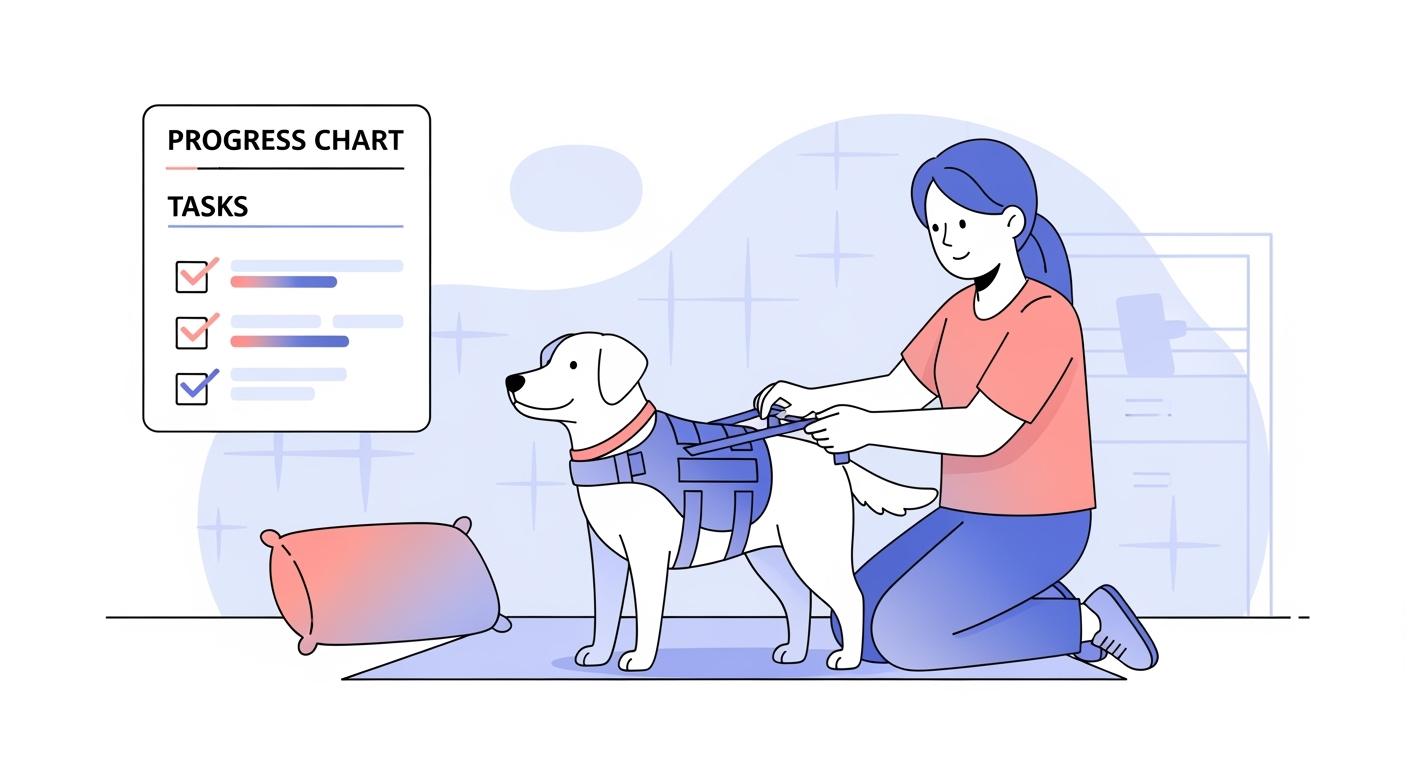
You want your dog to stay healthy and safe. Before you try a weighted vest for dogs, focus on comfort and slow progress. Some dogs may face risks if you rush or use the wrong fit.
Health Risk Type | Description |
|---|---|
Musculoskeletal Risks | Extra weight can harm joints and muscles if not used right. |
Behavioral Issues | Poor fit or too much weight may cause stress or odd movement. |
Recommendations | Experts say never use human exercise gear on dogs without help from a professional. |
Always check with your vet if your dog has special needs.
Key Takeaways
You should talk to your vet before you use a weighted vest, especially if your dog is a puppy, an older dog, or has health problems. – Try the vest without any weight first to make sure your dog feels okay and is ready for more weight; watch how your dog moves very carefully. – Check the vest fit often; it should be flat, let your dog move normally, and not hurt or rub your dog.
Is a weighted vest for dogs right for your pet?
Goals and benefits of weighted vests
Weighted vests can help dogs in many ways if used safely. Some dogs feel calmer and less worried when wearing a vest. Others keep their joints healthy and stay active with gentle exercise. The table below lists some common benefits:
Benefit | Description |
|---|---|
Anxiety Reduction | Dogs may show less anxiety and more calm behavior. |
Joint Integrity | Gentle weight helps keep joints flexible and strong. |
Mobility Retention | Regular use can help dogs move better as they age. |
Mental Engagement | Wearing a vest can help dogs focus and feel more confident. |
When to use non-loaded training first
If your dog is new to exercise, recovering, or still growing, start without weight. Use walks, gentle play, and basic commands to build fitness. This lets you see any movement problems before adding weight.
Tip: Always check your dog’s stride and comfort during new activities.
Vet clearance for puppies, seniors, and dogs with health issues
Talk to your vet before using a vest if your dog is a puppy, older, overweight, or has joint, heart, or lung problems. A vet check can find hidden health issues and help you pick the safest plan.
Adult dogs can handle more activity.
Senior dogs need gentle, easy exercise.
Some breeds need more or less exercise based on energy.
Decision matrix: Use now, use later, or wait
Situation | What it means | Next action |
|---|---|---|
Puppy or still growing | Joints and bones are developing | Do not use yet |
Senior dog | May have age-related stiffness | Use later, after vet clearance |
Overweight dog | Extra strain on joints and heart | Use later, after weight loss |
Joint or health issues | Risk of pain or injury | Do not use yet; get vet advice |
Hot weather | Risk of overheating | Use later, in cooler conditions |
Step 1: Confirm if your dog is a good candidate
Check your dog’s:
Body condition score (ideal is 4-5 out of 9)
Muscle tone and movement quality
Age and activity level
Past injury or health history
If you see warning signs or feel unsure, wait and ask your vet.
Comparing exercise options
Method | Use case | Risk level | Suitability |
|---|---|---|---|
Weighted vest setup | For healthy, active adult dogs | Moderate | Best for fit, cleared dogs |
Non-loaded conditioning | For most dogs starting exercise | Low | Good for all dogs |
Basic walking only | For seniors or health concerns | Very low | Safe for nearly every dog |
Vest fit and comfort setup
Fit checks before adding weight
You need to check the vest’s fit before adding any weight. Start by measuring your dog’s neck and chest girth. Use these measurements to select the right vest size. The vest should lie flat on your dog’s body without twisting or pulling. You should fit two fingers comfortably under every strap. The chest strap must sit behind the front legs and should not restrict shoulder movement. Make sure there are no pressure points on the spine, armpits, or neck. The leash attachment point should align with the back or top of the shoulders.
Dog Weight (lbs) | Neck (in) | Chest Girth (in) | Suggested Size |
|---|---|---|---|
5-12 | 8-10 | 12-16 | XS |
13-25 | 10-14 | 16-20 | S |
26-45 | 14-18 | 20-26 | M |
46-70 | 18-22 | 26-32 | L |
71+ | 22+ | 32+ | XL |
The vest lies flat without twisting or pulling.
You can fit two fingers comfortably under any strap or band.
The chest strap sits behind the front legs, not restricting shoulder motion.
No pressure points appear on the spine, armpits, or neck.
The leash attachment point aligns with the back or top of the shoulders.
Step 2: Fit the vest with no added load first. Let your dog wear the empty vest for 5-10 minutes. Watch for signs of distress or discomfort.
Movement quality and comfort signs
You need to observe your dog’s movement and behavior while wearing the vest. Your dog should walk with a normal stride and show no signs of stiffness or reluctance. The vest should not limit mobility or cause your dog to tuck its head. Your dog should breathe comfortably and not pant excessively. Look for relaxed posture and easy movement.
Signs of proper fit and comfort:
Normal stride and shoulder movement
Relaxed posture and tail position
No rubbing or redness after the session
Calm behavior and willingness to walk
Step 3: Run a short movement check and comfort check. Walk your dog for a few minutes and observe their gait and attitude.
Spotting fit issues: rotation, rubbing, restricted motion
You must watch for common fit problems. Vest rotation or sliding can cause discomfort and limit movement. Rubbing or chafing often appears as redness or hair loss behind the shoulders or underarms. Restricted motion shows as a stiff gait or reluctance to walk. Strap twisting can lead to buckles rotating or material folding inward. If you notice any of these issues, adjust the straps or try a different vest design.
Issue | Signs to Watch For | Solution |
|---|---|---|
Harness rides up | Straps dig into armpits, dog hunches back | Adjust belly strap tighter; ensure chest strap sits behind front legs |
Chafing or rubbing | Redness, hair loss behind shoulders or underarms | Add soft lining, switch to padded harness, or trim excess fur |
Dog slips out | Escapes during walks, harness shifts sideways | Tighten all straps; consider a Y-style front-clip design for narrow-chested breeds |
Limited mobility | Stiff gait, reluctance to walk, head tucking | Check for overly tight chest panel; opt for flexible mesh or stretch panels |
Strap twisting | Buckles rotate, material folds inward | Ensure proper alignment when fastening; replace worn elastic components |
Warning signs: Vest rotation, stride changes, redness, resistance to wearing the vest.
Pass/fail checklist for fit and movement
Use this checklist to decide if your dog’s vest fits well and allows comfortable movement. If you see any fail signs, stop and adjust the vest or consult your veterinarian.
Checkpoint | Pass sign | Fail sign |
|---|---|---|
Chest strap position | Sits behind front legs, no restriction | Sits too close to armpits, restricts movement |
Shoulder freedom | Full stride, normal gait | Short stride, stiff gait, head tucking |
Vest shifting | Stays in place, no rotation | Slides sideways, rotates, slips out |
Rubbing points | No redness, no hair loss | Redness, hair loss, chafing |
Breathing comfort | Normal breathing, calm behavior | Panting, distress, resistance |
Tip: Always check your dog’s skin and movement after each session. If you notice soreness or uneven gait, stop and seek professional advice.
You must ensure your dog feels comfortable and safe in a weighted vest for dogs. Proper fit and careful checks help prevent injury and discomfort. Take your time and watch your dog closely.
Conditioning routine and safe progress
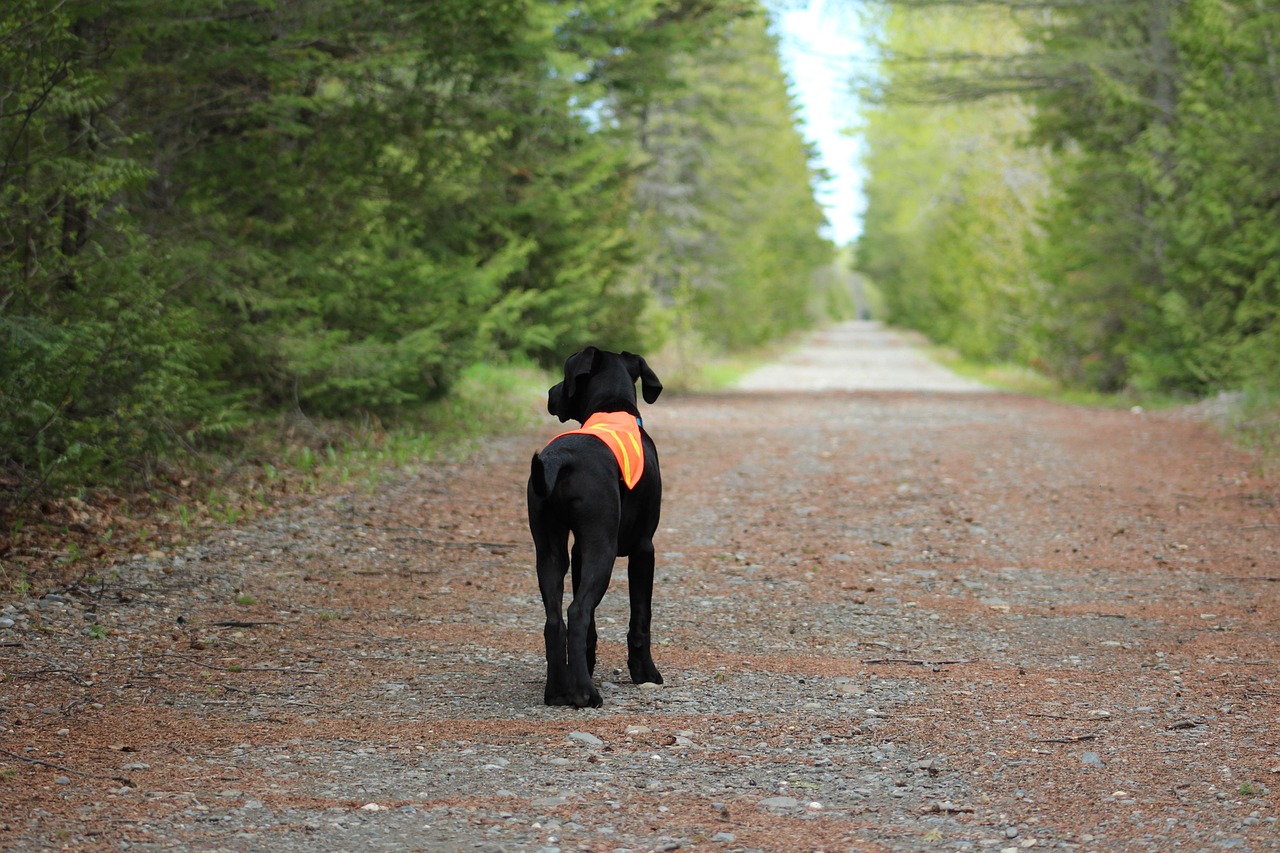
No-load trial and baseline session
Start with a no-load trial before using a weighted vest for dogs. This step checks if your dog is ready and comfortable. Make sure you know your dog’s breed and age. Do not use a vest on brachycephalic breeds or giant breeds under 24 months. Get a vet check with an orthopedic exam within 30 days before starting. Your dog should walk for 20 minutes at a steady pace without trouble. Watch for smooth movement on both sides. Your dog needs a body condition score of 4-5 out of 9 for at least six weeks before adding resistance.
Check if your dog’s breed and age are right.
Get a recent vet check.
Test endurance with a 20-minute walk.
Look for smooth movement on both sides.
Keep your dog’s body condition score ideal.
Step 4: Only add weight if your dog’s movement stays smooth and comfortable during the no-load trial.
Progression steps for weighted vest for dogs
Begin with the smallest weight when you start using a weighted vest. This helps your dog get used to the new feeling. Add weight slowly. Watch your dog’s movement and comfort. Make sure the vest spreads weight evenly. Avoid pressure points and let your dog move naturally. Only add more weight if your dog walks normally, looks relaxed, and shows no soreness.
Start with the lightest removable load.
Add weight slowly based on your dog’s comfort and form.
Check vest fit and weight spread every session.
Stop if you see any changes in movement or resistance.
Step 5: Follow a steady routine and check after each session. Only add more weight if your dog moves smoothly and recovers well.
Weekly routine: easy days and steady progress
Build a weekly routine by switching between easy days and reassessment days. This helps your dog adjust safely. Conditioning uses short exercise blocks and regular rest. Working dogs do daily mobility work and three strength sessions each week. For most pet dogs, keep sessions simple and steady.
Switch between easy walking days and vest days.
Wait at least 48 hours between weighted vest sessions.
Use short activity blocks, like 90 seconds of continuous wear.
Check fit, comfort, and movement after each session.
A weighted vest burns more calories without longer walks. The heart and lungs work harder, which improves lung strength. Extra weight challenges core strength, balance, and stability. This routine helps with dog training and builds endurance. It also adds muscle safely.
Note: Match conditioning routines to your dog’s age, fitness, and health. Always put comfort and safety first.
Session goals, signs to watch, and stop signs
Set clear goals for each session. Watch for signs of safe progress and know when to stop. Use warm-up and cool-down before and after activity. Check your dog’s comfort, movement, and skin after each session.
Session Goal | What to Watch | Stop Sign |
|---|---|---|
Smooth hand walking | Normal stride, relaxed posture | Limping, stiffness, resistance |
Safe vest fit | No rotation, no rubbing | Redness, chafing, vest shifting |
Building cardiovascular endurance | Steady breathing, calm behavior | Excessive panting, drooling |
Adding muscle mass safely | Even weight distribution, easy movement | Uneven gait, soreness, reluctance |
Conditioning for work | Willingness to walk, balanced movement | Short stride, head tucking |
Parameter | Safe Threshold | Risk Threshold |
|---|---|---|
Load Percentage | ≤3% ideal body weight for foundation conditioning; ≤5% for short-duration tasks | ≥7%: Immediate gait deviation; ≥10%: Significant increase in ground reaction forces |
Duration per Session | Max 90 seconds continuous wear; Total cumulative load time ≤5 minutes/session | ≥3 minutes continuous: Measurable decrease in stride length |
Frequency | Twice weekly maximum; Minimum 48-hour rest between sessions | Consecutive days: Elevated serum biomarkers of cartilage breakdown |
Vest Fit Criteria | Snug fit allowing two fingers beneath straps; No restriction of scapular rotation | Any pressure on acromion process; Shifting >1 cm during movement |
Tip: Always warm up with gentle hand walking. Cool down with slow walking or light play. Check your dog’s movement and skin after every session.
You keep your dog safe and comfortable by following a steady routine. This helps build endurance and supports dog training. Weighted vests burn more calories and challenge core strength. You build endurance and add muscle safely. Conditioning improves balance and stability for working dogs and pets.
Troubleshooting and safety for weighted vest for pitbulls and all breeds
Common mistakes: fatigue, soreness, refusal
Dogs can get tired or sore when wearing a weighted vest for pitbulls. Sometimes, dogs may not want to move at all. Owners often forget to check the vest’s fit or add too much weight too quickly. Some dogs feel calm with gentle pressure from the vest. But if the vest fits wrong, it can make your dog uncomfortable. Always start with hand walking. Watch for sudden pain, limping, or fever. These signs might mean your dog has muscle strain or an infection.
Sign of Fatigue/Soreness | Description |
|---|---|
Sudden Pain or Crying | Whining or not walking can mean muscle strain. |
Reluctance to Bear Weight | Not using a leg may show bone stress. |
Fever or Lethargy | Feeling tired or having a fever can mean inflammation. |
Warning signs: overheating, gait changes, skin issues
Heat safety is important for weighted vest for pitbulls and all breeds. Early signs include heavy panting, restlessness, and looking for shade. Moderate signs are bright red gums, vomiting, and weakness. Always exercise in the morning or evening. Give your dog shade, water, and fresh air. Stop right away if you see a fast heartbeat or signs of shock.
Severity Level | Warning Signs |
|---|---|
Early & Mild | Panting, drooling, restlessness, mild tiredness, dry warm skin |
Moderate to Severe | Red gums, thick drool, vomiting, confusion, seizures, passing out |
FAQs: puppies, seniors, hot weather, overweight dogs
Puppies should not use a weighted vest for pitbulls until they are fully grown.
Seniors need gentle exercise and regular checks.
In hot weather, use hand walking and skip weighted vest sessions.
Overweight dogs need heart and lung exercise before building muscle.
Tip: If your dog feels pain, walks unevenly, or keeps getting sore, stop exercise for at least seven days. Start again only after unloaded walks and a vet check.
Problem-cause-fix table for fit and comfort issues
Problem | Likely cause | Fix |
|---|---|---|
Leaning to one side | Vest fit uneven, straps too tight | Adjust straps while standing, check for freedom of movement |
Refusal to move | Pressure too high, poor fit | Loosen straps, reduce weight, start with hand walking |
Heavy panting | Overheating, session too long | Move to shade, provide water, shorten session |
Red skin spots | Chafing, rubbing | Add padding, check for seasonal changes, inspect skin |
Shorter stride | Chest strap too high, restricted motion | Lower chest strap, ensure two-finger rule, observe gait |
Always fasten the vest while your dog stands.
Adjust each strap for comfort.
Check all buckles and fasteners to make sure they are secure.
Note: For working dogs or dogs training for work, always watch heart and lung signs and endurance. If you see slow recovery, uneven walking, or your dog does not want to wear the vest, talk to a canine rehab professional.
You help your dog stay safe by checking the vest fit. Start slow and look for any warning signs.
Dr. Lena Torres, DVM, says you should use the vest in a way that fits your dog’s needs. Watch your dog closely every time.
Let your dog get used to the vest slowly.
Do not make your dog do too much too fast.
Call your vet if your dog seems uncomfortable.
Feature/Benefit | Description |
|---|---|
Adjustable Weights | Lets you add weight slowly for safe training. |
Air Flow Design | Helps your dog stay cool and comfy. |
Going slow and being careful keeps your dog happy and healthy.
FAQ
Can puppies wear a weighted vest?
No. Puppies should not use a weighted vest. Their bones and joints are still growing. Wait until your dog is fully mature.
What should you do if your dog shows soreness after a session?
Stop using the vest. Let your dog rest. Contact your veterinarian if soreness continues or your dog limps.
Tip: Always check your dog’s skin and movement after each session.
How can you keep your dog safe in hot weather?
Safety Step | Why It Matters |
|---|---|
Early morning walks | Cooler temperatures |
Shade and water | Prevents overheating |
Short sessions | Reduces heat stress |
