
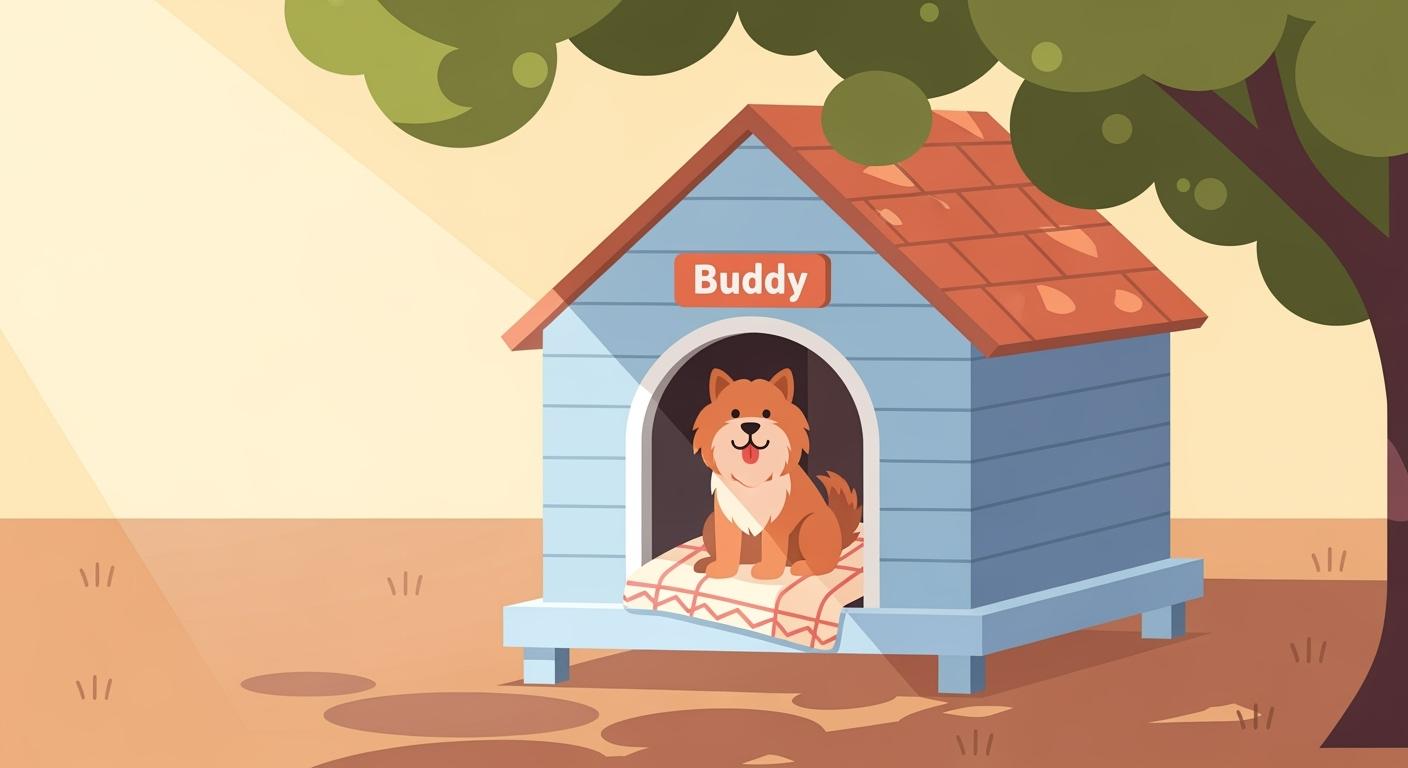
Smart sizing and smart placement help your dog stay warm and dry in a weatherproof dog house. You make your pet feel more comfortable and safe from bad weather. Insulation, waterproof materials, and regular checks are important. > Tip: Always watch your dog or bring them inside during very bad weather to keep them safe.
Key Takeaways
Choose a weatherproof dog house that fits your dog well. A snug fit helps keep your dog warm and prevents moisture buildup.
Place the dog house in a dry area, away from strong winds and rain. This setup maximizes protection and comfort for your pet.
Regularly check the dog house for leaks, dampness, and stability. Routine maintenance ensures your dog stays safe and cozy year-round.
Pick the best weatherproof dog house for your dog and weather
What makes a weatherproof dog house work well
A weatherproof dog house keeps your dog safe from rain, wind, and cold. The best ones use strong materials and smart designs. Double walls help keep heat inside. Raised floors stop water from getting in. Igloo shapes block leaks and hold in warmth. Removable roofs make cleaning simple. Some have special protection to stop germs and keep things clean.
Feature | Effective Weatherproof Dog Houses | Standard Models |
|---|---|---|
Insulation | Double-walled construction for superior insulation | Single-walled models |
Construction Materials | Lightweight yet durable materials with UV protection | Basic materials without UV protection |
Design | Igloo-inspired design to prevent leaks and enhance warmth | Standard box shapes |
Maintenance | Detachable rooftops for easy cleaning | Fixed roofs, harder to maintain |
Hygiene | Antimicrobial protection (e.g., Microban) | No special hygiene features |
Tip: Always look for insulation and waterproofing before you buy.
Insulated dog house features: walls, roof, and floor
Insulation in the walls, roof, and floor helps your dog stay warm. Look for double-wall shelters. Raised floors keep the bed dry. Waterproof materials stop rain and snow from getting in. Wooden houses with sealed outsides keep heat in. Plastic houses with foam are light and block water. Metal shelters with insulated panels work well in very cold places.
Wooden double walls keep heat and look nice, but need care.
Plastic or resin with foam is light and waterproof, but only works if made well.
Metal shelters with insulated panels keep heat best, but cost more.
Note: Insulation works best when the house fits your dog and the weather.
Sizing rules for cold weather dog house comfort
Pick the right size for your weatherproof dog house. Your dog should stand, turn, and lie down easily. Do not pick a house that is too big. Too much space makes it hard to stay warm. If your dog is still growing, check the size often. In cold weather, add more bedding and check for cold air.
Breed Type | Recommended Size |
|---|---|
Labrador, Golden Retriever, Boxer | 10′ x 10′ x 6′ minimum |
German Shepherd, Husky, Doberman | 10′ x 10′ x 6′ or larger |
Great Dane, Mastiff, Saint Bernard | 12′ x 12′ x 6′ or larger |
Multiple large dogs | Add 50% more space per dog |
Tip: Pick a house that fits your dog, not just the breed.
Common mistakes: oversized dog houses for outdoors and poor insulation
Big dog houses and bad insulation can cause problems. Large houses get wet inside and grow mold. Mold is bad for your dog’s health. Bad insulation lets in cold air and keeps water inside. Your dog can get sick from wet beds and cold air. Always check the size and insulation.
Big houses cause wetness and mold.
Bad insulation makes dogs cold and uncomfortable.
Mold can make your dog sick.
Alert: Do not use big houses and check insulation often.
Shelter Decision Matrix
Dog and Weather Situation | Shelter Feature Priority | Main Risks | Items to Verify Before Use |
|---|---|---|---|
Rainy climate | Waterproof roof, sealed walls, raised floor | Wet bedding, leaks, mold | Check roof, wall seals, floor height |
Cold climate | Insulation, double walls, minimal drafts | Heat loss, cold bedding | Inspect insulation, door placement |
Windy yard | Sturdy build, wind-blocking door, secure anchors | Drafts, tipping, cold air | Test stability, door direction |
Mixed weather | Adjustable ventilation, waterproof materials | Moisture, temperature swings | Confirm vents, waterproofing |
Short-haired dogs | Extra insulation, dry bedding | Heat loss, chills | Add bedding, check insulation |
Senior dogs | Easy access, soft bedding, stable floor | Joint pain, slips, cold | Verify ramp, bedding, floor stability |
Growing dogs | Adjustable size, safe materials | Outgrowing shelter, chewing | Recheck size, inspect for damage |
Safety Reminder: Always pick shelter features that fit your dog and weather.
Set up your waterproof dog house for warmth and dryness
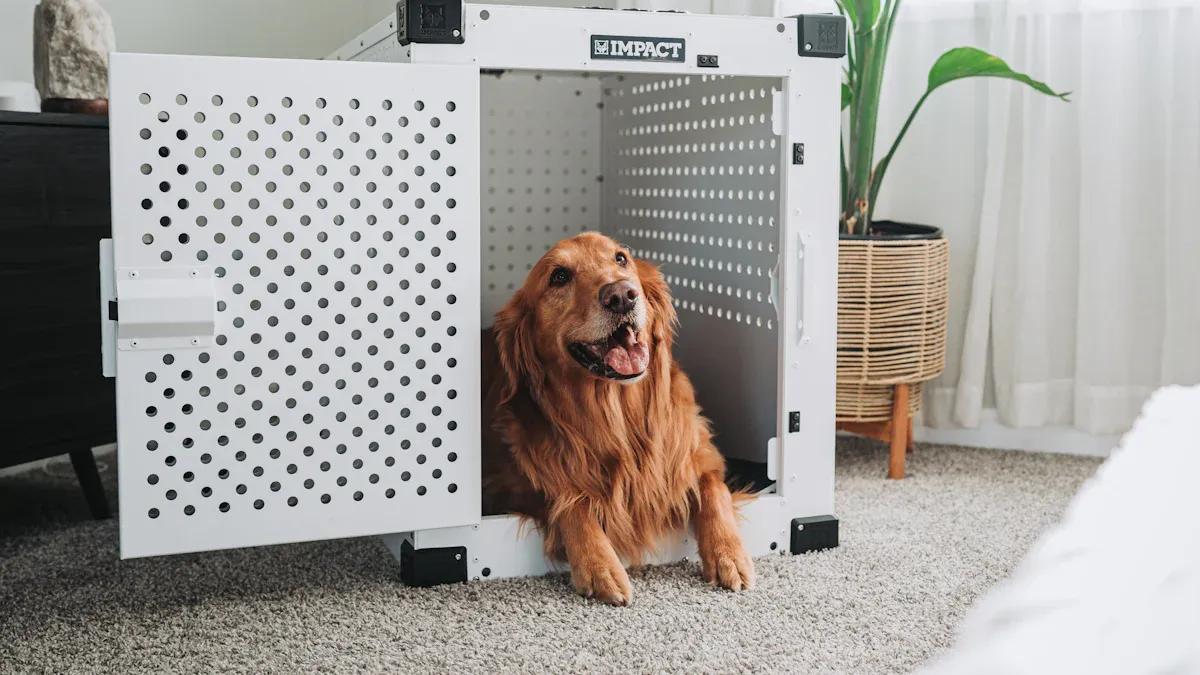
Best placement for dog houses for outdoors
You need to place dog houses for outdoors where your dog gets the best protection from wet weather. Follow these steps to maximize warmth and dryness:
Find a spot that stays dry after rain. Avoid low areas where water pools.
Face the entrance away from the strongest winter winds and heavy rain.
Place the waterproof dog house under a tree or near a wall for extra wind protection.
Make sure the ground is level and stable.
Keep the house out of direct sunlight during summer, but allow some sun in winter for warmth.
Check for easy access so your dog can enter and exit without trouble.
Inspect the area for hazards like mud, puddles, or slippery paths.
Tip: You improve protection by choosing rot-resistant wood and sealing surfaces. Slope the roof to direct rain away and add a door flap to block wind and wet weather.
Building a dry base and raising the floor
You must build a dry base for your waterproof dog house. Raising the floor helps prevent moisture and cold from seeping in. Use bricks, concrete blocks, or a wooden platform to lift the house off the ground. This step keeps the sleeping area dry during wet weather. Raised floors also stop heat loss and block wind. Insulate all sides for extra protection. Line the floor with straw or bedding that stays warm even when damp.
Raised floors keep your dog safe from wet weather.
Insulation in the floor adds comfort and warmth.
Waterproof materials protect against winter storms.
Note: Always check the base for stability and dryness before each winter season.
Bedding choices: straw vs. blankets for moisture control
You must pick bedding that keeps your dog dry and warm. Straw works well for moisture control. It absorbs surface dampness and lets vapor escape, so bedding stays drier longer. Blankets trap moisture and get cold and wet during winter. Straw helps your dog maintain body heat in a cold weather dog house. Studies show straw-lined shelters keep animals warmer than damp blankets. Replace straw often to keep the waterproof dog house clean and dry.
Straw is best for wet weather and winter.
Blankets are not good for moisture control in dog houses for outdoors.
Change bedding regularly for comfort and protection.
Alert: Never use bedding that stays wet. Wet bedding lowers protection and comfort.
Airflow and door direction for weather protection
You must manage ventilation and door direction to protect your dog from wet weather. Place the door so wind and rain do not blow directly inside. Use a flap or cover to block drafts. Add ventilation near the top of the insulated dog house. This step prevents condensation and keeps air fresh. Make sure airflow is smooth but not strong on the sleeping area. Good ventilation stops moisture buildup and keeps your dog safe during winter.
Door direction blocks wind and wet weather.
Ventilation prevents damp bedding and mold.
Airflow keeps the waterproof dog house comfortable.
Tip: Adjust vents and door covers as the weather changes. You improve protection and comfort by checking airflow often.
Step-by-step setup process for warmth and dryness
Choose a dry, stable spot for the waterproof dog house.
Raise the floor using bricks, blocks, or a platform.
Seal all surfaces and slope the roof for wet weather protection.
Install a door flap to block wind and rain.
Add straw bedding for moisture control and warmth.
Place ventilation openings near the top of the insulated dog house.
Check entry space and airflow to ensure comfort and safety.
Pass/Fail Setup Checklist
Inspection Item | Pass Status | Fail Status | Solution |
|---|---|---|---|
House stability | Firm, level, secure | Wobbly, uneven, loose | Adjust base, secure anchors |
Dry bedding | Clean, dry straw | Wet, dirty, moldy | Replace bedding, check for leaks |
Wind-blocked entrance | Door faces away from wind | Door faces wind/rain | Rotate house, add flap or cover |
Comfortable entry/turning space | Easy entry, room to turn | Tight, blocked, cramped | Adjust size, clear obstacles |
Smooth airflow (no strong wind) | Gentle, fresh air | Strong drafts, stale air | Adjust vents, block direct drafts |
Dry ground/avoid wet paths | No puddles, mud, or water | Wet, muddy, slippery | Raise house, improve drainage |
Safety Reminder: Check each item before winter and after wet weather. You keep your dog safe and comfortable by following this checklist.
Prevent cold, wet, and unsafe conditions in outdoor dog houses
Stopping damp bedding and condensation
Wet bedding and condensation can make your dog sick. Moisture-resistant materials help bedding stay dry. Good ventilation lets moisture leave and stops condensation. Raise the shelter to keep it off wet ground. Straw bedding soaks up dampness and stays warmer than blankets. Change bedding often to stop mold and discomfort.
Risk Cause Table
Problem | Cause | Current Handling | Setup Improvement Needed |
|---|---|---|---|
Wet bedding | Rain leaks, ground moisture | Replace bedding | Seal roof, elevate floor |
Cold wind | Poor door placement, drafts | Door flap, block wind | Face entrance away from wind |
Excessive heat | Direct sunlight | Move to shade | Add shade, adjust placement |
Condensation | Blocked airflow | Open vents | Add ventilation, check bedding |
Muddy entrance | Low ground, poor drainage | Clean entry | Raise house, improve drainage |
Oversized shelter | Too much empty space | Add bedding | Resize shelter, insulate walls |
Poor door placement | Facing wind/rain | Cover door | Rotate house, install flap |
Avoiding drafts and heat loss in cold weather dog house
Drafts and heat loss make your dog feel cold and unsafe. Raise the floor to stop heat from escaping. Use straw or cedar shavings for bedding to keep your dog warm. Seal cracks around doors and seams with caulk or weather stripping. Put a door flap on to block wind. Turn the entrance away from strong winds. Use reflective insulation on walls to keep heat inside. Open vents to control humidity and stop dampness.
Extra caution for puppies, seniors, and short-coated breeds
Some dogs need more protection. Puppies, seniors, and short-coated breeds lose heat fast and can get sick. Bring these dogs inside when the weather is bad. Watch them closely and check bedding often. Add more insulation and bedding for these dogs. Always keep an eye on vulnerable dogs outside.
Note: Weatherproof dog houses help keep dogs safe, but you must watch and bring vulnerable dogs inside when needed.
Severe weather backup plans for dog houses for outdoors
You need to be ready for bad weather. Bring your dog inside during storms, freezing cold, or heat waves. Keep a backup shelter in your home or garage. Check the weather forecast and act early. Your dog’s health depends on you acting fast in dangerous weather.
Cause Analysis Module
Wet bedding and ground: Moisture comes from leaks or ground contact. Change bedding and raise the shelter.
Blocked airflow and condensation: Bad ventilation traps moisture. Open vents and check bedding.
Improper sizing and insulation: Big shelters lose heat. Insulate walls and make the shelter fit your dog.
Exposure to harsh weather and poor door orientation: Wind and rain come in through the door. Turn the house and add a flap.
Maintain your insulated dog house with simple checks and fixes
Routine checks for dryness and stability
You need to check your dog’s house often. This keeps your dog safe and happy. Look for wet spots, cold air, or if the house feels wobbly. Even a strong house needs regular checks. Use this list to help you every day and week:
Make sure bedding is dry and clean.
Look at the floor and walls for leaks or dampness.
Check if the base and anchors are steady.
See if your dog can get in and out easily.
Make sure vents are open and not blocked.
Tip: Deep clean the house every month. Take out all bedding. Wash the inside with watered-down white vinegar. Rinse it well and let it dry before putting bedding back.
Troubleshooting drafts, leaks, and wet bedding
Drafts and leaks make your dog cold and wet. Wet bedding is not warm and can make your dog sick. You can fix these problems with easy steps:
Problem | What to Look For | How to Fix It |
|---|---|---|
Drafts | Cold air near sleeping area | Seal cracks, add door flap |
Leaks | Water stains or puddles | Reseal roof, check wall seams |
Wet bedding | Damp or musty smell | Replace bedding, check for leaks |
If you see mold or rust, clean it with pet-safe spray. Check for holes where bugs or mice could get in. Fix them right away. Checking often helps you find problems early.
Quick fixes for weather shifts and maintenance
Weather can change fast and make your dog uncomfortable. Watch the weather and change the shelter when needed. Try these quick tips:
Use a weather app to know when storms are coming.
Make a safe indoor spot with soft bedding and toys if bad weather hits.
Use calming sprays or vet-approved treats to help your dog feel calm.
Seal wooden houses once a year and keep vents open. Clean the inside every month or two to keep it fresh.
Note: Taking care of the house helps it last longer and keeps your dog safe.
Cleaning and replacing bedding in waterproof dog house
Clean bedding keeps your dog healthy and happy. Change straw or other bedding often, especially after rain. Clean up messes right away with special cleaner. Deep clean the house every month. Take out bedding, scrub inside, rinse, and let it dry before adding new bedding. Check every month for mold, bugs, or rust.
Clean bedding stops sickness and keeps your dog comfy.
Dry bedding helps your dog stay warm and safe.
Cleaning often makes the house work better.
Safety Reminder: Always check bedding and the house before cold or rainy days. Your dog needs you to keep their home safe and cozy.
You help your dog stay warm and dry by choosing the right size, placing the shelter well, and checking it often. Insulation and waterproof features protect your dog from cold and wet weather. You improve comfort by raising the floor and adding straw bedding. Review your dog’s house and make changes for safety.
Keep your dog safe year-round by following the checklist and tips.
Use closed-cell foam or double-wall insulation.
Raise the floor to stop moisture.
Add upper vents for airflow.
Provide shade and fresh water.
Watch your dog during extreme weather.
FAQ
How often should you check your dog’s shelter?
You should check the shelter every day for dryness, stability, and clean bedding. Regular checks help keep your dog safe and comfortable.
What is the best way to keep the shelter dry during heavy rain?
Raise the shelter off the ground and use waterproof materials. Make sure the roof slopes and the entrance faces away from strong wind and rain.
Can you use blankets instead of straw for bedding?
Blankets trap moisture and get cold. Straw works better in outdoor shelters because it stays drier and helps your dog stay warm.
