
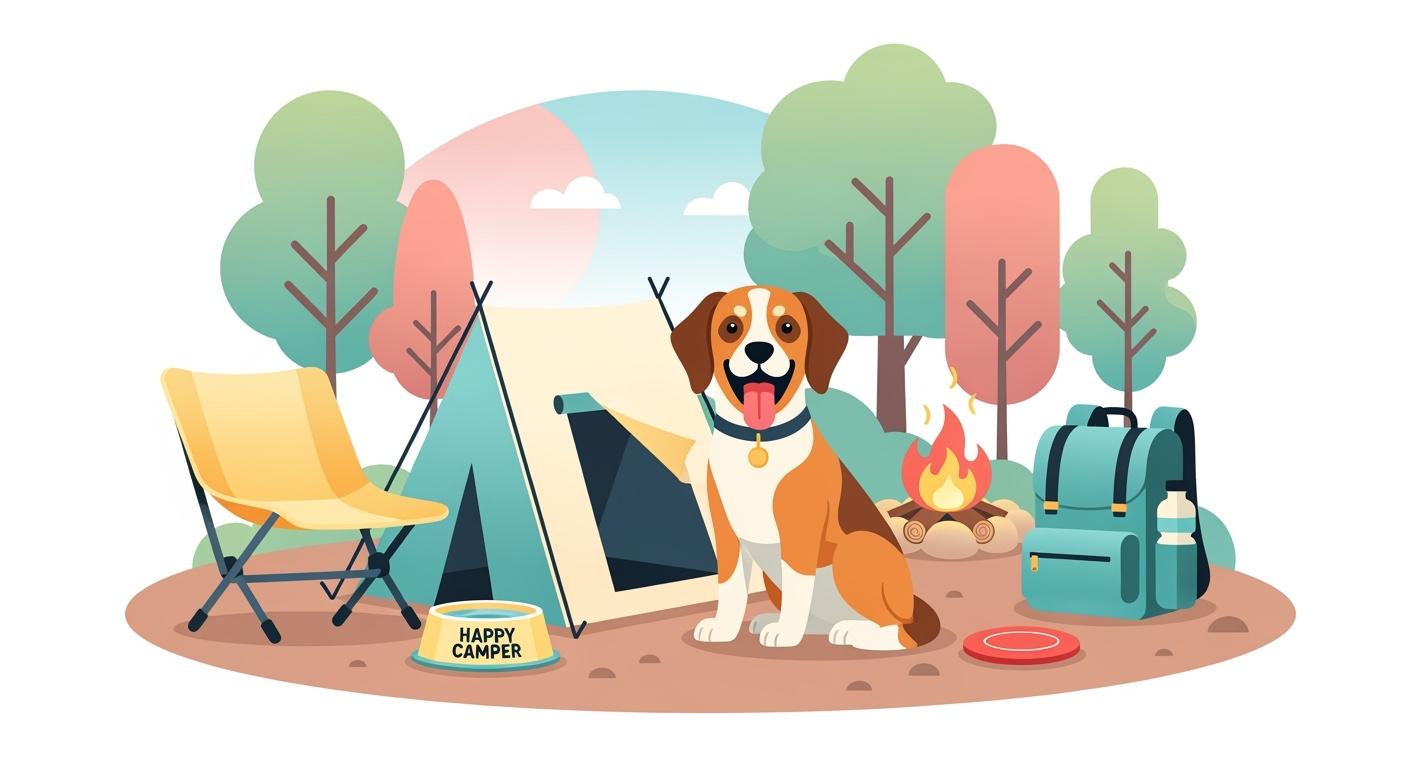
You can set up a pet tent for camping quickly by choosing a stable spot and adding layered bedding for your dog. Always check campsite rules and bring portable gear for shade, water, and comfort.
Tip: Prepare for heat, wildlife, and unfamiliar surroundings to keep your dog safe outdoors.
Key Takeaways
Pick a flat, shady place for your pet tent. This helps your dog stay cool and safe from the sun.
Get a tent that lets air move well and is made of tough materials. This keeps your dog comfy and safe while camping.
Watch your dog all the time and use a leash. This stops accidents and keeps your dog safe in new places.
Pick the Right Pet Tent for Camping and Sleep Gear
Camping with Dogs: Car, Campground, or Trail Differences
Check pet rules and leash laws before you choose a tent. The type of campsite changes what you need to bring. Use this chart to see how each camping style is different:
Camping Scenario | Setup Directions | Gear Combo | Risks | Pre-Setup Checks |
|---|---|---|---|---|
Park close, flat ground | Tent + mat + bowl | Hot weather, cars | Shade, leash, rules | |
Campground | Use marked spot, clear | Tent + blanket | Animals, loud sounds | Leash, airflow, drainage |
Backcountry Trail | Far away, natural area | Light tent | Bad weather, no water | Access, pet policy, ticks |
Always make sure dogs are allowed and know where they can go. National and state parks have strict leash rules. Private campgrounds sometimes have more things for pets.
Pet Tent Features: Stability, Ventilation, Entry, Packability
Pick a tent with strong poles and good stakes. Mesh panels let air move through the tent. Good airflow keeps your dog cool and happy. Easy entry and small packing size make setup and travel simple.
Material Type | Waterproof | Breathability | Pros | Cons |
|---|---|---|---|---|
PU-Coated | Yes | Moderate | Light, low cost | Gets old faster |
Silnylon | Yes | High | Strong, waterproof | Hard to fix holes |
Enameled Cotton | No | High | Tough, airy | Heavy, gets mold |
Comfort Essentials: Mat, Blanket, Quick-Dry Layers
Put layers in your dog’s sleeping spot for warmth. Use a soft mat or pad to keep out cold. Add a waterproof blanket if it rains. Quick-dry layers are easy to clean and keep your dog dry.
What to Avoid: Weak Structure, Poor Airflow, Hard Cleaning
Don’t pick tents with weak frames or bad airflow. Mesh panels stop the tent from getting too hot. Choose materials that are easy to clean after your trip. Don’t use big, heavy bedding; layers are easier to handle.
Tip: Bring your dog’s favorite things from home. This helps your dog feel calm in new places.
Set Up Your Dog’s Camp Sleep Area Fast and Right
Pick the Spot: Shade, Drainage, Ground, Traffic
You need to choose the right spot for your dog’s tent. Look for shade to protect your dog from the sun. Find level ground to keep the tent stable and improve sleep quality. Avoid areas with heavy foot traffic or close to roads. Good drainage helps keep bedding and comfort items dry if it rains. Use tent pads or natural flat spots to prevent water from pooling under the tent.
Criteria | Importance |
|---|---|
Tent pads | Keep gear dry in rain |
Shade structures | Protect against sun exposure |
Level ground | Improves sleep quality and stability |
Tip: Always supervise your dog during setup. Use a leash or carrier if your dog gets excited or if you are near busy areas.
Setup Order: Tent, Layers, Comfort Items
Start by setting up the tent for your dog. Place the tent on the chosen spot. Add bedding and comfort layers next. Use a mat or pad as the base. Add a blanket or quick-dry layer for warmth and easy cleaning. Place familiar items, like your dog’s favorite toy or blanket, inside the tent. This helps your dog feel at home and reduces stress when camping with dogs.
Before your dog enters the tent, check for ticks and debris. Wipe your dog’s paws and coat to keep the sleep area clean.
Quick Checks: Stability, Airflow, Dryness, Entry
You must check the tent for stability and safety. Make sure the tent stands firmly and does not wobble. Open mesh panels or vents to allow airflow. This prevents overheating and keeps your dog comfortable. Check that bedding and comfort items stay dry. Clean the tent with pet-safe disinfectant and let it air dry before use. Place the tent away from fire hazards and toxic plants.
Clean the tent before use.
Set up the tent on level ground.
Monitor your dog for signs of stress.
Never leave your dog unattended in vehicles or unsafe spots.
Sharing a tent with your dog can be fun, but always check for blocked entry or poor airflow. Keep the tent door clear so your dog can enter and exit easily.
Easy Use: Night Routine and Morning Pack-Up
A consistent routine helps your dog feel secure at camp. Use familiar bedding and comfort items to create a sense of home. Plan evening activities, like a short walk or gentle play, before bedtime. Check your dog for ticks and wipe down muddy paws. Settle your dog in the tent and follow a predictable schedule. This reduces anxiety and helps your dog adjust to new surroundings.
In the morning, pack up bedding and comfort layers. Clean the tent and check for leftover debris. Store gear in a dry place for your next camping trip. Always supervise your dog during pack-up and keep your dog on a leash if needed.
Tips: Include your dog in your camping routine. Structured activities and familiar items help your dog relax and enjoy the outdoors.
Handle Weather, Wildlife, and Campsite Risks
Heat and Sun: Airflow and Shade Tips
You need to keep your dog safe from heat and sun. Dogs can get too hot fast, especially in a pet tent for camping with bad airflow. Always put the tent in the shade. Use mesh panels so air can move through the tent. Cooling mats, UV-protective shelters, and collapsible water bowls help your dog stay cool. Do not walk your dog at midday. Check the ground before letting your dog outside.
Strategy | Description |
|---|---|
Temperature-regulated sleeping pads | These pads keep your dog cool when it is hot. |
UV-protective shelters | These shelters block sunlight and help stop overheating. |
Collapsible hydration systems | These make sure your dog always has water. |
Avoiding midday walks | This keeps your dog safe from heat during the hottest time. |
Checking pavement temperature | This protects your dog’s paws from getting burned. |
Cooling vests or mats | These give your dog extra cooling on hot days. |
Tip: Good airflow in the tent stops heat and wet air. Use vents near the top for safe weather and temperature.
Rain and Damp: Keeping the Sleep Area Dry
Rain can make your dog’s bedding wet and not comfy. Pick a tent with a high waterproof rating and a full rainfly. Double-wall tents help stop wet air inside. Always put the tent on high ground. Use a waterproof mat under the tent.
Feature | Advantage | Drawback |
|---|---|---|
High HH Rating | Stops heavy rain from leaking inside | These tents are heavier and cost more. |
Full Rainfly Coverage | Keeps the sides dry when it rains sideways | Can get hot if you do not open vents. |
Double-Wall Construction | Stops wet air from building up | These tents are harder to dry and pack away. |
Always bring a dry backup layer for your dog. Wipe or wash your dog before bed if it is muddy outside.
Wildlife and Insects: Supervision and Boundaries
Wild animals and bugs can be a problem when camping with dogs. Keep your dog on a leash at all times. Never let your dog chase wild animals. Put the tent away from busy paths. Clean up waste right away. Stay far from wild animals, at least 100 yards from big ones. Only tie your dog up for a short time and always watch them.
Keep your dog on a leash to stay safe.
Do not let your dog chase or bother wildlife.
Clean up after your dog so animals do not come close.
Safety tips for camping: Never let your dog drink water that is not safe.
Common Mistakes: Unattended Dogs, Bad Spots, Blocked Airflow
Some owners make mistakes that can hurt their dog. Leaving your dog alone can lead to escapes or accidents. Putting the tent in a bad spot can put your dog near danger. If air cannot move in the tent, your dog can get too hot.
Weather Risk Prevention Table
Weather Issue | Cause | Immediate Action | Setup Improvement |
|---|---|---|---|
Overheating | Not enough airflow, too much sun | Move to shade, give water | Open mesh vents, use cooling mats |
Damp Bedding | Rain or wet ground | Change bedding, dry your dog | Use waterproof mats, lift the tent |
Escapes | Dog left alone, loose tent | Hold your dog, check the area | Watch your dog, use leash or carrier |
Overheating
Dogs get too hot when tents have no airflow or sit in the sun.
Solutions:
Move the tent to shade
Open vents
Use cooling mats
Give your dog water
Always watch your dog.
Damp Bedding
Rain or wet ground makes bedding damp.
Solutions:
Change out wet bedding
Use waterproof mats
Lift the tent off the ground
Check bedding before your dog goes to sleep.
Campsite Escapes
Dogs can run away if left alone or if the tent is not closed.
Solutions:
Watch your dog
Use a leash or carrier
Check zippers and doors on the tent
Never leave your dog alone.
Tips and Checklist: What to Bring When Camping with Dogs
Pre-Trip Checklist: Gear, Rules, Route, Weather
Before you go checklist helps you stay organized and ready for your camping trip. Use this list to make sure you have what to bring when camping with your dog:
Check park and campground rules for dogs.
Visit your vet for vaccinations and bring medical records.
Train your dog on basic commands like “come” and “stay.”
Pack a dog backpack, sleeping pad, collapsible bowl, paw protection, and GPS tracker if needed.
Bring food, water, waste bags, and a first-aid kit.
Plan your route to avoid hazards and research the area for wildlife or rough terrain.
Check the weather and pack insulated bedding or cooling gear as needed.
Acclimate your dog to the tent and outdoor gear before the trip.
Tip: Always pack a backup dry layer and choose easy-clean materials for your dog’s comfort.
At-Camp Checklist: Setup, Water, Cleanup, Bedtime
What to bring when camping also means knowing your routine at camp. Use this checklist for a smooth setup and safe bedtime:
Set up the tent on level, shaded ground with good drainage.
Provide fresh water and refill bowls often.
Clean up after your dog right away to keep wildlife away.
Do a quick tick check and wipe your dog’s paws before bedtime.
Use dry, layered bedding and keep a backup layer handy.
Store food and gear in a dry, secure spot.
Pack up bedding and check for debris in the morning.
Troubleshooting: Wobble, Wet Bedding, Overheating, Restlessness
Camping brings surprises. Use this table to solve common problems fast:
Issue | Possible Cause | Immediate Fix | Future Prevention |
|---|---|---|---|
Tent wobbles | Uneven ground, loose stakes | Move tent, reset stakes | Pick flat spot, check stakes daily |
Wet bedding | Rain, poor drainage | Swap bedding, dry area | Use waterproof mats, lift tent |
Overheating | Poor airflow, direct sun | Move to shade, open vents | Set up in shade, use mesh panels |
Restlessness | Unfamiliar area, stress | Add familiar item, calm dog | Bring favorite blanket or toy |
Safety tips for camping: Always supervise your dog and never leave them unattended in the tent or vehicle.
Cleaning and Storage for Next Trip
After your camping trip, clean and dry all gear before storage. Wipe down metal parts and air out the tent and bedding. Store items in breathable bags to prevent mold. Check your gear every few months for pests or damage. This keeps your dog’s sleep area safe and ready for your next adventure.
You help your dog feel safe by setting up the tent with care. Always check your dog’s comfort and follow rules at every camping site. Prepare for weather and watch your dog closely. When you stay alert, you make camping fun for you and your dog. Enjoy every outdoor moment together.
FAQ
How do you pet-proof your campsite for your dog?
You check for hazards, secure food, and remove sharp objects. You set boundaries with a leash and supervise your dog to keep the campsite safe.
What should you do if your dog gets restless at night?
You add familiar bedding or toys. You calm your dog with gentle petting. You keep a consistent routine to help your dog relax.
How can you keep your dog cool during summer camping?
You set up the tent in shade. You use mesh panels for airflow. You provide fresh water and cooling mats to prevent overheating.
