
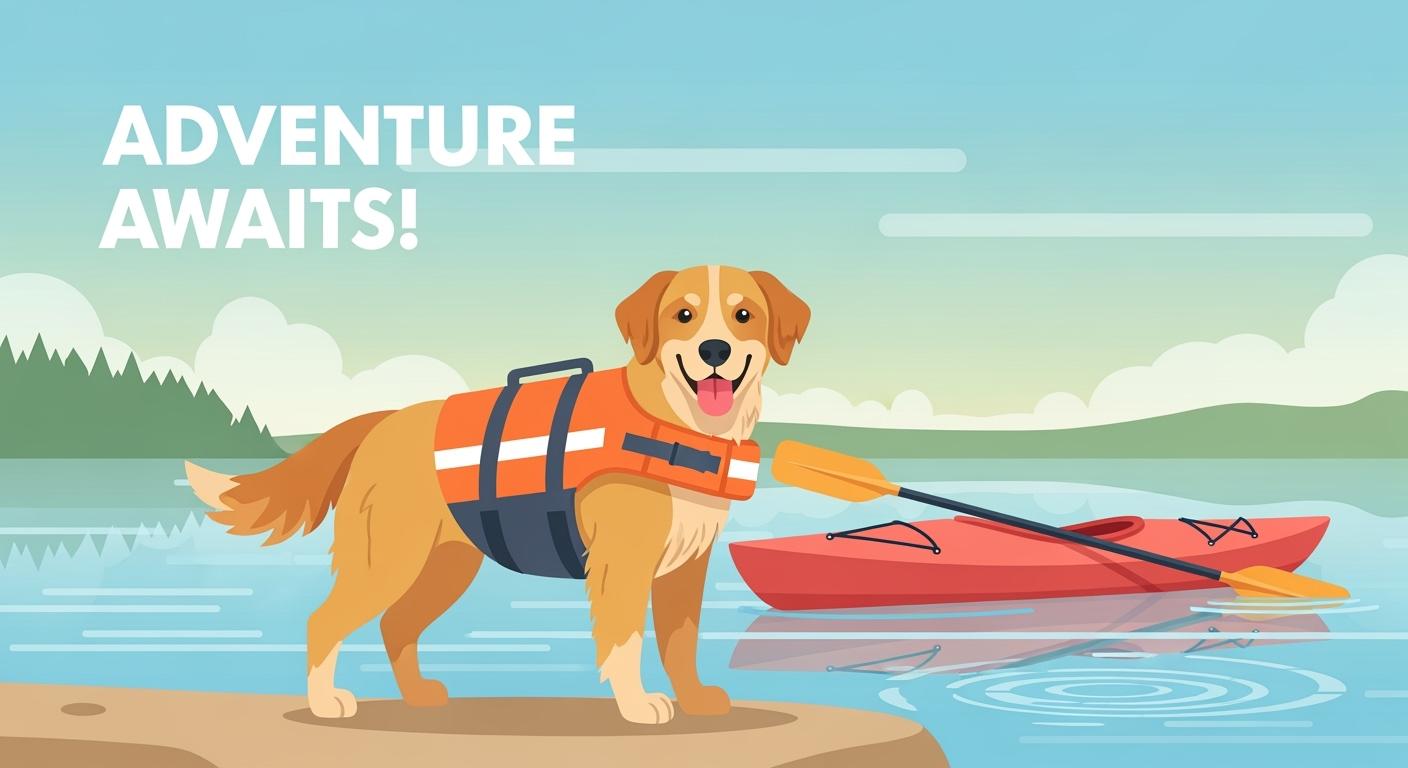
You want your dog to have fun in the water and feel safe. A dog life jacket that fits well helps your dog float and be seen when swimming or boating.
It helps your dog use less energy and keeps its head up, so it does not get scared.
Bright colors make it easier to see your dog when it is dark or cloudy.
Different breeds need different sizes and shapes for the best fit.
Remember, a life jacket does not replace watching your dog or helping it get used to water slowly.
Key Takeaways
Pick a life jacket that fits close to your dog. You should be able to slide two fingers under each strap. This keeps your dog safe and comfortable.
Pick a jacket with bright colors and reflective strips. These help you see your dog in the water. They are important when it is dark or cloudy.
Let your dog get used to the life jacket slowly. Help your dog get used to water step by step. Use treats and praise to make your dog feel brave and less scared.
Choose the right dog life jacket for your activity
Scenario | Life Jacket Priority | Main Risks | Pre-Checks |
|---|---|---|---|
First swim | High | Panic, fatigue | Fit, flotation, supervision |
Pool | Medium | Slipping, tiredness | Fit, visibility, water quality |
Lake | High | Currents, low visibility | Fit, flotation, handle, water test |
Boating | Essential | Falling, rescue | Fit, handle, adjustable straps |
Kayaking | Essential | Capsize, entry/exit | Fit, handle, visibility |
Strong currents | Essential | Drowning, panic | Fit, flotation device, supervision |
Low-confidence dogs | High | Fear, escape | Fit, flotation, gradual intro |
Swimming vs. kayaking: setup differences
Swimming and kayaking need different setups. Swimming is about floating and moving easily. Kayaking needs a strong handle for lifting fast. It also needs bright colors for safety. Always check the fit before you start. Watch your dog at all times.
Key features: buoyancy, handle, visibility, adjustability
A good dog life jacket has foam that helps your dog float. Bright colors and shiny strips help you see your dog. Strong handles let you lift your dog out of water. Straps that adjust make the jacket fit well and stop rubbing. Materials like neoprene and nylon dry fast and last longer.
Feature | Description |
|---|---|
High-buoyancy foam | Keeps your dog afloat and safe |
Bright colors | Makes your dog easy to spot |
Sturdy handles | Helps with lifting and control |
Reflective strips | Adds visibility in low light |
Secure straps | Keeps the jacket snug and compatible |
D-rings | Allows leash attachment |
Durable materials | Quick-drying and strong |
Adjustable straps | Provides comfort and proper fit |
Padded edges | Reduces chafing |
Fit and sizing: chest girth, weight, and two-finger check
Measure your dog’s chest before you buy a jacket. Use the size chart for body and weight. Follow these steps for a good fit: First, measure your dog’s chest and length. Next, pick the right size from the chart. Put the jacket on your dog. Adjust the straps so it fits snug. Check if it feels good around the neck and chest. You should fit two fingers under each strap. After a short swim, check the fit again.
Check Item | Pass/Fail | Improvement Measures |
|---|---|---|
Chest girth | Adjust straps or size | |
Strap snugness | Tighten or loosen straps | |
Comfort points | Add padding or adjust fit | |
Two-finger rule | Recheck after water test |
Red flags: loose fit, poor handle, weak straps, low visibility
A loose jacket can slip off and feel bad. Bad handles make lifting hard and unsafe. Weak straps can break. If you can’t see your dog, it is not safe. Always look for these problems before you go in the water.
Tip: A jacket that fits well helps your dog float and feel safe. Always check the fit and how well it floats before you start water fun.
Fit the dog life jacket step by step before water
Getting the right fit for your dog life jacket is the first step to keeping your dog safe and comfortable in the water. Follow these steps to make sure your dog gets the best support and buoyancy before any swim or boating adventure.
Measure and select the right size
Start by measuring your dog when it feels calm. Use a soft tape measure and ask someone to help hold your dog steady. Measure the neck at the base, then the widest part of the chest. Check the back length from the base of the neck to the base of the tail. Weigh your dog to confirm the right size range for the dog vest. Always use inches for accuracy. Compare your measurements to the size chart for the swim vests you plan to use. Pick the size that matches your dog’s chest girth and weight for the best flotation and comfort.
Tip: Chest girth is the most important measurement for a secure fit. A snug vest helps your dog move freely and keeps the flotation device in place.
Adjust straps and check comfort points
Once you have the right size, put the vest on your dog. Adjust the straps so the dog life jacket fits close to the body but does not pinch or rub. Make sure the secure straps sit flat and do not twist. Check that the vest covers the chest and belly without blocking the legs or rubbing the skin. Look for padded edges and smooth seams at contact points. A good fit means your dog can sit, stand, and lie down without trouble.
Land fit check: two-finger rule and movement test
Before heading to the water, check the fit on land. Use the two-finger rule: slide two fingers under each strap. If you cannot fit two fingers, the vest is too tight. If you can fit more than two, the vest is too loose. Watch your dog walk, sit, and turn. The dog should move easily, and the flotation device should not shift or ride up. Test the handle by gently lifting your dog a few inches to see if the support feels even and secure.
Water test: recheck fit after getting wet
Take your dog to shallow water for a short test. Let your dog wade and paddle while you watch closely. Wet vests can shift or loosen, so check the straps again after a few minutes. Make sure the dog vest stays in place and does not twist or slip. Look for signs of rubbing or discomfort. Adjust the straps if needed. This step helps you spot problems before a full swim or kayak trip.
Note: A dog life jacket gives buoyancy support and helps with visibility, but it does not replace close supervision or slow, steady confidence-building.
Six-step confidence-building training process
Let your dog sniff and explore the vest on land.
Put the vest on for short periods indoors, using treats and praise.
Practice walking and moving with the vest in a safe space.
Move to shallow water and let your dog stand or walk in with the vest.
Encourage gentle paddling in shallow water, keeping sessions short.
Gradually increase time and depth as your dog gains confidence.
Why it works: This process helps your dog adapt to the new gear and water at its own pace. Short, positive sessions build trust and comfort. Consistency and patience help your dog feel safe and supported.
Common fit and safety risks: causes and solutions
Problem | Cause | Immediate Action | Future Improvement |
|---|---|---|---|
Vest slips off | Loose straps or wrong size | Tighten straps or resize | Re-measure and check size chart |
Chafing | Rough seams or tight fit | Remove vest, check skin | Choose padded vest, adjust fit |
Panic in water | Poor fit or lack of training | Calm dog, return to land | Use gradual training steps |
Fatigue | Low buoyancy or overexertion | Give rest, monitor closely | Pick higher buoyancy support |
Swim vests and flotation devices help your dog float and stay visible, but they do not replace your attention or a slow, steady approach to water activities. Always check the fit, adjust as needed, and build your dog’s confidence step by step for the best safety and fun.
Introduce your dog to a life jacket and build water confidence
Why some dogs resist or panic in water
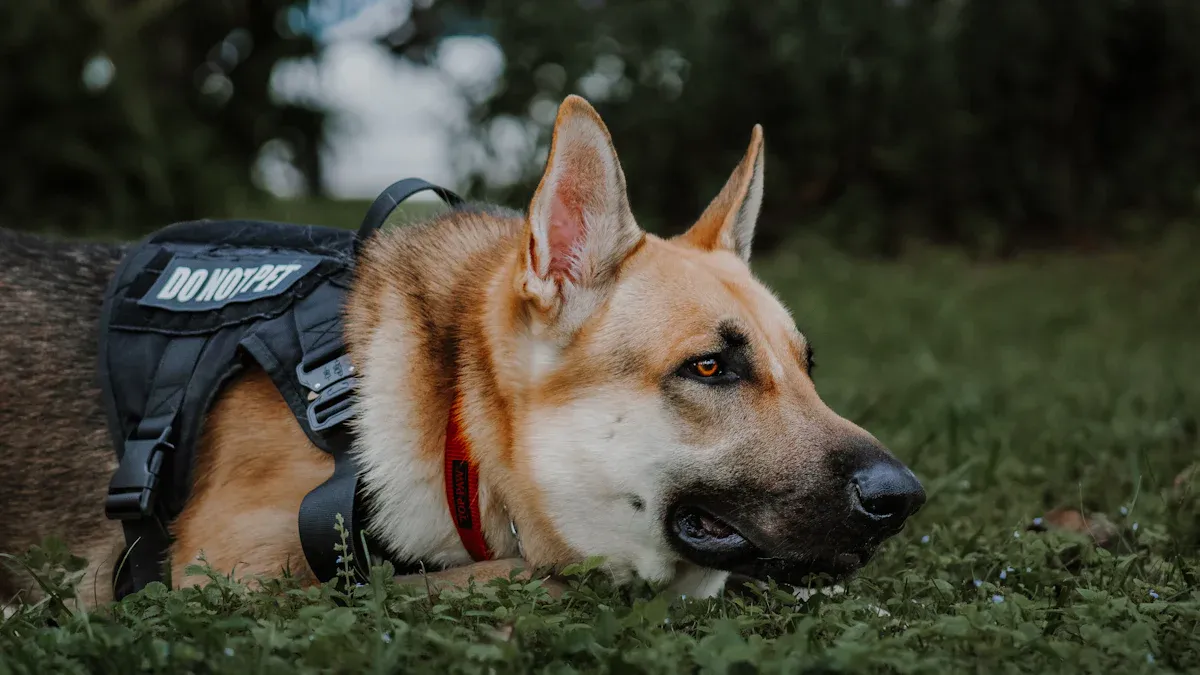
Many dogs feel unsure about water or new gear. You may notice your dog resists wearing a flotation device or avoids the water. This can happen for several reasons:
Some dogs do not swim naturally and need gradual exposure.
Forcing a dog into deep water can create fear and long-lasting avoidance.
Dogs build confidence when they join activities at their own pace and connect water with positive experiences.
Patience helps your dog feel safe. You should never rush the process. Let your dog explore the dog life jacket and water slowly.
Gradual introduction: land, shallow water, short sessions
Start by letting your dog sniff and touch the flotation device on land. Use treats and praise to create a positive link. Put the vest on for short periods indoors. Practice walking and moving with the vest. Move to shallow water and let your dog stand or walk in. Keep sessions short and fun. If your dog shows stress, return to land and try again later. Patience and positive reinforcement help even dogs that are not natural swimmers.
Tip: Building water safety and confidence takes time. Always watch for signs of fatigue or fear.
Kayak prep: gear intro, entry/exit, calm rides
Before kayaking, introduce your dog to the kayak and gear on land. Let your dog step in and out with the vest on. Practice calm entry and exit. Use sturdy handles for lifting if needed. Start with short, gentle rides. Bright colors for visibility and buoyancy support help your dog feel secure.
What to avoid: forcing, skipping breaks, leashes in water
Never force your dog into water or onto a kayak. Do not skip breaks, as dogs can tire quickly. Avoid using leashes in water because they can become a hazard. Always use safety tips and check the fit of the dog life jacket before each session.
When should dogs wear life jackets? Safety checklists and troubleshooting
You may wonder when should dogs wear life jackets. Dogs wear life jackets during swimming, kayaking, boating, and any time you see rough water or strong currents. Dogs wear life jackets for ice fishing, too. In cold or low-light conditions, a life jacket with insulation and reflective details helps your dog stay warm and visible. Dogs wear life jackets if they are not strong swimmers or if you want extra safety for your pet.
Before you go: gear, fit, weather, water quality
Before you start any water activity, check your gear and your dog’s fit. Dogs wear life jackets that match their chest size and weight. Make sure the flotation device fits snugly but does not pinch. If you ask how tight should a dog life jacket be, you should fit two fingers under the straps. Always check the weather and water quality. Avoid water with scum, foam, or strange colors. Bring fresh water for your dog.
Checklist Item | Description |
|---|---|
Dog float vest fitted and secured | Essential for buoyancy and safety in water. |
Insulated booties on all four paws | Protects paws from cold and sharp objects. |
Thermal jacket if temps below 20°F | Keeps the dog warm in cold conditions. |
30-foot lead and boundary markers packed | Ensures control and safety around the water. |
Emergency vet contact in phone | Quick access to help in case of an emergency. |
Establish visible boundary perimeter | Prevents the dog from wandering into danger. |
Monitor for hypothermia signs every 20 minutes | Ensures the dog’s health is regularly checked. |
Provide warm water breaks every hour | Keeps the dog hydrated and comfortable. |
On the water: supervision, breaks, visibility
Dogs wear life jackets every time you go on the water. You must watch your dog at all times. Take breaks often so your dog does not get tired. Dogs wear life jackets with bright colors or reflective strips for better visibility. Use safety tips and keep your dog close to you, especially near boats or docks.
Troubleshooting: slipping, chafing, panic, fatigue
If the life jacket slips, check the fit and adjust the straps. If you see chafing, remove the vest and check your dog’s skin. Dogs wear life jackets that fit well and do not rub. If your dog panics, return to land and try again later. Give your dog time to rest if you see signs of fatigue. Dogs wear life jackets with enough buoyancy to help them float and feel safe.
After care: rinse, dry, inspect, and skin check
After each session, rinse the life jacket and your dog with clean water. Dry the vest before storing it. Inspect the straps and seams for wear. Check your dog’s skin for any rubbing or irritation. Dogs wear life jackets that stay clean and in good shape for every adventure.
Tip: Learn how to choose the right life jacket and always follow safety tips for every water activity.
Pick a vest that is easy to see and has shiny strips. Make sure it has a strong handle for lifting your dog.
Check if the vest fits well and feels good before going near water.
Be patient and watch your dog for any signs of worry or stress.
Change what you do to help your dog stay safe and feel brave each time.
FAQ
How do you know if a dog life jacket fits correctly?
You should check that you can slide two fingers under each strap. The jacket should not slip or rub when your dog moves.
Can any dog swim without a life jacket?
Not every dog swims well. Some breeds tire quickly or panic. A life jacket helps your dog stay safe and visible in the water.
Should you leave a life jacket on your dog all day?
No. Remove the jacket after water activities. This prevents skin irritation and lets your dog rest comfortably.
