
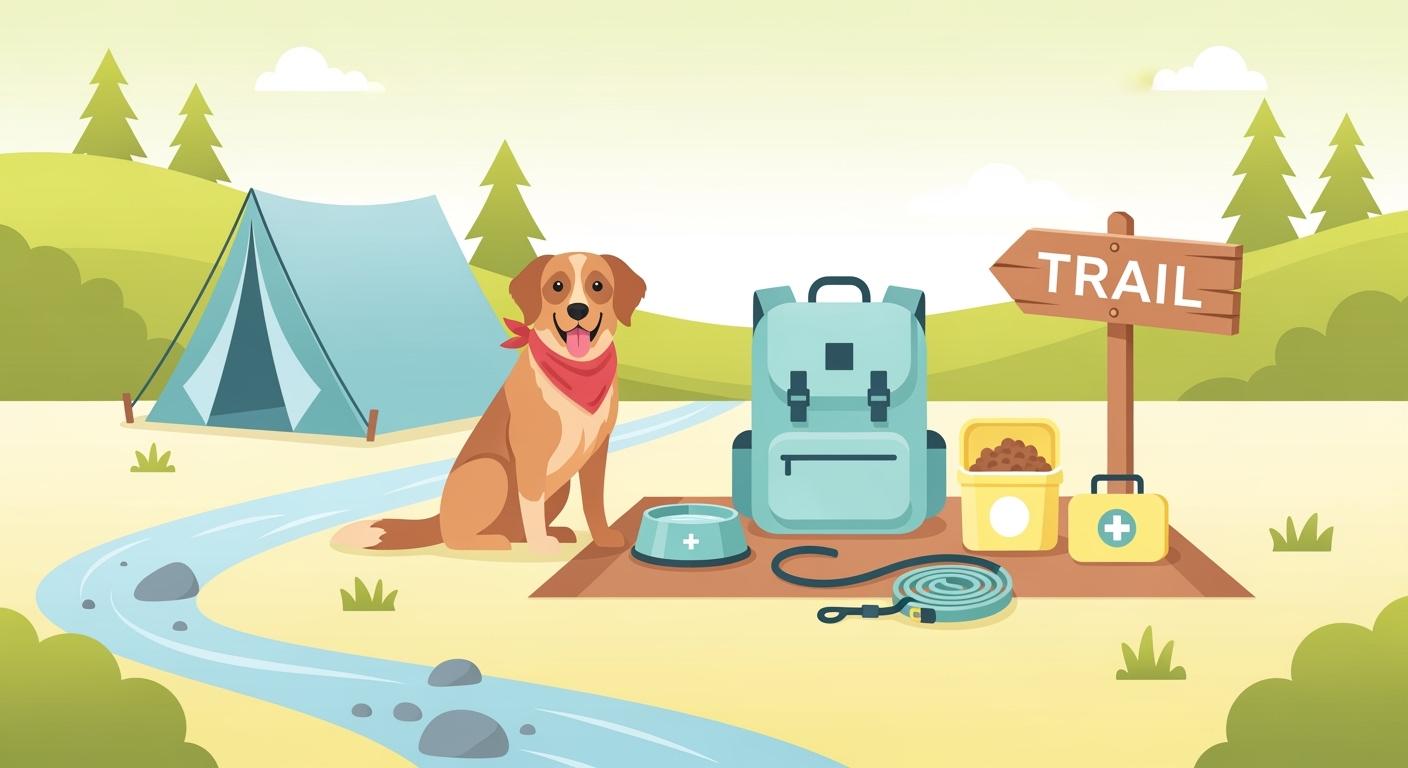
A modular dog camping kit helps you keep things organized. It makes sure you have what your dog needs for camping. You must still watch your dog at all times. Always check the rules for dogs at your campsite. Use good judgment when camping with your dog. Look out for these common problems when you travel with your dog:
Dogs lying down quietly near walkways
Dogs walking just outside the fire’s light
Tripping over leashes or tent lines
Dogs barking at animals at night
Not seeing your dog for even a second
Pick supplies that fit your dog’s needs and your plans. Packing these items helps your dog stay safe and happy outside.
Key Takeaways
Make a dog camping kit with different parts. This keeps your things neat. It helps you remember what you need for each trip.
Always look up local rules for pets before you go. Learn about leash laws and pet access. This can stop problems at your campsite.
Change your packing list for your adventure type. Add gear for camping, hiking, or water fun. This keeps your dog safe.
Make a modular dog camping kit for any trip
Core kit vs add-ons: what every dog needs
You can begin each trip with a core dog camping kit. This kit has the basics for safety, comfort, and control. You add extra modules for each trip type. This way, your packing list stays clear. It helps you not forget important items.
Tip: Always check pet access and leash rules before you pack. Rules change depending on where you go.
Here is a table to help you pick the right setup for your outdoor trips:
Scenario | Core Gear | Add-on Modules | Main Risks | First Things to Check |
|---|---|---|---|---|
Campground Camping | Sleeping pad, leash, ID tags, bowls | Cooling mat, pest repellent | Noise, wildlife, heat | Leash rules, pet area limits |
Trail Hiking | Harness, collapsible bowls, first-aid kit | Paw protection, snacks, dog backpack | Overheating, paw injury | Trail access, water sources |
Water Day (Lake/River) | Waterproof leash, ID tags, life jacket | Rinse kit, towel, water shoes | Drowning, algae, mud | Water quality, entry points |
RV/Van Camping | Sleeping pad, bowls, leash | Comfort blanket, crate | Escape, heat, boredom | Park rules, ventilation |
Glamping | Leash, bowls, weather-appropriate clothing | Toy, blanket, pest repellent | Noise, mess, ticks | Pet policy, cleaning fees |
You can use these modular plans for different needs:
Combo A: Trail Explorer
Target User: Hikers and backpackers
Included Item Categories: Harness, collapsible bowls, first-aid kit, paw protection, snacks, dog backpack
Problems Solved: Paw injuries, dehydration, hunger, lost gear
Caution: Watch for overheating and trail hazards
Recommended Use: Long hikes, remote trails
Combo B: Water Day Ready
Target User: Swimmers, paddlers, lakeside campers
Included Item Categories: Waterproof leash, life jacket, towel, rinse kit, ID tags
Problems Solved: Water safety, mud, lost ID, dirty fur
Caution: Check water quality before letting your dog swim
Recommended Use: Boating, river days, lakeside play
Combo C: Camp Comfort
Target User: Traditional campers, RV travelers
Included Item Categories: Sleeping pad, bowls, leash, cooling mat, pest repellent, comfort blanket
Problems Solved: Heat, pests, sleep discomfort, campsite mess
Caution: Keep food and trash secure from wildlife
Recommended Use: Campgrounds, RV parks, glamping
Veterinarians and outdoor experts say these items are needed for every dog camping kit:
Durable sleeping pad or bag
Collapsible food and water bowls
Secure leash or tie-out system
Weather-appropriate clothing
Cooling vests
Protective paw wax or booties
Dog shoes
First-aid kit
Pest repellent
ID tags
Dog backpacks let your dog carry some supplies. This gives your dog something to do and keeps them busy. These packs fit well and spread weight evenly. Always pack emergency gear in your dog camping gear, especially for far trips.
Adjust for camping, hiking, or water days
You need to change your kit for each adventure. Packing for camping at a campground is not the same as packing for hiking or water days. Here is a step-by-step process to help you pack for any trip:
Check the rules for pets and leash use at your destination.
Lay out your core kit: sleeping pad, bowls, leash, ID tags, first-aid kit.
Add scenario modules: cooling mat for hot camps, paw protection for trails, life jacket for water.
Pack enough food and extra water for your dog.
Include weather-appropriate clothing and pest repellent.
Add comfort items like a blanket or favorite toy.
Review your packing list for your dog and double-check all items.
Use this packing checklist before you leave:
Check Item | Pass/Fail | Solution if Missing |
|---|---|---|
Leash and ID tags | Add to kit right away | |
Collapsible bowls | Pack extras or buy at camp store | |
First-aid kit | Put together basic supplies | |
Paw protection | Use wax or booties | |
Life jacket (water days) | Borrow or rent if needed | |
Pest repellent | Apply before leaving | |
Comfort item | Bring favorite blanket or toy |
You can use this process for every trip. It helps you stay organized and ready for anything.
Simple kit bundles by scenario
You can make simple kit bundles for each adventure. This makes packing easy and helps you not forget important things. Here is a risk and gear checklist to guide you:
Problem | Cause | Which Gear Module Helps | Immediate Action |
|---|---|---|---|
Overheating | Hot weather, no shade | Cooling mat, water | Move to shade, offer water |
Paw injury | Rough trails | Paw booties, wax | Clean paw, use bootie |
Water risk | Dirty water, algae | Life jacket, rinse kit | Rinse dog, switch to dry land |
Wildlife mess | Food left out | Pest repellent, leash | Secure food, keep dog close |
Tick exposure | Brushy areas | Pest repellent | Do tick check, remove ticks |
A modular dog camping kit helps you stay organized and safe. It does not replace watching your dog or checking local rules. Always watch your dog and change your kit for each trip.
Common Problems and Solutions
Overheating
Dogs can get too hot in warm weather or on long hikes.
Try this instead:
Pack a cooling mat or vest.
Give water often.
Rest in shade.
Water Quality
Dirty water can make your dog sick.
Try this instead:
Bring clean water for your dog.
Check water before your dog swims.
Rinse your dog after water play.
Rule Mismatches
Rules for pets are different in each place.
Try this instead:
Check rules before you travel.
Pack a leash and ID tags every time.
Keep your dog close in new places.
Tick Checks
Ticks hide in grass and bushes.
Try this instead:
Use pest repellent.
Check your dog after every outing.
Remove ticks right away.
Avoid overpacking and missing safety gear
Packing for camping with dogs works best when you keep it simple. A small, neat kit is easier to use than a big, messy bag. Packing by scenario helps you remember all essentials and not pack too much. Plan ahead for your vacation and outdoor trips. Always include:
Control and transport items (leash, carrier, ID tags)
Food and water for at least three days
Medical and hygiene supplies (first-aid kit, pest repellent)
Comfort items (blanket, toy)
Knowing your shelter options and local rules helps you avoid last-minute problems. Modular packing keeps your dog safe and makes travel easier. Reset and refill your kit after each trip so you are ready for your next adventure.
Pack and stage your dog kit for easy use
Layer gear for car, trail, and camp
You want your dog camping kit to work smoothly during travel and at your campsite. Start by placing the essentials you need first on top of your bag. Keep a collapsible bowl and a small water bottle where you can grab them quickly. Store your dog’s food in sealed containers to keep it fresh and prevent spills. Place your leash and first-aid kit near the top so you can reach them fast during stops. When traveling with your dog, use a carrier or harness for safety in the car. At camp, set up your dog’s sleeping pad and comfort items right away to help them settle in.
Keep safety and cleanup items handy
Always keep safety gear and cleanup supplies within reach. You should pack waste bags, a towel, and pest repellent in an outside pocket. This helps you handle messes and protect your dog from pests during outdoor adventures. A first-aid kit should stay in an easy-to-find spot. Quick access to these items makes camping with dogs safer and less stressful.
Tip: Before you leave, check the rules for pets at your destination. Rules can change, so review them each time you travel.
Packing checks before you leave
Before every trip, do a final check of your packing list. Make sure you have all essentials for your dog. Confirm you packed enough food, water, and supplies for the whole vacation. Double-check your leash, ID tags, and first-aid kit. Review your travel route and outdoor plans to see if you need extra gear for special activities.
Reset and restock after each trip
After your adventures, empty your kit and clean all supplies. Restock food, water, and first-aid items right away. This habit keeps your dog camping kit ready for your next outdoor trip. Regular resets help you avoid missing important items when traveling with your dog.
Prevent outdoor problems with smart packing
Watch for overheating and gear refusal
You need to watch your dog closely during outdoor adventures. Dogs can overheat or refuse gear if they feel uncomfortable. Signs include excessive panting, drooling, slowed movement, disorientation, yawning, licking lips or nose, ears pinned back, tail tucked, avoiding eye contact, hiding, and whining. If you see these signs, move your dog to shade and offer water. Closed-cell foam sleeping pads help prevent heat loss in cold conditions. You can strap these pads to your backpack for easy access. They resist damage and do not absorb liquids, making them essentials for camping with dogs.
Water safety: life jackets and water checks
Water days require extra care. Always use a life jacket for your dog near boats or docks. Choose the right type for your adventures:
Type of Life Jacket | Features |
|---|---|
Basic foam vests | General buoyancy; calm water and short swims |
High-buoyancy rescue vests | Extra foam; weak swimmers |
Inflatable models | CO2/manual inflation; controlled conditions |
PFDs with handles and straps | Easy lifting; boats and docks |
Never leave your dog unattended near water. Check water temperature before swimming. Avoid strong currents and boat wakes. Keep a long leash for controlled entry and exit. Teach your dog reliable recall and water exit points. Always check water quality. If water looks discolored, smells bad, or has foam, scum, or streaks, switch to dry land and rinse your dog after exposure.
Camp and trail risks: water, waste, wildlife
Camping and hiking bring risks. Make sure your dog wears visible ID and is microchipped. Protect against ticks and fleas. Keep your dog on a leash to prevent wildlife encounters. Clean up waste right away to protect nature. Never leave your dog unattended outside. After each outing, check your dog for ticks and debris. Smart packing means you do not rely on one kit for all scenarios. Adjust your supplies for each vacation and travel plan.
Supervision and safe setup tips
You must supervise your dog during all transitions. Use a leash or carrier when traveling with your dog. Set up your dog’s sleeping area and supplies as soon as you arrive. Keep safety gear and essentials handy. A well-staged dog camping kit helps you respond quickly to problems. Stay alert and adjust your setup for each adventure.
Use a dog packing list and troubleshooting guide
Pre-trip checklist: route, rules, weather
You need a clear dog packing list before every adventure. Start with these essentials:
Leash and harness system for safe travel.
Identification tags and microchip with your current contact.
Familiar bedding or mat for your dog’s comfort.
Extra water and food for your dog—pack 1.5 times the usual amount.
Practice core commands like “come” and “leave it” for safety.
Tip: Check the route and weather. Use the 7-second rule to test ground temperature. Insulate bedding if you expect cold nights.
Camp/trail checklist: water, breaks, cleanup
When camping or hiking, keep your dog packing list handy. Make sure you:
Bring collapsible bowls for water and food.
Plan regular breaks for hydration and rest.
Pack waste bags and bury waste away from water sources.
Watch for overheating and provide shade.
Task | Reminder |
|---|---|
Water breaks | Every 30-60 minutes |
Waste cleanup | Use bags or bury properly |
Wildlife distance | Keep your dog leashed |
Water-day checklist: gear fit, entry/exit, rinse
For water adventures, check your dog packing list for:
Proper-fitting life jacket and leash.
Collapsible bowl and water filter.
Safe entry and exit points for your dog.
Rinse plan after water play.
Note: Never let your dog drink untreated water. Always check water quality before swimming.
Troubleshooting: overheating, ticks, restless dog
If your dog overheats, remove excess water, use lukewarm water for cooling, and circulate air with a fan. Monitor temperature and offer small sips of water. For ticks, check your dog after every outing and remove ticks right away. If your dog feels restless, provide comfort items and extra breaks during travel or vacation.
A modular dog camping kit helps you feel calm when you travel. It keeps your dog moving, paying attention, and staying safe. You need water, a leash, and bedding for every trip. Always check the rules before you go. Change your gear if needed. Watch your dog at all times. After each trip, refill your kit so you are ready for next time.
Help your dog exercise often
Make your dog listen better
Build a strong bond with your dog
Give your dog a safe place to play
Always use a leash for your dog
Bring water so your dog can drink
Pay attention to what is around you
Look up the rules for dogs where you go
FAQ
What should you do if your dog refuses to wear new gear?
Let your dog try new gear at home first. Use treats and praise. Give your dog time to adjust before your trip.
How can you keep your dog safe around wildlife at camp?
Keep your dog on a leash. Supervise your dog at all times. Store food and trash away from your tent to avoid attracting animals.
What if your dog gets too hot during outdoor activities?
Move your dog to shade right away. Offer cool water. Use a wet towel or cooling mat to help lower your dog’s temperature.
