
You can set up a cozy cat bed by choosing a soft bed, placing it in a quiet spot, and keeping it clean. Every cat has unique habits, so review your cat’s favorite places. Use this buying guide to help your cats feel safe and cozy in their new cat bed.
Key Takeaways
Choose a cat bed that matches your cat’s habits. Consider if your cat likes to hide, stretch, or perch. This helps them feel safe and comfortable.
Place the cat bed in a quiet, low-traffic area away from food and litter. This creates a peaceful environment for your cat to rest.
Keep the cat bed clean and familiar. Wash it regularly but avoid over-washing to maintain your cat’s comforting scent.
Choose the right cozy cat bed for your cat’s comfort
Choosing the best cat bed starts with understanding your cat’s habits. Some cats love to hide, while others want to stretch out or perch up high. You can help your cat feel safe and cozy by matching the bed style to these needs. Use the table below to guide your choice.
Cat Behavior | Bed Type | Main Risks | Key Verification Points |
|---|---|---|---|
Hides or seeks cover | Cave-style bed | Overheating, hard access | Check for easy entry, airflow |
Likes to stretch | Open bed | Lack of support | Ensure enough space, soft fill |
Climbs or perches | Elevated bed | Falls, instability | Stable base, safe height |
Senior or limited mobility | Low-entry bed | Hard to enter, slips | Low sides, non-slip bottom |
Sensitive to cold | Self-warming or heated cat bed | Burns, overheating | Safe temperature, quality controls |
Open vs cave cat beds: which suits your cat
Cats have different needs when it comes to their sleeping spots. Some prefer an open bed, which gives them a clear view and easy access. Others feel safer in a cave-style bed, which offers privacy and a sense of security.
Cave beds provide orthopedic support and cushion your cat’s joints.
The thick walls block out noise and create a dark, peaceful space.
Enclosed beds mimic natural hiding spots, which can lower stress for many cats.
Access to a cave-style bed can help reduce stress markers and promote better rest.
If your cat likes to hide or seems anxious, a cave-style bed may work best. If your cat enjoys watching the room or stretching out, an open bed is a good choice. You can offer both types if you have space.
Match bed style to your cat’s sleep habits
Every cat has unique sleep habits. Some cats curl up tightly, while others sprawl out or change positions often. You can use the table below to see how different breeds and habits affect bed choice.
Breed Type | Sleep Benefits | Potential Drawbacks |
|---|---|---|
Ragdoll | Stays still, quiet, affectionate | Large size may take bed space |
Persian | Low energy, quiet breathing | Requires grooming maintenance |
British Shorthair | Independent yet present | Less cuddly than other breeds |
Cats active at dawn or dusk may need a quiet, cozy spot away from noise.
Some cats leave the bed if disturbed by movement or sound.
Noise sensitivity and physical contact preferences vary. Some cats want to be close, while others prefer their own space.
You can match the bed size and style to your cat’s habits. If your cat likes to stretch, choose a larger open bed. If your cat prefers to curl up, a smaller, soft place to nap may feel more secure.
Avoid hard-to-clean or unstable cat beds
A cozy cat bed should be easy to clean and safe to use. Beds with removable covers or made from high-quality material make cleaning simple. Avoid beds that tip over or slide on smooth floors. Stability matters, especially for elevated or heated beds.
Choose beds with non-slip bottoms or sturdy frames.
Avoid beds with loose parts or hard-to-wash fabrics.
High-quality material helps the bed last longer and keeps your cat comfortable.
A stable, easy-to-clean bed supports comfort for pets and makes your job easier.
Comfort, access, and washability: what matters most
When you set up a cat bed, focus on three things: comfort, access, and washability.
Physical comfort is key. Cats may avoid a bed if they have pain or if the bed feels hard.
Scent matters. Cats rely on familiar smells for security. Wash one bed at a time to keep at least one familiar scent in the home.
Environmental changes, like moving the bed or adding new furniture, can affect your cat’s choice.
Tip: If your cat avoids a new bed, try placing a favorite blanket or toy inside. You can also use treats or gentle petting to encourage your cat to try the new spot.
A self-warming cat bed or heated cat bed can help cats who feel cold, but always check for safety and quality. Self-warming beds use special materials to reflect body heat, while heated beds use low-level warmth. Both options can add comfort for pets, especially seniors.
You can offer more than one cozy cat bed in different spots. This gives your cat choices and helps you see which style they prefer. Always match the bed size to your cat and check for easy access.
Place the cat bed for quiet, safe rest
Best spots: quiet, low-traffic, draft-free
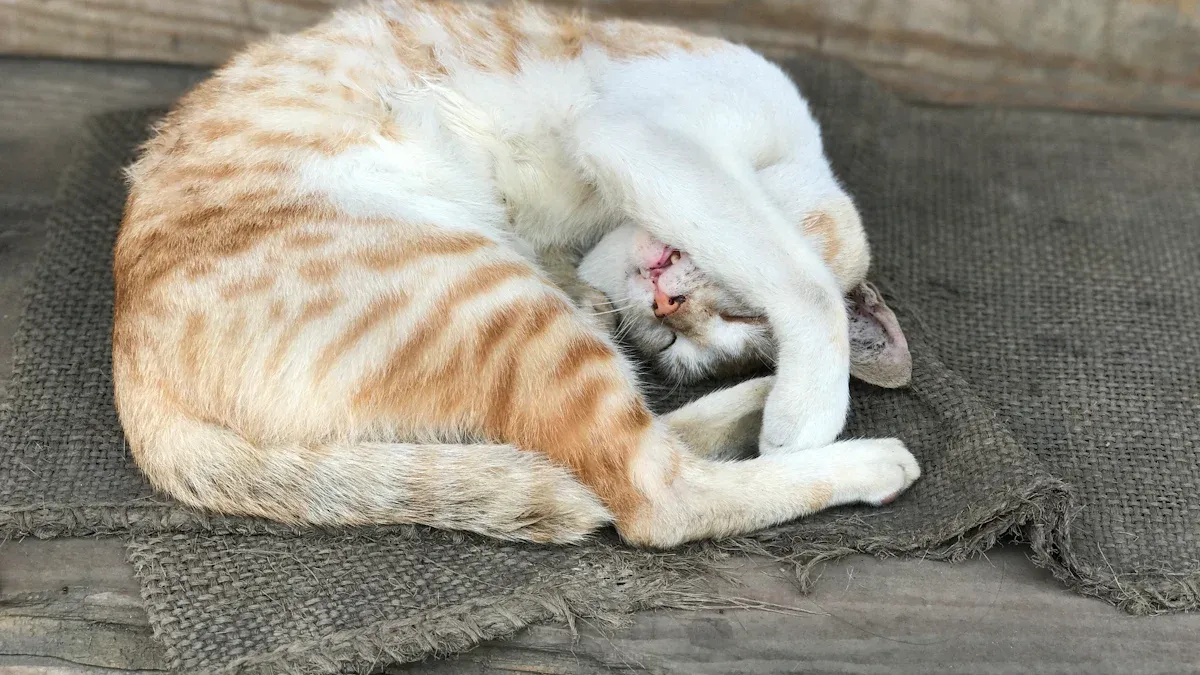
Choose a quiet area in your home for the cat bed. Avoid busy walkways and loud appliances. Cats feel safer and more relaxed when they rest in low-traffic, draft-free spaces. Enclosed spaces, like corners or under furniture, help block out noise and sudden movements. These spots give cats a sense of security and warmth, which supports better rest.
Cats prefer enclosed spaces for security and warmth.
Quiet, low-traffic areas reduce stress and allow cats to relax.
Draft-free spots help keep the bed comfortable.
Height and access: elevated or low cat beds
Decide if your cat prefers an elevated bed or one on the floor. Some cats like to perch up high, while others want easy access. For older cats or those with limited mobility, place the bed at ground level. Make sure the bed is stable and does not wobble. If you use an elevated bed, check that your cat can reach it safely.
Keep beds away from food, water, and litter
Place the cat bed far from food bowls, water dishes, and litter boxes. This keeps the resting area clean and prevents unwanted smells. Cats do not like to sleep near their eating or elimination spots. A separate bed area encourages cats to use the bed for rest only.
Keeping beds away from food, water, and litter maintains a clean environment.
This separation prevents contamination and supports healthy habits.
Placement checklist for comfort and safety
Follow these steps to set up the best spot for your cat bed:
Pick a quiet, low-traffic area.
Check for drafts and avoid placing the bed near windows or doors.
Choose a spot away from food, water, and litter.
Decide on bed height based on your cat’s needs.
Make sure the bed is stable and secure.
In multi-cat homes, provide separate beds in different locations.
Watch your cat’s behavior and adjust placement if needed.
Check Item | Pass/Fail | Solution if Not Passed |
|---|---|---|
Quiet, low-traffic location | Move bed to a calmer area | |
Draft-free spot | Block drafts or choose another spot | |
Away from food, water, litter | Relocate bed to a separate area | |
Stable and secure bed | Add non-slip mat or adjust placement | |
Easy access for your cat | Lower bed or add steps if needed | |
Separate beds for each cat | Add more beds in different locations |
Tip: In homes with more than one cat, give each cat its own bed. This helps prevent territorial disputes and gives every cat a private place to rest.
Prevent common reasons cats avoid beds
Why cats avoid a cat bed: noise, drafts, scent loss
Cats often avoid a cat bed for reasons you can control. Common causes include noise, drafts, and changes in scent. If you place a bed near loud appliances or in a drafty hallway, your cat may not feel safe. Cats also react to unfamiliar smells. New cleaning products or washing away their scent can make a bed feel strange.
Loud noises or sudden sounds make cats feel unsafe.
Drafts from windows or doors can make a bed uncomfortable.
Strong or unfamiliar scents from detergents or other animals may cause cats to avoid the bed.
When cats prefer caves, perches, or boxes
You may notice your cat choosing a box, a perch, or a cave instead of the cat bed. Cats look for places that feel secure and familiar. Confident cats might use open perches, while shy cats often hide in boxes or caves. Kittens use boxes for play and safety. Senior cats may pick lower-sided boxes for easy access.
Enclosed spaces let cats protect their backs and watch their surroundings. This helps them feel alert and safe while resting.
Scent and washing: keep beds familiar
Cats rely on scent to feel at home. If you wash every cat bed at once, you remove familiar smells. Always keep at least one bed unwashed during cleaning. Use gentle, unscented detergents. Avoid strong fragrances. Place a favorite blanket or toy in the bed to help your cat accept it.
Tip: Rotate washing so your cat always has a familiar-smelling bed.
What not to do: forcing, over-washing, busy spots
Never force your cat into a new bed. Let your cat choose where to rest. Avoid placing the bed in busy areas or near loud noises. Do not over-wash the bed, as this removes comforting scents. Watch for changes in your cat’s behavior. If your cat suddenly avoids the bed or hides more, consider a vet visit.
Let your cat explore new beds at their own pace.
Keep the bed in a quiet, safe spot.
Maintain familiar scents to help your cat feel secure.
Cat bed checklists and troubleshooting
Setup checklist: comfort, placement, scent
Use this checklist to set up a cat bed that supports comfort and safety for your cat:
Measure your cat to choose the right size cat bed.
Check the entrance design for easy access, especially for older cats.
Select materials that offer comfort and self-warming features.
Pick a stable bed that will not tip or slide.
Place the bed in a quiet, low-traffic area away from food and litter.
Make sure the bed keeps your cat’s scent for familiarity.
Add a self-warming cat bed or heated option if your cat needs extra warmth.
Cleaning routine for easy maintenance
Keep your cat bed fresh and inviting with this cleaning routine:
Each day: Shake out the bed and let it air out for self-warming and heated comfort.
Each week: Use UV light on the self-warming cat bed and heated surfaces to reduce germs.
Each month: Wash the bed with gentle detergent. Always keep one familiar self-warming cat bed unwashed to maintain scent.
Troubleshooting: ignored or dirty beds
Problem | Possible Cause | Immediate Solution | Prevention Tip |
|---|---|---|---|
Cat ignores bed | Wrong placement, scent loss | Move bed, add familiar item | Keep bed in quiet, safe spot |
Bed gets dirty quickly | Poor cleaning schedule | Clean more often | Set regular cleaning reminders |
Bed slides or tips | Unstable base | Place on non-slip mat | Choose stable, quality bed design |
Cat avoids heated bed | Too warm or unfamiliar | Lower heat, add own scent | Test self-warming cat bed first |
When to reassess or see a vet
If your cat suddenly avoids every cat bed, hides more, or changes sleep habits, you should check for health issues. A sudden dislike of a self-warming cat bed or heated bed may signal pain or stress. Contact your vet if you notice big changes in your cat’s comfort or behavior.
Tip: Regularly review your setup and cleaning routine. Adjust the self-warming cat bed or heated bed placement to match your cat’s needs for comfort and quality rest.
You can set up a cozy cat bed by creating quiet, safe spaces that match your cat’s comfort needs. Give your cats both cozy and open options. Use checklists to solve common problems. Patience helps your cat adjust. A little effort with your cozy cat bed leads to a happier, well-rested cat.
FAQ
How often should you clean your cat bed?
You should clean the cat bed every week. Always keep one bed with your cat’s scent to help your cat feel safe and comfortable.
Where is the best place to put a cat bed?
Place the bed in a quiet, low-traffic area. Avoid spots near food, water, or litter. Your cat will rest better in a calm, safe location.
What if your cat ignores the new bed?
Let your cat explore the bed at its own pace. Add a favorite blanket or toy. Avoid forcing your cat to use the bed.
