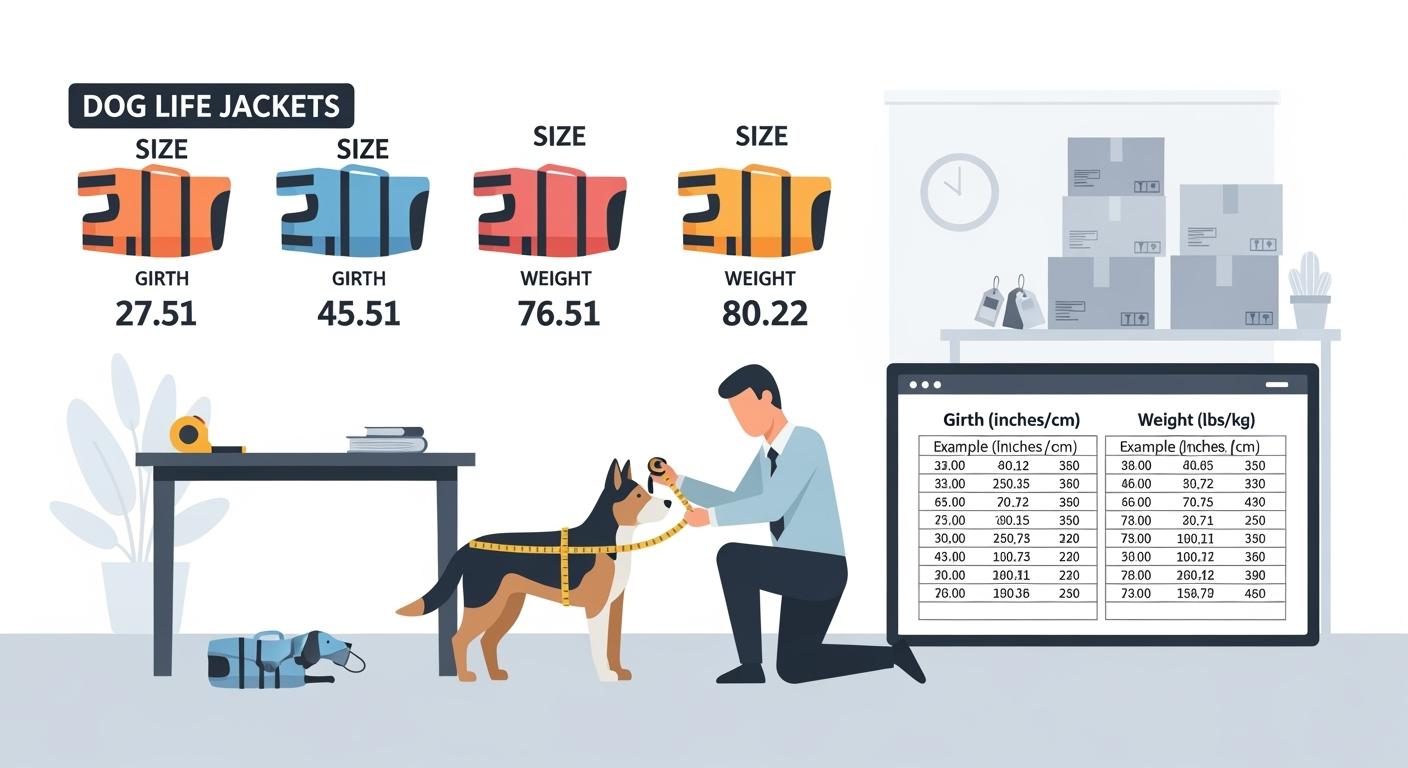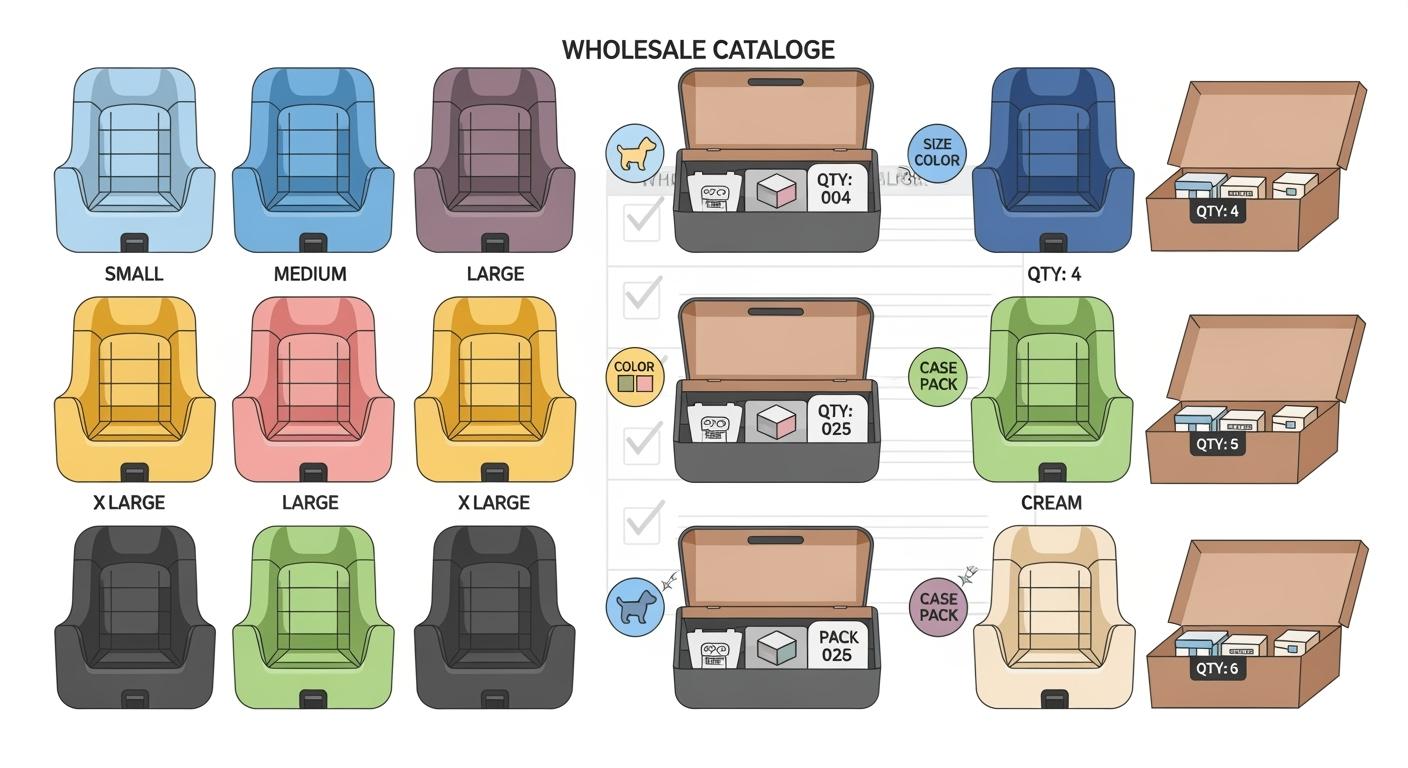
When you hear dog armor, think of a vest for dogs. It protects dogs working outside, on jobs, or while hunting. This armor makes the vest stronger. It helps lower the chance of cuts, snags, or scrapes in tough places. Do not treat it like human PPE. Do not expect it to give total safety. Using the right category and words helps buyers and sellers know what the product does.
Key Takeaways
Learn what dog armor means. It has vests and gear that keep dogs safe when they work outside, help people, or go hunting.
Know what dog armor can and cannot do. It does not make your dog fully safe. You should use it with other safety steps for your dog.
Pick the right type of dog armor. Putting it in the right group helps buyers choose the best one and know how to use it.
Use simple and true words when you talk about dog armor. Do not say things like ‘bulletproof.’ Say what the armor really does.
Ask sellers for test papers. These papers show the armor is good and safe for dogs.
Dog armor scope and limits for buyers
What counts as dog armor
You need to know what counts as dog armor before you buy. Dog armor includes vests and gear that help protect a dog during outdoor work, service jobs, or hunting. These products use strong materials and smart design to help reduce the risk of cuts, scrapes, or snags. You will find several types of armor for dogs:
Bulletproof vests: Designed to protect against gunfire.
Tactical vests: Used for various operational needs in police and military settings.
Helmets: Provide head protection in combat situations.
Soft armor: Protects against shrapnel and debris, while also offering additional features like storage and harnesses.
Most buyers look for armor that fits the dog well and stands up to tough use. You should always check the intended use and make sure the product matches your needs.
What dog armor is not
Dog armor is not human PPE. You should not expect it to work like gear made for people. It does not make a dog invincible. You cannot call it bulletproof, stab-proof, or bite-proof. The armor does not promise total safety. You must use it as one part of a full safety plan for your dog.
Limits of protection
Studies show that while Kevlar vests are recommended for working dogs, they do not prevent heat-related illnesses. Dogs can still overheat, especially in hot conditions, due to their physiological differences from humans. The study found that dogs took longer to return to baseline temperatures in summer, and while cooling vests helped some, there was no evidence that Kevlar vests increased heat levels compared to no vests.
No armor can remove all risk. You must supervise your dog and use the right gear for the job. Always remember that the environment and your actions play a big role in keeping your dog safe.
Category placement for outdoor, working, and hunting dog armor
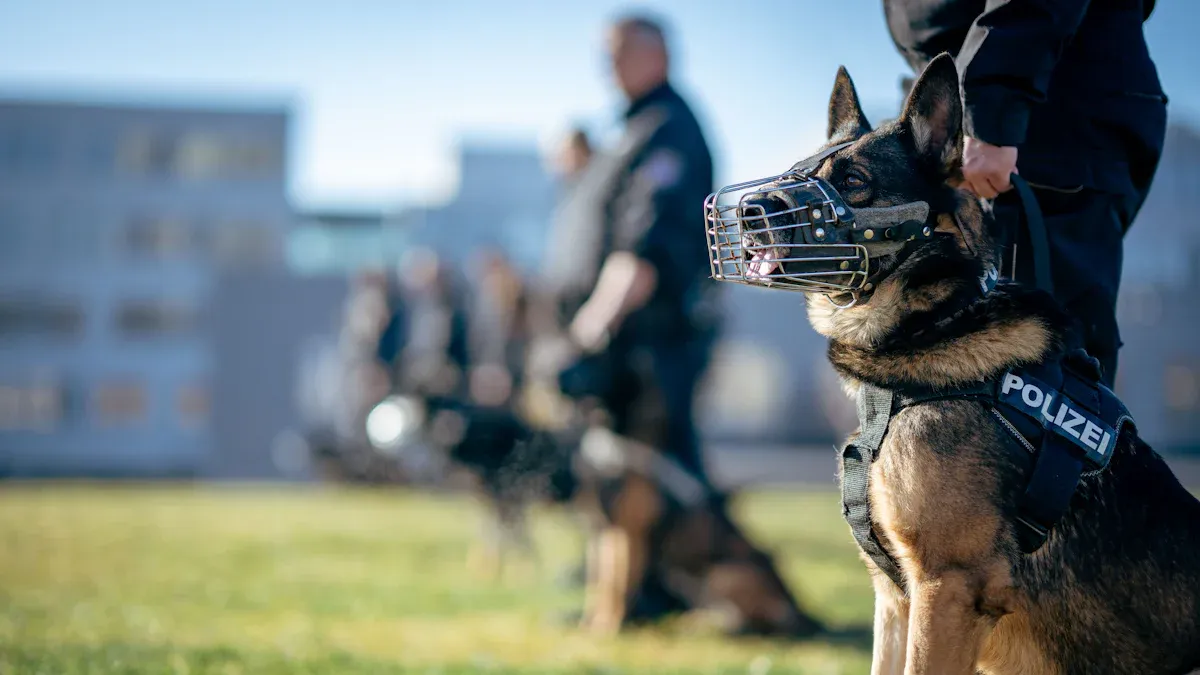
Picking the right category for armor helps people avoid mistakes. Some sellers put armor in the wrong section or use words that promise too much. This can confuse buyers. Each armor type should match its real use. Doing this keeps your business and customers safe.
Outdoor category focus
Outdoor armor helps dogs walk through rough trails and bad weather. The vest should stop scratches and snags. Look for fabric that is easy to clean and bright trim. The vest should not make your dog uncomfortable or hard to move. It is important to check the size for every dog. Good vests cover the chest, belly, and sides but do not block movement. Outdoor armor is best for hiking, camping, and travel. It does not keep your dog safe from everything. You still need to watch your dog and pick the right gear for each trip.
Working dog vest focus
Working armor helps dogs do jobs like search and rescue or police work. The vest needs strong fabric and handles. It should stay in place when you lift or guide your dog. The size should be the same for every order. The vest must protect important parts but let your dog move. Working armor often uses 1000D Cordura Nylon and pack-cloth lining. These materials are easy to clean and last a long time. You should ask for test results on seams and hardware. Use safe words when you talk about the vest. Say it is made for tough jobs. Do not say it is bulletproof or escape-proof.
Hunting dog vest focus
Hunting armor keeps your dog safe during hunting dog training and field work. The vest should handle brush, water, and mud. Pick waterproof mesh or neoprene. The size and fit are very important. The vest should not rub or slip. Good vests cover the chest and belly to stop thorns and sticks. Your dog should be able to move easily. The vest should not slow your dog down. Bright colors help you see your dog in tall grass. Use careful words. Say the vest helps stop snags and scratches. Do not say it is bite-proof or predator-proof.
Tip: Always say what the vest is for first, then talk about what it cannot do. For example, “This vest is made for hunting dog training in thick brush. No vest can remove all risk. You still need to watch your dog and think about the environment.”
Category Placement Matrix
Use Case | Best Catalog Category | Key Spec Emphasis | Claim-Safe Phrasing Angle |
|---|---|---|---|
Outdoor hiking/travel | Outdoor Dog Armor | Abrasion resistance, visibility, easy-clean, comfort, fit | “Built for routine outdoor use. Reduces risk of snags and scrapes.” |
Working/service | Working Dog Vest | Durability, handle strength, load paths, sizing, coverage | “Designed for durability and stability in working conditions.” |
Hunting/training | Hunting Dog Vest | Brush resistance, waterproofing, high-visibility, fit | “Helps protect against brush and abrasion during hunting dog training.” |
Practical examples of catalog placement
Put outdoor armor in the “Outdoor Dog Armor” section. Talk about how it stops scratches, fits well, and covers the body. Use words like “Good for outdoor trips. Does not promise total safety.”
List working armor under “Working Dog Vest.” Focus on size, strong handles, and coverage. Say “Made for working dogs. Use with an adult watching.”
Place hunting armor in the “Hunting Dog Vest” or “Hunting Dog Training” section. Talk about waterproof fabric, fit, and bright colors. Use words like “Made for hunting dog training. Does not make your dog safe from all animals.”
You can help buyers by using clear product names and bullet points. Always say what the vest is for at the start. Add a short sentence about limits near the top of each page.
Note: If you sell OEM or ODM, say what you can change. Always give a size chart and fit guide.
Step 2: Choose the catalog category placement and write a one-sentence positioning statement with a clear limits sentence.
Example for outdoor: “This outdoor dog armor vest helps lower the chance of snags and scratches on trails. No vest can stop all risk.”
Example for working: “This working dog vest is made to last and fit well for service jobs. You must watch your dog and pick the right size.”
Example for hunting: “This hunting dog vest helps protect during hunting dog training from brush and scratches. It does not promise total safety.”
Request a quote or Ask for samples / get a catalog to check size, fit, and coverage before you buy.
Stocking tip: Start with the main types of outdoor, working, and hunting armor in the most common sizes. Add special types only after you check returns and complaints.
Claim-safe language for dog armor
Risky claims to avoid
You want buyers to know what they are getting. Some words sound strong but can confuse people. If you say a vest is bulletproof or bite-proof, buyers might think their dog is always safe. These words can cause returns or even legal problems. Never promise that armor will stop every danger. Stay away from words like escape-proof, guaranteed protection, or predator-proof.
Safer phrasing and disclaimers
You should use clear and honest words. Tell buyers what the armor is made of and how it is built. Use words like reinforced panels, abrasion resistance, and high-visibility trim. Always add a sentence about limits. Remind buyers that no gear can remove all risk. Tell them to watch their dog and think about where they are.
Step 1: Pick the main use and risk level. Explain what protection means in simple words. For example, protection means helping lower the chance of snags, scratches, or small injuries when dogs work or play outside.
Claim Risk Ladder Table
Risky Claim | Why It Is Risky | Safer Alternative Wording | Proof to Request |
|---|---|---|---|
Bulletproof | Implies total protection from firearms | Reinforced panels in high-wear zones | Fabric abrasion test report |
Bite-proof | Suggests complete defense against bites | Designed to help reduce snagging and abrasion | Seam strength test report |
Escape-proof | Promises no chance of escape | Built for durability under routine outdoor use | Webbing tensile test report |
Guaranteed safety | Removes all risk | No gear can eliminate risk; supervision still matters | Production QC plan |
Predator-proof | Implies defense against all animals | Helps protect against brush and abrasion during hunting | Hardware corrosion test report |
Sample product description language and required limits statements
“This armor vest uses reinforced panels to help lower the chance of snags and scratches for your dog during hunting or outdoor work. No vest can stop all risk. You must supervise your dog and choose the right gear for each activity.”
“Designed for working dogs, this armor features strong handles and durable seams. It helps support stability and coverage. Always check fit and supervise your dog during use.”
“Hunting dog armor helps protect against brush and abrasion. It does not promise total safety. Use with care and watch your dog in the field.”
If you want special features, ask about OEM or ODM options. You can ask for a quote or get samples to check fit and coverage before you buy.
Stocking tip: Start with the main types of outdoor, working, and hunting armor in common sizes. Add special types only after you check returns and complaints.
Materials and test methods for dog armor

Key test methods to request
When you pick armor for your dog, you should know how strong the materials are. Ask the supplier for test reports. These reports show how the vest works in real life. Each test checks a different part of the armor. Here are the main tests you should look for:
Abrasion resistance: Shows if the fabric can handle wear. Common ways to test are ISO 12947-2 (Martindale) and ASTM D4157.
Seam strength: Measures how tough the stitching is. ASTM D1683 is used for this.
Webbing tensile strength: Tests how much force the straps can take. ASTM D6775 is a standard test.
Hardware corrosion resistance: Checks if buckles and rings last in wet or muddy places. ISO 9227 salt spray is a common test.
Color and trim durability: ISO 105-B02 shows how colors hold up in sunlight.
Cut resistance: ISO 13997 is used for fabrics that need extra protection.
Tip: Always ask for the test method name and the date on the report. This helps you compare products and make safe choices.
Dog armor uses many types of materials. The table below lists the most common ones and what they do.
Material Type | Characteristics |
|---|---|
Tightly woven aramid fabrics | Stab resistance with flexibility for dog movement |
Laminated resin-impregnated layers | Enhanced blade protection |
Chainmail-style metal mesh | Extra protection in some designs |
Specialized polymer laminates | Prevents blade penetration, stays flexible |
Nylon | Durable, water-resistant, cost-effective |
Cordura | Superior abrasion resistance for working dogs |
Mesh panels | Ventilation to reduce heat buildup |
Kevlar (Aramid Fiber) | Excellent resistance, heavier than newer materials |
Dyneema (UHMWPE) | Lighter, hydrophobic, UV resistant |
Hybrid Constructions | Mixes materials for balanced performance |
How to read test reports
You need to know what test reports mean before you buy armor for your dog. Look for the test method name, the date, and the results. Good reports list the material, the test used, and what happened. If you see numbers, bigger numbers often mean stronger armor. Always check if the report matches what you need, like outdoor, working, or hunting.
Read the summary first. It should say what was tested and why.
Check the numbers for abrasion, seam strength, and webbing. These are important for working and outdoor armor.
Look for notes about hardware and color durability for hunting armor.
Ask for a bill of materials and a QC plan from the supplier. This helps you know what you are getting.
Step 3: Decide what proof buyers need. You should ask for test method names and supplier papers that match your needs. For example, outdoor armor needs abrasion and seam strength tests. Hunting armor needs corrosion and color durability checks.
OEM means Original Equipment Manufacturer. You can ask for custom features or branding. ODM means Original Design Manufacturer. You can buy ready-made designs with your own label. Both options let you change dog armor to fit your needs.
Request a quote or ask for samples or get a catalog before you buy. Start with the main types and add special ones only after you check returns and complaints.
Supplier documentation and QC essentials
What to request from suppliers
You need good paperwork before you buy dog armor. These papers help you check safety and quality. Ask your supplier for clear records. The records show how the armor meets your needs. They also show if the armor follows rules. Use the table below to help you know what to ask for.
Documentation Type | Description |
|---|---|
Technical Requirements | Lists sizes, weight limits, and weak spots of the armor. |
Compliance Standards | Shows rules like ISO or ASTM to avoid mix-ups. |
Inspection Methods | Steps for checking materials, like looking and testing in labs. |
Certificates of Analysis | Test reports that help you check quality. |
Safety Certifications | Papers like REACH or ISO 9001 to show the armor is safe. |
You should also ask for these things:
Test reports for abrasion, seam strength, and hardware.
Records that show where each batch came from.
Label files with fiber content, care tips, and warnings.
If you want special features or your own brand, ask about OEM or ODM. Always look at the bill of materials and QC plans before you order.
Change-control and QC plans
You need to check how your supplier handles changes and quality. Change-control means tracking updates to materials or design. This helps you avoid problems and keeps the armor the same. Quality control plans show how the supplier checks every step.
Best ways to handle QC and change-control are:
Check if the supplier knows how to make dog armor.
Talk about how much they can make and how fast.
Make sure the supplier has good QC steps and papers.
Do audits to see if the supplier can do the job.
Keep talking to avoid slowdowns.
Do REACH tests for chemical safety.
Follow these steps for better control:
Use a cloud system to connect your team and supplier.
Watch change management as it happens.
Track and write down every change to follow rules.
Ask for a quote or samples or get a catalog before you buy. Start with the main types of dog armor in common sizes. Add special types only after you check returns and complaints.
Labeling and compliance basics
US, UK, EU labeling needs
You must follow rules when you label dog armor. Each place has its own rules. In the US, you need to show where the armor was made. You must list what fibers are in the vest. You have to give contact info for the company. You need proof for any claims about the armor. In the EU, you must show product ID under GPSR. You need to list what fibers are in the vest. You must meet REACH safety rules. Give safety instructions in the local language. These steps help buyers trust your dog armor. They also help you avoid problems with customs or returns.
Here is a quick guide to labeling needs:
Region | Key Requirements | Notes |
|---|---|---|
US | Country of origin marking, textile fiber claims, responsible party contact info, claims substantiation | Strict rules on origin marking and advertising claims |
EU | GPSR product identification, textile fiber composition, REACH compliance | Focus on traceability and safety instructions in local languages |
Tip: Always check local rules before you print labels for dog armor. Use clear words and do not make risky claims.
Common compliance pitfalls
You can have problems if you miss important steps. Many buyers forget to check if the label matches the vest. Some sellers skip the country of origin. Others use wrong fiber names. Some do not add safety warnings or care tips. If you sell dog armor in the EU, use the right language for each country. Keep records of all test reports and supplier papers.
Common pitfalls include:
Missing country of origin on dog armor labels
Using unproven claims about protection
Not listing textile fiber content
Forgetting safety warnings or care instructions
Failing to provide traceability for each batch
You can avoid these problems by using a checklist for every shipment. Ask your supplier for label files, test reports, and a bill of materials. Request a quote or ask for samples or get a catalog before you buy. Start with the main types of dog armor in popular sizes. Add special types only after you check returns and complaints.
Note: If you want custom features, ask about OEM or ODM options. This lets you change the design or branding for your dog armor.
Merchandising and product detail page structure
Presenting specs and limits
You need a clear layout for your product detail page when you sell armor for dogs. Buyers want to see what the armor does and what it does not promise. Start with a table that lists the main features and limits. This helps buyers compare products and set the right expectations.
Feature | Description |
|---|---|
Durability | Stands up to tough use in outdoor, working, or hunting settings. |
Design | Allows easy movement for the dog and fits under other gear. |
Flexibility | Lets the dog move naturally and stay active. |
Comfort | Breathable and comfortable for long wear times. |
Protection | Reinforced panels help lower the chance of snags and scratches. |
Aesthetics | Looks good and works well in the field. |
Tip: Always add a clear limits statement near the top. For example, “No armor can remove all risk. Supervision and environment still matter.”
List the test methods used for each feature. Show the date of the report. Buyers can then request proof and check quality.
Use-case positioning
You should always lead with the use case. Tell buyers if the armor is for outdoor, working, or hunting dogs. Use simple bullet points to show where the armor works best.
Outdoor: Hiking, camping, travel, rough trails
Working: Search and rescue, service jobs, police work
Hunting: Field training, brush-heavy areas, water and mud
Add a short sentence about what the armor helps with. For example, “This armor helps protect your dog from brush and abrasion during field work.” Never promise total safety.
If you want custom features or branding, ask about OEM or ODM options. You can request a quote or ask for samples or get a catalog to check fit and coverage.
Stocking strategy: Start with the main types of armor in common sizes. Add niche variants only after you review return and complaint data.
Supplier RFQ checklist and scorecard
Key RFQ questions
When you buy armor for a dog, you should ask smart questions. This helps you check if the armor is safe and good quality. It also helps you see if the supplier is reliable. Use this checklist to help you with your RFQ:
Criteria | Action Steps |
|---|---|
Assess Product Quality and Safety | Ask for samples of the dog armor. Request quality control papers. Keep up with new rules. |
Evaluate Supplier Reputation | Read reviews and check references. Score each supplier using a simple system. |
Monitor Supplier Performance | Track sales and returns with your POS system. Watch for recalls or complaints. |
Copy/Paste RFQ Checklist:
List all materials and coatings used in the dog armor
Show how the armor is built and where it is reinforced
List test methods like abrasion, seam strength, and hardware corrosion
Give labeling files with fiber content, care, and warnings
Share the quality control plan and checkpoints
Explain the change-control process for updates to materials or design
Scorecard template
You can use a scorecard to compare dog armor suppliers. Rate each part from 1 (poor) to 5 (excellent). This helps you choose the best supplier for your needs.
Category | Metrics |
|---|---|
Quality | Defect rates, meets specs, delivers on time |
Delivery | On-time rate, order accuracy, lead time |
Service | Fast replies, solves problems, clear communication |
Additional | Sustainability, innovation, cost savings |
Proof of durability
Careful claims
Consistent quality control
Reliable lead times
Clear communication
Step 5: Set receiving QC checkpoints and complaint triage:
Check the armor for defects, fit, and label accuracy when you get it.
If someone complains, ask for photos of the dog wearing the armor and close-ups of the problem.
Replace only if you find a real defect or safety issue.
Request a quote or ask for samples or get a catalog to check fit and coverage before you buy. For stocking, start with the main types of dog armor in common sizes. Add special options only after you check returns and complaints.
Sales and support FAQ handling for dog armor
Safe responses to tough questions
Buyers might ask if armor keeps all dogs safe. You should answer with clear facts and safe words. Never say the armor will stop every danger. If someone asks if the vest is bulletproof or bite-proof, you can say:
“This armor uses strong panels to help lower the chance of snags and scratches. No gear can remove all risk. You still need to watch your dog and think about where you are.”
Many buyers want to know about hunting use. You can reply:
“This armor helps protect your dog from brush and scratches during hunting dog training. It does not promise total safety.”
“For hunting, pick armor with bright trim and strong parts. Always check the fit and coverage before you use it.”
If a buyer wants proof, you can show test reports for fabric strength, seams, and hardware. You should also say that OEM and ODM options let you change armor for special needs.
When to escalate
Sometimes, buyers ask about very big risks or want you to make promises you cannot keep. You need to know when to send these questions to your compliance or product team. Use this table to help you decide:
Question Type | Escalate If… | Next Step |
|---|---|---|
Safety claims | Buyer asks for bulletproof or bite-proof claims | Send to compliance team |
Custom design requests | Buyer wants new features or branding | Talk to product development |
Regulatory questions | Buyer asks about labels or test methods | Ask a regulatory specialist |
Tip: Always write down hard questions and your answers. This helps you make your FAQ better and avoid risky promises.
You can help buyers make safe choices. Remind them to ask for a quote or get samples or a catalog to check fit and coverage. For stocking, start with the main types of armor. Add special types only after you check returns and complaints.
Glossary of dog armor test terms
Abrasion
Abrasion measures how well the fabric in dog armor stands up to rubbing and scraping. You want to see high abrasion resistance so the vest lasts longer in rough places. Common tests include the Martindale Abrasion Test, Taber Abrasion Test, and DIN Abrasion Test. Here is a quick table showing how these tests work:
Test Method | Description |
|---|---|
Taber Abrasion Test (ASTM D4060) | Rotating sample faces abrasive wheels under set load, used for textiles and coatings. |
DIN Abrasion Test (ISO 4649) | Sample rubbed against abrasive sheet, checks rubber and elastomers. |
Martindale Abrasion Test (ISO 12947) | Circular fabric rubbed in a set pattern, used for dog armor fabrics. |
Seam strength
Seam strength tells you how tough the stitching is in dog armor. Strong seams keep the vest together when your dog moves or pulls. You should look for test results using ASTM D1683, which checks how much force the seams can take before breaking.
Salt spray
Salt spray tests show how well the hardware in dog armor resists rust. If your dog works in wet or muddy places, you want buckles and rings that pass the ISO 9227 salt spray test. This means the metal parts will last longer and stay safe.
Lightfastness
Lightfastness measures how well the colors in dog armor hold up in sunlight. You want bright colors that do not fade quickly. Tests like GB/T 8427-2019 use blue wool standards to grade color changes. Here is a table with key points:
Standard Code | Description |
|---|---|
GB/T 8427-2019 | Checks color fastness to artificial light in textiles, including dog armor fabrics. |
Comparison Method | Uses blue wool standards to rate fading. |
Cut resistance
Cut resistance shows how well the fabric in dog armor stands up to sharp objects. You want high cut resistance for dogs working in brush or near thorns. ISO 13997 is a common test for this feature.
Ballistic panel
A ballistic panel is a layer in some armor that helps slow down or stop projectiles. For dog armor, you should not expect full protection. Panels may use aramid fibers or polymer laminates to add strength.
Impact attenuation
Impact attenuation means how well the armor absorbs shocks or hits. Tests check how much force passes through the vest when dropped or hit. For helmets, you see tests at different sites and speeds. You want low acceleration numbers, which means better shock absorption.
Helmets tested at four sites with flat and round anvils
Drop heights and speeds set for each test
Maximum acceleration recorded to show protection level
Hydrostatic head
Hydrostatic head measures how well the fabric in dog armor keeps water out. Higher numbers mean better waterproofing. This helps your dog stay dry in rain or wet grass.
Tear strength
Tear strength tells you how hard it is to rip the fabric in dog armor. Strong tear resistance means the vest will not break easily if caught on branches or rocks.
You need to keep scope lock tight when you buy dog armor. Place armor in the right category and use claim-safe language. Clear words and strong documentation help you build trust and lower risk. Use the tables and checklists to guide your team.
Request a quote
Ask for samples / get a catalog
Stocking tip: Start with a core assortment for your dog. Add niche options only after you review returns and complaints.
FAQ
What should you check before buying dog armor?
Look at the bill of materials and test reports. Check the QC plans too. Ask for sample vests to see how they fit. Make sure the vest covers your dog well. Confirm the vest matches your needs, like outdoor, working, or hunting.
How do you know if a supplier meets safety standards?
Ask for test reports that show abrasion resistance and seam strength. Request papers that prove the supplier follows US, UK, or EU rules. Look at the QC plan to see if it is consistent.
Can you customize dog armor for your team or brand?
Yes, you can ask for OEM or ODM options. Talk to suppliers about custom features or branding. You can also request design changes. Always check samples and paperwork before you order a lot.
What is the best way to compare suppliers?
Use a scorecard to rate quality, delivery, and service. Track defect rates and how fast they reply. Ask for samples and look at test reports for each supplier.
How should you plan your initial dog armor stock?
Start with a basic group of vests in common sizes. Add special types only after you check returns and complaints. This helps you avoid having too many and keeps quality high.
Request a quote
Ask for samples / get a catalog